
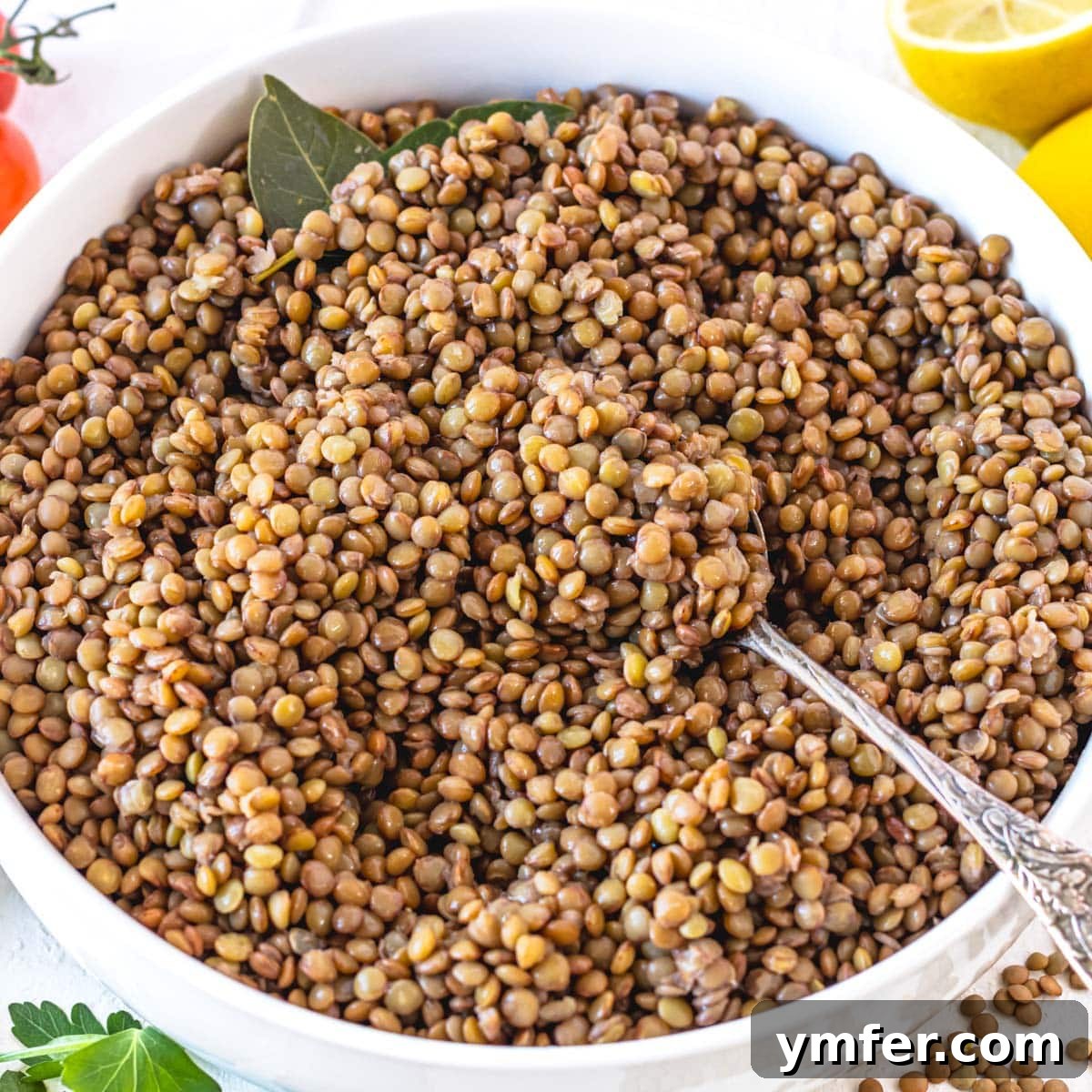
How to Cook Lentils Perfectly Every Time: Your Ultimate Guide
Unlock the secret to perfectly cooked lentils with this comprehensive guide! In this post, you’ll master how to cook lentils in a pot with water on your stovetop, ensuring they turn out tender, flavorful, and ready for any dish.
This versatile cooking method is ideal for countless delicious recipes, from refreshing lentil salads and creamy lentil hummus to hearty stuffed bell peppers and aromatic mujadara.
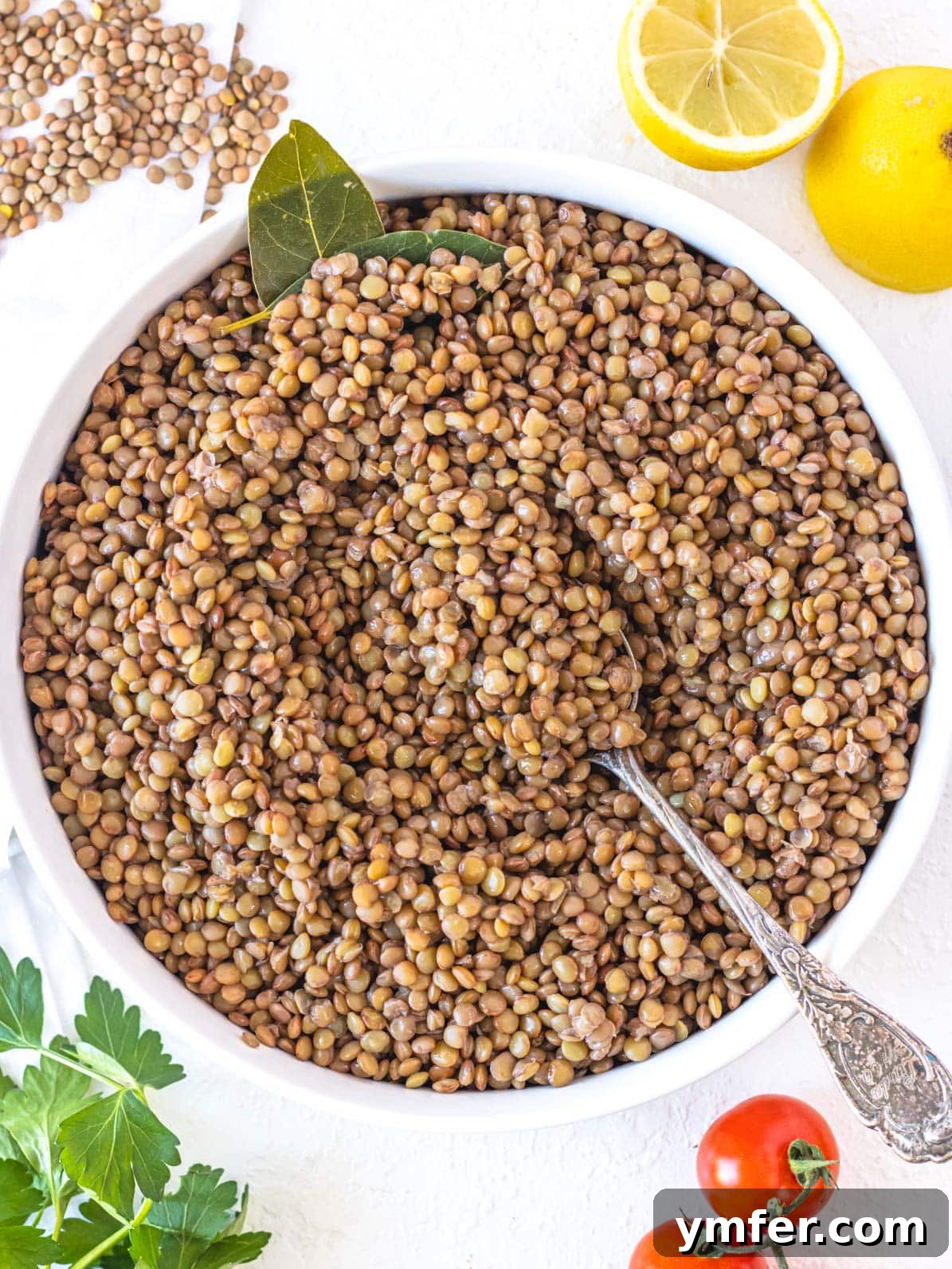
Short on time? JUMP TO THE FULL RECIPE CARD HERE!
What Exactly Are Lentils? Your Nutrient-Packed Powerhouse
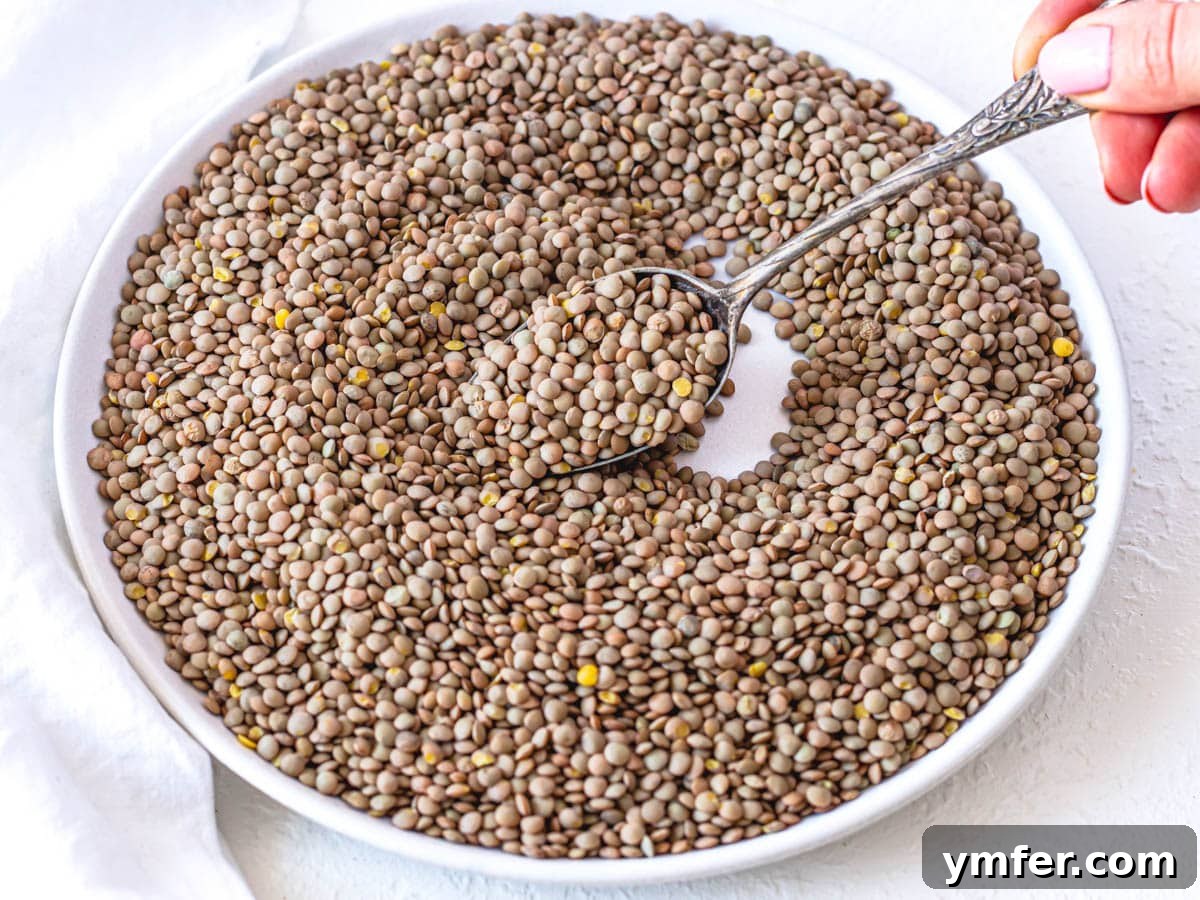
Lentils are small, disc-shaped seeds that hail from the legume family, also known as pulses. They are the edible seeds of a legume plant, belonging to the Fabaceae family, which also includes other nutritional powerhouses like chickpeas, beans, soy, and peanuts. These humble legumes have been a cornerstone of human diets for over seventy thousand years, cherished for their incredible versatility, affordability, and profound health benefits.
Often celebrated as a superfood, lentils are an outstanding source of dietary fiber, plant-based protein, and complex carbohydrates. They are also rich in essential micronutrients, including vital vitamins, folate, iron, potassium, and magnesium. Incorporating lentils into your diet is a simple yet powerful way to boost your nutrient intake and support overall well-being. They provide sustained energy, aid in digestion, and contribute to a feeling of fullness, making them an excellent choice for weight management.
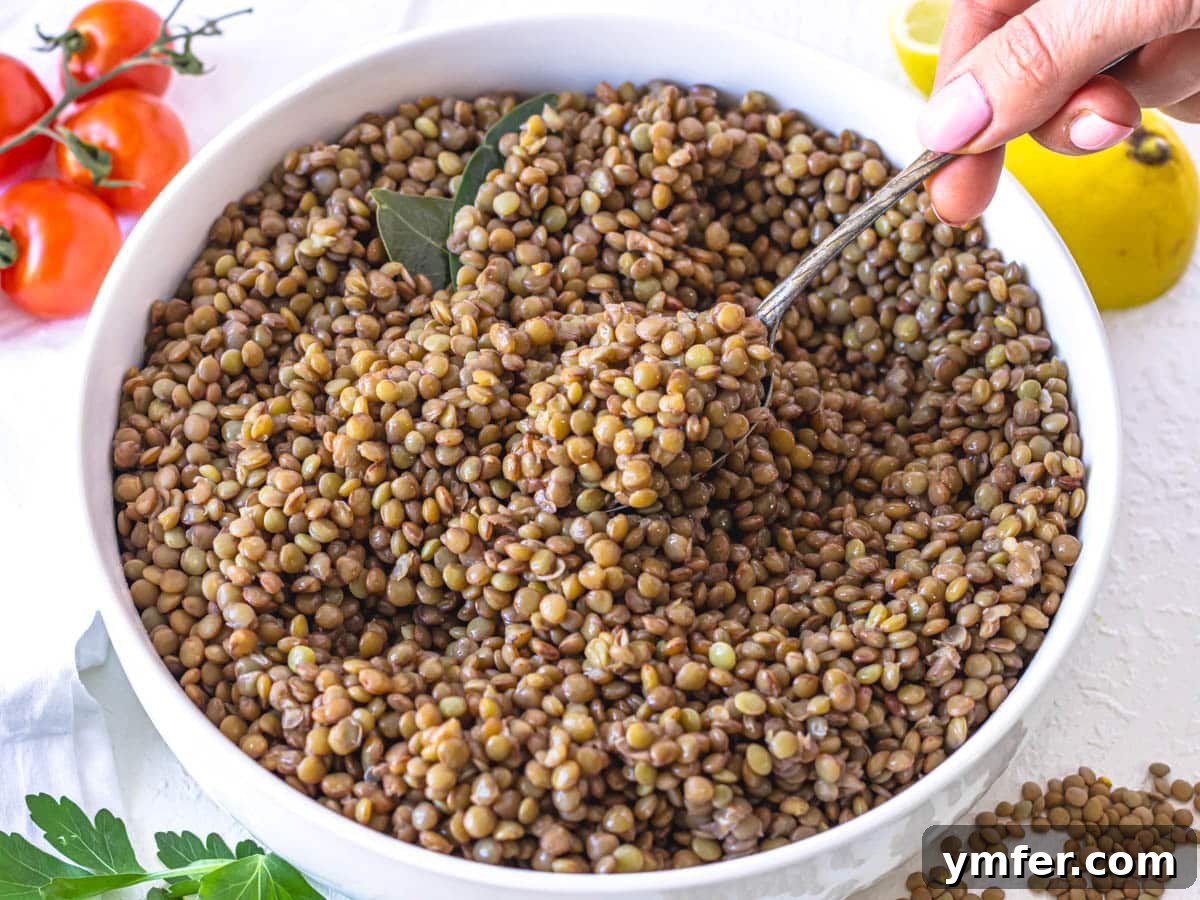
Lentils are a staple in many traditional culinary traditions across the globe, particularly in vibrant Mediterranean diets and flavorful Indian cuisine, where they are affectionately known as “dal.” Their ability to absorb flavors makes them an indispensable ingredient, capable of transforming simple meals into extraordinary culinary experiences. From the hearty warmth of our Moroccan lentil soup to the aromatic spices of an Indian lentil curry, and classic Italian lentil soup to savory Turkish lentil soup, the possibilities are endless.
Beyond traditional soups and curries, lentils shine in a multitude of dishes. Imagine a refreshing lentil salad bursting with crunchy vegetables, or the comforting layers of Levantine mujadara, an aromatic dish combining rice and lentils. They can also serve as a superb meat substitute in many vegetarian and vegan recipes, providing texture and substance to dishes like stuffed zucchini, a savory lentil loaf, or an elegant mushroom Wellington.
You can even blend them into a rich and savory bolognese pasta sauce or transform them into a smooth, creamy lentil hummus, offering a delightful twist on classic preparations. Their adaptability is truly remarkable.
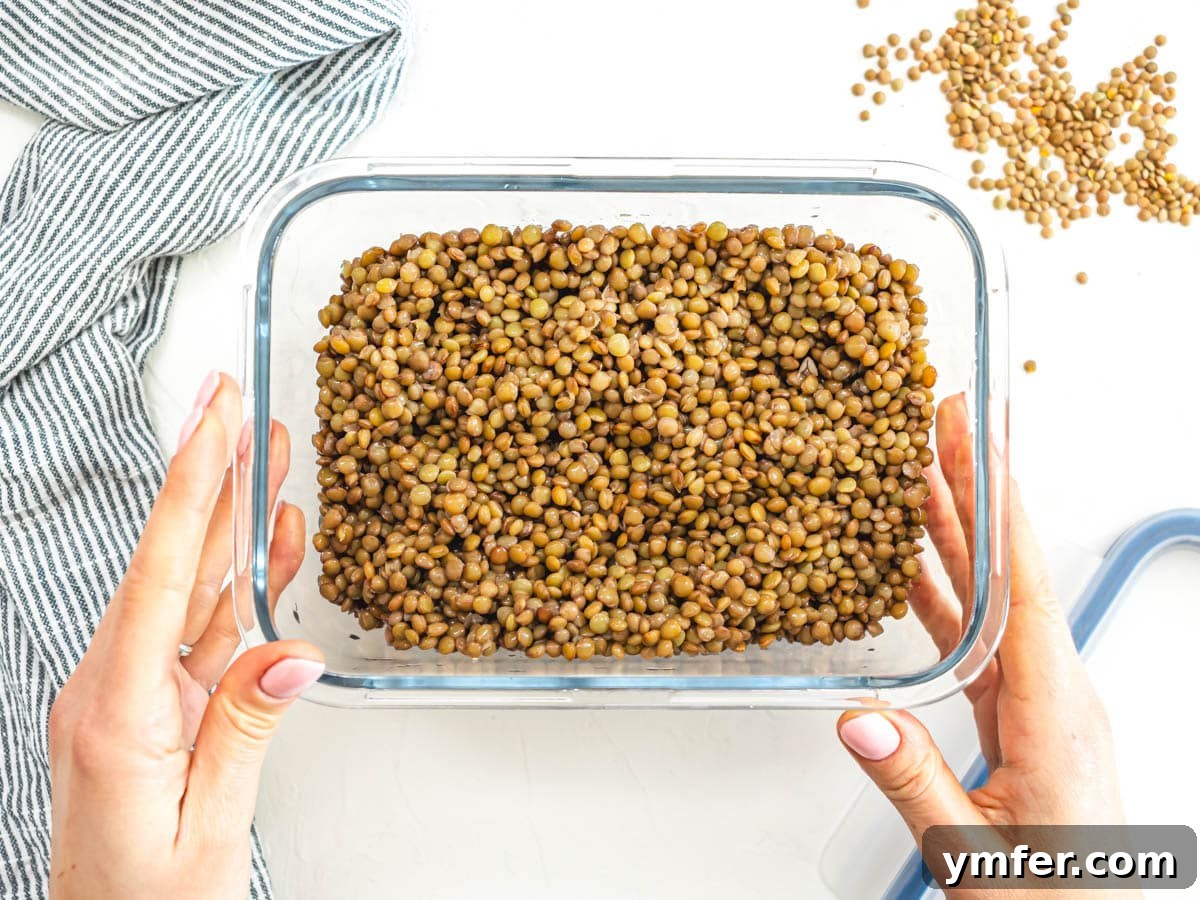
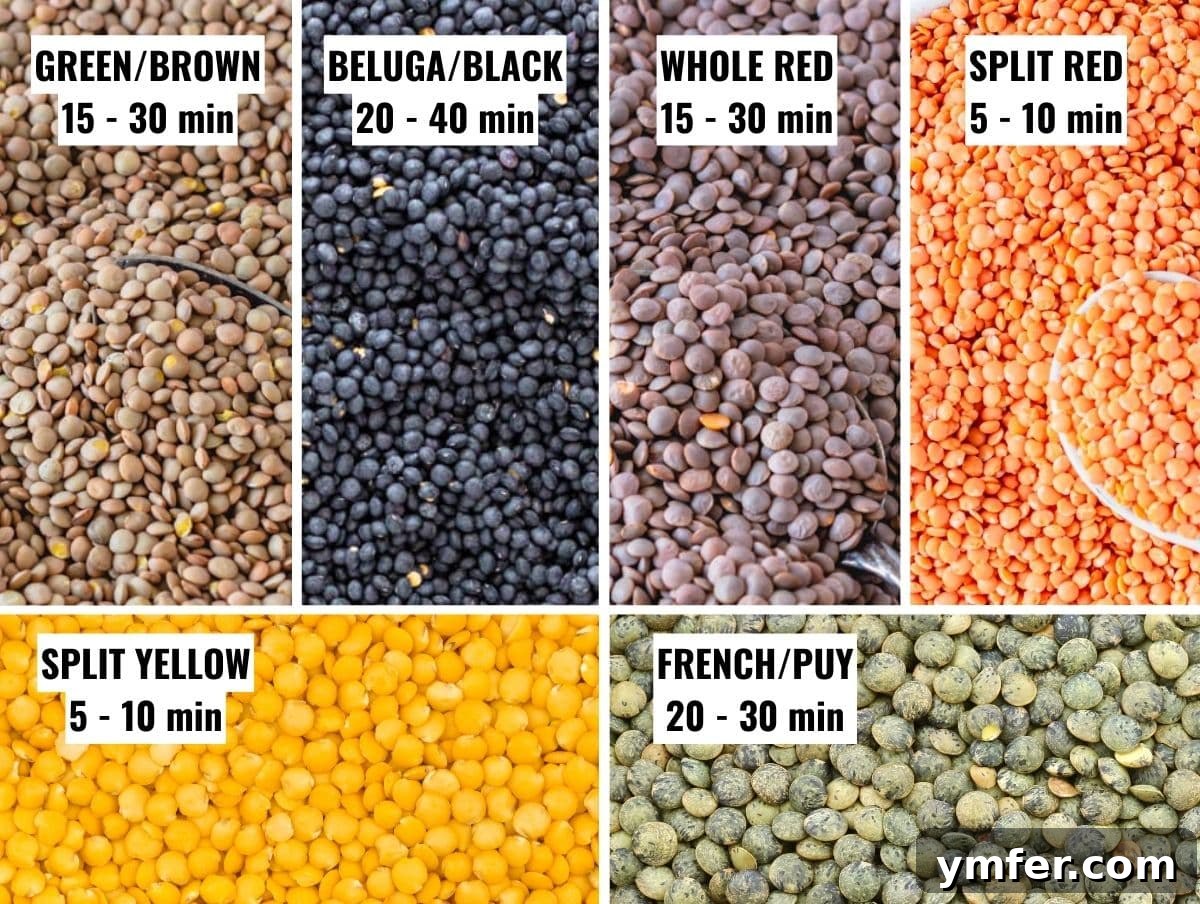
One of the most appealing aspects of lentils is their convenience. Unlike many other legumes, **they don’t require soaking** before cooking, saving you significant time and effort. Whole dry lentils typically cook in a remarkably short time, ranging from 15 to 30 minutes, while split lentils are even faster, ready in just 5 to 10 minutes. This makes them an ideal choice for quick weeknight dinners and effortless everyday meals.
Furthermore, lentils are excellent for meal preparation. Once cooked, they store beautifully for several days in the refrigerator, allowing you to have a healthy, protein-rich ingredient on hand for various dishes throughout the week. With such ease and versatility, you’ll wonder how you ever managed without them. Now, let’s dive into how to cook these incredible pulses perfectly every time.
Lentils: Good for You and the Planet!
Did you know that lentils offer benefits far beyond your plate? They are incredibly beneficial for our soil as “nitrogen fixers,” meaning they naturally enrich the soil and help reduce the need for polluting nitrogen fertilizers. This contributes to a healthier environment by helping to reduce CO2 emissions. Most importantly, their high fiber and nutrient content makes them exceptionally good for our health, offering protection against heart disease, diabetes, and various other ailments. Eating lentils is truly a win-win for both your body and the planet.
Mastering the Art: How to Cook Lentils on the Stovetop
Cooking lentils on the stovetop is a straightforward process that yields consistently perfect results. Follow these simple steps to prepare tender, delicious lentils every time.
1. Rinse Thoroughly
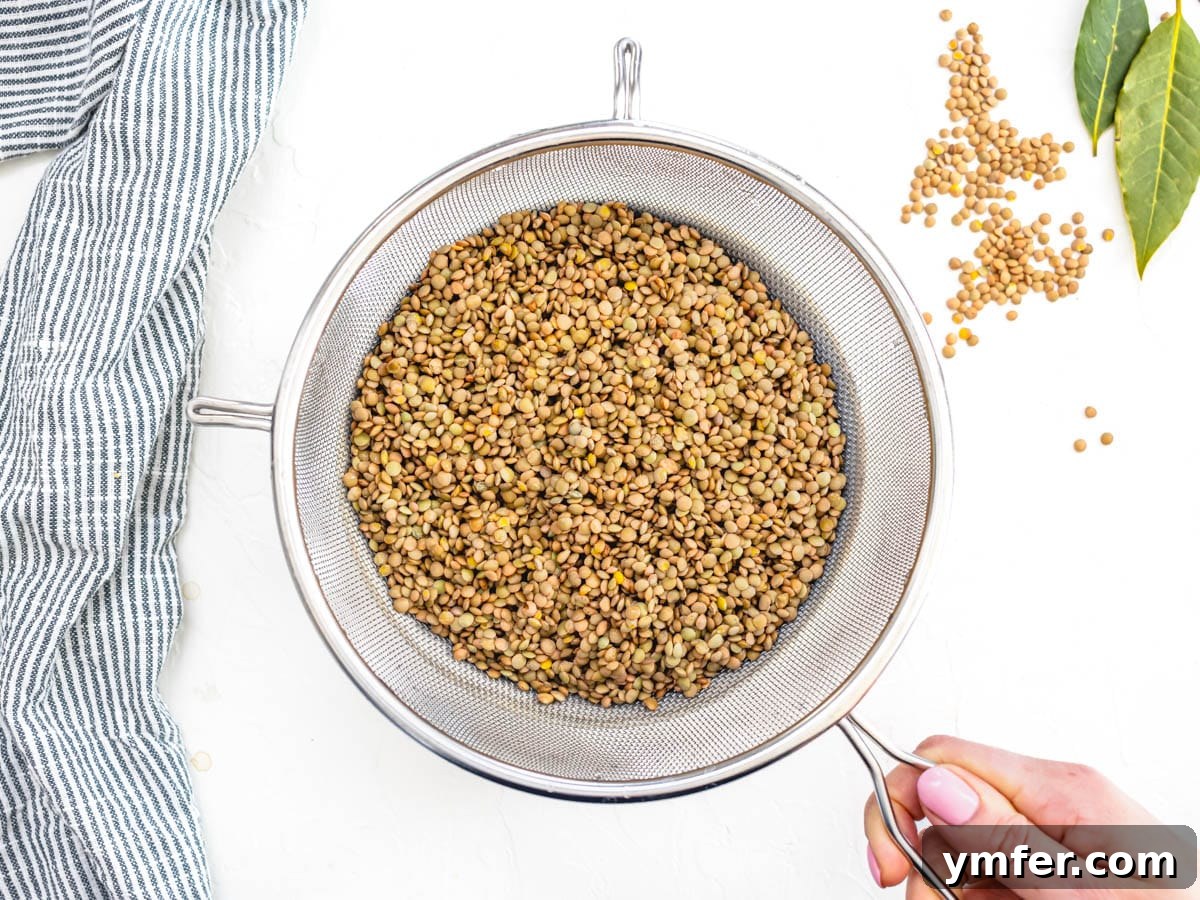
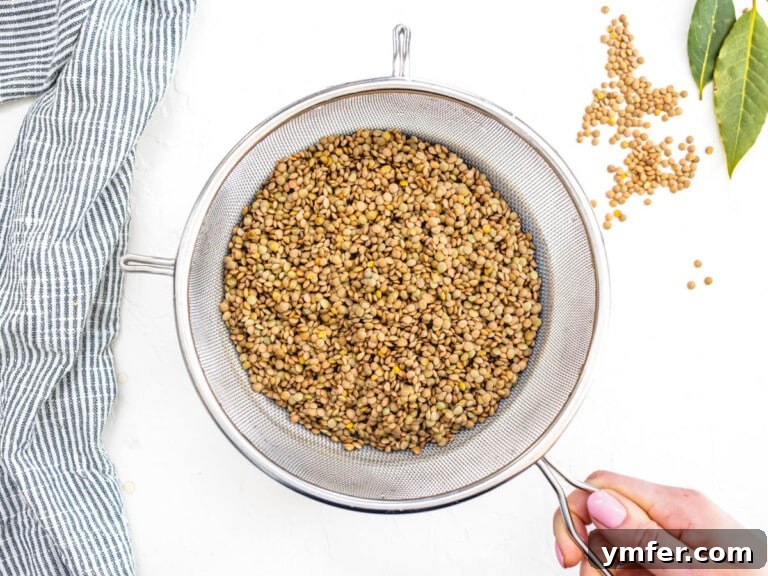
Before cooking, it’s crucial to rinse your dry lentils. Place them in a fine-mesh sieve and rinse under cold running water. Agitate them gently with your hand to dislodge any dirt, dust, or tiny debris. While rare in modern packaging, it’s always a good practice to quickly inspect them for any small stones or imperfect lentils that might have snuck in during processing. A thorough rinse ensures both cleanliness and a better final taste.
2. Simmer to Perfection
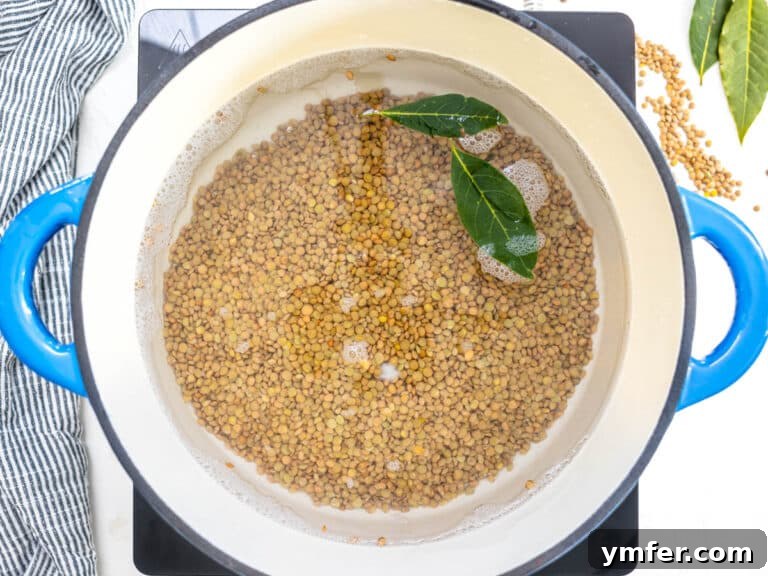
Once rinsed, transfer the lentils to a large pot. Add plenty of water or vegetable broth. A general guideline is a ratio of 1 cup of dry lentils to 4 cups of water or broth. This generous amount of liquid ensures even cooking and prevents the lentils from drying out. Using vegetable broth instead of water will infuse your lentils with an extra layer of savory flavor, which is highly recommended if they are to be a standalone side dish or a base for a simple salad.
For an added touch of earthy aroma and subtle flavor, consider adding two bay leaves to the pot with the lentils and liquid. Bay leaves contribute a delicate herbaceous note that complements the natural flavor of lentils beautifully.
Tip: Always choose a pot that is large enough. Lentils will almost triple in volume as they cook, so a pot that seems too big at the start will be just right in the end.
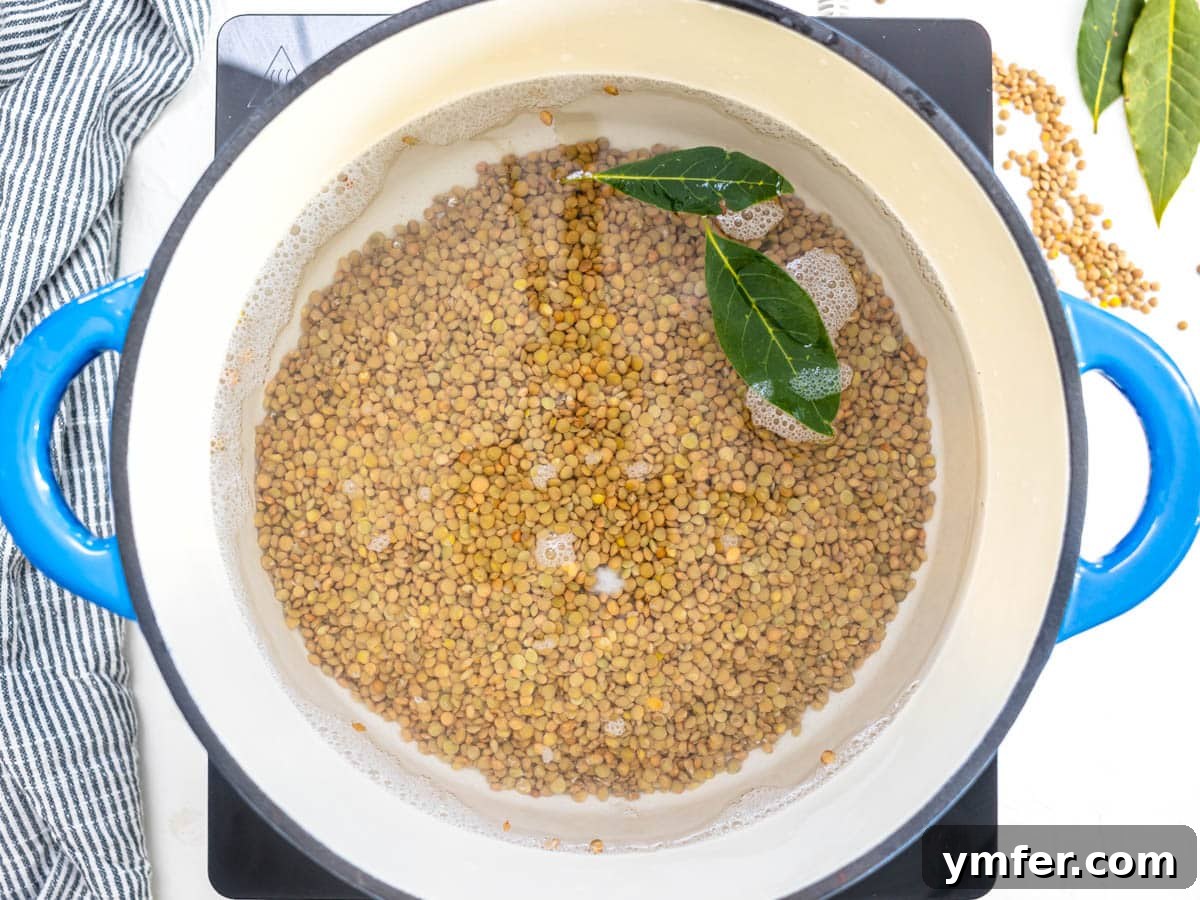
Cover the pot with a lid and bring the liquid to a rolling boil over high heat. Once boiling, immediately crack the lid open slightly (or remove it partially) to prevent overflow, then reduce the heat to low. Allow the lentils to simmer gently until they are tender. It’s important to add salt halfway through the cooking process, rather than at the beginning, as adding salt too early can sometimes toughen the lentil skins and extend cooking time. Taste them periodically as they cook and adjust the cooking time as needed, aiming for a texture that is tender but still holds its shape, not mushy.
LENTILS COOKING TIME GUIDELINES
- Green and Brown Lentils: 15 to 40 minutes
- French Lentils or Lentils de Puy: 20 to 40 minutes
- Black Lentils (Beluga): 20 to 45 minutes
- Whole Red Lentils: 15 to 40 minutes
- Split Red and Yellow Lentils: 5 to 15 minutes (cook fastest due to being hulled and split)
Note: These times are approximate. Factors like the age of the lentils and your preferred tenderness can influence cooking duration. Always taste to check for doneness.
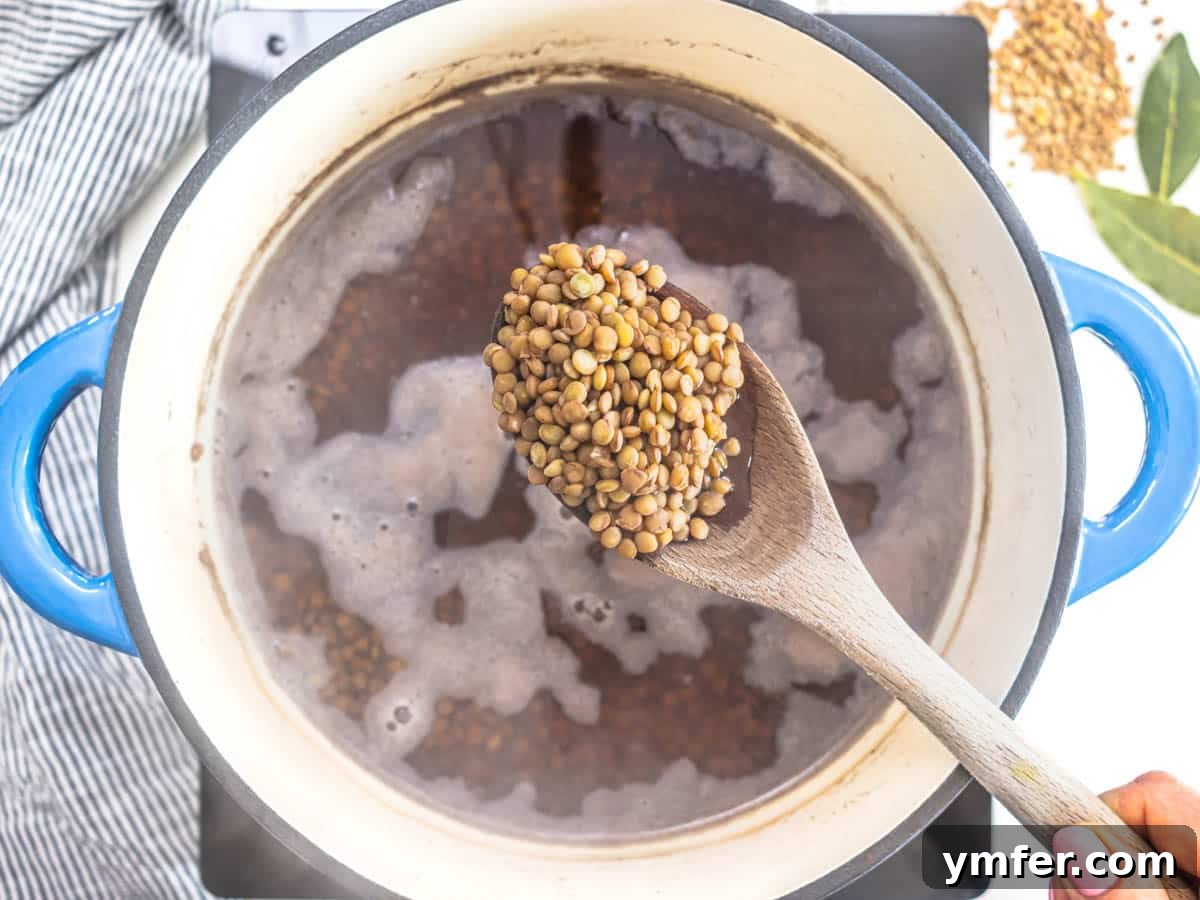
3. Drain and Use
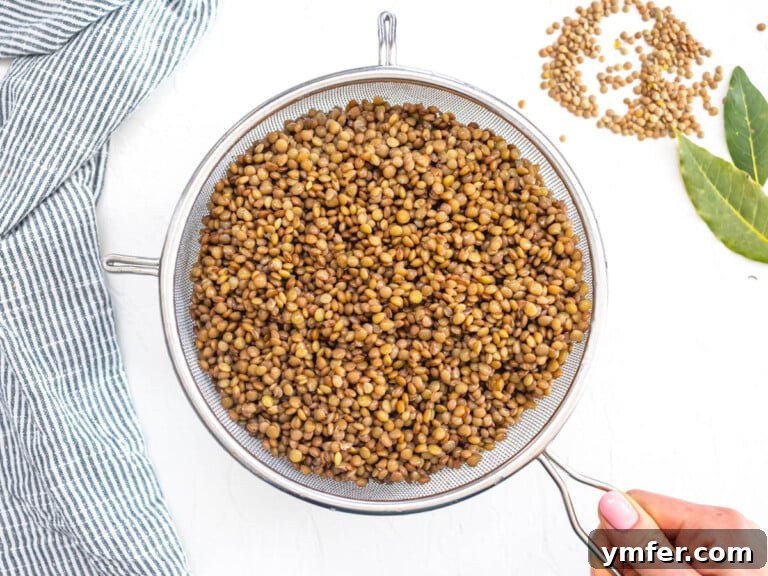
Once your lentils have reached the desired tenderness, carefully drain them in a fine-mesh sieve. This removes any excess cooking liquid, preventing your final dish from becoming watery. Allow them to sit in the sieve for a minute or two to ensure all water has drained. Your perfectly cooked lentils are now ready to be added to vibrant salads, incorporated into various recipes, or stored for convenient meal prep. Their firm yet tender texture will enhance any dish you add them to.
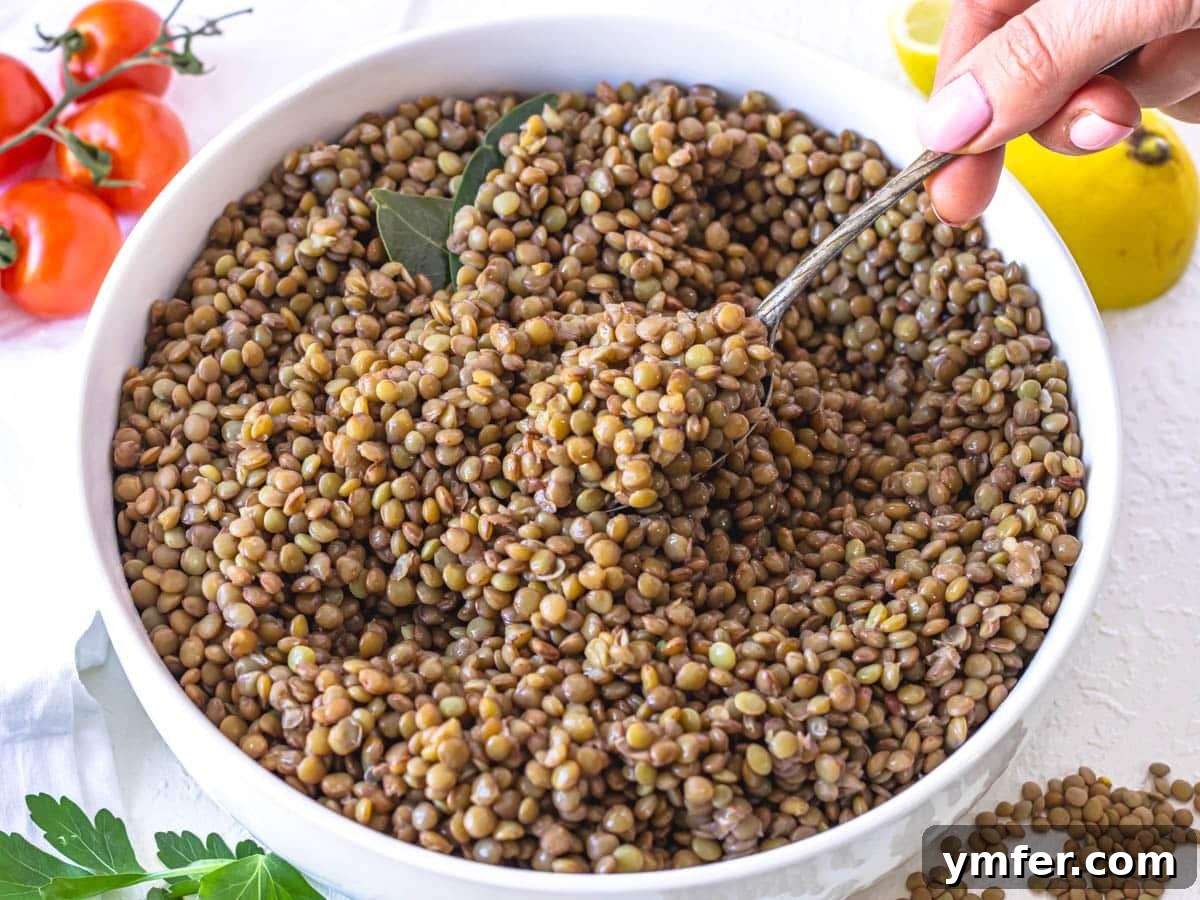
Exploring the World of Lentils: Varieties and Their Uses
The world of lentils is diverse, offering a range of colors, textures, and flavors, each suited for different culinary applications. Understanding the characteristics of each type will help you choose the best lentils for your next recipe.
Green and Brown Lentils
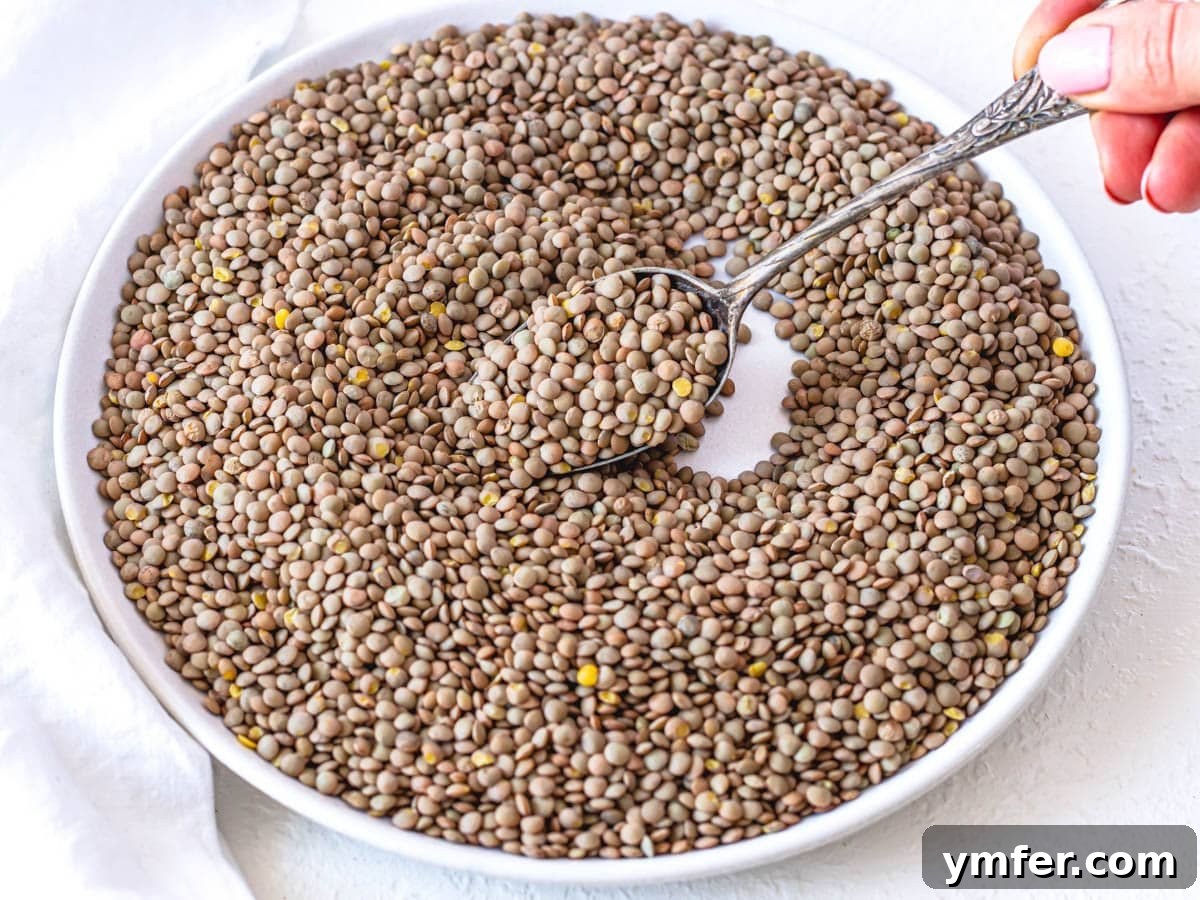
Green and brown lentils are the most ubiquitous varieties found in grocery stores. They boast a mild, earthy flavor and tend to hold their shape well after cooking, making them incredibly versatile. Their cooking time typically ranges from 15 to 30 minutes, depending on the desired tenderness. These robust lentils are excellent for a wide array of preparations, including hearty salads, thick sauces, comforting soups, spreadable dips, robust stews, and flavorful fillings for vegetarian dishes. They are a fantastic all-rounder for everyday cooking.
Black Lentils (Beluga Lentils)
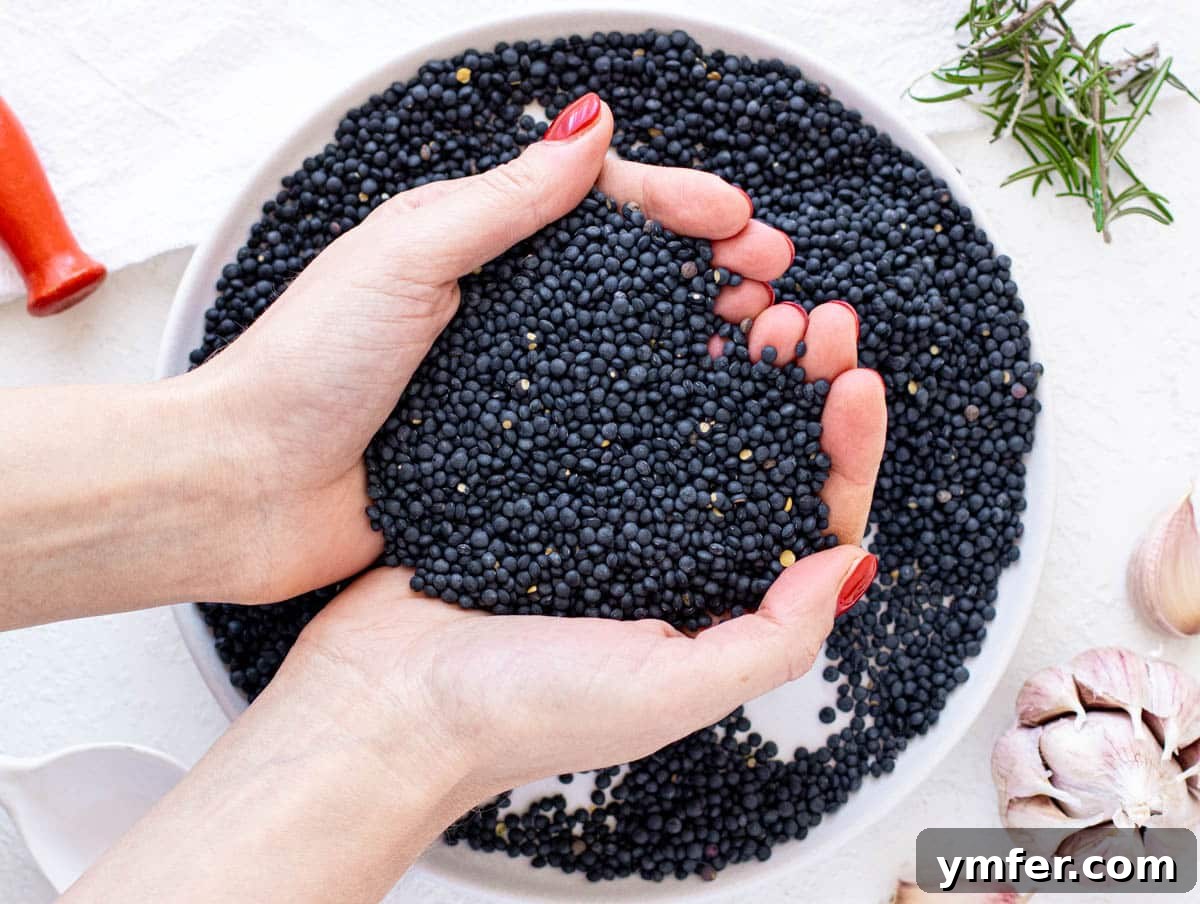
Black lentils, often referred to as Beluga lentils due to their striking resemblance to Beluga caviar, are small, round, and glossy. They possess a rich, distinctly earthy flavor and maintain a firm, somewhat chewy texture even after cooking. This characteristic makes them perfect for dishes where you want the lentils to retain their integrity. They excel in salads, providing a beautiful contrast in color and texture, as well as in elegant soups, spreads, and stews. You can easily substitute green, brown, or French lentils with black lentils if you prefer their unique attributes. Learn more about how to cook black lentils in our detailed guide.
Whole Red Lentils
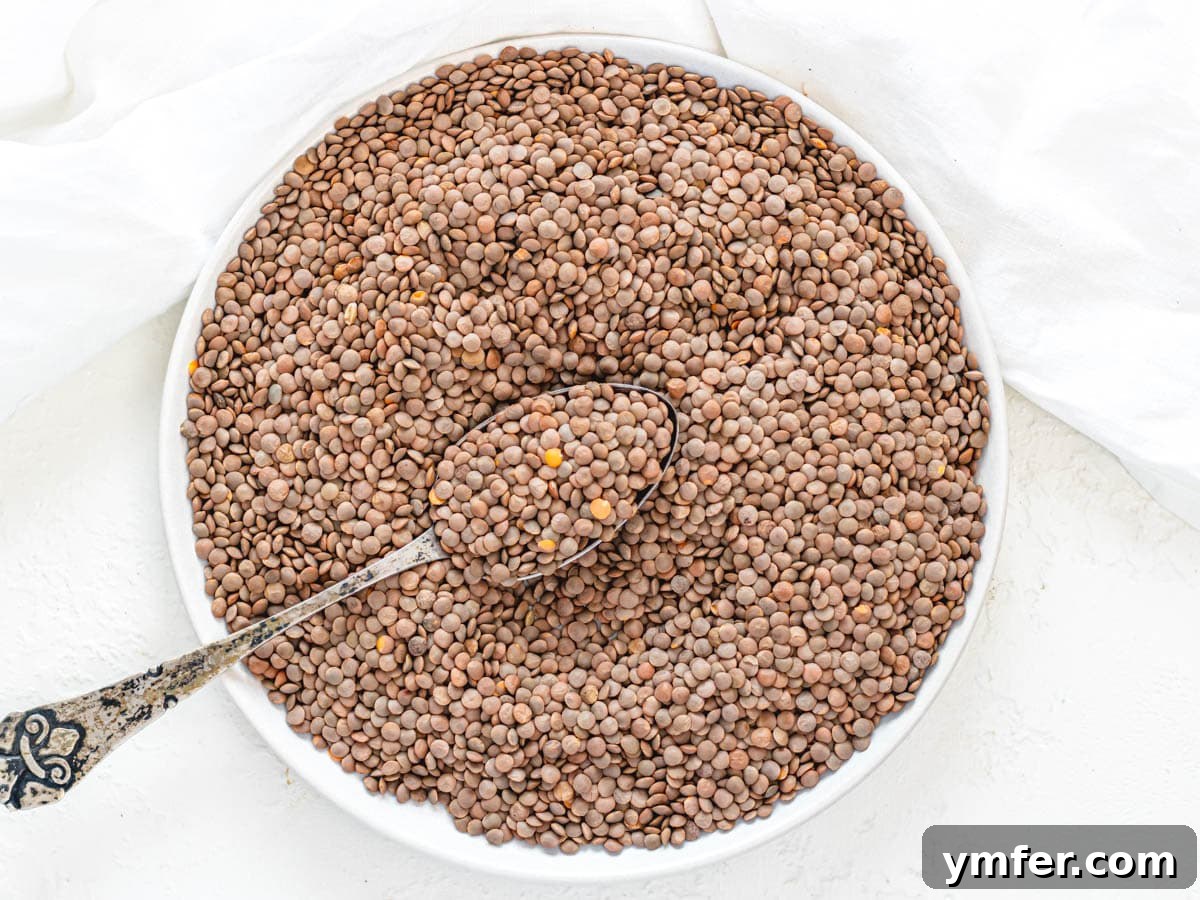
It’s important not to confuse whole red lentils with their split counterparts. Whole red lentils are essentially similar to green and brown lentils but feature a beautiful reddish-orange skin and offer a mild, slightly earthy flavor. They generally cook in about 20 to 30 minutes. Like green and brown lentils, they hold their shape well and are excellent for a variety of applications, including vibrant salads, comforting soups, creamy spreads, and hearty stews. They can be substituted for green, brown, or black lentils in most recipes where a whole lentil is desired.
Split Red Lentils
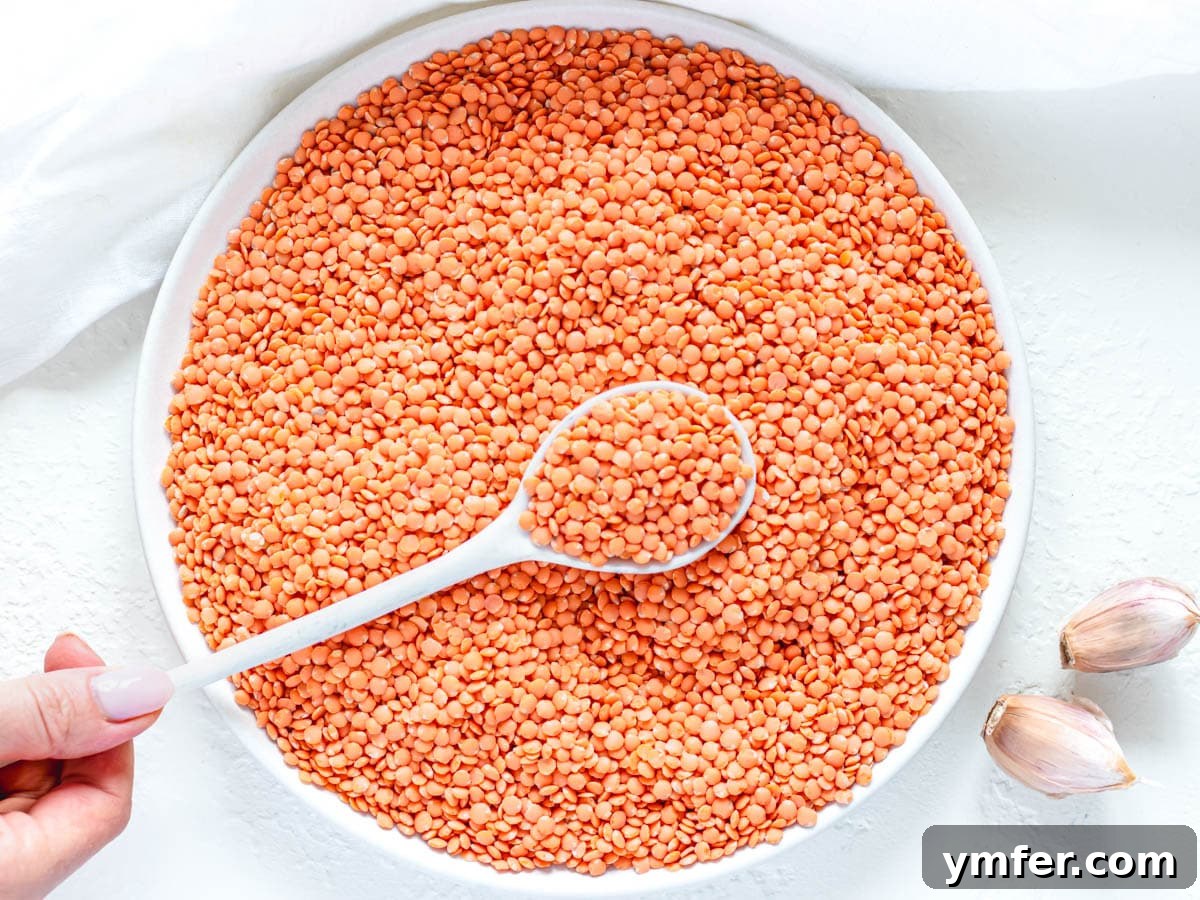
Split red lentils are distinctive because they have been hulled (their outer skin removed) and then split in half. This processing makes them cook significantly faster than whole lentils, typically in just 5 to 15 minutes. As they cook, they tend to break down and lose their individual shape, resulting in a creamy, almost porridge-like consistency. This makes them perfectly suited for dishes where a thick, blended texture is desired, such as hearty soups, rich curries (like traditional Indian dal), and purees. However, their tendency to disintegrate means they are not ideal for salads or other recipes where you want the lentils to maintain a distinct form. Split yellow lentils can be used as a substitute. For more detailed instructions, see our guide on how to cook red lentils.
Split Yellow Lentils
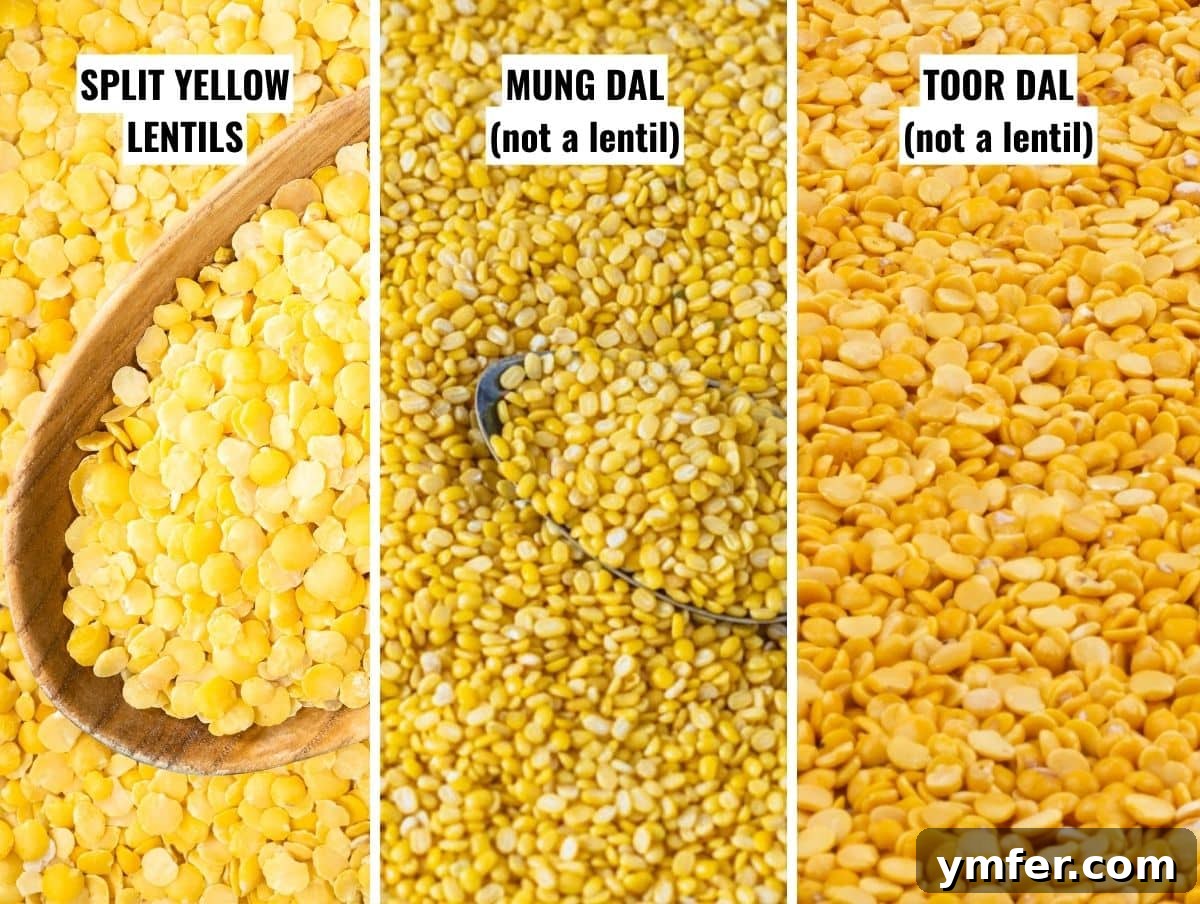
Similar to split red lentils, split yellow lentils (often found as various types of “dal” in Indian cuisine) cook very quickly, usually within 10 minutes. They also readily lose their shape and become soft and creamy, making them excellent for rich soups, smooth purees, and, of course, traditional dals. Their texture means they are generally not suitable for dishes where the lentils need to remain intact, such as cold salads. You can confidently substitute split red lentils for split yellow in most recipes. Be careful not to confuse them with toor dal (which are pigeon peas) or moong dal (split mung beans), as these are distinct legumes with slightly different cooking properties.
French Lentils (Lentils de Puy)
French green lentils, specifically those grown in the Puy region of France, are often marketed as Lentils de Puy. These are distinct from generic green lentils, being slightly smaller with a more refined, firmer texture. They are prized for their ability to maintain their shape remarkably well even after cooking, which makes them a favorite among gourmet chefs. French lentils have a beautiful marbled dark green color and a delicate, slightly peppery flavor. Their robust texture makes them ideal for elegant salads, warm side dishes, and any recipe where a distinct, non-mushy lentil is desired. Green, brown, or black lentils can serve as good substitutes if French lentils are unavailable, though the texture might be slightly different.
Castelluccio Lentils
Castelluccio lentils, known in Italian as Lenticchie di Castelluccio, are a unique and highly esteemed variety. These small, brownish-greenish lentils are cultivated in a protected mountainous area in central Italy. They are known for their exceptionally thin skins and delicate flavor. While they are a culinary treasure, they can be challenging to find outside of Italy. If your travels ever take you to this charming small village, seizing the opportunity to acquire a bag of these special lentils is highly recommended. Their exquisite taste and texture make them a delightful culinary experience.
Inspiring Lentil Recipes to Elevate Your Meals
Now that you’ve mastered the technique of cooking lentils perfectly, it’s time to put your culinary skills to use! Here’s a curated selection of easy and delicious recipes that showcase the incredible versatility of this superfood.
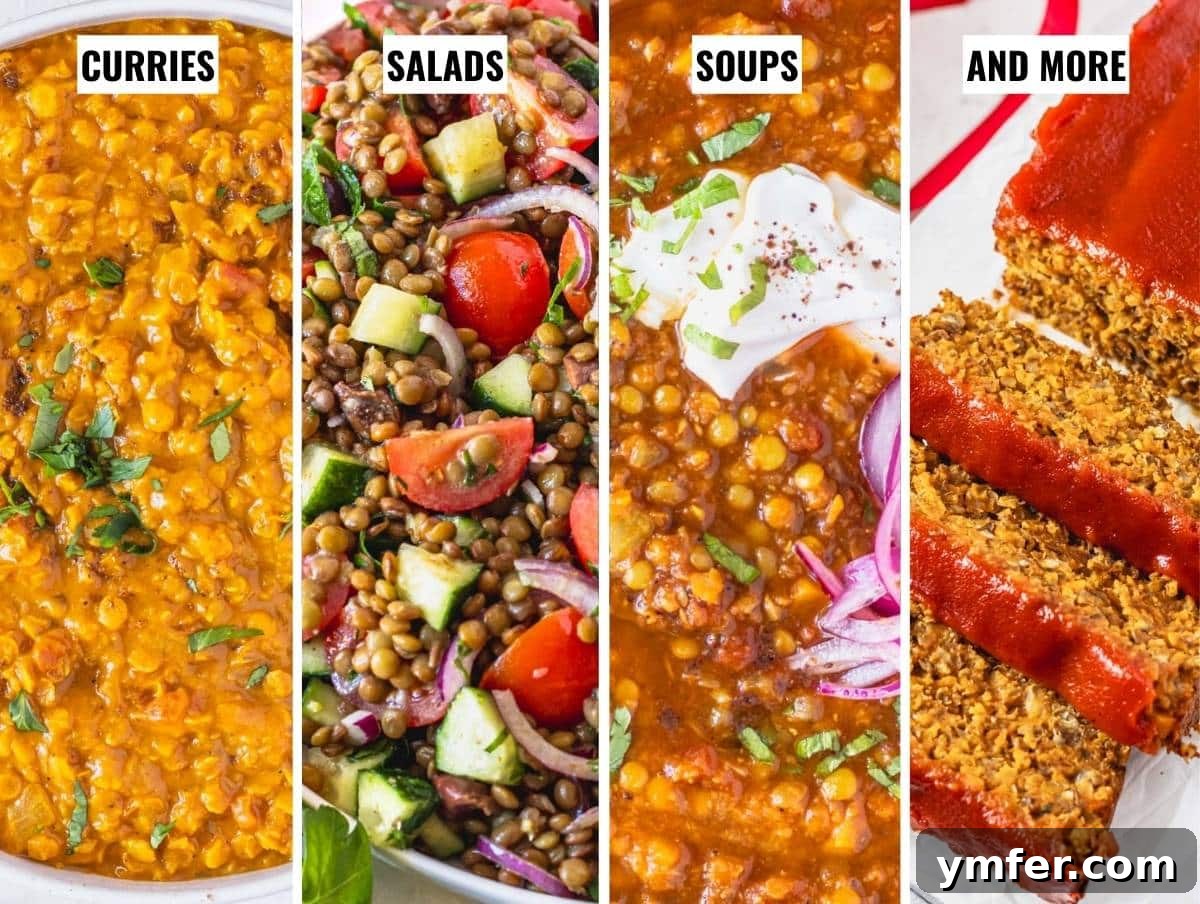
Vibrant Salads with Lentils
Lentils add hearty protein and texture to salads, making them incredibly satisfying and nutritious. They are particularly good in Mediterranean-inspired dishes.
- Cauliflower Lentil Salad
- Quinoa Lentil Salad
- Mediterranean Lentil Salad
- Lentil Tabbouleh
- Lentil Carrot Salad
- Lentil Sweet Potato Salad
Salads
Lentil Salad
Salads
Lentil Sweet Potato Salad
Salads
Lentil Tabbouleh
Salads
Cauliflower Lentil Salad
Comforting Lentil Soups
Warm and nourishing, lentil soups are a staple in many cuisines, offering rich flavors and satisfying textures.
- Lentil Vegetable Soup
- Lentil Soup
- Turkish Lentil Soup
- Harira Soup
- Moroccan Lentil Soup
- Red Lentil Soup
Soups
Moroccan Lentil Soup
Soups
Lentil Vegetable Soup
One-pot Meals
Harira Soup
One-pot Meals
Turkish Lentil Soup
Flavorful Lentil Curries & Stews
Lentils are the perfect base for rich, aromatic curries and hearty stews, offering depth and nutrition.
- Lentil Pasta
- Lentil Curry
- Curry Lentil Soup
- Lentil Chili
Curry Recipes
Lentil Curry
Soups
Curry Lentil Soup
One-pot Meals
Lentil Pasta
One-pot Meals
Lentil Chili
Versatile Lentil Creations
Beyond the classics, lentils can be incorporated into many unique and satisfying dishes, from hearty mains to flavorful spreads.
- Mujadara (Lentils and Rice)
- Lentil Loaf
- Mushroom Wellington
- Stuffed Butternut Squash
- Lentil Bolognese
- Stuffed Bell Pepper
- Zucchini Boats
- Lentil Hummus
Mains
Lentil Loaf
Mains
Mujadara (Lentils and Rice)
Pasta
Lentil Bolognese
Mains
Zucchini Boats
Frequently Asked Questions (FAQ) About Cooking Lentils
Yes, naturally, lentils are completely gluten-free, making them an excellent choice for individuals with celiac disease or gluten sensitivity. They are a safe and nutritious addition to a gluten-free diet, offering a wealth of fiber, protein, and essential minerals.
The best way to determine if lentils are cooked is by tasting them. While cooking times vary by variety and even by batch, perfectly cooked lentils should be tender and creamy, yet still retain a slight firmness and their distinct shape. They should not be mushy or overly hard. If they still feel too firm, continue simmering and check every few minutes. Conversely, if they start to break down and become mushy, they are likely overcooked, which is fine for purees or thick soups, but not ideal for salads.
One of the great advantages of lentils is that they typically do not require soaking before cooking. Unlike many larger beans, lentils cook relatively quickly on their own. While some believe soaking might aid digestion or reduce cooking time slightly, it is generally not a necessary step for most lentil varieties and will not significantly impact the final texture or flavor for stovetop cooking.
Lentils, like many other legumes, contain naturally occurring compounds known as antinutrients (such as phytates and tannins) that can interfere with nutrient absorption. However, there’s no need for concern. The cooking process, particularly simmering them in plenty of water and then discarding that water, effectively reduces the levels of these antinutrients to a point where they are negligible and do not pose a health risk. This makes cooked lentils a safe and highly nutritious food source.
Yes, lentils can certainly be cooked in an Instant Pot or other pressure cooker. However, for most varieties, it is often not worth the effort compared to the stovetop method. Lentils cook quite quickly on the stovetop, and the ability to taste and check for doneness ensures perfect results every time. In a pressure cooker, it can be tricky to gauge the exact cooking time needed for different varieties and batches, which can easily lead to either mushy, overcooked lentils or firm, undercooked ones. For these reasons, we generally recommend the stovetop method for its simplicity, control, and consistent results, allowing you to easily adjust cooking time by taste.
Storage & Make-Ahead Tips for Cooked Lentils
Lentils are an excellent choice for meal prepping, as they store wonderfully in both the refrigerator and freezer, making healthy eating convenient throughout the week.
Make Ahead: All types of cooked lentils are fantastic for preparing in advance. Cook a larger batch and portion it out for quick additions to future meals.
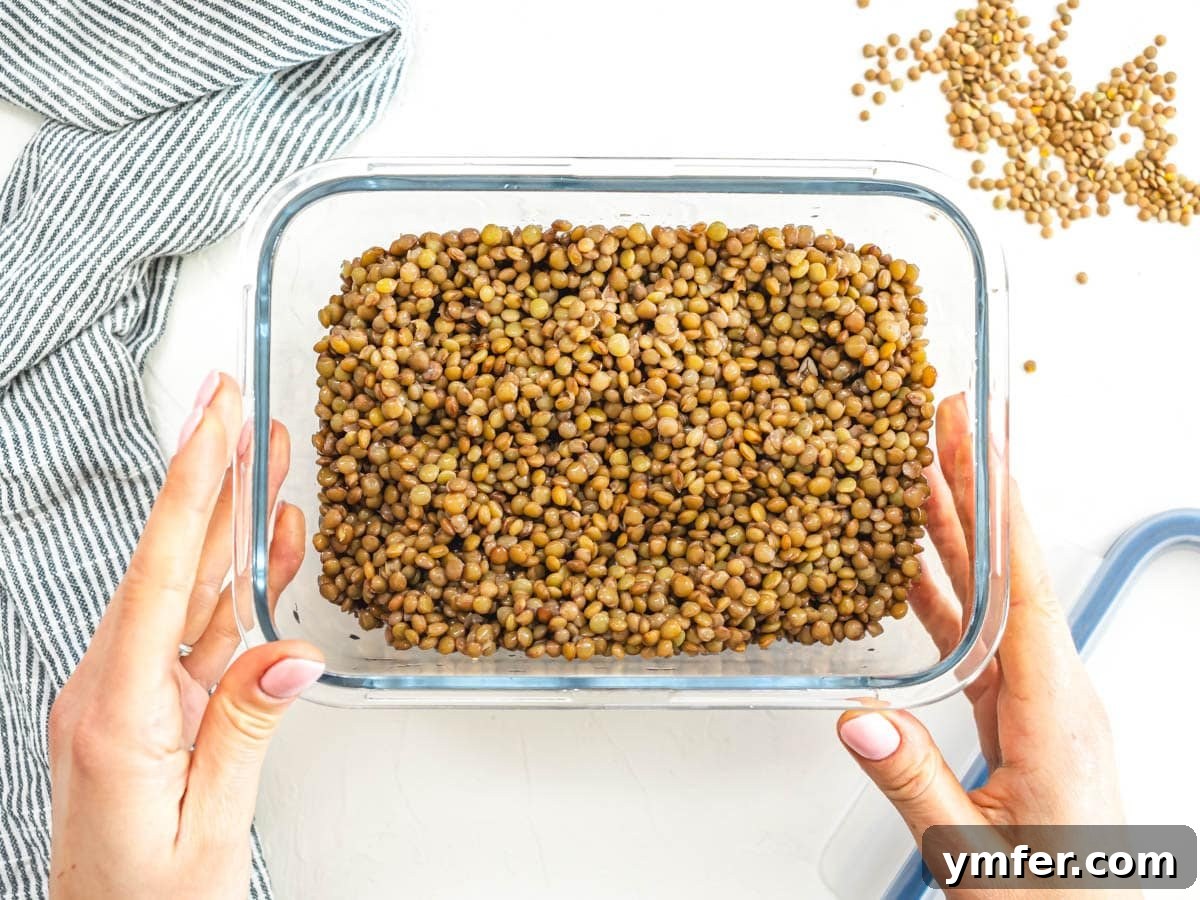
Refrigerator: Store your cooked and cooled lentils in an airtight container in the fridge. They will maintain their freshness and quality for up to 5 days, ready to be tossed into salads, mixed into grain bowls, or used as a quick side.
Freezer: For longer storage, cooked lentils freeze exceptionally well. Allow them to cool down completely to room temperature first. Then, transfer them to a freezer-friendly bag or an airtight container. They can be stored in the freezer for up to 3 months without significant loss of texture or flavor. Freezing in single-serving portions makes thawing even easier.
Thaw & Reheat: To defrost frozen lentils, simply rinse them under cold running water until thawed, or transfer them to the refrigerator the night before. To reheat, you can warm them gently in the microwave for a couple of minutes, stirring occasionally, or briefly boil them in a saucepan with a splash of hot water for about a minute until heated through. They’ll be as good as freshly cooked!
Explore More Plant-Based Cooking Basics
Continue your culinary journey by mastering other essential plant-based cooking techniques and ingredients:
- How to Cook Chickpeas
- How to Cook Couscous
- How to Cook Artichokes
- How to Cook Tofu
- How to Make Focaccia (No-Knead)
- How to Make Soffritto
- How to Cook Asparagus
How to Cook Lentils
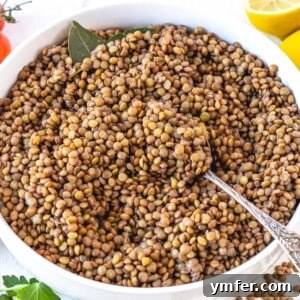
Here, you’ll learn how to cook lentils on the stovetop to achieve a perfect tender texture.
This method is excellent for using lentils as a versatile side dish, in vibrant salads, creamy spreads, flavorful stuffings, or as a protein-rich centerpiece in your meals.
For specific recipes like soups, curries, and stews, please refer to the “Recipes with Lentils” chapter further up on this page.
Video Tutorial
Ingredients
- 1 cup dry lentils (green, brown, black, or French lentils)
- 4 cups water or vegetable broth
- 1 teaspoon salt
- 2 bay leaves (optional)
Instructions
-
Rinse 1 cup dry lentils thoroughly in a fine-mesh sieve to remove any dirt or debris. Inspect them quickly to ensure no small stones are present.

-
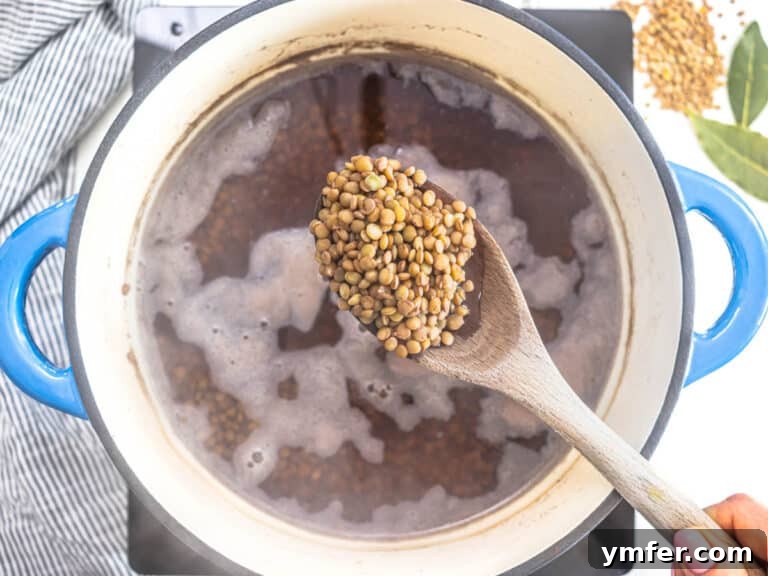
Add the rinsed lentils to a medium-sized pot along with 4 cups water (or vegetable broth for added flavor).
Optionally, add 2 bay leaves for a subtle earthy aroma.
-
Cover the pot with a lid, bring the liquid to a boil, then crack the lid open slightly and reduce the heat to low. Simmer the lentils for 15 to 30 minutes, or until they are tender but not mushy.
Add 1 teaspoon salt halfway through cooking. Taste them towards the end and adjust the cooking time as needed to reach your preferred tenderness.
-
Once cooked, drain the lentils in a fine-mesh sieve. They are now ready to be used in salads, other recipes, or stored for meal prep.
MAKE IT A MEAL
-
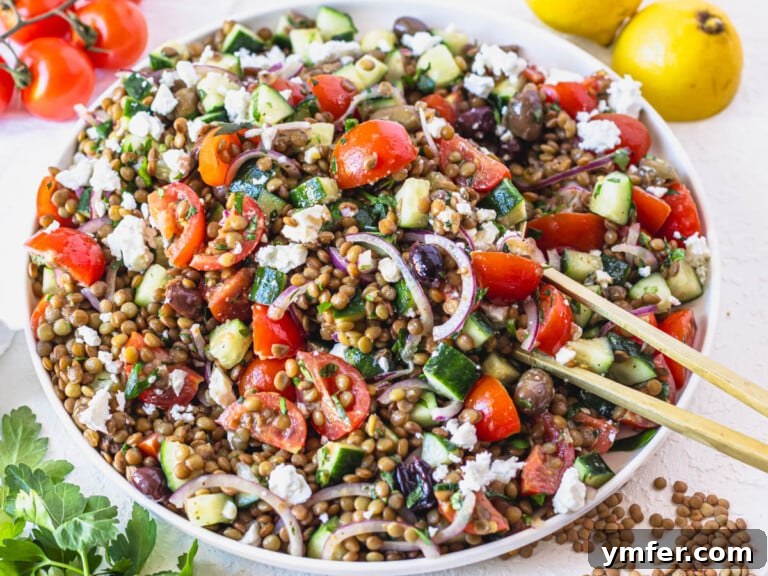
Lentils are incredibly versatile and can be used for salads, soups, stews, curries, as stuffing, and much more.
We’ve curated an extensive list of easy and delicious lentil recipes for you. You can find it in the “Recipes with lentils” chapter linked above.
Notes
Nutrition information provided is an estimate for 1 serving of cooked lentils, based on 4 servings from this recipe.
STORAGE & MAKE AHEAD
Make ahead: All lentils are excellent for meal prep as they refrigerate and freeze well.
Refrigerator: Store cooked lentils in an airtight container in the fridge for up to 5 days.
Freezer: Freeze lentils in a freezer-friendly bag or container for up to 3 months. Ensure they are completely cooled before freezing.
Thaw & Reheat: Rinse frozen lentils under running water to defrost, or thaw overnight in the fridge. Warm them in the microwave for a couple of minutes, or boil them in a saucepan with a little hot water for a minute.
ALSO ON THIS PAGE
- What are lentils?
- Types of lentils
- Recipes with lentils
- Questions
- More cooking basics
Nutrition Facts (per serving)
(Estimate for 1 of 4 servings)
- Calories: 177 kcal
- Carbohydrates: 30g
- Protein: 13g
- Fat: 1g
- Saturated Fat: 0.1g
- Polyunsaturated Fat: 0.3g
- Monounsaturated Fat: 0.1g
- Trans Fat: 0g
- Cholesterol: 0mg
- Potassium: 478mg
- Dietary Fiber: 15g
- Sugar: 1g
- Vitamin A: 23 IU
- Vitamin B6: 0.3mg
- Vitamin C: 2mg
- Vitamin E: 0.2mg
- Vitamin K: 3 µg
- Calcium: 36mg
- Folate: 240 µg
- Iron: 4mg
- Manganese: 1mg
- Magnesium: 63mg
- Zinc: 2mg
Tried this recipe?
We’d love to hear from you! Leave a comment below or mention @theplantbasedschool on Instagram. Your feedback helps us grow and inspires other home cooks! ⭐️ 💚.
If you enjoyed this guide on how to cook lentils, you might also find these posts helpful:
Mains
40 High Protein Vegetarian Meals
Collections
30 High Protein Vegan Meals
Collections
30 Lentil Recipes
Recipes