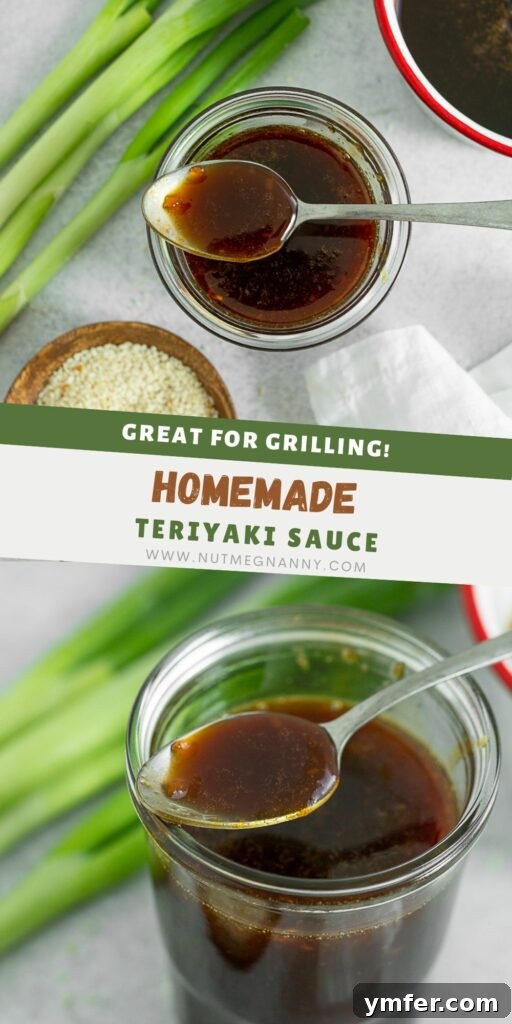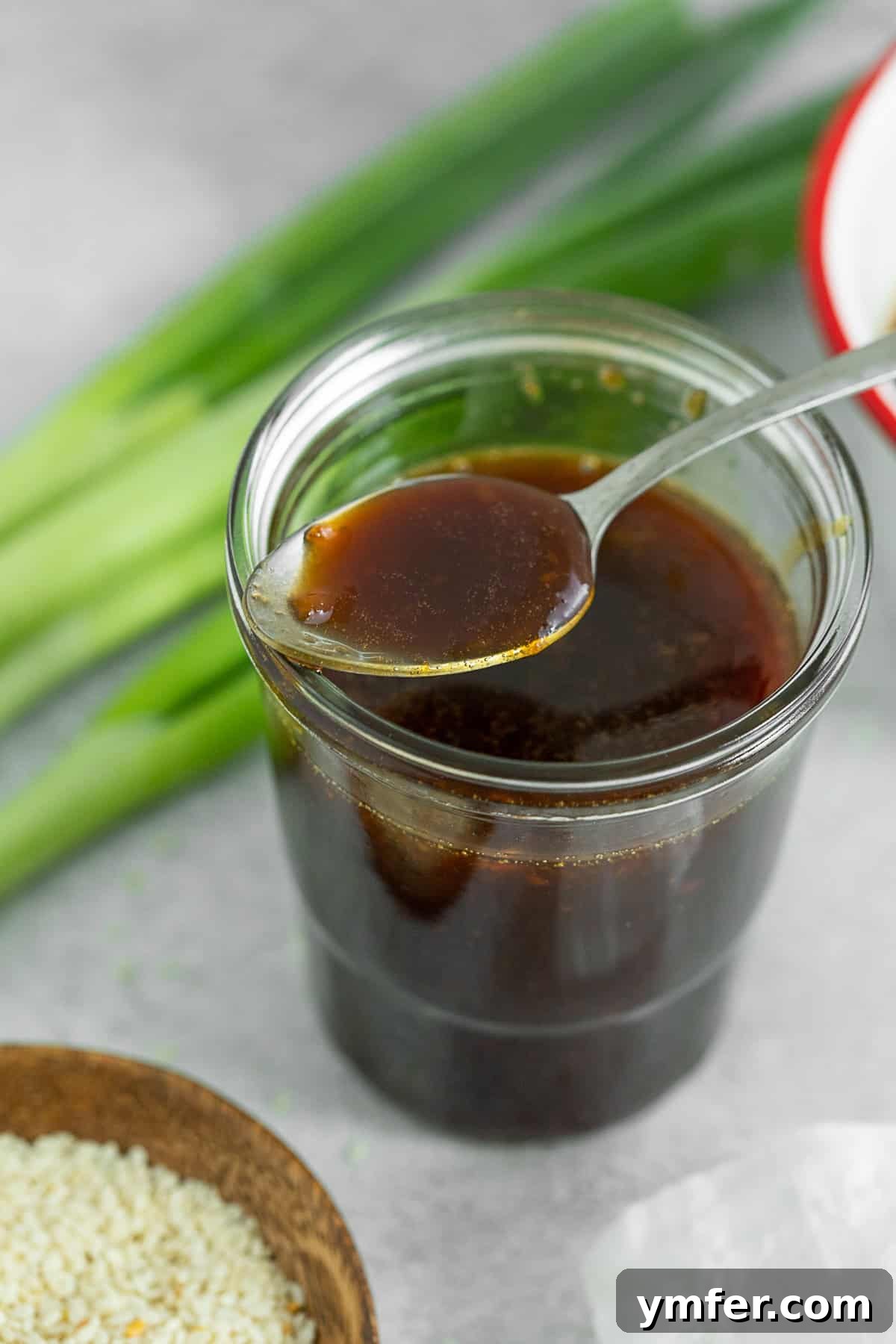
Ditch the store-bought bottles and discover the unparalleled taste of freshly made teriyaki sauce! This homemade recipe offers the perfect balance of sweet, salty, and savory, coming together in a flash to elevate your favorite Asian-inspired dishes. Once you experience the vibrant flavors and fresh ingredients, you’ll wonder why you ever settled for anything less.
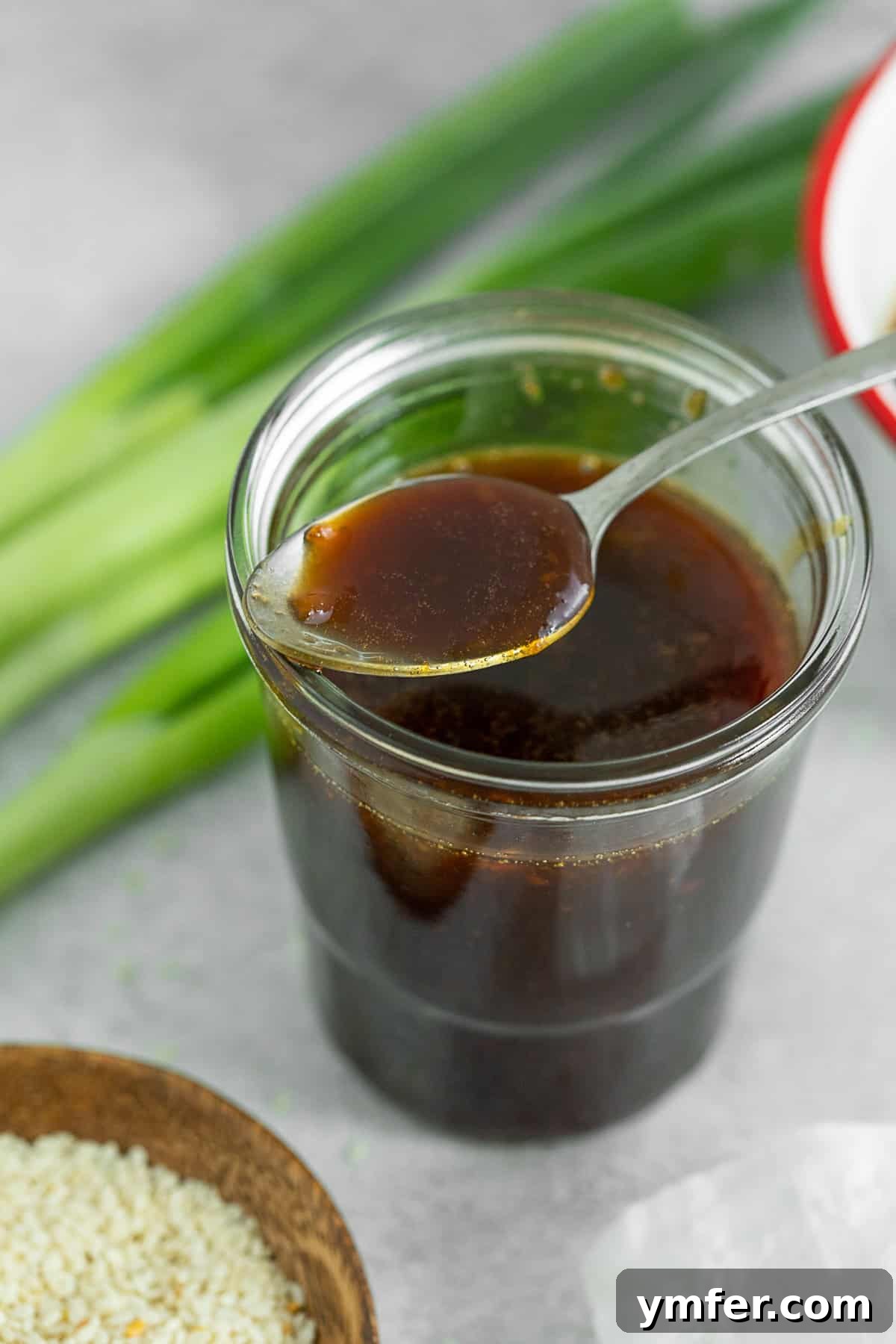
Why Opt for Homemade Teriyaki Sauce?
There’s a distinct satisfaction in preparing your own sauces and dressings from scratch. Not only does it give you complete control over the ingredients, allowing you to tailor flavors to your exact preferences, but it also ensures you’re serving up a healthier option free from unwanted preservatives, artificial colors, and excessive sodium often found in commercial varieties. This easy homemade teriyaki sauce recipe is a testament to that philosophy, proving that superior taste doesn’t have to come with a hefty price tag or a long ingredient list of questionable additives.
Our recipe blends low sodium soy sauce to manage salt content, rich dark brown sugar for sweetness, traditional mirin for depth, seasoned rice wine vinegar for a bright tang, fresh grated ginger for a gentle spice, and earthy garlic for aromatic complexity. A simple cornstarch slurry provides the ideal glossy thickness, making it perfect for glazing, dipping, or stir-frying.
The Flavor Profile and History of Teriyaki
The word “Teriyaki” itself paints a vivid picture of this beloved Japanese cooking method and sauce. It derives from two Japanese words: “teri,” meaning shine or glaze, and “yaki,” meaning grilled or broiled. This perfectly describes the shiny, lustrous glaze that coats food cooked with teriyaki sauce, imparting a rich, irresistible flavor. It’s no wonder teriyaki has become a global family favorite, known for its incredible versatility and deeply satisfying taste.
Historically, teriyaki was developed in Japan using soy sauce, sake (or mirin), sugar, and ginger. When Japanese immigrants settled in Hawaii, they adapted the sauce by incorporating readily available local ingredients like pineapple juice, which added a unique sweetness and tenderizing quality. Today, countless variations exist, but the core balance of sweet, salty, and umami remains.
Once you’ve experienced the fresh, dynamic flavors of this homemade teriyaki sauce, you’ll find it hard to return to the less vibrant, often overly sweet or salty store-bought alternatives. It’s truly a game-changer for your culinary repertoire, whether you’re making Teriyaki Salmon Bowls, Instant Pot Teriyaki Chicken, or even experimenting with new dishes. For those eager to explore other homemade sauces, you might also enjoy this authentic Jamaican Jerk Sauce!
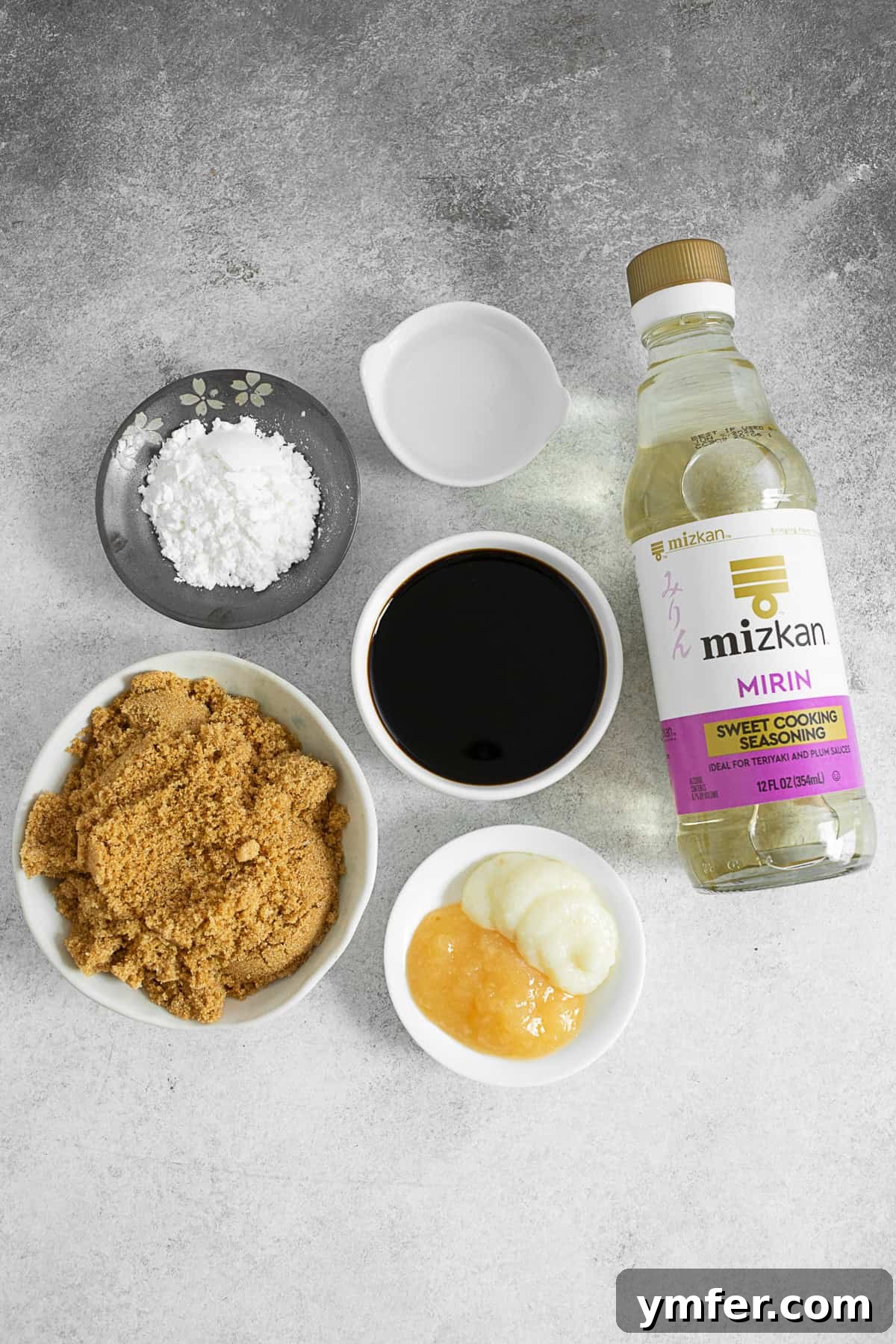
Essential Ingredients for the Perfect Teriyaki Sauce
Creating a truly outstanding teriyaki sauce begins with high-quality ingredients. Each component plays a vital role in building the complex and balanced flavor profile that defines this classic condiment.
- Low Sodium Soy Sauce: We specifically recommend low sodium soy sauce. This allows you to control the overall saltiness of your teriyaki sauce, ensuring it enhances your dish without overpowering it. While regular soy sauce can be used, you might want to reduce the quantity slightly.
- Dark Brown Sugar: This is a crucial element for the sauce’s characteristic sweetness and a hint of molasses-like depth. Dark brown sugar provides a richer, more complex sweetness compared to white sugar, which truly complements the savory notes.
- Mirin: An indispensable ingredient in Japanese cuisine, mirin is a type of sweet rice wine. It contributes a subtle tang and a fundamental umami sweetness that is characteristic of authentic teriyaki flavor. Its slight acidity also helps to brighten the sauce.
- Seasoned Rice Wine Vinegar: This adds a vibrant, acidic lift to the sauce, cutting through the richness and balancing the sweetness. Seasoned rice wine vinegar typically contains a small amount of sugar and salt, which further rounds out the flavor profile.
- Fresh Grated Ginger: For a zesty, slightly spicy kick, fresh ginger is paramount. Grating it ensures that its potent oils and juices are fully incorporated, infusing the sauce with its distinctive aromatic warmth.
- Fresh Garlic: A staple in countless cuisines, garlic brings an earthy, pungent, and savory base note that is essential to the sauce’s overall depth and complexity. Freshly grated garlic delivers the most robust flavor.
- Cornstarch and Water: These two ingredients form a slurry that acts as a thickening agent. When added to the simmering sauce, cornstarch creates that signature glossy, rich consistency, ensuring the sauce beautifully coats your food.
Demystifying Mirin: A Japanese Culinary Secret
If you’re new to Japanese cooking, mirin might be an unfamiliar ingredient, but it’s key to achieving that authentic restaurant-quality teriyaki flavor. Mirin is a sweet, low-alcohol rice wine, similar to sake but with a lower alcohol content and higher sugar content. It’s a staple in many traditional Japanese recipes, contributing a unique flavor that is subtly sweet, slightly tangy, and deeply savory.
The magic of mirin lies in its ability to add a beautiful glaze to dishes, enhance umami, and mask unwanted odors from fish and meat. It truly rounds out the sauce, giving it that familiar depth and complexity we all love in teriyaki.
Finding and Substituting Mirin
You can readily find mirin in most local Asian markets. It’s also increasingly available in the international foods aisle of major grocery stores. Look for “hon mirin” (true mirin) for the best quality, though “aji-mirin” (mirin-like seasoning) is also commonly used and works well for most home cooks.
If mirin proves elusive, don’t fret! A suitable substitute can be dry sherry or a dry white wine mixed with a pinch of sugar. While not an exact match, these alternatives will lend similar sweet and tangy notes to the dish, helping to achieve a comparable flavor profile.
Crafting Your Homemade Teriyaki Sauce: A Step-by-Step Guide
Making this teriyaki sauce is incredibly straightforward and requires minimal effort. The entire process takes less than 20 minutes, yielding a fresh, flavorful sauce that will impress your taste buds.
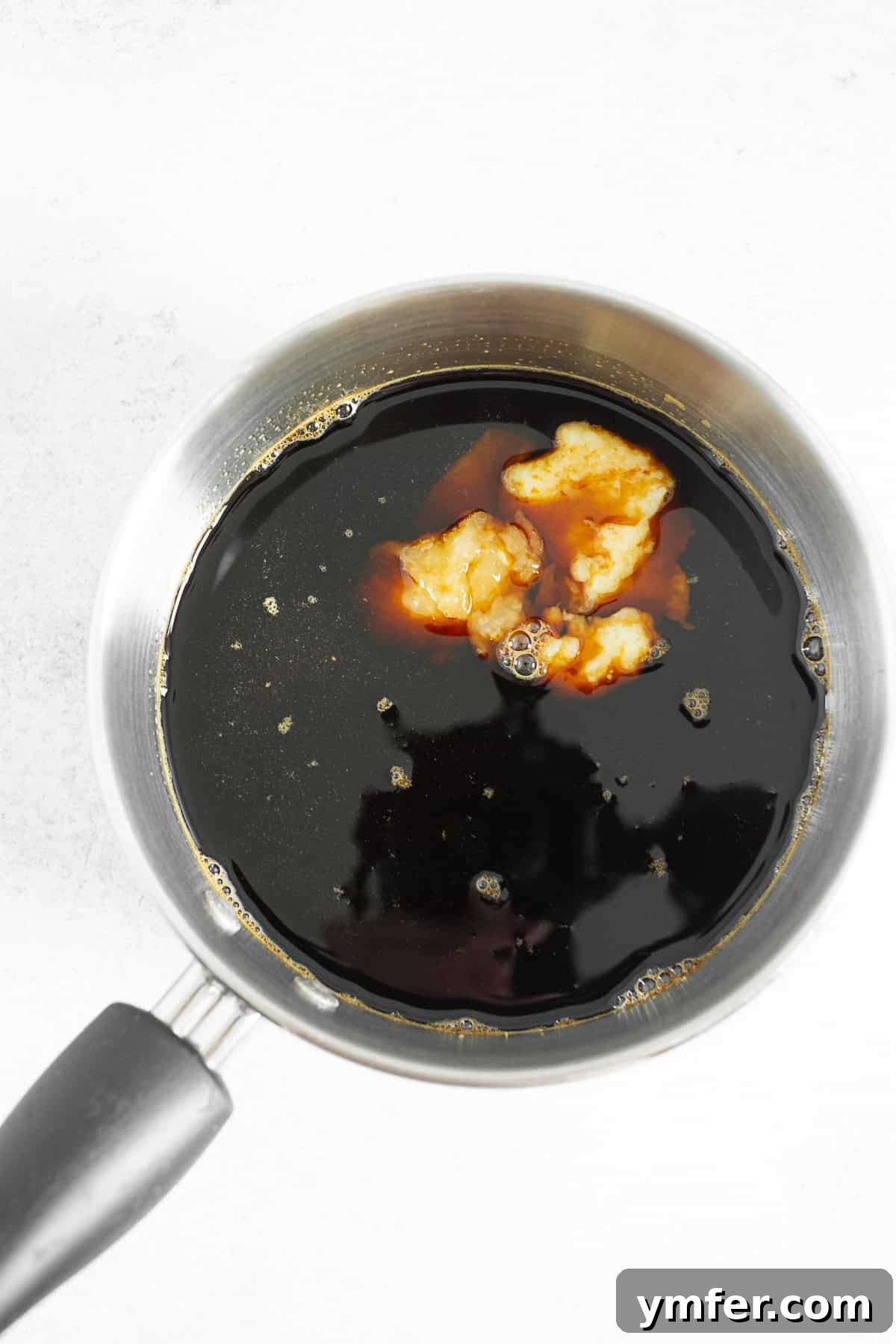
Begin by combining all the main liquid and aromatic ingredients in a medium saucepan. This includes the low sodium soy sauce, dark brown sugar, mirin, seasoned rice wine vinegar, freshly grated ginger, and minced garlic. Whisk everything together until well combined and the brown sugar starts to dissolve.
Place the saucepan over medium heat, stirring occasionally. As the mixture heats up, the remaining sugar will fully dissolve, and the aromas of ginger and garlic will begin to infuse the sauce. Allow it to come to a gentle simmer.
While the sauce is heating, prepare your cornstarch slurry. In a small bowl, whisk together the cold water and cornstarch until a smooth, lump-free mixture forms. This step is crucial for preventing lumps when adding it to the hot sauce.
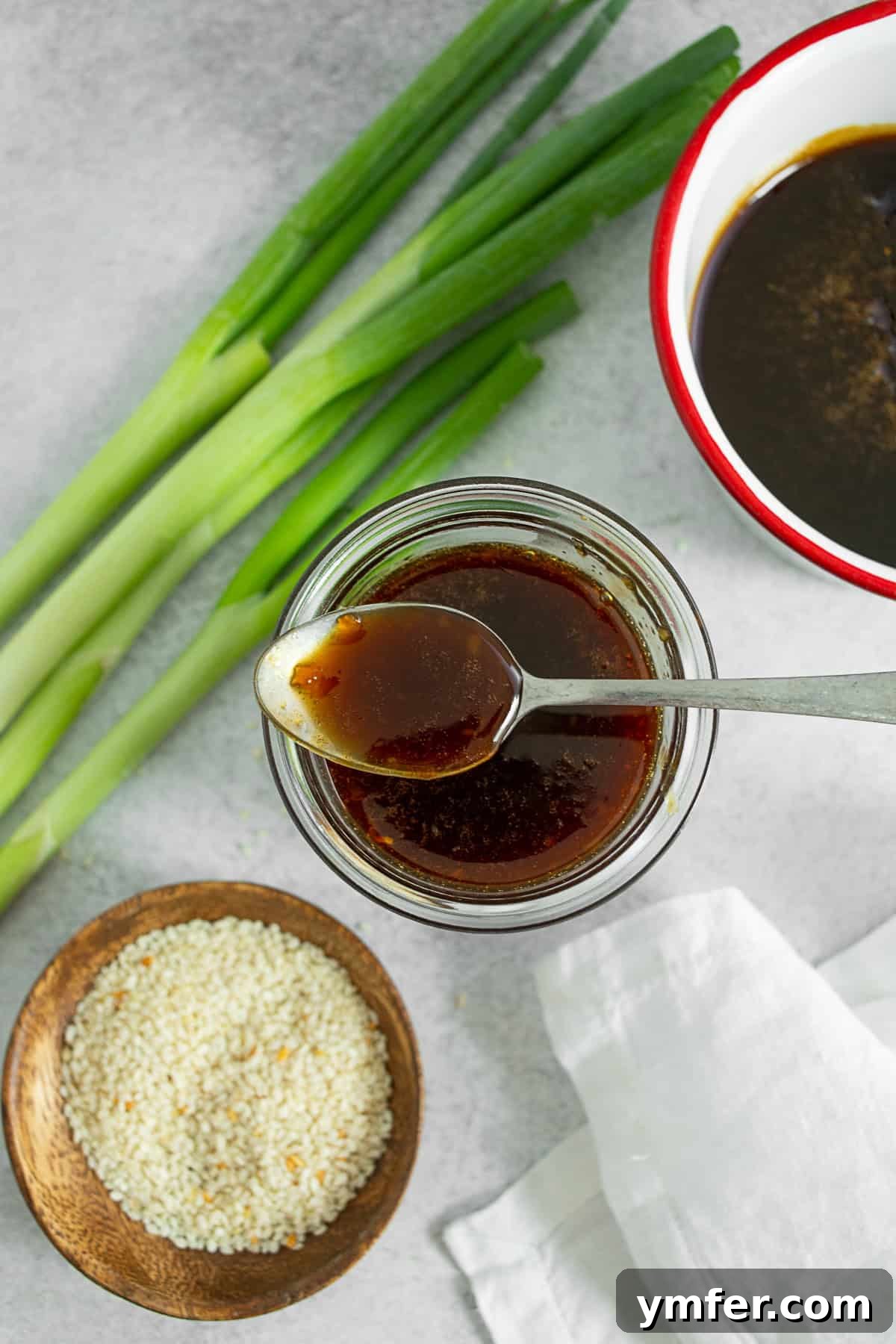
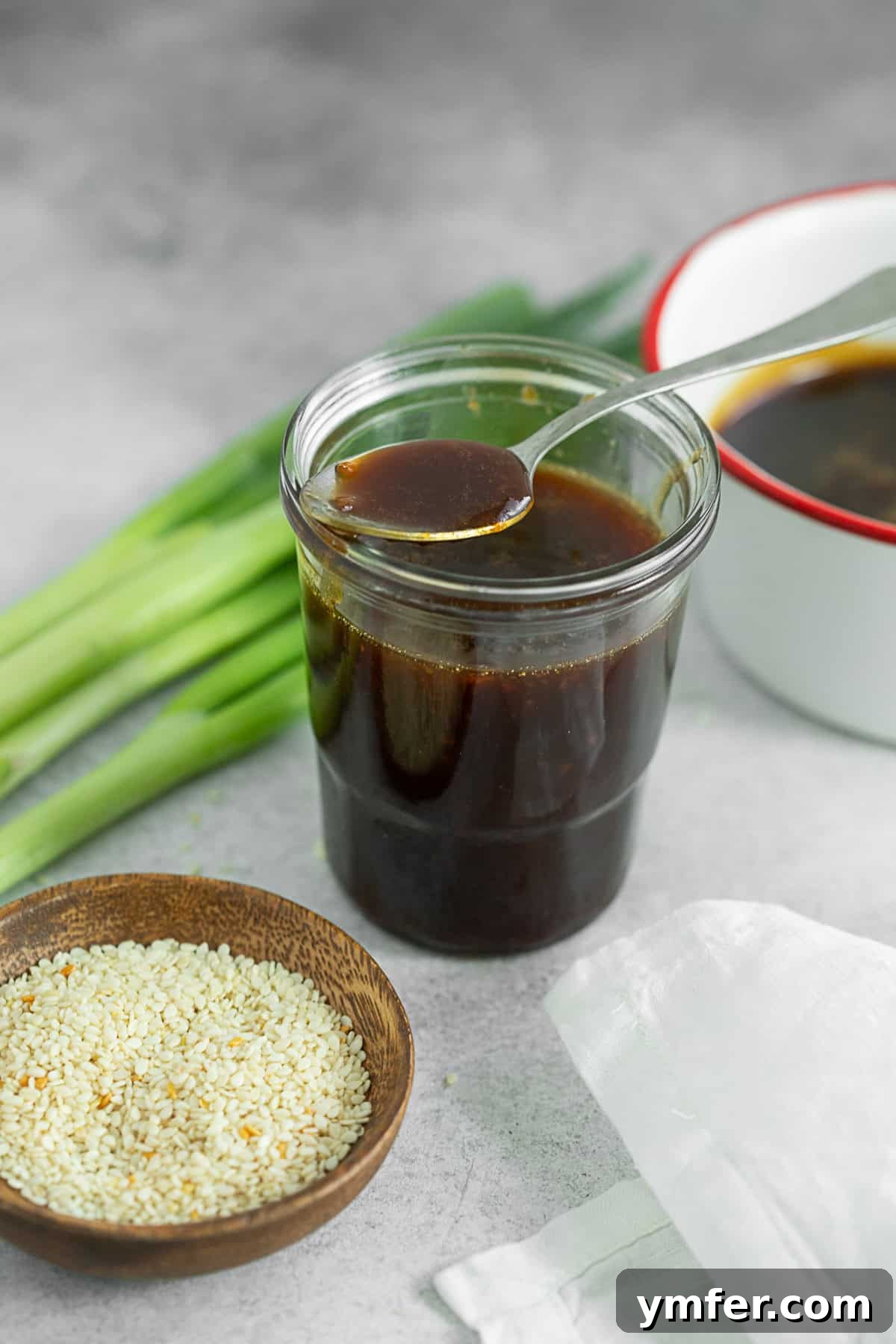
Once the sauce is simmering, gradually pour in the cornstarch slurry while continuously whisking. Continue to cook and stir for about 3-5 minutes, or until the sauce thickens to your desired consistency. It should be thick enough to coat the back of a spoon with a beautiful, glossy sheen. Remove from heat and allow it to cool slightly before using or storing.
Homemade Teriyaki Sauce
Share by Email
Print Recipe
This homemade teriyaki sauce has the perfect blend of sweet, salty, and savory flavors, and comes together in a flash!
Equipment
- Dark Brown Sugar
- Mirin Cooking Wine
- Less Sodium Soy Sauce
Ingredients
- 1-1/2 cup dark brown sugar
- 1 cup low sodium soy sauce
- 1/3 cup mirin
- 1 tablespoon grated fresh garlic
- 1 tablespoon grated fresh ginger
- 1 tablespoon seasoned rice wine vinegar
- 2 tablespoons cold water
- 1 tablespoon cornstarch
Instructions
- In a medium-sized saucepot, combine dark brown sugar, soy sauce, mirin, grated garlic, grated ginger, and seasoned rice wine vinegar.
- Place the saucepot over medium heat, stir to combine all ingredients, and cook until the dark brown sugar is fully dissolved.
- In a separate small bowl, whisk together the cold water and cornstarch until the mixture is completely smooth and lump-free. This creates your cornstarch slurry.
- Gradually pour the cornstarch mixture into the simmering sauce in the saucepot, continuously stirring. Continue to cook, stirring frequently, until the sauce thickens to your desired consistency, usually about 3 to 5 minutes. It should achieve a beautiful, glossy glaze.
Nutrition
Calories: 443kcal
Carbohydrates: 105g
Protein: 6g
Sodium: 2321mg
Fiber: 1g
Sugar: 97g
Nutrition information is automatically calculated, so should only be used as an approximation.
Additional Info
Customizing Your Homemade Teriyaki Sauce
One of the greatest advantages of making teriyaki sauce at home is the ability to easily customize it to suit your palate and dietary needs. Here are a few popular variations:
Sweetness Variations
While dark brown sugar provides a rich, caramel-like sweetness, you can certainly experiment with other sweeteners. Replace brown sugar with white granulated sugar for a cleaner, less complex sweetness. Honey or maple syrup can also be used for a more natural, nuanced flavor profile, though they might alter the texture slightly. For those managing sugar intake, sugar substitutes like erythritol or stevia can be incorporated, adjusting to taste.
Adding a Kick of Spice
If you prefer a teriyaki sauce with a bit more heat, it’s incredibly easy to achieve. Simply add a pinch or two of red pepper flakes during the simmering process. For a more intense and fresh spice, a tiny amount of finely minced fresh chili or a dash of sriracha can be stirred in at the end.
Enhancing Flavor with Aromatics and Other Ingredients
If you don’t have fresh ginger or garlic on hand, you can easily substitute them with their powdered counterparts. As a general rule, use about 1/4 to 1/2 teaspoon of powdered ginger or garlic for every tablespoon of fresh. Always taste and adjust. For an extra layer of flavor, consider adding a splash of sesame oil at the very end (after cooking) for a nutty aroma, or a squeeze of orange or pineapple juice for a brighter, fruiter note, especially delicious with chicken or pork.
Storage and Make-Ahead Tips
This homemade teriyaki sauce is perfect for meal prep! Making a batch ahead of time saves you precious minutes during busy weeknights and ensures you always have a healthy, flavorful sauce at the ready. To store, first allow the sauce to cool completely to room temperature. This is important to prevent condensation and bacterial growth.
Once cooled, transfer the teriyaki sauce to an airtight container. A squeeze bottle is ideal for easy pouring and dispensing, but any clean jar or container with a tight-fitting lid will work. Store the sauce in the refrigerator, where it will maintain its freshness and flavor for up to two weeks. For longer storage, you can even freeze teriyaki sauce in ice cube trays or small freezer-safe containers for several months, then thaw as needed.
Versatile Serving Suggestions: Unleash the Flavor!
The beauty of homemade teriyaki sauce lies in its incredible versatility. It can transform a simple meal into an extraordinary culinary experience. Here are just a few ideas to get you started:
- Marinade: Use it as a marinade for chicken, beef, pork, or tofu before grilling, baking, or pan-frying. Allow at least 30 minutes for marinating, or ideally several hours for deeper flavor penetration.
- Glaze: Brush it over grilled meats, roasted vegetables, or baked fish during the last few minutes of cooking to create a beautiful, shiny, and flavorful glaze.
- Stir-Fry Sauce: It’s the perfect finishing sauce for any stir-fry. Simply add it to your wok or pan with your cooked protein and vegetables, tossing until everything is evenly coated and heated through.
- Dipping Sauce: Serve it alongside dumplings, spring rolls, chicken nuggets, or even raw vegetables for a delightful dip.
- Noodle & Rice Bowls: Drizzle generously over rice bowls, noodle salads, or a simple bowl of steamed rice with your favorite toppings. For a hearty dinner, try my Honey Garlic Chicken Bowls.
- Vegetarian Dishes: Toss with roasted broccoli, pan-fried mushrooms, or grilled eggplant for an incredible vegetarian main or side dish.
- Creative Combos: Craving takeout but want to stay in? Try my Cashew Chicken Pad Thai with a homemade twist, or perhaps something spicy like my Spicy Shrimp Egg Roll Skillet. If you want to try something new and unexpected, my Savory Asian Oat Bran might surprise you!
Frequently Asked Questions (FAQs) About Homemade Teriyaki Sauce
Here are some common questions about making and using homemade teriyaki sauce:
- Can I make this teriyaki sauce gluten-free? Absolutely! Simply substitute the regular low sodium soy sauce with a gluten-free tamari. Ensure all other ingredients (like mirin) are also certified gluten-free, as some brands may contain traces of wheat.
- Is this recipe vegan? Yes, this homemade teriyaki sauce recipe is naturally vegan. All ingredients used are plant-based.
- My sauce isn’t thickening. What went wrong? There are a few possibilities. Ensure your cornstarch slurry was well-mixed and lump-free. Also, it’s important to bring the sauce to a full simmer (not just warm) after adding the slurry, as cornstarch needs heat to activate its thickening properties. Don’t be afraid to let it simmer for a few minutes while stirring; it will thicken as it cooks. If it’s still too thin, you can whisk together another small slurry of 1 teaspoon cornstarch and 1 tablespoon cold water, then slowly add it to the simmering sauce until desired thickness is achieved.
- My sauce is too thick. How can I fix it? If your sauce becomes too thick, simply whisk in a tablespoon or two of water or chicken/vegetable broth until it reaches your preferred consistency. Do this slowly until you get it just right.
- How long does homemade teriyaki sauce last? When stored properly in an airtight container in the refrigerator, homemade teriyaki sauce will last for up to 2 weeks.
- Can I omit the mirin? While mirin adds a crucial authentic flavor, if you absolutely can’t find it, you can substitute it with dry sherry or a dry white wine mixed with a pinch of sugar (about 1 teaspoon sugar per 1/3 cup liquid). The flavor will be slightly different but still delicious.
Conclusion
Making your own homemade teriyaki sauce is a simple yet incredibly rewarding endeavor that will revolutionize your cooking. With fresh, quality ingredients and just a few minutes of your time, you can create a sauce that is far superior to any store-bought alternative – offering better flavor, control over ingredients, and a healthier profile. This recipe provides a versatile base for countless dishes, from quick weeknight stir-fries to impressive glazed meats. So, embrace the shine and flavor of homemade teriyaki, and prepare to elevate your culinary creations!