
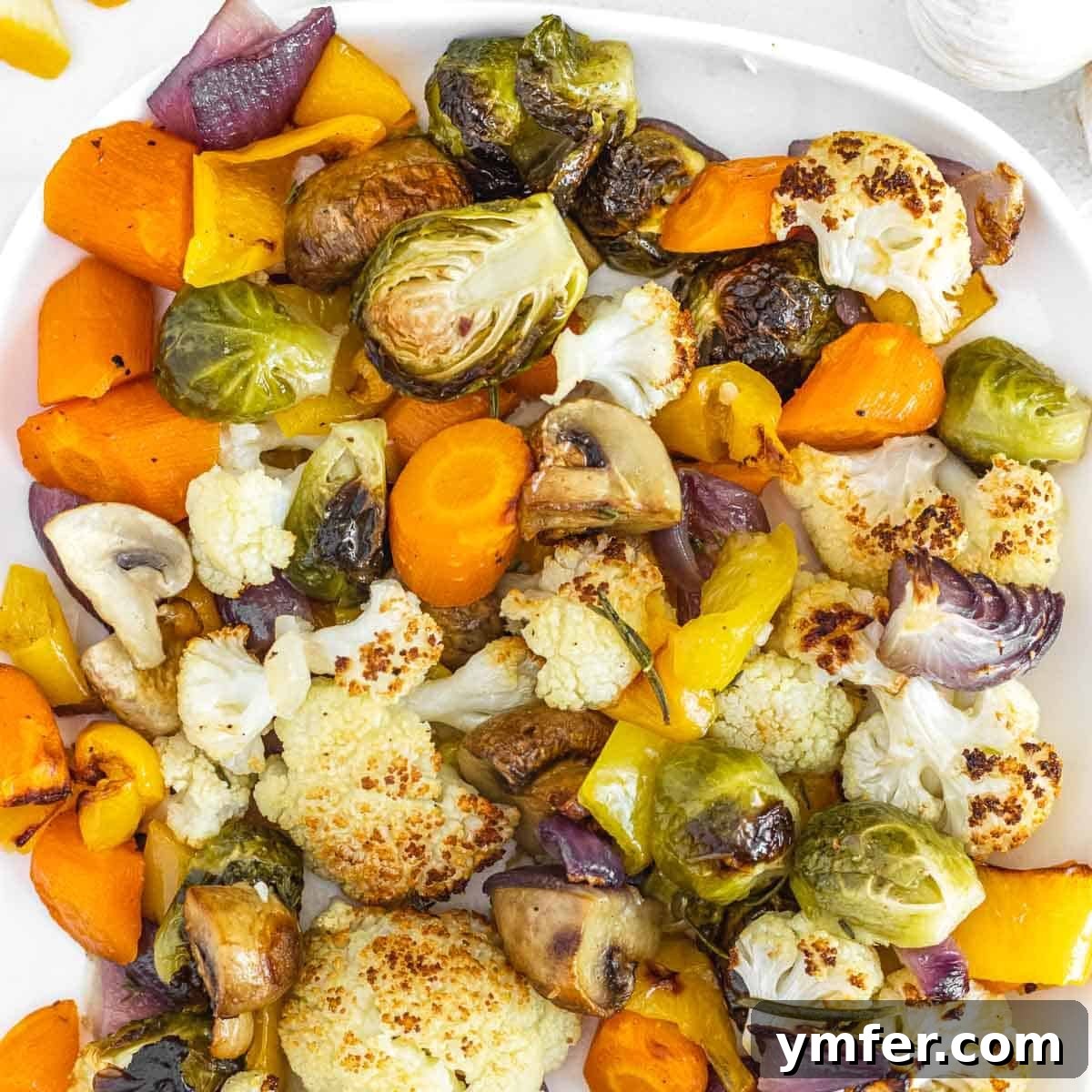
These roasted vegetables are more than just a side dish; they are a vibrant, flavorful, and incredibly versatile addition to any meal, perfect throughout the year. Roasting brings out the natural sweetness and deepens the flavors of almost any vegetable, transforming simple ingredients into a tender, aromatic delight with beautifully caramelized edges.
Whether you follow our expertly curated roasted veggie mix recommendations or wish to make this recipe uniquely yours by incorporating your favorite seasonal vegetables, we’ll guide you through every step. This guide is designed to empower you with the knowledge to achieve perfectly roasted vegetables every time, ensuring they are always tender on the inside and delightfully crisp on the outside.
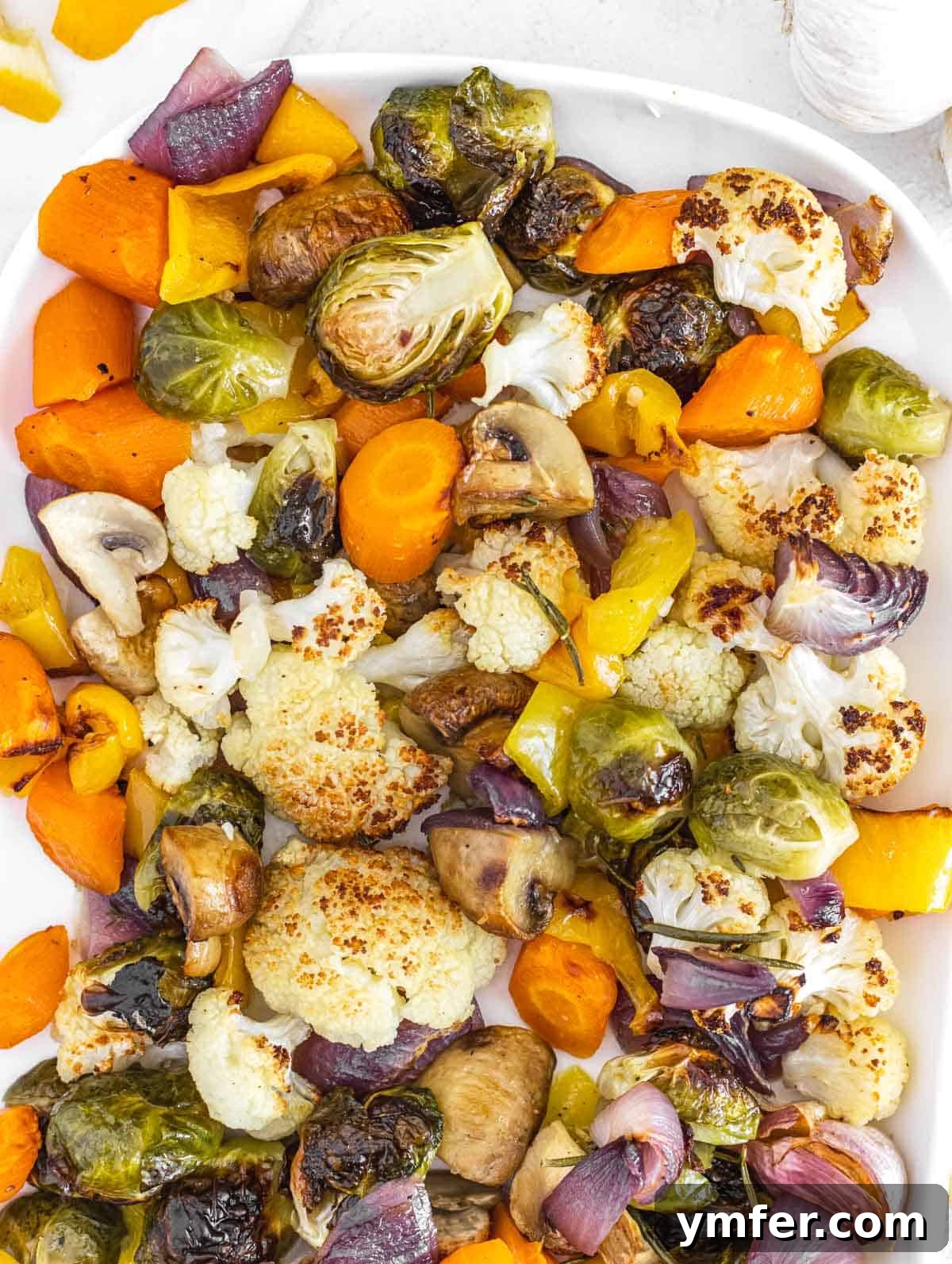
Explore our expansive collection of the best vegetable side dish recipes for more inspiration!
Table of Contents
- The Art of Roasting Vegetables
- Ingredients for Your Perfect Roast
- Step-by-Step Roasting Instructions
- Creative Serving Suggestions
- Exciting Flavor Variations
- Storage and Leftover Ideas
- Expert Tips for Flawless Roasting
- Frequently Asked Questions (FAQs)
- Roasted Vegetables Recipe Card
The Art of Roasting Vegetables: Simple, Flavorful & Versatile
Roasted vegetables stand out as an exceptionally easy and versatile side dish, ready to complement both your everyday family dinners and elevate special occasions like Thanksgiving and Christmas. The beauty of roasting lies in its simplicity and the incredible depth of flavor it imparts, making vegetables more appealing and nutritious. This cooking method is a cornerstone of healthy eating, locking in nutrients while developing a crave-worthy texture and taste.
In this comprehensive guide, you’ll master how to roast multiple veggies to absolute perfection on a single baking tray, using a simple yet effective seasoning method. The secret to consistently fantastic results hinges on a few crucial elements:
What’s most important is 1) selecting the right oven temperature, 2) managing the correct amount of vegetables per baking tray, and 3) strategically choosing the types of vegetables that roast well together.
When it comes to temperature, aim for a consistent 400°F (200°C). This optimal heat encourages the Maillard reaction – the chemical process responsible for that desirable golden-brown color and complex flavor profile – without overcooking the interior of your vegetables. At this temperature, vegetables caramelize beautifully, yielding tender centers and crisp, flavorful exteriors.
Regarding quantity, it’s essential to stay within approximately 8 to 9 cups of chopped veggies per standard baking tray. Overcrowding the tray is the most common mistake home cooks make. If you add too many vegetables, they will release their moisture and essentially steam rather than roast. This leads to soggy, lackluster vegetables that fail to brown properly. Always prioritize a single layer, ensuring ample space between pieces for air circulation.
For the type of vegetables, the key is to mix similarly textured veggies. This ensures they cook at roughly the same rate, preventing some from becoming mushy while others remain raw. Additionally, combining vegetables with different colors not only creates a visually stunning dish but also often indicates a broader spectrum of nutrients. Think of it as painting with produce!
For instance, in the peak of summer, a delightful mix might include quick-cooking favorites like zucchini, eggplant, cherry tomatoes, vibrant red bell pepper, and sweet onion. These vegetables generally have high water content and cook relatively quickly. Come winter, you could enjoy a heartier blend of robust cauliflower, earthy Brussels sprouts, sweet carrots, comforting sweet potatoes, and savory mushrooms. Root vegetables and denser greens tend to require similar roasting times and hold up well to higher heat.
For the perfect roasted vegetables seasoning, we recommend sturdy fresh herbs that can withstand the oven’s heat without burning. Excellent choices include aromatic rosemary, fragrant thyme, and savory sage, beautifully complemented by a few cloves of freshly crushed garlic. These herbs infuse the vegetables with a deep, earthy flavor that is simply irresistible. For those who enjoy a hint of spice, a pinch of red pepper flakes can add a delightful kick.
As a crucial cooking fat, opt for high-quality extra virgin olive oil. It’s not just for flavor; olive oil helps the veggies roast evenly, promotes browning, and has a pleasant taste that enhances the natural flavors of the vegetables. Furthermore, extra virgin olive oil is known to be stable at high temperatures, making it an ideal choice for roasting.
Ingredients for Your Perfect Roast
The beauty of roasted vegetables lies in their adaptability. You can tailor your selection based on what’s fresh, what’s in season, or simply what you have on hand. Here are some ideal combinations for different times of the year, alongside a list of other excellent roasting candidates.
Autumn & Winter Roasted Vegetables
Hearty and comforting, these vegetables stand up beautifully to roasting, developing deep, rich flavors. Their slightly longer cooking times make them perfect companions on the same tray.
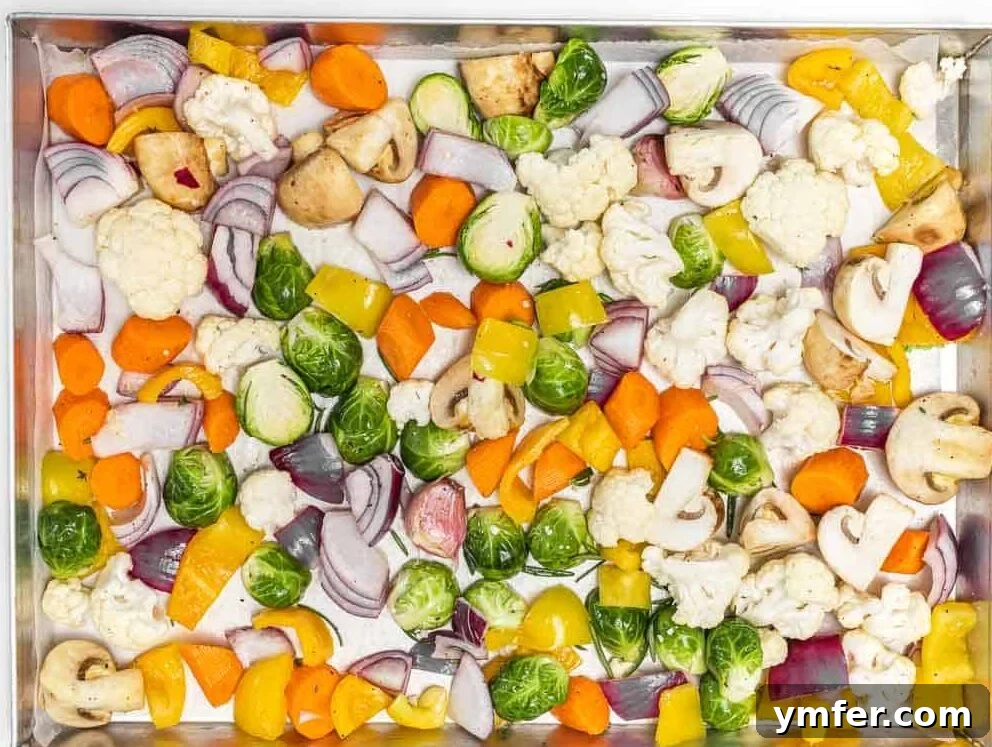
| Cauliflower (or parsnip for a sweet, peppery note) |
| Brussels sprouts (or tender broccoli florets) |
| Carrot (or creamy butternut squash cubes) |
| Mushrooms (cremini, button, or shiitake for umami) |
| Red onion (or white/yellow onion for a sharper flavor) |
| Bell pepper (any color, or earthy fennel slices) |
| Fresh Garlic, fragrant Thyme, and aromatic Rosemary |
Spring & Summer Roasted Vegetables
Lighter and brighter, these seasonal gems caramelize quickly, offering fresh flavors and vibrant colors to your plate. They are excellent for a speedy side or a delightful addition to salads.
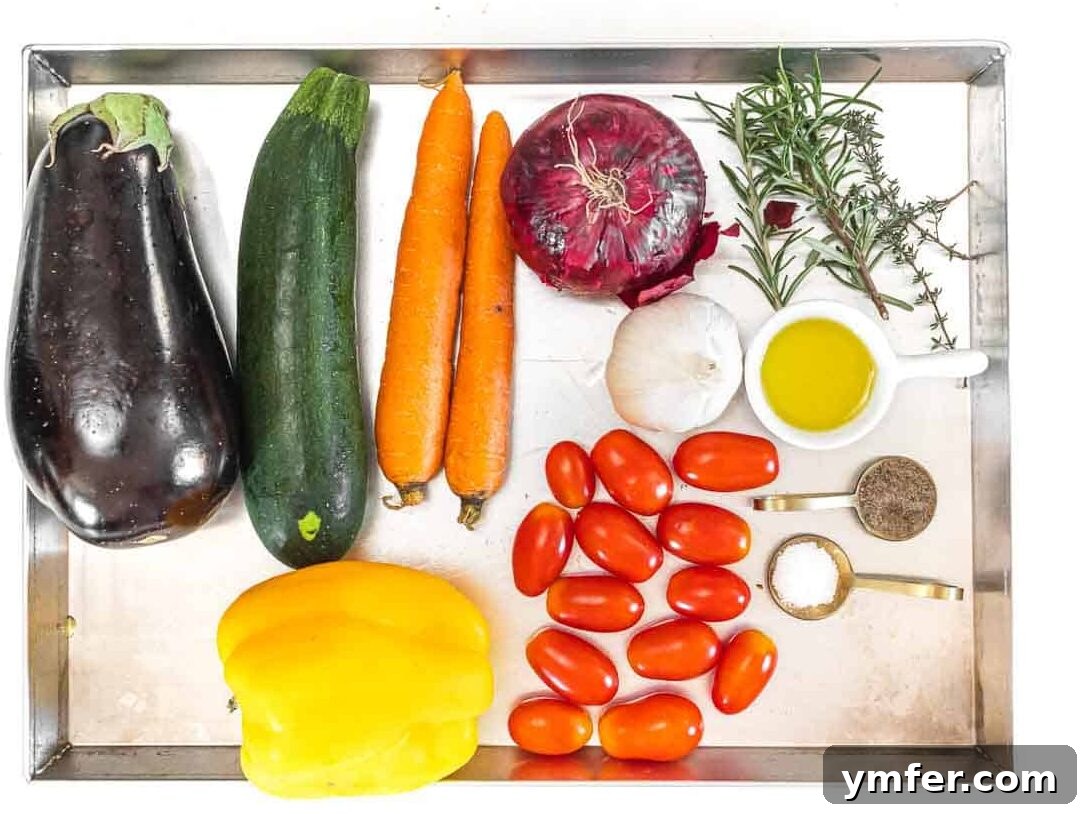
| Zucchini (adds a tender bite) |
| Eggplant (absorbs flavors beautifully, becomes silky) |
| Tomatoes (cherry, plum, grape, or others; burst with sweetness when roasted) |
| Onion (red, white, or yellow for a sweet counterpoint) |
| Bell peppers (any color, sweet and juicy) |
| Fresh Garlic, delicate Thyme, and vibrant Rosemary |
For all seasons, don’t forget the core seasonings: generous drizzles of extra virgin olive oil, a good sprinkle of salt, and freshly ground black pepper. If you enjoy a touch of heat, a pinch of red pepper flakes can awaken the flavors even further.
More Versatile Vegetables That Roast Beautifully
This list offers even more options to expand your roasted vegetable repertoire. Remember to consider their cooking times and textures when pairing them.
| Artichokes (tender and slightly nutty) | Green beans (crisp-tender, great with garlic) |
| Asparagus (delicate, cooks quickly) | Kabocha squash (sweet, dense, and creamy) |
| Beetroot (earthy, vibrant, sweet when roasted) | Kale (can be roasted into crispy chips) |
| Broccoli (florets develop a delicious char) | Potatoes (classic, crispy exterior, fluffy interior) |
| Brussels sprouts (savory with a hint of bitterness) | Pumpkin (sweet, slightly starchy, perfect for autumn) |
| Butternut squash (sweet, smooth texture) | Sweet potatoes (naturally sweet, incredibly versatile) |
| Cauliflower (mild, absorbs flavors well) | Turnip (peppery, earthy, becomes sweet) |
| Eggplant (soft, smoky, and rich) | Zucchini (mild, quick-cooking, tender) |
| Fennel (anise-like flavor, sweetens when roasted) |
Important Note: While potatoes are undeniably delicious when roasted, they typically require a little longer to cook through than most other vegetables. To ensure all your vegetables achieve optimal tenderness without overcooking some, we generally recommend roasting potatoes on a separate baking tray. This allows for precise control over their cooking time. For detailed instructions on achieving the best crispy-on-the-outside, fluffy-on-the-inside oven-roasted potatoes, check out our dedicated recipe.
Step-by-Step Roasting Instructions for Perfectly Tender Vegetables
Achieving perfectly roasted vegetables is a straightforward process when you follow these simple steps. The key is preparation and ensuring proper heat distribution for optimal caramelization.
Step 1: Prepare Your Oven and Baking Sheet. Begin by preheating your oven to 400°F (200°C). A hot oven is crucial for immediate browning and to prevent steaming. While the oven preheats, line a large baking sheet or sheet pan with parchment paper. This prevents sticking, makes cleanup a breeze, and helps with even cooking.
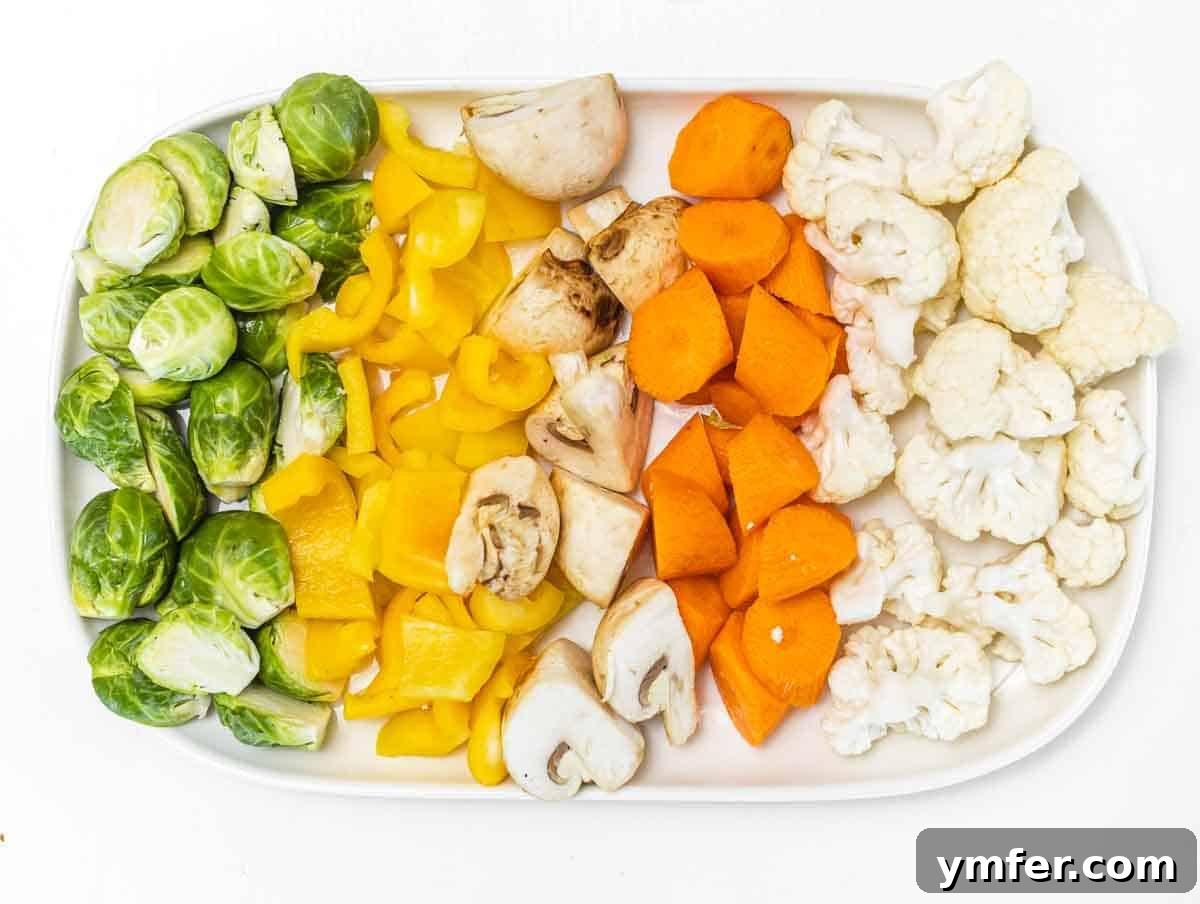
Step 2: Wash, Peel, and Chop Your Vegetables. Thoroughly wash all your chosen vegetables. Peel them only if necessary (e.g., carrots if desired, but many skins are edible and nutritious). The most critical part here is to chop them into uniformly sized pieces. Aim for pieces that are approximately 1-inch in size, as this ensures all vegetables cook evenly and finish at the same time.
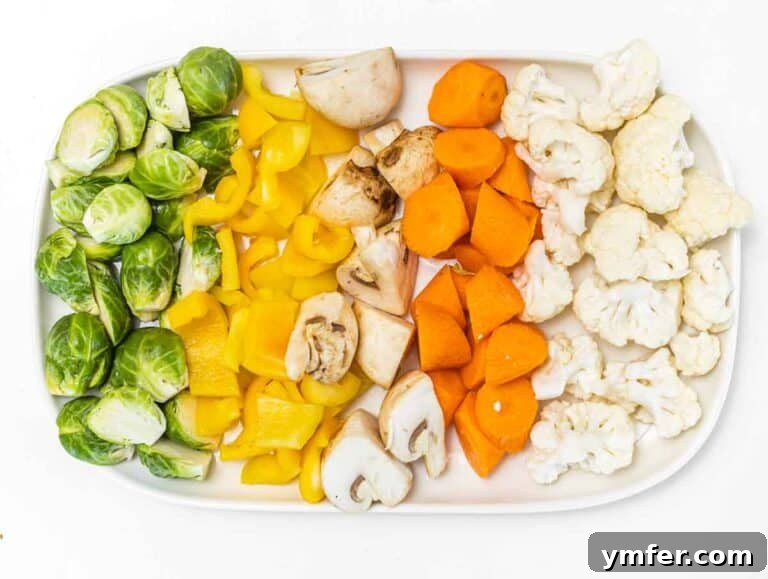
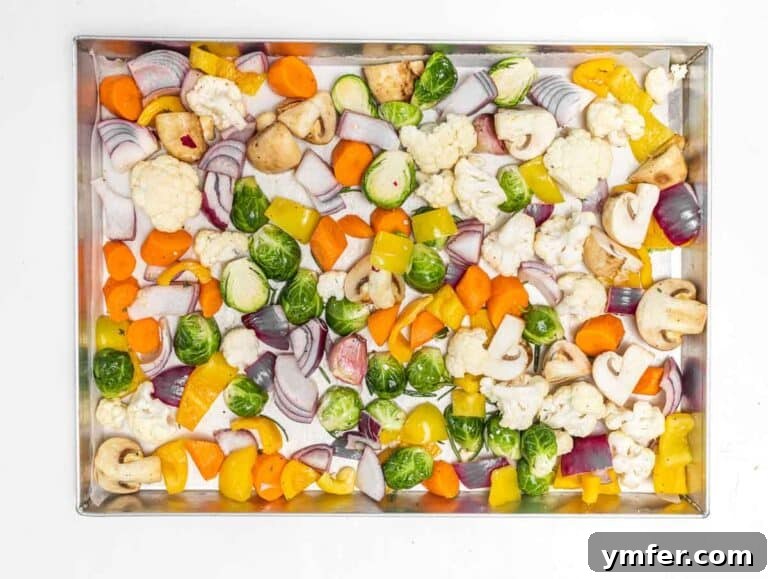
For specific examples: halve your Brussels sprouts, cut cauliflower into small florets, slice mushrooms into quarters, and cut carrots, onion, and bell pepper into consistent 1-inch pieces. Consistency in size is key to preventing some vegetables from burning while others remain undercooked.
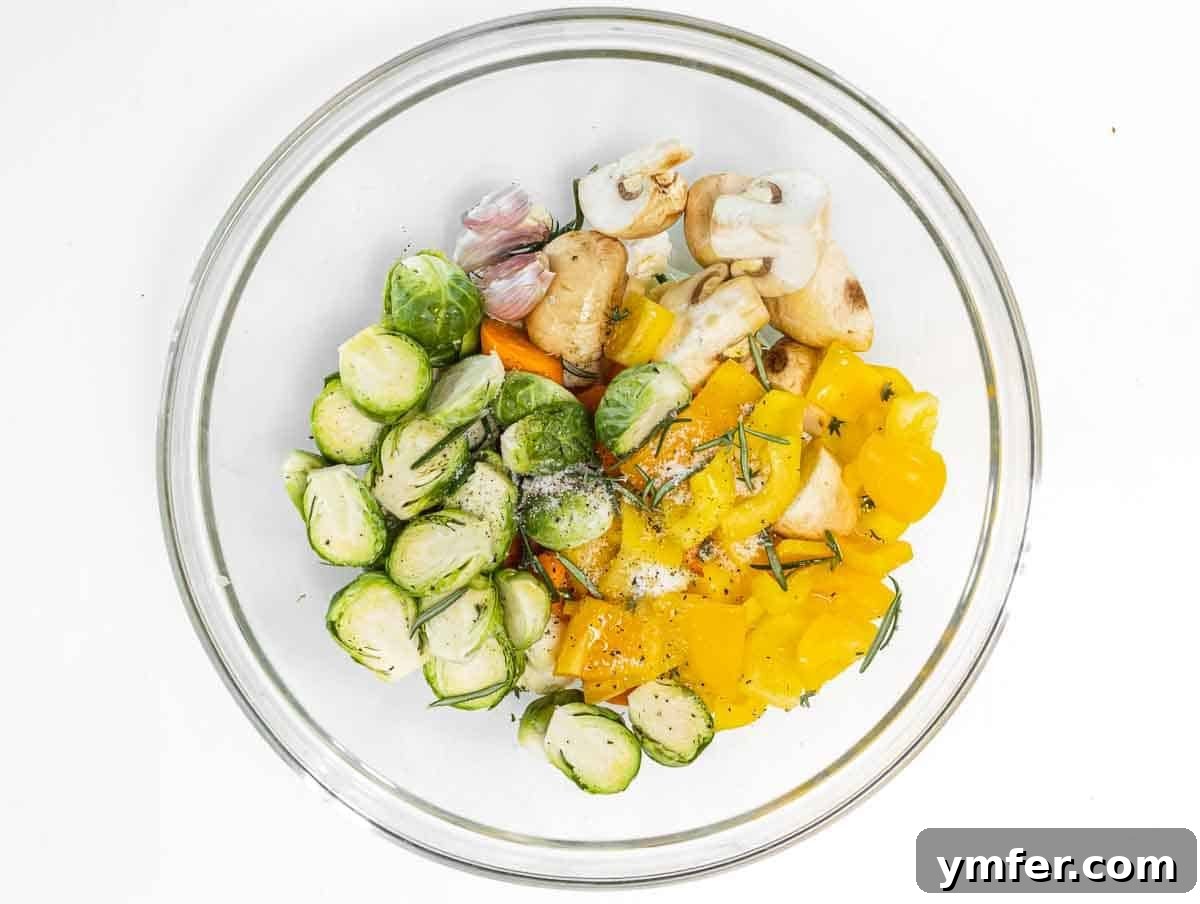
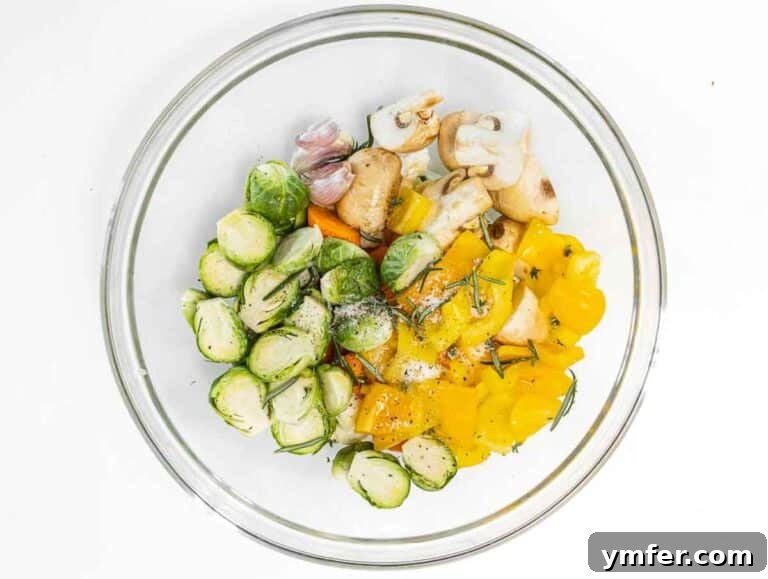
Step 3: Season Your Vegetables. Transfer the chopped veggies into a large mixing bowl. Drizzle them generously with extra virgin olive oil, which helps with heat conduction and browning. Season thoroughly with salt and freshly ground black pepper. Add your chosen fresh herbs: rosemary needles stripped from the stem, fragrant thyme leaves, and aromatic crushed garlic cloves. Toss everything together vigorously until all the vegetables are evenly coated with the oil and seasonings. This ensures every bite is packed with flavor.
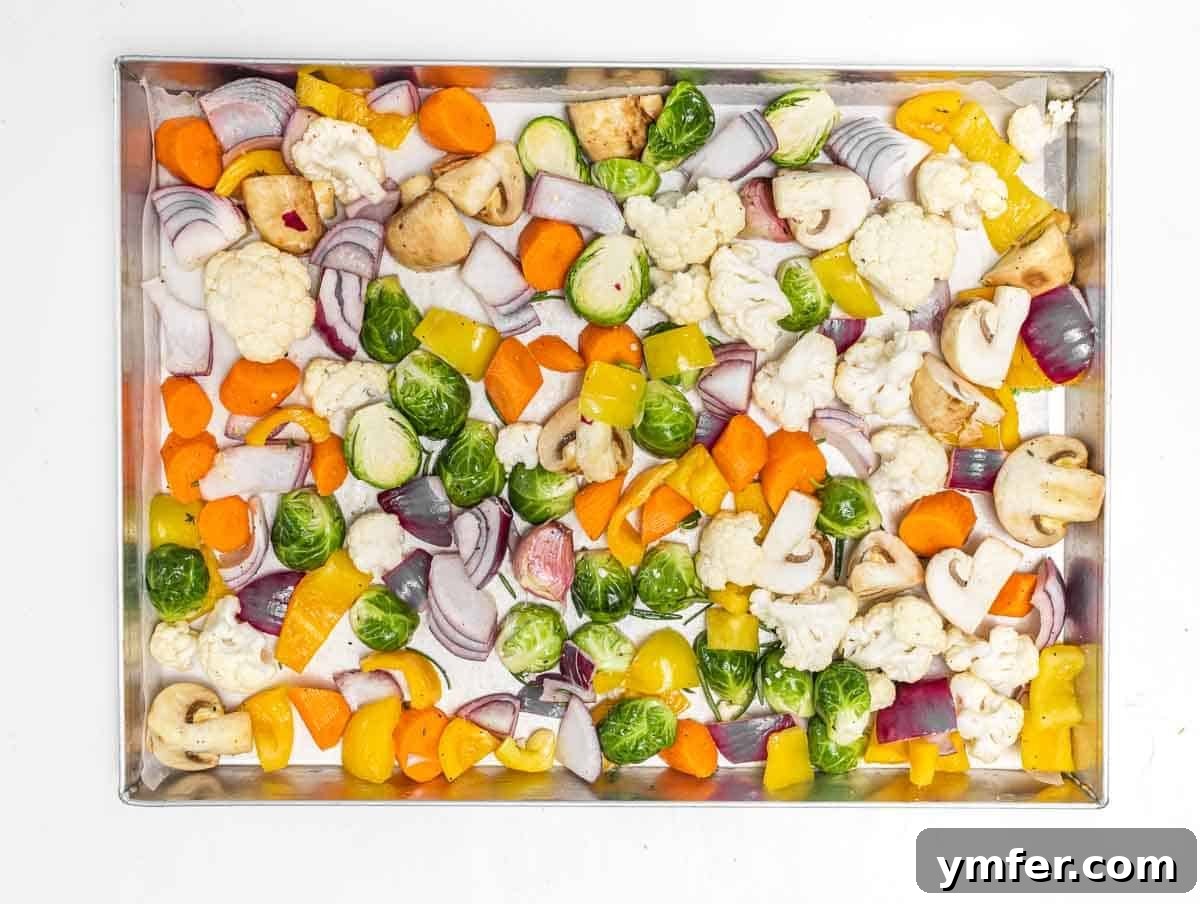
Step 4: Arrange on the Baking Sheet. Spread the seasoned vegetables onto your prepared baking sheet in a single layer. This step cannot be emphasized enough. Ensure there’s adequate space between each vegetable piece. If the pan is too crowded, the vegetables will steam instead of roast, leading to a soft, soggy texture rather than a crisp, caramelized finish. If necessary, use two baking sheets to avoid overcrowding.
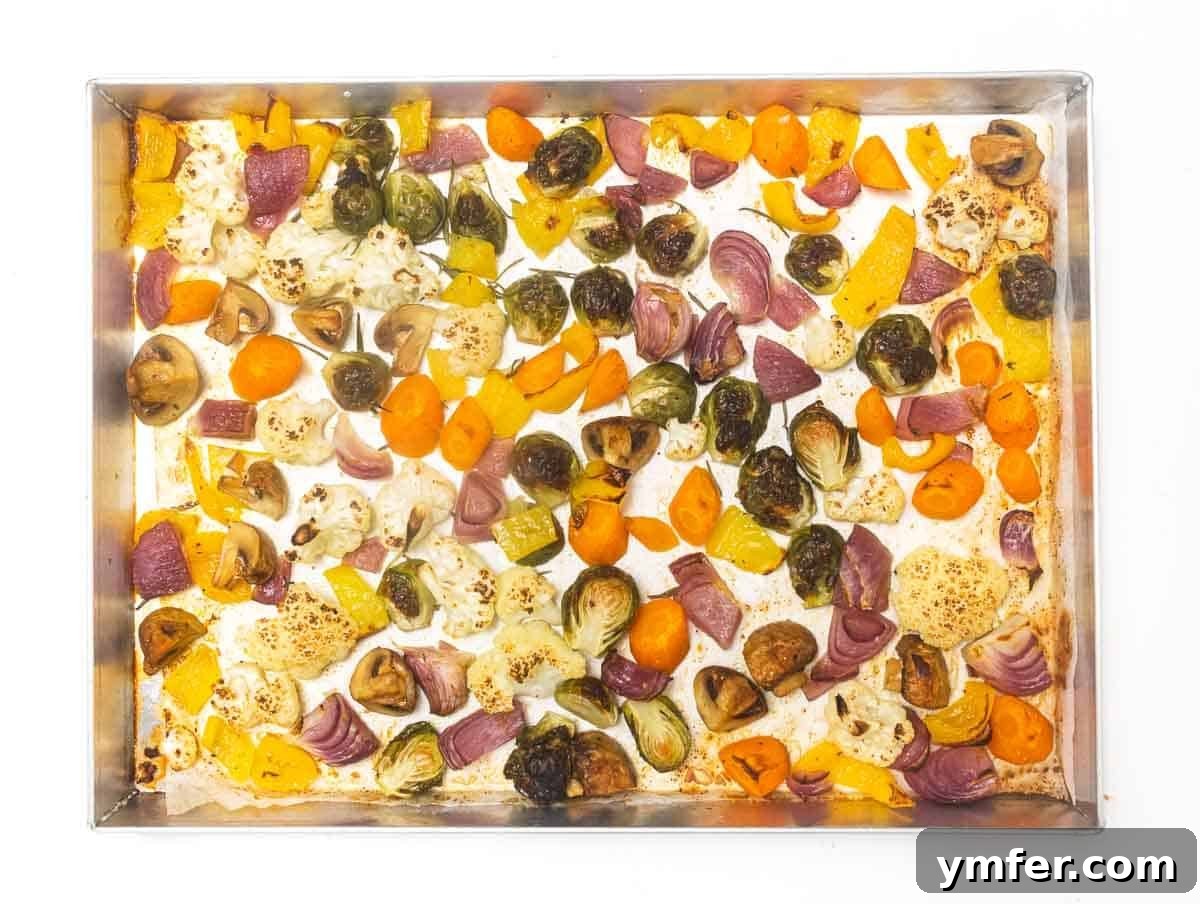
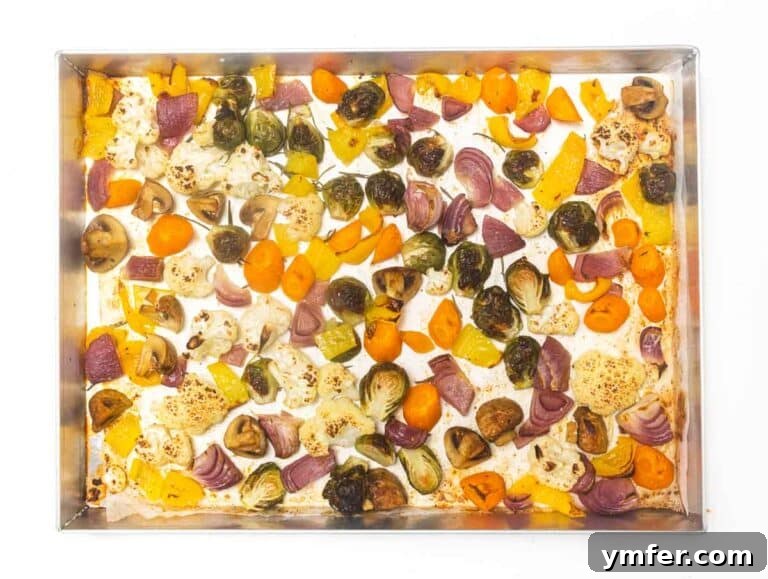
Step 5: Roast to Perfection. Bake at 400°F (200°C) for approximately 25 to 30 minutes. The exact cooking time will depend on the density of your chosen vegetables and your oven’s calibration. Halfway through the cooking process (around 12-15 minutes), give the vegetables a good toss to ensure even browning on all sides. Continue roasting until the vegetables are beautifully golden brown, slightly charred at the edges, and tender when pierced with a fork. This golden color is your indicator of maximum flavor development.
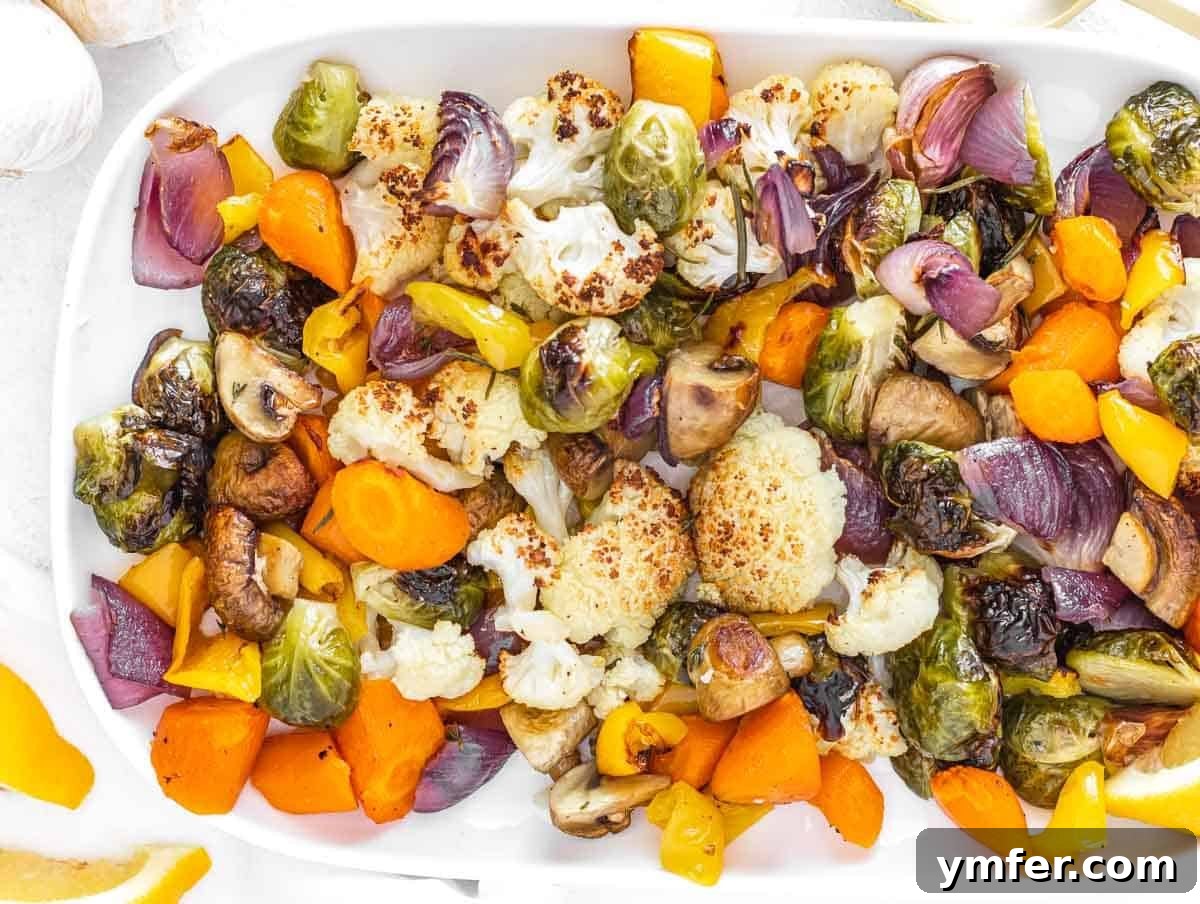
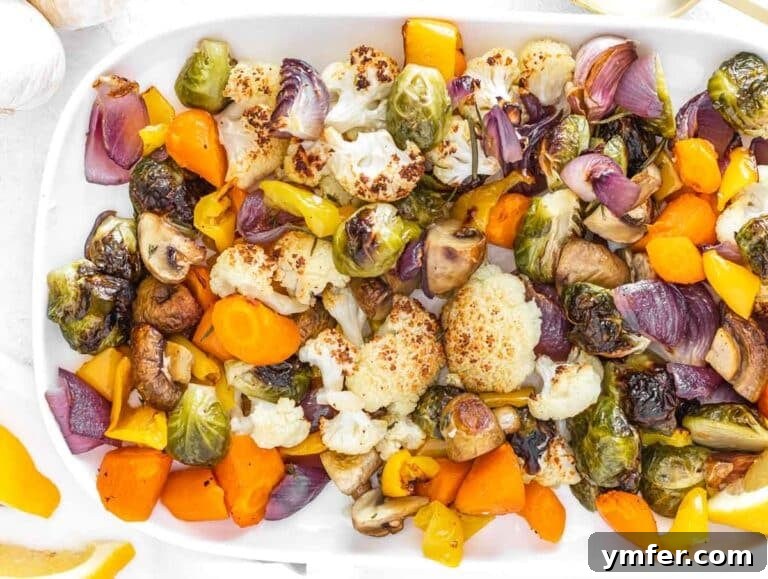
Step 6: Serve and Enjoy! Once roasted to your liking, carefully transfer the hot vegetables onto a serving platter. Serve them immediately to enjoy their optimal texture and warmth. For an optional but highly recommended finish, sprinkle with freshly chopped parsley for a burst of color and freshness, and add a squeeze of fresh lemon juice to brighten all the flavors. These simple additions can truly elevate your dish.
Creative Serving Suggestions: More Than Just a Side
Roasted vegetables are incredibly versatile, fitting perfectly into various meal categories. While they shine as a classic side dish with an easy dinner or a hearty tofu meal, don’t limit their potential. They can also be transformed into a main course or a substantial component of a salad or grain bowl, adding texture, flavor, and nutrition.
Pair with Hearty Salads and Grain Bowls
Elevate your salads and grain bowls by incorporating warm, flavorful roasted vegetables. Their tender texture and concentrated taste add a gourmet touch to everyday meals. They are particularly fantastic in:
- Italian rice salad with chickpeas and a zesty lemon vinaigrette – the warm roasted veggies contrast beautifully with the cool rice.
- Rainbow barley salad with fresh basil – a wholesome and easy lunch idea, where roasted vegetables contribute a delightful chewiness.
- Mediterranean farro salad with crumbled feta (or a vegan alternative) and a creamy mustard dressing – a robust salad that welcomes the earthy notes of roasted vegetables.
- Vegetable couscous salad with a cumin dressing and fresh peas – a light yet satisfying dish with authentic Mediterranean flavors, enhanced by roasted goodness.
- Eggplant salad with pasta and chickpeas – a perfect meal-prep lunch idea, where roasted eggplant brings a silky texture and deep flavor.
More Delicious Salad & Grain Bowl Ideas
Salads
Rice Salad
Salads
Mediterranean Farro Salad
Salads
Barley Salad
Salads
Vegetable Couscous
Boost Flavor with Dressings and Sauces
To truly transform your roasted vegetables, consider adding a complementary dressing or sauce. This is a fantastic way to introduce new layers of flavor and moisture, making them even more exciting and delicious:
- Vegan pesto: Choose from our selection of 9 different vitamin-packed vegan pesto recipes for a fresh, herbaceous kick.
- Vegan mayo: Our classic vegan mayo, or the garlic variation, offers a rich, creamy texture. For a lower-fat dipping option, try our refreshing vegan tzatziki or vibrant guacamole instead.
- Tahini sauce: A creamy, tangy, and nutty Middle-Eastern inspired dressing that pairs exceptionally well with roasted root vegetables.
- Chipotle sauce: For a bold, smoky, and slightly spicy Mexican-inspired dressing, featuring adobo pepper and creamy mayonnaise.
Our Favorite Sauces & Dressings
Sauces and Dressings
Chipotle Sauce
Sauces and Dressings
Vegan Pesto
Sauces and Dressings
Vegan Mayo
Sauces and Dressings
Tahini Sauce
Feel free to take your pick from our extensive list of best vegan sauces. Many of these offer a bold flavor profile that perfectly complements the rich taste of roasted vegetables.
Exciting Flavor Variations for Your Roasted Vegetables
While our classic recipe is fantastic, the true magic of roasted vegetables lies in their incredible versatility. Don’t hesitate to experiment with different flavor profiles to keep your meals exciting. Here are some ideas to inspire your next batch:
- Spicy Kick: Add a generous pinch of red pepper flakes, a dash of cayenne pepper, or even a tablespoon of hot sauce (like sriracha) before roasting.
- Sweet & Savory Glaze: Drizzle with a tablespoon of maple syrup or balsamic glaze during the last 10 minutes of roasting. This creates a beautiful caramelized, sticky finish.
- Mediterranean Flair: Incorporate herbs like oregano and basil, and add lemon slices or cherry tomatoes to the tray. A sprinkle of feta cheese (dairy or plant-based) after roasting adds a salty tang.
- Asian Inspired: Toss with a mix of soy sauce (or tamari), sesame oil, and a touch of ginger before roasting. Garnish with sesame seeds and fresh scallions.
- Smoky Undertones: Add a teaspoon of smoked paprika and a dash of liquid smoke for a rich, barbecue-like flavor.
- Citrus Brightness: Zest a lemon or orange directly over the vegetables before tossing with oil, then add a squeeze of fresh juice after roasting.
- Herb Power: Beyond rosemary and thyme, experiment with dried Italian seasoning, fresh dill, or chopped cilantro (added after roasting).
- Nutritional Yeast Boost: For a cheesy, umami flavor, sprinkle nutritional yeast over the vegetables before roasting. It adds a delicious savory depth, especially to cruciferous veggies.
For more specific roasted vegetable recipes and single-vegetable guides, explore our collection below:
Discover More Roasted Vegetable Favorites
Sides
Roasted Peppers
Sides
Roasted Sweet Potatoes
Sides
Roasted Broccoli
Sides
Roasted Brussels Sprouts
Sides
Roasted Broccoli and Cauliflower
Sides
Roasted Cauliflower
Sides
Roasted Eggplant
Sauces and Dressings
Roasted Chickpeas
Sides
Roasted Zucchini
Sides
Roasted Artichokes
Sides
Roasted Butternut Squash
Sides
Roasted Kabocha Squash
Sides
Roasted Potatoes
Sides
Baked Asparagus
Starters
Kale Chips
Sides
Sweet Potato Wedges
Storage and Reheating Leftover Roasted Vegetables
Roasted vegetables are fantastic fresh, but they also make excellent leftovers, perfect for quick meals throughout the week.
Refrigerator: To store, allow your roasted vegetables to cool completely to room temperature. Then, transfer them to an airtight container and keep them in the fridge for up to 3 days. This prevents them from becoming soggy and extends their freshness. When ready to enjoy again, you can easily reheat them in the microwave for a quick warm-up, in a preheated oven (at 350°F/175°C for 10-15 minutes) for restored crispiness, or even in an air fryer for a few minutes until hot and slightly re-crisped.
Alternatively, leftover roasted vegetables are a brilliant addition to other dishes. Get creative and use them for quick and delicious meals such as pasta salads, rice salads, hearty farro salads, wholesome barley salads, or vibrant couscous with veggies. They add depth and nutrition to any simple bowl.
Expert Tips for Flawless Roasted Vegetables Every Time
Achieving consistently perfect roasted vegetables is simple once you understand a few key principles. These tips will help you maximize flavor, texture, and visual appeal.
Choose Seasonal & Local Vegetables
Opting for local and in-season vegetables offers a multitude of benefits. Firstly, 1) they are often more affordable due to abundance. Secondly, 2) they are more environmentally friendly, as they require less transportation and energy to reach your table. Most importantly, 3) seasonal vegetables inherently possess superior flavor and nutrient density, making your roasted dishes significantly tastier and healthier. When produce is picked at its peak, it genuinely makes a difference.
If fresh is not an option, frozen vegetables can also be roasted! Just ensure they are spread in a single layer and increase the roasting time slightly, as they contain more moisture.
Cut Vegetables into Similar Sizes
This is perhaps one of the most crucial tips for evenly cooked roasted vegetables. Cutting all your vegetables into uniform pieces ensures they cook at the same rate. Imagine large chunks of carrot alongside delicate zucchini slices – the zucchini would turn to mush before the carrot even softens. Different vegetables have different densities; for example, root vegetables like potatoes and carrots take longer than softer ones like eggplant and zucchini. Always factor this into your chopping, ensuring denser vegetables are cut into smaller pieces or started earlier if you’re mixing very different types on one tray.
Always Preheat the Oven
Don’t skip the preheating step! A properly preheated oven to 400°F (200°C) is essential. Placing vegetables into a hot oven ensures that the exterior begins to caramelize immediately upon contact with the heat. This rapid browning creates that desirable tender-crisp texture with a beautiful golden brown, slightly charred, and subtly caramelized exterior. This “color equals flavor” principle is vital; it’s the Maillard reaction at work, transforming simple sugars and amino acids into hundreds of complex flavor compounds.
Don’t Overcrowd the Baking Pan
While mentioned earlier, this tip bears repeating due to its critical importance. Crowding your baking sheet is the quickest way to end up with steamed, rather than roasted, vegetables. When vegetables are packed too closely, the moisture they release creates steam, preventing proper browning and caramelization. Always spread your vegetables in a single layer, ensuring sufficient space between each piece for hot air to circulate. If you have a large batch, use multiple baking sheets.
Toss or Flip Halfway Through
For truly even browning and consistent texture, remember to give your vegetables a good toss or flip halfway through the roasting time. This exposes all sides of the vegetables to the direct heat of the baking sheet and the oven air, promoting uniform caramelization and preventing one side from becoming overly charred while others remain pale.
Frequently Asked Questions (FAQs) About Roasting Vegetables
For most vegetables, we highly recommend cooking them with the skin on. The skin is often packed with a significant amount of flavor, fiber, and nutrients, contributing to both the taste and nutritional value of your dish. It also helps the vegetable retain its shape and prevents it from becoming too soft. However, personal preference always plays a role. You can certainly remove the skin after the veggies are cooked if you prefer a smoother texture.
Many vegetable skins are not only edible but delicious when roasted. You can confidently cook and eat the skin on potatoes (especially smaller or new potatoes), pumpkin (for varieties with thin skins), zucchini, aubergine (eggplant), carrots, Jerusalem artichoke, asparagus, tomatoes, mushrooms, parsnip, and bell peppers. These skins become tender and flavorful.
However, some vegetables are better cooked and then peeled, or peeled beforehand, especially if their skins are very thick, tough, or bitter. Examples include thicker-skinned varieties of pumpkins and butternut squash, red beets (which can stain and have a tough skin), and sometimes bell peppers if you prefer a smoother texture (especially when marinating them for later use).
If your goal is to achieve crispy exteriors and juicy, tender interiors, we unequivocally recommend roasting your vegetables at a relatively high temperature. An ideal range is around 400°F (200°C). Lower temperatures tend to steam vegetables more, resulting in a softer texture and less browning, while very high temperatures can burn the outsides before the insides cook through. The sweet spot of 400°F allows for excellent caramelization and a perfect texture balance.
Absolutely! Frozen vegetables can be roasted successfully. The key is to spread them in a single layer on a preheated baking sheet (or one lined with parchment paper) and increase the roasting time. You may also want to increase the oven temperature slightly to help evaporate excess moisture. Do not thaw them before roasting; roast them directly from frozen to avoid sogginess.
A heavy-duty, light-colored metal baking sheet or sheet pan is ideal. Light-colored pans reflect heat, preventing the bottom of your vegetables from burning too quickly, while heavy-duty pans ensure even heat distribution. Avoid dark, thin pans which can cause uneven cooking and burning. Lining the pan with parchment paper is also highly recommended for easy cleanup and preventing sticking.
Roasted Vegetables
Nico Pallotta
Follow our roasted veggie mix recommendations or make this recipe yours by picking your favorite seasonal vegetables; we’ll show you how.
15 mins
30 mins
4 – 6 people
Side dish, Starter
Italian
Share
Ingredients
- 2 cups cauliflower cut in small florets
- 2 cups mushrooms (white or brown) cut into fourths
- 1½ cup Brussels sprouts cut in half
- 1 cup carrots cut in 1-inch pieces
- 1 large red onion cut in 1-inch pieces
- 1 heaping cup bell pepper cut in 1-inch pieces
- 1 sprig rosemary
- 3 sprigs thyme
- 3 cloves garlic crushed
- 2 tablespoons extra virgin olive oil
- 1 teaspoon salt
- 4 twists black pepper
Instructions
-
Preheat the oven to 400°F or 200°C. Line a baking sheet or sheet pan with parchment paper.
Wash and peel the vegetables if necessary. Then, chop them into dice of about the same size.
For instance, cut Brussels sprouts in half, cut the cauliflower into small florets, mushrooms, carrot, onion, and yellow pepper into 1-inch pieces.

-
Add the chopped veggies to a mixing bowl, and toss them with extra virgin olive oil, salt, black pepper, rosemary needles, thyme leaves, and crushed garlic.
-
Arrange on baking sheet on a single layer.
-
Bake at 400°F or 200°C for 25 to 30 minutes or until the veggies are golden brown and slightly charred.
-
Transfer onto a serving platter and serve immediately.
Optionally you can sprinkle with freshly chopped parsley and add a squeeze of lemon juice.
Notes
Take this recipe as an indication and change up the veggies based on the season and on your preferences.
For best results try to stay between 8 to 9 cups of chopped veggies per standard oven baking sheet. Learn more in the body of this article.
Nutrition
Carbohydrates: 11g,
Protein: 3g,
Fat: 5g,
Saturated Fat: 1g,
Polyunsaturated Fat: 1g,
Monounsaturated Fat: 3g,
Trans Fat: 0g,
Cholesterol: 0mg,
Potassium: 497mg,
Dietary Fiber: 3g,
Sugar: 4g,
Vitamin A: 4184IU,
Vitamin B6: 0.3mg,
Vitamin C: 67mg,
Vitamin E: 1mg,
Vitamin K: 57µg,
Calcium: 44mg,
Folate: 60µg,
Iron: 1mg,
Manganese: 0.4mg,
Magnesium: 23mg,
Zinc: 1mg
Tried this recipe?
Leave a comment below or mention @theplantbasedschool on Instagram. We love hearing from you ⭐️ 💚.