
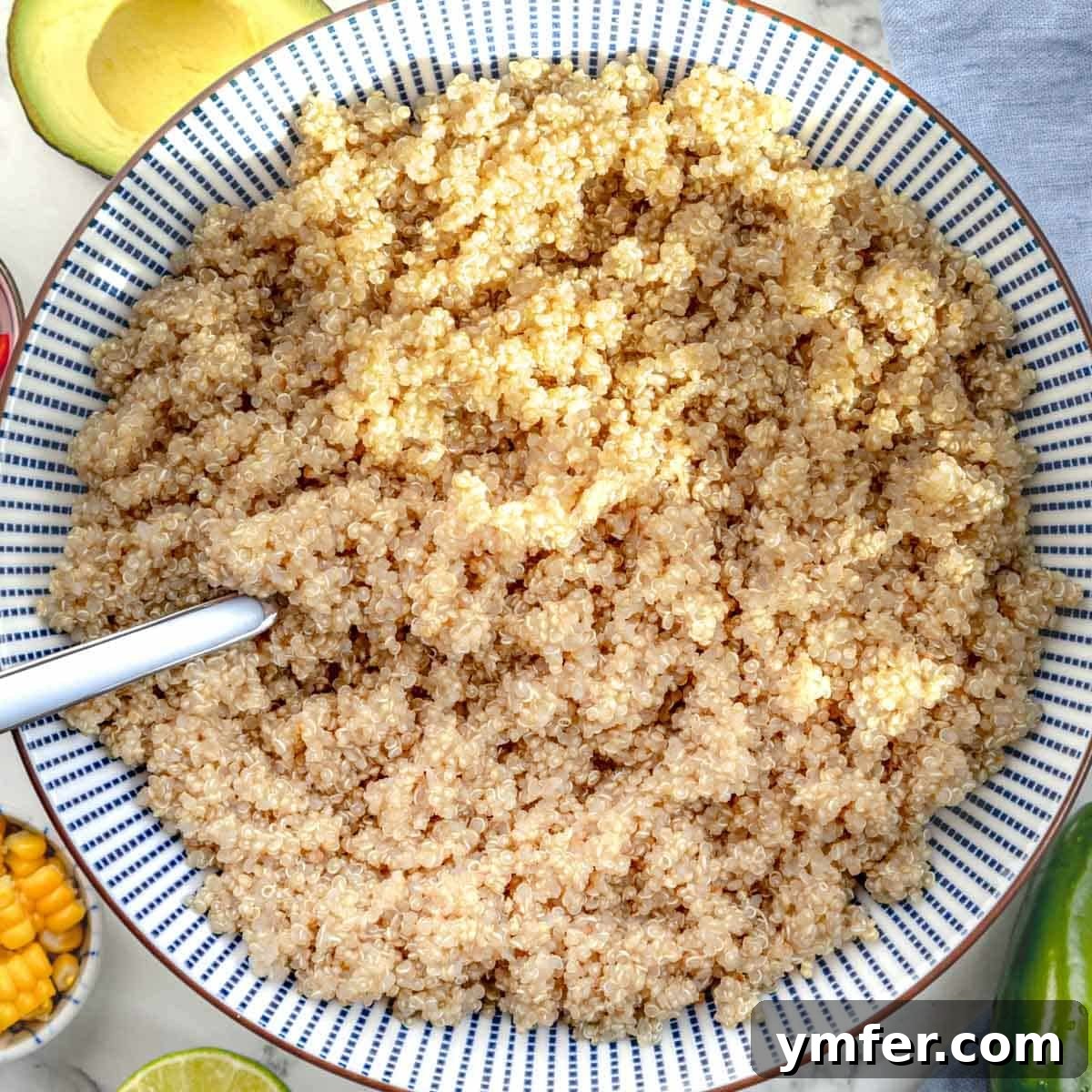
Quinoa, a versatile and nutrient-dense pseudo-cereal, is incredibly simple to cook, making it an ideal staple for any healthy kitchen. Forget mushy or inconsistent results; this guide will walk you through the most effective method to achieve perfectly fluffy quinoa every single time.
Whether you’re new to cooking quinoa or looking to refine your technique, our foolproof boiling method ensures a delightful texture that’s ready to elevate your meals. It’s an excellent, protein-rich alternative to traditional pasta and rice, offering a fulfilling and nourishing base for countless dishes.
Cook a batch for convenient meal prep, then store it in the fridge for quick additions to salads, hearty grain bowls, homemade veggie burgers, or even as a wholesome side dish. Its mild, nutty flavor makes it incredibly adaptable, pairing beautifully with a wide array of ingredients.
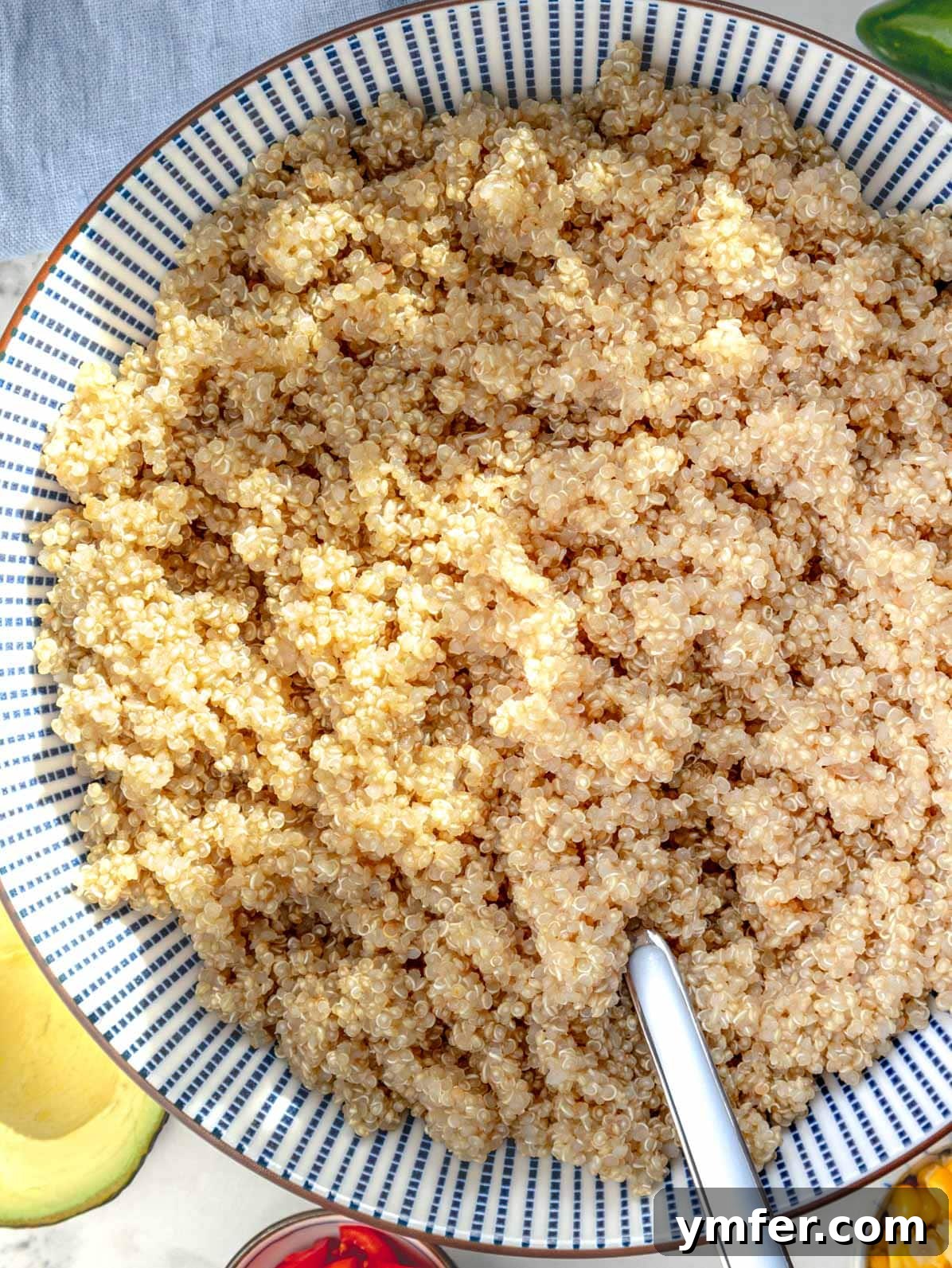
Table of Contents
- What Exactly Is Quinoa?
- Why Incorporate Quinoa into Your Diet?
- The Best Way to Cook Quinoa: A Foolproof Method
- Versatile Ways to Enjoy Quinoa
- Storing Cooked Quinoa for Meal Prep
- Frequently Asked Questions About Quinoa
- How to Cook Quinoa Recipe Card
- Similar Healthy Grain & Legume Recipes
- You Might Also Like: More Plant-Based Delights
What Exactly Is Quinoa?
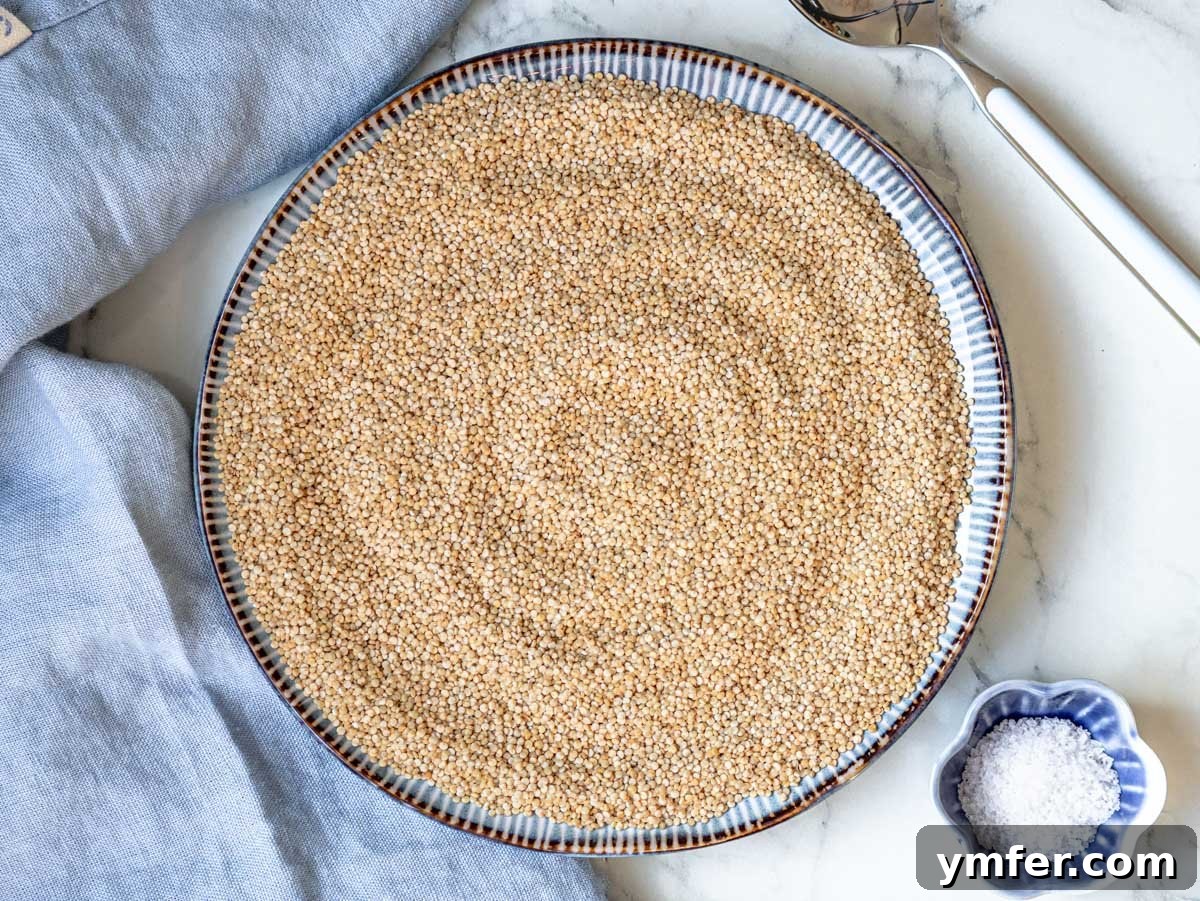
Often referred to as a “supergrain,” quinoa (pronounced KEEN-wah) is botanically a seed from the plant Chenopodium quinoa. However, due to its culinary applications and nutritional profile, it’s commonly treated as a whole grain, much like rice, barley, or farro. Originating from the Andean region of South America, quinoa has been a dietary staple for thousands of years, revered by ancient civilizations like the Incas as “the mother of all grains.”
What sets quinoa apart is its remarkable nutritional completeness. It’s one of the few plant foods considered a complete protein, meaning it contains all nine essential amino acids that our bodies cannot produce on their own. This makes it an invaluable food source for vegetarians, vegans, and anyone seeking to boost their protein intake.
Beyond protein, quinoa is packed with fiber, B vitamins, and essential minerals such as iron, magnesium, phosphorus, manganese, and zinc. Its impressive nutrient density contributes to a feeling of fullness and supports overall health, from digestion to energy production. It’s also naturally gluten-free, making it a fantastic option for those with gluten sensitivities or celiac disease.
Quinoa boasts a subtly nutty and generally neutral flavor, making it incredibly versatile. This characteristic allows it to absorb the flavors of other ingredients, blending seamlessly into a vast array of dishes. It comes in several varieties, the most common being white, red, black, and tri-color quinoa. While all share similar nutritional benefits, they offer slight differences in texture and cooking time:
- White Quinoa: The most common type, it cooks up the fluffiest and has the mildest flavor. Ideal for most recipes.
- Red Quinoa: Holds its shape better after cooking, offering a chewier texture. Its slightly richer, nuttier flavor and vibrant color make it perfect for salads.
- Black Quinoa: Similar to red quinoa, it maintains a firm texture and has an even earthier, sweeter flavor. Its deep color adds visual appeal.
- Tri-Color Quinoa: A mix of white, red, and black quinoa, offering a balanced texture and flavor profile.
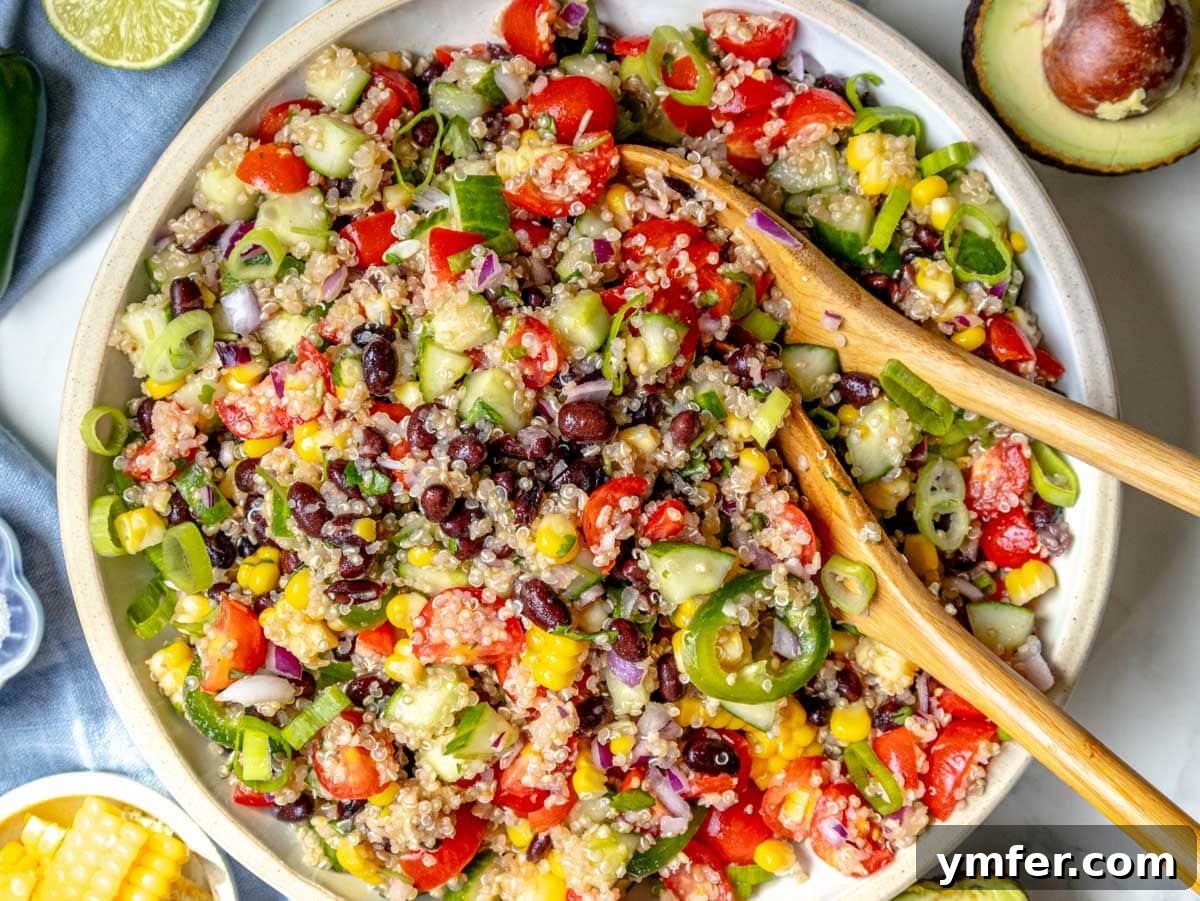
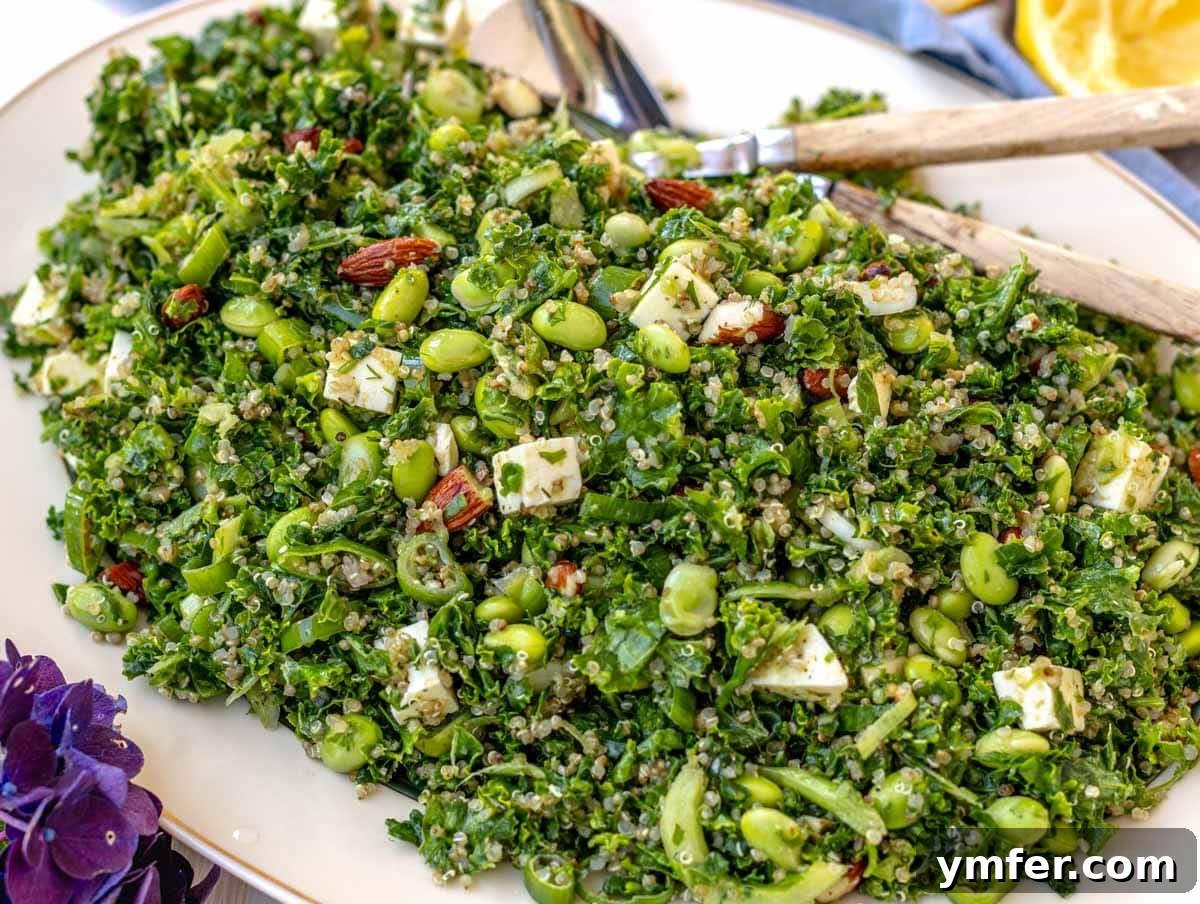
Many of our readers rave about quinoa in a variety of delicious preparations. Some favorites include our easy quinoa salad, the refreshing kale quinoa salad, the protein-packed quinoa chickpea salad, and the wholesome quinoa lentil salad.
As you can see, quinoa is not only delicious and nutritionally compatible with a wide array of vegetables but also forms a perfect pairing with legumes. The combination of quinoa and legumes creates incredibly satisfying, protein-packed meals that contribute to satiety and overall well-being. These synergistic pairings are key to maintaining a healthy and balanced diet.
Why Incorporate Quinoa into Your Diet?
Beyond its impressive nutritional profile, quinoa offers several compelling reasons to become a regular feature in your diet:
- Effortless and Quick: Quinoa cooks in just 10-12 minutes, making it one of the fastest whole grains to prepare. This speed is invaluable for busy weeknights or when you need a quick, healthy component for your meal.
- Excellent for Meal Prep: Its robust texture means cooked quinoa stores beautifully in the fridge for several days, making it a fantastic ingredient to prepare in advance for quick meals throughout the week.
- Versatile Culinary Canvas: Its mild flavor and adaptable texture allow it to be seamlessly integrated into breakfast, lunch, and dinner. It can be sweet or savory, hot or cold.
- Digestive Health: The high fiber content in quinoa aids digestion, promotes gut health, and can help regulate blood sugar levels, contributing to sustained energy.
- Weight Management: The combination of protein and fiber helps you feel full and satisfied, potentially reducing overall calorie intake and supporting healthy weight management.
- Gluten-Free Goodness: For those avoiding gluten, quinoa is a natural and nutrient-rich alternative to many gluten-containing grains.
By learning how to cook quinoa perfectly, you unlock a world of healthy, delicious, and convenient meal possibilities.
The Best Way to Cook Quinoa: A Foolproof Method
The simplest and most reliable method to achieve fluffy, separated quinoa grains every time is to boil it in a generous amount of lightly salted water, much like you would pasta. This technique eliminates the guesswork often associated with the absorption method and ensures a consistently excellent result.
Step 1: Rinse Your Quinoa Thoroughly
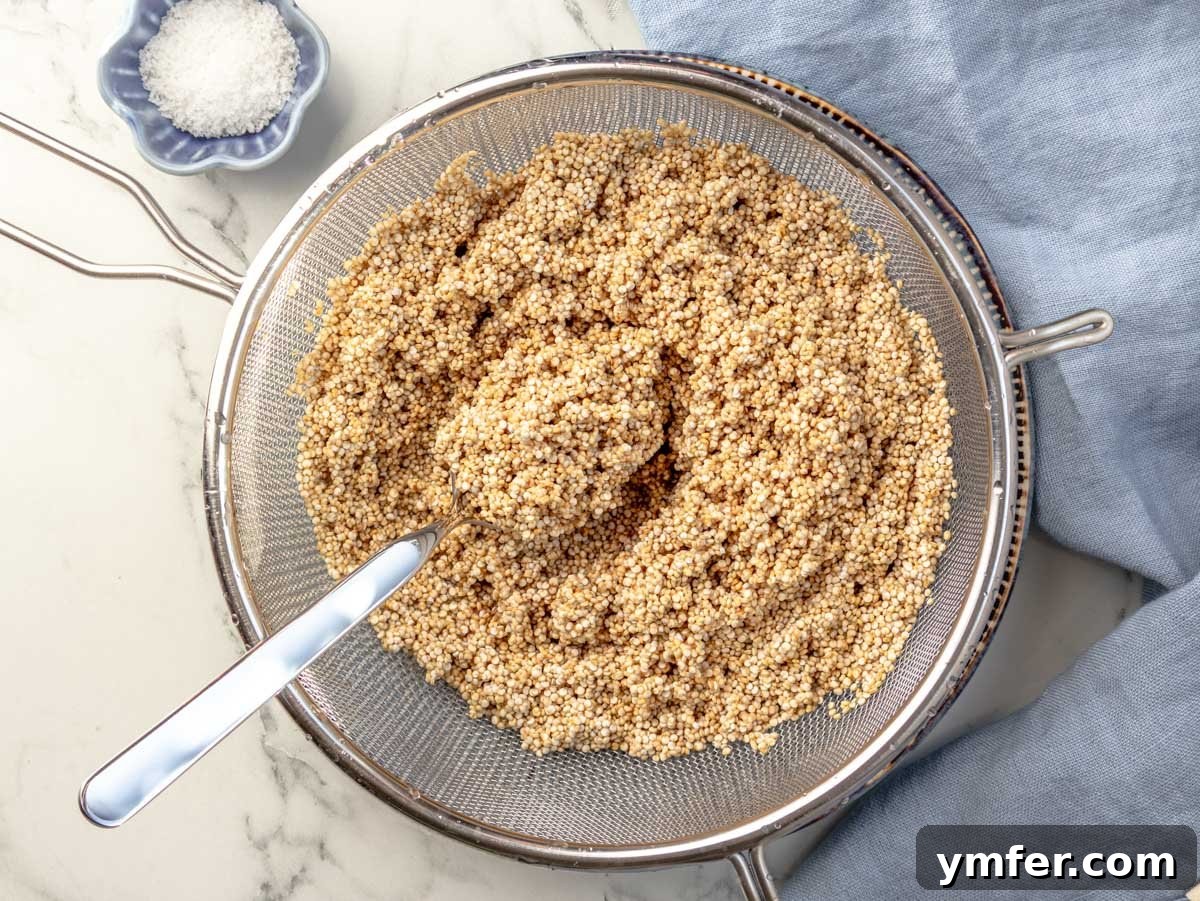
Before cooking, it’s crucial to rinse quinoa under cold running water. Quinoa grains are naturally coated with a bitter substance called saponin, which can leave an unpleasant soapy taste if not removed. Place the quinoa in a fine-mesh sieve and rinse for at least 30 seconds to a minute, using your fingers to gently agitate the grains. You’ll often see a slight foam or cloudy water, indicating the saponins are being washed away. Continue rinsing until the water runs clear.
Step 2: Boil in Abundant Water
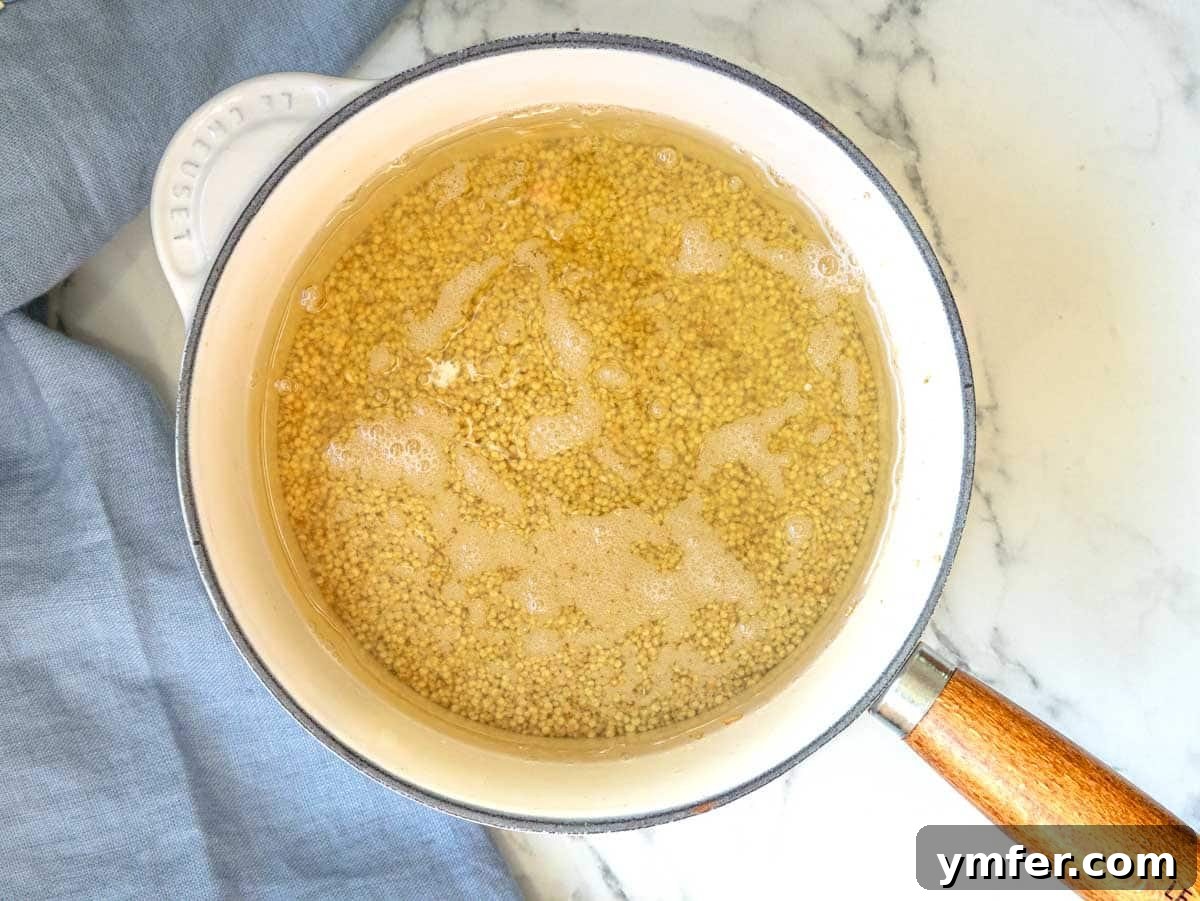
Bring a medium-sized pot with plenty of water to a rolling boil. For every 1 cup of dry quinoa, we recommend using 4 to 5 cups of water. This generous ratio allows the quinoa to move freely and cook evenly. Add a teaspoon of salt to the boiling water to season the quinoa from the inside out, much like you would for pasta. Then, add the thoroughly rinsed quinoa to the boiling water.
Step 3: Cook to Perfection
Allow the quinoa to boil for 10 to 12 minutes. The cooking time can vary slightly depending on the type of quinoa (white usually cooks fastest) and your desired texture. You’ll know it’s ready when the grains have nearly doubled in size, become translucent, and a small, white “tail” (the germ) appears around each grain. The quinoa should be tender but still have a slight al dente bite – not mushy. Taste a few grains to ensure it’s cooked to your liking.
Step 4: Drain and Steam
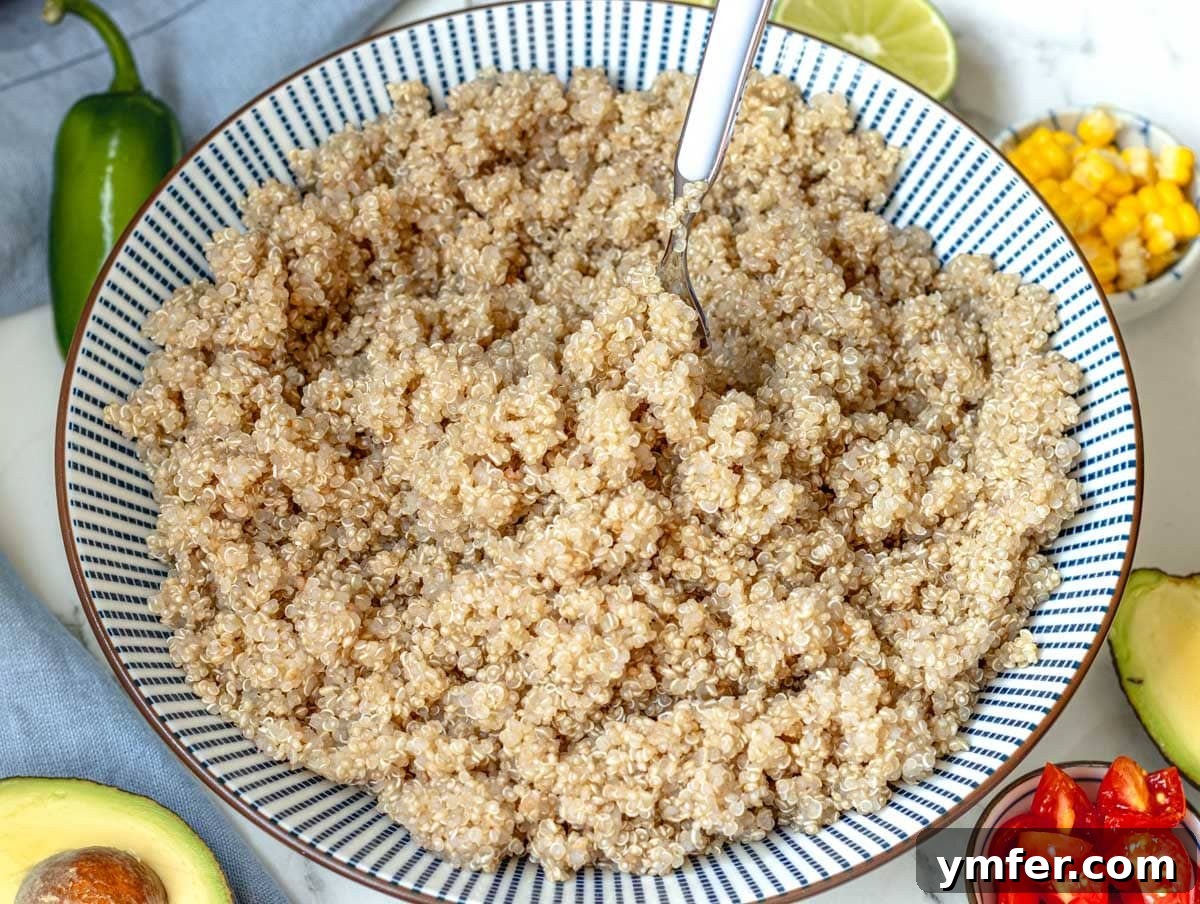
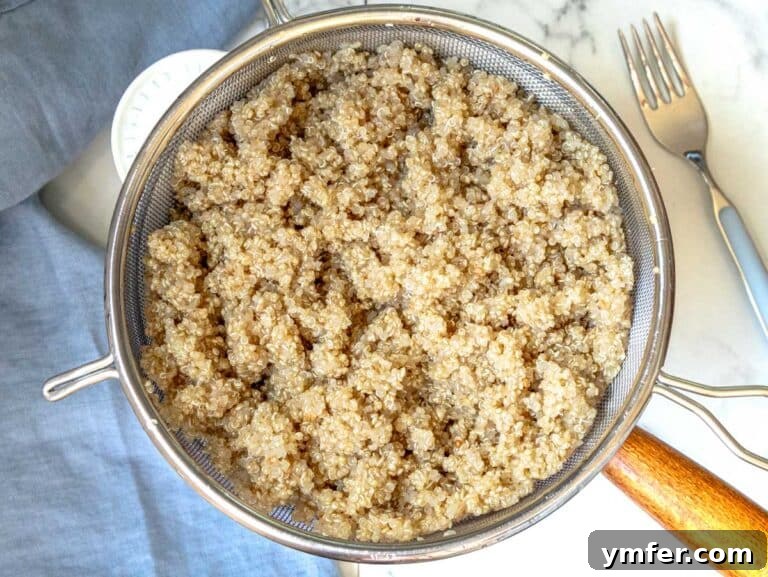
Once cooked, carefully drain the quinoa through a fine-mesh sieve. Shake off any excess water thoroughly. Then, here’s a crucial step for optimal fluffiness: place the sieve containing the quinoa back over the empty pot (off the heat) for a few minutes. This allows any remaining steam to escape and further dries out the grains, preventing them from becoming clumpy or wet. This brief steaming period ensures each grain is perfectly separated and fluffy.
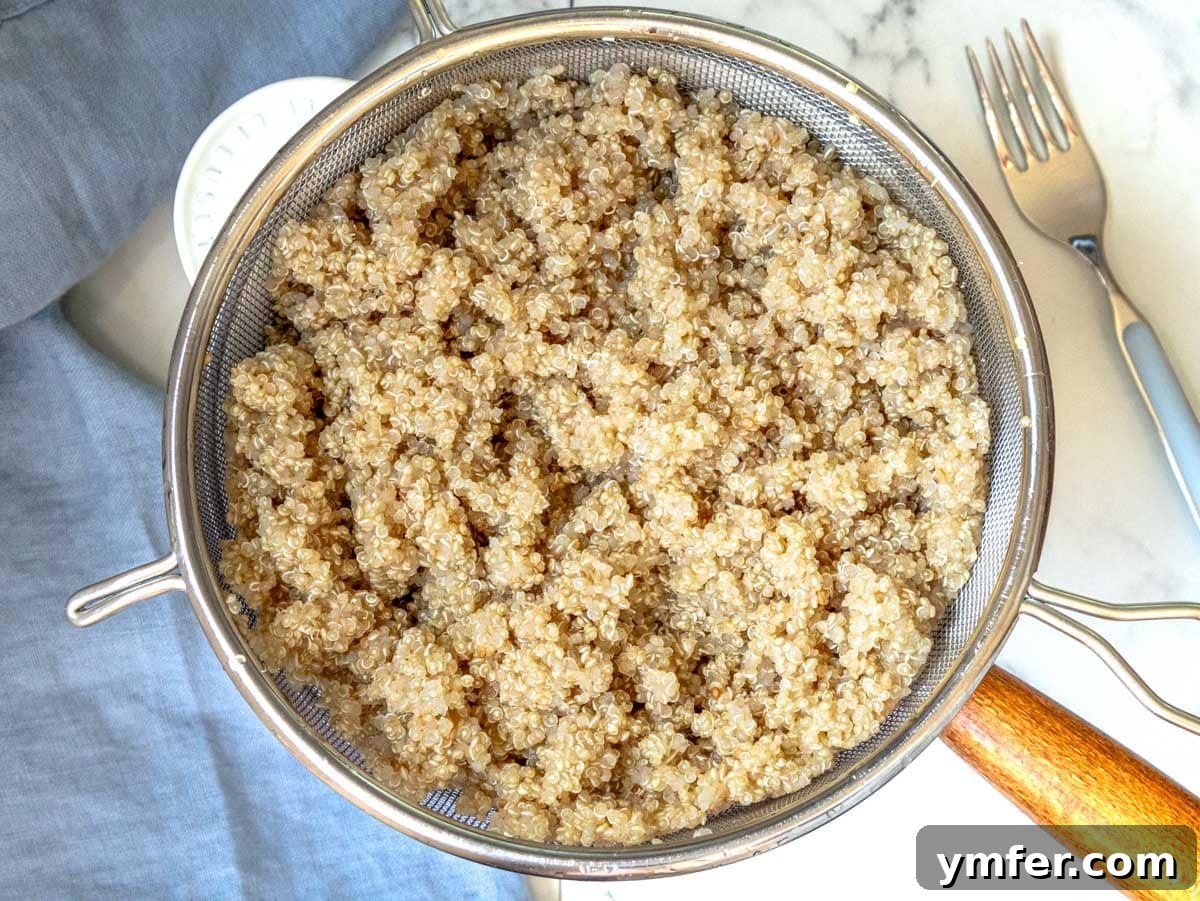
This boiling method is incredibly reliable and consistently yields fluffy quinoa with clearly separated grains, never a mushy mess (unless, of course, you drastically overcook it). It’s a game-changer for anyone who has struggled with other cooking techniques.
Note on the Absorption Method: We acknowledge that many recipes suggest cooking quinoa using the absorption method, typically simmering 1 cup of quinoa with 1 to 2 cups of water until all the liquid is absorbed. While this method can work, it’s often less reliable. The exact water-to-quinoa ratio can vary significantly between different brands and types of quinoa, as well as stovetop heat variations. We’ve frequently experienced disappointing results with this method, often ending up with soaked and mushy quinoa that was far from ideal for salads or grain bowls. The boiling method, by contrast, offers greater control and consistency, guaranteeing superior results every time.
Tips for Even Better Quinoa:
- Seasoning: Don’t skip the salt in the boiling water. It infuses flavor into the grains.
- Flavor Boost: For an extra layer of flavor, consider boiling your quinoa in vegetable broth instead of water. This is especially good if you’re serving it as a simple side dish.
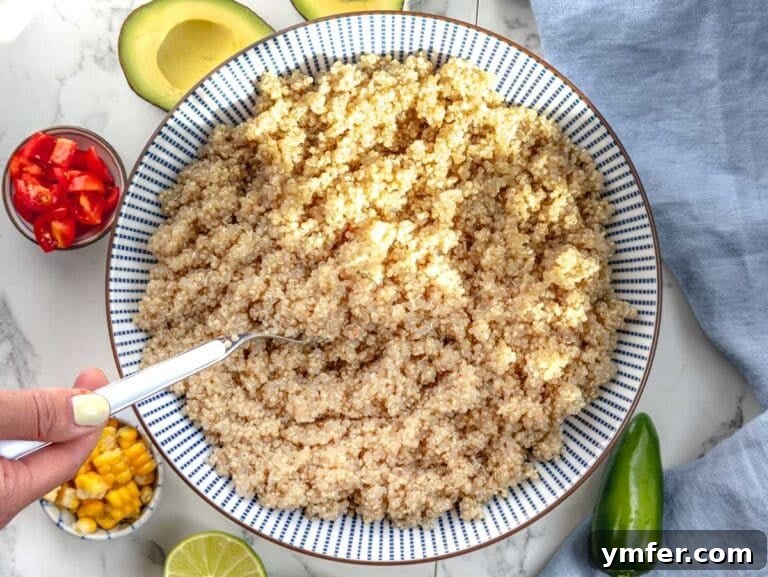
- Fluff with a Fork: After draining and steaming, gently fluff the quinoa with a fork before serving. This helps separate the grains even further and gives it a lighter texture.
- Prevent Sticking: If cooking a large batch for meal prep, spread the hot quinoa on a baking sheet to cool completely before storing. This prevents it from clumping together.
Versatile Ways to Enjoy Quinoa
Once you’ve mastered cooking fluffy quinoa, the possibilities for incorporating this superfood into your diet are endless. Its mild flavor and pleasant texture make it an incredibly versatile ingredient.
1. The King of Salads and Grain Bowls
Cooked quinoa truly shines in salads and grain bowls, offering a satisfying base that adds both texture and a protein boost. It’s fantastic both warm and cold.
Try it as a hearty addition to our black bean salad or a refreshing mango salad. You can also substitute it for bulgur in a traditional tabouli for a gluten-free twist. It pairs wonderfully with our lentil salad or as the foundation for a vibrant Buddha bowl. Of course, a classic quinoa salad with fresh herbs and vegetables is always a hit.
2. Wholesome Side Dish
Quinoa makes an excellent alternative to rice or pasta as a side dish for almost any main course. Serve it alongside roasted vegetables, grilled proteins, or stews. You can enhance its flavor by stirring in fresh herbs, a squeeze of lemon juice, or a drizzle of olive oil after cooking.
3. Power-Packed Breakfasts
Don’t limit quinoa to lunch and dinner! Cooked quinoa can be transformed into a nourishing breakfast porridge. Simmer it with plant-based milk, a pinch of cinnamon, and your favorite sweeteners. Top with fresh fruit, nuts, and seeds for a delicious and sustaining start to your day.
4. Stuffed Vegetables and Main Courses
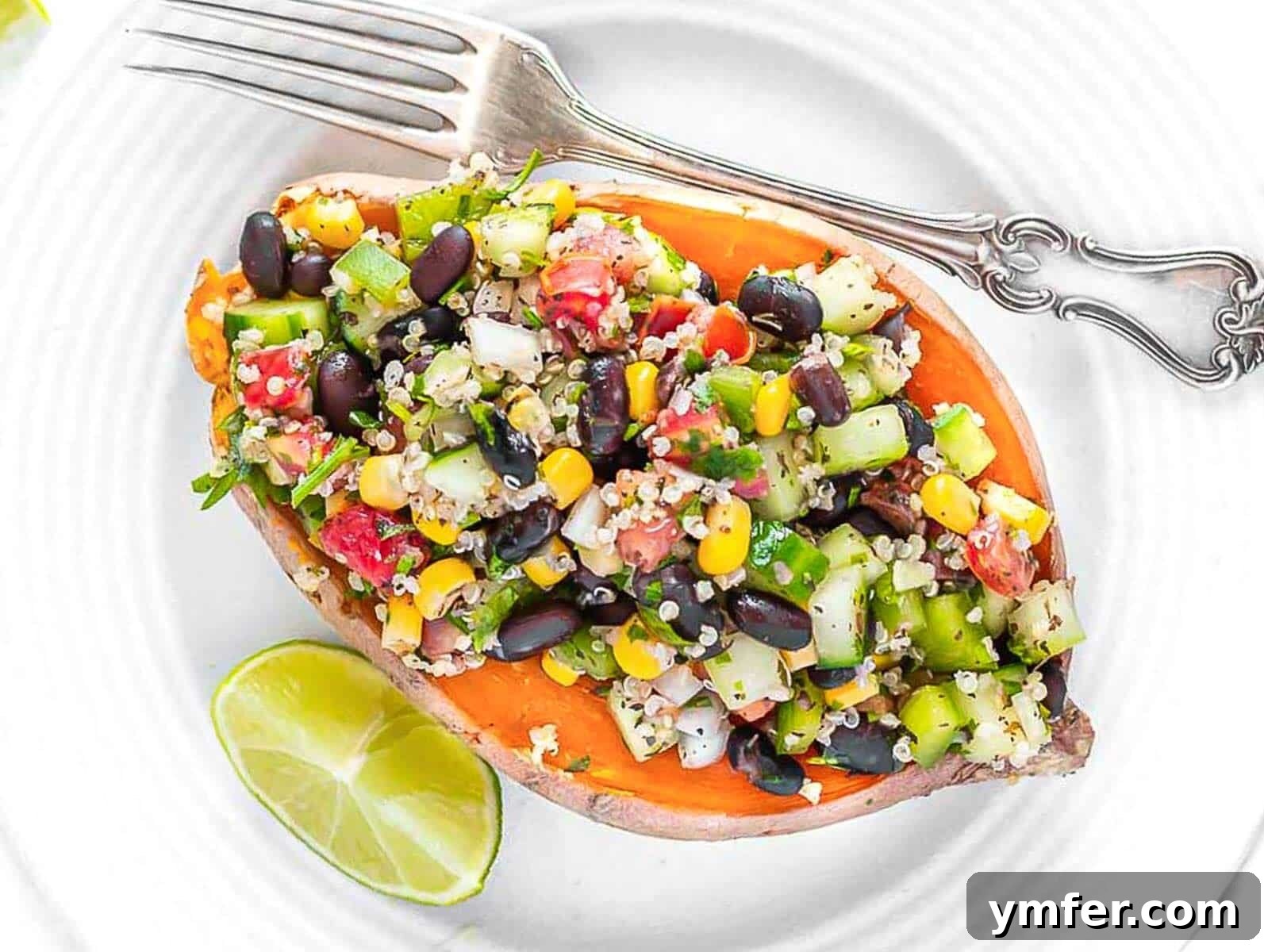
Quinoa’s ability to absorb flavors makes it perfect for stuffing. Mix it with herbs, spices, vegetables, and legumes to create a flavorful filling for bell peppers, zucchini, or even mushrooms. You can also make a delicious microwaved sweet potato and stuff it with a savory quinoa mixture, perhaps with black beans or a vibrant salsa.
5. Vegetarian Patties and Burgers
Cooked quinoa is an excellent binder and texture enhancer for vegetarian burger patties and meatballs. Its slightly chewy texture adds substance and a complete protein boost to your homemade plant-based creations.
6. Soups and Stews
Add cooked quinoa to soups and stews in the last few minutes of cooking for added body, texture, and nutritional value. It’s a great way to make a lighter broth-based soup more filling.
By experimenting with these ideas, you’ll find that perfectly cooked quinoa quickly becomes an indispensable ingredient in your culinary repertoire.
Storing Cooked Quinoa for Meal Prep
Quinoa is truly a champion for meal preparation due to its excellent shelf life and how well it retains its texture when stored. Preparing a larger batch of quinoa at the beginning of the week can save you significant time and effort on busy days.
- Make Ahead: Cooked quinoa is fantastic for meal prep as it keeps beautifully for several days. Once cooked, spread it out on a baking sheet to cool completely. This prevents it from steaming further and becoming mushy or clumping together in the container.
- Refrigerator: Transfer the cooled quinoa to an airtight container. It will stay fresh and delicious in the refrigerator for up to 5 days. This makes it readily available for quick salads, side dishes, or additions to any meal.
- Freezer: For longer storage, cooked quinoa freezes exceptionally well. After cooling completely, transfer it to freezer-friendly bags or airtight containers. For best results, portion it into individual servings before freezing, making it easier to thaw only what you need. It can be stored in the freezer for up to 3 months.
- Thawing: To thaw, simply transfer the frozen quinoa to the refrigerator overnight. If you’re in a hurry, you can defrost it in the microwave for 1-2 minutes, stirring halfway through, until it’s heated through and fluffy again. A splash of water can help rehydrate it if it seems a bit dry.
With these storage tips, you can ensure you always have healthy, cooked quinoa on hand to make mealtime easier and more nutritious.
Frequently Asked Questions About Quinoa
Do I have to rinse quinoa before cooking?
Yes, rinsing quinoa is highly recommended. Raw quinoa grains are coated with a natural bitter compound called saponin. While some commercially packaged quinoa is pre-rinsed, a quick rinse under cold running water (for about 30 seconds to a minute) will ensure there’s no lingering bitterness, resulting in a cleaner flavor.
What is the ideal quinoa to water ratio?
For our recommended boiling method (like pasta), use a generous amount of water – typically 4 to 5 cups of water for every 1 cup of dry quinoa. This ensures the grains have enough space to cook evenly and prevents mushiness. If you prefer the absorption method, the traditional ratio is 1 cup of quinoa to 2 cups of water, but as noted in the article, this can be less reliable.
How long does quinoa take to cook?
Quinoa cooks relatively quickly! Using the boiling method, it typically takes 10 to 12 minutes to become tender with a slight bite. Once cooked, draining and allowing it to steam for a few minutes contributes to the perfect fluffy texture.
Can I cook quinoa in a rice cooker or Instant Pot?
Yes, you can. For a rice cooker, use a 1:2 quinoa to water ratio and cook on the regular rice setting. For an Instant Pot, combine 1 cup quinoa with 1.25 cups water, cook on high pressure for 1 minute, then allow for a natural pressure release for 10 minutes before quick releasing any remaining pressure. While these methods can be convenient, our boiling method still offers the most consistent fluffiness.
What’s the difference between white, red, and black quinoa?
While nutritionally similar, they have subtle differences. White quinoa is the mildest and fluffiest. Red quinoa has a chewier texture and a slightly nuttier flavor, holding its shape well in salads. Black quinoa is the earthiest in flavor and maintains the firmest texture. Tri-color is a mix of all three.
Similar Healthy Grain & Legume Recipes
If you’re eager to incorporate more nutritious legumes and grains into your diet, these helpful “how-to” guides will be perfect for expanding your culinary skills.
- How to Cook Chickpeas
- How to Cook Lentils
- How to Cook Couscous
- How to Cook Black Beans
- How to Cook Black Lentils
- How to Cook Red Lentils
Basics
How to Cook Chickpeas
Basics
How to Cook Red Lentils
Basics
How to Cook Black Beans
Basics
How to Cook Lentils
How to Cook Quinoa: Easy Recipe
Nico Pallotta
Prepare a batch for meal prep and store it in the fridge, ready to incorporate into salads, veggie burgers, and grain bowls throughout the week.
2 minutes
10 minutes
12 minutes
4
people
Basic
International
Share
Ingredients
-
1
cup
quinoa -
4
cups
boiling water -
1
teaspoon
salt
optional
Instructions
-
Rinse 1 cup quinoa thoroughly in a fine-mesh sieve under cold running water for about 30 seconds to remove saponins.
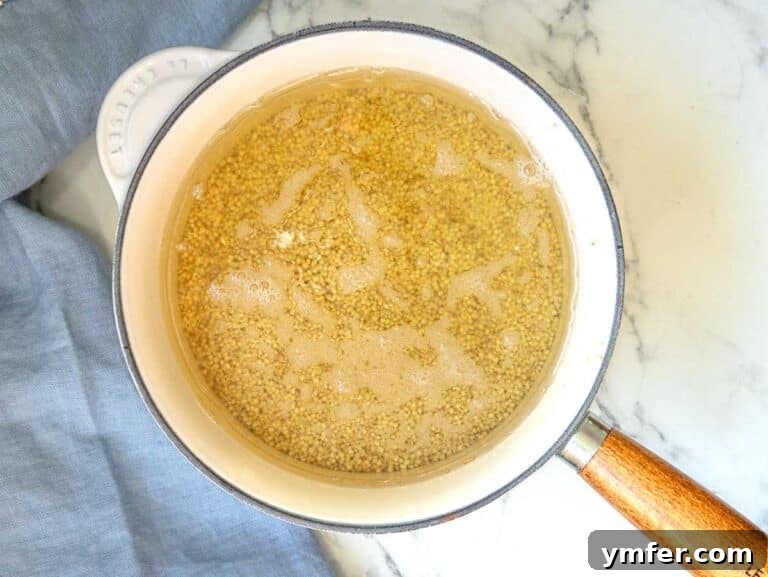
Bring 4 cups boiling water to a rolling boil in a medium pot. Add 1 teaspoon salt (optional) and the rinsed quinoa. Boil for 10 to 12 minutes, or until the quinoa is tender but still has a slight bite, and a small white “tail” appears around each grain.

-
Drain the cooked quinoa in a fine-mesh sieve, shaking off excess water. Place the sieve over the empty pot for a few minutes to allow the quinoa to steam dry, ensuring fluffy, separated grains.
-
Fluff with a fork and serve immediately, or allow to cool for meal prep. Enjoy in salads and grain bowls such as quinoa salad, kale quinoa salad, black bean salad, quinoa chickpea salad, and quinoa lentil salad.
Notes
STORAGE
Make ahead: Quinoa is excellent for meal prep as it keeps for days.
Refrigerator: Store it in an airtight container for up to 5 days.
Freezer: Let it cool completely, drain it well, and transfer it to a freezer-friendly bag or container, and freeze for up to 3 months.
Thaw: Defrost it in the fridge over several hours or in the microwave for a minute or two, stirring to re-fluff.
Nutrition
Calories:
184
kcal
,
Carbohydrates:
32
g
,
Protein:
7
g
,
Fat:
3
g
,
Saturated Fat:
0.4
g
,
Polyunsaturated Fat:
2
g
,
Monounsaturated Fat:
1
g
,
Trans Fat:
0
g
,
Cholesterol:
0
mg
,
Sodium:
14
mg
,
Potassium:
282
mg
,
Dietary Fiber:
4
g
,
Sugar:
0
g
,
Vitamin A:
7
IU
,
Vitamin B6:
0.2
mg
,
Vitamin C:
0
mg
,
Vitamin E:
1
mg
,
Vitamin K:
0
µg
,
Calcium:
31
mg
,
Folate:
92
µg
,
Iron:
2
mg
,
Manganese:
1
mg
,
Magnesium:
101
mg
,
Zinc:
2
mg
Tried this recipe?
Leave a comment below or mention @theplantbasedschool on Instagram. We love hearing from you ⭐️ 💚.
You might also like:
Collections
Easy Quinoa Recipes
Recipes
45 Easy Vegetarian Dinner Recipes
Mains
40 High Protein Vegetarian Meals
Collections
30 High Protein Vegan Meals