
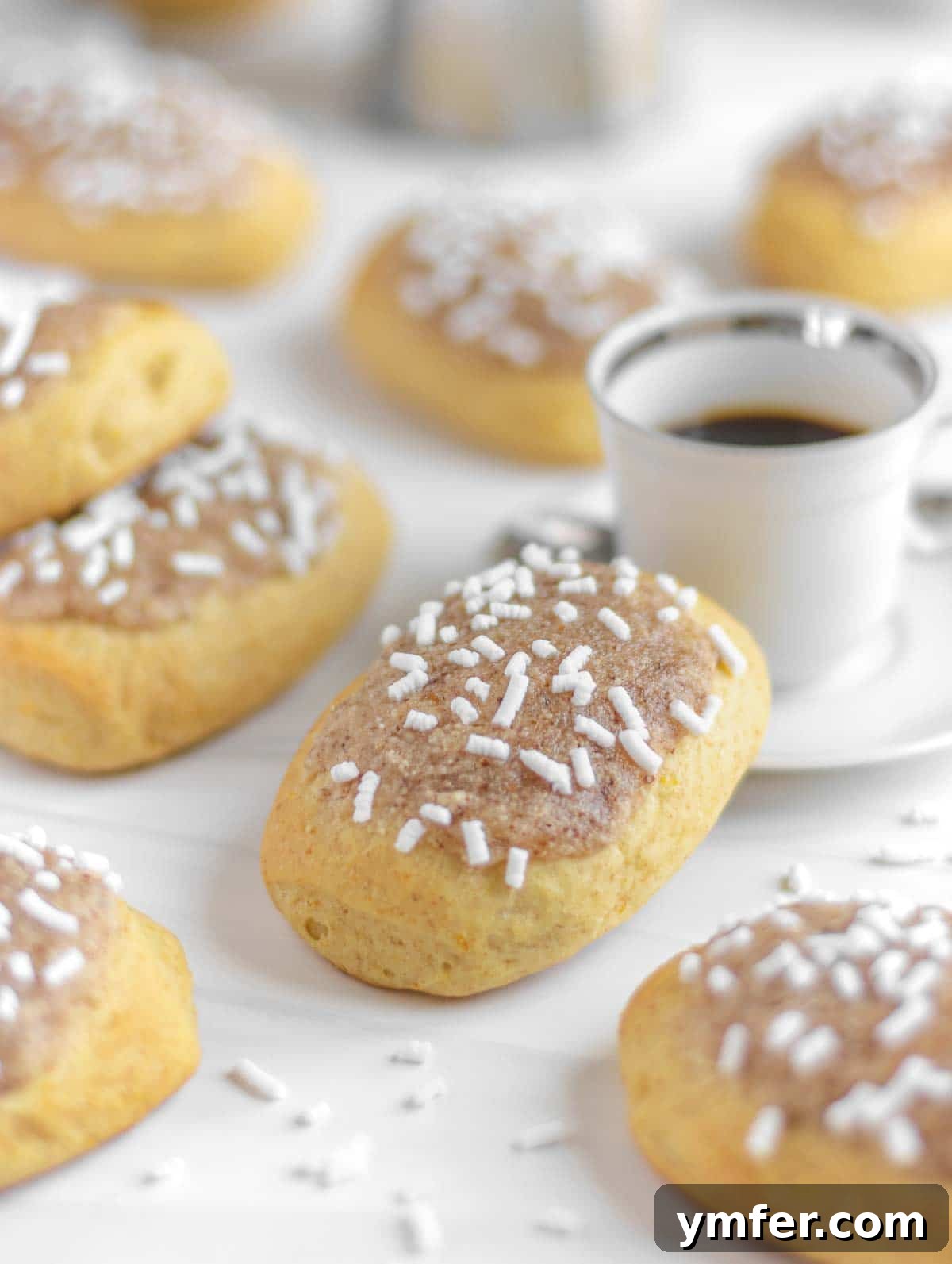
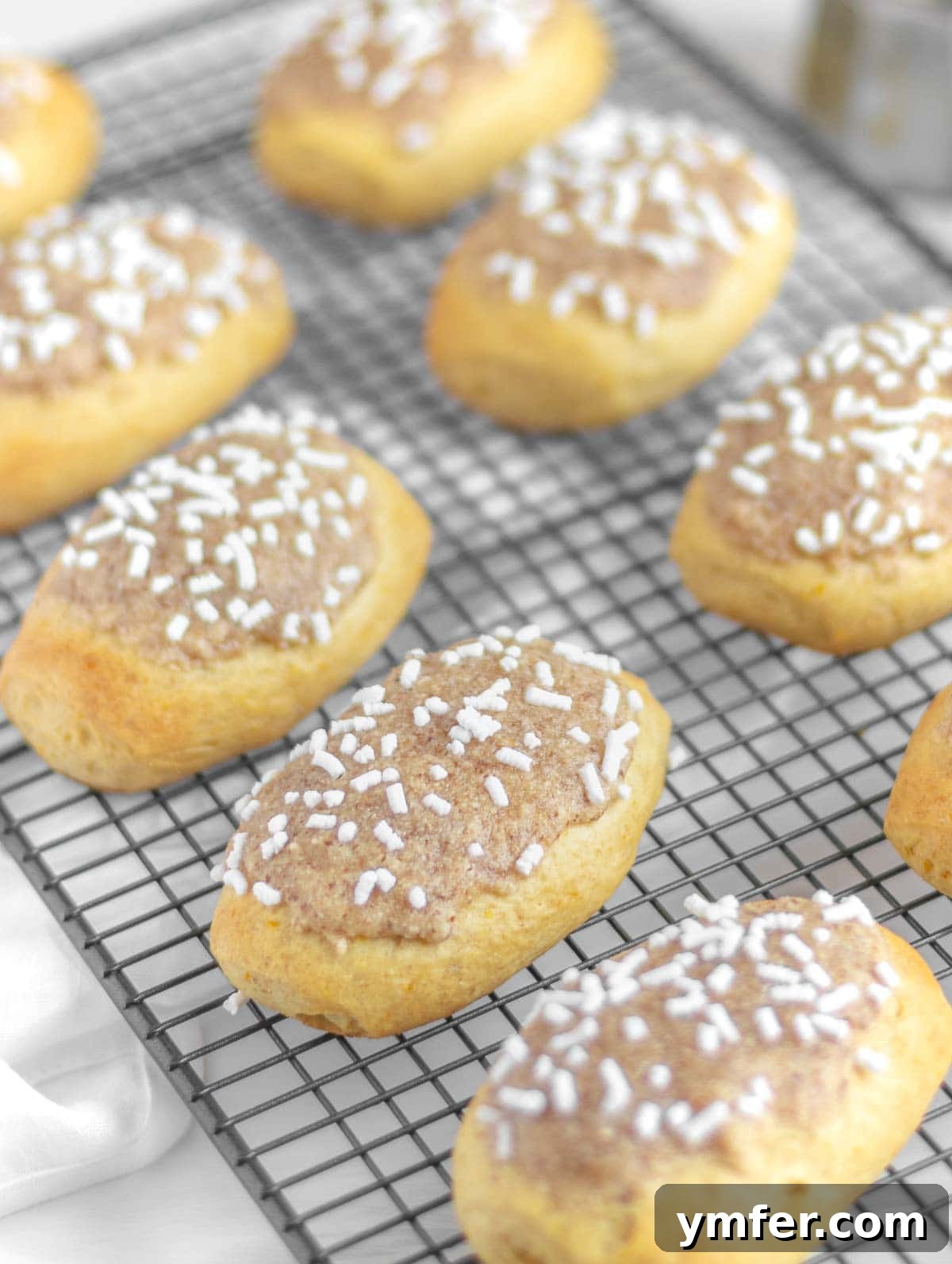
Transport yourself to an Italian café with this delightful recipe for homemade Vegan Buondì, one of Italy’s most cherished breakfast pastries. We had an absolute blast perfecting this plant-based version, and the results are truly spectacular: soft, incredibly fluffy, visually appealing, surprisingly easy to make, and generously filled with sweet apricot jam. In Italy, these individual brioches are a staple, often grabbed for a quick breakfast on the go or enjoyed as a satisfying mid-morning snack. Forget bland store-bought options; our vegan Buondì recipe delivers an authentic taste and texture that will make them a new favorite in your home.
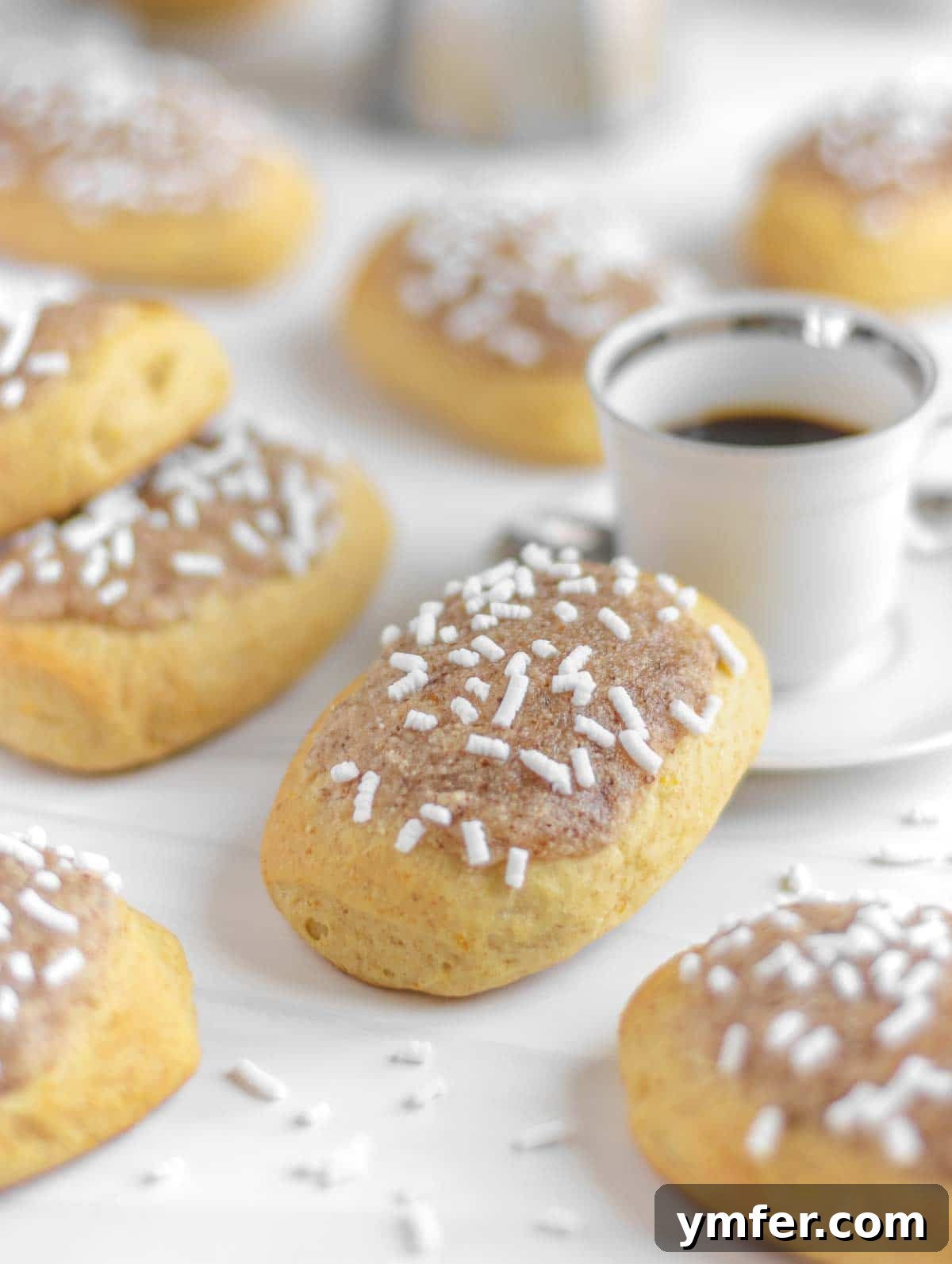
Table of Contents
- What is Buondì? A Timeless Italian Breakfast Treat
- Essential Ingredients & Smart Substitutions for Vegan Buondì
- Kitchen Equipment for Perfect Brioche
- Scaling This Delicious Vegan Brioche Recipe
- Common Mistakes to Avoid for Fluffy Vegan Buondì
- Expert Tips for Vegan Brioche Baking Success
- Storing Your Homemade Vegan Buondì
- Creative Variations for Your Vegan Buondì
- Homemade Vegan Italian Breakfast Brioche – Buondì Recipe Card
Looking for more plant-based morning delights? Check out our best vegan brunch recipe collection!
What is Buondì? A Timeless Italian Breakfast Treat
In Italian, “Buondì” translates to “Good Day,” a fitting name for a pastry designed to kickstart your morning with joy. Buondì is an iconic Italian breakfast brioche, originally conceived in 1953 by Motta, a renowned Italian confectionery brand celebrated for its classic Panettone, Pandoro, and Gelato. The visionary behind Buondì, Mr. Angelo Motta, sought to create a smaller, individual brioche with a dough similar to the beloved Christmas bread, Panettone, but suitable for everyday enjoyment.

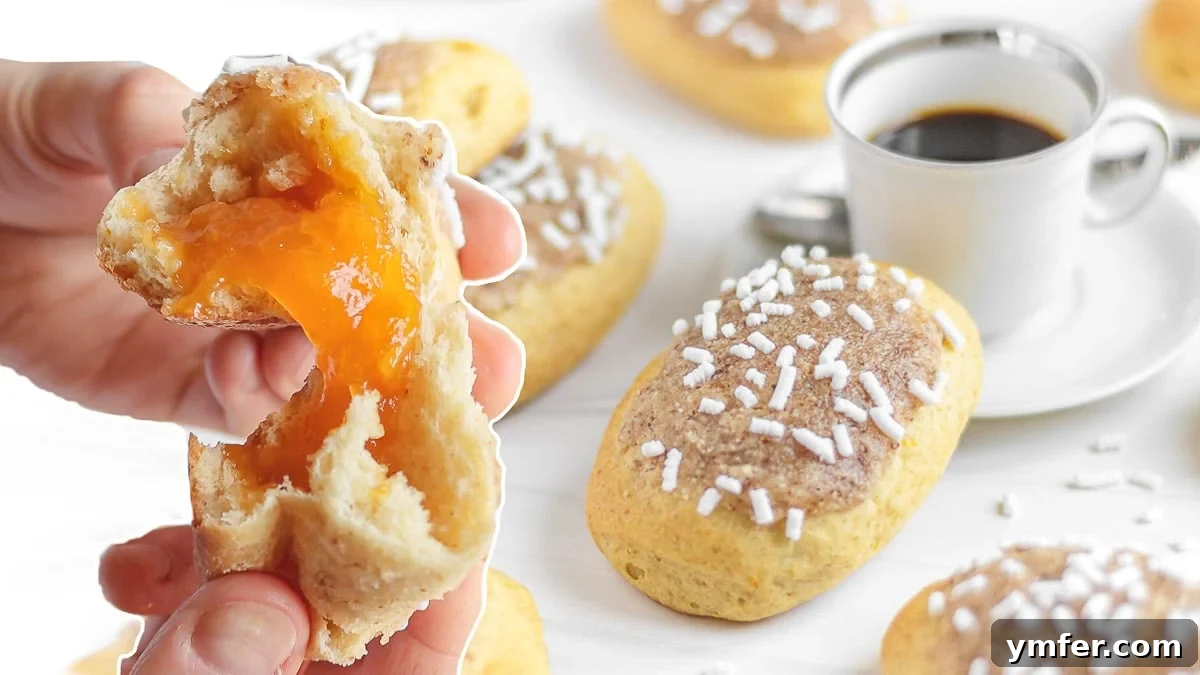
This innovative pastry quickly soared in popularity, becoming a household name across Italy. Today, the market boasts numerous variations of Buondì, catering to every palate. You can find them with luscious apricot jam (the traditional favorite), vibrant cherry jam, rich chocolate cream, delicate plain versions, creamy custard, dark cacao, and even wholesome whole-wheat options. For many Italians, including myself, Buondì evokes a flood of childhood memories. I vividly recall purchasing an apricot-filled Buondì for a mere 50 cents at the train station café, savoring every bite on my way to school. It’s more than just a pastry; it’s a comforting piece of Italian culinary heritage, now beautifully reimagined in a vegan form.
Essential Ingredients & Smart Substitutions for Vegan Buondì
Crafting these delectable vegan Buondì requires a selection of accessible ingredients, with flexible substitution options to suit your pantry and dietary needs. The key is using high-quality components to ensure the soft, airy texture and rich flavor that defines this Italian classic.
For the Vegan Brioche Dough
- Flour: We prefer a semi-whole-wheat flour (sometimes called first-clear flour) for a slightly heartier texture and nuanced flavor. However, you can achieve excellent results with either strong bread flour for a chewier brioche or all-purpose flour for a lighter, more delicate crumb. Choose unbleached flour whenever possible.
- Sugar: Simple white granulated sugar works best here, providing the necessary sweetness and aiding in the dough’s tender texture and golden-brown crust. You can slightly adjust the quantity to your preference, but don’t omit it entirely as it feeds the yeast.
- Yeast: For convenience, we use instant dry yeast, which can be mixed directly with the dry ingredients without prior activation. If you opt for fresh yeast, remember to triple the amount (e.g., 9g fresh yeast for 3g instant dry yeast) and dissolve it in lukewarm liquid with a pinch of sugar before adding. For active dry yeast, use 7g (1.4 tsp) and activate it in lukewarm liquid with a little sugar until foamy.
- Soy Milk: Soy milk is our top choice for this brioche due to its protein content, which contributes to a rich, soft dough similar to traditional dairy milk. If soy is not suitable, unsweetened almond milk can be used as a direct substitute, though the final texture might be slightly less rich. Ensure the milk is lukewarm to properly activate the yeast.
- Vegetable Oil: Sunflower oil is ideal as it has a neutral flavor that won’t overpower the delicate brioche taste. Any other neutral-flavored vegetable oil, such as canola or grapeseed oil, will also work well. We strongly advise against using olive oil (due to its strong flavor) or coconut oil (which can alter the texture and flavor).
- Aromas: A combination of pure vanilla extract (or the scraped seeds of a vanilla bean) and the zest of one fresh orange adds a wonderful depth of flavor. These natural aromas are crucial for that authentic Italian pastry experience. A pinch of salt is also essential to balance the sweetness and enhance all the other flavors.
Other Key Ingredients
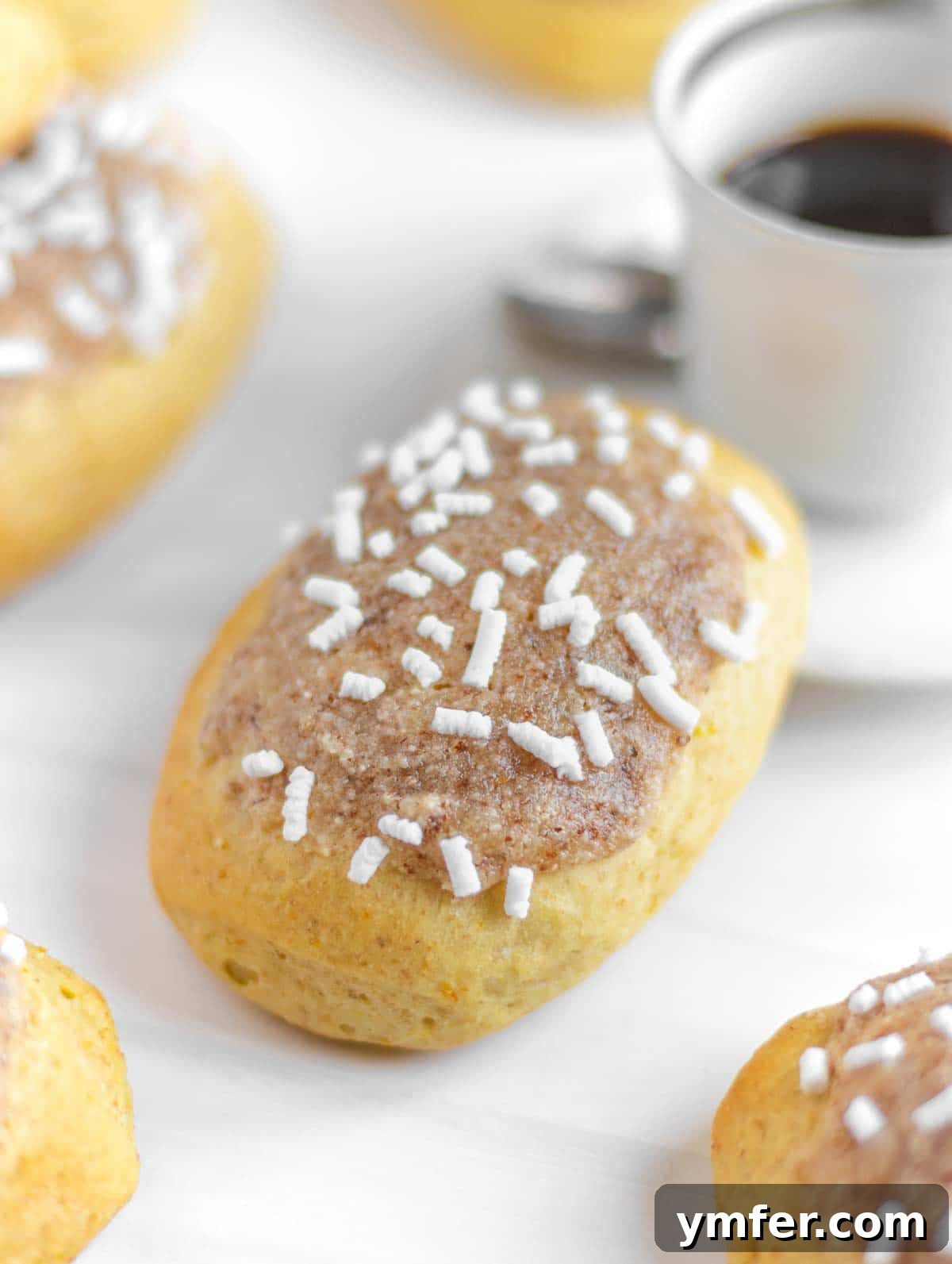
- Glaze: Our signature vegan glaze is made from finely blended almonds, hazelnuts, soy milk, and powdered sugar. This mixture creates a beautiful, slightly crunchy topping that adds another layer of flavor and authentic appeal.
- Pearl Sugar: Coarse pearl sugar is sprinkled generously on top of the glaze before baking, providing a delightful textural contrast and a sparkling finish that makes each Buondì irresistibly tempting.
- Filling: While optional, we highly recommend a delicious filling to elevate your Buondì experience. Our go-to is good quality store-bought apricot jam, which is the classic choice. However, feel free to experiment with other luscious vegan fillings such as vanilla custard, rich chocolate custard, or our exotic pistachio custard.
Kitchen Equipment for Perfect Brioche
Making homemade vegan Buondì is more accessible than you might think, and you likely already own most of the necessary tools. Here’s what you’ll need to ensure a smooth baking process and perfectly shaped, delicious brioches:
- Small Blender: This is essential for preparing the almond and hazelnut glaze. A small, powerful blender or food processor will ensure a smooth, spreadable consistency, preventing any chunks of nuts.
- Pastry Piping Bag with a Long, Thin Nozzle: If you plan to fill your brioches with jam, custard, or chocolate, a pastry piping bag fitted with a long, thin nozzle is indispensable. This tool allows for precise and clean filling of the cooled brioches without tearing the delicate pastry.
- Large Mixing Bowl: You’ll need a spacious bowl for mixing the dough ingredients and, crucially, for the initial proofing stage where the dough will significantly expand in volume.
- Clean Worktop or Large Baking Mat: A clean, spacious surface is necessary for kneading the dough effectively and for shaping the individual brioches. A silicone baking mat can be helpful for preventing sticking.
- Baking Tray(s) Lined with Parchment Paper: You’ll need one or two baking trays, depending on the size of your oven and the number of brioches you’re making. Lining them with parchment paper prevents sticking and ensures even baking.
- Spatula or Wooden Spoon: For initial mixing of the dough ingredients before kneading by hand.
- Kitchen Scale: For precise measurement of ingredients, especially flour and yeast, which is crucial for successful brioche baking.
While a stand mixer can certainly make the kneading process easier, this entire recipe is designed to be achievable with just a bowl and your hands, proving that you don’t need fancy equipment to create bakery-quality Italian pastries at home.
Scaling This Delicious Vegan Brioche Recipe
The recipe provided here is designed to yield approximately 9 perfectly sized brioches, which is a manageable batch for most home bakers and ideal for a small family or sharing with friends. However, this recipe is incredibly forgiving and easy to scale up if you need more. Planning a larger gathering or simply want to stock your freezer with these delightful treats? You can confidently multiply all the ingredients by 1.5, 2, or even 3, and the recipe will still perform beautifully. The ratios of flour, liquid, sugar, and yeast are balanced to remain consistent regardless of the total quantity.
When scaling up, ensure you have a sufficiently large mixing bowl for the dough’s initial rise and enough baking trays to accommodate all the brioches with adequate space between them for proper airflow during baking. While scaling up is straightforward, we generally do not recommend scaling the recipe down significantly. Working with a very small amount of dough can be challenging, as it becomes harder to knead effectively and achieve the desired smooth, elastic consistency necessary for a light and airy brioche.
Common Mistakes to Avoid for Fluffy Vegan Buondì
Even experienced bakers can encounter hiccups, and brioche can be particularly temperamental. Learning from past missteps is key to perfecting your technique. Here are two crucial mistakes I initially made when developing this vegan Buondì recipe, along with how to avoid them to ensure your brioches turn out beautifully soft and airy every time:
- Being Too Slow with the Glaze Application: When it comes to applying the almond-hazelnut glaze to your proofed brioches, speed is of the essence. The brioche dough is delicate after its second rise, and the weight of the glaze can cause it to deflate if you’re too slow or heavy-handed. While a slight deflation is acceptable and often unavoidable, minimizing it is important for maintaining maximum fluffiness. My tip is to first preheat your oven to the correct temperature. Once the oven is fully preheated and ready, then proceed to quickly and gently apply the glaze, sprinkle with pearl sugar, and immediately transfer the brioches into the hot oven. This swift action minimizes the time the dough is exposed to the weight of the glaze outside the oven’s heat, preserving its airy structure.
- Baking for Too Long: The first time I baked these brioches, I left them in the oven for 18 minutes, which, as I quickly learned, was far too long for this specific recipe. Overbaking can lead to dry, dense brioches that lack the characteristic tenderness. After much experimentation, I found that an optimal baking time of precisely 13 minutes results in a perfectly moist, wonderfully soft, and incredibly light brioche. Keep a close eye on your oven and your brioches; ovens can vary, so adjust slightly if needed, but aim for a golden-brown finish rather than a deep, dark one. A digital kitchen thermometer can also help ensure your oven is at the correct temperature.
Expert Tips for Vegan Brioche Baking Success
Achieving the perfect fluffy vegan brioche requires attention to detail and a few insider tricks. Follow these expert tips to ensure your homemade Buondì turn out bakery-perfect every single time:
- Pick the Right Yeast & Activate Correctly: The type of yeast you use impacts how you handle it. Our recipe calls for instant dry yeast, which is incredibly convenient as it doesn’t require prior activation. You can simply add it directly to your dry ingredients. If you’re using active dry yeast (about 7g or 1.4 tsp for this recipe) or fresh yeast (25g, which is three times the instant dry yeast amount), you must first activate it. Dissolve it in a small amount of lukewarm plant milk (or water) and a pinch of sugar. Let it sit for 5-10 minutes until it becomes frothy; this indicates the yeast is alive and ready to work before you add it to your flour.
- Proof the Dough in a Warm, Draft-Free Place: Yeast thrives in warmth. For an ideal proofing environment, turn your oven on for just 30 to 45 seconds, then immediately turn it off. Place your covered dough inside the slightly warm, turned-off oven. The residual warmth creates a perfect environment for the dough to rise. If your oven has a “proof” setting or a light that generates a little heat, these are also excellent options. Avoid cold or drafty areas, as they will significantly slow down or inhibit the rising process.
- Cover the Dough with a Damp Cloth: Instead of plastic film, covering your dough bowl with a damp kitchen cloth offers several advantages. Firstly, it’s a more environmentally friendly choice, reducing plastic waste. Secondly, and crucially for baking, a damp cloth helps maintain moisture around the dough, creating a humid microclimate that prevents the surface from drying out. A dry crust can hinder the dough from rising evenly and can lead to cracks. Remember that the dough will double or even triple in volume during proofing, so ensure there’s ample space between the dough and the damp cloth to prevent it from sticking.
- Knead Thoroughly: Brioche dough requires a good amount of kneading to develop gluten, which is what gives it its characteristic elasticity and fluffy texture. Knead vigorously for at least 5-7 minutes by hand, or until the dough is smooth, elastic, and no longer sticky.
- Use Lukewarm Liquids: Ensure all liquids (plant milk) are lukewarm, not hot or cold. Hot liquids can kill the yeast, while cold liquids will slow down its activity. Aim for a temperature around 100-110°F (38-43°C).
- Gentle Handling After Proofing: Once the dough has proofed, handle it gently. Overworking or pressing too hard can release the precious gases developed by the yeast, resulting in a denser brioche.
Storing Your Homemade Vegan Buondì
Proper storage is essential to keep your homemade Italian breakfast brioches fresh, moist, and soft for as long as possible. Follow these guidelines to enjoy your Buondì over several days or even prepare them ahead for future indulgence:
Once your brioches are out of the oven, let them cool down completely on a wire rack for at least 15-20 minutes. This allows any residual steam to escape and prevents them from becoming soggy. After cooling, transfer them into a food-grade airtight plastic bag or container. Stored this way at room temperature, your vegan Buondì will remain wonderfully moist and soft for up to 4 days. It’s crucial not to leave them exposed on the counter, as they will dry out rapidly and lose their desirable texture. There’s no need to refrigerate them, as this can actually accelerate staling.
Freezing the Buondì: For longer-term storage, freezing is an excellent option, especially if you want to enjoy fresh-baked brioches on demand. The best time to freeze them is after the first proofing, once you have shaped the individual brioches but before the second proofing and baking. Here’s how:
- Place the shaped brioches on a baking tray lined with parchment paper, ensuring they don’t touch each other.
- Freeze them uncovered for about 15 minutes, or until they are firm. This prevents them from sticking together.
- Once hard, transfer the frozen brioches into a freezer-safe bag or airtight container. Remove as much air as possible to prevent freezer burn.
- They can be kept frozen for up to 3 months without compromising quality.
To Thaw and Bake Frozen Buondì:
- When you’re ready to bake, take the frozen brioches out of the freezer and arrange them on a baking tray lined with parchment paper.
- Let them thaw at room temperature. This process might take a couple of hours.
- Once thawed, allow them to proof for an additional 1 hour in a warm place (as described in the tips section) until they have visibly risen and are light and airy.
- After the second proofing, apply the glaze and pearl sugar, then bake immediately according to the recipe instructions. This method allows you to enjoy freshly baked, warm vegan Buondì with minimal effort on busy mornings.
Creative Variations for Your Vegan Buondì
While the classic apricot jam filling is undeniably delicious, these homemade vegan Buondì are wonderfully versatile, lending themselves to a myriad of delightful variations. Don’t hesitate to get creative with fillings and flavors to suit your preferences:
- Chocolate Brioche: Indulge your sweet tooth by filling your brioches with our rich and creamy vegan chocolate custard. This creates a decadent and deeply satisfying breakfast treat that’s perfect for chocolate lovers.
- Custard Brioche: For a more traditional Italian pastry experience, fill them with a smooth vegan custard. You can choose between our lighter low-fat vegan custard or our more luxurious full-fat vegan custard. Both options provide a luscious, creamy contrast to the soft brioche dough.
- Coffee Flavored Brioche: If you’re a true coffee aficionado, elevate your morning routine by filling the brioches with our aromatic vegan coffee custard. The robust flavor of coffee paired with the sweet brioche creates an irresistible combination, making it an ideal companion for your morning espresso.
- Pistachio Filling: For those with a soft spot for pistachios, much like us, you’ll fall head over heels for these brioches filled with our exquisitely rich vegan pistachio custard. The unique nutty flavor and vibrant color make this a truly special variation.
- Any Other Jams: While apricot jam is the quintessential Buondì filling, the beauty of homemade is the freedom to choose your favorite. Experiment with other fruit preserves of your liking. We particularly enjoy using cherry or sour cherry jam as a delightful alternative, offering a lovely tartness that balances the brioche’s sweetness. Strawberry, raspberry, or even fig jam would also be fantastic choices.
- Nutella-Style Filling: For a quick and easy variation, fill your vegan Buondì with your favorite plant-based chocolate-hazelnut spread.
Explore more delicious Vegan Italian Brioche recipes from our collection:
- Soft and fluffy brioche bread (Pan-Brioche)
- Custard filled brioche rolls (Girelle alla Crema)
- Decadent chocolate chip brioches (Treccine)
- Sweet cream buns (Maritozzi)
- Italian croissant with vegan custard (Cornetti alla Crema)
- Classic jam-filled donuts (Bomboloni)
- Traditional Italian donuts (Ciambelle)
For even more fantastic breakfast inspiration, be sure to explore our comprehensive breakfast category page.

Homemade Vegan Italian Breakfast Brioche – Buondì
By: Nico Pallotta
Buondì is one of Italy’s most beloved breakfast brioches, and we are thrilled to share this delicious homemade vegan version. Our Vegan Buondì are incredibly soft, light, beautiful, easy to make, and filled with sweet apricot jam. These delightful brioches are perfect for a quick breakfast on the go or as a satisfying mid-morning snack, bringing a taste of Italy right to your table.
Prep Time: 20 mins
Cook Time: 13 mins
Proofing: 3 hrs
Total Time: 3 hrs 33 mins
Servings: 9 brioches
Course: Breakfast, Dessert, Snack
Cuisine: Italian
Print Recipe
Share on Facebook
Equipment
- Blender (small)
- Pastry piping bag (with long, thin nozzle, optional for filling)
- Large mixing bowl
- Clean worktop or baking mat
- Baking tray(s)
- Parchment paper
- Spatula or wooden spoon
- Kitchen scale
Ingredients
For the Brioche Dough
- 250 g bread flour or all-purpose flour
- 50 g sugar
- 3 g instant dry yeast (or 7g active dry yeast, or 25g fresh yeast)
- 125 g soy milk or other plant milk (lukewarm)
- 35 g sunflower oil or other neutral vegetable oil
- ½ orange zest
- 1 tsp vanilla extract
- 1 pinch salt
For the Topping
- 2 tbsp almonds
- 2 tbsp hazelnuts
- 3 tbsp soy milk or other plant milk
- 2 tbsp powdered sugar
- 4 tbsp pearl sugar
- Optional: Apricot jam or other vegan fillings for inside
Instructions
For the Brioche Dough
-
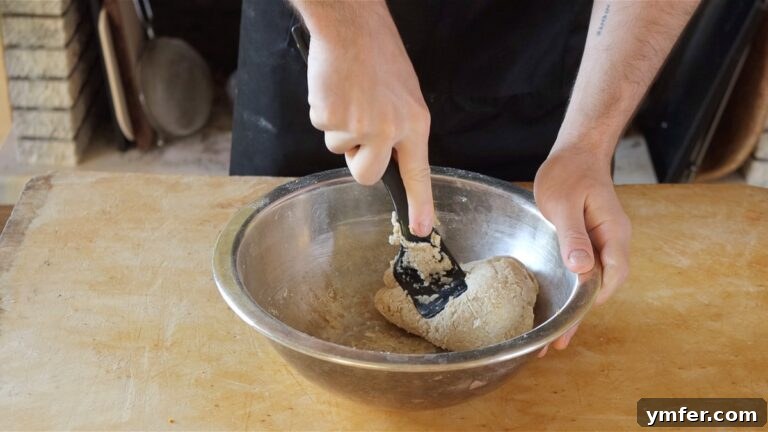
In a large bowl, combine the flour, yeast, and sugar. Mix them thoroughly. Then add the lukewarm soy milk, sunflower oil, salt, vanilla extract, and orange zest. Mix with a spatula until a shaggy dough forms.
Note: If using active dry yeast or fresh yeast, dissolve it first in a small amount of lukewarm plant milk and a pinch of sugar until frothy before adding to the other ingredients.

-
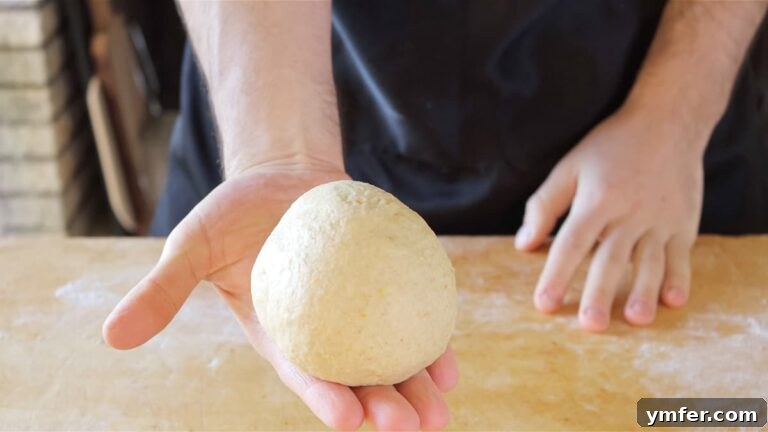
Transfer the dough onto a clean worktop. Knead vigorously with your hands for at least 5 minutes, or until you achieve a smooth, soft, and moist dough ball. The dough should be elastic and slightly tacky, but not overly sticky.
-
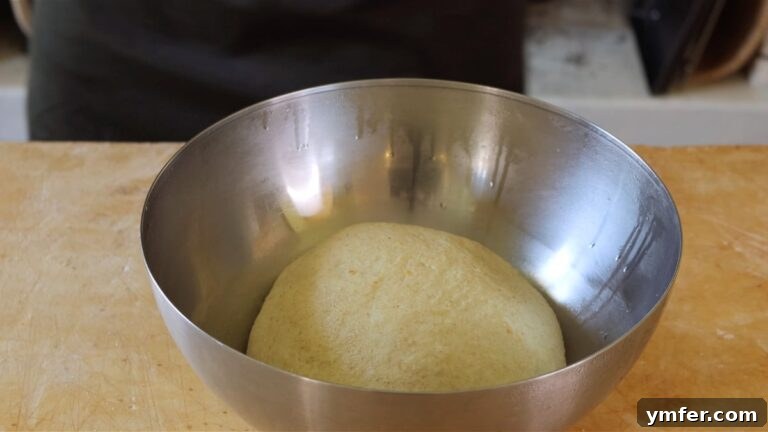
Lightly brush the inside of a large, clean bowl with a thin layer of oil. Place the dough ball into the oiled bowl and brush the top of the dough with a thin layer of oil as well. Cover the bowl with a damp kitchen cloth. Let the dough proof in a warm place for 2 to 3 hours, or until it has tripled in volume.
Tip: To create a warm proofing environment, turn your oven on for 30-45 seconds, then turn it off and place the dough inside. If using all-purpose flour, 2 hours should be sufficient; for semi-whole grain flour, 3 hours may be needed.
-
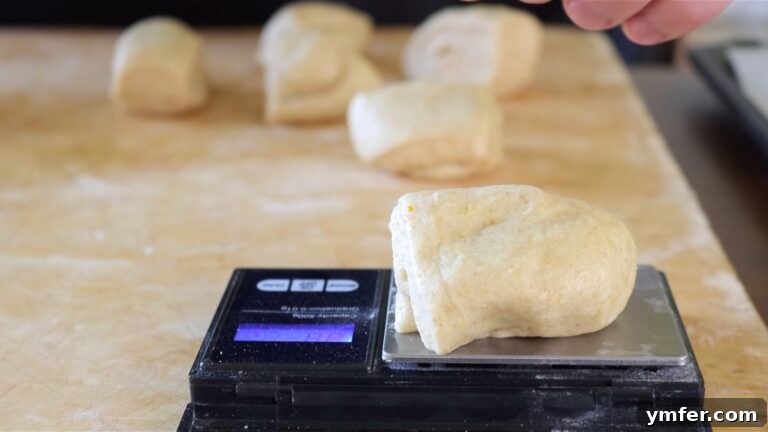
After the first proofing, gently transfer the dough onto a clean worktop. Fold the dough over itself three times to gently deflate it. Then, using a dough scraper or knife, cut the dough into small pieces, each weighing approximately 50g (1.8 oz).
-
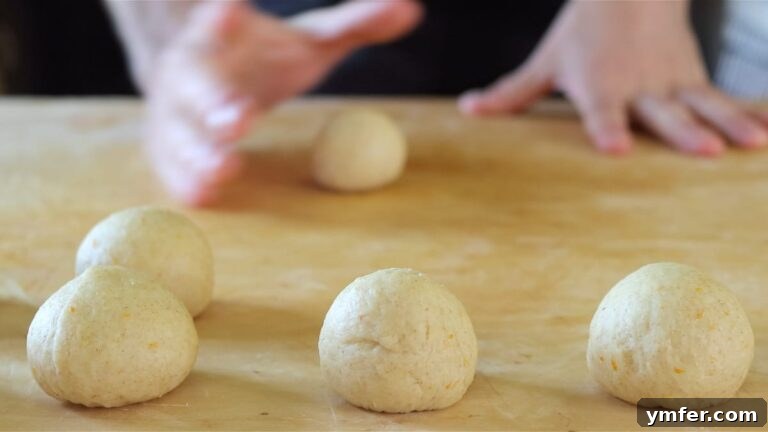
With the tips of your fingers, gently flatten each piece of dough. Then, roll each flattened piece on itself to form a small dough ball. Use the palm of your hand to roll the dough ball on the worktop to make it perfectly smooth and round.
-
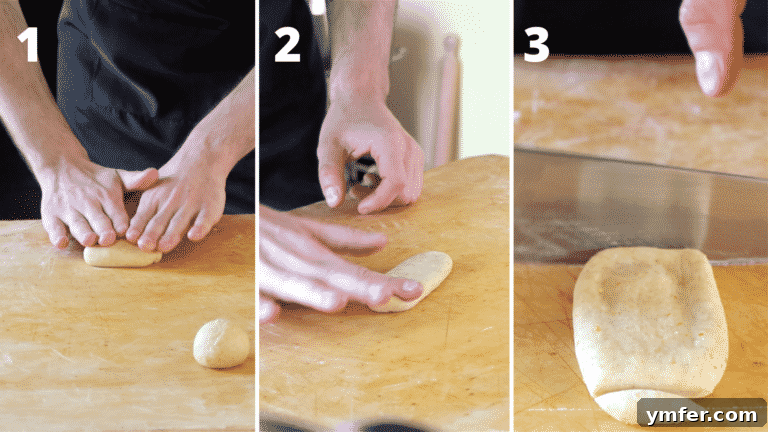
Take each dough ball and roll it with your hand to form a cylinder shape. Next, flatten each cylinder slightly, giving it a rectangular shape. For a neater finish, you can carefully trim the tips of the rectangles to create sharper edges, mimicking the classic Buondì shape.
-
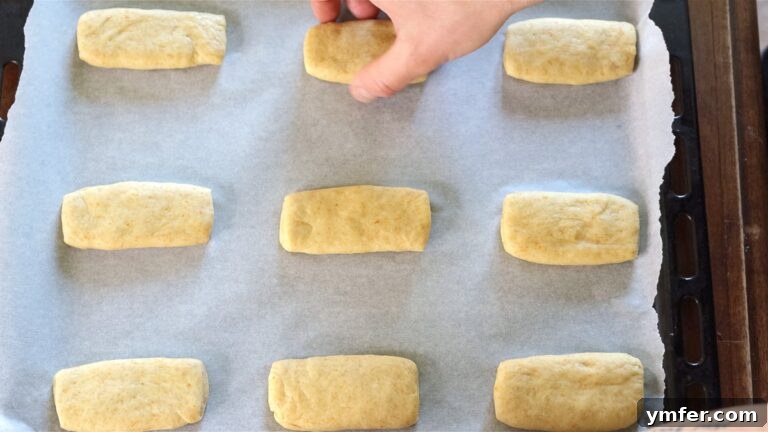
Arrange each shaped brioche piece on a baking tray lined with parchment paper, leaving adequate space between them. Cover the tray with a damp cloth and let them proof a second time in a warm place for 1 to 1.5 hours, or until they have noticeably puffed up and look airy.
For the Glaze and Baking
-
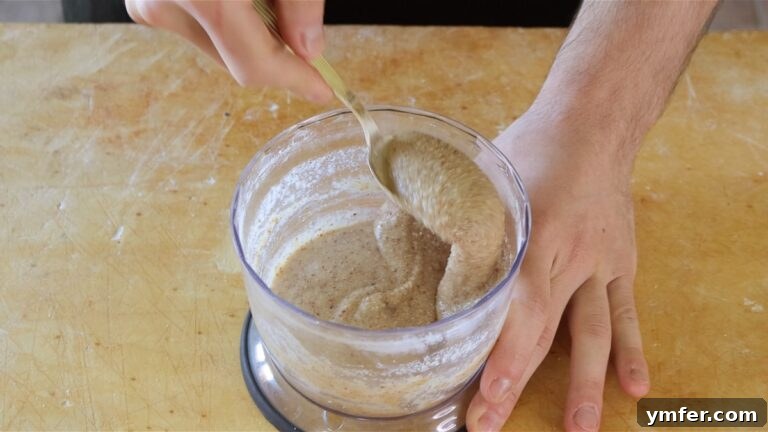
In a small blender, combine the almonds, hazelnuts, powdered sugar, and soy milk. Blend until you achieve a smooth, spreadable almond-hazelnut paste. Set this glaze aside.
Note: The glaze will have a richer flavor if the nuts are roasted beforehand. If your nuts are raw, spread them on a baking sheet and toast them in the oven for about 8 minutes at 360°F (180°C) before blending.
-
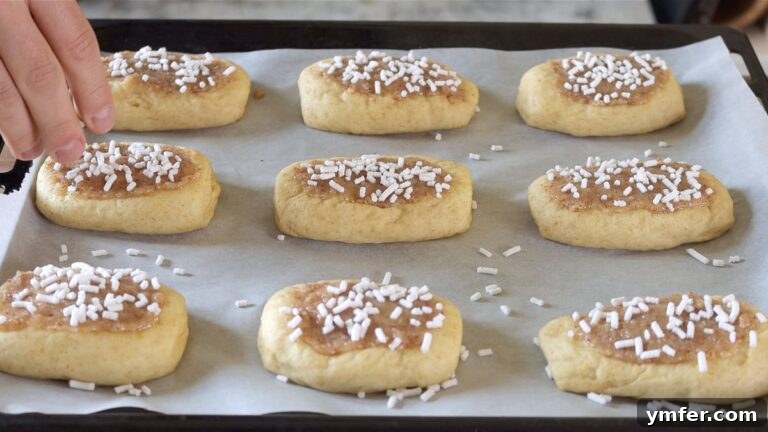
Preheat your oven to 180°C (356°F). Once the oven is ready, gently and quickly spread some of the prepared glaze on top of each brioche. It is crucial to be swift and gentle here, as the brioches are delicate and can deflate if handled too slowly or roughly. Use a spoon or a small spatula. Immediately sprinkle a generous amount of pearl sugar on top of the glaze. Bake on the lower rack of the oven for approximately 12 to 14 minutes, or until golden brown. Avoid overbaking.
-
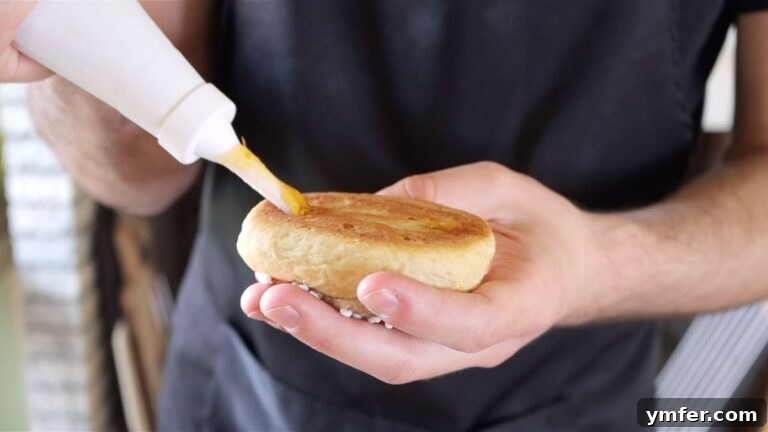
Optional Filling: For an even tastier brioche, you can fill it with apricot jam or your chosen vegan custard. Allow the baked brioches to cool for about 10-15 minutes. Then, using a pastry piping bag fitted with a long, thin nozzle, carefully insert the nozzle into the bottom of each brioche and pipe in your desired filling.
Notes
- Measurements: For best results, we highly recommend using the metric system for this recipe, especially for dry ingredients and liquids, as it offers greater precision.
- Yeast Types: Instant dry yeast can be added directly to the flour. If you are substituting with active dry yeast, use the same quantity but activate it first in a warm liquid (milk or water) with a pinch of sugar for 5-10 minutes until foamy. For fresh yeast, use 3 times the amount of instant dry yeast (e.g., 9g for 3g instant dry) and activate it similarly in warm liquid and sugar before adding to the dough.
- Preserving Softness: To keep your brioches incredibly soft and moist, let them cool completely after baking (about 15-20 minutes). Then, store them immediately in a food-grade airtight plastic bag or container at room temperature.
Nutrition (per serving, estimated)
Calories: 217 kcal, Carbohydrates: 34g, Protein: 5g, Fat: 7g, Saturated Fat: 1g, Potassium: 102mg, Dietary Fiber: 1g, Sugar: 12g, Vitamin A: 92IU, Vitamin B6: 1mg, Vitamin C: 5mg, Vitamin E: 3mg, Vitamin K: 1µg, Calcium: 42mg, Folate: 29µg, Iron: 1mg, Manganese: 1mg, Magnesium: 17mg, Zinc: 1mg
Tried this recipe? Leave a comment below or mention @theplantbasedschool on Instagram. We love hearing from you! ⭐️ 💚