
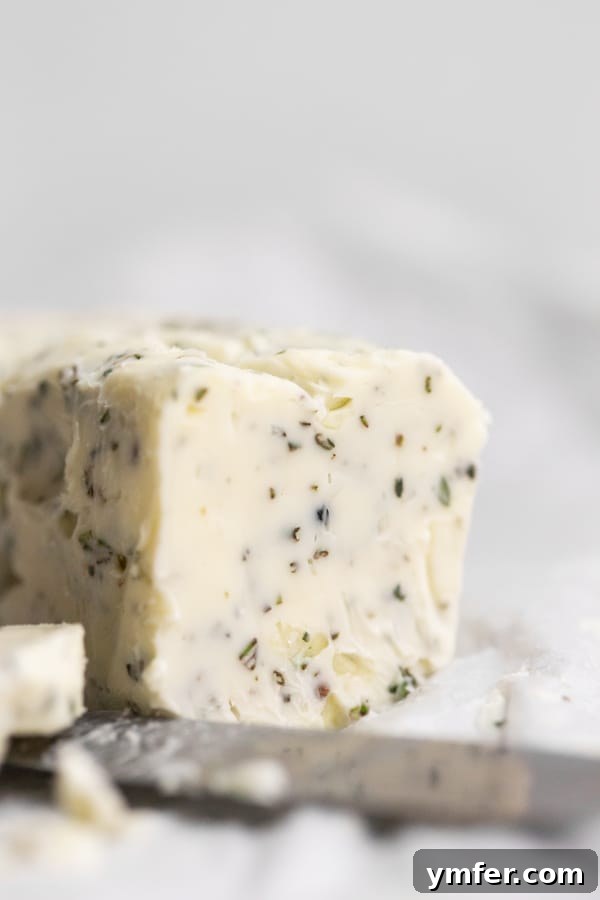
Elevate Your Dishes with Homemade Garlic Herb Compound Butter
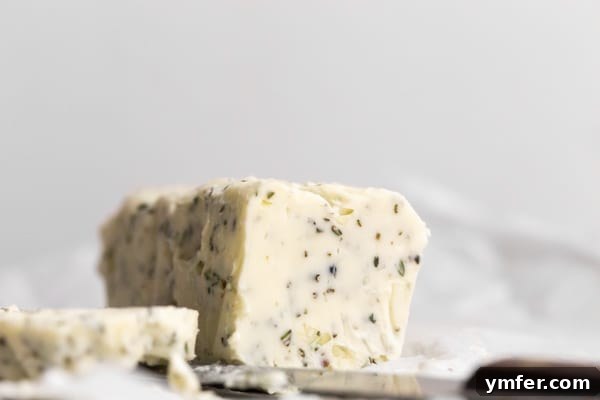
Discover the secret weapon of professional chefs and home cooks alike: garlic herb compound butter. This flavorful, easy-to-make condiment promises to transform ordinary meals into extraordinary culinary experiences. Packed with fresh herbs and aromatic garlic, it’s a simple addition that delivers a profound impact, making you wonder why it wasn’t a staple in your kitchen sooner. Perfect for melting over a sizzling steak, enriching grilled chicken, or adding a burst of flavor to roasted vegetables, this compound butter is incredibly versatile and utterly delicious.
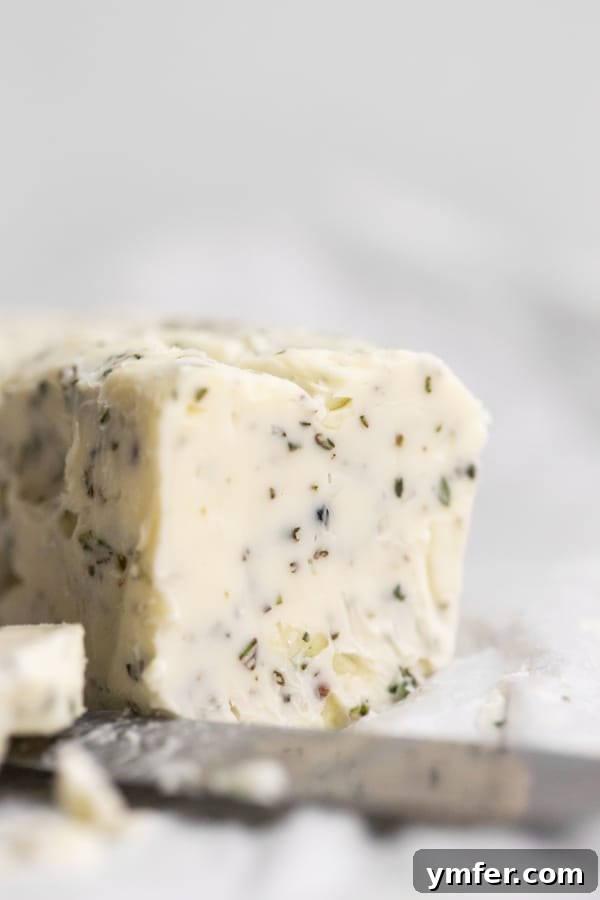
Imagine this: a perfectly cooked cast iron seared strip steak, still hot from the pan, graced with a medallion of this rich, aromatic butter. As it slowly melts, it cascades over the meat, infusing every bite with a luxurious blend of savory garlic, earthy rosemary, fragrant thyme, and just the right touch of freshly cracked black pepper and kosher salt. It’s not just butter; it’s a flavor enhancer, a game-changer, and a testament to how simple ingredients can create something truly magnificent.
This garlic herb compound butter isn’t confined to steak. Its magic extends to grilled chicken, roasted fish, and even simple steamed vegetables, elevating their natural flavors with minimal effort. The beauty of compound butter lies in its simplicity and versatility. Once you experience the depth of flavor it adds, you’ll be inspired to keep a batch on hand at all times.
What Exactly is Compound Butter?
Compound butter, also known as beurre composé in French cuisine, is simply butter that has been softened and then blended with other ingredients to create a flavored butter. These additions can range from fresh herbs and spices to garlic, shallots, citrus zest, and even sweet ingredients like honey or cinnamon. The process allows the flavors to meld and infuse into the butter, creating a concentrated flavor bomb that can be used in countless ways.
Historically, compound butters were a staple in classic French cooking, used to finish sauces, enrich roasted meats, and add a touch of elegance to various dishes. Today, they remain a beloved culinary technique due to their ability to impart significant flavor with minimal fuss. From savory applications on meats and vegetables to sweet variations spread on toast or pastries, the possibilities are endless. This particular garlic herb compound butter leans into the savory side, designed to enhance hearty main courses and side dishes.
Choosing the Right Butter for Your Compound Butter
The foundation of any great compound butter is, of course, the butter itself. While it might seem straightforward, the type of butter you choose can significantly impact the final flavor and texture. For almost all my recipes, and especially for this garlic herb compound butter, I highly recommend using unsalted butter.
My preference for unsalted butter isn’t because I dislike salt; quite the opposite! It’s about control. The sodium content in salted butter can vary widely from brand to brand, making it difficult to consistently achieve the perfect seasoning. By starting with unsalted butter, you have complete command over the amount of kosher salt you add, ensuring your compound butter is seasoned exactly to your taste without accidentally making it too salty. This meticulous approach guarantees a balanced and delicious result every time.
For those looking to elevate their compound butter to an even richer, creamier level, consider using European-style butter. European butters typically have a higher fat content (around 82-84% butterfat) compared to their American counterparts (usually 80%), which translates to a more luxurious texture and a deeper, often nuttier, flavor. This extra richness can add another layer of indulgence to your finished product, though standard unsalted butter works perfectly well and yields fantastic results.
Remember, regardless of the type you choose, ensure your butter is at room temperature before you begin. Softened butter blends seamlessly with the other ingredients, creating a uniform, easy-to-spread consistency. If your butter is too cold, it will be difficult to mix evenly, and if it’s too warm (melted), the herbs and spices might separate rather than incorporate.
Fresh vs. Dried Herbs: The Best Choice for Garlic Herb Butter
While you don’t *have* to use fresh herbs for your garlic herb compound butter, I wholeheartedly recommend it. Fresh herbs, particularly rosemary and thyme, bring a vibrant aroma, a more nuanced flavor, and a beautiful visual appeal that dried herbs simply cannot replicate. The essential oils in fresh herbs are much more potent and complex, releasing their full potential as they meld with the butter.
However, I understand that fresh herbs aren’t always readily available or convenient. If dried herbs are all you have on hand, they can certainly be used. The key is to remember that dried herbs are significantly more concentrated in flavor than fresh herbs. As a general rule of thumb, use about one-third of the amount of dried herbs compared to fresh. For instance, if a recipe calls for 3 teaspoons of fresh rosemary, you would use 1 teaspoon of dried rosemary. Always start with a smaller amount and taste before adding more, as it’s easier to add flavor than to remove it.
For the best results with dried herbs, lightly crush them between your fingers before adding them to the butter. This helps to release their oils and awaken their flavor. If you do opt for fresh, consider buying them in larger bunches and storing them properly to maximize their shelf life. A great tip is to trim the stems, place them in a glass of water like a bouquet, and cover them loosely with a plastic bag before refrigerating. This can keep them fresh for up to two weeks!
Unleashing Creativity: Customizing Your Compound Butter Flavors
The beauty of making compound butter at home is the endless opportunity for customization. This recipe serves as a fantastic base, but don’t hesitate to experiment and tailor it to your specific tastes or the dish you’re preparing. Think of your butter as a canvas, and the herbs and spices as your palette.
- Herb Harmony: Not a fan of rosemary? Simply use extra thyme, or incorporate other fresh herbs like finely chopped parsley, chives, dill, or oregano. A blend of multiple herbs can create a truly unique profile.
- Onion Family Favorites: For a deeper onion flavor, consider finely mincing some fresh shallot or green onions and stirring them in. Dehydrated onion flakes can also work in a pinch, just like dried herbs.
- Garlic Alternatives: If raw garlic isn’t your preference, you have options beyond simply omitting it. Roast the garlic beforehand for a sweeter, mellower flavor profile, or substitute with garlic powder (use sparingly, as it’s more potent) or finely minced chives for a milder allium kick.
- Spicy Sensation: Craving a bit of heat? A dash or two of crushed red pepper flakes, a pinch of cayenne, or a finely minced fresh jalapeño can add a fantastic kick to your butter.
- Smoky Undertones: To infuse a wonderful smokiness, chop up a chipotle pepper in adobo sauce (remove seeds for less heat) and stir it into the butter. Smoked paprika is another excellent addition for a subtle smoky note.
- Citrus Brightness: For a zesty twist, add some finely grated lemon or orange zest. This can brighten up the savory notes and add a refreshing finish, especially when pairing with chicken or fish.
- Umami Boost: A tiny bit of anchovy paste (it melts seamlessly into the butter) or a pinch of finely grated Parmesan cheese can add a deep umami dimension that complements meats beautifully.
- Sweet & Savory: While this is a savory butter, a tiny drizzle of honey or maple syrup can create a delightful sweet-savory balance, particularly good for roast chicken or vegetables like carrots and sweet potatoes.
Addressing Raw Garlic Preferences
The punchy, pungent flavor of raw garlic is a cornerstone of this garlic herb compound butter, providing a vibrant and bold taste. However, not everyone is a fan of its intensity. If raw garlic isn’t to your liking, you have a couple of excellent alternatives that will still deliver fantastic garlic flavor without the sharpness.
The first option is to omit it completely, though this will undeniably reduce the “burst of flavor” that garlic contributes to the butter. If you choose this route, you might want to increase the amount of fresh herbs or add a pinch of garlic powder for a milder background note.
A superior alternative, and one that I highly recommend for a sophisticated flavor profile, is roasting the fresh garlic before incorporating it into the butter. Roasting garlic transforms its sharp, raw edge into a sweet, caramelized, and mellow essence. To do this, simply slice off the top quarter of a whole garlic head, drizzle with a little olive oil, wrap in foil, and roast in a preheated oven at 400°F (200°C) for about 30-40 minutes, or until the cloves are soft and golden. Once cooled, simply squeeze the soft cloves out and mash them into your softened butter. This method yields a wonderfully rich and slightly sweet garlic flavor that is incredibly appealing.
Another milder option is to use garlic powder. While not as fresh or complex as raw or roasted garlic, it provides a consistent garlic flavor without any bitterness. Start with a quarter teaspoon and adjust to taste.
Beyond the Basics: Creative Serving Suggestions
Once you’ve mastered this garlic herb compound butter, you’ll find countless ways to incorporate it into your cooking. It’s far more versatile than just a steak topping!
- Steaks, Chops & Roasts: This is its quintessential use. A pat of melting garlic herb butter on a hot steak, pork chop, or roast chicken finishes the dish with incredible flavor and a glossy sheen.
- Seafood Sensation: Melt it over grilled or baked fish, shrimp, or scallops. The herbs and garlic perfectly complement the delicate flavors of seafood.
- Vegetable Enhancement: Toss it with roasted vegetables like potatoes, asparagus, green beans, or corn on the cob. It’s also delicious on steamed vegetables for an instant flavor upgrade.
- Bread & Toasts: Spread it on warm crusty bread, garlic bread, or even toast for a delightful savory snack. Try it on bruschetta or crostini!
- Breakfast Brilliance: A tiny dollop in scrambled eggs or an omelet can take your breakfast to a gourmet level.
- Pasta Perfection: Stir a tablespoon or two into hot pasta for a simple yet flavorful sauce, perhaps with a sprinkle of Parmesan.
- Soup & Stew Swirl: Swirl a small amount into a bowl of hot soup or stew just before serving for an extra layer of richness and flavor.
Tips for Making Perfect Compound Butter Every Time
- Start with Softened Butter: This cannot be stressed enough. Cold butter won’t mix evenly, and melted butter will cause ingredients to separate. Let it sit at room temperature for about an hour.
- Finely Mince Ingredients: Ensure your garlic and herbs are very finely minced. Larger pieces won’t distribute as evenly and might provide an overwhelming burst of flavor in one bite.
- Taste and Adjust: Always taste your butter before rolling it. This is your chance to adjust salt, pepper, or add more herbs if desired.
- Roll Tightly: When rolling into a log with plastic wrap, make sure it’s tight. This helps the butter hold its shape and allows for easy slicing.
- Chill Thoroughly: Don’t rush the chilling process. A firm log of butter is much easier to slice into neat medallions, which are perfect for serving.
- Storage: Compound butter can be stored in the refrigerator for up to 1-2 weeks, tightly wrapped. For longer storage, freeze individual medallions or the entire log for up to 3 months. Thaw in the refrigerator before use.
Love this Garlic Herb Compound Butter? Explore More Garlic & Herb Infused Recipes!
If you’re enchanted by the flavors of this garlic herb compound butter, you’re in for a treat! Garlic and fresh herbs are culinary powerhouses that can elevate a myriad of dishes. Explore some of my other favorite recipes that are bursting with these incredible flavors:
- Spicy Garlic Cilantro Shrimp
- Garlic Herb Roasted Olives
- Cheesy Pesto Garlic Bread
- Roasted Garlic Chicken Pizza
- Garlic Wild Mushrooms on Toast
- Garlic Herb Maple Roast Turkey
Garlic Herb Compound Butter
Servings: 8 tablespoons
Share by Email
Print Recipe
Ingredients
- 4 ounces unsalted butter, room temperature
- 1 clove garlic, grated or finely minced
- 2 teaspoons minced fresh rosemary
- 1 teaspoon minced fresh thyme leaves
- 1/2 teaspoon kosher salt
- 1/4 teaspoon fresh cracked pepper
Instructions
-
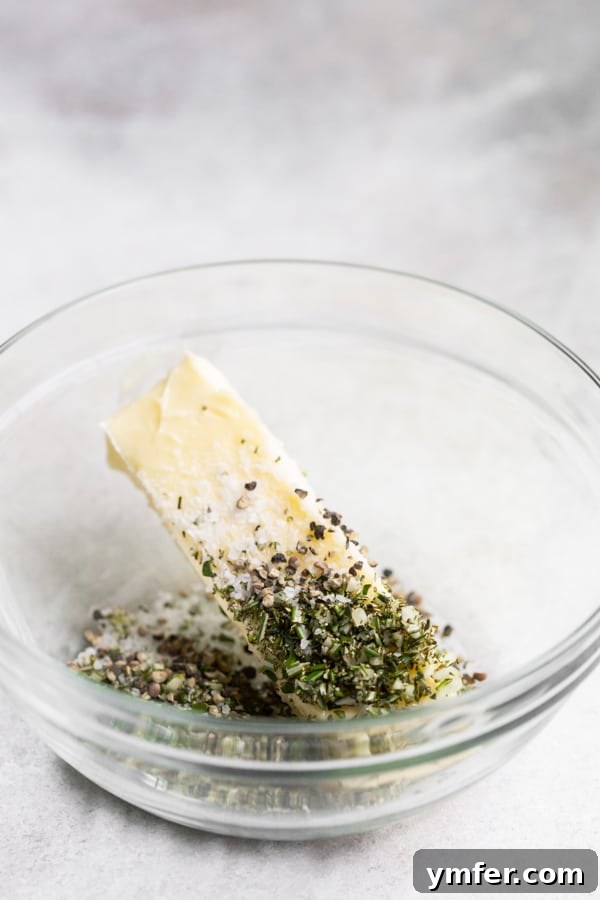
In a small mixing bowl add all ingredients.
-
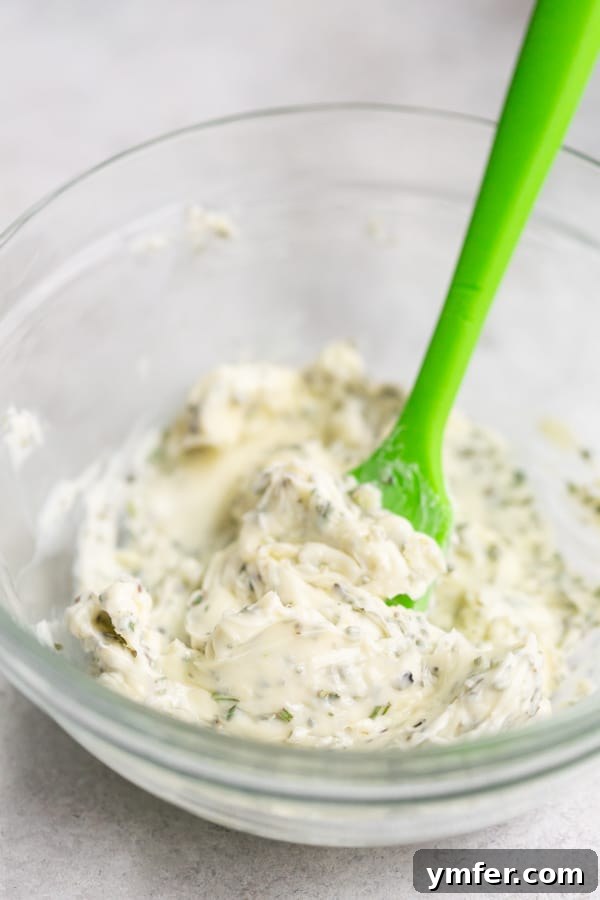
Gently stir until combined.
-
Layout a small piece of plastic wrap, about 6 inches long.
-
Add your mixed butter to the middle of the plastic wrap and gently roll it into a log and twist the ends closed.
-
Add to the refrigerator and let rest for at least an hour to firm up.
-
Slice into rounds before serving on your desired protein or vegetables.
Nutrition
Calories: 103kcal
Fat: 12g
Saturated Fat: 7g
Polyunsaturated Fat: 4g
Cholesterol: 30mg
Sodium: 134mg
Nutrition information is automatically calculated, so should only be used as an approximation.
Tried this recipe?
Mention @NutmegNanny or tag #nutmegnanny!
Elevate Your Dishes with Homemade Garlic Herb Compound Butter
Discover the secret weapon of professional chefs and home cooks alike: garlic herb compound butter. This flavorful, easy-to-make condiment promises to transform ordinary meals into extraordinary culinary experiences. Packed with fresh herbs and aromatic garlic, it’s a simple addition that delivers a profound impact, making you wonder why it wasn’t a staple in your kitchen sooner. Perfect for melting over a sizzling steak, enriching grilled chicken, or adding a burst of flavor to roasted vegetables, this compound butter is incredibly versatile and utterly delicious.
Imagine this: a perfectly cooked cast iron seared strip steak, still hot from the pan, graced with a medallion of this rich, aromatic butter. As it slowly melts, it cascades over the meat, infusing every bite with a luxurious blend of savory garlic, earthy rosemary, fragrant thyme, and just the right touch of freshly cracked black pepper and kosher salt. It’s not just butter; it’s a flavor enhancer, a game-changer, and a testament to how simple ingredients can create something truly magnificent.
This garlic herb compound butter isn’t confined to steak. Its magic extends to grilled chicken, roasted fish, and even simple steamed vegetables, elevating their natural flavors with minimal effort. The beauty of compound butter lies in its simplicity and versatility. Once you experience the depth of flavor it adds, you’ll be inspired to keep a batch on hand at all times.
What Exactly is Compound Butter?
Compound butter, also known as beurre composé in French cuisine, is simply butter that has been softened and then blended with other ingredients to create a flavored butter. These additions can range from fresh herbs and spices to garlic, shallots, citrus zest, and even sweet ingredients like honey or cinnamon. The process allows the flavors to meld and infuse into the butter, creating a concentrated flavor bomb that can be used in countless ways.
Historically, compound butters were a staple in classic French cooking, used to finish sauces, enrich roasted meats, and add a touch of elegance to various dishes. Today, they remain a beloved culinary technique due to their ability to impart significant flavor with minimal fuss. From savory applications on meats and vegetables to sweet variations spread on toast or pastries, the possibilities are endless. This particular garlic herb compound butter leans into the savory side, designed to enhance hearty main courses and side dishes.
Choosing the Right Butter for Your Compound Butter
The foundation of any great compound butter is, of course, the butter itself. While it might seem straightforward, the type of butter you choose can significantly impact the final flavor and texture. For almost all my recipes, and especially for this garlic herb compound butter, I highly recommend using unsalted butter.
My preference for unsalted butter isn’t because I dislike salt; quite the opposite! It’s about control. The sodium content in salted butter can vary widely from brand to brand, making it difficult to consistently achieve the perfect seasoning. By starting with unsalted butter, you have complete command over the amount of kosher salt you add, ensuring your compound butter is seasoned exactly to your taste without accidentally making it too salty. This meticulous approach guarantees a balanced and delicious result every time.
For those looking to elevate their compound butter to an even richer, creamier level, consider using European-style butter. European butters typically have a higher fat content (around 82-84% butterfat) compared to their American counterparts (usually 80%), which translates to a more luxurious texture and a deeper, often nuttier, flavor. This extra richness can add another layer of indulgence to your finished product, though standard unsalted butter works perfectly well and yields fantastic results.
Remember, regardless of the type you choose, ensure your butter is at room temperature before you begin. Softened butter blends seamlessly with the other ingredients, creating a uniform, easy-to-spread consistency. If your butter is too cold, it will be difficult to mix evenly, and if it’s too warm (melted), the herbs and spices might separate rather than incorporate.
Fresh vs. Dried Herbs: The Best Choice for Garlic Herb Butter
While you don’t *have* to use fresh herbs for your garlic herb compound butter, I wholeheartedly recommend it. Fresh herbs, particularly rosemary and thyme, bring a vibrant aroma, a more nuanced flavor, and a beautiful visual appeal that dried herbs simply cannot replicate. The essential oils in fresh herbs are much more potent and complex, releasing their full potential as they meld with the butter.
However, I understand that fresh herbs aren’t always readily available or convenient. If dried herbs are all you have on hand, they can certainly be used. The key is to remember that dried herbs are significantly more concentrated in flavor than fresh herbs. As a general rule of thumb, use about one-third of the amount of dried herbs compared to fresh. For instance, if a recipe calls for 3 teaspoons of fresh rosemary, you would use 1 teaspoon of dried rosemary. Always start with a smaller amount and taste before adding more, as it’s easier to add flavor than to remove it.
For the best results with dried herbs, lightly crush them between your fingers before adding them to the butter. This helps to release their oils and awaken their flavor. If you do opt for fresh, consider buying them in larger bunches and storing them properly to maximize their shelf life. A great tip is to trim the stems, place them in a glass of water like a bouquet, and cover them loosely with a plastic bag before refrigerating. This can keep them fresh for up to two weeks!
Unleashing Creativity: Customizing Your Compound Butter Flavors
The beauty of making compound butter at home is the endless opportunity for customization. This recipe serves as a fantastic base, but don’t hesitate to experiment and tailor it to your specific tastes or the dish you’re preparing. Think of your butter as a canvas, and the herbs and spices as your palette.
- Herb Harmony: Not a fan of rosemary? Simply use extra thyme, or incorporate other fresh herbs like finely chopped parsley, chives, dill, or oregano. A blend of multiple herbs can create a truly unique profile.
- Onion Family Favorites: For a deeper onion flavor, consider finely mincing some fresh shallot or green onions and stirring them in. Dehydrated onion flakes can also work in a pinch, just like dried herbs.
- Garlic Alternatives: If raw garlic isn’t your preference, you have options beyond simply omitting it. Roast the garlic beforehand for a sweeter, mellower flavor profile, or substitute with garlic powder (use sparingly, as it’s more potent) or finely minced chives for a milder allium kick.
- Spicy Sensation: Craving a bit of heat? A dash or two of crushed red pepper flakes, a pinch of cayenne, or a finely minced fresh jalapeño can add a fantastic kick to your butter.
- Smoky Undertones: To infuse a wonderful smokiness, chop up a chipotle pepper in adobo sauce (remove seeds for less heat) and stir it into the butter. Smoked paprika is another excellent addition for a subtle smoky note.
- Citrus Brightness: For a zesty twist, add some finely grated lemon or orange zest. This can brighten up the savory notes and add a refreshing finish, especially when pairing with chicken or fish.
- Umami Boost: A tiny bit of anchovy paste (it melts seamlessly into the butter) or a pinch of finely grated Parmesan cheese can add a deep umami dimension that complements meats beautifully.
- Sweet & Savory: While this is a savory butter, a tiny drizzle of honey or maple syrup can create a delightful sweet-savory balance, particularly good for roast chicken or vegetables like carrots and sweet potatoes.
Addressing Raw Garlic Preferences
The punchy, pungent flavor of raw garlic is a cornerstone of this garlic herb compound butter, providing a vibrant and bold taste. However, not everyone is a fan of its intensity. If raw garlic isn’t to your liking, you have a couple of excellent alternatives that will still deliver fantastic garlic flavor without the sharpness.
The first option is to omit it completely, though this will undeniably reduce the “burst of flavor” that garlic contributes to the butter. If you choose this route, you might want to increase the amount of fresh herbs or add a pinch of garlic powder for a milder background note.
A superior alternative, and one that I highly recommend for a sophisticated flavor profile, is roasting the fresh garlic before incorporating it into the butter. Roasting garlic transforms its sharp, raw edge into a sweet, caramelized, and mellow essence. To do this, simply slice off the top quarter of a whole garlic head, drizzle with a little olive oil, wrap in foil, and roast in a preheated oven at 400°F (200°C) for about 30-40 minutes, or until the cloves are soft and golden. Once cooled, simply squeeze the soft cloves out and mash them into your softened butter. This method yields a wonderfully rich and slightly sweet garlic flavor that is incredibly appealing.
Another milder option is to use garlic powder. While not as fresh or complex as raw or roasted garlic, it provides a consistent garlic flavor without any bitterness. Start with a quarter teaspoon and adjust to taste.
Beyond the Basics: Creative Serving Suggestions
Once you’ve mastered this garlic herb compound butter, you’ll find countless ways to incorporate it into your cooking. It’s far more versatile than just a steak topping!
- Steaks, Chops & Roasts: This is its quintessential use. A pat of melting garlic herb butter on a hot steak, pork chop, or roast chicken finishes the dish with incredible flavor and a glossy sheen.
- Seafood Sensation: Melt it over grilled or baked fish, shrimp, or scallops. The herbs and garlic perfectly complement the delicate flavors of seafood.
- Vegetable Enhancement: Toss it with roasted vegetables like potatoes, asparagus, green beans, or corn on the cob. It’s also delicious on steamed vegetables for an instant flavor upgrade.
- Bread & Toasts: Spread it on warm crusty bread, garlic bread, or even toast for a delightful savory snack. Try it on bruschetta or crostini!
- Breakfast Brilliance: A tiny dollop in scrambled eggs or an omelet can take your breakfast to a gourmet level.
- Pasta Perfection: Stir a tablespoon or two into hot pasta for a simple yet flavorful sauce, perhaps with a sprinkle of Parmesan.
- Soup & Stew Swirl: Swirl a small amount into a bowl of hot soup or stew just before serving for an extra layer of richness and flavor.
Tips for Making Perfect Compound Butter Every Time
- Start with Softened Butter: This cannot be stressed enough. Cold butter won’t mix evenly, and melted butter will cause ingredients to separate. Let it sit at room temperature for about an hour.
- Finely Mince Ingredients: Ensure your garlic and herbs are very finely minced. Larger pieces won’t distribute as evenly and might provide an overwhelming burst of flavor in one bite.
- Taste and Adjust: Always taste your butter before rolling it. This is your chance to adjust salt, pepper, or add more herbs if desired.
- Roll Tightly: When rolling into a log with plastic wrap, make sure it’s tight. This helps the butter hold its shape and allows for easy slicing.
- Chill Thoroughly: Don’t rush the chilling process. A firm log of butter is much easier to slice into neat medallions, which are perfect for serving.
- Storage: Compound butter can be stored in the refrigerator for up to 1-2 weeks, tightly wrapped. For longer storage, freeze individual medallions or the entire log for up to 3 months. Thaw in the refrigerator before use.
Love this Garlic Herb Compound Butter? Explore More Garlic & Herb Infused Recipes!
If you’re enchanted by the flavors of this garlic herb compound butter, you’re in for a treat! Garlic and fresh herbs are culinary powerhouses that can elevate a myriad of dishes. Explore some of my other favorite recipes that are bursting with these incredible flavors:
- Spicy Garlic Cilantro Shrimp
- Garlic Herb Roasted Olives
- Cheesy Pesto Garlic Bread
- Roasted Garlic Chicken Pizza
- Garlic Wild Mushrooms on Toast
- Garlic Herb Maple Roast Turkey
Garlic Herb Compound Butter
Servings: 8 tablespoons
Share by Email
Print Recipe
Ingredients
- 4 ounces unsalted butter, room temperature
- 1 clove garlic, grated or finely minced
- 2 teaspoons minced fresh rosemary
- 1 teaspoon minced fresh thyme leaves
- 1/2 teaspoon kosher salt
- 1/4 teaspoon fresh cracked pepper
Instructions
-
In a small mixing bowl add all ingredients.
-
Gently stir until combined.
-
Layout a small piece of plastic wrap, about 6 inches long.
-
Add your mixed butter to the middle of the plastic wrap and gently roll it into a log and twist the ends closed.
-
Add to the refrigerator and let rest for at least an hour to firm up.
-
Slice into rounds before serving on your desired protein or vegetables.
Nutrition
Calories: 103kcal
Fat: 12g
Saturated Fat: 7g
Polyunsaturated Fat: 4g
Cholesterol: 30mg
Sodium: 134mg
Nutrition information is automatically calculated, so should only be used as an approximation.
Tried this recipe?
Mention @NutmegNanny or tag #nutmegnanny!