
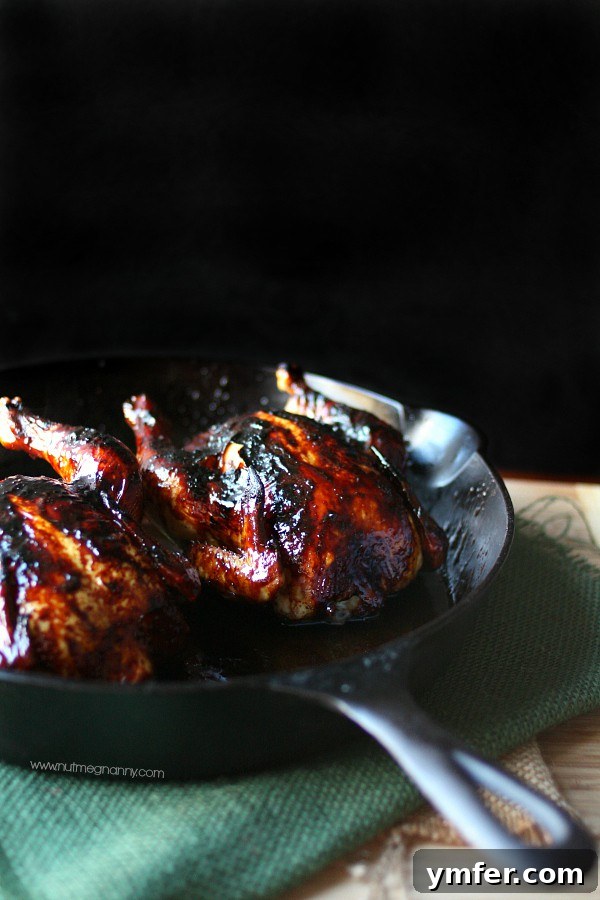
Elevate your dinner table with these exquisite Pomegranate Molasses Glazed Cornish Hens. Perfectly roasted and brushed with a vibrant, sweet-tart glaze, they promise a memorable culinary experience brimming with rich pomegranate and deep molasses flavors. This dish marries elegance with ease, making it ideal for both special occasions and impressive weeknight meals.
Unlocking Exquisite Flavor: The Allure of Pomegranate Molasses Glazed Cornish Hens
In the realm of poultry, Cornish hens offer an undeniable charm. Petite, elegant, and perfectly portioned, they are a fantastic choice for creating a restaurant-quality meal right in your own kitchen. This recipe for Pomegranate Molasses Glazed Cornish Hens takes this beloved poultry to new heights, infusing it with a truly unique and irresistible flavor profile. Imagine succulent, tender meat encased in golden-crisp skin, all glistening with a sticky, jewel-toned glaze that tantalizes the taste buds with every bite. It’s a dish that looks sophisticated but is surprisingly straightforward to prepare, allowing you to impress guests or simply treat yourself to something truly special.
The secret to this dish’s profound depth of flavor lies in the ingenious combination of pomegranate and molasses. Pomegranate molasses, a staple in Middle Eastern cuisine, delivers a complex sweet-tart punch that is both bright and earthy. When reduced with red wine vinegar and classic dark molasses, it transforms into a rich, syrupy glaze that adheres beautifully to the hens. This creates layers of flavor as it bakes, caramelizing the skin to a delightful crispness while locking in moisture and infusing the meat with a subtly fruity and deeply savory essence. Each hen becomes a canvas for this magnificent glaze, offering a culinary experience that is both comforting and exotic.
Why Cornish Hens are a Perfect Canvas for Flavor
Cornish hens, also known as Rock Cornish game hens, are young, small chickens, typically weighing between one and two pounds. Their smaller size means they cook relatively quickly and evenly, making them an excellent alternative to a larger roasted chicken when you desire individual servings. The delicate flavor of Cornish hens pairs wonderfully with bold glazes and seasonings, absorbing flavors beautifully without being overpowered. This makes them an ideal choice for a striking glaze like our pomegranate molasses creation. Their presentation is inherently elegant, making them a fantastic centerpiece for holiday dinners, intimate gatherings, or even a fancy date night at home.
For many, the allure of roasted poultry often begins with the skin. And let me tell you, the skin on these Pomegranate Molasses Glazed Cornish Hens is nothing short of legendary. As the hens roast, the glaze caramelizes into a beautiful, burnished coating, crackling with every touch. The original inspiration for this recipe came from a childhood love for molasses-slathered roast hens, and this version elevates that nostalgic sweetness with the vibrant tang of pomegranate. While we all know the leaner meat is the healthier choice, there’s an undeniable joy in savoring that perfectly crisp, flavorful skin. It’s a culinary indulgence that truly completes the experience.
Pomegranate Molasses Glazed Cornish Hens
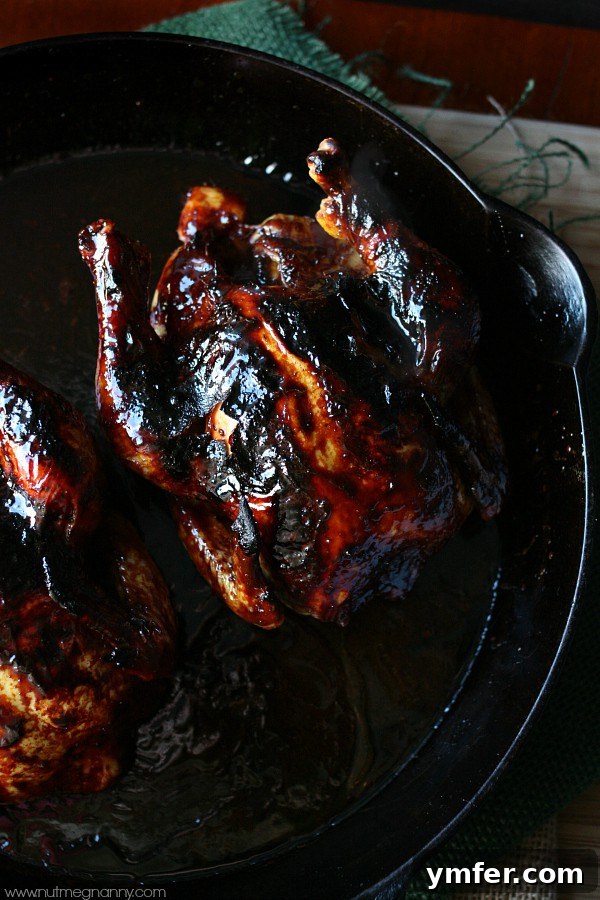
These sweet and tangy pomegranate molasses glazed Cornish hens are a stunning yet simple dish, perfect for adding a touch of elegance to any dinner table. The rich, reduced glaze creates a beautiful, crispy skin and infuses the tender meat with an unforgettable blend of fruit and caramel notes.
Yield: 2 servings
Prep Time: 30 minutes
Cook Time: 1 hour 30 minutes
Total Time: 2 hours
Ingredients: Crafting the Perfect Glaze and Tender Hen
- 2 (2 pounds each) Cornish hens, cleaned and giblets removed
- Kosher salt, to taste
- Ground pepper, to taste
- 1-1/2 cups pomegranate juice (look for 100% pure juice, not from concentrate with added sugars)
- 2 tablespoons red wine vinegar (adds a crucial acidic balance to the sweetness)
- 3 tablespoons molasses (dark, robust molasses will yield a deeper color and flavor)
Adapted from Martha Stewart
Directions: A Step-by-Step Guide to Roasting and Glazing
1. Prepare Your Oven: Begin by pre-heating your oven to 350°F (175°C). Ensuring your oven is at the correct temperature before placing the hens inside is crucial for even cooking and achieving that coveted crispy skin. Allow it to fully preheat for at least 15-20 minutes after it signals it’s ready.
2. Prepare the Cornish Hens: Thoroughly clean the Cornish hens, inside and out. Remove any giblets from the cavity. Pat them meticulously dry with paper towels to remove all excess moisture – this step is absolutely critical for achieving truly crispy skin. Place the prepared hens breast-side up in a suitable cooking dish or a cast iron skillet. A 10-inch skillet comfortably accommodates two Cornish hens.
3. Season Generously: Liberally sprinkle the entire skin of the Cornish hens with kosher salt and freshly ground pepper. Don’t be shy with the seasoning; a generous hand here will build a delicious foundation of flavor, especially in the skin. Ensure you get into all the nooks and crannies.
4. Initial Roasting: Place the seasoned Cornish hens into your preheated oven. They will cook for an initial 45 minutes. During this stage, the hens will begin to cook through, and the fat beneath the skin will start to render, laying the groundwork for that desirable crispiness.
5. Prepare the Pomegranate Molasses Glaze: While the hens are in the oven, combine the pomegranate juice, red wine vinegar, and molasses in a small to medium-sized high-sided non-stick skillet. Whisk these ingredients gently to combine them. Place the skillet over medium-low heat and bring the mixture to a gentle simmer. The goal is to reduce the liquid, concentrating its flavors and thickening it into a syrupy glaze. Keep a close eye on the glaze, stirring frequently with a silicone spatula (as it will become quite sticky). If any foam appears, you can skim it off. This reduction process typically takes 15-25 minutes, depending on your stovetop heat.
6. Achieve Ideal Glaze Consistency: Continue simmering until the mixture has visibly thickened and reduced. The ideal texture should be similar to honey or a thin maple syrup – thick enough to coat the back of a spoon and brush onto the hens without being too thin or too gloopy to spread. Remember, glazes can burn easily, so constant vigilance and a watchful eye are key. Once it reaches the desired consistency, remove it from the heat.
7. First Glazing Application: After the initial 45 minutes of cooking, carefully remove the Cornish hens from the oven. Using a pastry brush, generously glaze the entire surface of both hens with a layer of your prepared pomegranate/vinegar/molasses mixture. Ensure an even coating.
8. Second Roasting and Glazing: Return the glazed hens to the oven and cook for an additional 15 minutes. This allows the first layer of glaze to caramelize and set. Remove them again, and apply another generous layer of the glaze.
9. Final Glazing and Cooking: Place the hens back in the oven for a final 15 minutes. At this point, apply one last glaze. If you notice the skin is browning too quickly or starting to char (especially if your oven runs hot), you can loosely tent the hens with aluminum foil to prevent further darkening while they continue to cook through.
10. Check for Doneness: After the last glazing step and subsequent cooking, your Cornish hens should be fully cooked. To ensure they are done, insert a meat thermometer into the thickest part of the thigh, avoiding the bone. The internal temperature should register between 160-165°F (71-74°C). The juices should also run clear when pierced. If your chicken seems to be cooking faster, adjust your glazing schedule accordingly, checking for doneness more frequently.
11. Rest Before Serving: Once the hens have reached the correct internal temperature, remove them from the oven. It is crucial to let them rest for at least 5-10 minutes before carving or serving. This allows the juices to redistribute throughout the meat, resulting in a more tender and flavorful bird.
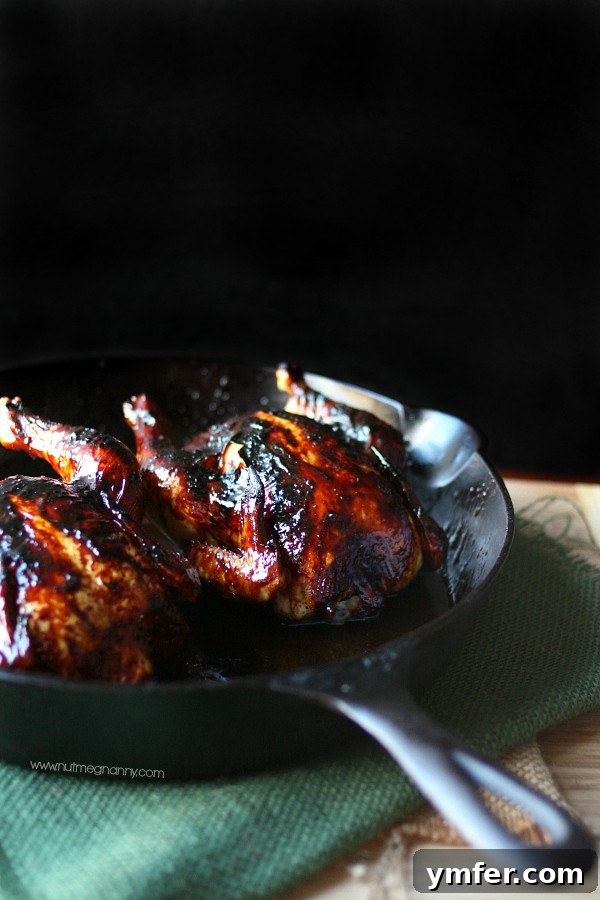
Chef’s Note: A Friendly Warning on Color: The skin on my Cornish hens in the photos might appear a shade darker than what you might typically aim for. This was due to a momentary distraction (a phone call!) which allowed them to caramelize a little longer than intended. While still delicious, for a lighter golden-brown finish, keep a very close eye on them during the final glazing stages. Don’t hesitate to tent with foil earlier if you see them browning rapidly!
Serving Suggestions and Variations
These Pomegranate Molasses Glazed Cornish Hens pair beautifully with a variety of side dishes. Consider serving them alongside creamy mashed potatoes, fluffy rice pilaf, roasted root vegetables (like carrots, parsnips, or sweet potatoes), or a crisp green salad with a light vinaigrette. For an extra touch of elegance, garnish with fresh pomegranate arils and chopped fresh parsley or cilantro.
Want to customize? You can add a pinch of dried thyme or rosemary to your salt and pepper seasoning for an aromatic twist. A touch of grated orange zest in the glaze during reduction can also add another layer of bright citrus notes, complementing the pomegranate wonderfully. Feel free to experiment and make this elegant dish truly your own!