
Effortlessly Delicious: The Ultimate Guide to Roasted Kabocha Squash
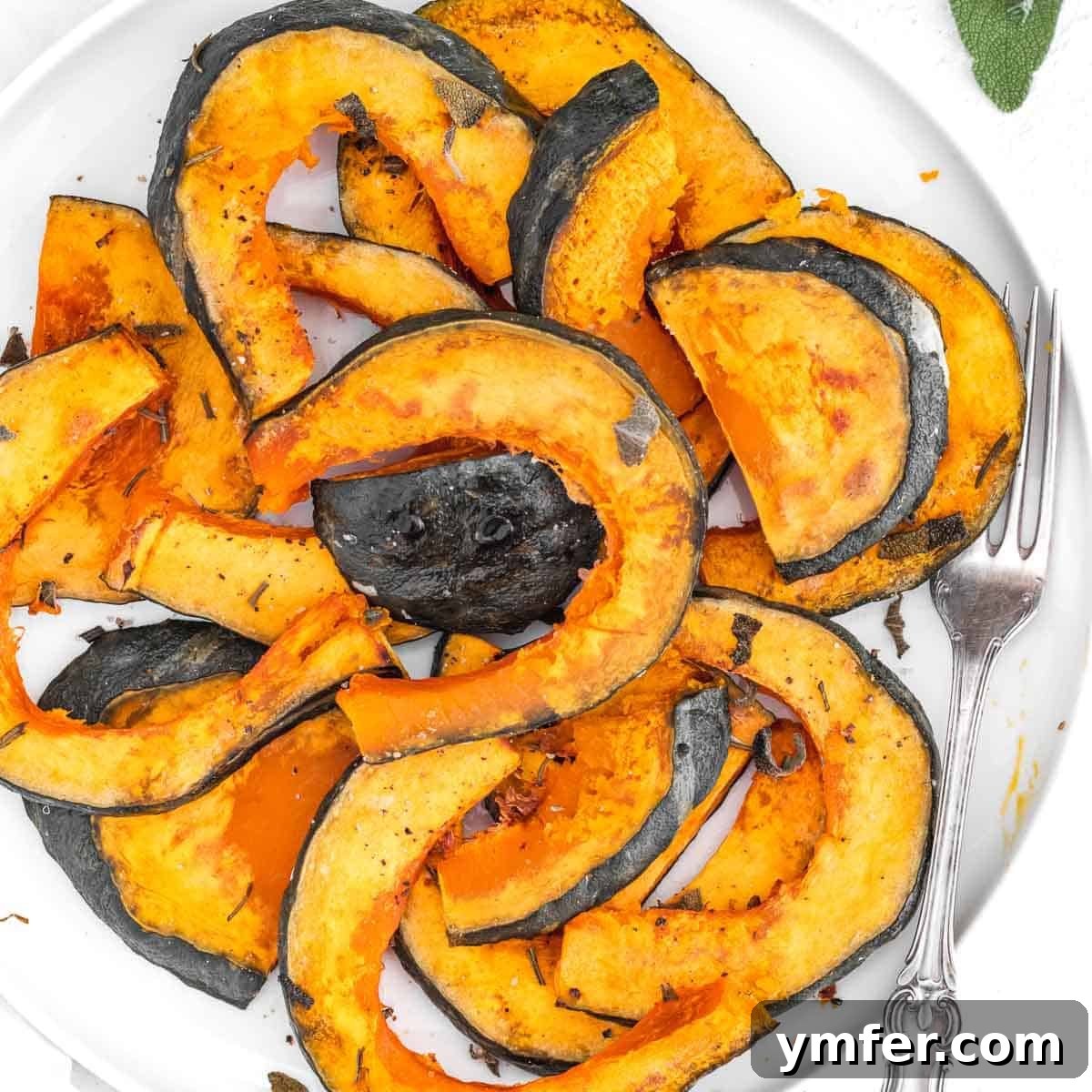
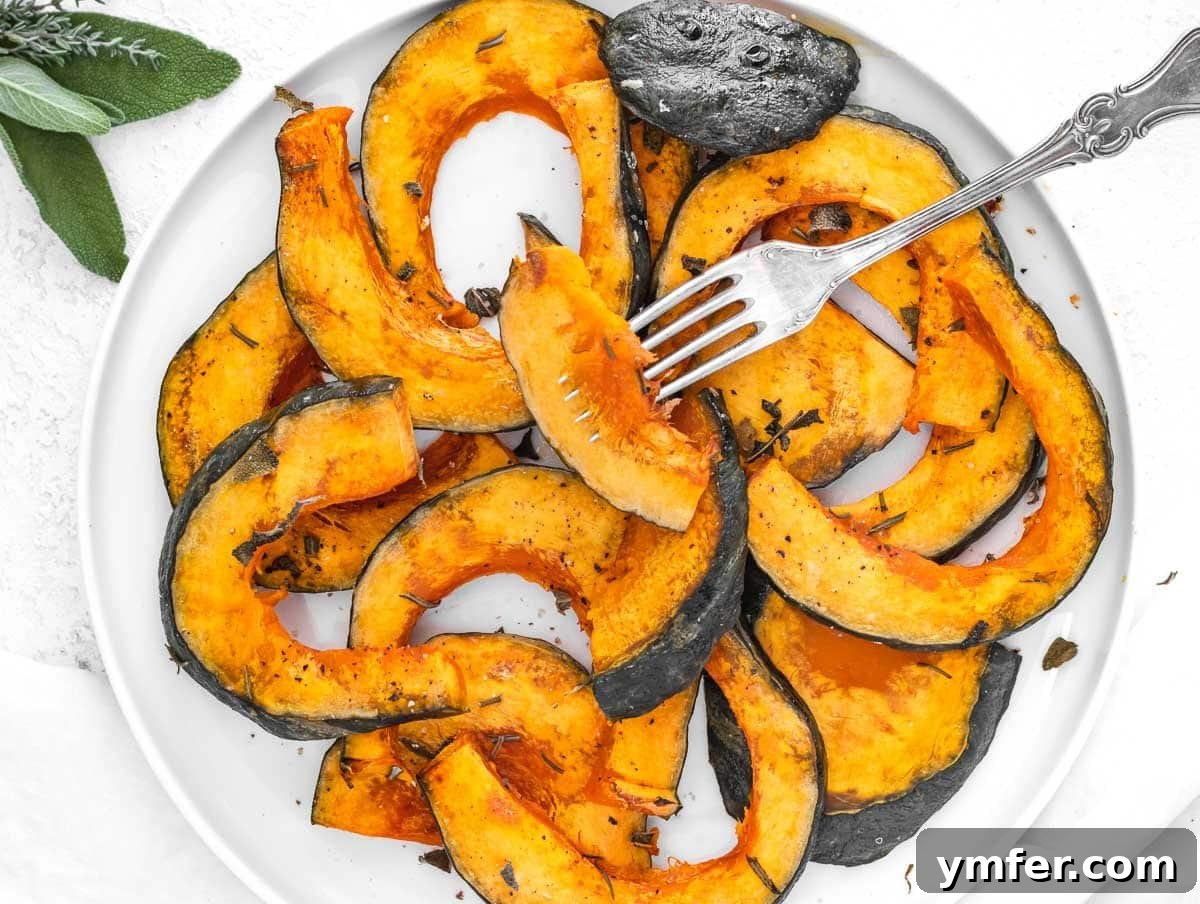
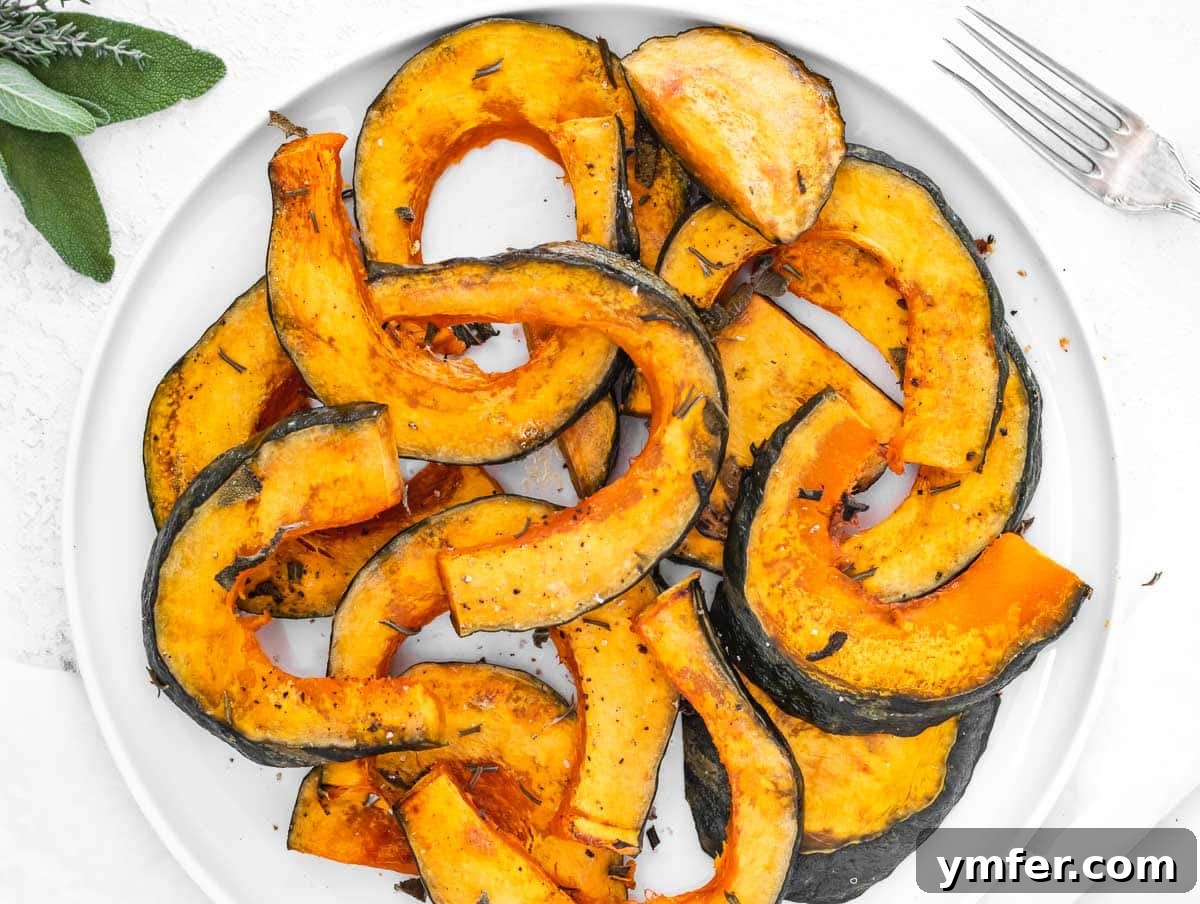
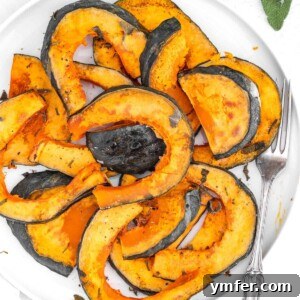
Discover the delightful simplicity of our roasted kabocha squash recipe, a versatile and irresistibly tender vegetable side dish that will elevate any meal. Known for its distinct nutty flavor and naturally sweet profile, kabocha squash is a beloved winter staple that offers both comfort and nutrition. This quick-cooking squash boasts edible skin, eliminating the need for tedious peeling and making preparation a breeze. In just 25 minutes of roasting, you’ll achieve perfectly cooked, fork-tender pumpkin wedges with a soft, subtly honey-sweet texture that melts in your mouth.
Whether enjoyed as a standalone side, integrated into vibrant salads, or transformed into creamy soups and rich pasta recipes, roasted kabocha squash promises a truly satisfying culinary experience. Its inherent sweetness and smooth flesh make it a favorite for both savory and sweet preparations, offering endless possibilities in the kitchen.
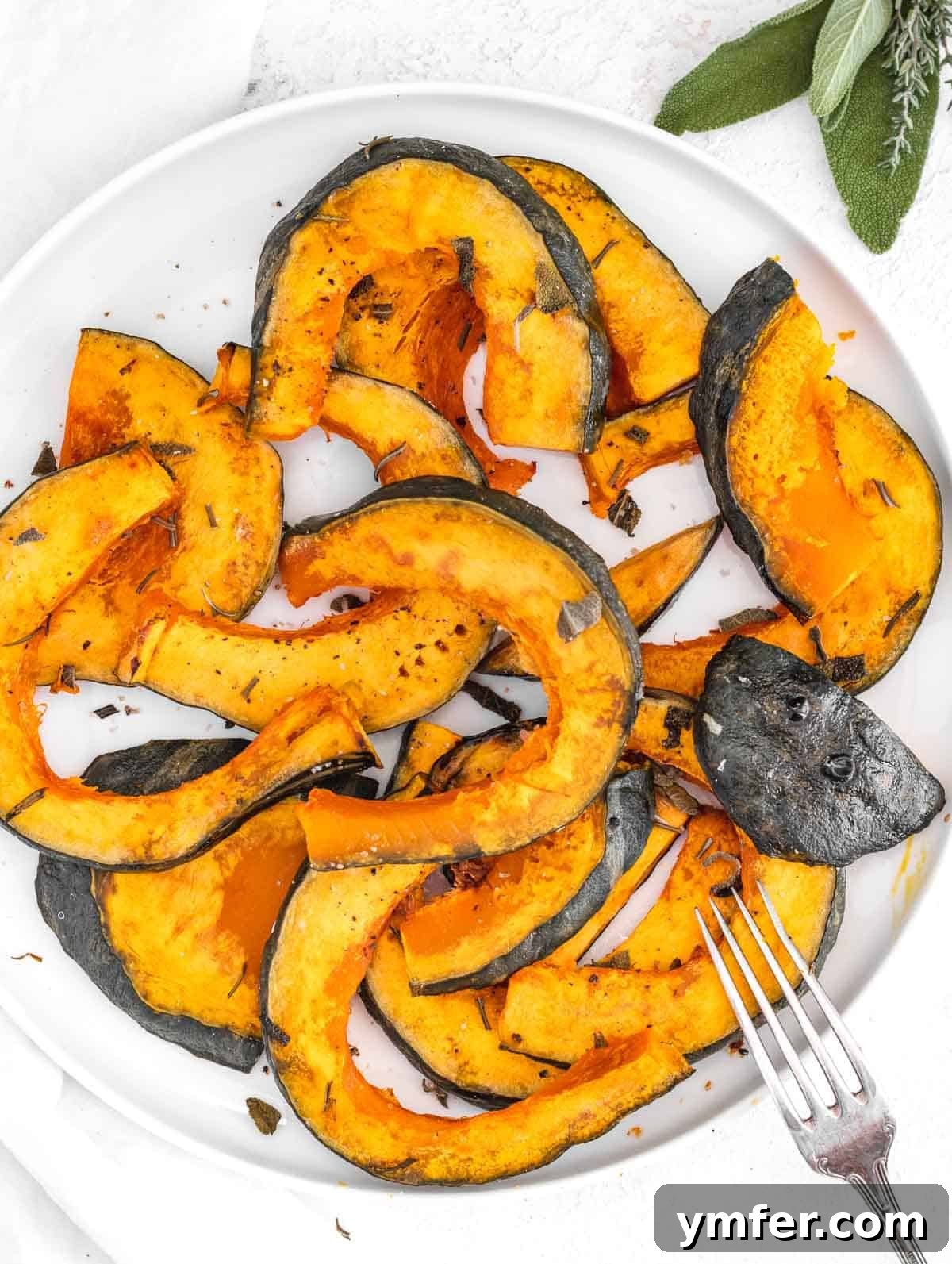
Table of Contents
- Introduction to Kabocha Squash
- Why You’ll Love This Recipe
- Essential Ingredients
- Step-by-Step Roasting Instructions
- Delicious Variations
- Creative Serving Suggestions
- Storage and Meal Prep Tips
- Health Benefits of Kabocha Squash
- Expert Tips for Perfect Roasted Kabocha
- Frequently Asked Questions
- Explore More Vegetable Side Dishes
- Discover More Winter Squash Recipes
- Roasted Kabocha Squash Recipe Card
Don’t miss our comprehensive collection of the best vegetable sides recipes for more culinary inspiration!
Introduction to Kabocha Squash
Kabocha squash, often referred to as Japanese pumpkin, is a distinct winter squash (pronounced Kab-BOH-chah) celebrated for its unique flavor and exceptionally smooth texture. This vibrant green squash, sometimes with grey or blue hues, transforms into a culinary delight when roasted. Its taste profile is remarkably similar to a harmonious blend of butternut squash and sweet potato, yet it distinguishes itself with slightly meatier, denser, and drier orange flesh. Unlike many other squashes, kabocha’s skin is entirely edible once cooked, adding a rustic charm and a boost of nutrients and fiber to your dish.
Preparing kabocha squash is surprisingly hassle-free. Our recipe embraces the edible peel, ensuring maximum nutrient retention and minimal waste. This method not only simplifies your cooking process but also enhances the overall fiber content of your meal, contributing to a healthier diet. The robust nutritional profile of kabocha makes it a fantastic addition to any healthy eating plan.
Why You’ll Love This Recipe
This roasted kabocha squash recipe is a testament to the fact that minimal effort can yield extraordinary results. The beauty of this dish lies in its straightforward preparation. All you need to do is halve the squash, efficiently remove the seeds, and then slice it into even wedges. A simple toss with high-quality olive oil, a sprinkle of salt and pepper, and your choice of aromatic herbs is all it takes before it heads to the oven. In a mere 25 minutes, you’ll be rewarded with perfectly tender kabocha, ready to be enjoyed.
Much like its popular counterparts, roasted butternut squash and sweet potatoes, roasted kabocha offers incredible versatility, allowing you to create both savory or sweet preparations. Our foundational recipe focuses on a savory profile, highlighting the squash’s natural depth. However, we’ve included exciting variations in our dedicated chapter, demonstrating how to transform this savory base into a cozy, sweet treat with a touch of maple syrup and a hint of cinnamon, perfect for holiday gatherings or a special weeknight indulgence.
The squash’s smooth, velvety textured flesh combined with its mildly sweet and nutty taste makes it our absolute favorite roasted winter squash. We’re confident it will become a cherished recipe in your repertoire too! Give it a try and let us know your thoughts!
Essential Ingredients
Kabocha Squash
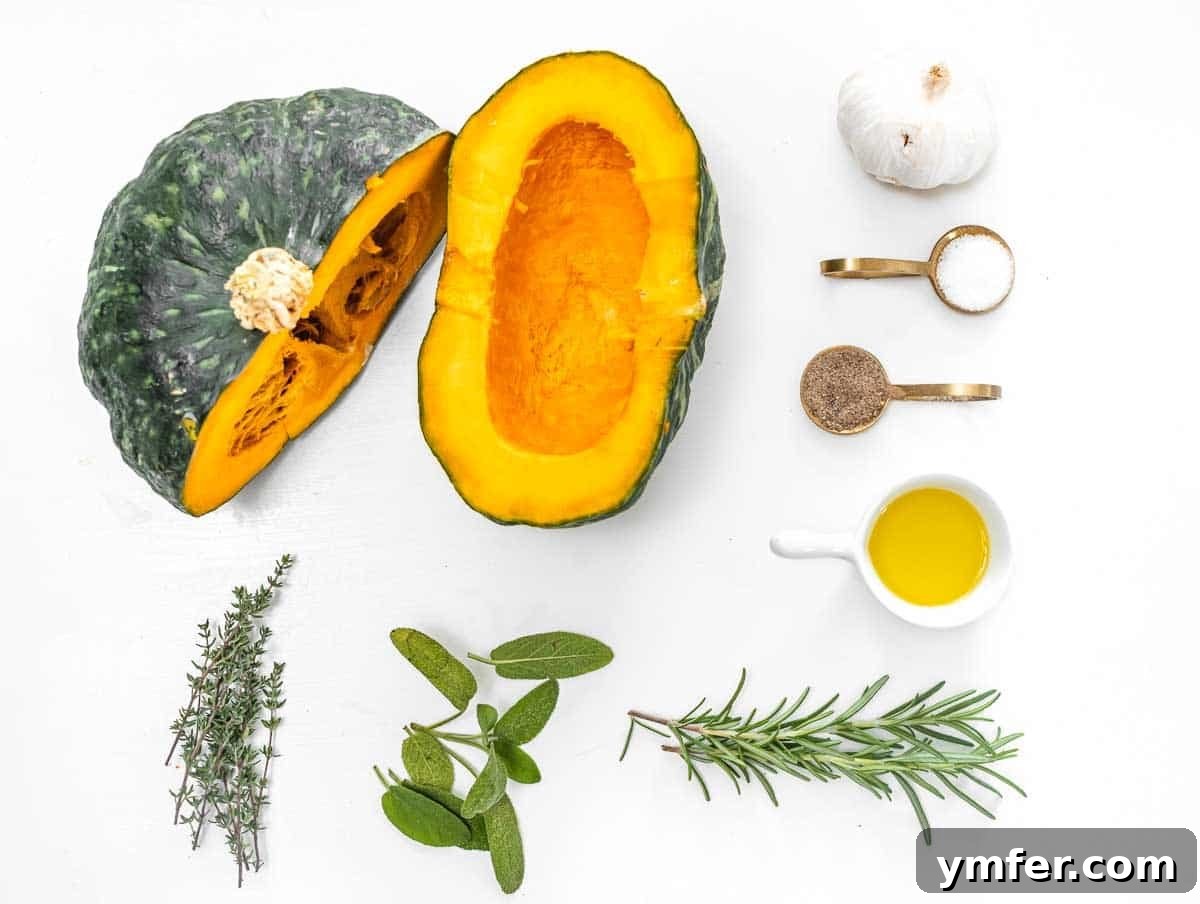
For this recipe, we utilize a whole kabocha squash. The process involves simply cutting it in half, seeding it, slicing it into uniform wedges, and then roasting. A key advantage of kabocha is its edible peel, which softens beautifully during cooking, meaning there’s no need to spend time peeling it beforehand. This not only saves preparation time but also enhances the nutritional value of the dish by retaining beneficial fibers and vitamins concentrated in the skin.
Should you prefer to enjoy your squash without the skin, you have two options: either easily remove the softened skin after the squash has been roasted, or meticulously cut it off prior to roasting (detailed instructions for peeling are provided in the variations section). Kabocha squash can also be successfully substituted with other varieties of winter squash such as butternut squash, acorn squash, delicata squash, or delica squash, each offering its own subtle flavor variations.
Garlic
Garlic is a cornerstone of savory roasted vegetables. You can use a couple of cloves of crushed fresh garlic for a delicate, nuanced garlic aroma that subtly infuses the squash. Alternatively, opt for garlic powder to achieve a more pronounced and consistent garlic flavor throughout the dish. Both options work wonderfully, so choose based on your preference for intensity and convenience.
Herbs
Kabocha squash, like many other autumnal and winter orange-fleshed vegetables, pairs exquisitely with robust, earthy herbs. Fresh rosemary, sage, and thyme are particularly harmonious choices. Feel free to select one herb to highlight its distinct flavor, or combine two or more for a more complex and aromatic profile. These herbs not only add incredible taste but also an inviting fragrance to the roasted squash.
Salt and Pepper
Proper seasoning is crucial for bringing out the best in roasted vegetables. We recommend using good quality sea salt (or kosher salt) and freshly ground black pepper to season our roasted kabocha squash. These basic seasonings enhance the squash’s natural sweetness and nutty notes. For those who enjoy a little heat, a pinch of chili powder or red pepper flakes can be optionally added to introduce a warm, subtle kick.
Olive Oil
To ensure our kabocha squash roasts beautifully, achieving a golden exterior and tender interior, we coat it with heart-healthy and good quality extra virgin olive oil. Extra virgin olive oil is not only stable at high temperatures, making it ideal for roasting, but it is also rich in antioxidants, contributing to the dish’s overall health benefits and flavor. If extra virgin olive oil is not available, regular olive oil or avocado oil make excellent alternatives, both being suitable for high-heat cooking.
Step-by-Step Roasting Instructions
Achieving perfectly roasted kabocha squash is simpler than you might think. Follow these clear steps for a foolproof and delicious result:
-
Begin by preheating your oven to an optimal 400°F (200°C). This high temperature is key to achieving a beautifully caramelized exterior and a tender interior. While the oven heats, prepare a baking sheet by lining it with parchment paper. Parchment paper prevents sticking and makes cleanup incredibly easy.
Next, thoroughly wash and scrub the exterior of the kabocha squash under running water to remove any dirt or residue. Pat it completely dry. With a large, sharp chef’s knife, carefully cut the squash in half. Kabocha skin can be quite firm, so exercise caution and use a stable cutting surface. Once halved, use a spoon to efficiently scoop out all the seeds and fibrous strands from both halves. These seeds can be roasted separately for a delicious snack!
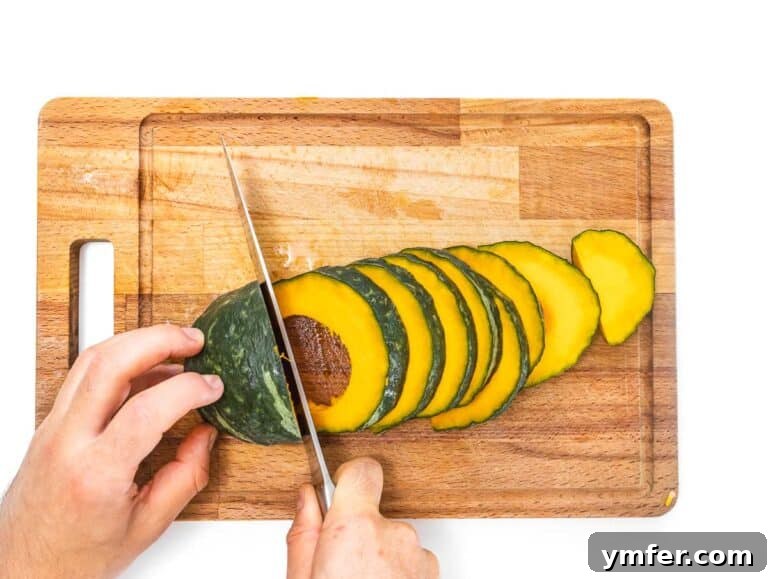
Place one-half of the squash on a cutting board, cut side down, to provide a stable base. Using your sharp knife, carefully slice it into uniform ⅓ inch (0.8 cm) thick wedges. Consistency in thickness is important for even cooking. Repeat with the other squash half.
-
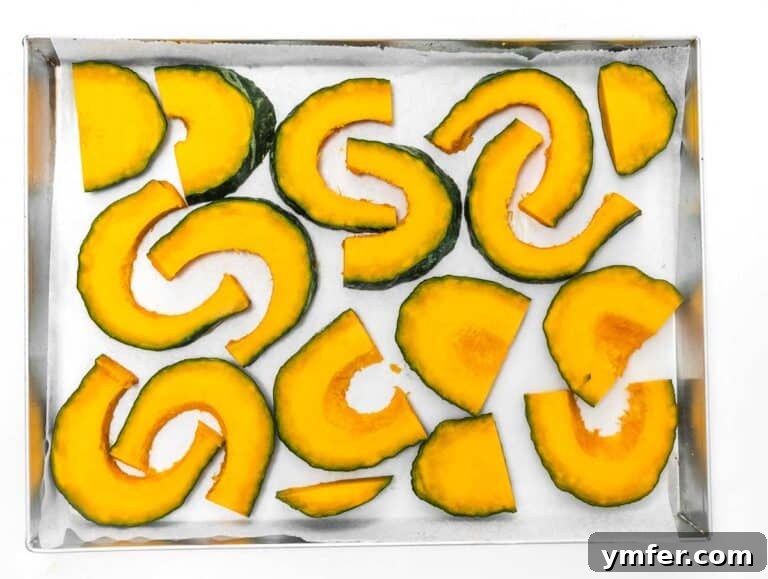
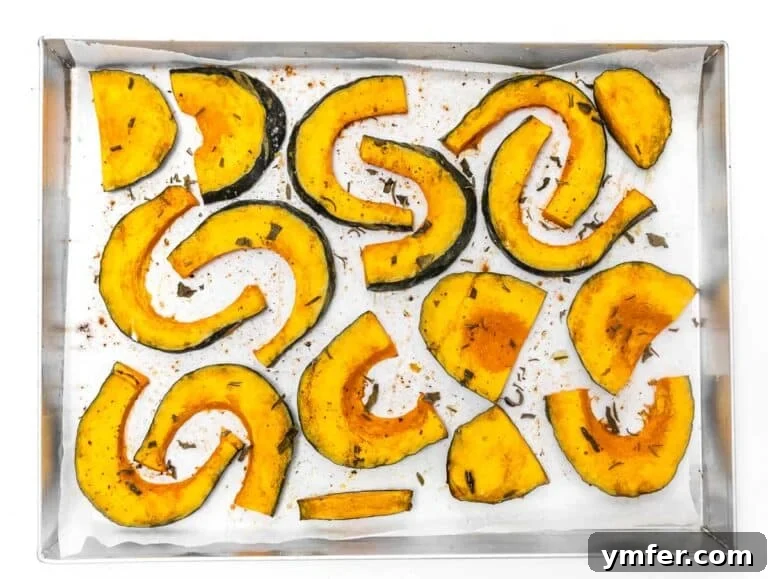
Carefully arrange the kabocha wedges on the prepared baking sheet in a single layer, ensuring that they do not overlap. Overlapping can steam the squash instead of roasting it, preventing that desired crisp-tender texture. Spreading them out allows for proper air circulation and even browning.
Typically, a standard-sized baking sheet can comfortably accommodate about 2 pounds of squash. If you have more squash, use a second baking sheet to avoid overcrowding. -
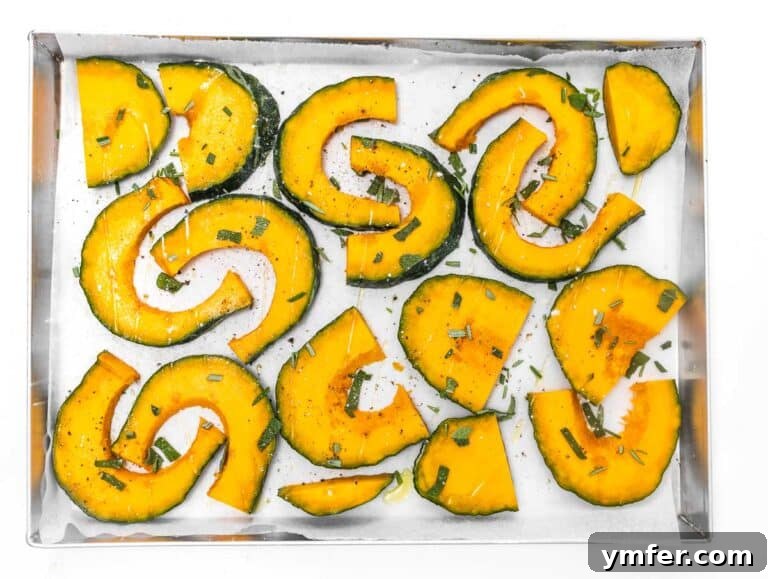
Now it’s time to flavor your squash. Drizzle the wedges generously with olive oil, then sprinkle evenly with garlic powder (or crushed fresh garlic), salt, black pepper, and your chosen chopped fresh herbs. For this recipe, we used a fragrant combination of fresh rosemary and sage, which complement the kabocha’s natural sweetness beautifully.
-
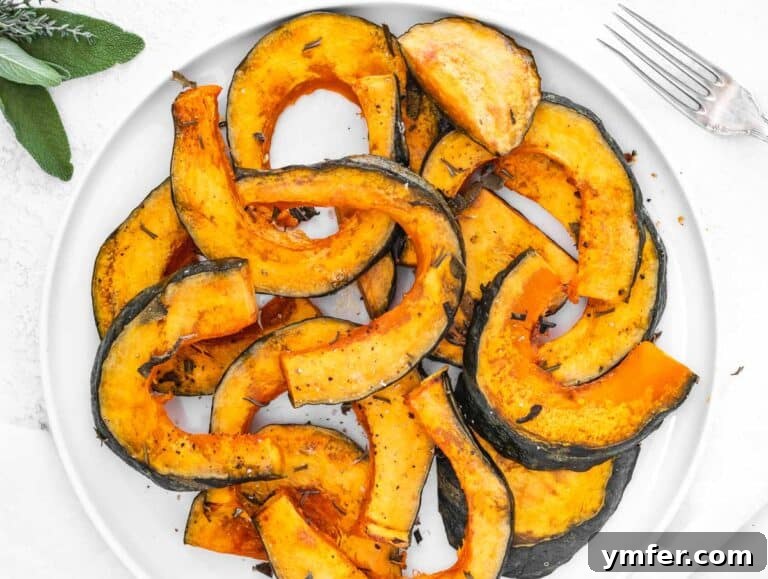
Using your hands or tongs, gently toss the squash on the baking sheet to ensure all pieces are thoroughly coated with the seasoning. This step guarantees every bite is flavorful. Once seasoned, spread the wedges back into a single layer. Place the baking sheet into your preheated oven and bake at 400°F (200°C) for approximately 25 minutes. The squash is perfectly done when it’s easily pierced with a fork, indicating it is wonderfully fork-tender, and the edges are lightly caramelized.
-
Once roasted to perfection, your kabocha squash is ready to be enjoyed! Serve it immediately as a satisfying side dish, or creatively incorporate it into other delicious recipes. Its tender texture and rich flavor make it an excellent base for creamy soups, hearty pasta dishes, homemade gnocchi, delicate ravioli fillings, and much more. The possibilities are truly endless!
Delicious Variations
While our base recipe for roasted kabocha squash is incredibly satisfying, it’s also wonderfully adaptable. Here are a couple of popular variations to suit different preferences:
Peeled Roasted Kabocha Squash
For those who prefer their squash without the skin, peeling kabocha before roasting is an option, although it requires a bit more effort due to its tough exterior. To do this safely, first cut the squash in half and scoop out the seeds as usual. Then, place each half flat on a cutting board, cut-side down, to create a stable surface. Using a very sharp knife or a sturdy vegetable peeler, carefully cut off the peel in strips, working slowly and deliberately. You can also briefly microwave the squash for a minute or two to slightly soften the skin, making it easier to peel.
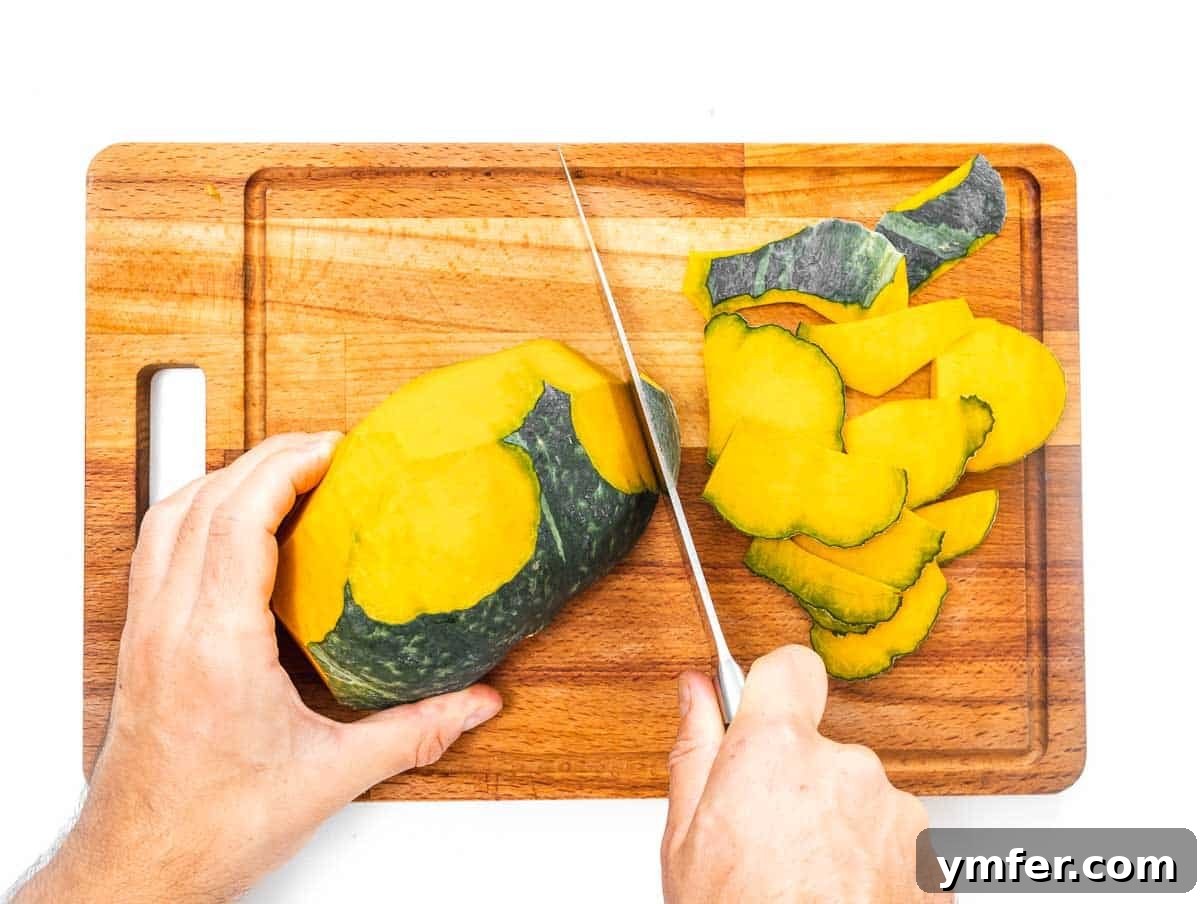
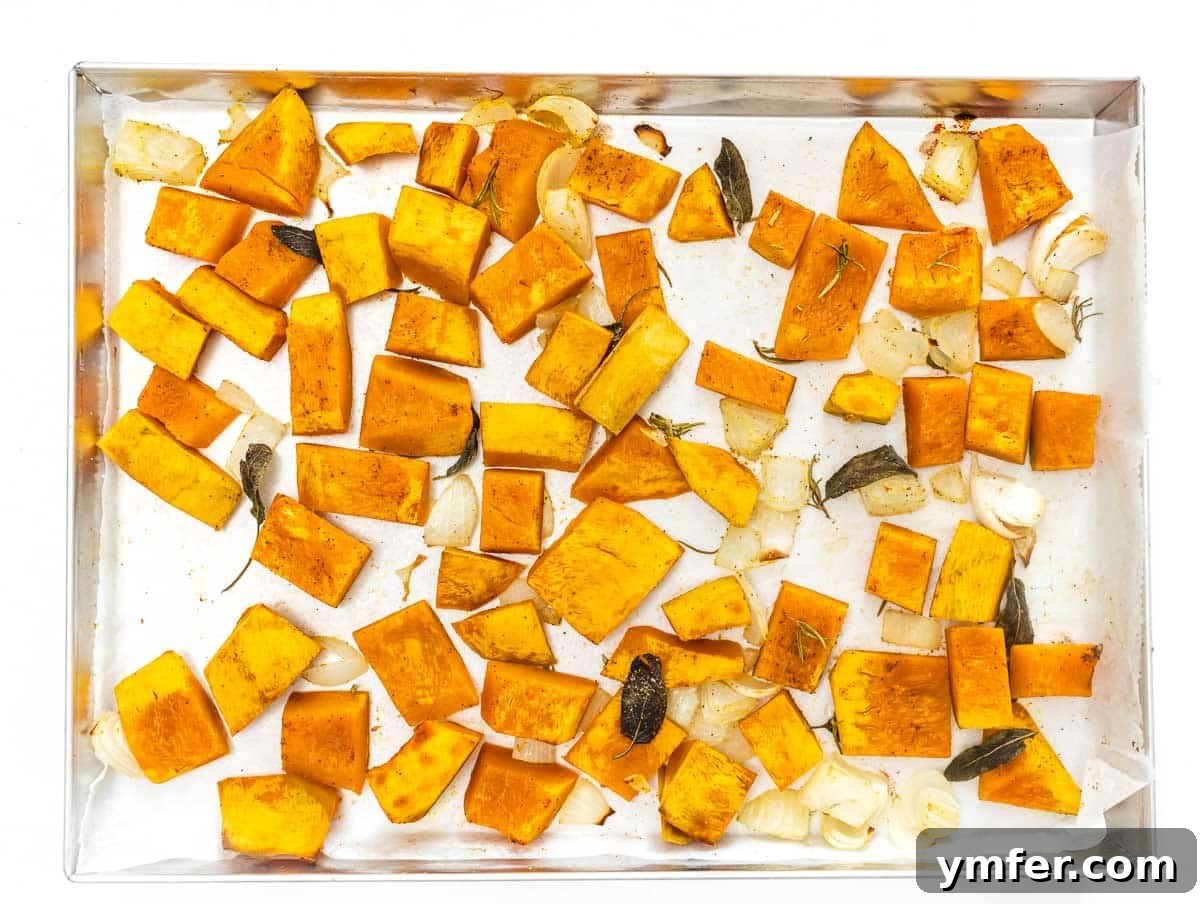
Once peeled, chop the squash into uniform slices or cubes. Season the peeled squash generously with olive oil, salt, pepper, crushed garlic (or garlic powder), and fresh herbs like sage leaves and rosemary. For an extra layer of flavor, you can optionally add some finely chopped onion. Toss everything together to ensure even coating, then spread the seasoned squash onto a parchment-lined baking sheet in a single layer. Roast in a preheated oven at 400°F (200°C) for approximately 25 minutes, or until the squash is perfectly fork-tender and lightly browned.
Cinnamon and Maple Syrup Roasted Kabocha (Sweet Variation)
If you’re craving a sweet and comforting side, transform your roasted kabocha squash with a delightful touch of warmth. To prepare this sweet variation, season the kabocha wedges with a light drizzle of olive oil and a generous splash of maple syrup. Add a teaspoon of aromatic cinnamon, a pinch of freshly grated nutmeg, and surprisingly, a tiny bit of salt and a dash of pepper. The salt helps to balance and enhance the sweetness, creating a more complex flavor profile.
Toss the squash to coat evenly, then roast for 25 minutes at 400°F (200°C) until it is tender and caramelized. This sweet roasted kabocha is an exquisite side dish for the holidays, Thanksgiving, or Christmas, offering a festive and wholesome alternative. It’s also a wonderful treat for a special weeknight dinner, adding a cozy and flavorful element to your meal.
Creative Serving Suggestions
Roasted winter squash is incredibly versatile and can be served in countless ways. Enjoy the kabocha wedges simply as they are, perhaps with a final flourish of fresh herbs or a bright squeeze of lemon juice to awaken the flavors. Beyond a simple side, these tender wedges can form a crucial part of a healthy and easy dinner. Pair this delightful vegetable side with a satisfying, protein-rich main course:
- Tofu Mushroom Recipe: A flavorful plant-based alternative to traditional mushroom chicken, offering a rich and umami-packed experience.
- Lentil Pasta: A hearty and healthy pasta dish featuring fresh herbs and authentic Italian flavors, perfect for a comforting meal.
- Tofu with Pizzaiola Sauce: A robust and savory dish, best served with a vibrant side of sautéed spinach to complete the meal.
- Marinated Tofu: Succulent and flavorful marinated tofu, excellent served over a bed of fluffy white rice or a lighter cauliflower rice for a balanced meal.
Delicious Protein-Rich Mains
Tofu Recipes
Tofu Mushroom Recipe
One-pot Meals
Lentil Pasta
Tofu Recipes
Tofu with Pizzaiola Sauce
Tofu Recipes
Marinated Tofu
For a wholesome and healthy lunch, consider incorporating roasted kabocha squash into one of these vibrant and crispy salads:
- Easy Chickpea Salad: A quick and satisfying salad that comes together in just 20 minutes, packed with protein and fresh flavors.
- Lentil Tabbouleh Salad: A refreshing Mediterranean favorite featuring an abundance of fresh tomato and cucumber, making it light and flavorful.
- Cauliflower Lentil Salad: A wholesome and creamy salad, perfect for a nutritious and filling meal.
- Green Bean Salad: A beloved choice for holiday tables like Thanksgiving and Christmas, known for its appealing texture and taste.
Fresh & Flavorful Salad Ideas
Salads
Chickpea Salad
Salads
Lentil Tabbouleh
Salads
Cauliflower Lentil Salad
Salads
Green Bean Salad
For an exceptionally quick and nutritious 5-minute lunch, try pairing a savory tofu scramble served on toasted bread with a generous side of roasted kabocha wedges. This combination delivers a protein-packed and satisfying meal that is both delicious and easy to prepare.
Storage and Meal Prep Tips
Proper storage ensures your delicious roasted kabocha squash stays fresh and flavorful for future meals. Store any leftover roasted winter squash in an airtight container or tightly covered with plastic wrap in a bowl. It will keep beautifully for up to 3 days in the fridge. When you’re ready to enjoy it again, reheat the squash in a preheated oven for a few minutes until warmed through and slightly crispy, an air fryer for a quick reheat and renewed crispness, or simply use a microwave for convenience. Roasted kabocha squash also freezes well, making it an excellent candidate for meal prepping. Store cooled squash in a freezer-safe bag or container for up to 3 months. Thaw in the refrigerator overnight before reheating.
Health Benefits of Kabocha Squash
Kabocha squash is more than just a delicious winter vegetable; it’s a nutritional powerhouse offering a wealth of health benefits. Like many other vibrant orange-fleshed vegetables, kabocha is an excellent source of antioxidants, vitamin C, and beta-carotene, which the body converts into Vitamin A. These components play crucial roles in maintaining overall health:
- Rich in Antioxidants: The high content of beta-carotene and other antioxidants helps combat free radicals in the body, reducing oxidative stress and supporting cellular health.
- Boosts Immune System: Vitamin C is essential for a strong immune system, helping the body fight off infections and illnesses.
- Promotes Eye Health: Beta-carotene is vital for good vision, particularly in low light conditions, and helps protect against age-related macular degeneration.
- Supports Skin Health: The vitamins and antioxidants contribute to healthy, glowing skin by protecting it from environmental damage and promoting cell regeneration.
- Aids Digestion: With its good fiber content, especially if the edible skin is consumed, kabocha squash supports digestive health, promotes regularity, and can contribute to a feeling of fullness, which is beneficial for weight management.
- Heart-Healthy: The potassium content helps maintain healthy blood pressure, while the fiber contributes to lower cholesterol levels, both supporting cardiovascular health.
Incorporating kabocha squash into your diet is a flavorful way to nourish your body with essential vitamins, minerals, and protective compounds. For more in-depth information, you can explore detailed resources like WebMD’s article on the health benefits of kabocha squash.
Expert Tips for Perfect Roasted Kabocha
Achieving consistently perfect roasted kabocha squash is simple with a few expert tips:
- Even Slicing is Key: Ensure all your kabocha wedges or cubes are cut to a similar size and thickness (our recommended ⅓ inch/0.8 cm) for uniform cooking. Uneven pieces will result in some being overcooked and others undercooked.
- Don’t Overcrowd the Pan: This is perhaps the most crucial rule for roasting. If your baking sheet is too full, the squash will steam instead of roast, leading to soggy results. Give each piece space to breathe and brown. Use two baking sheets if necessary.
- High Heat for Crispy Edges: Roasting at 400°F (200°C) allows the squash to caramelize and develop delicious crispy edges while staying tender inside. Don’t be tempted to lower the temperature too much.
- Flip Halfway: For even browning and a consistent texture on both sides, consider flipping the squash pieces halfway through the roasting time (around the 12-15 minute mark).
- Season Generously: Don’t be shy with the olive oil, salt, and pepper. These are fundamental for flavor. Taste a small piece once roasted and adjust seasoning if needed.
- Flavor Combinations: Experiment with different spice blends. Beyond rosemary and sage, consider a sprinkle of smoked paprika for a smoky flavor, a dash of cumin for an earthy note, or even a touch of chili powder for a subtle heat.
- Test for Tenderness: The best way to know if your squash is done is to insert a fork into a thicker piece. It should slide in easily without resistance.
Frequently Asked Questions
Roasting kabocha squash in the oven is straightforward and flexible. You can choose to roast it with its skin on for added fiber and convenience, or peel it beforehand if preferred. The key steps involve tossing the squash pieces with olive oil, salt, pepper, garlic (either crushed fresh garlic or garlic powder), and your favorite herbs such as sage, rosemary, or thyme. Then, spread the seasoned squash in a single layer on a baking sheet and bake at 400°F (200°C) for approximately 25 minutes, or until the squash is perfectly tender and slightly caramelized.
Don’t discard those nutritious kabocha squash seeds! They make a fantastic crunchy snack. To roast them, first preheat your oven to a lower temperature of 300°F (150°C). Thoroughly wash the kabocha squash seeds under running water, ensuring all fibrous strings from the squash are removed. Pat the cleaned seeds completely dry with a kitchen towel. Transfer them onto a baking tray lined with parchment paper. Drizzle with a little olive oil and season with salt (and any other spices you like, such as paprika or chili powder). Toss the seeds to coat them evenly, then arrange them in a single layer on the baking tray without overlapping. Bake for about 15 to 20 minutes, or until the seeds are roasted to a golden brown and are crispy. Let them cool down completely before serving to enhance their crunchiness.
Absolutely, kabocha squash is an incredibly healthy choice! Like many other vegetables with vibrant orange flesh, it’s packed with a powerful array of nutrients. It’s an excellent source of antioxidants, including beta-carotene (a precursor to Vitamin A), and a significant amount of Vitamin C. These components contribute to a wealth of health benefits, such as promoting heart health, supporting optimal eye health, maintaining healthy skin, preventing oxidative damage to cells, and boosting the immune system. Its fiber content also aids in digestion and can contribute to better blood sugar control.
Yes, you can certainly prepare kabocha squash components ahead of time. You can wash, halve, seed, and slice the squash up to a day in advance. Store the cut squash in an airtight container in the refrigerator. When ready to cook, simply proceed with seasoning and roasting. This makes it a great option for meal prepping and busy weeknights.
Explore More Vegetable Side Dishes
If you’re eager to incorporate more nutrient-rich vegetables into your daily diet, these enticing vegetable side dishes are guaranteed to add color, flavor, and excitement to your next dinner:
- Shaved Brussels Sprouts Salad: A refreshing and vibrant salad featuring thinly shaved Brussels sprouts tossed in a finger-licking mustard dressing.
- Steamed Artichokes: A classic and elegant side, complete with easy and quick preparation tips for perfect results every time.
- Red Cabbage Salad: A crisp and colorful winter slaw, bursting with texture and flavor from walnuts and sweet apple pieces.
- Green Bean Salad: A perennial favorite and a top choice for holiday tables like Thanksgiving and Christmas.
- Oven Roasted Broccoli: Simple yet incredibly flavorful, featuring tender broccoli florets roasted with garlic and crunchy shaved almonds.
- Roasted Zucchini: A light and savory side dish enhanced with golden breadcrumbs and aromatic Italian herbs.
- Easy Side Salad: A quick and simple green salad, perfectly dressed with a homemade vinaigrette for freshness.
- Roasted Cauliflower and Broccoli: A delicious and healthy combination of florets, ready to serve in just 25 minutes!
More Irresistible Vegetable Sides
Salads
Shaved Brussels Sprouts Salad
Sides
Steamed Artichokes
Sides
Red Cabbage Slaw
Salads
Green Bean Salad
Sides
Roasted Zucchini
Sides
Roasted Broccoli
Salads
Side Salad
Sides
Roasted Broccoli and Cauliflower
Discover More Winter Squash Recipes
Embrace the bounty of the season by adding extra color, rich flavor, and essential healthy vitamins to your table with these delectable winter squash recipes:
- Butternut Squash Soup: A comforting and creamy soup made with our signature easy bake and blend technique for maximum flavor with minimal fuss.
- Butternut Squash Ravioli: Homemade ravioli generously filled with a sweet and savory butternut squash and ricotta mixture, perfect for an impressive meal.
- Butternut Squash Risotto: A creamy, vibrant, and incredibly satisfying risotto recipe that showcases the delicate sweetness of butternut squash.
- Kabocha Squash Pasta: A unique and flavorful pasta dish featuring the distinct taste of kabocha squash combined with a rich ricotta and parmesan sauce.
- Easy Butternut Squash Pasta: A fantastic weeknight dinner favorite that comes together in just 30 minutes, offering a blend of convenience and deliciousness.
More Cozy Winter Squash Creations
Soups
Butternut Squash Soup
Pasta
Butternut Squash Ravioli
Mains
Butternut Squash Risotto
Pasta
Butternut Squash Pasta
Roasted Kabocha Squash Recipe
Share
Ingredients
- 2 pounds kabocha squash about a small one, or half a big one – cut into 1/3 inch (0.8cm) slices.
- 1½ tablespoons extra virgin olive oil
- 1 sprig rosemary or thyme, chopped
- 1 teaspoon garlic powder or 2 cloves crushed garlic
- 5 leaves sage chopped
- ½ teaspoon salt
- ¼ teaspoon black pepper
Instructions
-
Preheat the oven to 400°F (200°C). Line a baking sheet with parchment paper.
Wash and scrub the kabocha squash well, dry it, and cut it in half with a sharp knife. Then, with a spoon, scoop out the seeds.
Now, place one-half of the squash on a cutting board, cut side down. Slice it into ⅓ inch (0.8 cm) slices with a sharp knife.
-
Arrange it on the baking sheet on a single layer without overlapping.
You should be able to fit about 2 pounds of squash on a baking sheet.
-
Season with olive oil, garlic powder, salt, black pepper, and chopped herbs (we used fresh rosemary and sage).
-
Toss to spread the seasoning, then bake at 400°F (200°C) for about 25 minutes, until the kabocha squash is fork tender.
-
Serve as is, or use it to make other delicious recipes such as soups, pasta, gnocchi, ravioli, and more.
Notes
Nutrition
Carbohydrates: 20g,
Protein: 2g,
Fat: 6g,
Saturated Fat: 1g,
Polyunsaturated Fat: 1g,
Monounsaturated Fat: 4g,
Trans Fat: 0g,
Cholesterol: 0mg,
Potassium: 805mg,
Dietary Fiber: 4g,
Sugar: 5g,
Vitamin A: 3102IU,
Vitamin B6: 0.4mg,
Vitamin C: 28mg,
Vitamin E: 1mg,
Vitamin K: 6µg,
Calcium: 66mg,
Folate: 55µg,
Iron: 1mg,
Manganese: 0.4mg,
Magnesium: 33mg,
Zinc: 1mg
If you liked this roasted kabocha squash recipe, you might also enjoy:
More Inspiring Recipe Collections
Collections
30 Easy Soup Recipes
Collections
25 Sweet Potato Recipes
Collections
50 Best Salad Recipes
Collections