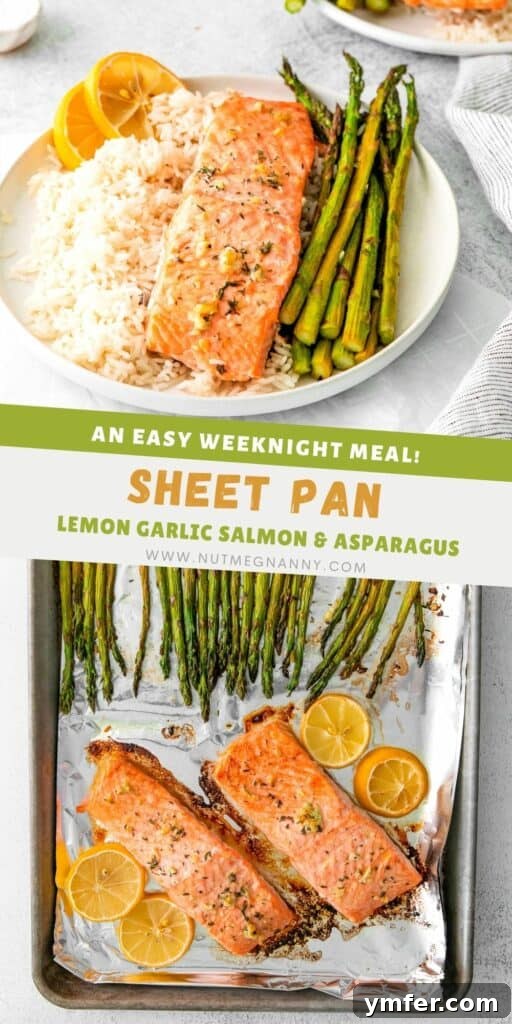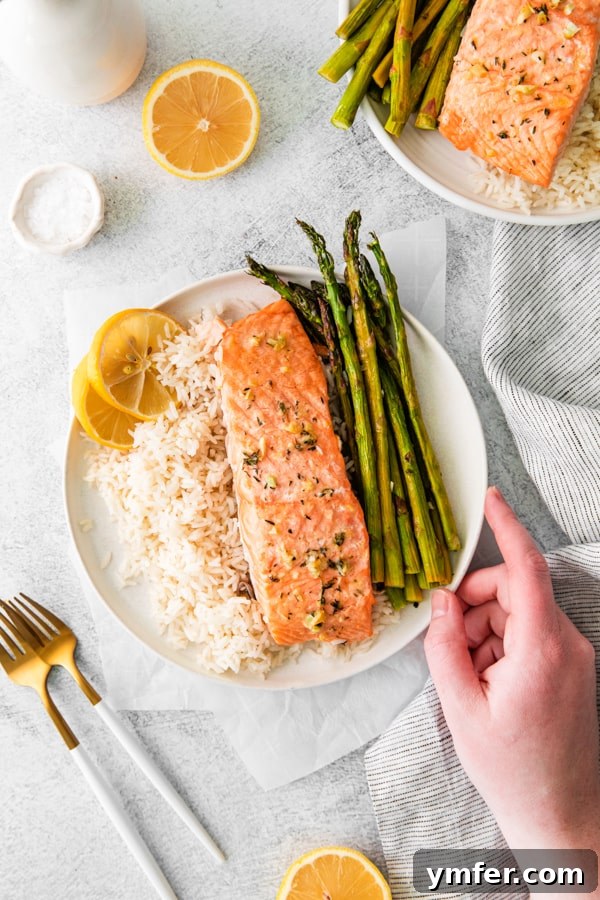
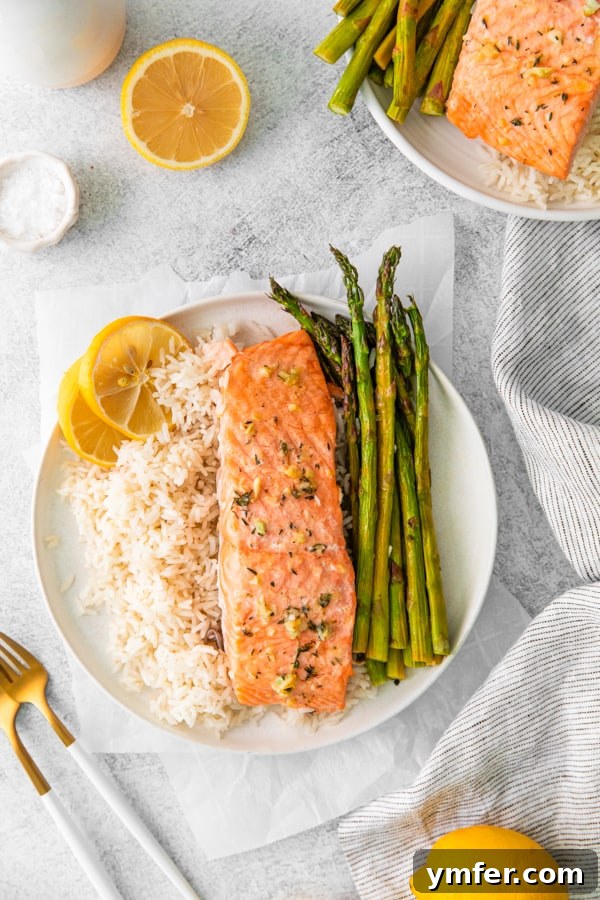
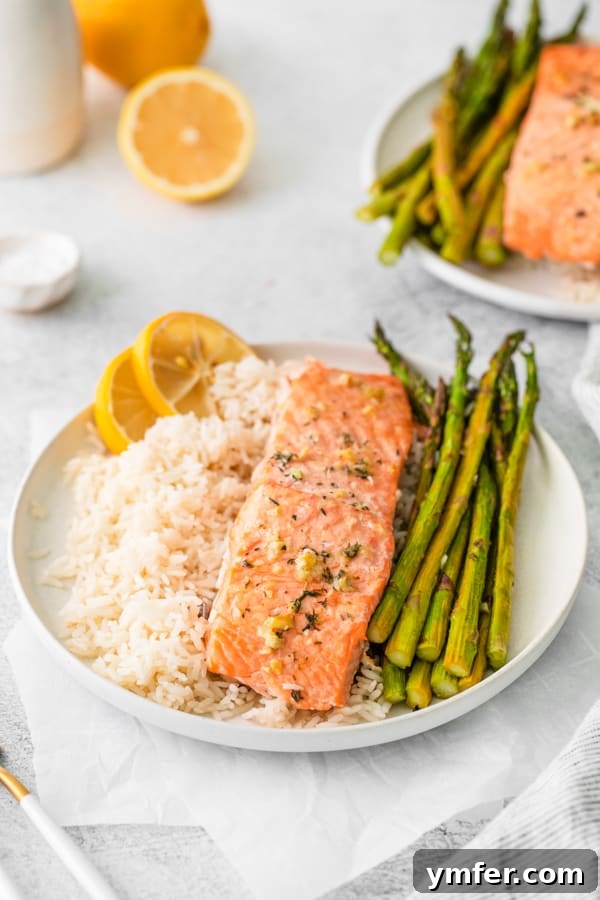
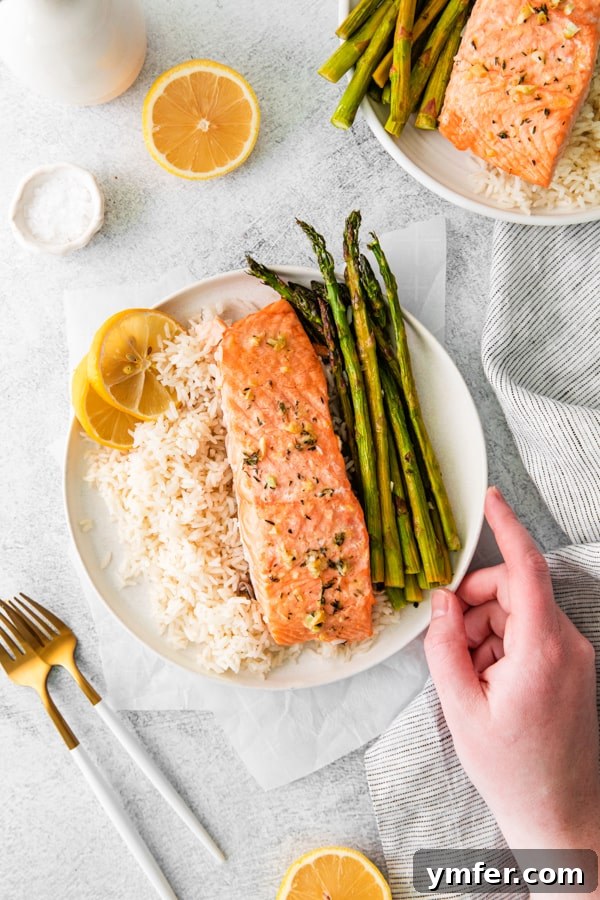
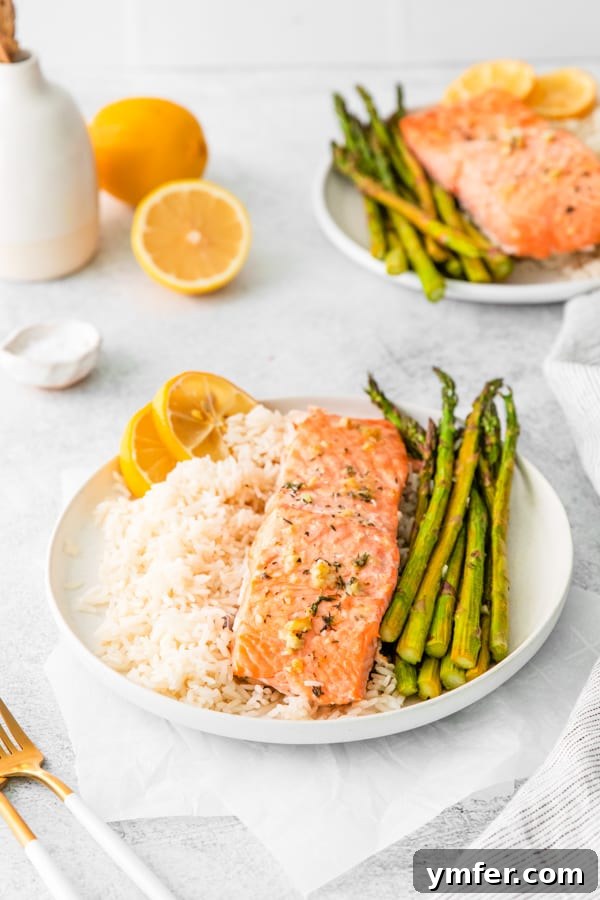
Welcome to your new go-to recipe for busy weeknights: Sheet Pan Lemon Salmon. This delightful dish combines tender salmon fillets with crisp asparagus, all bathed in a vibrant garlic-lemon butter sauce and seasoned with aromatic fresh thyme. It’s not just a meal; it’s a celebration of fresh flavors and effortless cooking, making it light, bright, and utterly delicious. Forget complicated preparations and endless cleanup – this recipe promises a wholesome, satisfying dinner for the whole family, all made on a single sheet pan.
Why Choose Sheet Pan Lemon Salmon for Your Next Meal?
In today’s fast-paced world, finding a meal that is both healthy and convenient can feel like a challenge. This Sheet Pan Lemon Salmon recipe rises to the occasion, offering a perfect solution for those seeking flavor without the fuss. Designed to feed a family of four, this dish truly simplifies dinner. Imagine coming home after a long day, knowing that a nutritious and incredibly tasty meal is just minutes away from being ready, with minimal effort and even less cleanup. It’s the ultimate antidote to weeknight fatigue, letting you enjoy more time with loved ones and less time scrubbing pots and pans. Paired wonderfully with fluffy white rice, quinoa, or a fresh side salad, it’s a versatile meal that fits perfectly into any healthy lifestyle.
The Unbeatable Convenience of Sheet Pan Cooking
Sheet pan meals have revolutionized home cooking, and for good reason. They are the epitome of efficiency, transforming a few simple ingredients into a complete meal using just one baking sheet. This means less prep, less active cooking time, and crucially, less washing up. The magic of sheet pan cooking lies in its ability to roast ingredients evenly, allowing flavors to meld beautifully while creating delicious caramelized edges on your salmon and tender-crisp asparagus. It’s an ideal method for beginners and experienced cooks alike, promising consistent results with minimal fuss.
Looking to explore other delicious salmon recipes? Dive into this delightful salmon pesto pasta for a different culinary adventure!
Key Ingredients for Your Sheet Pan Lemon Salmon
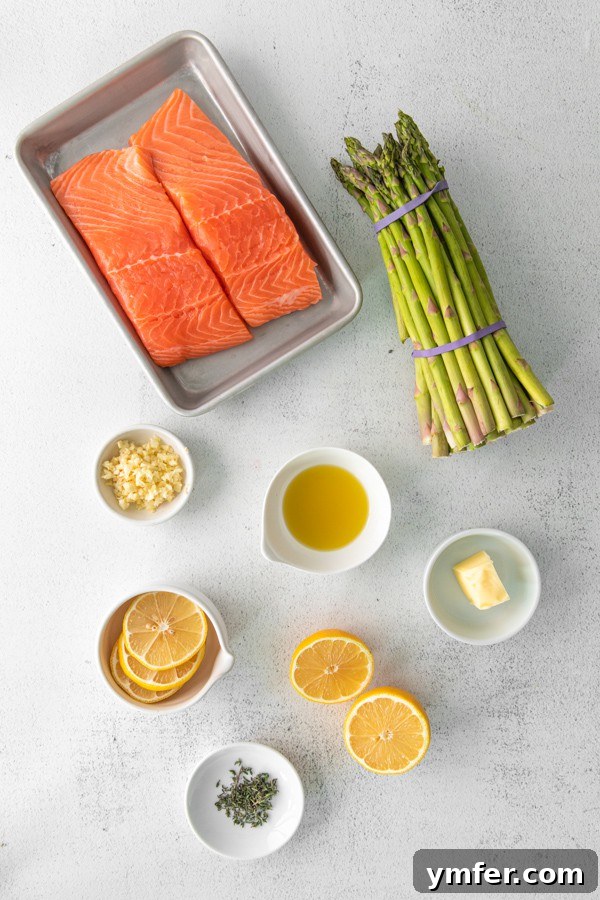
The success of any great recipe begins with quality ingredients. This lemon salmon dish is no exception, relying on fresh, vibrant components to deliver its signature bright and savory profile. Here’s a closer look at what you’ll need and why each element is crucial:
- Salmon Fillets: For this recipe, center-cut salmon fillets are highly recommended due to their uniform thickness, which ensures even cooking. You can use a whole fillet if preferred, just ensure it’s sliced to a consistent width. When selecting salmon, look for firm, moist flesh with a vibrant color and no strong fishy odor.
- Asparagus: A classic pairing with salmon, asparagus brings a fresh, slightly earthy crunch to the dish. Choose bright green, firm spears with tight buds. If asparagus isn’t in season or you prefer an alternative, green beans, broccoli florets, or even bell peppers make excellent substitutes.
- Olive Oil and Butter: This dynamic duo forms the base of our flavorful sauce. Olive oil helps achieve a beautiful crisp on the salmon and asparagus, while butter adds richness and depth of flavor. The combination prevents burning at higher roasting temperatures, ensuring a perfectly cooked result every time.
- Fresh Lemon: The star of the show, fresh lemon juice is indispensable. Its bright, zesty notes cut through the richness of the salmon and butter, elevating the entire dish. Always opt for fresh lemons over bottled juice for superior flavor and aroma. Lemon zest can also be added for an extra citrusy punch.
- Garlic: A timeless companion to both salmon and asparagus, garlic provides a pungent, aromatic foundation for the sauce. Freshly minced garlic delivers the most intense flavor, but if time is short, 1 teaspoon of garlic powder can be used as a convenient alternative.
- Fresh Thyme: Adding an herbaceous freshness, thyme complements the lemon and garlic beautifully. Its subtle, earthy notes enhance the natural flavors of the salmon and asparagus. If fresh thyme is unavailable, dried thyme can be used in smaller quantities (about 1/2 teaspoon), or consider other fresh herbs like dill or parsley for a similar aromatic touch.
- Salt and Freshly Ground Black Pepper: Essential for seasoning, these pantry staples bring out the best in all ingredients. Seasoning generously but judiciously ensures a balanced flavor profile.
Understanding Different Types of Salmon for Cooking
Salmon is a versatile and nutritious fish, but not all salmon are created equal. Knowing the different types can help you make an informed choice for your recipe and budget. There are generally six main types of salmon:
- King (Chinook) Salmon: Often regarded as the pinnacle of salmon, King salmon boasts a rich, buttery flavor and a high fat content, giving it a luxurious texture. It’s excellent for grilling, roasting, or pan-searing.
- Coho (Silver) Salmon: With a more delicate texture than King salmon, Coho still offers a beautiful flavor profile, albeit slightly milder. It’s a great all-around choice for many preparations.
- Pink (Humpback) Salmon: Commonly found in canned salmon, pink salmon has a lighter color and a milder, less oily flavor. While often canned, it can sometimes be found smoked or used for other preparations.
- Sockeye (Red) Salmon: Distinguished by its vibrant red flesh and firm texture, sockeye salmon has a strong, distinctive flavor. It’s a popular choice for grilling and broiling and is regularly available at markets.
- Atlantic Salmon: The most widely farmed salmon species, Atlantic salmon is known for its mild flavor, moist texture, and affordability. Despite being farm-raised, it is still a delicious and highly accessible option.
- Chum (Keta) Salmon: Also known as “dog salmon,” chum salmon has a lower fat content and a paler flesh. It is primarily sold overseas, used in pet food, or frozen, and is less commonly found as fresh fillets in North American markets.
Wild-Caught vs. Farm-Raised Salmon: A Practical Perspective
The debate between wild-caught and farm-raised salmon is a frequent topic among food enthusiasts, often focusing on sustainability, nutritional differences, and environmental impact. While wild-caught salmon often has a more intense flavor and a leaner profile due to its natural diet and active lifestyle, farm-raised salmon is consistently available, often more affordable, and offers a reliable source of healthy omega-3 fatty acids.
My personal belief is pragmatic: eating salmon is not always an everyday budget item for every household. The most important thing is to incorporate this incredibly healthy fish into your diet whenever possible. Therefore, purchase whatever type of salmon is accessible and affordable for you and your family to enjoy a delicious, nutritious meal. There is absolutely no shame in choosing farm-raised over wild-caught; both offer significant health benefits.
Selecting the Best Salmon for This Recipe
For this Sheet Pan Lemon Salmon recipe, I highly recommend using center-cut salmon fillets. This particular cut is favored because the slices are relatively uniform in size and thickness from one end to the other. This consistency is crucial for ensuring that all pieces of salmon cook evenly at the same rate, preventing some parts from being undercooked while others are overdone. Even cooking leads to perfectly tender, flaky salmon every time.
Optimal Cooking Temperatures for Salmon
Achieving perfectly cooked salmon involves understanding the slight differences in recommended internal temperatures for wild-caught versus farm-raised varieties:
- Wild-caught salmon is best cooked to an internal temperature of 120 degrees F (49 degrees C). At this temperature, the salmon will be moist, tender, and beautifully flaky.
- Farmed salmon, with its slightly higher fat content, can be cooked a little higher, to 125 degrees F (52 degrees C), while still retaining its desirable texture and moisture.
The variation in cooking temperatures is primarily due to the differing fat content between wild and farmed salmon. Wild salmon tends to be leaner, so cooking it to a lower temperature helps prevent it from drying out. Farmed salmon’s higher fat content provides a buffer, allowing it to remain succulent even at a slightly higher internal temperature. Always use a reliable instant-read thermometer inserted into the thickest part of the fillet to ensure accuracy and food safety.
Storing and Reheating Leftover Sheet Pan Salmon and Asparagus
Proper storage is key to enjoying your delicious leftovers. Any remaining sheet pan lemon salmon and asparagus should be stored in an airtight container and refrigerated promptly. Consume within 3 days for the best quality and safety.
Leftover salmon is incredibly versatile! Flake the salmon and mix it with rice and other roasted vegetables for a quick and easy lunch. It’s also fantastic in salads, wraps, or even gently reheated in a pan over low heat (or in the oven) to avoid drying it out. Reheat asparagus separately or add it to the salmon just for the last few minutes of reheating to maintain its crispness.
For those who love a bold flavor, try this 20-minute blackened salmon for an exciting twist!
More Effortless Sheet Pan Meal Ideas
Once you discover the ease and deliciousness of sheet pan cooking, you’ll want to make it a regular part of your meal rotation. Here are some more fantastic sheet pan recipes to inspire your culinary adventures:
- For a light and flavorful dinner, my Sheet Pan Mediterranean Chicken is an excellent choice, packed with fresh vegetables and zesty flavors.
- If you need a showstopper for summer gatherings, try my Sheet Pan Spatchcocked Cornish Hens with Summer Vegetables for an impressive yet simple feast.
- Craving the bright flavors of lemon and garlic with chicken? My Sheet Pan Garlic Lemon Chicken and Mushrooms is sure to satisfy.
- For a super easy and hearty dinner, don’t miss my Sheet Pan Chicken Sausage and Vegetables, a customizable meal that’s perfect for using up whatever veggies you have on hand.
5 out of 5 stars (from 1 vote)
Sheet Pan Lemon Salmon
Share by Email
Print Recipe
Equipment
-
Extra Virgin Olive Oil
-
Parchment Paper Sheets
-
Baking Sheet Pan
Ingredients
- 2 center cut salmon fillets, about 6 ounces each
- 3/4 pound asparagus, with the ends trimmed
- 2 tablespoons olive oil
- 2 tablespoons butter, melted
- 1 lemon, juiced
- 2 cloves garlic, minced
- 1 teaspoon freshly minced thyme
- 3-4 slices fresh lemon
- Kosher salt and freshly ground black pepper, to taste
Instructions
-
Preheat your oven to 400 degrees F (200 degrees C). Line a large baking sheet with foil or parchment paper. This crucial step prevents sticking and ensures effortless cleanup after your meal.
-
Arrange the salmon fillets on one side of the prepared baking sheet, leaving some space between each fillet. Place the trimmed asparagus spears on the other side of the baking sheet, ensuring they are in a single layer for even cooking.
-
In a small bowl, combine the olive oil, melted butter, freshly squeezed lemon juice, minced garlic, and minced fresh thyme. Whisk these ingredients together until well combined, creating your aromatic garlic-lemon butter sauce.
-
Generously brush the salmon fillets and asparagus spears with the prepared butter mixture. Ensure all surfaces are coated for maximum flavor. Lightly sprinkle both the salmon and asparagus with kosher salt and freshly ground black pepper to taste. Top the salmon with fresh lemon slices for added flavor and presentation.
-
Place the baking sheet in the preheated oven and roast for 10 minutes. After 10 minutes, gently turn the asparagus spears to ensure even cooking and color. Continue to roast for an additional 5 minutes.
-
To achieve a beautiful golden-brown top and crisp texture on your salmon, carefully switch the oven setting to broil on high heat. Broil for 2-3 minutes, keeping a close eye on the salmon to prevent burning, as broiler temperatures can vary. The salmon should be flaky and cooked through (check internal temperature as mentioned above).
-
Carefully remove the sheet pan from the oven. Serve the lemon salmon and asparagus immediately, ideally over a bed of white rice, quinoa, or with a fresh salad. Drizzle any additional pan juices and sauce over the top, and garnish with freshly chopped parsley for a final touch of freshness and color.
-
Store any leftover salmon and asparagus in an airtight container in the refrigerator for up to two days. Reheat gently to preserve moisture and flavor.
Nutrition
Serving: 1g
Calories: 370kcal
Carbohydrates: 6g
Protein: 27g
Fat: 27g
Saturated Fat: 7g
Polyunsaturated Fat: 17g
Cholesterol: 87mg
Sodium: 127mg
Fiber: 2g
Sugar: 2g
Nutrition information is automatically calculated, so should only be used as an approximation.
Additional Info
Tried this recipe? Mention @NutmegNanny or tag #nutmegnanny!