
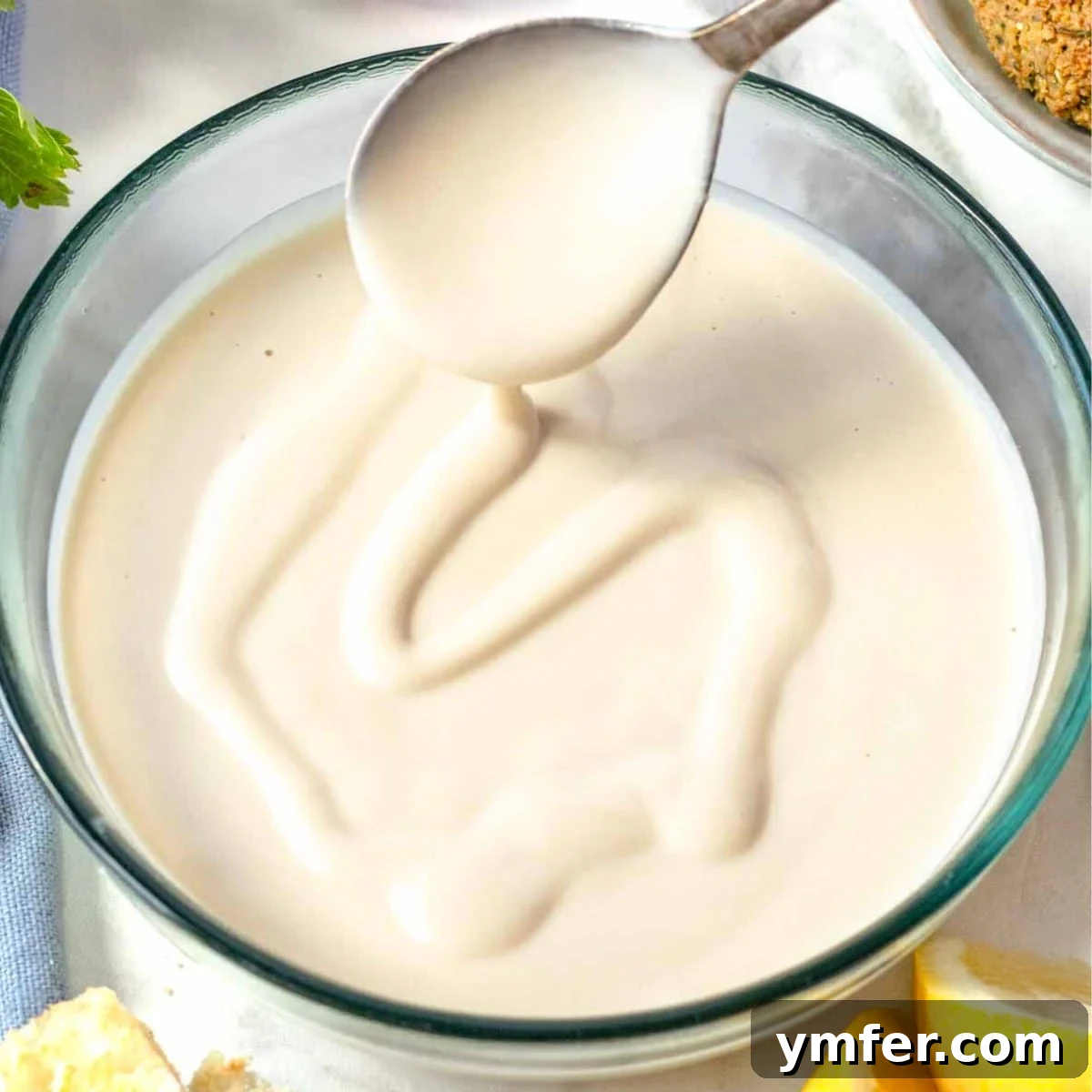
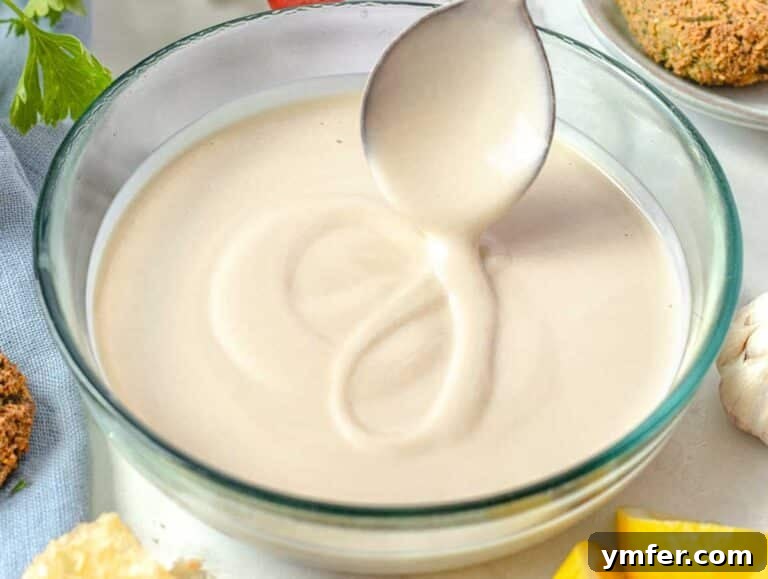
Tahini sauce is a beloved and versatile condiment, celebrated across Mediterranean and Middle Eastern cuisines for its creamy, nutty, and inherently healthy profile. This culinary staple boasts a perfectly pourable consistency and a velvety-smooth texture, making it an ideal accompaniment for a myriad of dishes. If you’re eager to explore more delightful ways to incorporate this sesame-based wonder into your meals, consider trying our other popular tahini recipes, such as our refreshing tahini salad, classic hummus, or the innovative tahini yogurt sauce.
What is Tahini Sauce? The Culinary Gem You Need to Master
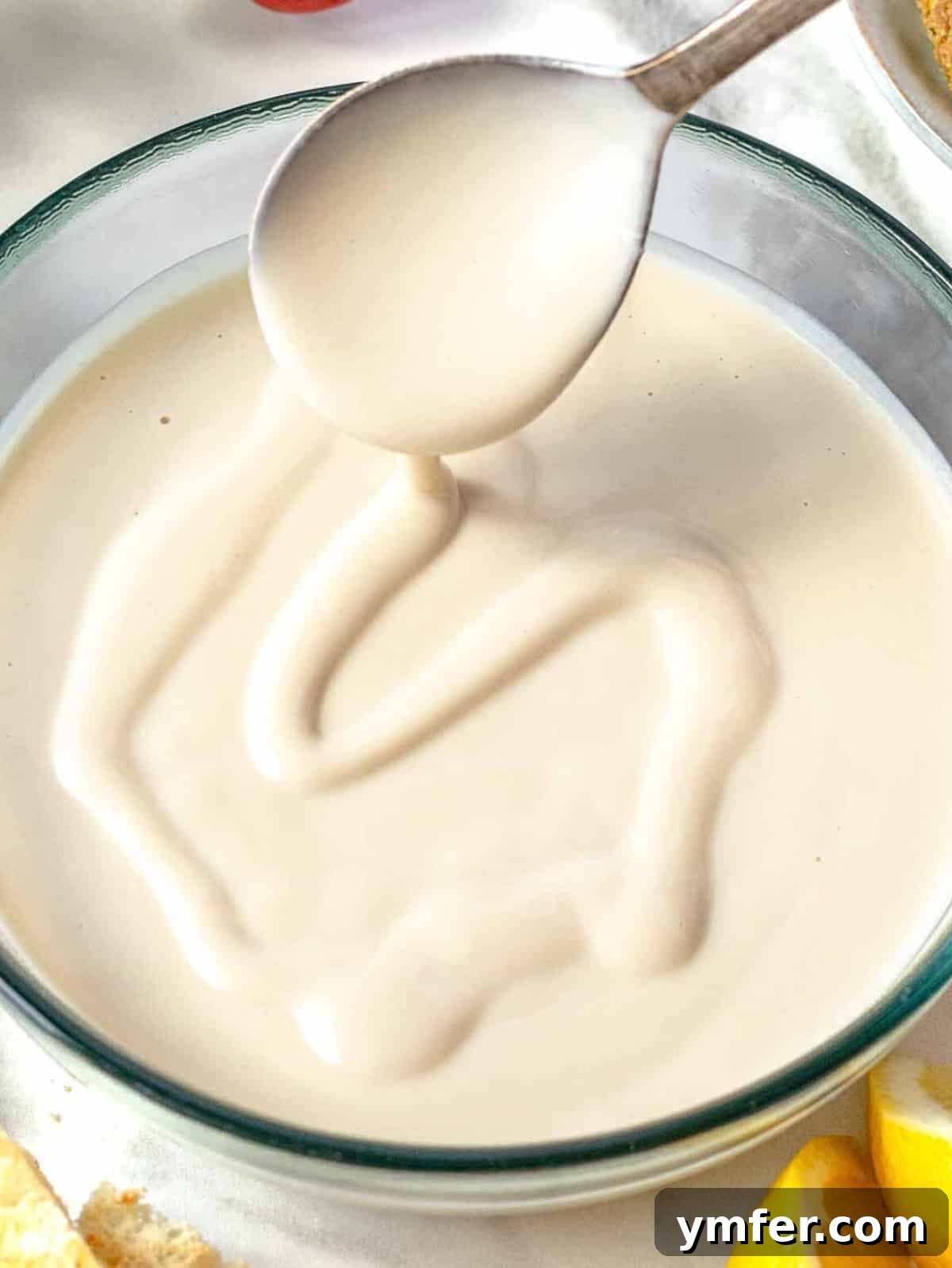
Tahini sauce is a sublime creamy condiment integral to Middle Eastern and Mediterranean gastronomy. At its core, it’s a simple yet profoundly flavorful emulsion crafted from tahini (sesame paste), fresh lemon juice, cold water, a touch of salt, and often, crushed garlic. Its magic lies in its ability to elevate simple dishes with its distinctive nutty flavor and luxurious texture.
In our kitchen, this sauce is a constant fixture. We prepare it frequently to accompany staples like our homemade hummus, warm pita bread, and crispy falafel. What makes it truly remarkable is its effortless preparation – a mere 5 minutes is all it takes to transform a few basic ingredients into a rich, versatile, and incredibly nutritious sauce. Indeed, it stands as one of the most frequently used condiments in our home, adding depth and creaminess to countless meals.
Beyond the classics, tahini sauce shines when drizzled over an array of Mediterranean appetizers. Imagine it enhancing the fresh vibrancy of fattoush salad, complementing the smoky notes of baba ganoush, or adding a rich dimension to masabacha. Its dairy-free nature means it offers a rich, creamy mouthfeel without any dairy, making it a fantastic option for various dietary preferences. The consistency is a dream – it flows beautifully, ensuring an even distribution of its incredible flavor over every bite.
This humble sauce isn’t just delicious; it’s also a powerhouse of nutrition, thanks to its sesame seed base. Rich in essential minerals, healthy fats, and protein, tahini sauce contributes to a balanced diet while satisfying the palate. Its simplicity belies its profound impact on flavor, transforming ordinary meals into extraordinary culinary experiences.
Essential Ingredients for Perfect Tahini Sauce
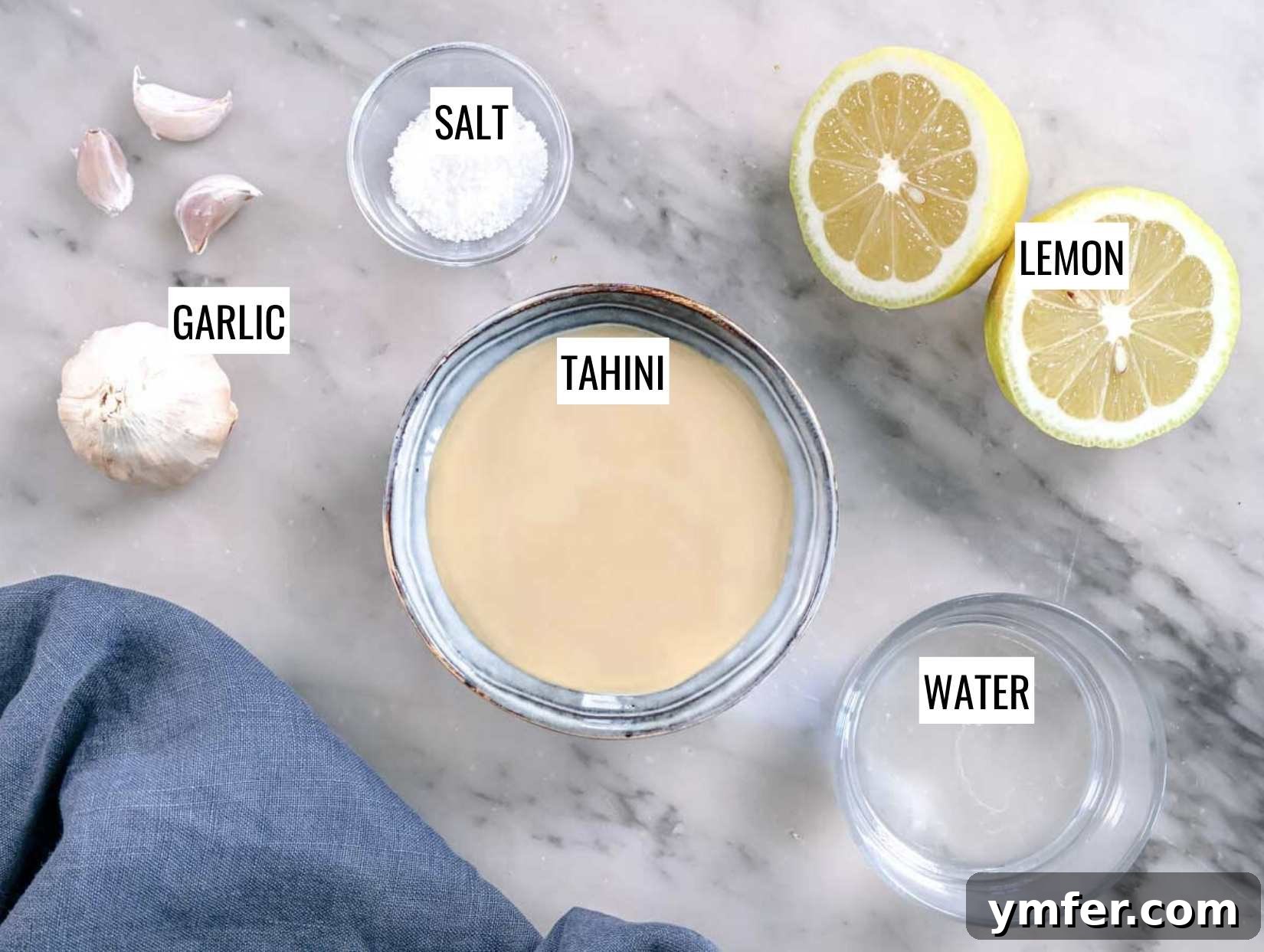
The secret to a truly outstanding tahini sauce lies in the quality of its few, but vital, ingredients. While the full list with precise quantities and substitution tips can be found in the recipe box below, let’s delve into what makes each component indispensable:
- Tahini: The Heart of the Sauce
Also known as tahina (طحينة in Arabic), tahini is a creamy paste made from ground sesame seeds. It’s a foundational condiment throughout the Levant, Eastern Mediterranean, and North Africa, typically blended with other ingredients to create sauces, dips, and dressings. The quality of your tahini directly impacts the final flavor and texture of your sauce. For the very best tahini sauce, always start with high-quality tahini.
- Choosing the Best Tahini: Look for a tahini that is light beige in color, smooth, and easily pourable. This usually indicates it’s made from 100% hulled, lightly roasted sesame seeds, which yield a mellow, rich, and slightly sweet flavor.
- What to Avoid: Steer clear of tahini that appears dark, gritty, or overly pasty. These characteristics often suggest it’s made from unhulled sesame seeds or roasted too darkly, resulting in a bitter, astringent, or less refined taste. Always check the label: premium tahini should list only one ingredient – 100% hulled sesame seeds.
- Lemon Juice: The Brightening Agent
Freshly squeezed lemon juice is non-negotiable for an authentic tahini sauce. Its vibrant acidity cuts through the richness of the tahini, adding a crucial bright and clean flavor that bottled lemon juice simply cannot replicate. The natural acids also play a key role in the emulsification process, helping the sauce achieve its creamy consistency.
- Garlic: The Aromatic Whisper
For tahini sauce, the method of preparing garlic is as important as its inclusion. Use only lightly crushed garlic – avoid mincing or grating it. Crushing a clove with the flat side of a chef’s knife allows for a gentle release of its aromatic oils, infusing the sauce with a subtle, delicate garlic flavor without overwhelming it. Minced or grated garlic can be too intense and may introduce a gritty texture, which detracts from the smooth, velvety mouthfeel we aim for in tahini sauce.
- Cold Water: The Consistency Controller
The addition of cold water is crucial for achieving the perfect pourable consistency and contributing to the sauce’s creaminess. It also plays a surprising role in the “tahini shock” phenomenon (explained in the “How to Make” section), helping the tahini emulsify beautifully.
- Salt: The Flavor Enhancer
A pinch of salt is essential to balance and enhance all the flavors in the sauce. It brings out the nuttiness of the tahini and brightens the lemon, ensuring a well-rounded and harmonious taste.
Exciting Tahini Sauce Variations to Explore
While classic tahini sauce is a masterpiece on its own, its versatility makes it an excellent base for creative variations. Experiment with these additions to tailor the sauce to your taste or specific dishes:
- Spiced Tahini: For a more assertive and warm flavor profile, whisk in ¼ teaspoon of ground cumin, sumac, or smoked paprika. Cumin adds an earthy depth, sumac offers a tangy, citrusy note, and smoked paprika provides a smoky, sweet heat. These variations are fantastic with roasted vegetables or grilled meats.
- Herbed Tahini: Infuse fresh, herbaceous notes by stirring in 1–2 tablespoons of finely chopped fresh parsley, mint, or chives. Parsley adds a clean, bright flavor; mint provides a refreshing coolness, especially good in summer salads; and chives offer a mild oniony zest. This variation pairs beautifully with grain bowls or light salads.
- Yogurt Tahini: To achieve an extra creamy, tangy, and slightly thicker sauce, whisk in 2–3 tablespoons of plant-based yogurt (such as coconut or almond yogurt) or traditional Greek yogurt. This variation is superb as a rich dip for crudités or as a dressing for heartier salads.
- Sweet Tahini: Transform your savory sauce into a delightful sweet-savory dressing by adding 1–2 teaspoons of maple syrup or honey. This version is surprisingly delicious drizzled over fresh fruit, oatmeal, or even as a unique topping for pancakes or waffles.
How to Craft the Perfect Tahini Sauce: A Step-by-Step Guide
Making tahini sauce is a straightforward process that yields incredibly rewarding results. Follow these simple steps for a consistently smooth and flavorful condiment:
Step 1: Prepare Your Tahini
Before you begin mixing, always give your tahini jar a thorough stir. Tahini is a natural product, and its sesame oil tends to separate and rise to the top over time, leaving a denser paste at the bottom. A good stir ensures that the paste is homogenous and smooth, which is fundamental for achieving the desired velvety texture in your sauce.
Step 2: The Emulsification Process – Mixing the Base Ingredients
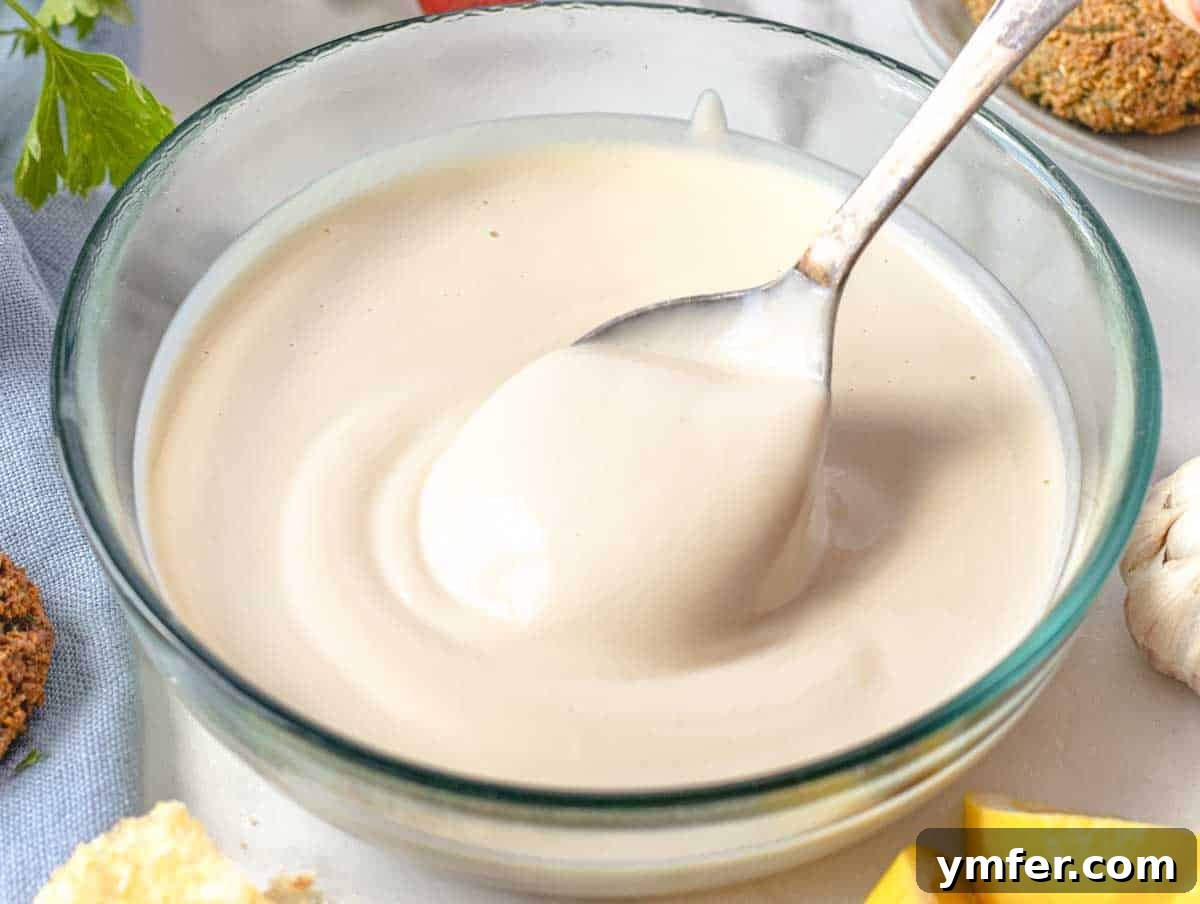
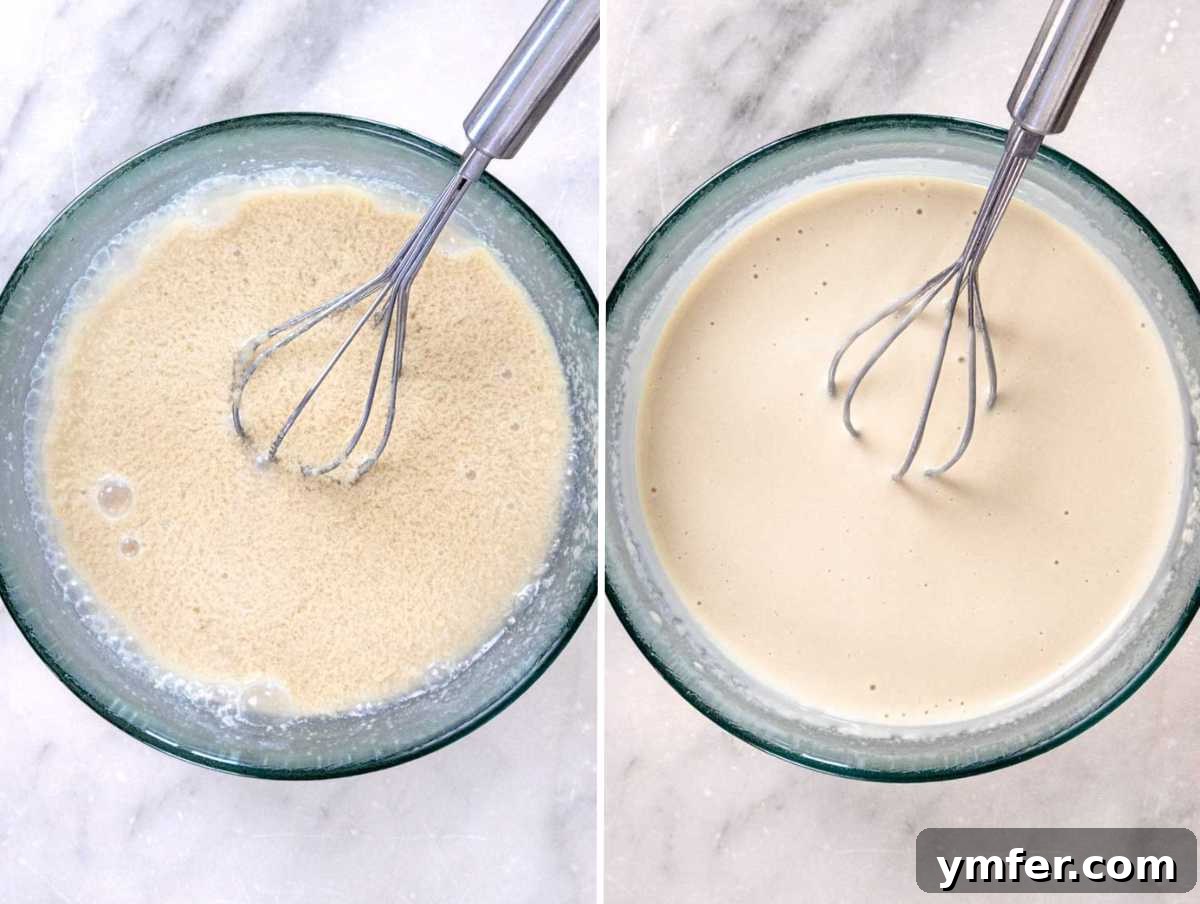
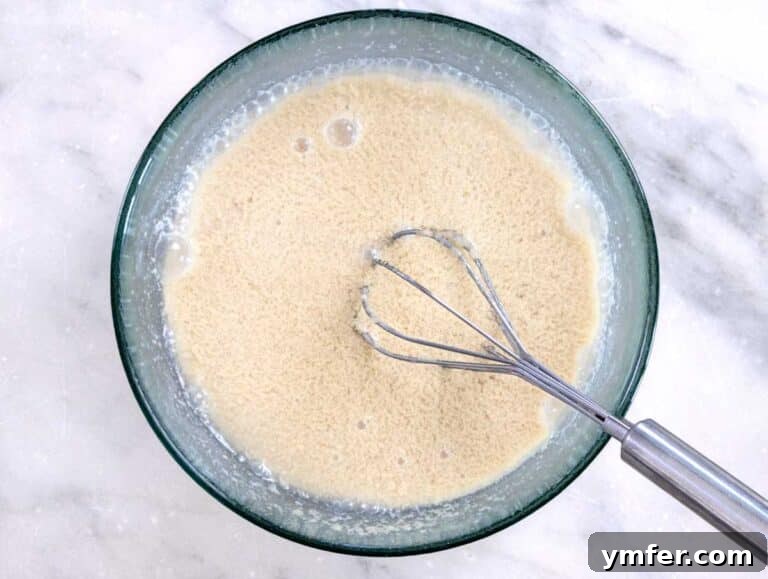
Transfer the well-stirred tahini into a medium-sized mixing bowl. Add the freshly squeezed lemon juice, a measure of cold water, and a pinch of salt. Now, begin whisking vigorously. Don’t be alarmed if, at first, the mixture transforms into a thick, grainy, and seemingly “curdled” paste. This phenomenon, often referred to as “tahini shock,” is entirely normal and a good sign! It indicates that the tahini and water are beginning to emulsify. Continue whisking steadily for about a minute. You will observe a magical transformation as the texture smooths out, becoming a beautiful, velvety, and light-beige sauce. The cold water is key here, helping to bind the fats and liquids into a stable emulsion.
Step 3: Infuse with Gentle Garlic Flavor
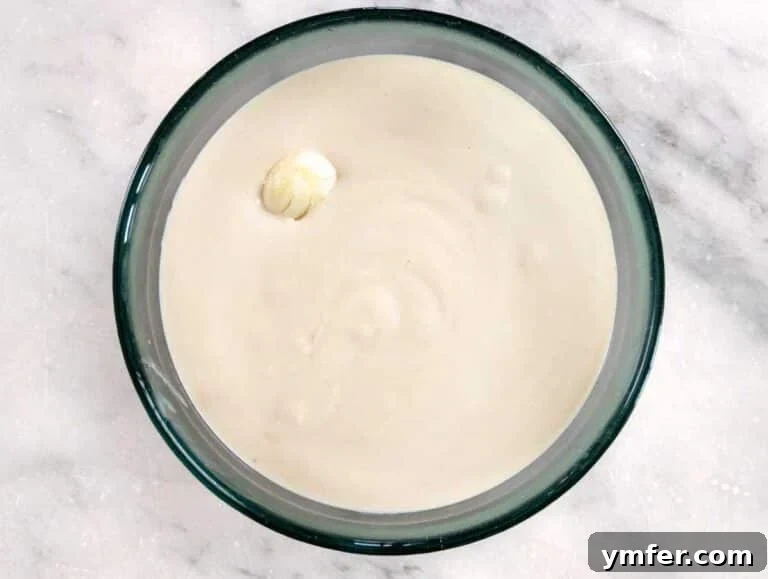
Take one clove of garlic and lightly crush it. The best way to do this is by pressing down on it with the flat side of a chef’s knife until it cracks open, without mincing it finely. Stir this crushed clove directly into your smooth tahini sauce. Allow it to infuse for five to ten minutes. This gentle infusion technique imparts a subtle, nuanced garlic flavor that complements the tahini perfectly, without overpowering it. It’s crucial to avoid using grated, pressed, or finely minced garlic, as these methods release too much aggressive garlic flavor and can also introduce unwanted grittiness into your otherwise silky sauce.
Step 4: Taste and Adjust for Perfection
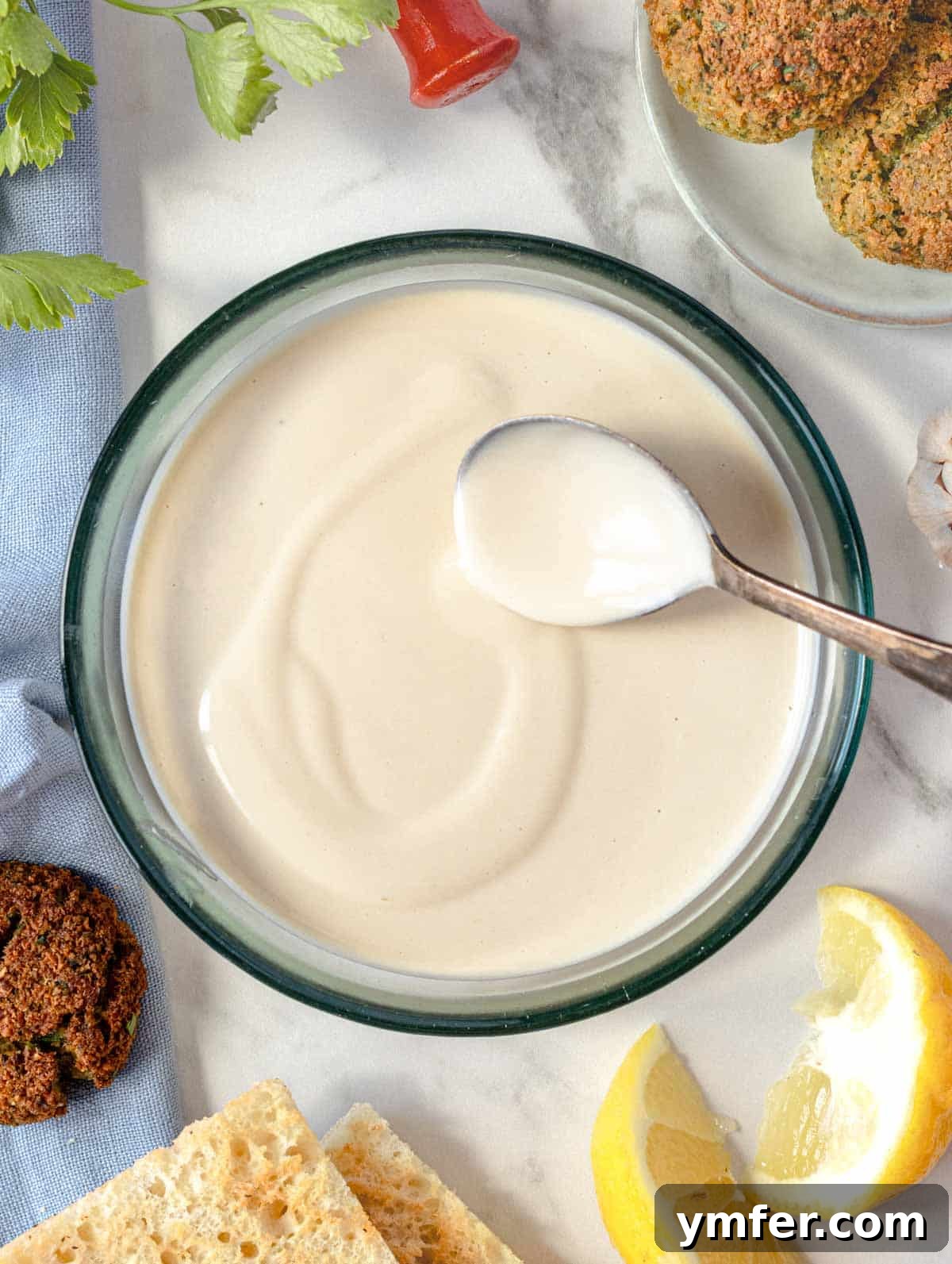
Once the garlic has infused, remove the clove. Taste your tahini sauce and adjust the seasoning to your preference. If you desire more brightness, add another splash of lemon juice. If it needs more depth of flavor, sprinkle in a bit more salt. Should the sauce be too thick for your liking, gradually whisk in a small amount of cold water, a tablespoon at a time, until it reaches your desired pourable consistency.
Step 5: Final Touches and Storage Guidance
It’s important to remember that tahini sauce has a tendency to thicken as it sits, especially when refrigerated. If you’ve prepared it in advance, or notice it has thickened upon serving, simply stir in a tablespoon or two of cold water before use until it regains its beautifully smooth, drizzleable texture. This sauce stores exceptionally well for several days in a sealed container in the refrigerator, often becoming even more flavorful as the ingredients meld over time.
Creative Ways to Serve Your Homemade Tahini Sauce
Tahini sauce is a remarkably adaptable condiment that enhances an incredible array of dishes. Its rich, nutty, and tangy profile makes it a perfect companion for almost any vegetable, legume, salad, or grain bowl. Here are some inspiring ideas to incorporate this versatile sauce into your culinary repertoire:
- Elevate Your Vegetables: Tahini sauce beautifully complements roasted, grilled, or steamed vegetables.
- Drizzle generously over a majestic whole roasted cauliflower, allowing its creamy texture to seep into every florets.
- Serve alongside stuffed eggplant, perhaps filled with a vibrant couscous salad, for a complete and satisfying meal.
- Transform humble roasted carrots and tender roasted eggplant into gourmet side dishes with a generous swirl of tahini.
- Dress Up Your Salads: Forget ordinary dressings; tahini sauce adds a unique creaminess and depth to any salad.
- It’s a classic pairing with the fresh herbs and bulgur of tabbouleh.
- Bring an unexpected twist to Israeli couscous salad, complementing its hearty grains.
- Enhance a wholesome quinoa chickpea salad with a rich and binding tahini dressing.
- The Ultimate Dip: Tahini sauce is an exceptional dip, perfect for gatherings or a simple snack.
- Serve it alongside crispy flatbread pizza or classic pita chips for a delightful crunch.
- It’s a fantastic, healthy alternative to heavier dips when paired with an assortment of fresh veggie sticks like cucumber, carrots, and bell peppers.

The Golden Rule for Exceptional Tahini Sauce
If there’s one piece of advice we want you to remember from this guide, it’s this vital tip concerning your tahini selection:
“For truly creamy and authentic tahini with a perfectly balanced flavor, always make an effort to source tahini made from hulled sesame seeds and that is naturally light in color. The finest examples are typically produced in the Levant region, in countries such as Lebanon or Palestine. It is crucial to avoid unhulled sesame pastes, which tend to be dark and gritty. We cannot overstate how important it is to seek out authentic, high-quality tahini. The undeniable key to achieving a truly creamy, dreamy sauce lies squarely in the tahini itself.”
Yotam Ottolenghi and Noor Murad, Ottolenghi Test Kitchen: Shelf Love: Recipes to Unlock the Secrets of Your Pantry, Fridge, and Freezer: A Cookbook. Page 19.
Investing in good tahini will make a world of difference in the final taste and texture of your sauce, turning a simple condiment into a culinary delight.
Frequently Asked Questions About Tahini Sauce
Do you refrigerate tahini?
Yes, it is highly recommended to refrigerate tahini once it has been opened. This is because the delicate sesame oils can become rancid more quickly at room temperature, especially in warmer climates. Refrigeration helps to preserve its freshness and extend its shelf life significantly. You can typically refrigerate opened tahini for 5 to 6 months without it spoiling.
The main drawback of cold tahini is that its consistency thickens, making it harder to stir and incorporate into recipes. If you find your tahini too stiff from the fridge, simply take it out about 10 minutes before you plan to use it and give it a good stir with a spoon. This will help loosen it up to a more manageable consistency.
Is tahini similar to peanut butter?
While both tahini and peanut butter are rich, creamy spreads, they taste distinctly different because they are made from different primary ingredients. Tahini is made from ground sesame seeds, offering a unique earthy, nutty, and slightly bitter flavor profile. Peanut butter, on the other hand, is made from peanuts and has a characteristic sweet and savory peanut flavor.
However, they do share some similarities. Like most seed and nut butters, they possess a rich, sticky, and silky texture. Nutritionally, they also have a comparable macronutrient content, being good sources of fats, carbohydrates, and protein, providing sustained energy.
Is tahini sauce healthy?
Absolutely! Thanks to its primary ingredient, sesame seeds, tahini sauce is a wonderfully wholesome and nutritious condiment. It is particularly rich in essential minerals such as calcium, magnesium, iron, and phosphorus, all vital for bone health and overall bodily functions. Furthermore, it’s a great source of protein, making it an excellent addition for those seeking plant-based protein options. Tahini also contains beneficial mono- and poly-unsaturated fats, which are known to be heart-healthy. These good fats contribute to satiety, helping you feel full and energized throughout your day, making tahini sauce a smart and delicious choice for a healthy diet.
How do you store tahini sauce?
Proper storage is key to enjoying your tahini sauce for longer. Here’s how:
- Make Ahead: Tahini sauce can be prepared up to 4 days in advance. Note that it will thicken considerably in the refrigerator, so you may need to stir in a tablespoon or two of cold water to thin it back to the desired consistency before serving after 24 hours.
- Refrigerator: Store freshly made tahini sauce in a clean, airtight jar or container in the refrigerator for up to 5 days. Always give it a good stir before serving, and don’t hesitate to add a splash of lemon juice or cold water if it has become too thick.
- Freezer: For longer storage, tahini sauce can be frozen. Pour it into ice cube trays and freeze until solid. Once frozen, transfer the tahini cubes to a freezer-safe bag or container. It can be stored in the freezer for up to 6 months. To use, simply thaw the desired number of cubes overnight in the refrigerator, then stir and adjust consistency with water or lemon juice as needed.
Discover More Easy & Flavorful Sauces and Condiments
If you’ve enjoyed mastering the art of tahini sauce, you’ll love exploring other simple yet impactful condiments that can transform your everyday cooking. For more inspiration and diverse flavor profiles, take a peek at our curated selection of easy-to-make sauces and dressings here:
- Chipotle Sauce (Mexican-inspired, smoky and spicy)
- Dairy-Free Mayo (A versatile international staple, perfect for vegans)
- Marinara Sauce (Classic Italian, rich and tomato-based)
- Tzatziki (Refreshing Greek cucumber and yogurt dip)
- Cilantro Lime Dressing (Zesty and herbaceous, with a Southern flair)
- Chermoula Sauce (Moroccan, aromatic herb and spice marinade/sauce)
- Romesco Sauce (Spanish, vibrant roasted pepper and nut sauce)
- Raita (Indian, cooling yogurt-based condiment)
We truly cherish your feedback! If you tried this Tahini Sauce recipe or any other recipe from our blog, please consider leaving a 🌟 star rating and sharing your experience in the comments section below. Your insights and culinary adventures mean the world to us!

Tahini Sauce
Share
Video
Ingredients
- ⅓ cup tahini made with 100% hulled sesame seeds, light-colored, and pourable – not thick
- ⅓ cup water add more if necessary to reach your desired consistency
- 2 tbsp lemon juice
- 1 clove garlic peeled and crushed
- ¼ tsp salt or more to taste
Instructions
-
Stir the tahini: Mix well in the jar to reincorporate any separated oil.Whisk the base: In a bowl, combine ⅓ cup tahini, ⅓ cup water, 2 tbsp lemon juice, and ¼ tsp salt. Whisk for 1 minute until smooth and creamy. The mixture will curdle at first—keep whisking until velvety.

-
Add garlic: Crush 1 clove garlic and stir it in. Let infuse for 5–10 minutes, then remove. Avoid grated or minced garlic to keep the texture smooth.
-
Adjust and Serve: Add more lemon juice, salt, or water as needed. Serve with hummus, pita, and falafel.
Notes
VARIATIONS
- Spiced Tahini: Mix in ¼ tsp ground cumin, sumac, or smoked paprika for bold flavor.
- Herbed Tahini: Stir in 1–2 tbsp finely chopped parsley, mint, or chives for a fresh twist.
- Yogurt Tahini: Whisk in 2–3 tbsp plant-based (or Greek) yogurt for a creamier, tangier sauce.
- Sweet Tahini: Add 1–2 tsp maple syrup or honey to make a sweet-savory dressing.
HOW TO PICK THE BEST TAHINI
If you want creamy, authentic tahini with balanced flavor, go traditional whenever possible.
Look for tahini that has a light beige or sandy color and a smooth, pourable texture. This usually indicates that it’s made from hulled, roasted sesame seeds—the kind used in Middle Eastern kitchens for generations.
Avoid tahini that’s dark, thick, gritty, or pasty. These are often made from unhulled seeds, which can taste bitter and lack the mellow richness of good-quality tahini.
Check the label: the only ingredient should be 100% hulled sesame seeds. No added oils, salt, or preservatives.
STORAGE
- Make Ahead: Can be prepared up to 4 days in advance; may need water to thin after 24 hours.
- Refrigerator: Store in a sealed jar for up to 5 days. Stir before serving; add lemon juice or water if it thickens.
- Freezer: Freeze in ice cube trays for up to 6 months. Thaw overnight in the fridge.
Nutrition Facts (Per Serving)
Tried this recipe?Leave a comment below or mention @theplantbasedschool on Instagram. We love hearing from you ⭐️ 💚.