
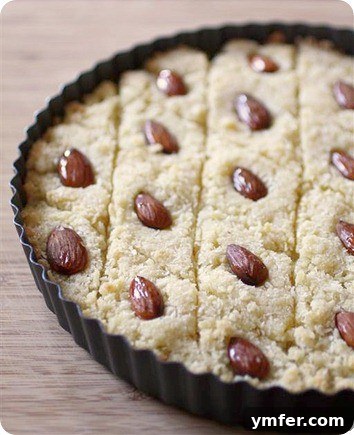
Welcome to a culinary journey into the heart of Middle Eastern sweets! Today, we’re diving into the delightful world of Basbousa – a traditional semolina cake renowned for its moist texture, rich flavor, and aromatic rose water-scented sugar syrup. This incredibly delicious and surprisingly simple dessert is a true testament to the elegance of Middle Eastern baking, combining humble ingredients like semolina flour, almonds, and coconut into a truly unforgettable treat.
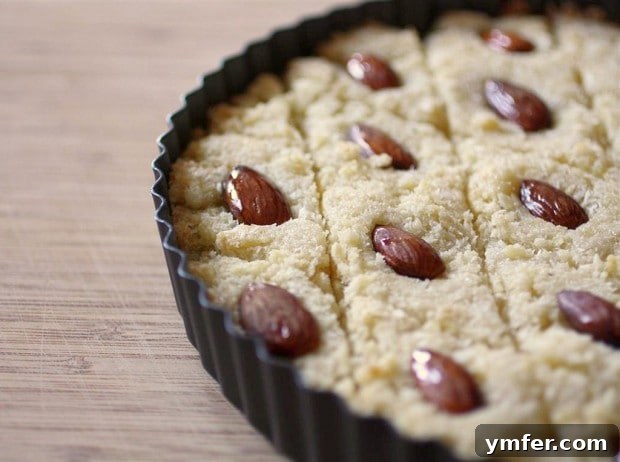
Today’s culinary exploration brings us to the second installment of The Secret Recipe Club, an exciting initiative that connects food bloggers and encourages us to discover and recreate each other’s recipes. This month, I had the distinct pleasure of being paired with Avanika, the creative mind behind the truly delicious blog, Yumsilicious Bakes. Her site is a treasure trove of inspiring recipes, and as I scrolled through her extensive collection, I found myself bookmarking several dishes I was eager to try. The sheer variety made it incredibly challenging to pick just one – a delightful dilemma for any food enthusiast!
After much consideration and a good dose of curiosity, I finally decided to make her recipe for Basbousa. I must admit, I had never encountered this particular dessert before, and its unfamiliar name immediately piqued my interest. In her post, Avanika described Basbousa as a traditional Middle Eastern dessert, drawing a fascinating comparison to the Indian dessert, Coconut Halva. This intrigued me even more, promising a blend of flavors and textures I was eager to experience firsthand. The idea of uncovering a new, yet ancient, sweet tradition was incredibly exciting.
The Allure of Basbousa: A Taste Sensation
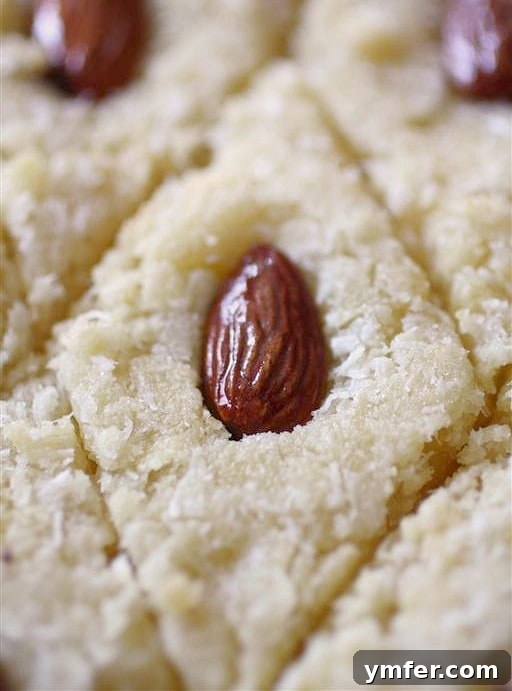
Upon tasting the Basbousa, I was immediately captivated. The coconut flavor, while distinct and present, is beautifully mild, offering a subtle sweetness that doesn’t overpower the other components. The texture is truly unique – it’s akin to a dense bar cookie, incredibly satisfying and holds its shape perfectly. What truly elevates this dessert is the exquisite rose water-infused sugar syrup. It imparts precisely the right amount of sweetness, soaking into the semolina cake to create an incredibly moist and tender crumb that simply melts in your mouth.
This was also my inaugural experience using rose water in my baking, and I approached it with a touch of apprehension. I worried that its distinctive floral notes might be too strong or artificial, potentially overwhelming the delicate balance of the dessert. Happily, my fears were completely unfounded. The rose water worked in perfect harmony with all the other flavors, adding a fragrant, almost ethereal quality that transformed the Basbousa into something truly special. It’s a subtle yet essential element that truly defines this Middle Eastern delicacy, elevating it from a simple cake to an aromatic masterpiece. I made no significant alterations to Avanika’s original recipe, save for using unblanched almonds for decoration, which worked just as beautifully. The true beauty of this Basbousa recipe lies in its remarkable simplicity – everything comes together effortlessly, mixes quickly, and bakes into perfection. What could possibly be more appealing than such an easy, yet immensely rewarding, baking project?
Understanding Basbousa: A Middle Eastern Classic
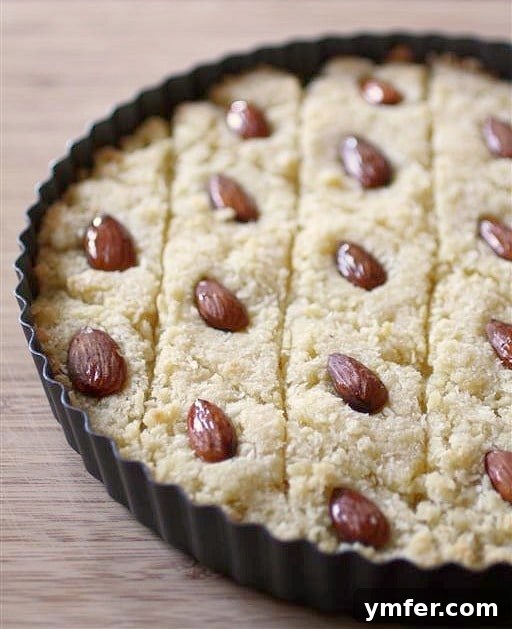
Basbousa is more than just a dessert; it’s a culinary icon across the Middle East, North Africa, and even parts of the Mediterranean. Known by various names such as Hareesa, Namoura, or Revani, depending on the region, this semolina cake is a staple at family gatherings, religious festivals, and casual tea times. Its origins are deeply rooted in ancient traditions, with variations found throughout Ottoman cuisine. The fundamental components always remain the same: a moist, dense cake made from fine semolina, generously sweetened with a fragrant sugar syrup.
The magic of Basbousa lies in its texture and the delicate balance of its core ingredients. Semolina, a coarse flour made from durum wheat, gives the cake its signature slightly grainy, yet tender, crumb. Unlike traditional flour cakes, Basbousa doesn’t rely on gluten development for its structure, making it incredibly forgiving and easy to achieve the desired consistency. The inclusion of unsweetened desiccated coconut adds a wonderful chewiness and a gentle tropical aroma that complements the nutty semolina beautifully. Finally, the decorative almonds not only provide an elegant finish but also a delightful textural contrast with their slight crunch.
Essential Ingredients for an Authentic Basbousa
Crafting the perfect Basbousa starts with understanding the role each ingredient plays:
- Semolina Flour: This is the star of the show. Using good quality fine or medium semolina is crucial for the cake’s characteristic texture. It absorbs the syrup wonderfully, resulting in a rich, moist dessert.
- Desiccated Coconut: Unsweetened desiccated coconut is preferred as it adds flavor and texture without making the cake overly sweet. It’s important to use desiccated rather than shredded as it has a lower moisture content, ensuring a less “pudding-like” consistency.
- Butter: Melted butter contributes to the rich flavor and tender crumb, ensuring the Basbousa is decadent and moist.
- Sugar: Granulated sugar provides sweetness to both the cake and the syrup, balanced perfectly by other flavors.
- Milk: Adds moisture and helps bind the semolina mixture together, resulting in a smooth batter.
- Baking Powder: A leavening agent that gives the Basbousa a slight lift and tender texture.
- Almond Extract: Enhances the nutty flavor of the almonds, adding another layer of depth to the cake.
- Rose Water: The quintessential Middle Eastern flavor. A little goes a long way, infusing the syrup with its intoxicating floral aroma. If you’re hesitant, start with a smaller amount and adjust to your preference.
- Lemon Juice: Added to the syrup, it prevents crystallization and brightens the overall flavor profile, cutting through the sweetness.
- Almonds for Decoration: Traditionally, whole blanched almonds are used, but unblanched ones work just as well, offering a rustic charm. They are placed in the center of each scored diamond, adding both visual appeal and a pleasant crunch.
Tips for Basbousa Perfection
Achieving a perfectly moist and flavorful Basbousa is simple with a few key tips:
- Do Not Overmix: Once you combine the wet and dry ingredients, mix just until everything is incorporated. Overmixing can develop the gluten in the small amount of flour, leading to a tougher cake.
- Score Before Baking: Scoring the cake into diamond or square shapes before baking not only makes for beautiful presentation but also helps the syrup penetrate deeply and evenly into each piece.
- Syrup Temperature is Key: For optimal absorption, the syrup should be poured over a slightly cooled cake. The contrast in temperatures allows the cake to soak up the liquid like a sponge, ensuring every bite is moist and flavorful. Some traditionalists prefer pouring hot syrup over a hot cake, but a slightly cooled cake with warm syrup also works wonders.
- Allow Adequate Soaking Time: Patience is a virtue when it comes to Basbousa. After pouring the syrup, give the cake several hours, or even better, overnight, to fully absorb all the liquid. This resting period is crucial for the texture and flavor to fully develop.
- Even Baking: Ensure your oven is preheated to the correct temperature. A golden-brown top indicates that your Basbousa is perfectly baked and ready for its sweet drenching.
This dessert truly embodies the spirit of traditional baking – simple ingredients, straightforward steps, and incredible results. It’s an ideal choice for bakers of all skill levels, promising a rewarding experience and a delicious outcome. Whether you’re new to Middle Eastern desserts or a seasoned enthusiast, this Basbousa recipe is sure to become a cherished favorite.
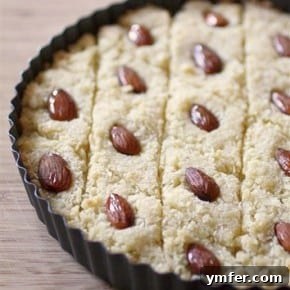
Traditional Rose Water Basbousa (Middle Eastern Semolina Cake)
This easy Basbousa recipe features a tender semolina cake infused with coconut and almonds, generously soaked in a fragrant rose water sugar syrup. It’s a classic Middle Eastern dessert, incredibly delicious and surprisingly simple to prepare, perfect for any occasion!
Ingredients:
For the Basbousa Cake:
- 1 stick [1/2 cup, 113 g] unsalted butter – melted
- 3/4 cup [210 g] granulated sugar
- 1/2 cup [75 g] all-purpose flour
- 1 1/4 cup [275 g] fine or medium semolina flour (such as Bob’s Red Mill)
- 1 1/2 cup [150 g] unsweetened desiccated coconut – ensure you use desiccated, as shredded varieties tend to absorb more moisture and can result in a pudding-like texture.
- 3/4 cup [220 g] whole milk
- 1 teaspoon baking powder
- 1 teaspoon almond extract
- Whole blanched or unblanched almonds, for decoration
For the Rose Water Sugar Syrup:
- 1/3 cup + 2 tablespoons [110 g] granulated sugar
- 1/2 cup [125 g] water
- 1/2 tablespoon rose water (adjust to taste, for a more subtle or pronounced floral note)
- 1 tablespoon fresh lemon juice
Source: Adapted from Yumsilicious Bakes
Directions:
Step 1: Prepare Your Baking Pan and Oven
Preheat your oven to 350°F [180°C]. Lightly grease a 9×11-inch baking pan, or alternatively, use a 9-inch tart pan for a slightly thicker cake. Ensuring your pan is well-greased will prevent sticking and make serving easier.
Step 2: Mix the Basbousa Batter
In a large mixing bowl, combine all the ingredients for the cake – melted butter, granulated sugar, all-purpose flour, semolina flour, unsweetened desiccated coconut, milk, baking powder, and almond extract. Mix until all the ingredients are just combined and a uniform batter forms. Be careful not to overmix, as this can lead to a tougher texture.
Step 3: Transfer to Pan and Score
Pour the prepared Basbousa batter evenly into your greased baking pan. Using a sharp knife, gently score the surface of the batter into traditional diamond or square shapes. This not only adds to the aesthetic appeal but also helps the syrup penetrate evenly after baking. Place a whole almond in the center of each scored piece – this is the traditional method and creates a beautiful presentation once baked.
Step 4: Bake to Golden Perfection
Bake the Basbousa in the preheated oven for approximately 35 minutes, or until the top turns a beautiful golden brown and a toothpick inserted into the center comes out clean. The edges should also be nicely browned, indicating it’s fully cooked through.
Step 5: Prepare the Aromatic Syrup
While the cake is baking, prepare the rose water syrup. In a small saucepan, combine the granulated sugar, water, and rose water (if using). Bring the mixture to a gentle boil over medium heat, stirring occasionally, until all the sugar granules have completely dissolved. Once dissolved, remove the saucepan from the heat and stir in the fresh lemon juice. Set aside to cool slightly.
Step 6: Drench and Soak
Once the Basbousa is out of the oven, allow it to cool for about 10-15 minutes. Then, slowly and evenly pour the warm (or slightly cooled) sugar syrup over the entire surface of the cake. Don’t worry if the syrup appears to pool on top initially; the semolina cake will gradually absorb it all, transforming into an incredibly moist and flavorful dessert. This generous drenching is key to achieving that amazing, melt-in-your-mouth texture.
Step 7: The Waiting Game
For the best results, allow the Basbousa to rest and soak up all the syrup for at least a few hours, ideally overnight, at room temperature. This resting period is crucial for the cake to fully absorb the syrup and for the flavors to meld together beautifully. Once fully absorbed, cut along the scored lines you made earlier before serving. Enjoy this delightful Middle Eastern treat with tea or coffee!
This Basbousa is a truly delightful dessert, offering a perfect blend of texture, sweetness, and aromatic charm. It’s a sweet testament to the rich culinary traditions of the Middle East, made accessible and enjoyable for everyone. We hope you savor every delicious bite!