
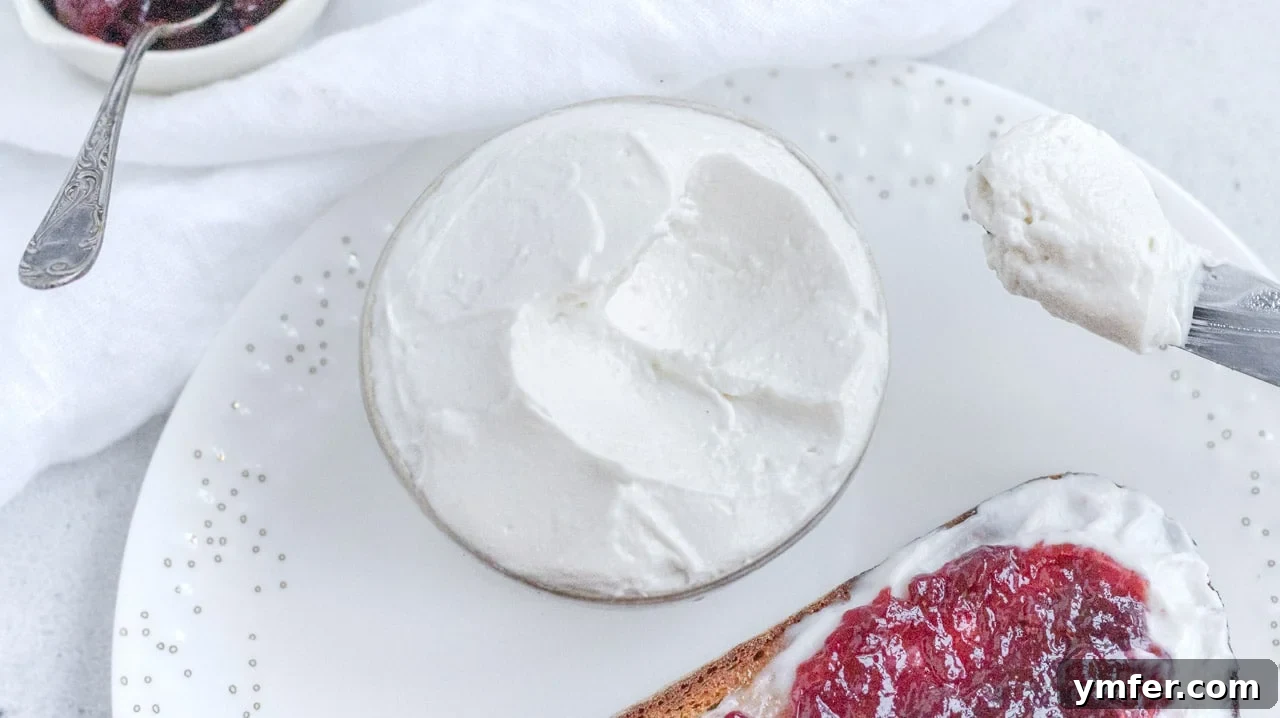
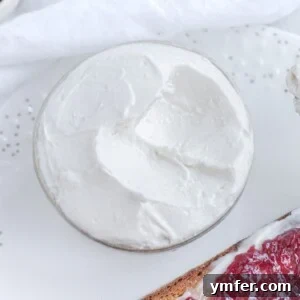
Unlock the secret to effortless plant-based baking and cooking with our incredible homemade vegan margarine. Crafted from just a few simple, wholesome ingredients, this dairy-free marvel is 100% vegan and can be whipped up in your kitchen in approximately 5 minutes using nothing more than a hand blender. Say goodbye to store-bought options filled with additives and hello to a fresh, customizable alternative.
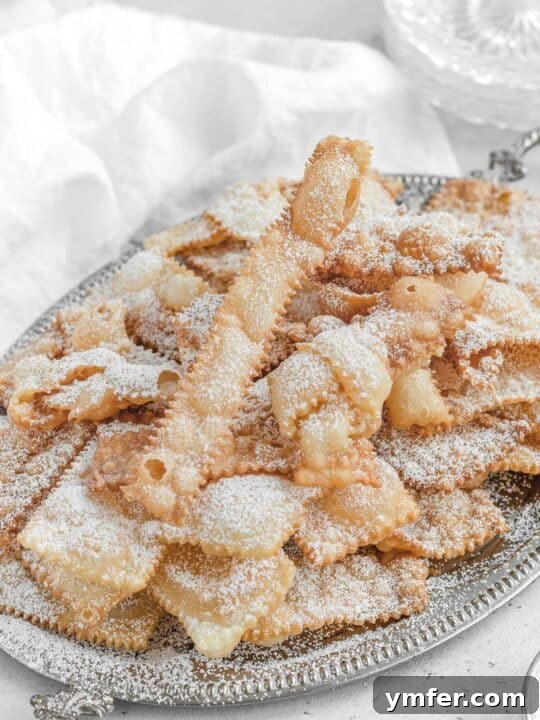
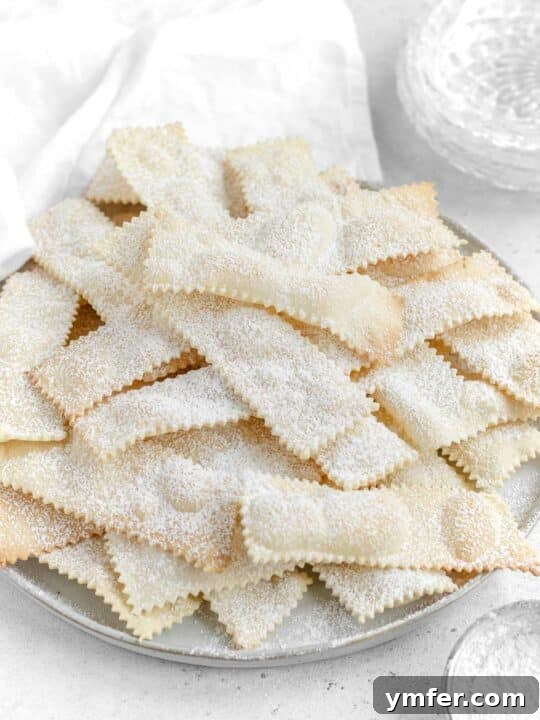
This versatile margarine is ideal for all your culinary needs. Its creamy texture makes it perfect for creating delicious cakes, cookies, and various crunchy baked goods. Beyond baking, it serves as a delightful spread for bread and toast, enhancing your everyday meals. See how we incorporate this amazing ingredient into our vegan cannoli or our delightful vegan angel wings (Italian Chiacchiere).
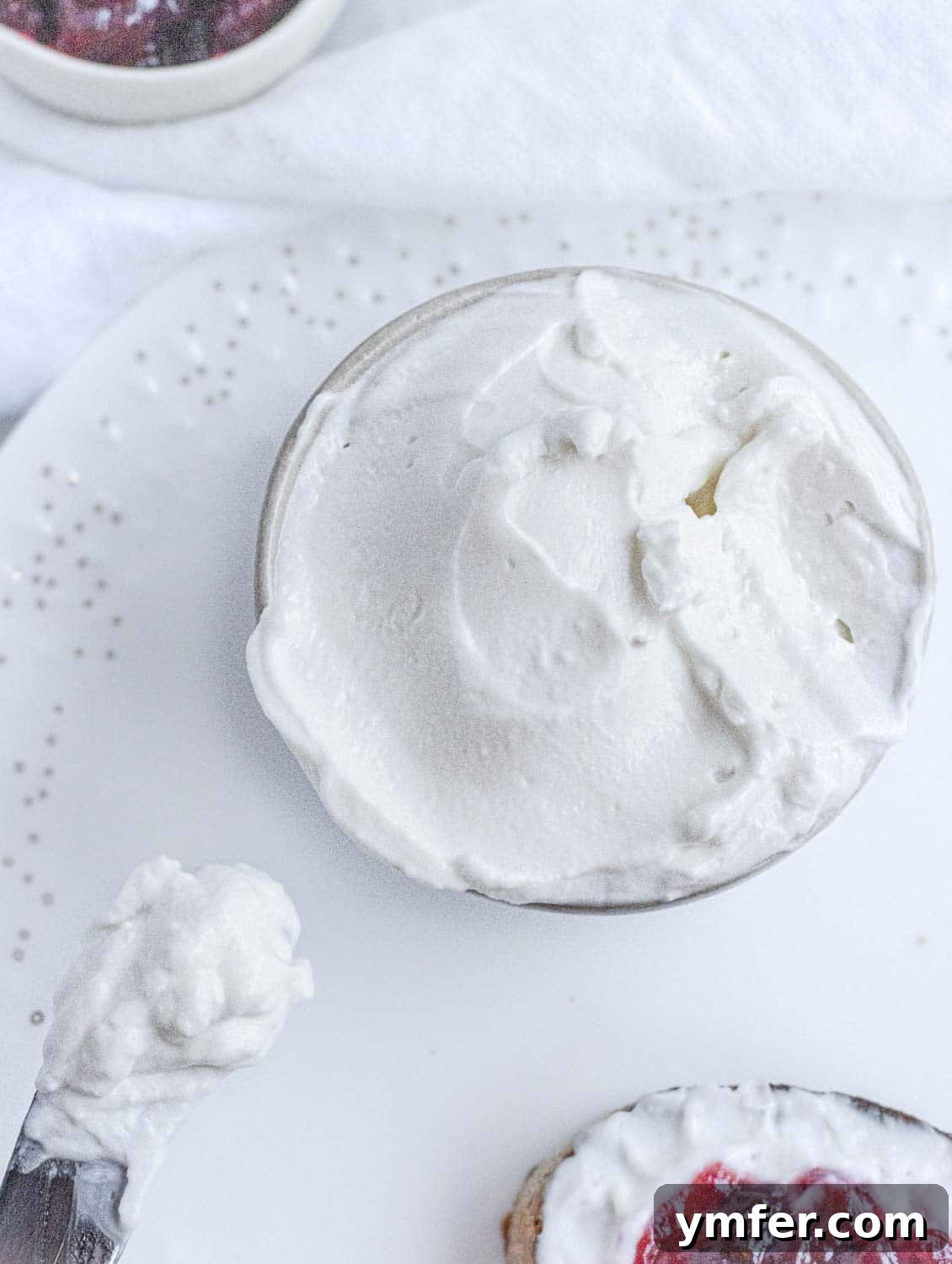
Table of Contents
- Why Make Your Own Vegan Margarine?
- Ingredients & Substitutions
- Essential Equipment
- Mastering the Emulsion: Tips for Success
- Storage & Shelf Life
- Frequently Asked Questions
- Versatile Uses for Your Homemade Vegan Margarine
- Homemade Margarine Recipe
Why Make Your Own Vegan Margarine?
Opting to make your own vegan margarine comes with a host of advantages that far outweigh simply buying it from the store. First and foremost, you gain complete control over the ingredients. This means no hidden trans fats, artificial flavors, colors, or preservatives often found in commercial products. You can ensure your margarine is made with healthy, high-quality oils and plant-based milks that suit your dietary preferences and health goals.
Homemade margarine is also incredibly cost-effective. The base ingredients — oil, soy milk, lemon juice, and salt — are usually pantry staples, making it much cheaper in the long run than repeatedly purchasing specialized vegan butter or margarine. Furthermore, for individuals with specific dietary needs or allergies, creating your own ensures it’s genuinely dairy-free, nut-free (if using sunflower oil and soy milk), and free from other potential allergens you wish to avoid.
Beyond health and cost, there’s the undeniable freshness and superior flavor. Freshly made margarine has a neutral yet rich taste that beautifully complements both sweet and savory dishes, without any of the sometimes-unpleasant undertones of highly processed alternatives. It allows for subtle customization, letting you adjust salt levels or even experiment with slight flavorings for different applications. This simple 5-minute recipe truly empowers you to make a better choice for your kitchen and your well-being.
Ingredients & Substitutions
The beauty of this vegan margarine recipe lies in its simplicity and reliance on readily available ingredients. Each component plays a crucial role in achieving the desired creamy, stable emulsion. Here’s a breakdown of what you’ll need and potential considerations for substitutions:
- Sunflower Oil: We highly recommend using sunflower oil due to its wonderfully light and neutral flavor profile, which won’t overpower your dishes. It’s also widely available and generally affordable. However, you can certainly replace it with other neutral-flavored vegetable oils such as canola oil, grapeseed oil, or a light olive oil. Be aware that using oils with stronger flavors, like extra virgin olive oil, will impart their taste to the margarine. It’s important to note that if you opt for coconut oil, particularly unrefined coconut oil, your margarine will have a significantly harder consistency once chilled, resembling vegan butter more than a soft margarine, due to coconut oil’s high saturated fat content. This can be desirable for some applications but alters the texture.
- Soy Milk: This is arguably the most critical ingredient for achieving a stable emulsion. Soy milk is ideal thanks to its unique protein composition, which acts as a powerful emulsifier, helping the oil and water-based ingredients combine smoothly without separating. For this particular recipe, we strongly advise against replacing soy milk with other plant milks (like almond, oat, or rice milk). Our extensive testing has shown that other plant milks do not possess the same emulsifying properties, often resulting in a failed or unstable emulsion that won’t thicken properly. Stick with soy milk for guaranteed success. Ensure it is unsweetened and unflavored.
- Lemon Juice: Lemon juice performs a dual function in this recipe. Firstly, its acidity helps to break down the soy milk proteins slightly, further aiding in the emulsification process. Secondly, it adds a subtle, bright tang that enhances the overall flavor of the margarine, mimicking the slight acidity found in some traditional dairy products. Make sure to use fresh lemon juice and carefully remove any seeds. There is no suitable substitute for fresh lemon juice in this recipe without affecting both the emulsion and the flavor.
- Salt: A small pinch of salt is essential for seasoning and balancing the flavors, just as it would be in dairy butter or margarine. It enhances the taste of the final product, making it more palatable whether you use it in sweet or savory applications. You can adjust the quantity to your personal preference, but a pinch is usually enough to elevate the taste without making it overly salty.
Essential Equipment
Making homemade vegan margarine requires minimal equipment, making it an accessible recipe for almost anyone. The key tools you’ll need are:
- Immersion Blender (Hand Blender): This is non-negotiable for achieving a smooth, creamy emulsion. Its powerful blade and ability to blend directly in a container are crucial for quickly combining the oil and liquid ingredients. A regular stand blender can sometimes work, but an immersion blender offers more control and better results for this specific emulsion.
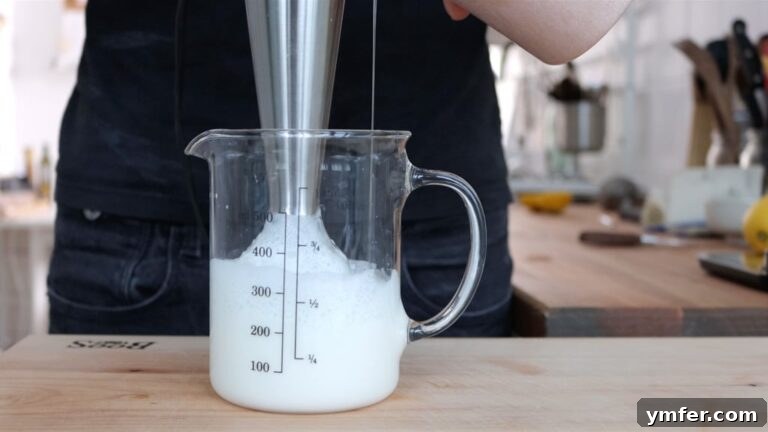
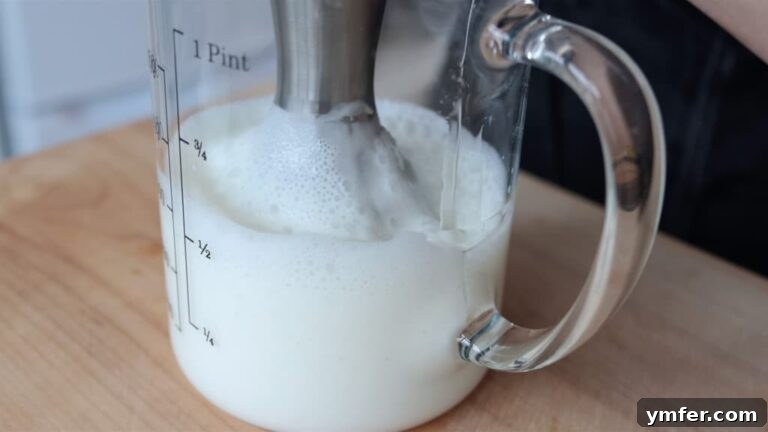
- Tall and Narrow Container: The shape of your blending container significantly impacts the success of the emulsion. A tall, narrow vessel, such as a wide-mouth mason jar or a specialized immersion blender cup, is essential. This shape keeps the ingredients concentrated around the blender’s blade, creating a powerful vortex that forces the oil and soy milk to emulsify efficiently and thicken rapidly. Using a wide, shallow bowl will make it much harder, if not impossible, to achieve the desired thick consistency.
Having these two items will ensure a smooth and successful margarine-making experience.
Mastering the Emulsion: Tips for Success
Creating a stable and creamy vegan margarine is all about mastering the art of emulsification. While the process is straightforward, following these key tips will ensure your success every time:
- Ingredients at Room Temperature: This is a crucial, yet often overlooked, detail. For the best and most consistent results, ensure that both your soy milk and sunflower oil are at room temperature. When ingredients are at similar temperatures, they emulsify more easily and create a more stable, homogenous mixture. Cold ingredients can cause the oil to seize or prevent proper blending.
- Start with the Milk and Lemon: Always begin by combining the soy milk, lemon juice, and salt in your tall, narrow container first. This order is essential. The soy milk proteins, activated by the lemon juice, need to be ready to encapsulate the oil as it’s introduced. Trying to add the milk to the oil, or combining them differently, will likely result in a broken emulsion that won’t thicken.
- Add the Oil Very Slowly and Steadily: This is, without a doubt, the most critical step. Emulsions are delicate, and adding the oil too quickly will overwhelm the emulsifying agents (soy milk proteins) and prevent the mixture from thickening. Drizzle the oil in a thin, continuous stream – think of it as a slow, steady drip rather than a pour. Patience here is rewarded with perfect margarine.
- Keep Blending Constantly: As you slowly add the oil, keep the immersion blender running continuously. The constant shearing action of the blades is what breaks the oil into tiny droplets and disperses them evenly throughout the soy milk, creating the emulsion. Do not stop blending until all the oil has been incorporated and the desired consistency is reached.
- Move the Blender Up and Down: While blending and adding oil, gently move the immersion blender up and down within the container. This motion helps to incorporate all the ingredients evenly and ensures that the emulsion forms consistently from bottom to top. This movement is particularly helpful in the narrow container to catch all the ingredients.
- Don’t Overblend (Once Thickened): Once your margarine has reached a thick, creamy consistency, stop blending. While blending is essential for forming the emulsion, excessive blending after it has thickened can sometimes cause the emulsion to break, making it thinner again. Blend just until it’s perfectly creamy.
- Chill for Optimal Texture: After blending, your margarine will be creamy but might still be a little soft, especially if your kitchen is warm. Transfer it to an airtight container and refrigerate for at least an hour. Chilling will firm it up to a perfect spreadable or baking consistency, similar to traditional margarine.
Storage & Shelf Life
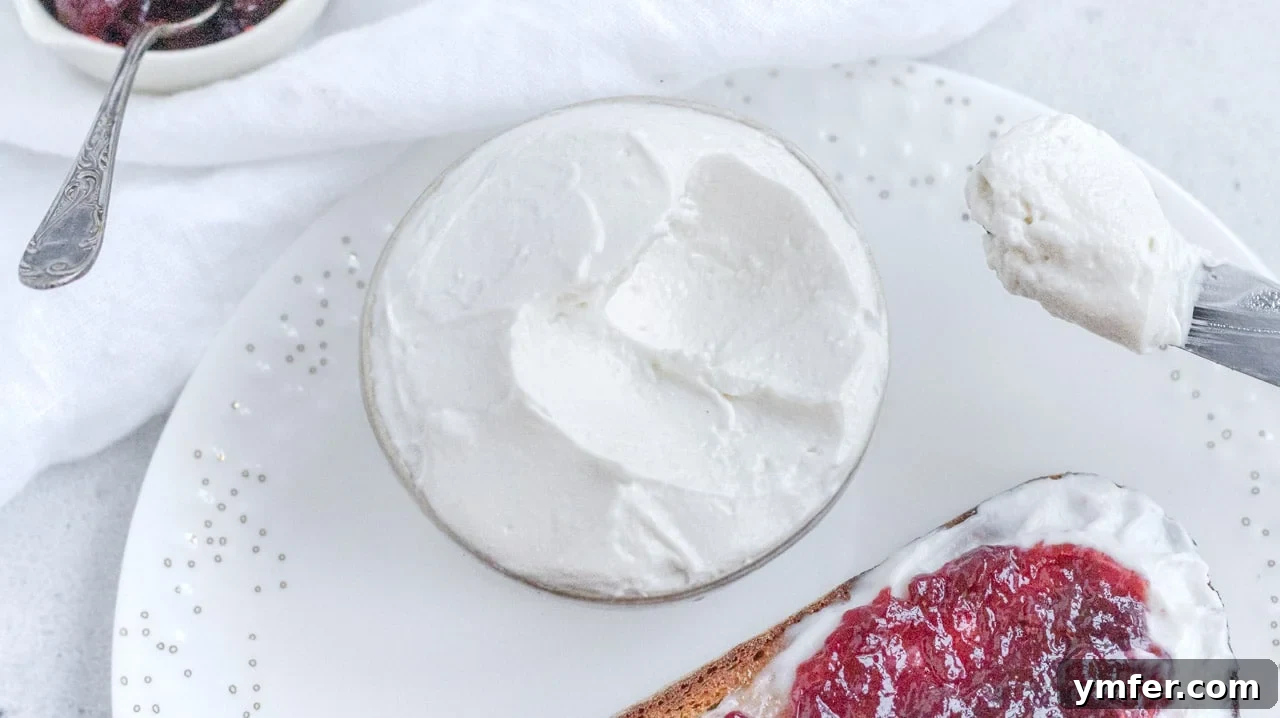
Proper storage is key to maintaining the freshness and quality of your homemade vegan margarine. Once prepared, transfer your margarine to an airtight container, such as a glass mason jar or a sealed plastic tub. Store it in the refrigerator. When stored correctly, your vegan margarine will remain fresh and delicious for up to 5 days. Always ensure the container is tightly sealed to prevent it from absorbing any odors from other foods in the refrigerator.
For longer storage, you can also freeze homemade vegan margarine. Simply portion it into smaller, freezer-safe containers or wrap it tightly in parchment paper and then foil. It can be stored in the freezer for up to 3 months. When you’re ready to use it, thaw it in the refrigerator overnight. While the flavor remains excellent, you might notice a slight change in texture after freezing and thawing, as some emulsions can separate a tiny bit. A quick whisk or re-blend can often restore its creaminess.
Frequently Asked Questions
An emulsion is a mixture of two or more liquids that are normally immiscible (unmixable or unblendable). In this recipe’s context, it’s the process of finely dispersing tiny droplets of oil throughout the water-based soy milk, creating a stable, homogenous mixture. The proteins in soy milk act as emulsifiers, creating a barrier around the oil droplets to prevent them from coalescing and separating. This same principle applies when making other creamy mixtures like homemade vegan mayonnaise.
Yes, you can use other neutral-flavored vegetable oils such as canola, grapeseed, or even a very light, mild olive oil. However, for the most balanced and versatile flavor profile, we recommend sticking with sunflower oil. Oils with stronger tastes will directly impact the flavor of your finished margarine. Avoid highly flavored oils unless you specifically want that taste in your margarine.
While you might be tempted to use other plant milks, soy milk is highly recommended due to its superior emulsifying properties, primarily attributed to its protein content. We have tested this recipe with oat, almond, and pea milk, and unfortunately, they did not yield a stable or thick emulsion. The proteins in soy milk are uniquely effective at binding the oil and water together, ensuring your margarine sets properly. Therefore, for reliable results, we can only confidently recommend using unsweetened soy milk.
You can certainly use coconut oil as a substitute for sunflower oil. However, be aware that your finished product will behave more like vegan butter than margarine. Coconut oil is a saturated fat, meaning it solidifies at cooler temperatures. When refrigerated, your margarine made with coconut oil will become quite firm and solid, similar to a stick of butter. This can be great for recipes requiring a firmer fat, but it won’t be as soft and spreadable as margarine made with liquid vegetable oils.
No, this recipe is not oil-free. Margarine, by definition, is a fat spread and requires oil as its primary ingredient to achieve its characteristic texture and richness. The recipe uses a significant amount of sunflower oil, making it an oil-based product.
Absolutely! This is one of the fantastic benefits of making your own. You can customize your margarine with various flavorings. Consider adding a pinch of nutritional yeast for a cheesy note, a clove of minced garlic and fresh herbs for a savory spread, or a touch of vanilla extract for sweet baking applications. Just be mindful that any added liquids might slightly alter the emulsion, so introduce them carefully and in small amounts.
Versatile Uses for Your Homemade Vegan Margarine
Once you’ve whipped up a batch of this delicious homemade vegan margarine, you’ll find countless ways to incorporate it into your cooking and baking. Its neutral flavor and creamy texture make it an incredibly versatile ingredient, easily replacing traditional butter or margarine in most recipes.
- Baking Masterpiece: This margarine is perfect for any preparation that calls for conventional margarine or butter. Think fluffy cakes, delicate cookies, flaky pie crusts, tender biscuits, and perfectly golden pancakes. Its fat content helps create tender textures and rich flavors in your baked goods, ensuring they turn out beautifully every time.
- Spreadable Delight: Enjoy it as a simple yet satisfying spread. It’s fantastic on toasted bread, warm dinner rolls, bagels, or even in sandwiches as a creamy base. Try it on freshly baked corn on the cob for a comforting side dish.
- Savory Cooking Aid: Use your vegan margarine for sautéing vegetables, making creamy sauces, or even for grilling a delicious plant-based grilled cheese sandwich. Its ability to melt smoothly makes it an excellent choice for adding richness to savory dishes without any dairy.
- Authentic Italian Vegan Treats: We particularly love using it in our vegan Sicilian cannoli, where it contributes to a perfectly crisp shell, and in our beloved Angel Wings (Italian Chiacchiere) for that irresistible fried or baked texture.
- Pasta Perfection: Add a luxurious, creamy element to your pasta dishes. For example, stir a tablespoon or two into this refreshing lemon pasta for an extra layer of richness and flavor, without heavy creams.

Homemade Vegan Margarine
Nico Pallotta
Rated 4.79 out of 5 stars by 14 users
10 minutes
10 minutes
20 servings
Plant-Basics
International, Italian
Share
Equipment
- Hand blender
- Tall and narrow container (e.g., mason jar)
Ingredients
- 1 cup sunflower seed oil
- ½ cup soy milk (unsweetened, room temperature)
- 1 tbsp lemon juice (freshly squeezed, no seeds)
- 1 pinch salt (or to taste)
Instructions
-
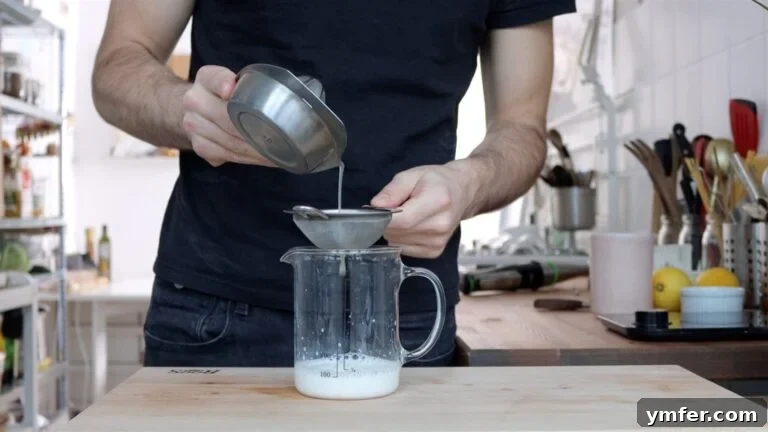
In a tall and narrow container (like a wide-mouth mason jar), combine the soy milk (ensure it’s at room temperature), the fresh lemon juice, and a pinch of salt.

-
Insert your hand blender into the soy milk mixture and begin blending. While the blender is running, start adding the sunflower oil in a very slow, steady stream. It is crucial NOT to add the oil all at once. Continue blending without interruption throughout this step.
-
Continue to drizzle the oil very slowly into the mixture. Simultaneously, move the immersion blender gently up and down within the container. This continuous blending and movement are vital for forming a strong emulsion.
-
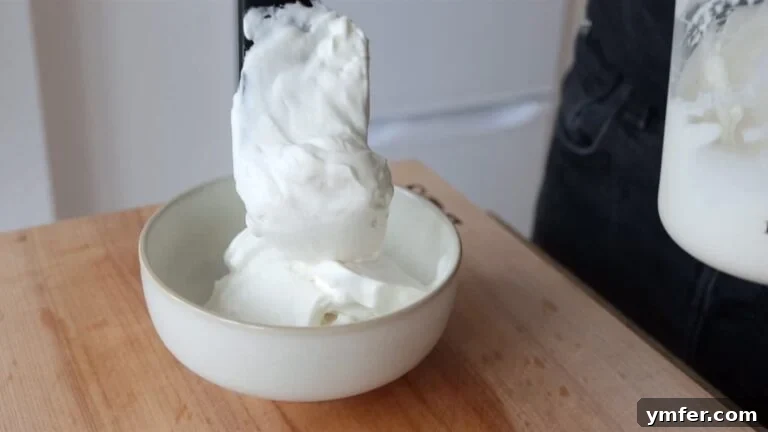
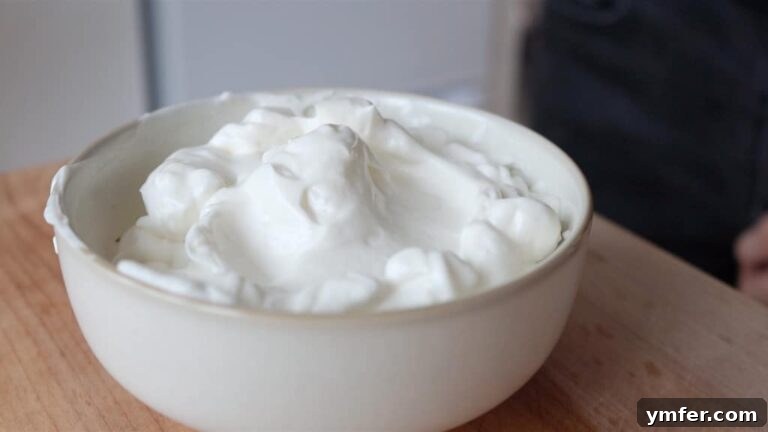
Keep adding the remaining oil, still at a very slow pace, until all of it is incorporated. Continue blending while moving the blender up and down until the mixture transforms into a thick, creamy, and smooth consistency, similar to soft margarine.
-
Transfer the freshly made vegan margarine to an airtight glass jar or container. Store it in the refrigerator for up to 5 days. Use this versatile margarine for all your baking needs, including cakes, biscuits, and cookies, or as a delicious spread on toasted bread.
Nutrition Facts (per serving)
Calories: 91kcal,
Carbohydrates: 1g,
Protein: 1g,
Fat: 10g,
Saturated Fat: 1g,
Potassium: 8mg,
Dietary Fiber: 1g,
Sugar: 1g,
Vitamin A: 20IU,
Vitamin B6: 1mg,
Vitamin C: 1mg,
Vitamin E: 4mg,
Vitamin K: 1µg,
Calcium: 7mg,
Folate: 2µg,
Iron: 1mg,
Magnesium: 1mg,
Zinc: 1mg
Tried this recipe?Leave a comment below or mention @theplantbasedschool on Instagram. We love hearing from you ⭐️ 💚.
You might also like:
More Plant-Based Essentials
30-minute meals
Vegan Cheese (5-Min Nut-Free Recipe)
Basics
Vegan Ricotta
Tofu Recipes
Fried Tofu