
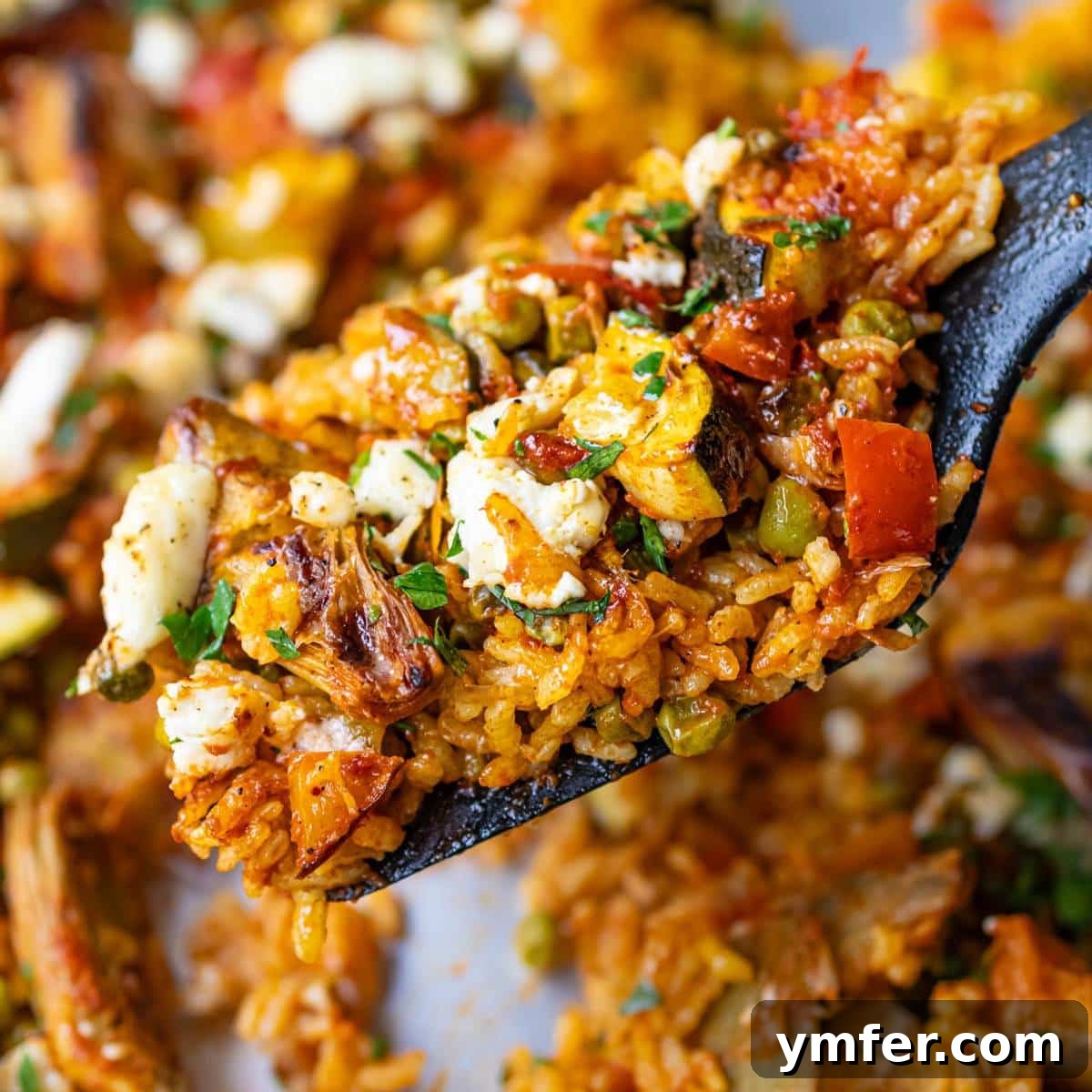
Effortless Sheet Pan Vegetable Paella: A Flavorful Mediterranean Delight
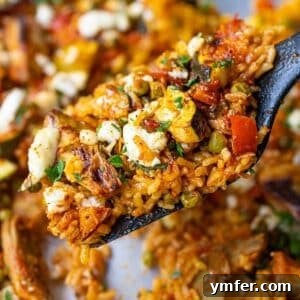
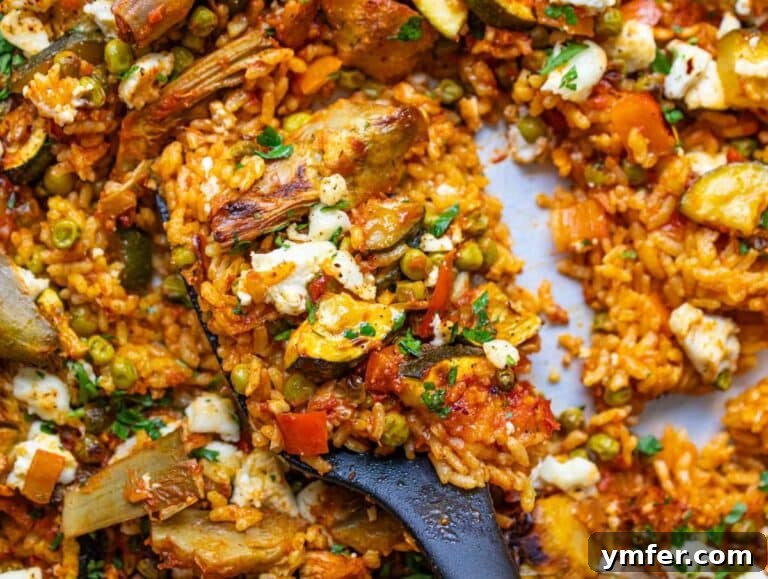
Craving a vibrant, flavorful dinner that practically makes itself? Look no further than this incredible Vegetable Paella. While it diverges slightly from the traditional stovetop method, this sheet pan version captures the same sunny, celebratory spirit we adored during our travels through Valencia. It delivers all the rich, aromatic flavors of a classic Spanish rice dish with a modern, fuss-free approach that makes weeknight cooking a breeze.
Inspired by the heart of Mediterranean cuisine, this recipe simplifies paella, transforming it into an accessible meal for home cooks. Forget the special paella pan and constant stirring; our oven-baked rendition ensures perfectly cooked rice and tender, roasted vegetables every time. It’s a naturally wholesome, fiber-rich meal that fits beautifully into a balanced lifestyle.
For more stress-free and delicious dinner ideas, be sure to explore our lemon vegetable curry, cauliflower shawarma bowl, Greek bean stew with rice, and Mediterranean stir fry.
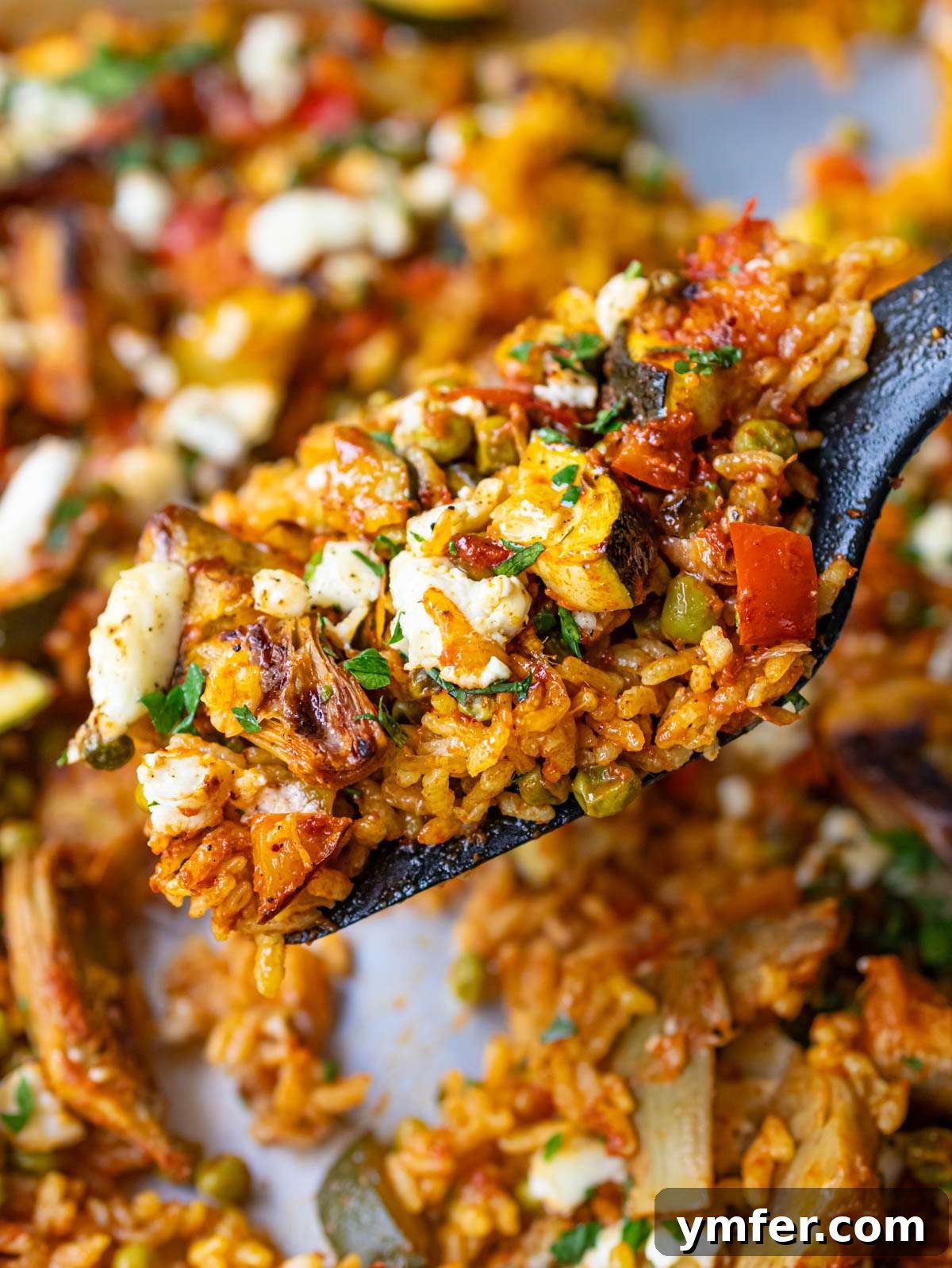
A No-Fuss Vegetable Paella That Practically Cooks Itself
If the idea of making an authentic Spanish rice dish at home has always felt a bit daunting, this Easy Sheet Pan Vegetable Paella is about to become your new kitchen hero. Our love for paella blossomed during our time in Valencia, where we savored its rich flavors and communal essence. We wanted to bring that same joy and authentic taste to your kitchen, but with an emphasis on simplicity and minimal effort. That’s how this brilliant sheet pan version came to life, delivering all the sunny, aromatic goodness without the need for specialized equipment or intricate techniques. 🌞
This recipe isn’t just easy; it’s a naturally fiber-rich, nutrient-dense, and satisfying Mediterranean-style dinner. Every component — from the perfectly cooked rice to the vibrant, roasted vegetables — harmonizes on a single pan. This approach not only streamlines the cooking process but also significantly cuts down on cleanup, making it an ideal choice for a budget-friendly vegetarian meal on even the busiest of weeknights.
We rigorously tested this recipe with various additions to ensure its versatility and consistently delicious results. Whether you prefer it purely vegetarian or with added protein, the method remains flawless. The magic truly happens in the oven: it evenly cooks the rice to a tender al dente texture while allowing the vegetables to caramelize and intensify their flavors, creating those irresistible golden grains and tender bites with remarkably little hands-on time.
While saffron is a cornerstone of traditional paella, providing its signature golden hue and subtle floral notes, don’t let its unfamiliarity deter you. We’ve found that a touch of turmeric makes an excellent alternative, imparting a beautiful golden color and a wonderfully earthy flavor that complements the dish perfectly. This is the epitome of a healthy sheet pan meal: big, bold flavors, vibrant colors, and minimal stress, proving that wholesome cooking can be both simple and spectacularly delicious. 🍽️
Why You’ll Adore This Sheet Pan Paella
This isn’t just another recipe; it’s a culinary revelation designed for modern life. Here’s why our Vegetable Paella will become a staple in your home:
- Effortless Preparation: Say goodbye to endless chopping and multiple pots. Everything comes together on one sheet pan, minimizing prep and maximizing relaxation.
- Hands-Off Cooking: Once the ingredients are on the pan, your oven takes over. This frees you up to tackle other tasks or simply unwind while dinner bakes to perfection.
- Bursting with Mediterranean Flavors: Inspired by the sun-drenched coasts of Spain, this paella features aromatic spices, fresh vegetables, and a hint of citrus that will transport your taste buds.
- Nutrient-Rich & Wholesome: Packed with fiber from a colorful array of vegetables and hearty rice, it’s a meal that nourishes your body and keeps you feeling satisfied.
- Budget-Friendly: Utilizing readily available vegetables and pantry staples, this recipe is kind to your wallet without compromising on taste.
- Highly Customizable: Easily swap vegetables based on season or preference, and add your favorite protein for a personalized touch.
- Minimal Cleanup: With just one pan to wash, post-dinner tidying is quick and easy, giving you more time to enjoy your evening.
Ingredients for Your Flavorful Paella
Crafting this delightful Vegetable Paella begins with selecting the right ingredients. Each component plays a vital role in achieving the desired texture, color, and depth of flavor. Below is a detailed list of what you’ll need, along with suggestions for substitutions to make this recipe flexible for your pantry.
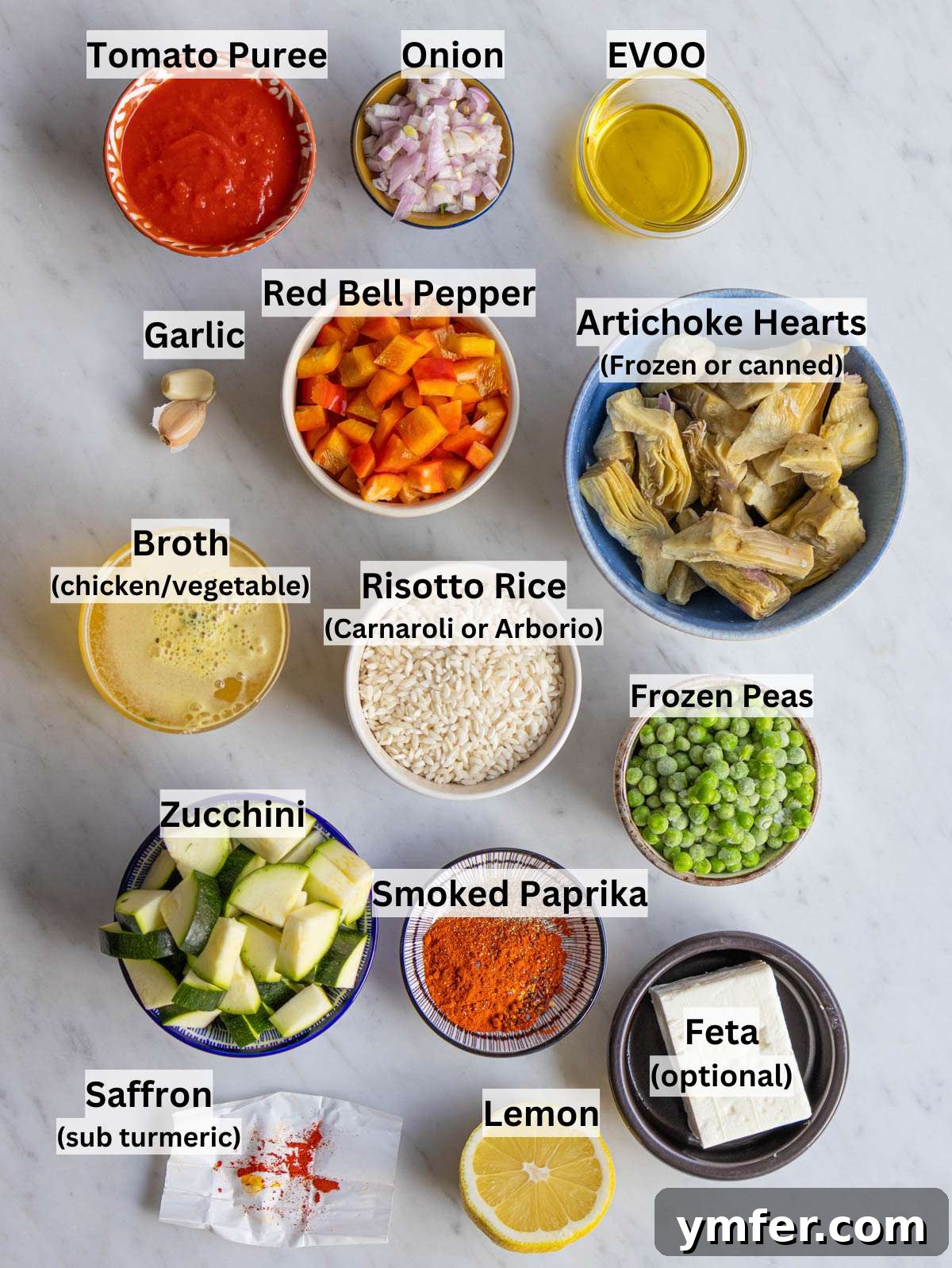
- Risotto Rice (Arborio or Carnaroli): This is key for achieving the authentic paella texture—tender, slightly chewy, and distinct, not mushy. These varieties absorb liquid consistently, ensuring your paella cooks evenly in the oven. Do not rinse the rice, as the starch is essential for the texture.
- Vegetable or Chicken Broth: The foundation of flavor for your rice. Use a good quality broth to add depth and savory notes. For a vegetarian dish, ensure you use vegetable broth.
- Saffron Powder: The quintessential spice for paella, offering its characteristic golden hue and subtle, luxurious aroma. If using saffron threads, steep them in warm broth for 10-15 minutes before adding.
- Red Bell Pepper: Adds a delightful sweetness and vibrant color. Feel free to use yellow or green bell peppers for a slightly different flavor profile and visual appeal.
- Artichoke Hearts (quartered are best): Introduce a wonderful tang and meaty texture. Both canned (drained) and frozen (thawed) artichoke hearts work well. Mushrooms or diced eggplant make excellent substitutes.
- Zucchini: A mild vegetable that becomes tender and slightly sweet when roasted. Yellow squash or thinly sliced carrots can be used in its place.
- Frozen Peas: Brighten the dish with their natural sweetness and a pop of green, while also contributing a touch of protein. Snap peas or edamame can be swapped in.
- Extra Virgin Olive Oil: Essential for building that authentic Mediterranean flavor base. A good quality olive oil will significantly enhance the overall taste. Avocado oil is a suitable alternative.
- Onion: Provides aromatic depth and a foundational sweetness to the dish. Yellow or white onions are perfect, or use shallots for a milder, more delicate flavor.
- Garlic: Imparts a pungent, savory kick that is indispensable in Spanish cuisine. Minced fresh garlic is always best, but garlic powder can be used in a pinch.
- Smoked Paprika: Delivers warm, earthy, and distinctly smoky notes that are crucial to paella’s character. If you prefer a milder flavor, sweet paprika can be used.
- Tomato Puree: Adds a rich umami depth and beautiful reddish color to the rice. Crushed tomatoes or even a good quality tomato paste (diluted with a little water or broth) can be substituted.
- Lemon Wedges: A squeeze of fresh lemon juice at the end is a game-changer, brightening all the flavors and cutting through the richness. A splash of apple cider vinegar can also offer a similar acidic lift.
- Fresh Parsley: Used as a garnish, fresh parsley adds a burst of herbaceous freshness and a touch of vibrant green. Basil or cilantro are good alternatives.
- Feta Cheese: While not traditional in paella, crumbled feta adds a delicious salty, tangy creaminess that we adore. Use dairy or non-dairy feta. For a heartier meal, you can add shrimp, chickpeas, or shredded rotisserie chicken for extra protein.
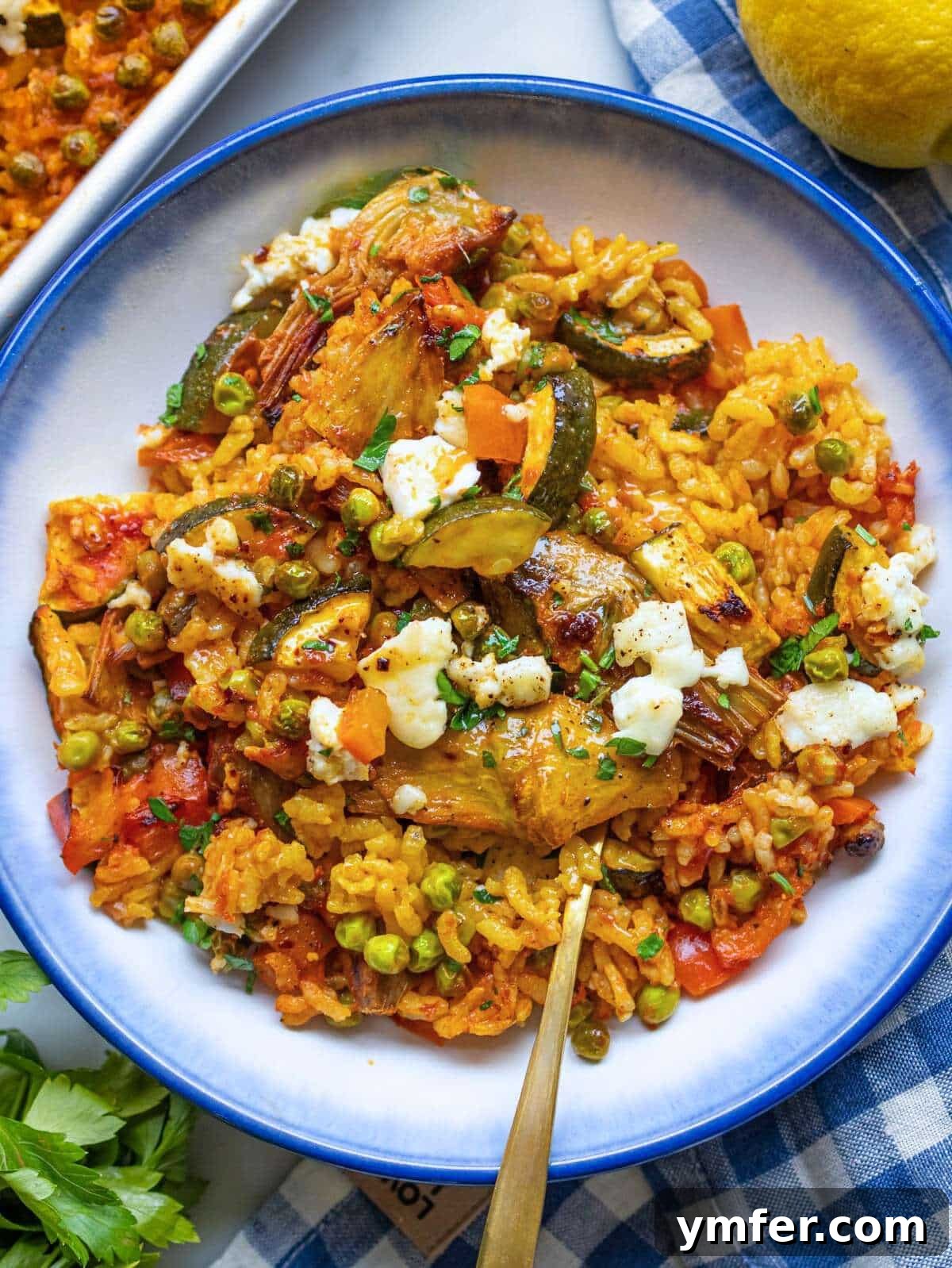
How to Make an Easy Vegetable Paella
Creating this delicious sheet pan paella is wonderfully straightforward, designed to give you maximum flavor with minimum fuss. Follow these simple steps to bring a taste of Spain to your table.
1. Prep and Season the Sheet Pan
Begin by preheating your oven to a robust 450°F (230°C). This high temperature is crucial for achieving beautifully roasted vegetables and perfectly cooked rice. Next, in a small saucepan or microwave-safe bowl, gently warm the vegetable or chicken broth. Once warm, stir in the saffron powder (or turmeric), allowing its color and aroma to infuse the liquid. This step ensures the saffron’s flavor is evenly distributed and helps the rice cook faster.
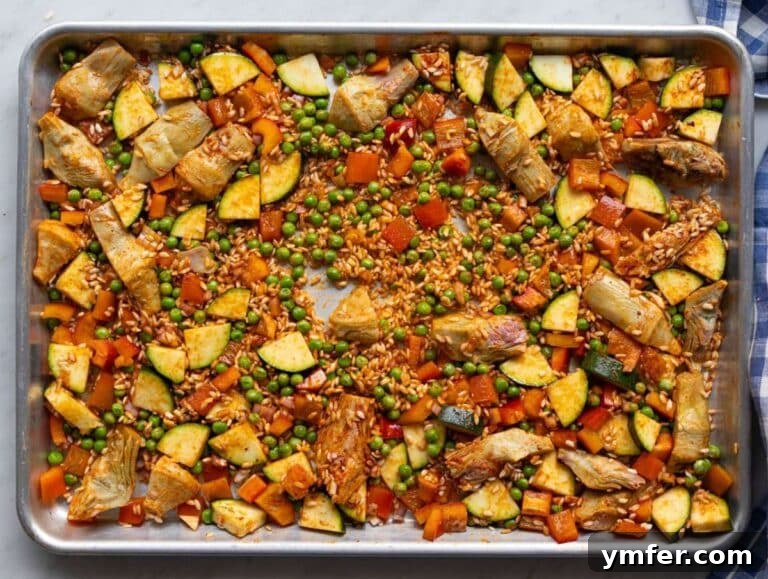
Now, gather your prepared ingredients: the risotto rice, diced red bell pepper, quartered artichoke hearts, diced zucchini, frozen peas, chopped onion, and grated garlic. Add all of these onto a large, sturdy sheet pan. Drizzle generously with extra virgin olive oil, then sprinkle with smoked paprika, salt, and a pinch of red pepper flakes for a subtle kick if desired. Toss everything together thoroughly, ensuring every grain of rice and every piece of vegetable is coated with the aromatic spices and oil. Finally, spread the mixture into an even, single layer across the entire surface of the sheet pan. This initial seasoning and spreading lays the groundwork for a healthy, incredibly flavorful rice dish with almost no effort.
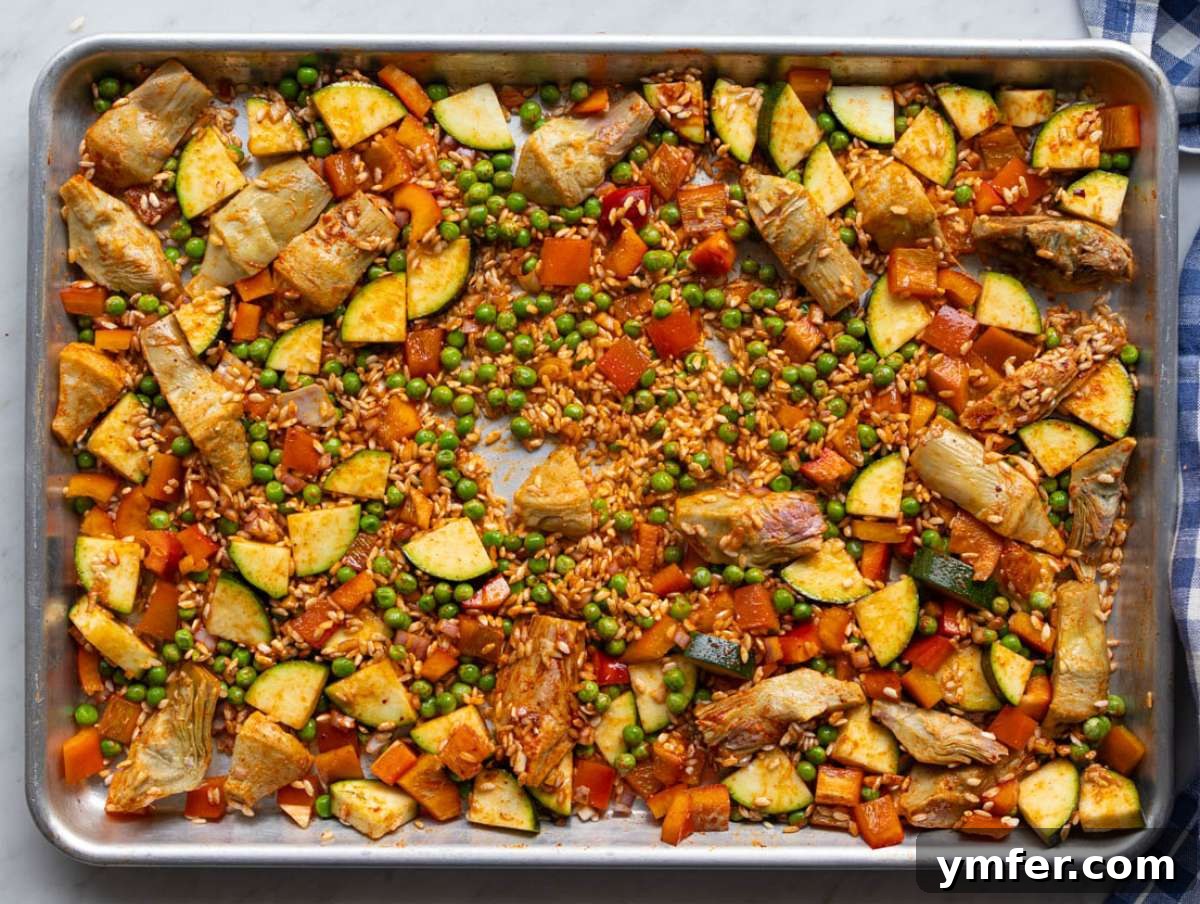
2. Add the Broth
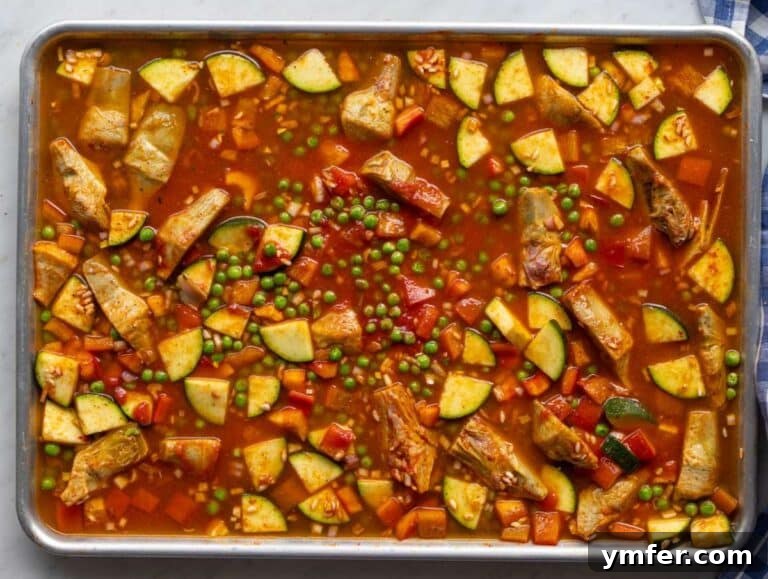
Carefully pour the warm, saffron-infused broth over the seasoned rice and vegetables on the sheet pan. Next, add the tomato puree, stirring it gently into the liquid mixture. Once combined, give the pan a gentle shake from side to side to help settle the ingredients and ensure the rice is evenly submerged. This is a critical step for achieving uniform cooking. Make certain that all the rice grains are fully immersed in the broth and not sitting on top of the vegetables. Any exposed rice may cook unevenly, resulting in a crunchy or undercooked texture. The goal is for the rice to absorb the liquid and cook to a tender al dente consistency.
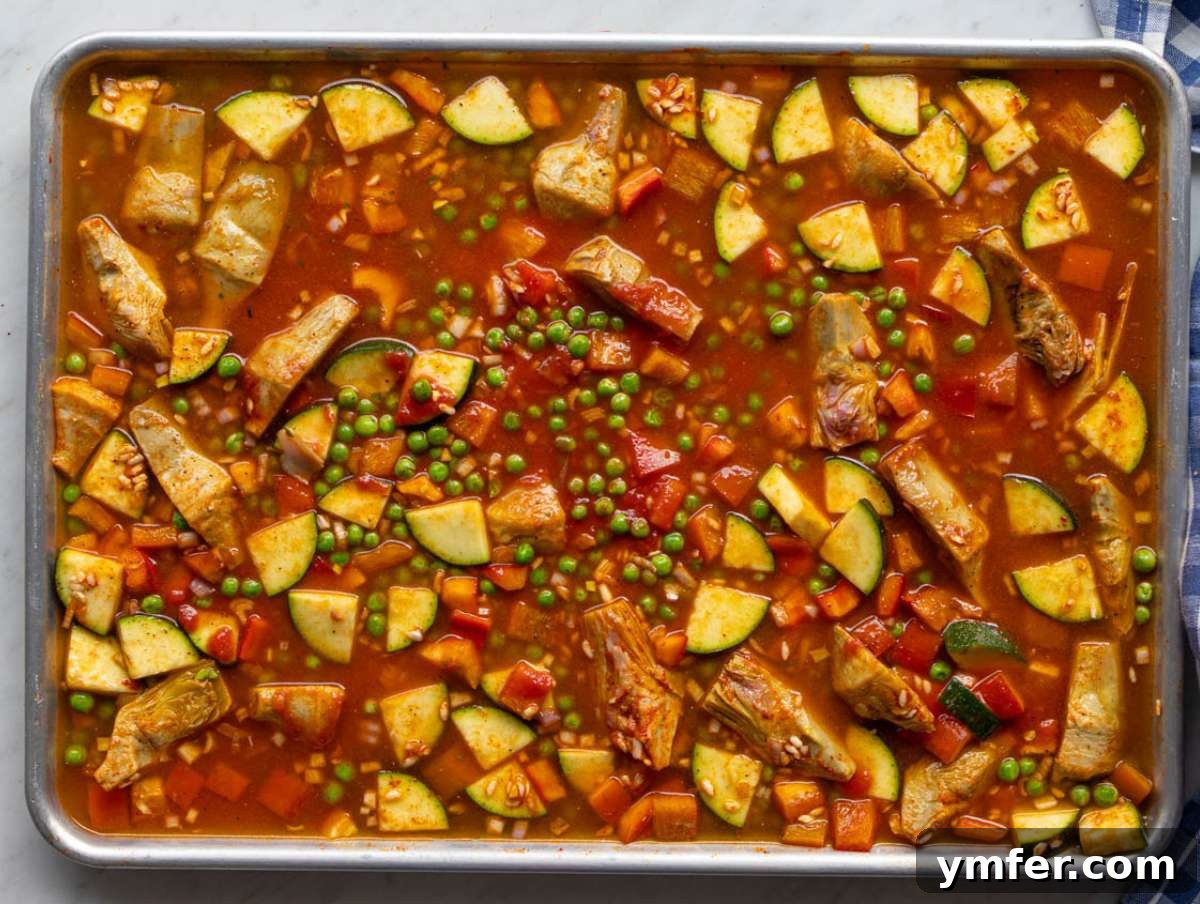
3. Bake Until Tender
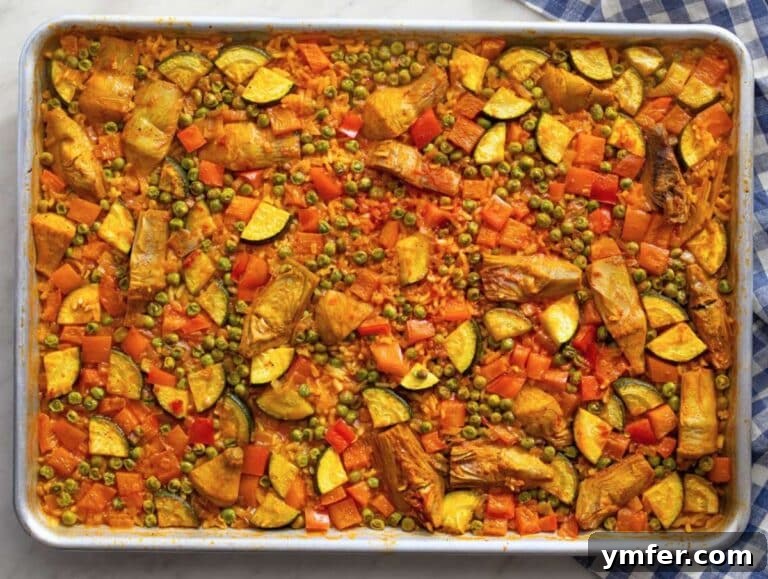
Carefully transfer the sheet pan into your preheated oven. Bake for approximately 25 to 30 minutes. During this time, the rice will absorb the flavorful broth, swelling to become tender and aromatic. Keep an eye on the edges of the paella; they should begin to brown and develop a delightful caramelization, indicating intense flavor development. The goal is for the rice to be cooked al dente—firm to the bite but not hard—and for nearly all the liquid to be absorbed, leaving a moist but not watery consistency.
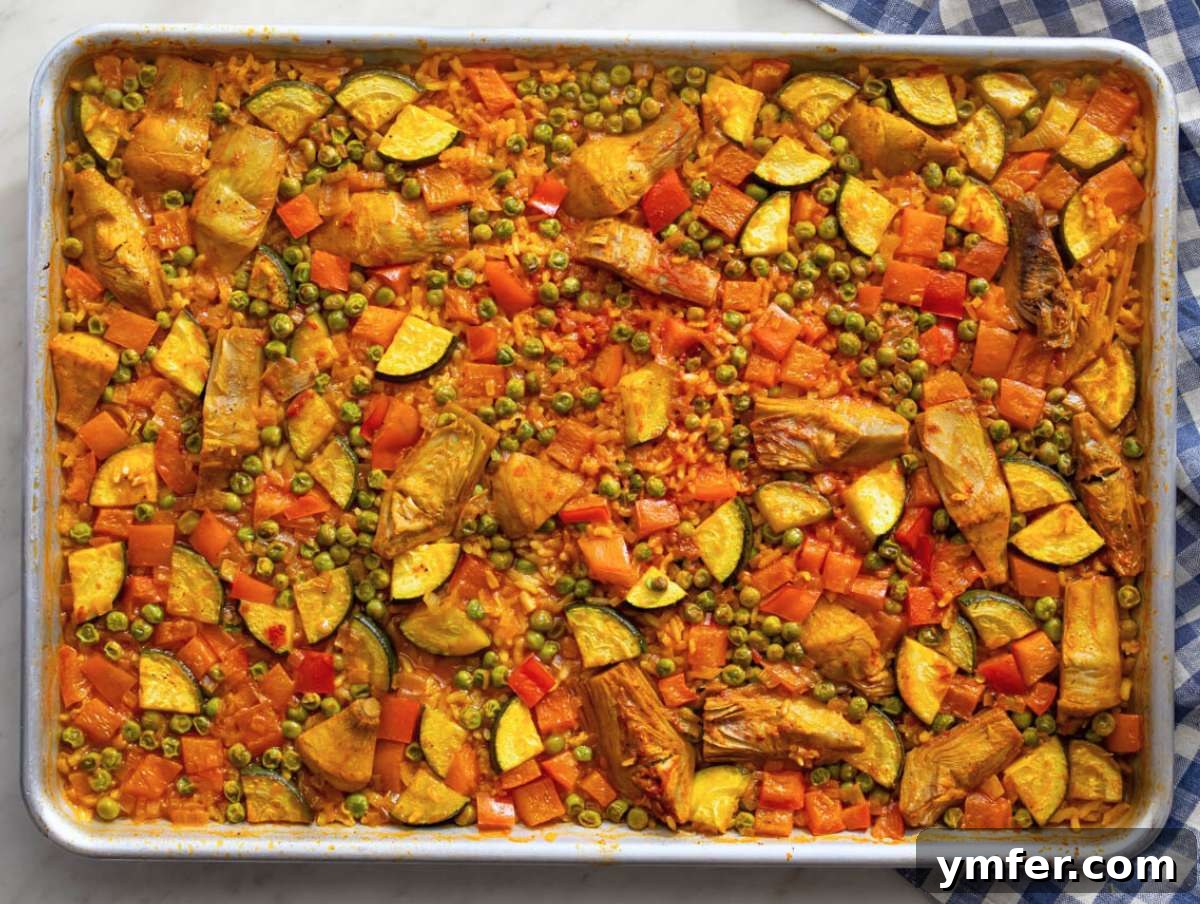
4. Broil and Finish
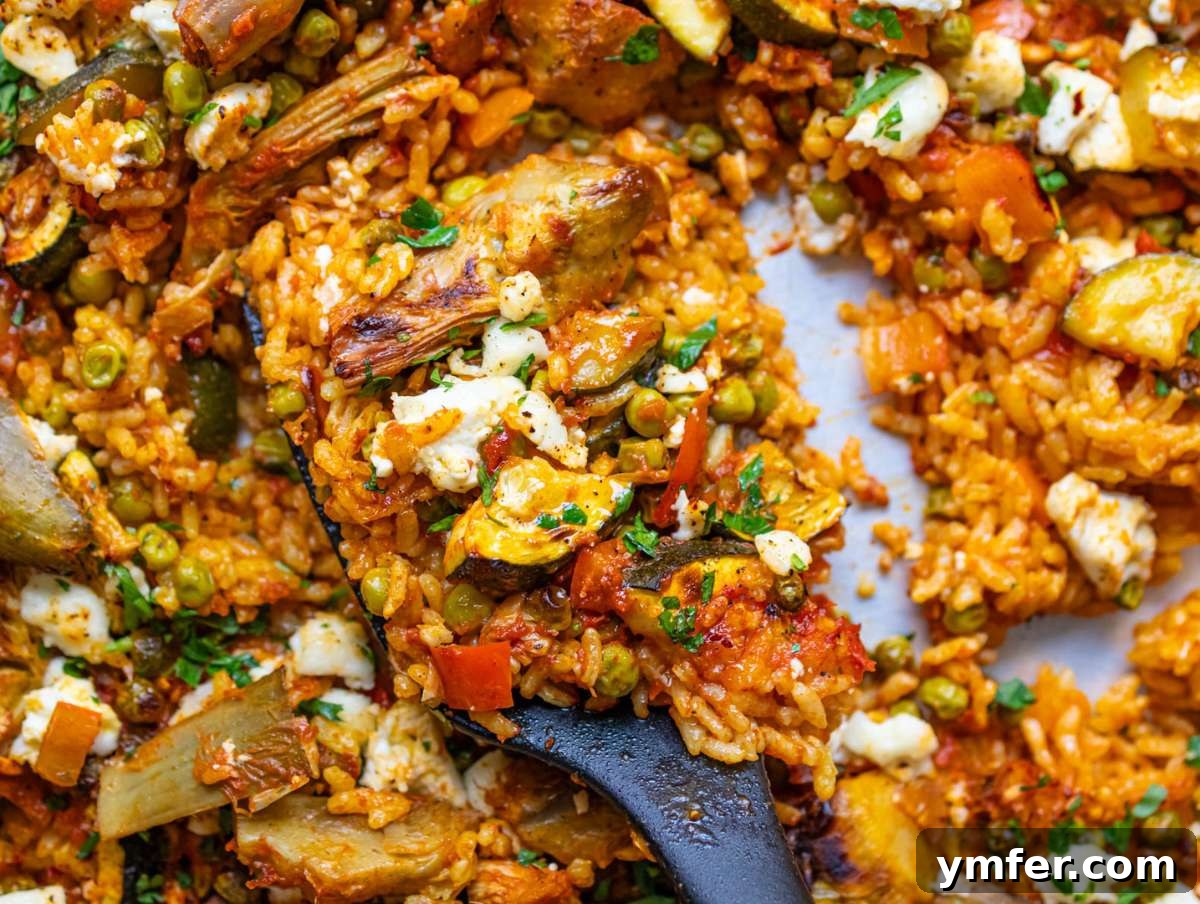
Once the paella has baked and the rice is tender, remove the pan from the oven. Sprinkle your crumbled feta cheese evenly over the top of the hot paella. Return the pan to the oven, placing it on the top rack under the broiler for 5–7 minutes. Watch it closely during this step, as broilers can vary greatly in intensity. The goal is to achieve a light char on the feta and a beautiful golden crispness on the rice edges, enhancing the texture and adding another layer of flavor.
Once broiled to perfection, remove the paella from the oven and let it rest for 5 minutes. This brief resting period allows the flavors to meld and the rice to finish absorbing any remaining moisture. To serve, squeeze fresh lemon juice generously over the entire dish, and garnish with a sprinkling of fresh chopped parsley. The lemon provides a bright, acidic counterpoint that elevates all the other flavors, while parsley adds a final touch of freshness and color.
Optional Protein Boost: For a more substantial meal, consider adding cooked shrimp (deveined) or shredded rotisserie chicken to the paella along with the feta, just before the broiling step. This is a fantastic way to introduce extra protein without adding extra cooking time.
Expert Tips for the Best Vegetable Paella
Achieving the perfect paella texture and flavor is easy with these helpful tips:
- Use a Large Sheet Pan: A wide, shallow sheet pan is essential. The increased surface area allows the rice to cook evenly and helps create those coveted golden, slightly crispy edges (the “socarrat”) that are a hallmark of a great paella-style dish.
- Warm the Broth First: Warming the broth before adding it to the pan jump-starts the cooking process for the rice. This helps the rice cook more uniformly and quickly, preventing some grains from being undercooked.
- Spread Everything in a Single Layer: Ensure all ingredients, especially the rice, are spread in an even, thin layer across the sheet pan. This promotes even cooking and roasting, preventing the rice from steaming or clumping together.
- Submerge the Rice Fully: It’s crucial that all the rice grains are completely covered by the broth. If any rice is left exposed, it will cook unevenly and remain crunchy, impacting the overall texture of your paella.
- Resist the Urge to Stir While Baking: Unlike risotto, paella-style rice cooks best when left undisturbed. Stirring releases starch and can lead to a creamy, rather than distinct, grain texture. Let the oven do its work!
- Monitor the Rice at 25 Minutes: Oven temperatures can vary. Begin checking the rice for doneness around the 25-minute mark. If the pan appears dry but the rice still needs a bit more time to soften, add a splash of warm broth and continue baking.
- Utilize the Broiler for Flavor and Texture: A few minutes under the broiler at the end is key. This step deepens the color of the vegetables and rice, adding a delightful roasted flavor and a desirable crispy finish.
- Finish with Fresh Lemon Juice: A generous squeeze of fresh lemon juice just before serving is transformative. Its bright acidity balances the rich, earthy flavors of the paprika and saffron, making the whole dish sing.
- Embrace Seasonal Vegetables: This recipe is incredibly adaptable. Feel free to swap vegetables based on what’s in season or what you have on hand. This keeps the recipe fresh, exciting, and inherently budget-friendly.
- Customize Your Protein: Keep it vegetarian by adding chickpeas or white beans for extra protein. For those who enjoy meat, cooked shrimp (added during the broiling step) or shredded rotisserie chicken make fantastic additions, transforming it into a heartier meal prep option for the family.
- Don’t Overcrowd the Pan: If you’re doubling the recipe, use two sheet pans to maintain a single layer of ingredients. Overcrowding can lead to steaming instead of roasting, resulting in less flavorful vegetables and unevenly cooked rice.
- Garnish Generously: Beyond lemon and parsley, consider a sprinkle of fresh red pepper flakes, a drizzle of high-quality extra virgin olive oil, or even some chopped toasted almonds for added crunch and flavor.
Frequently Asked Questions About Sheet Pan Paella
For the best results and a true paella-like texture, it’s highly recommended to stick with risotto-style rice, specifically Arborio or Carnaroli. These varieties have the ideal starch content and absorb liquid consistently, which is crucial for even cooking in the oven. Other types of rice, such as long-grain or basmati, will absorb liquid differently and may turn out mushy or remain undercooked in this recipe.
Saffron is traditional in paella and provides its iconic color and distinctive delicate flavor. However, if saffron is unavailable or you prefer not to use it, a pinch of turmeric makes an excellent substitute. Turmeric will impart a beautiful golden color to the rice and add an earthy note that still makes this a wonderfully simple and healthy sheet pan meal.
Yes, this paella works well for meal prep! You can cook the dish fully, allow it to cool, and then store it in an airtight container in the refrigerator for up to 3 days. To reheat, you can cover it and warm it in the oven with a splash of extra broth to rehydrate, or heat single portions in the microwave. It’s a fantastic option for vegetarian meal prep.
This recipe is wonderfully versatile for adding protein. For a vegetarian option, chickpeas or white beans are excellent choices. If you’re looking for non-vegetarian additions, cooked and deveined shrimp (added during the last 5-7 minutes of cooking or during the broiling step) or shredded rotisserie chicken (added just before broiling to warm through) all work beautifully and add substance to the dish.
Cooking paella in the oven offers several advantages, particularly for a no-fuss version. It provides hands-off cooking, meaning you don’t need to constantly monitor or stir the dish. The oven delivers more even heat distribution across the entire pan, which helps the rice cook consistently. Additionally, it naturally encourages those desirable lightly toasted edges and crispy bits, very similar to the “socarrat” achieved in a traditional wide skillet paella, but with significantly less effort.
Paella, unlike risotto, is intended to be a drier, toasty rice dish, not creamy. By the end of cooking, the rice should have absorbed all the liquid, and the edges should be slightly caramelized. To prevent premature drying, ensure the broth fully covers all the rice grains before placing the pan in the oven. If your oven tends to run hot, it’s wise to check the paella a little early (around 20-22 minutes). If the pan looks significantly dry but the rice is still hard, add a small splash of warm broth and continue baking until tender. This helps maintain moisture for proper cooking without making the dish soupy.
More Mediterranean-Inspired Dinners You’ll Love
If you’ve fallen in love with the vibrant flavors and ease of this Sheet Pan Vegetable Paella, you’ll be thrilled to discover more of our Mediterranean-inspired dinner recipes. These dishes prioritize wholesome ingredients, delicious flavors, and simple preparation, making healthy eating a joyous experience.
- Greek Sheet Pan Gnocchi
- Mediterranean Mushrooms and Rice Stir-Fry (one skillet wonder)
- Hearty Greek Chickpea Soup (a comforting one-pot meal)
- Satisfying Three Bean Orzo Soup (another easy one-pot recipe)
- Sheet Pan Eggs with Roasted Veggies
- Nutritious Greek Lentil Soup (a flavorful one-pot classic)
- Turmeric Cauliflower and Chickpea (another vibrant sheet pan recipe)
- Mediterranean Greens and Beans (simple and delicious one-skillet dish)
If you tried this Easy Sheet Pan Vegetable Paella recipe or any other recipe on our blog, we would absolutely love to hear from you! Please leave a 🌟 star rating and share your thoughts in the comments section below. Your feedback helps us grow and inspires others to try our delicious plant-based creations. We love hearing from you!
Vegetable Paella Made Easy (An Effortless Sheet Pan Twist)
⏰
🍽️
👍Share
Ingredients
- 1 cup risotto rice (Arborio or Carnaroli – do not rinse it)
- 2 cups vegetable broth (or chicken broth)
- 1 pinch saffron powder (sub a pinch of saffron threads or ¾ teaspoon turmeric)
- 1 red bell pepper (diced)
- 10 ounces artichoke hearts (frozen is best — canned works too, approx. 14 oz can, quartered)
- 1 zucchini (cut into half moons)
- 1½ cups frozen peas (or snap peas)
- 2 tablespoons extra virgin olive oil
- 1 onion (chopped)
- 4 cloves garlic (minced or grated)
- 3 teaspoons smoked paprika (or sweet paprika)
- ½ cup tomato puree
- 1 teaspoon salt (+ black pepper + red pepper flakes optional)
- 1 lemon (cut into wedges)
- 1 handful fresh parsley (chopped)
- ½ cup feta cheese (or non-dairy feta, crumbled. For extra protein, you can add shrimp or rotisserie chicken.)
Instructions
-
Prep the pan: Heat oven to 450°F (230°C). Warm 2 cups vegetable broth then stir in 1 pinch saffron powder (or turmeric).
To a large sheet pan, add 1 cup risotto rice, 1 red bell pepper, 10 ounces artichoke hearts, 1 zucchini, 1½ cups frozen peas, 1 onion, and 4 cloves garlic.
Drizzle with 2 tablespoons extra virgin olive oil, 3 teaspoons smoked paprika, 1 teaspoon salt, and pepper then toss well so everything is coated. Spread everything into an even layer.

-
Add the broth: Pour the warm saffron broth over veggies and rice. Stir in ½ cup tomato puree and shake pan to even out.
Make sure all the rice is submerged in the broth so it cooks evenly and doesn’t stay crunchy.
-
Bake: Bake for 25-30 minutes or until the rice is cooked al dente and the liquid is absorbed.
-
Finish & Serve: Top with crumbled feta and broil on the top rack for 5-7 minutes until lightly charred. Rest 5 minutes then serve with a squeeze of lemon and parsley.
Note: For extra protein, you can add deveined shrimp or shredded rotisserie chicken before broiling.
Notes
- Risotto rice (Arborio or Carnaroli): No substitutions (stick to risotto-style rice for best results)
- Vegetable or chicken broth: Better-than-bouillon, stock cubes, or water + seasoning
- Saffron powder: Saffron threads or turmeric
- Red bell pepper: Yellow or green peppers
- Artichoke hearts: Mushrooms or diced eggplant
- Zucchini: Yellow squash or thinly sliced carrots
- Frozen peas: Snap peas or edamame
- Extra virgin olive oil: Avocado oil
- Onion: Yellow/white onion or shallots
- Garlic: Garlic powder
- Smoked paprika: Sweet paprika
- Tomato purée: Crushed tomatoes
- Lemon wedges: Lime wedges
- Fresh parsley: Basil or cilantro
- Feta cheese: Any dairy/non-dairy feta or add-ins like shrimp or rotisserie chicken for extra protein
Tips
- Go big with the sheet pan: More surface area means more evenly cooked rice and delicious golden edges.
- Heat the broth first: Using warm broth jump-starts the cooking process and helps the rice absorb liquid faster in the oven.
- Make sure all the rice is submerged in the broth to ensure even cooking and prevent crunchy, undercooked grains.
- Single-layer everything: Spreading ingredients in an even, single layer keeps rice grains separate and prevents them from clumping.
- No stirring allowed: Just like traditional paella, this dish cooks best when left undisturbed, allowing the grains to maintain their texture.
- Check at 25 minutes: Ovens vary, so it’s good to check the rice early. If it looks dry but isn’t tender, add a splash of hot broth.
- Hit it with a broil: A quick broil adds beautiful color and that signature roasted, slightly crispy flavor you want in a good paella.
- Finish with lemon: A squeeze of fresh lemon brightens the entire dish and perfectly balances the rich flavors of paprika and saffron.
- Use what you’ve got: This recipe is flexible! Swap in seasonal vegetables to keep it affordable and adaptable for any weeknight dinner.
- Choose your protein: Keep it vegetarian with chickpeas or beans, or add pre-cooked shrimp or chicken for a heartier, family-friendly meal.
- Store leftovers in an airtight container in the fridge for up to 3 days, or freeze them for a convenient future meal.