
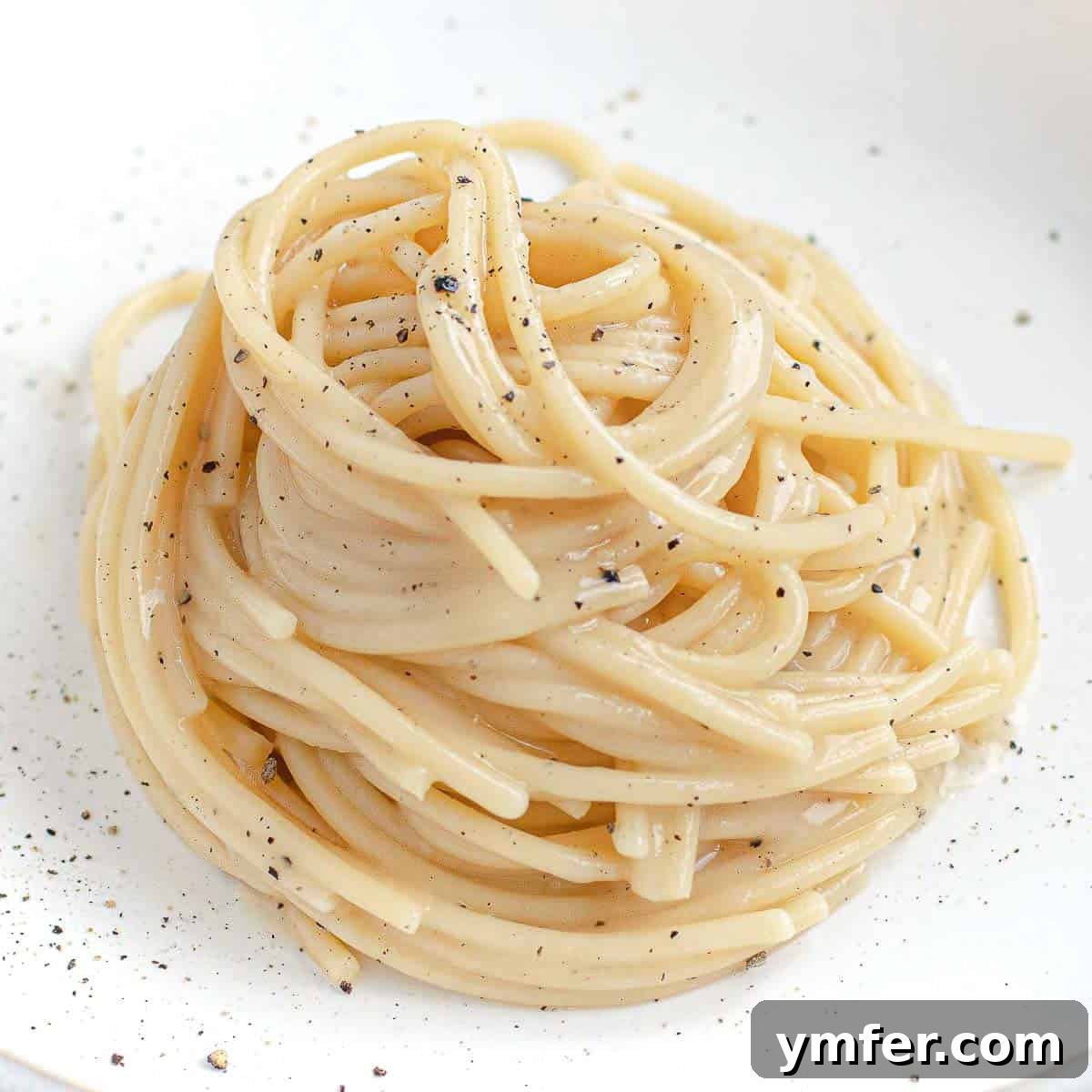
Prepare to be amazed by this truly irresistible Vegan Cacio e Pepe recipe, ready in a shocking 10 minutes! Is such a delicious and authentic-tasting dairy-free pasta even possible in such a short time? Absolutely! The result is a wonderfully creamy, intensely peppery, and remarkably cheesy pasta dish that will satisfy your cravings in record time. Over the past few years, the quality of vegan cheese alternatives has soared, offering textures and flavors that are truly comparable to their dairy counterparts. This recipe showcases just how incredible plant-based cheese can be. Give it a try, and we’re confident you’ll be adding it to your weekly meal rotation!
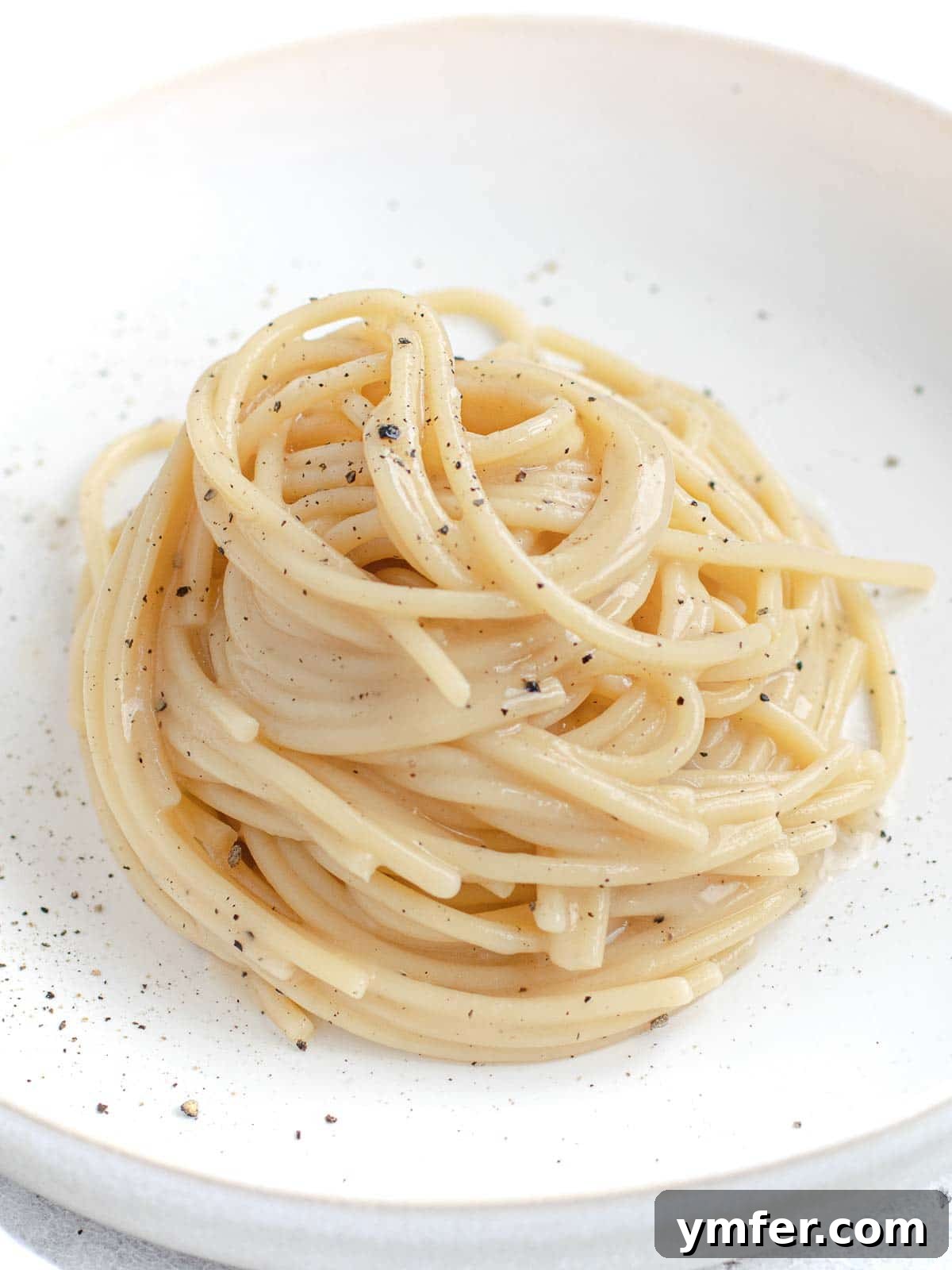
Table of Contents
- Introduction to Vegan Cacio e Pepe
- Essential Ingredients & Smart Substitutions
- Step-by-Step Cooking Instructions
- Expert Tips for the Perfect Vegan Cacio e Pepe
- Frequently Asked Questions
- Storage and Reheating Advice
- Delectable Serving Suggestions
- More Mouth-Watering Vegan Pasta Recipes
- Full Vegan Cacio e Pepe Recipe Card
Introduction to Vegan Cacio e Pepe: A Plant-Based Roman Classic
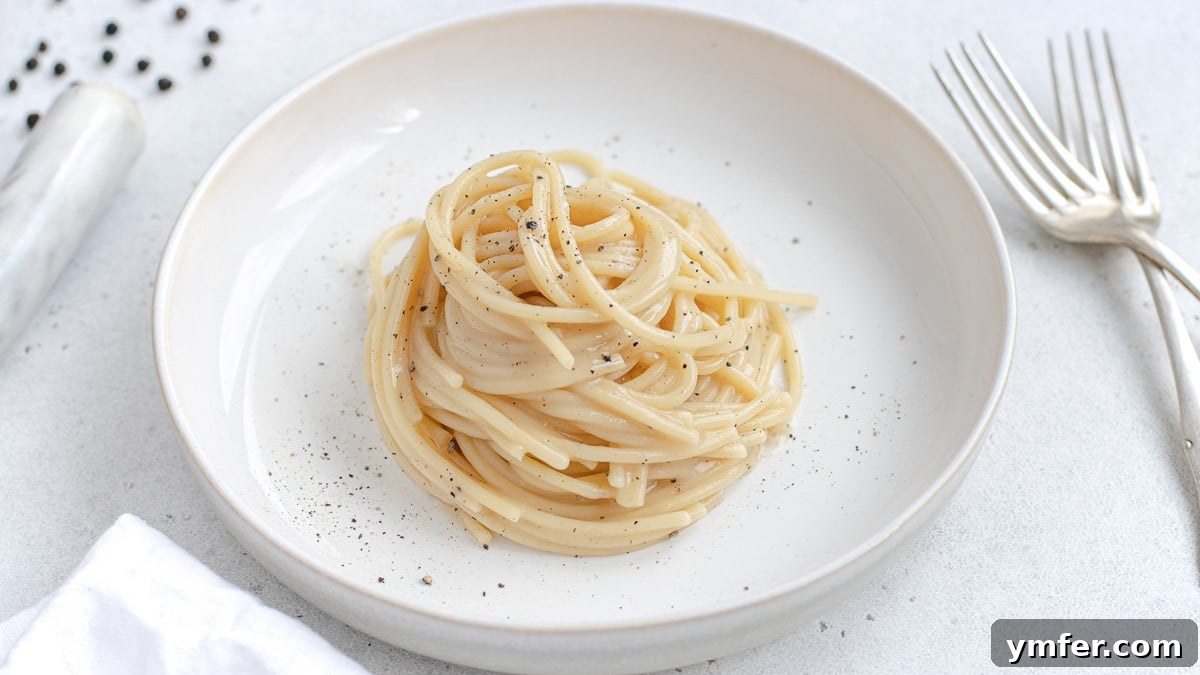
Our vegan Cacio e Pepe draws deep inspiration from the heart of Italy, specifically from Rome, where the original “cheese and pepper” pasta dish was born. Traditionally, Cacio e Pepe is renowned for its humble beginnings and incredibly simple ingredient list: Pecorino Romano cheese, black pepper, and pasta cooking water. Despite its simplicity, it has achieved international acclaim as a masterpiece of Italian cuisine.
For those new to the concept, imagine a wonderfully simplified vegan mac and cheese, elevated with the sophisticated spice of freshly ground pepper. This recipe focuses on creating that distinctive Roman texture and flavor profile, but entirely plant-based. It’s crafted with classic spaghetti and enveloped in a surprisingly light yet intensely creamy vegan cheese sauce, generously flavored with a kick of freshly ground black pepper. What makes this recipe truly revolutionary is its minimal preparation time: it literally requires only three core ingredients and is ready in just 10 minutes – precisely the time it takes to boil your pasta!
Achieving the perfect creamy consistency and authentic cheesy flavor in this vegan rendition relies heavily on choosing the right commercial vegan shredded cheese. We’ve experimented extensively to find the best options that melt beautifully and provide that quintessential Cacio e Pepe experience. Below, in our ingredients section, you’ll find a curated list of top-performing US and European brands. Living in a charming small town in Italy, where local vegan cheese options are scarce, we often make bulk online orders of vegan cheese shreds once a month and conveniently freeze them for later use. This ensures we always have our go-to ingredient on hand.
The first time I attempted this creamy vegan pasta, as a proud Italian chef, I approached it with considerable skepticism. The idea of recreating such a beloved classic without traditional cheese seemed daunting. However, the recipe exceeded all expectations! It turned out so incredibly delicious and remarkably simple that it has quickly become a cherished staple in our household. It’s our go-to dish, especially when we’re craving a quick, easy, and satisfyingly creamy pasta, which, to be honest, happens at least once a week!
Essential Ingredients & Smart Substitutions for Vegan Cacio e Pepe
- Pasta: While you can certainly use any pasta shape you prefer for this versatile recipe, we highly recommend using spaghetti. This choice pays homage to the traditional Italian Cacio e Pepe, delivering that classic long-strand texture. For an even more indulgent and creamier result, seek out “bronze cut” pasta. Unlike its “steel cut” counterpart, bronze cut pasta has a rougher, more porous surface, which allows it to cling to and absorb the rich vegan cheese sauce much more effectively, enhancing every bite.
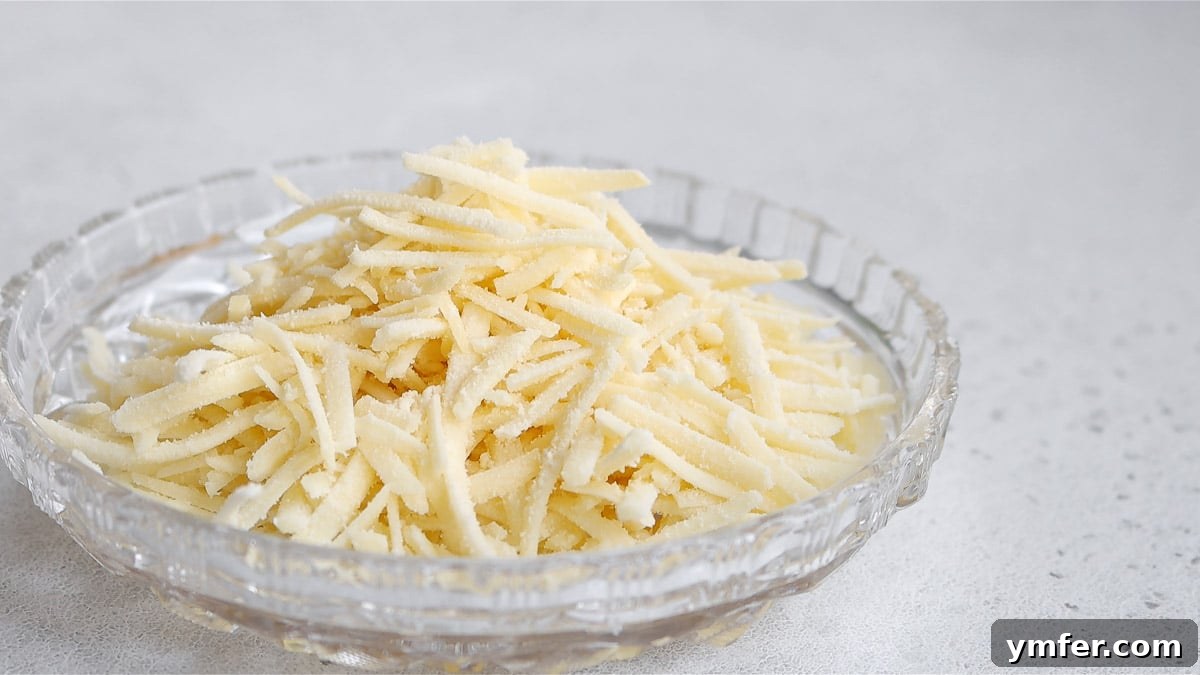
- Vegan Shredded Cheese: This is the cornerstone of our dairy-free Cacio e Pepe. Our top recommendation is “Violife grated cheese,” known for its excellent melt and authentic flavor profile. Violife products are widely available across numerous countries, including the US, Canada, UK, Latin America, and most of Europe.
If Violife isn’t accessible, several other fantastic US brands offer high-quality vegan shredded cheese alternatives. These include Follow Your Heart, Miyoko’s Kitchen, Parmela Creamery, So Delicious Dairy Free, Daiya, and Chao Creamery. For our European friends, particularly in Germany, Simply-V is another excellent brand to consider.
As mentioned, if local options are limited, don’t hesitate to make a larger online order. Vegan shredded cheese freezes exceptionally well, making it a convenient pantry staple. Simply transfer it to a freezer-safe bag or container and thaw when needed.
For those seeking a significantly lighter alternative or if vegan shredded cheese is truly unavailable, unsweetened soy yogurt can be used. This will yield a less rich and creamy, but still delightfully tangy and delicious pasta dish. When using soy yogurt, it’s crucial not to heat it; instead, mix it directly into a bowl with the hot, cooked pasta and freshly ground black pepper. A drizzle of good quality olive oil can also enhance the texture.
- Black Pepper: The “pepe” in Cacio e Pepe! For the most vibrant and aromatic flavor, freshly ground black pepper is non-negotiable. Pre-ground pepper simply doesn’t capture the same intensity or complexity. Toasting whole peppercorns before grinding, as detailed in our instructions, takes the flavor to another level.
- Water: Primarily for boiling the pasta. However, this isn’t just any water; it’s liquid gold for our sauce! Crucially, you must reserve some pasta cooking water. This starchy water is key to achieving that silky, emulsified sauce. The starches released from the pasta act as a natural thickener, binding the vegan cheese into a wonderfully creamy consistency and ensuring the sauce adheres perfectly to every strand of spaghetti.
- Salt: We use coarse salt, typically coarse sea salt or kosher salt, to properly season the pasta water. This is vital for flavoring the pasta itself from the inside out. A final pinch or two of fine salt may be added to the finished dish if needed, depending on the inherent saltiness of your chosen vegan cheese.
Step-by-Step Cooking Instructions for Perfect Vegan Cacio e Pepe
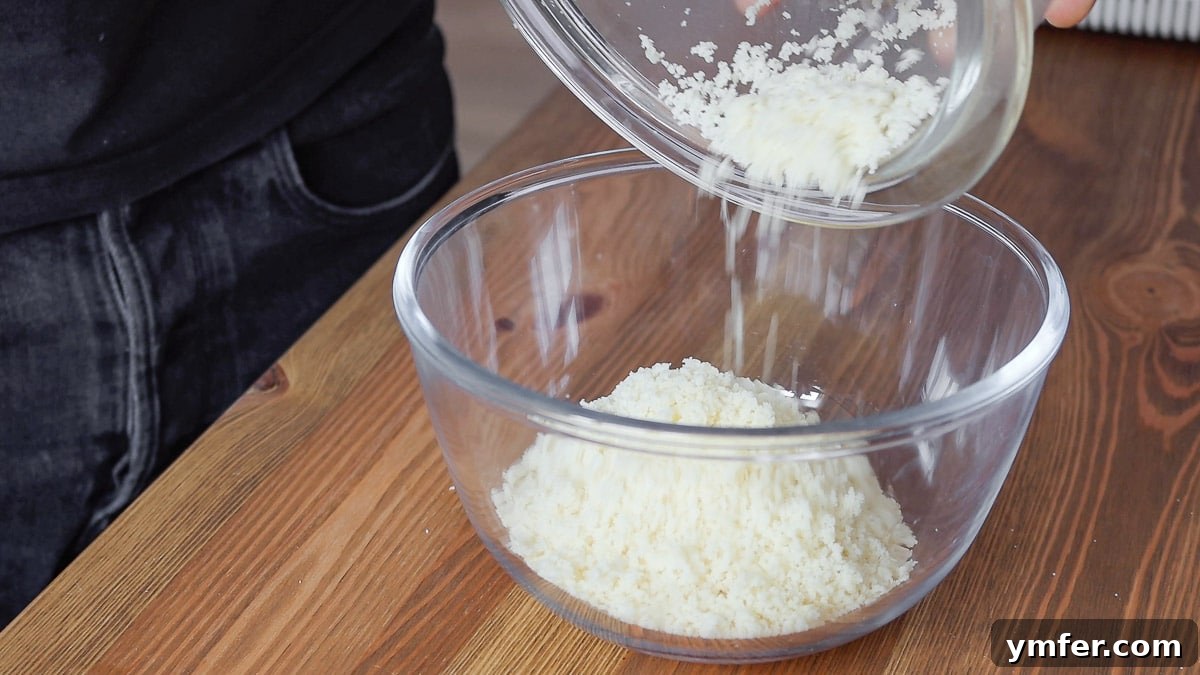
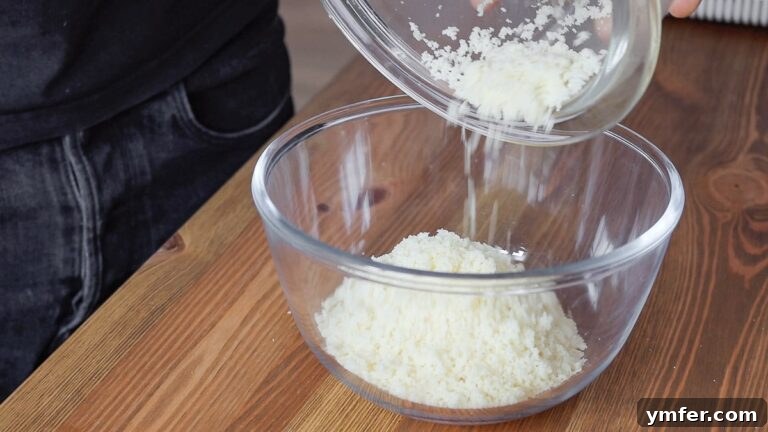
To ensure your vegan cheese melts into a beautifully smooth and creamy sauce, we have a helpful initial step. If your vegan cheese comes in coarser shreds, we highly recommend first blending it into a finer consistency. This makes it resemble grated Parmesan cheese, allowing it to melt much more quickly and evenly, preventing any clumping. While some finely shredded cheeses might not require this step, we generally advise it for the best results.
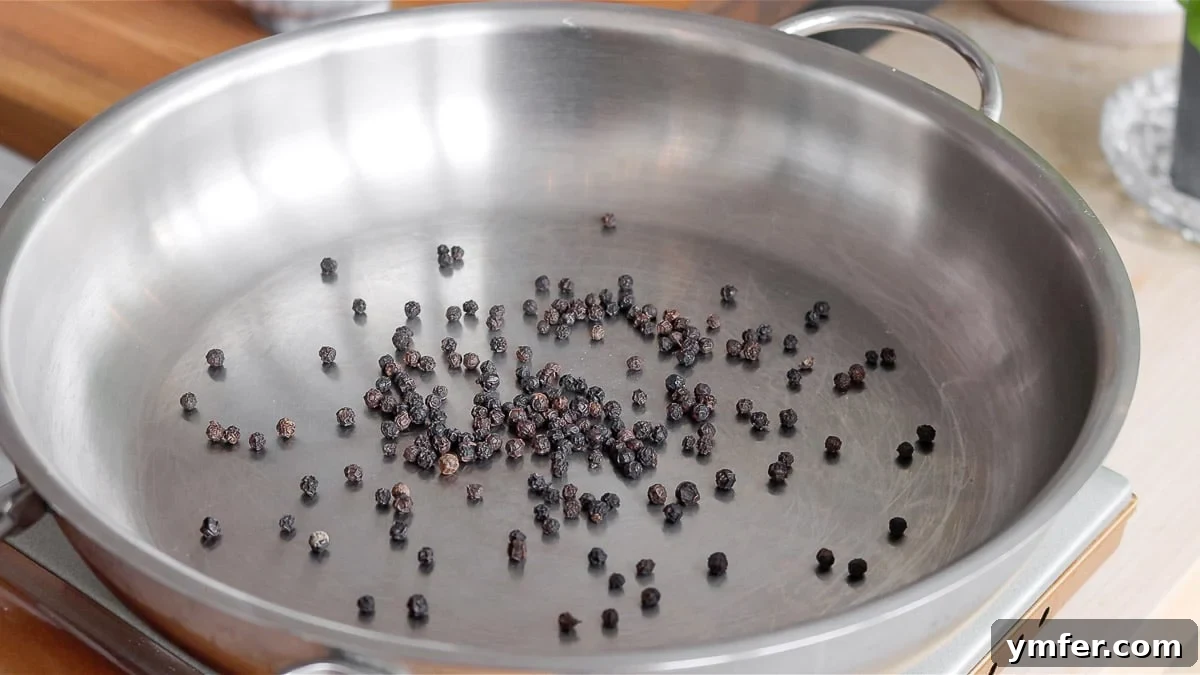
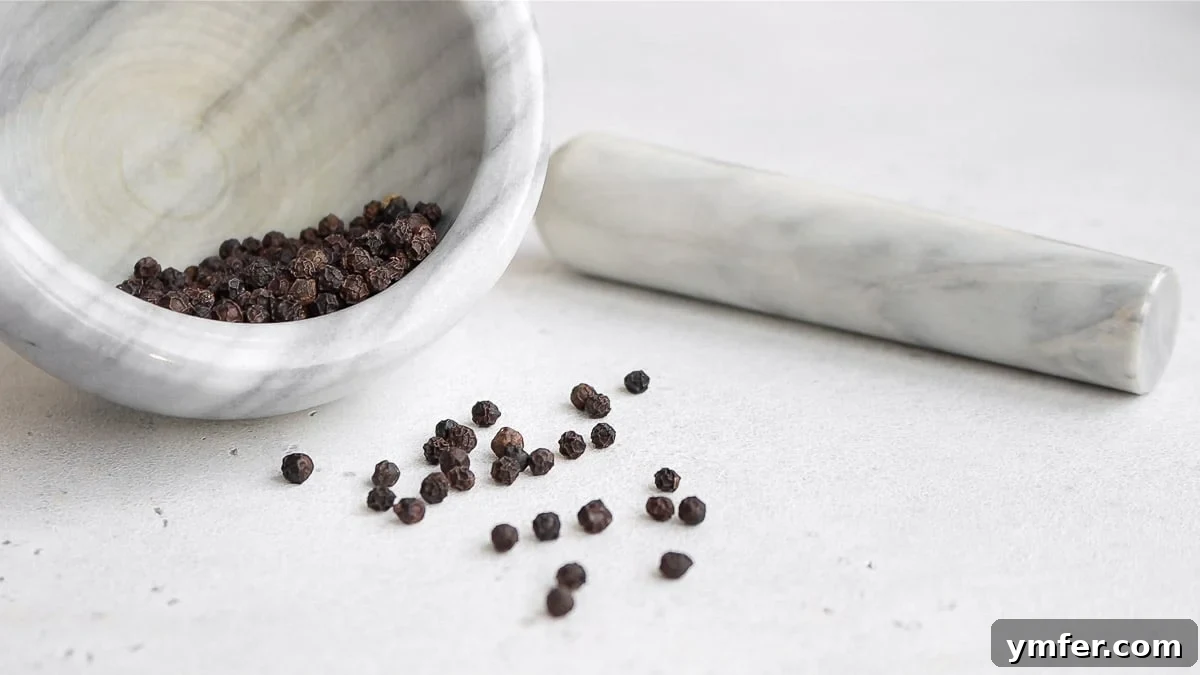
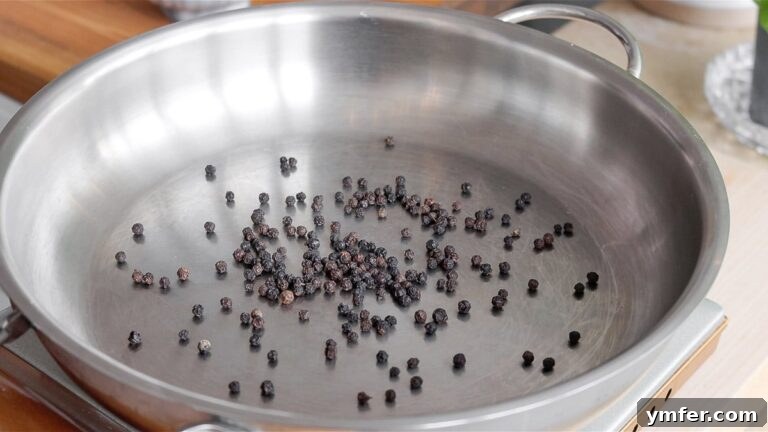
Next, begin by bringing a large pot of water to a rolling boil for your pasta. While the water is heating, grab a separate dry pan and place it over medium heat. Add the whole black peppercorns to the pan – no oil or liquid is needed. Gently toast the peppercorns, moving them around the pan continuously for approximately 3 minutes, or until you detect a rich, pungent aroma of freshly toasted pepper filling your kitchen. This brief toasting step intensifies their flavor significantly.
If time is of the essence or you prefer a simpler approach, you can certainly skip the toasting step and use freshly ground pepper directly from a pepper mill. However, for an elevated taste, toasting is highly recommended.
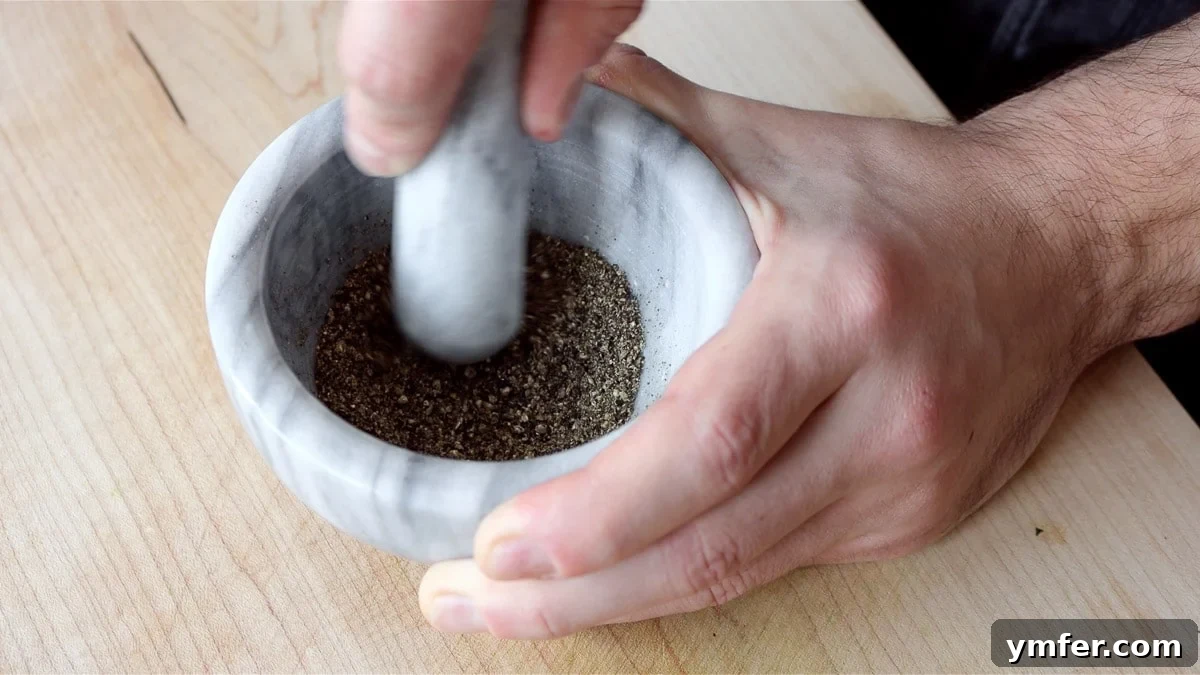
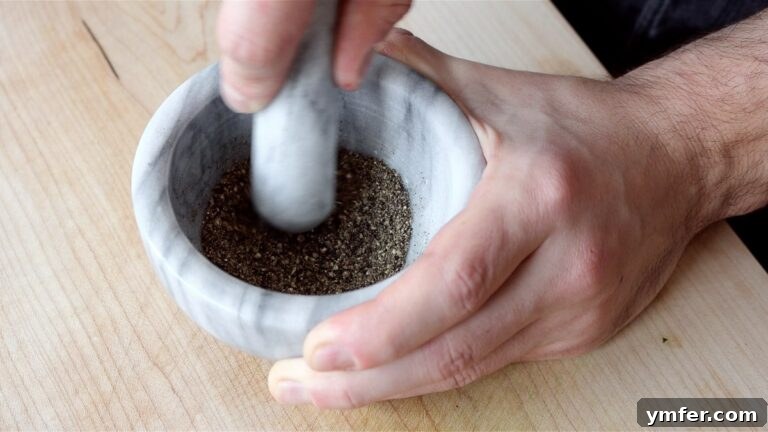
Once toasted, transfer the peppercorns to a mortar and crush them into a fine dust. This creates the quintessential “pepe” flavor and texture. If you don’t have a mortar and pestle, a simple alternative is to place the peppercorns on your cutting board, cover them with a clean cloth or parchment paper, and apply firm pressure with the bottom of a heavy pan until they are finely crushed.
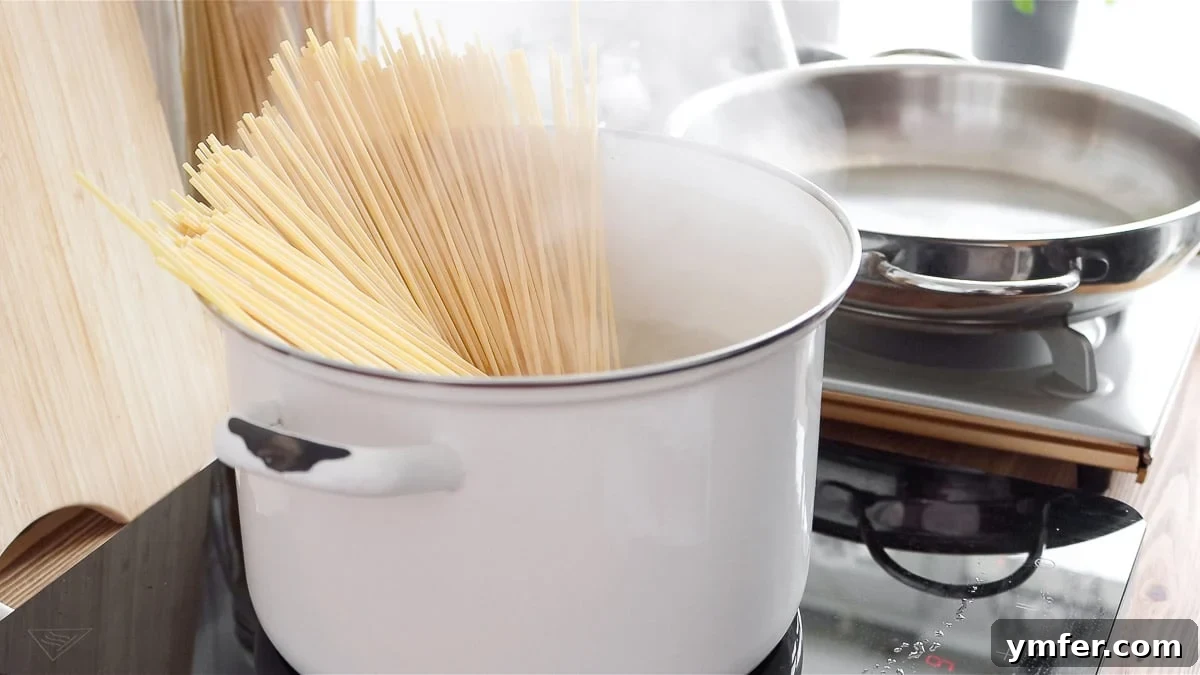
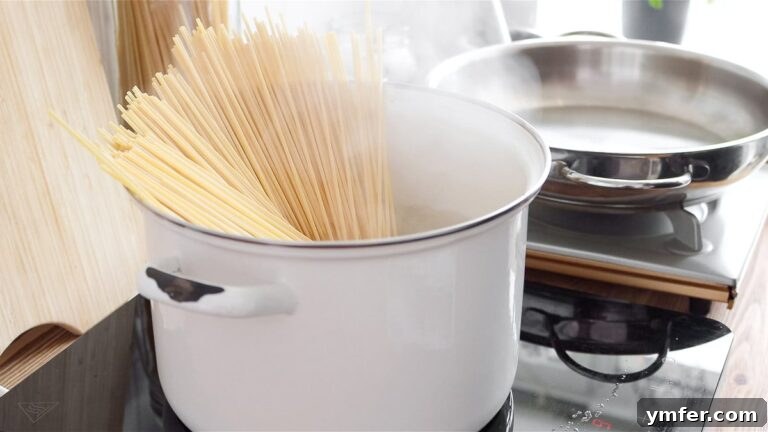
By now, your pasta water should be vigorously boiling. Generously salt the water with coarse sea salt, then add your spaghetti. Cook the pasta for exactly 4 minutes less than the minimum time specified on the pasta package. For example, if the package suggests 12 minutes, you will cook it for 8 minutes. This crucial step of undercooking allows the pasta to finish cooking directly in the cheese sauce, where it will release its starches, contributing significantly to a truly emulsified and extra-creamy sauce.
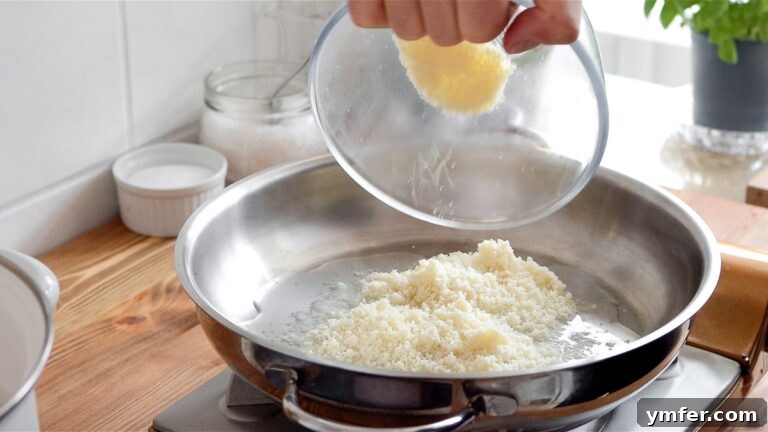
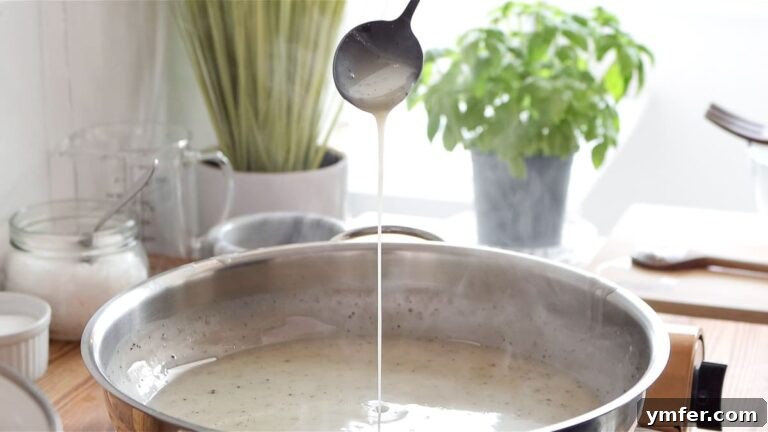
While the pasta is simmering, prepare your creamy sauce. In a large, wide pan, combine the prepared vegan shredded cheese with 2 generous ladles of the hot pasta cooking water. Place the pan over low heat and gently begin to melt the cheese, stirring continuously and quickly with a wooden spoon or whisk. Within about a minute or two, your vegan cheese should have transformed into a completely melted, smooth, and cohesive liquid. Avoid high heat, as this can cause some vegan cheeses to seize or become oily.
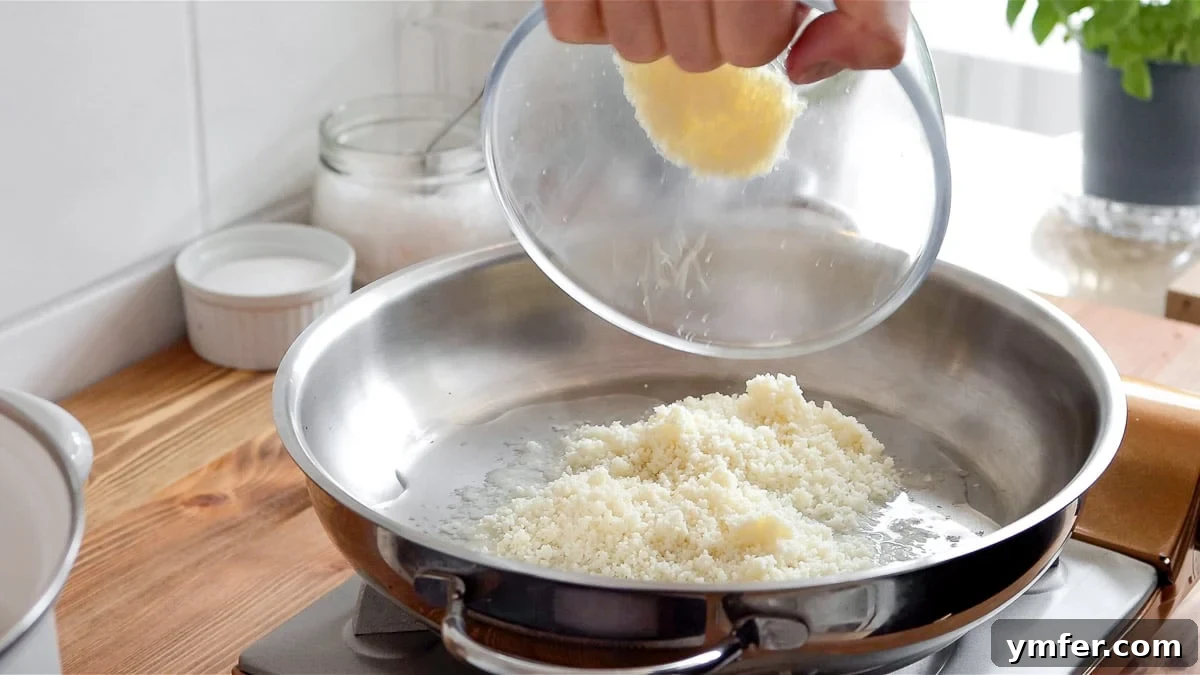
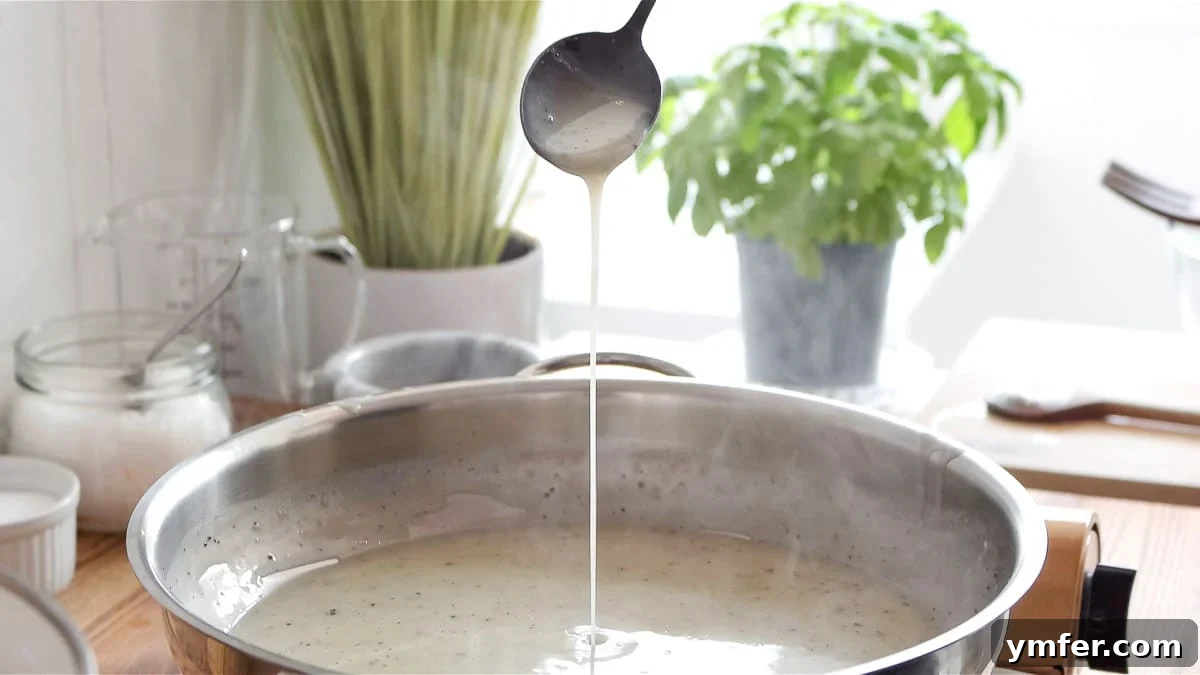
Now, it’s time to infuse the sauce with its signature spice. Add the freshly crushed black pepper to the melted vegan cheese sauce. Continue stirring gently over low heat for another minute, allowing the pepper’s flavor to meld beautifully with the cheese. Then, remove the pan from the heat, but keep stirring occasionally. This prevents the sauce from becoming too dense or clumping as it cools slightly. If you find the sauce is thickening too much, don’t hesitate to add an extra dash of pasta cooking water, a tablespoon at a time, until you achieve your desired creamy consistency. The starch in the water is your best friend here!
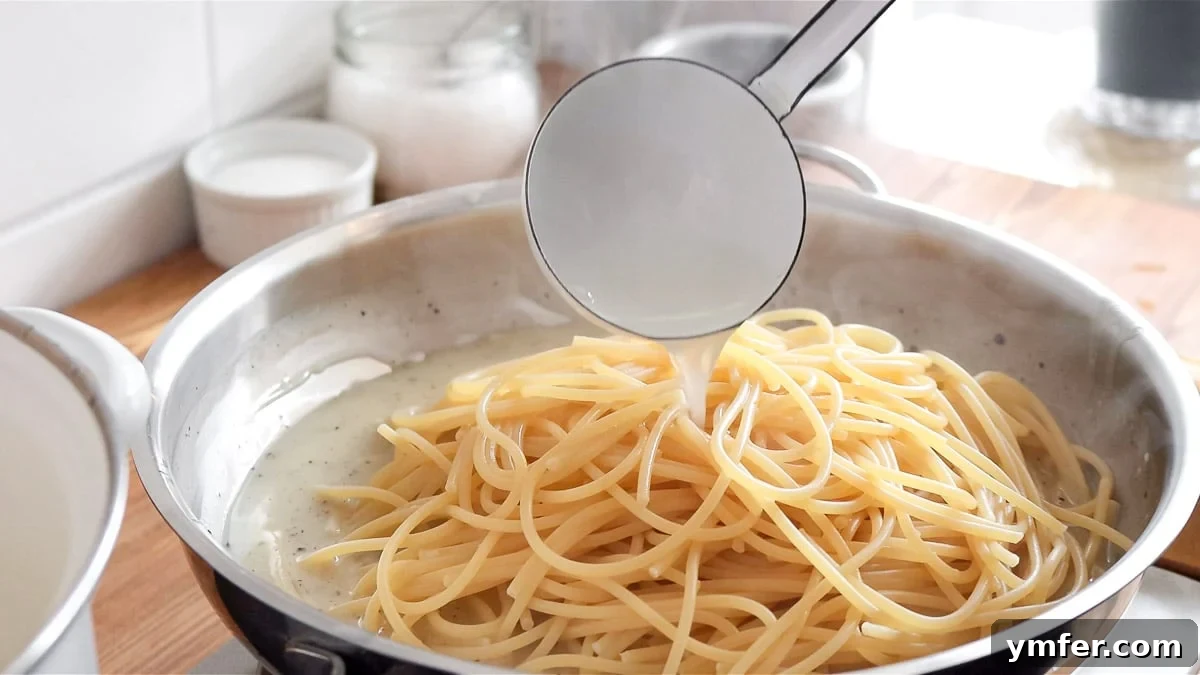
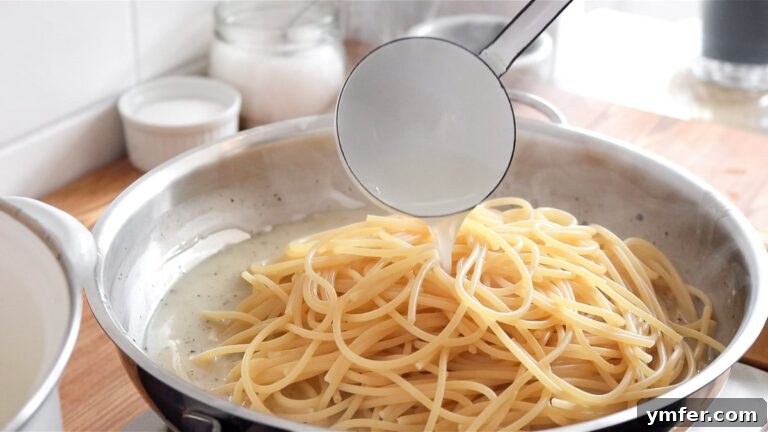
Once your pasta reaches its undercooked stage, carefully remove it from the boiling water using tongs or a pasta fork. Transfer the pasta directly into the pan containing the creamy vegan cheese sauce. Remember, it’s absolutely vital to save the remaining pasta water – we’ll need it to complete the cooking process and perfect the sauce.
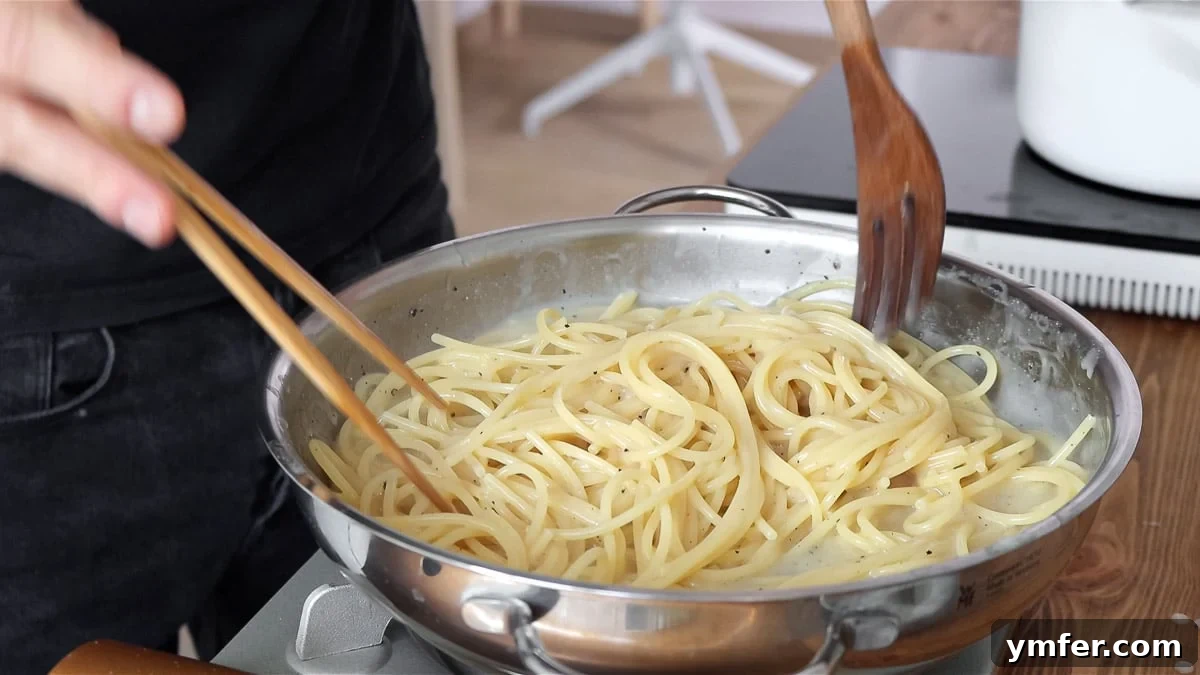
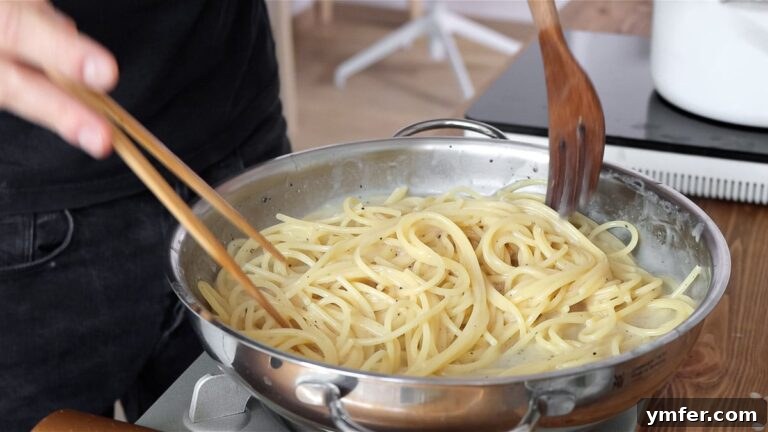
With the pasta now in the sauce pan, add 1 ladle of the reserved pasta water. Place the pan back on medium to low heat and continue to cook the pasta, tossing and stirring continuously with the cheese sauce. This crucial step allows the pasta to absorb the rich flavors of the sauce and release its remaining starch, creating a truly unified and glossy coating. Continue cooking until the pasta is perfectly al dente – meaning it’s cooked through but still has a pleasant, firm bite. If at any point the sauce becomes too thick or dry, simply add more pasta water, a splash at a time, until it reaches your preferred luscious consistency.
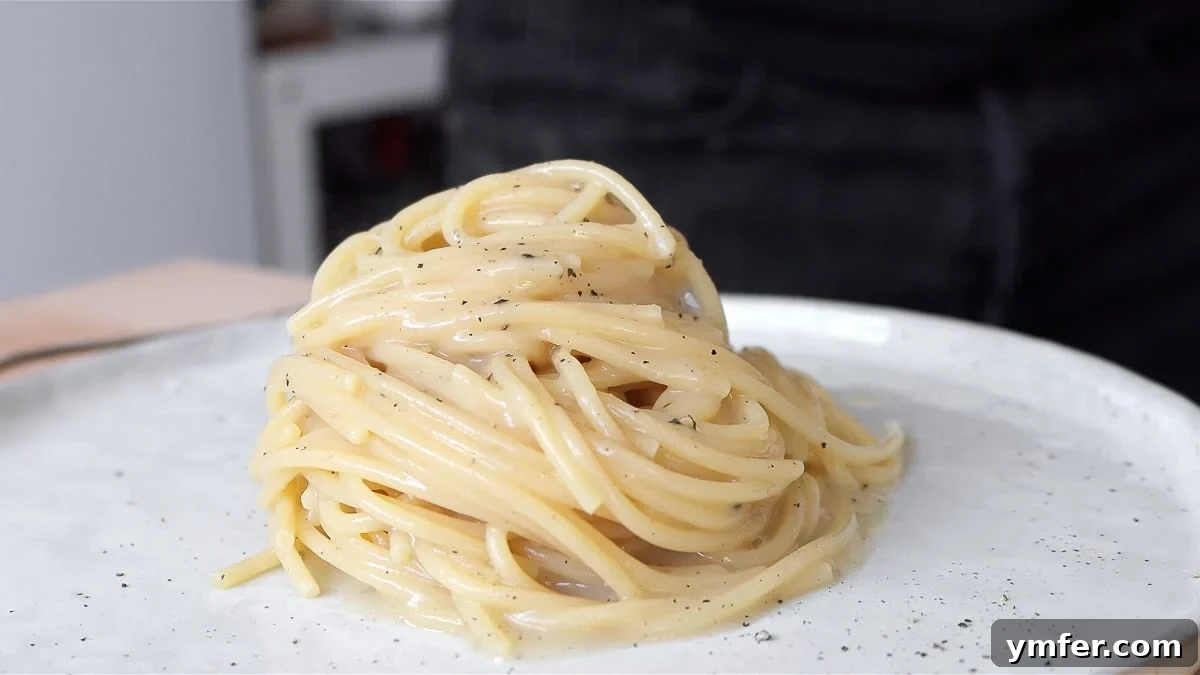
At this stage, your pasta should be perfectly cooked and completely coated in the silky, cheesy sauce. Each strand will be glistening and full of flavor. Your magnificent Vegan Cacio e Pepe is now ready to be portioned and enjoyed!
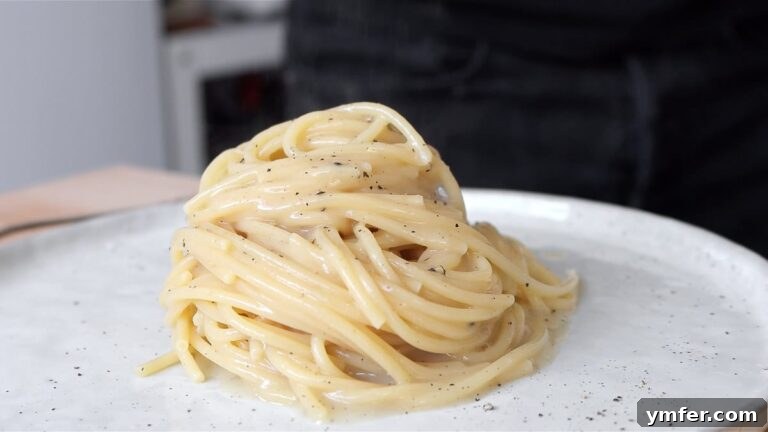
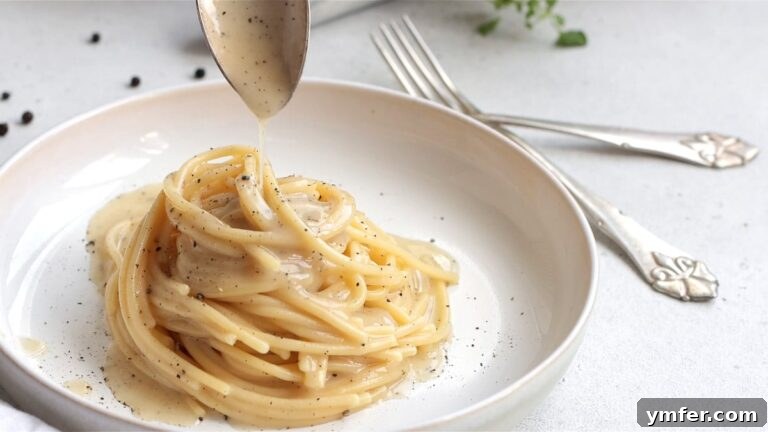
To serve, artfully arrange the pasta in elegant swirls on individual plates. For an extra touch of richness and visual appeal, drizzle with some additional cheese sauce on top, and finish with a generous sprinkle of freshly ground black pepper. The aroma alone is enough to make mouths water!
Expert Tips for the Perfect Vegan Cacio e Pepe Every Time
- Undercook the Pasta for 4 Minutes: This is arguably the most critical tip for an authentic Cacio e Pepe, whether vegan or traditional. By undercooking the spaghetti for approximately four minutes less than the package instructions, you allow it to finish cooking directly in the pan with the cheese sauce. During this final cooking stage, the pasta actively releases its starches into the sauce, creating a natural emulsion. This process is what yields that incredibly luscious, smooth, and cohesive sauce that lovingly coats every strand of pasta, making it far creamier than simply adding sauce to fully cooked pasta.
- Melt Vegan Cheese with Pasta Cooking Water for Enhanced Flavor: When melting your vegan cheese, always use some of the reserved pasta cooking water. This starchy, salty water serves multiple purposes. Firstly, its residual heat helps the vegan cheese melt smoothly and prevents it from clumping. Secondly, the salt absorbed by the pasta water during cooking adds an essential layer of savory “sapidity” to the vegan cheese sauce. Many vegan cheeses are less salty than traditional Italian Pecorino or Parmesan, so leveraging the saltiness of the cooking water is a brilliant way to balance the flavor profile and achieve a more authentic taste.
- Toast Whole Black Peppercorns for Maximum Aroma: This technique, widely used in Asian cooking for spices, is transformative for Cacio e Pepe. By gently toasting whole black peppercorns in a dry pan before grinding them, you awaken and release their volatile oils. This simple step intensifies their natural aroma and flavor, imparting a deeper, more complex peppery kick to your dish that pre-ground pepper simply cannot replicate. Warm them on a pan over medium heat for a few minutes, stirring constantly, until fragrant.
- Always Save the Pasta Water: Do not discard all of your pasta water! This starchy liquid is your secret weapon for achieving the perfect sauce consistency. The starches released from the pasta during cooking are invaluable for emulsifying the sauce. If your sauce becomes too thick or needs a little loosening, adding a splash of this reserved, starchy water will bring it back to a silky, creamy texture without diluting its flavor. It’s the key to controlling the final consistency and ensuring a glossy finish.
Frequently Asked Questions About Vegan Cacio e Pepe
Yes, absolutely! Authentic Italian dry pasta is inherently 100% vegan. It is traditionally made with just two plant-based ingredients: high-quality durum wheat semolina flour and water. Egg pasta, while delicious, is a different category and will typically be labeled as such.
While spaghetti is our preferred choice to honor the traditional presentation of Cacio e Pepe, this vegan creamy pasta recipe is incredibly adaptable. You are welcome to use any pasta shape you enjoy! Short pasta shapes like rigatoni, penne, or fusilli work beautifully, as their nooks and crannies excel at capturing the creamy sauce. Long pasta shapes like linguine or bucatini are also excellent alternatives to spaghetti.
We highly recommend trying online retailers, as they often have a wider selection of vegan shredded cheeses than physical stores. If, however, you still cannot find a suitable vegan shredded cheese, an unsweetened soy yogurt can be a surprisingly good substitute for a lighter, tangier sauce. In this case, cook your pasta to a perfect al dente. Drain it, then immediately transfer it to a large serving bowl. Stir in 3 to 4 tablespoons of unsweetened soy yogurt, a drizzle of good quality extra virgin olive oil for richness, and a generous amount of freshly ground black pepper. Mix thoroughly until the pasta is coated, and serve immediately. This method avoids heating the yogurt, which can sometimes curdle.
Storage and Reheating Advice for Vegan Cacio e Pepe
While incredibly delicious freshly made, this vegan creamy pasta, like most pasta dishes where the sauce and pasta are fully integrated, doesn’t store exceptionally well. The spaghetti will continue to absorb liquid and soften over time, potentially becoming overcooked and mushy upon reheating. For the best quality, we strongly recommend enjoying it immediately after preparation.
If you do happen to have leftovers, store them in an airtight container in the refrigerator for a maximum of 12 hours. To reheat, transfer the pasta to a pan and add a tablespoon or two of water (or vegetable broth) to help rehydrate the sauce. Gently warm over low heat for about 1 minute, stirring constantly, until just heated through. Be careful not to overheat. Finish with a fresh pinch of freshly ground black pepper to revive the flavors. Please note, this vegan Cacio e Pepe pasta should ideally be reheated only once to avoid it turning into an unappetizing, mushy consistency. Plan your portions accordingly to minimize waste and maximize enjoyment.
Delectable Serving Suggestions for Your Vegan Cacio e Pepe
We absolutely adore easy weeknight dinners that require minimal effort, and this Vegan Cacio e Pepe certainly fits the bill! That being said, if you’re looking to effortlessly boost your daily vegetable intake (as we often do), consider pairing this rich pasta dish with one of these vibrant and healthy side dishes for a well-rounded meal:
- Crispy and crunchy baked kale chips for a delightful textural contrast.
- A refreshing cucumber and tomato salad with a light vinaigrette.
- An elegant and zesty fennel and orange salad to cut through the richness.
- Tender and simple steamed artichokes, perfect for dipping.
- A lively shaved Brussels sprout salad with a lemony dressing.
- Flavorful oven-roasted broccoli, lightly seasoned.
- Sweet and savory roasted Brussels sprouts with maple syrup.
- A diverse oven-baked veggie tray featuring your favorite seasonal vegetables.
More Mouth-Watering Vegan Pasta Recipes You’ll Love
If you’ve fallen in love with our speedy and sensational Vegan Cacio e Pepe, you’re in for a treat! We have an array of other equally delicious and easy-to-make weeknight vegan pasta recipes that are perfect for any occasion:
- Penne all’Arrabbiata: A fiery classic with a spicy tomato sauce.
- Spaghetti Aglio e Olio: Simple, elegant garlic and oil pasta.
- Hearty Lentil Bolognese: A rich, plant-based twist on a beloved Italian sauce.
- Pasta Pomodoro: The timeless classic, showcasing fresh tomato flavor.
- Creamy Vegan Carbonara: A surprisingly authentic dairy-free and egg-free version.
- Savory Vegan Mushroom Pasta: Earthy and comforting, perfect for mushroom lovers.
- Creamy Pasta with Vegan Bacon (Vegan Boscaiola): A smoky, rich pasta dish with plant-based bacon.
Full Vegan Cacio e Pepe Recipe Card
Vegan Cacio e Pepe
Nico Pallotta
10 minutes
10 minutes
3
people
First Course
Italian
Share
Ingredients
-
300 grams spaghetti -
150 grams vegan shredded cheese -
1 tbsp black pepper corns you can use more or less based on your taste preference -
3 litres water to cook the pasta -
2 tbsp coarse sea salt to salt the pasta water -
1 pinch salt if your vegan cheese is not salty enough
Instructions
-
BEFORE YOU START: For the creamiest sauce, if your vegan cheese is grated coarsely, we recommend briefly blending it to achieve a finer texture, similar to grated parmesan cheese. This ensures quicker and smoother melting.

-
In a large pot, set water to boil for your pasta. Simultaneously, in a dry pan over medium heat, gently toast the black peppercorns without any liquid. Stir them continuously for about 3 minutes, or until their fragrant aroma is noticeable.
-
Once toasted, transfer the peppercorns to a mortar and crush them into a fine dust. If a mortar is unavailable, place them on a cutting board and crush them by applying firm pressure with the bottom of a heavy pan.
-
When the pasta water is boiling, generously salt it with coarse sea salt. Add the pasta and cook for 4 minutes less than the time recommended on the package.
For instance, if the package suggests 12 minutes, cook for 8 minutes. This ensures the pasta finishes cooking in the cheese sauce, releasing starch for extra creaminess.
-
In a large pan, combine the vegan cheese and 2 ladles of the hot pasta cooking water. Melt the cheese over low heat, stirring quickly and continuously with a wooden spoon or whisk. Within about a minute, the vegan cheese should be completely melted and smooth.
-
Add the crushed pepper to the cheese sauce. Continue stirring over low heat for another minute. Then, turn off the heat, but keep stirring occasionally to maintain a creamy consistency and prevent it from becoming too dense.
If necessary, add an extra dash of pasta cooking water to achieve your desired level of creaminess.
-
When the pasta is ready (undercooked), remove it from the water using tongs and transfer it directly to the pan with the cheese sauce. Remember to save the pasta water, as it’s crucial for finishing the cooking.
-
Add 1 ladle of reserved pasta water to the pan. Over medium to low heat, continue cooking the pasta with the cheese sauce, tossing and stirring until the pasta is perfectly al dente – cooked through but with a firm bite. Add more pasta water if the sauce becomes too thick.
-
Your pasta should now be completely coated in the luxurious cheese sauce, glistening and ready to be portioned for serving.
-
Serve the pasta in elegant swirls on a plate. Drizzle with some extra cheese sauce and a final sprinkle of freshly ground black pepper for an added burst of flavor and visual appeal.
Nutrition
Carbohydrates: 89g,
Protein: 15g,
Fat: 12g,
Saturated Fat: 4g,
Polyunsaturated Fat: 1g,
Monounsaturated Fat: 1g,
Potassium: 268mg,
Dietary Fiber: 6g,
Sugar: 3g,
Vitamin A: 18IU,
Vitamin B6: 1mg,
Vitamin E: 1mg,
Vitamin K: 6µg,
Calcium: 74mg,
Folate: 19µg,
Iron: 2mg,
Manganese: 1mg,
Magnesium: 59mg,
Zinc: 1mg
Tried this recipe?
Leave a comment below or mention @theplantbasedschool on Instagram. We love hearing from you ⭐️ 💚.