
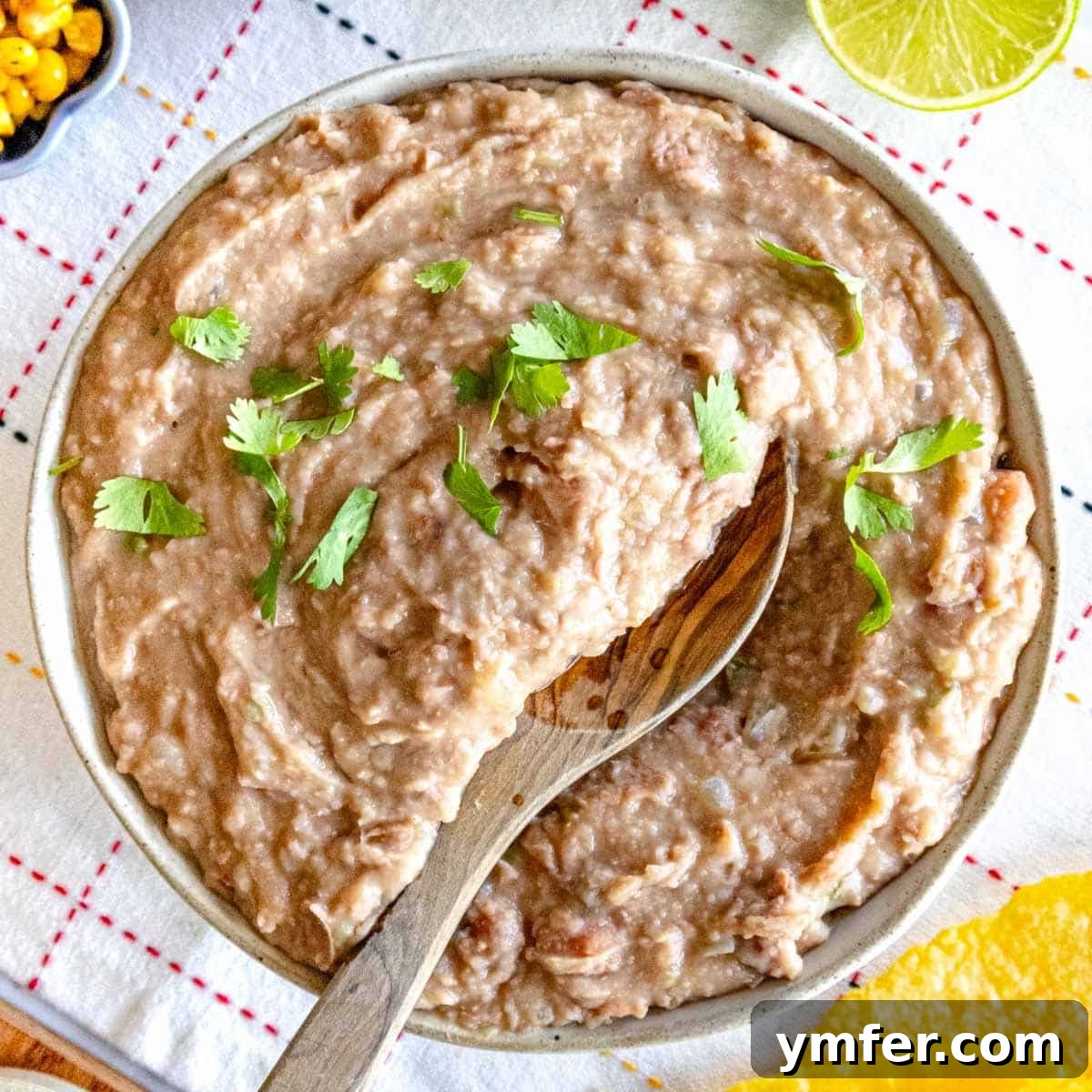
Homemade Refried Beans: The Creamiest Frijoles Refritos Recipe
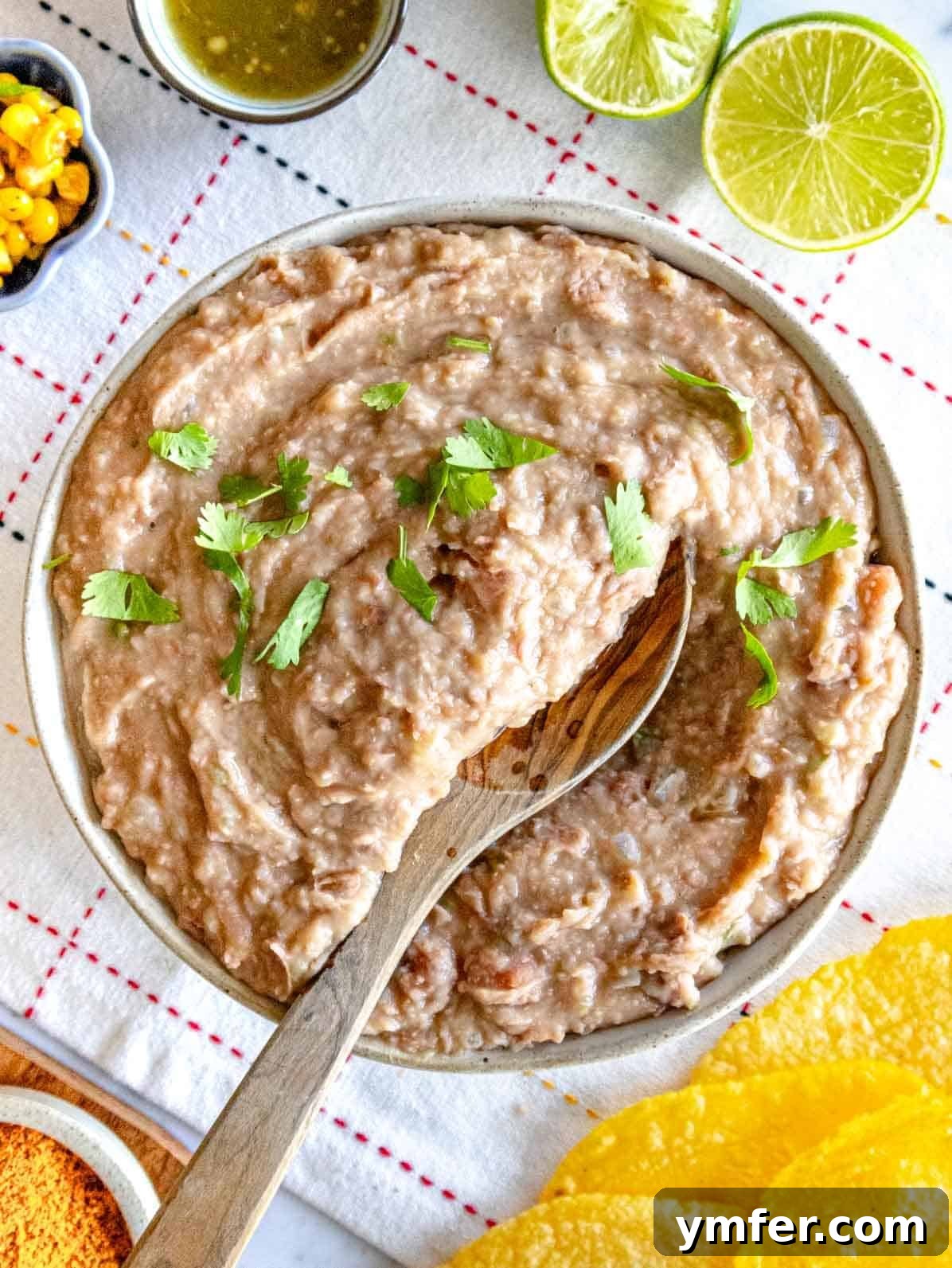
Refried beans, known in Spanish as frijoles refritos, are a beloved Mexican and Tex-Mex culinary staple. This incredibly versatile dish transforms simple beans into a rich, creamy, and flavorful dip or spread. Often the star of the show alongside tortilla chips, or tucked into tacos, burritos, and enchiladas, homemade refried beans are surprisingly easy to prepare and far superior to their canned counterparts.
In this comprehensive guide, we’ll walk you through how to create perfectly smooth and savory refried beans in about 20-30 minutes, using readily available ingredients. Get ready to elevate your Mexican night with this essential, wholesome, and utterly delicious recipe.
Table of Contents
- What Are Refried Beans? An Introduction
- Why Make Homemade Refried Beans?
- Key Ingredients for Frijoles Refritos
- Step-by-Step: How to Make Refried Beans
- Delicious Serving Suggestions
- Storage and Meal Prep Tips
- Frequently Asked Questions
- Variations and Customizations
- Refried Beans Recipe Card
- Explore More Mexican & Dip Recipes
What Are Refried Beans? An Introduction
The term “refried beans” is a direct English translation of “frijoles refritos,” which literally means “well-fried beans” rather than “fried twice.” The process typically involves cooking beans until tender, then mashing or blending them before frying them with aromatic ingredients and spices until they reach a thick, creamy consistency. This cooking method concentrates their flavor and creates a wonderfully satisfying texture.
Originating in Mexico, refried beans are a cornerstone of both traditional Mexican and popular Tex-Mex cuisine. They provide a hearty, flavorful foundation for countless dishes, from simple bean and cheese tacos to elaborate platters. Beyond their delicious taste, refried beans are also an excellent source of plant-based protein and dietary fiber, making them a nutritious addition to any meal.
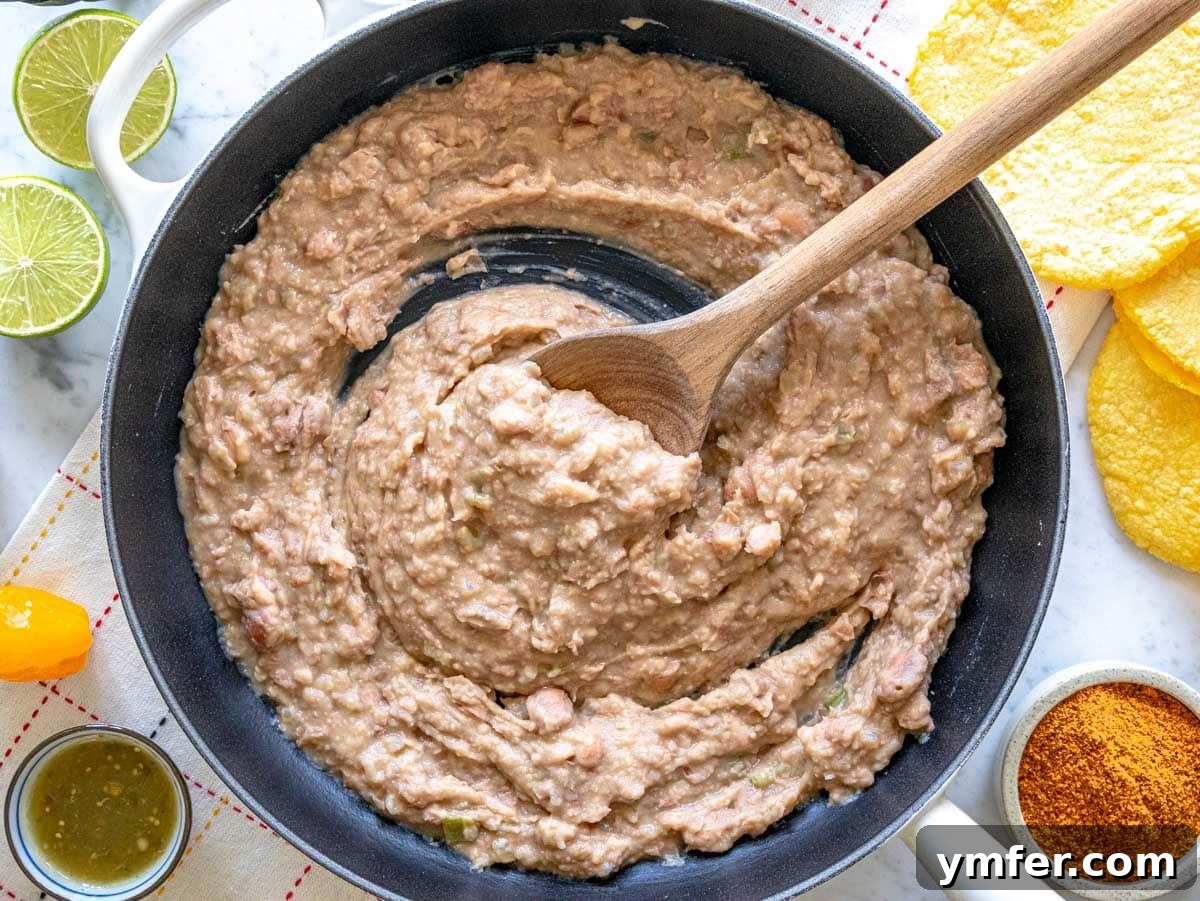
While often made with pinto beans, variations using black beans, kidney beans, or even cranberry beans are also popular, each offering a slightly different flavor profile and color. Whether you prefer a smoother, blended consistency or a more rustic, chunky mash, refried beans are adaptable to your taste and incredibly rewarding to make from scratch.
Why Make Homemade Refried Beans?
While canned refried beans offer convenience, making them at home brings a multitude of benefits that truly elevate your culinary experience:
- Superior Flavor & Texture: Homemade versions boast a freshness and depth of flavor that store-bought cans simply cannot match. You control the seasoning, ensuring a rich, authentic taste, and you can achieve your desired level of creaminess or chunkiness.
- Healthier Ingredients: Commercial refried beans often contain excessive sodium, unhealthy fats (like hydrogenated oils), and preservatives. By making them yourself, you can use heart-healthy oils like olive oil, control the salt content, and avoid unwanted additives. This makes them a naturally vegan and often gluten-free option.
- Cost-Effective: Dried or canned beans are incredibly affordable. Turning them into a gourmet dish at home is significantly cheaper than buying multiple cans from the store, especially if you enjoy them frequently.
- Customization: Want more spice? Add extra jalapeños or a pinch of cayenne. Prefer a smoky flavor? Incorporate chipotle powder. Homemade allows for endless customization to suit your palate.
- Rich in Nutrients: Beans are nutritional powerhouses, packed with plant-based protein, dietary fiber, complex carbohydrates, and essential minerals like iron, folate, and magnesium. Incorporating them into your diet supports digestive health, helps stabilize blood sugar, and provides sustained energy.
Embracing the homemade approach for refried beans is a simple step that yields immense rewards in taste, health, and satisfaction.
Key Ingredients for Frijoles Refritos
Creating perfect refried beans requires a few simple, high-quality ingredients. Here’s what you’ll need, along with tips for variations and substitutions:
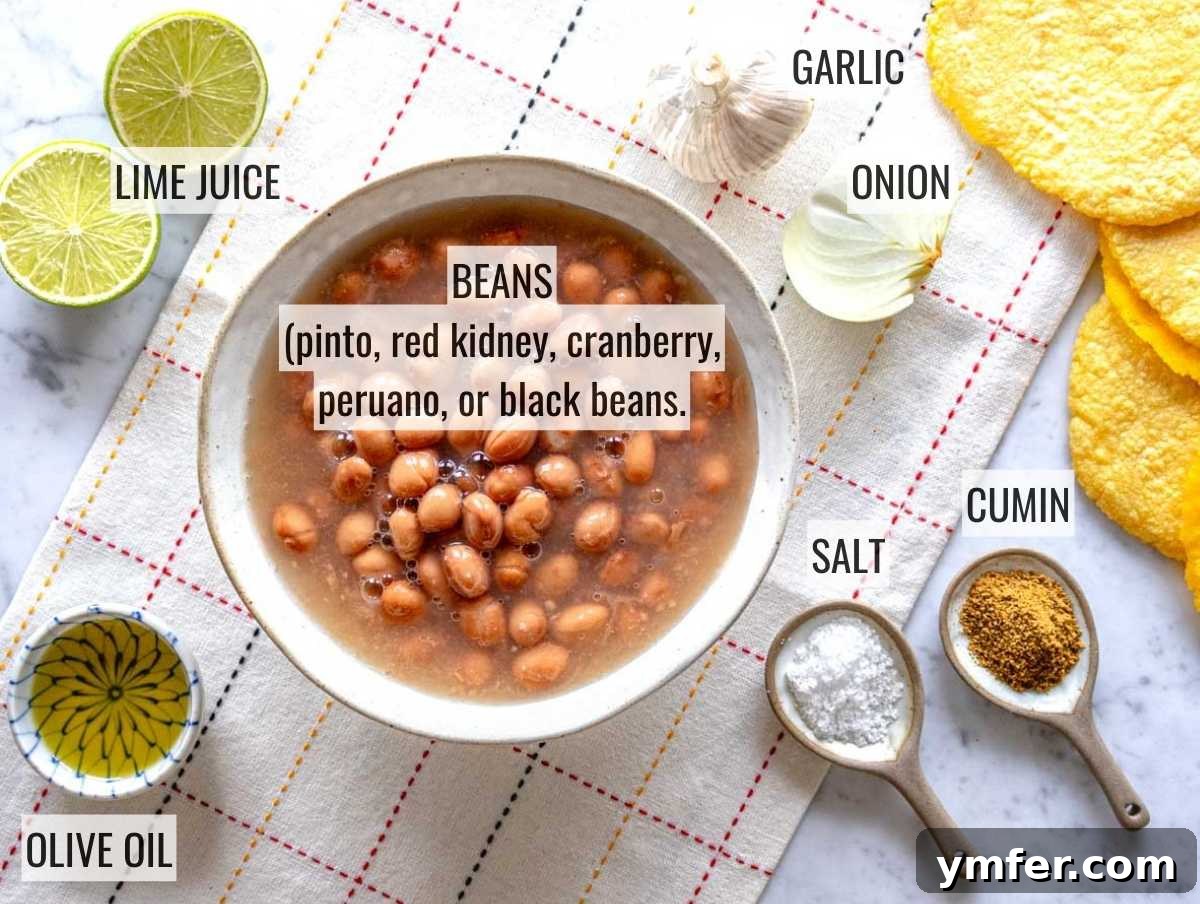
Beans: The Heart of the Dish
- Pinto Beans: These are the most traditional choice for refried beans, known for their creamy texture and mild, earthy flavor when cooked.
- Black Beans: A popular alternative, black beans yield a darker, slightly firmer, and often more intensely flavored refried bean.
- Red Kidney Beans or Cranberry Beans: These can also be used, offering unique textures and tastes.
Dried vs. Canned:
- Dried Beans: For the absolute best flavor and control, start with dried beans. They require soaking (8-12 hours) and simmering until very tender (about 2 hours). Remember to reserve some of the cooking liquid, as it’s crucial for the texture and flavor of the refried beans.
- Canned Beans: For convenience, high-quality canned beans (rinsed and drained, reserving liquid) are an excellent shortcut. No pre-boiling is needed.
Tip: If you’re using canned beans and don’t have enough canning liquid, vegetable broth or water can be used as a substitute to achieve the desired consistency.
Fat: For Sautéing and Flavor
- Olive Oil: We recommend a good quality extra virgin olive oil for a heart-healthy, flavorful base. It adds a subtle richness that complements the beans beautifully.
- Traditional Alternatives: For a more traditional Mexican flavor, you can use lard (manteca). Butter is another option for a rich, savory taste. Avocado oil is also a neutral and healthy choice.
Aromatics: The Flavor Foundation
- Onion: Finely chopped onion provides a sweet, savory base that deepens as it caramelizes slightly. Yellow or white onions work best.
- Garlic: Freshly pressed or minced garlic is essential for that signature savory aroma and taste. Don’t skimp on this!
- Jalapeños (Optional): For a touch of heat and vibrant pepper flavor, a finely chopped jalapeño is a fantastic addition. If you prefer less heat, remove the seeds and membranes. For more heat, try a serrano pepper. For a milder, earthy note, a poblano pepper can be used.
Spices: The Soul of Mexican Cuisine
- Cumin: Ground cumin is a non-negotiable spice for refried beans, lending its warm, earthy, and slightly smoky aroma. You can use ground cumin or lightly toast cumin seeds and then grind them for an even more intense flavor.
- Other Spices (Optional): A pinch of chili powder, smoked paprika, or dried oregano can add complexity.
Seasoning & Freshness
- Salt: Sea salt or kosher salt is recommended. Always season to taste, as the salt content of canned beans or your cooking liquid may vary.
- Lime Juice: Freshly squeezed lime juice is a game-changer. Added at the end, it brightens the flavors, adds a hint of acidity, and makes the beans taste incredibly fresh and vibrant.
- Fresh Cilantro (Optional Garnish): Chopped fresh cilantro is a classic garnish that adds a burst of herbal freshness and color just before serving.
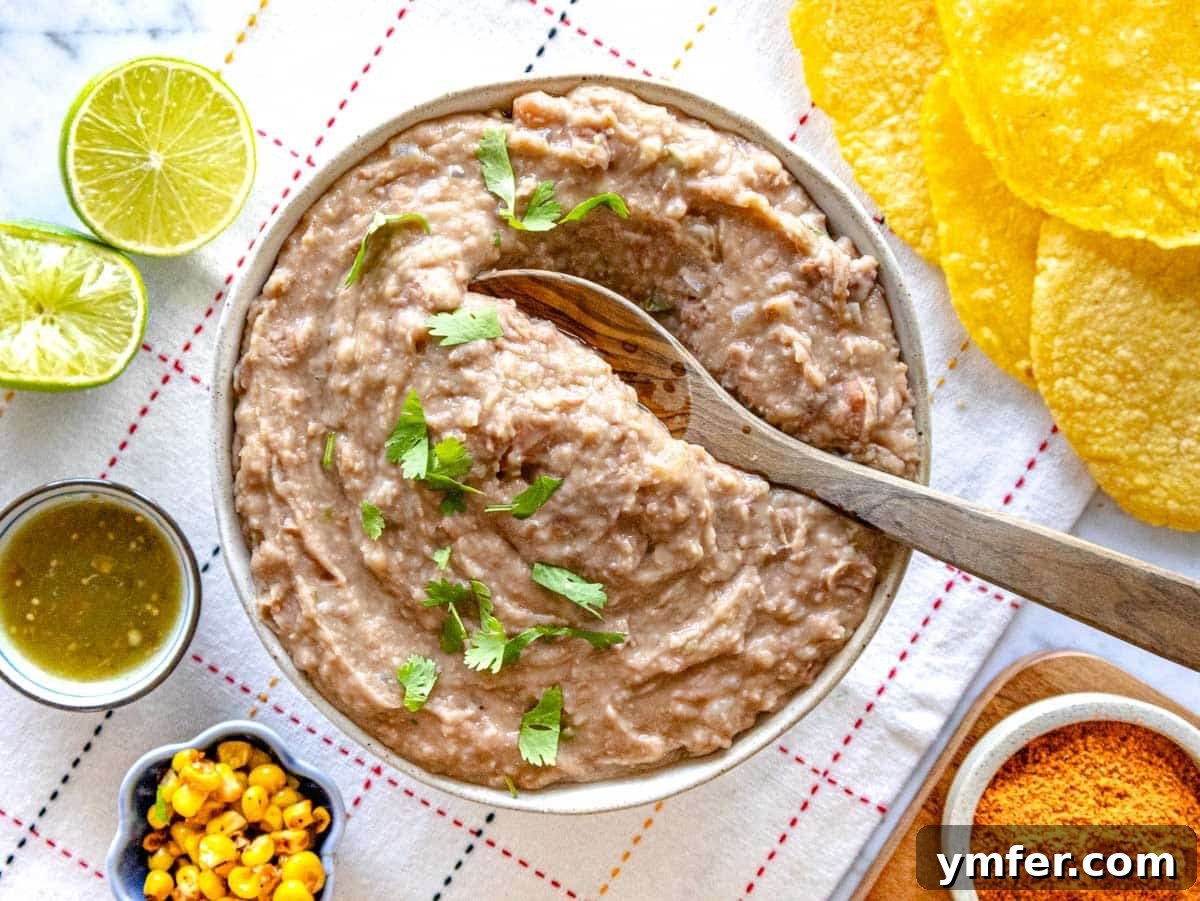
Step-by-Step: How to Make Refried Beans
Follow these detailed steps to create perfectly creamy and flavorful homemade refried beans. Remember, the key is to build layers of flavor!
Preparation (If Using Dried Beans)
If using dried beans: Begin by soaking 1 cup of dried beans in plenty of water for 8 to 12 hours (overnight). Drain the soaked beans, then transfer them to a large pot, cover with fresh water (at least 2 inches above the beans), and simmer for about 1.5 to 2 hours, or until they are very tender. Do not discard the cooking liquid; you will need about 1 cup of it for frying the beans. If you’re using canned beans, simply proceed to the next step, ensuring you reserve the canning liquid.
Step 1: Sauté the Aromatics
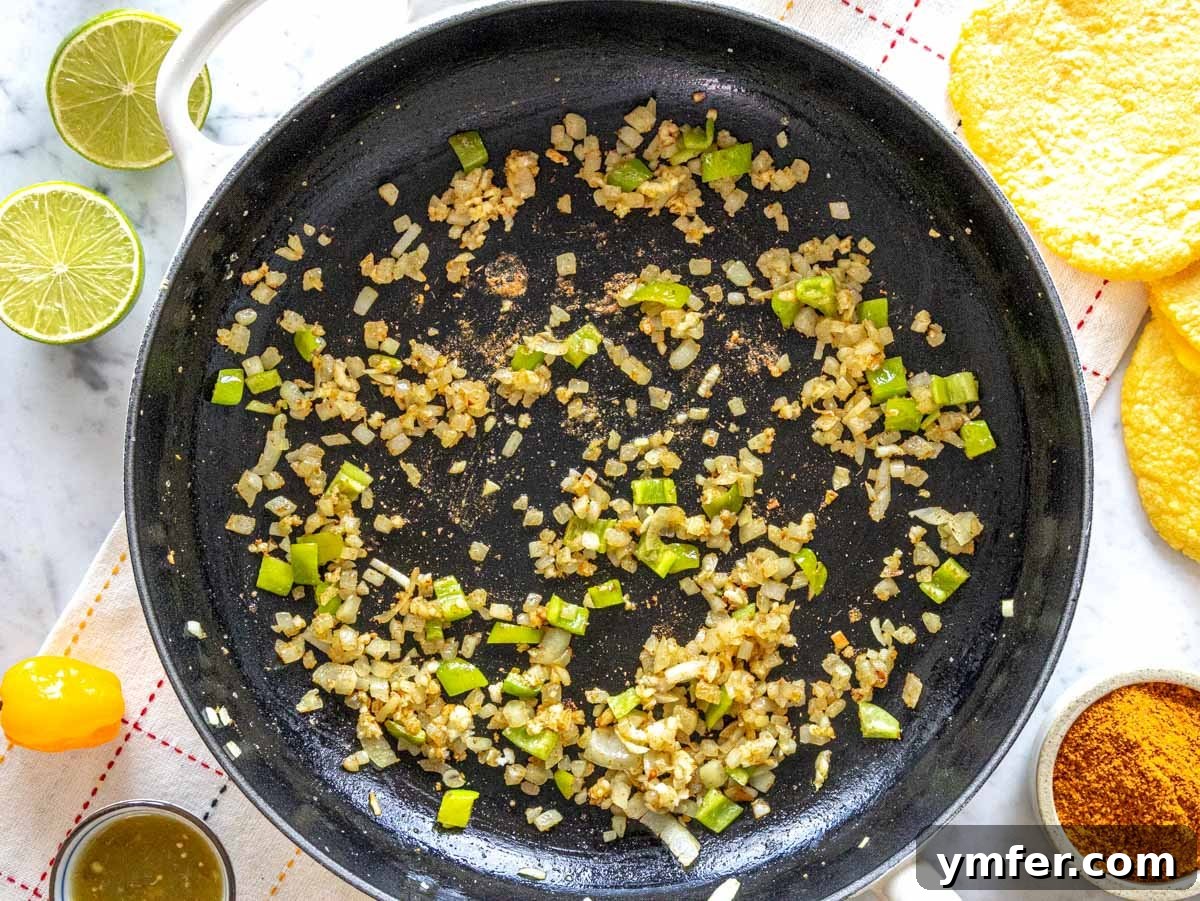
- Heat 2 tablespoons of olive oil in a large, heavy-bottomed skillet over medium heat. A good quality skillet helps prevent sticking and ensures even cooking.
- Add the finely chopped onion and, if using, the chopped jalapeño to the hot oil. Sauté for about 4-5 minutes, stirring occasionally, until the onion softens and becomes translucent. This step is crucial for building the flavor base.
- Stir in the pressed or minced garlic and 1½ teaspoon of cumin. Continue to sauté for just 1 minute more. Be careful not to burn the garlic, as this can make it bitter. The cumin will become wonderfully fragrant during this brief sauté.
Step 2: Combine and Simmer
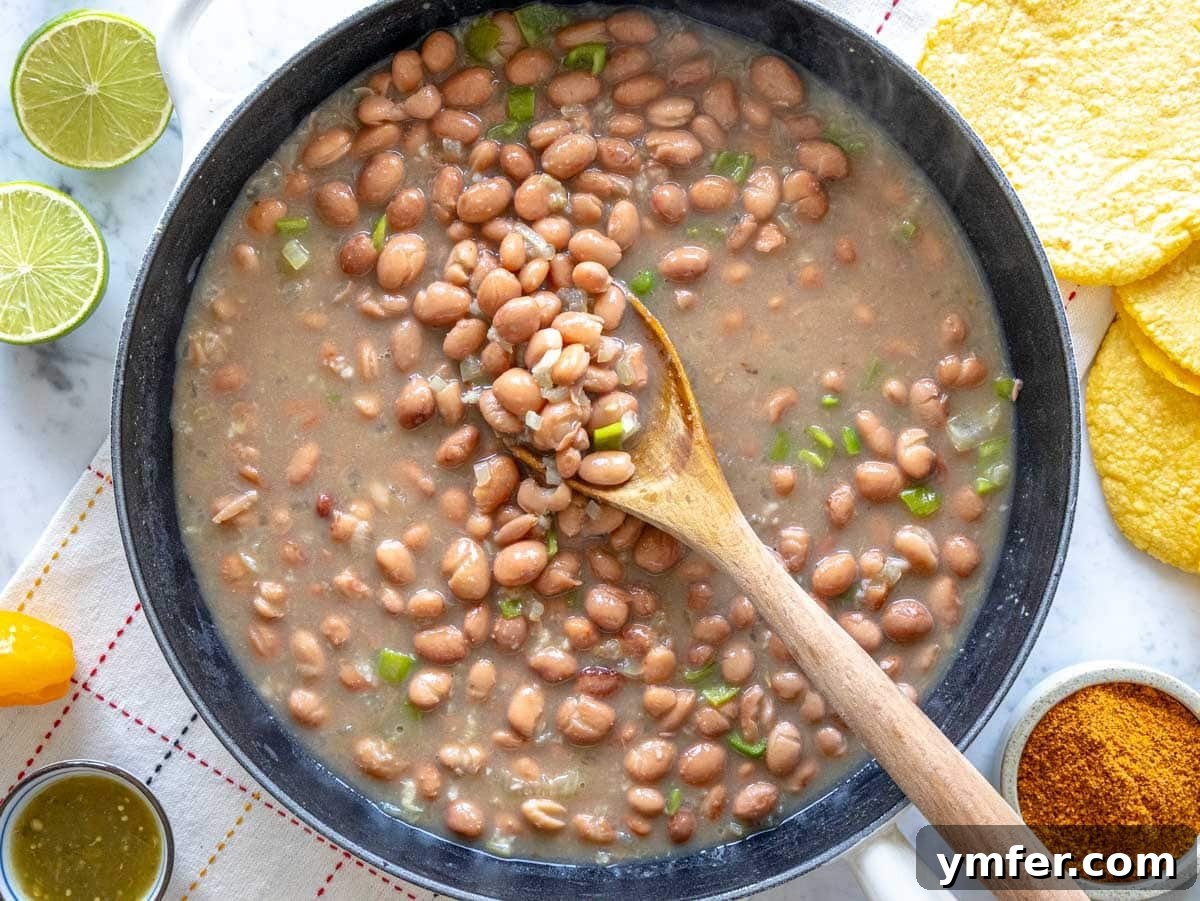
- Add two cans (15 ounces each) of beans (pinto, black, or kidney) along with their canning liquid directly to the skillet. If you’re using homecooked beans, add 3 cups of cooked beans and about 1 cup of the reserved cooking liquid.
- Season the mixture with ¾ teaspoon of salt. Stir everything together well to combine the beans with the sautéed aromatics and spices.
- Bring the mixture to a gentle simmer, then reduce the heat to low and cook for about 10 minutes. This simmering time allows the flavors to meld and the liquid to slightly thicken. Stir occasionally to prevent sticking.
Step 3: Mash to Desired Consistency
- Once the beans have simmered and thickened slightly, it’s time to mash them. You have a few options:
- For ultra-creamy beans: Use an immersion blender directly in the skillet. Blend until smooth, adding a little more reserved liquid or water if it’s too thick.
- For chunky beans: Use a potato masher to mash the beans right in the skillet. Mash until you reach your desired consistency, leaving some beans whole for texture.
- If the beans appear too dry during mashing or blending, add a tablespoon or two more of the reserved bean liquid or vegetable broth until they reach your preferred creamy consistency.
Step 4: Finishing Touches
- Stir in the fresh juice of one large lime. The acidity from the lime brightens the entire dish and adds a wonderful zing.
- Taste the refried beans and adjust the seasoning as needed. You may want to add a little more salt, cumin, or even a dash of hot sauce if you desire extra heat.
- Garnish with a tablespoon of fresh chopped cilantro just before serving.
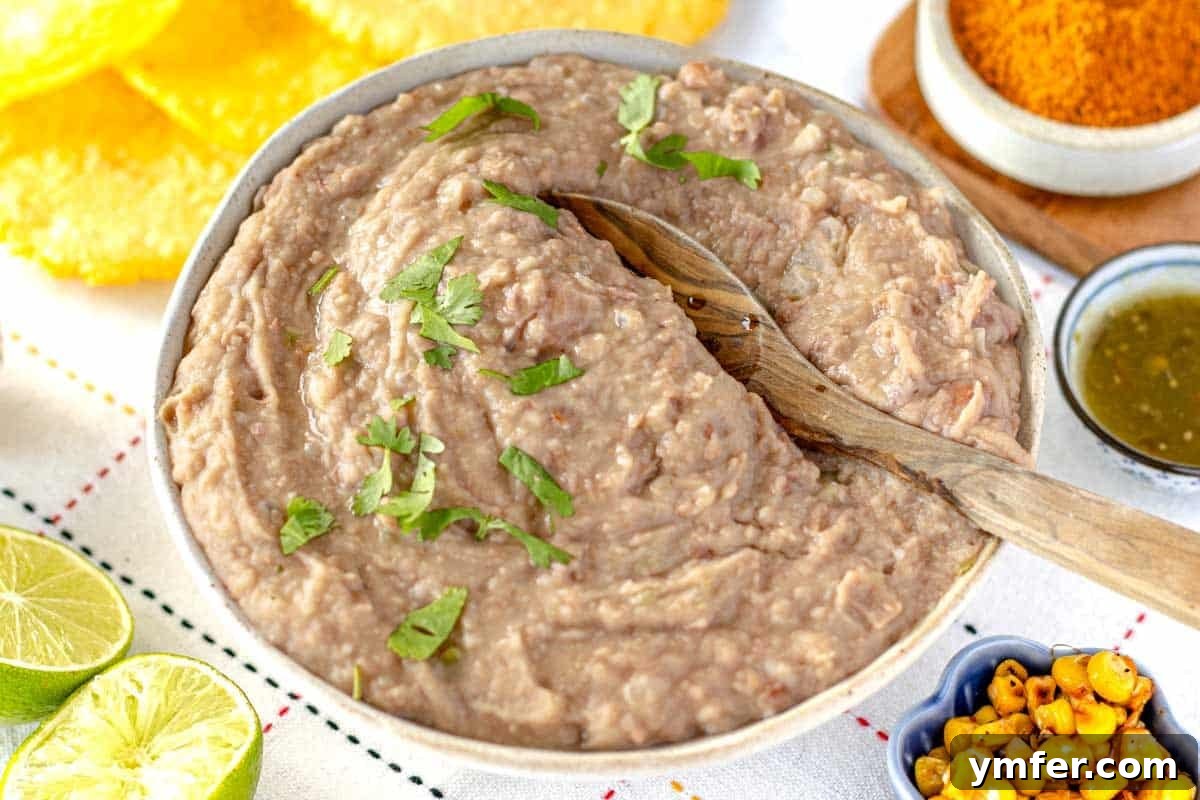
Delicious Serving Suggestions
Refried beans are incredibly versatile and can be enjoyed in countless ways. Here are some popular and creative serving suggestions:
- Classic Dip: Serve warm with homemade corn tortillas or your favorite tortilla chips as an appetizer. Top with extra cilantro, a dollop of sour cream (or vegan sour cream), or a sprinkle of cheese.
- Taco & Burrito Filler: Essential for any taco or burrito bar! Spread a generous layer onto warm tortillas before adding your other fillings. They provide a creamy, flavorful base.
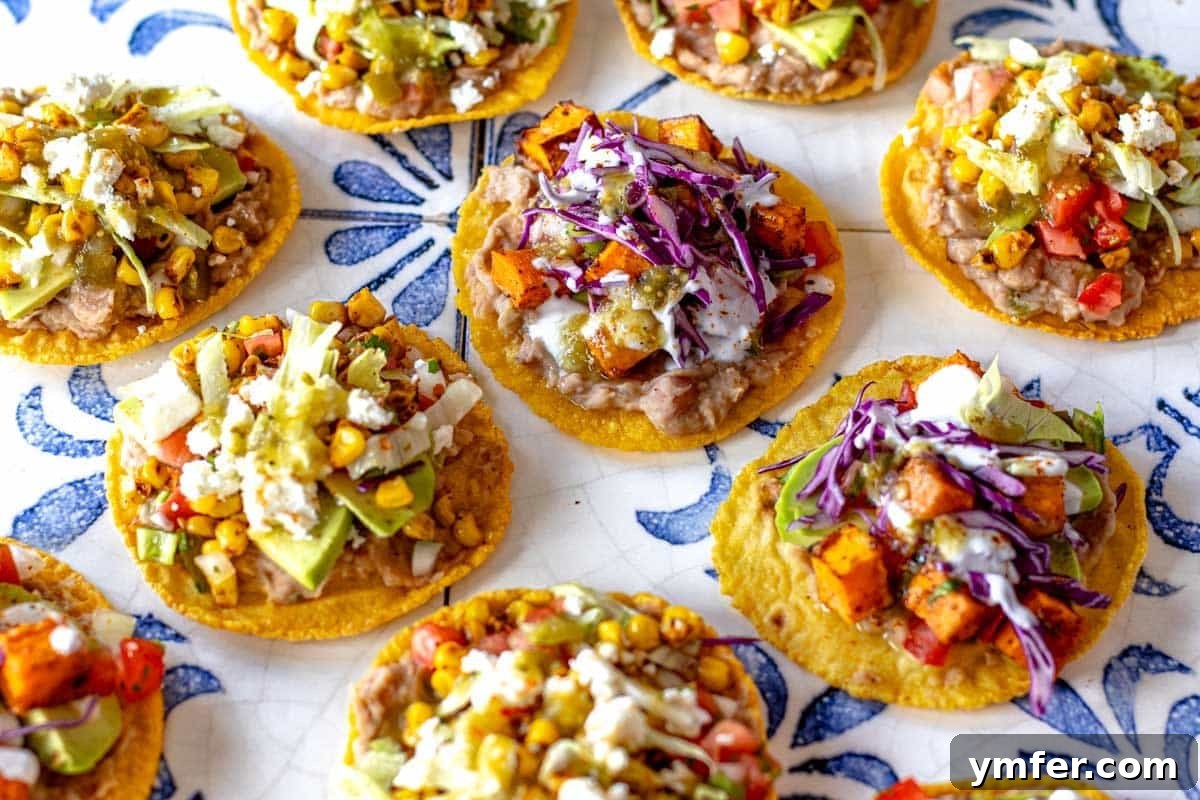
- Tostada Topping: Spread refried beans onto crispy tostada shells and layer with fresh ingredients like lettuce, diced tomatoes, avocado, and pico de gallo. Our vegetarian tostadas are a perfect example!
- Side Dish: A traditional accompaniment to many Mexican main courses, adding substance and flavor.
- Breakfast Burritos & Huevos Rancheros: An excellent addition to morning meals, providing a hearty and satisfying start to the day. Try them in a vegan breakfast burrito.
- Nachos & Quesadillas: Spread a thin layer on tortillas before adding cheese and other toppings for extra flavor and substance.
- Grain Bowls & Salads: Add a scoop to your favorite grain bowls or salads for a boost of protein and fiber.
Refried beans pair beautifully with other fresh Mexican condiments like pico de gallo, creamy guacamole, and tangy salsa verde. Don’t forget a sprinkle of cotija cheese or a squeeze of fresh lime juice!
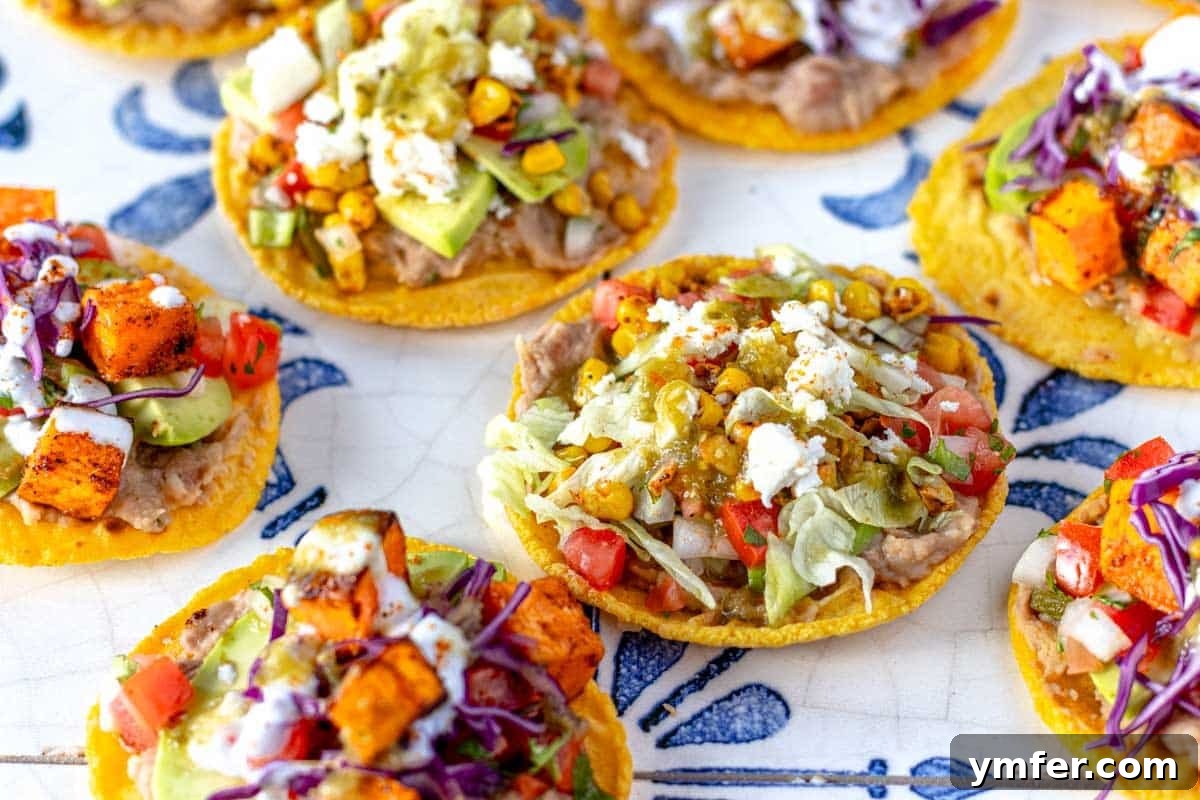
Storage and Meal Prep Tips
Homemade refried beans are fantastic for meal prepping, as they store exceptionally well. Prepare a large batch and enjoy them throughout the week or freeze for later!
- Refrigerator: Store any leftover refried beans in an airtight container in the refrigerator for up to 4-5 days.
- Freezer: For longer storage, freeze refried beans for up to 3 months. Portion them into freezer-safe containers or bags for easy thawing.
- Thawing: Thaw frozen refried beans in the refrigerator overnight or over several hours.
- Reheating: To reheat, transfer to a saucepan over medium-low heat, stirring frequently. If they are too thick, add a tablespoon or two of water or vegetable broth to reach the desired consistency. You can also reheat them in the microwave for about 1 minute per serving, stirring halfway through.
- Make Ahead: Refried beans taste even better the next day as the flavors continue to meld. They are perfect to prepare a day or two in advance for parties or busy weeknights.
Frequently Asked Questions
Q: Can I use any type of bean for refried beans?
A: While pinto beans are the most traditional, black beans, kidney beans, and cranberry beans are also excellent choices. Each bean type will impart a slightly different flavor and color to the final dish. Pinto beans are generally the creamiest.
Q: What is the difference between refried beans and mashed beans?
A: The “refritos” (well-fried) aspect is key. Mashed beans are simply cooked and mashed. Refried beans involve frying the mashed beans with aromatics (onion, garlic, spices) and fat, which adds significant depth of flavor, richness, and a distinct creamy texture that mashed beans alone don’t achieve.
Q: How do I make my refried beans extra creamy?
A: For maximum creaminess, use an immersion blender or transfer the beans to a regular blender and process until completely smooth. Ensure you have enough cooking/canning liquid to achieve a pourable but thick consistency. Using fresh, well-cooked dried beans also contributes to a creamier texture.
Q: Are refried beans vegan?
A: Traditionally, refried beans are often made with lard (pork fat), making them non-vegan. However, by using a plant-based oil like olive oil or avocado oil, as in this recipe, refried beans are naturally vegan and vegetarian. Always check ingredients if buying canned versions.
Q: Can I make these without a jalapeño?
A: Absolutely! The jalapeño is optional. If you prefer no heat, simply omit it. If you want a milder pepper flavor without the spice, you can use a small amount of finely diced bell pepper instead.
Q: How can I add more flavor to my refried beans?
A: Beyond the core ingredients, you can enhance flavor by:
- Adding a pinch of smoked paprika or chili powder.
- Sautéing a small amount of diced bell pepper with the onion.
- Using vegetable broth instead of water for cooking dried beans.
- Stirring in a tablespoon of chopped chipotle in adobo sauce for a smoky, spicy kick.
- Finishing with a sprinkle of nutritional yeast for a cheesy, umami flavor (for vegan options).
Variations and Customizations
Once you master the basic recipe, feel free to experiment with these delicious variations:
- Spicy Refried Beans: Increase the amount of jalapeño, or use a hotter pepper like serrano. A pinch of cayenne pepper or a dash of your favorite hot sauce stirred in at the end can also add a fiery kick.
- Smoky Refried Beans: Add ½ teaspoon of smoked paprika or a teaspoon of finely minced chipotle in adobo sauce to the aromatics for a deep, smoky flavor.
- Cheesy Refried Beans: Stir in ¼ to ½ cup of shredded Monterey Jack, cheddar, or cotija cheese at the very end until melted and creamy. For a vegan option, use nutritional yeast or a good quality vegan cheese.
- Herbaceous Refried Beans: Experiment with other fresh herbs like oregano or epazote (a traditional Mexican herb) during the simmering stage.
- Refried Black Beans: Simply substitute pinto beans with black beans for a darker, earthier flavor and slightly different texture.
Refried Beans Recipe Card

Refried Beans
Refried beans, or frijoles refritos, are a creamy Mexican dip or spread often served with tortillas, tacos, and burritos. This easy recipe can be made in about 20-30 minutes.
Video
Ingredients
- 2 cans (15 ounces each) beans (pinto, black, red kidney, or cranberry), or 3 cups cooked beans, or 1 cup dried beans (prepared as per instructions). You’ll also need the canning/cooking liquid.
- 2 tablespoons olive oil
- ½ onion, chopped
- 3 cloves garlic, pressed or grated
- 1 jalapeño, chopped (optional)
- 1½ teaspoon cumin
- ¾ teaspoon salt, or more to taste
- 1 large lime, juice only
- 1 tablespoon fresh cilantro, chopped (for garnish)
Instructions
- Prepare Beans (if using dried): If starting with dried beans, soak them overnight (8-12 hours), then drain and boil in fresh water for about 2 hours until very tender. Reserve 1 cup of cooking liquid. If using canned beans, proceed to step 2, reserving the canning liquid.
- Sauté Aromatics: Heat 2 tablespoons of olive oil in a large skillet over medium heat. Add the chopped onion and jalapeño (if using) and sauté for 4 minutes until softened.
- Add Garlic & Cumin: Stir in the pressed garlic and cumin, and sauté for 1 more minute until fragrant.
- Combine & Simmer: Add the beans (canned or cooked) along with their reserved liquid (canning or cooking liquid) to the skillet. Season with ¾ teaspoon of salt. Bring to a simmer, then reduce heat and cook for 10 minutes, stirring occasionally, until the liquid thickens.
- Mash or Blend: Use an immersion blender directly in the skillet to blend until creamy, or mash with a potato masher for a chunkier texture. Add a little more reserved liquid or water if needed to reach your desired consistency.
- Finish & Serve: Stir in the juice of one large lime. Taste and adjust salt or other seasonings as desired. Garnish with fresh cilantro before serving.
Notes
Nutrition information is an estimate for 1 large serving of refried beans out of 4 servings.
SUBSTITUTIONS
- Beans: You can use pinto beans, black beans, kidney beans, and cranberry beans. If using dried beans, remember to soak them for 8-12 hours and boil for about 2 hours until tender.
- Olive oil: We use olive oil for a heart-healthy option, but you can substitute lard or butter for a more traditional flavor, or avocado oil for a neutral taste.
- Lime juice: Lemon juice can be used as a substitute for lime juice.
- Jalapeños: Optional. For more heat, use serrano peppers; for less heat or a milder flavor, try poblano peppers or omit entirely.
STORAGE
- Meal prep: Ideal for make-ahead meals.
- Refrigerator storage: Up to 4 days in an airtight container.
- Freezer storage: Up to 3 months.
- Thawing: Thaw in the refrigerator over several hours.
- Reheating: Add 2 tbsp water (or broth), reheat in a saucepan or microwave for 1-2 minutes until warm, stirring well.
Nutrition
Calories: 251kcal, Carbohydrates: 36g, Protein: 11g, Fat: 8g, Saturated Fat: 1g, Polyunsaturated Fat: 1g, Monounsaturated Fat: 5g, Trans Fat: 0g, Cholesterol: 0mg, Sodium: 440mg, Potassium: 592mg, Dietary Fiber: 12g, Sugar: 1g, Vitamin A: 63IU, Vitamin B6: 0.3mg, Vitamin C: 12mg, Vitamin E: 2mg, Vitamin K: 10µg, Calcium: 76mg, Folate: 212µg, Iron: 3mg, Manganese: 1mg, Magnesium: 66mg, Zinc: 1mg
Tried this recipe? Leave a comment below or mention @theplantbasedschool on Instagram. We love hearing from you ⭐️ 💚.
Explore More Mexican & Dip Recipes
Mexican Inspired Recipes:
- Black Bean Burger
- Vegetarian Tostadas
- Mexican Quinoa Salad
- Sweet Potato Chili
- Hearty Black Bean Soup
- Fresh Pico de Gallo
- Authentic Guacamole
- Vibrant Black Bean Salad
- Flavorful Lentil Chili
- Wholesome Vegetarian Chili
- Delicious Vegan Breakfast Burrito
- Savory Sweet Potato Hash
- How to Cook Black Beans from Scratch
Spreads & Dips:
- Creamy Avocado Spread
- Classic Hummus
- Smoky Baba Ganoush
- Garlicky White Bean Dip
- Homemade Tomato Pesto
- Nutritious Lentil Hummus
- Authentic Mutabal
- Roasted Red Pepper Hummus
Mains
Black Bean Burger
One-pot Meals
Vegetarian Chili
Salads
Black Bean Salad
Soups
Black Bean Soup