
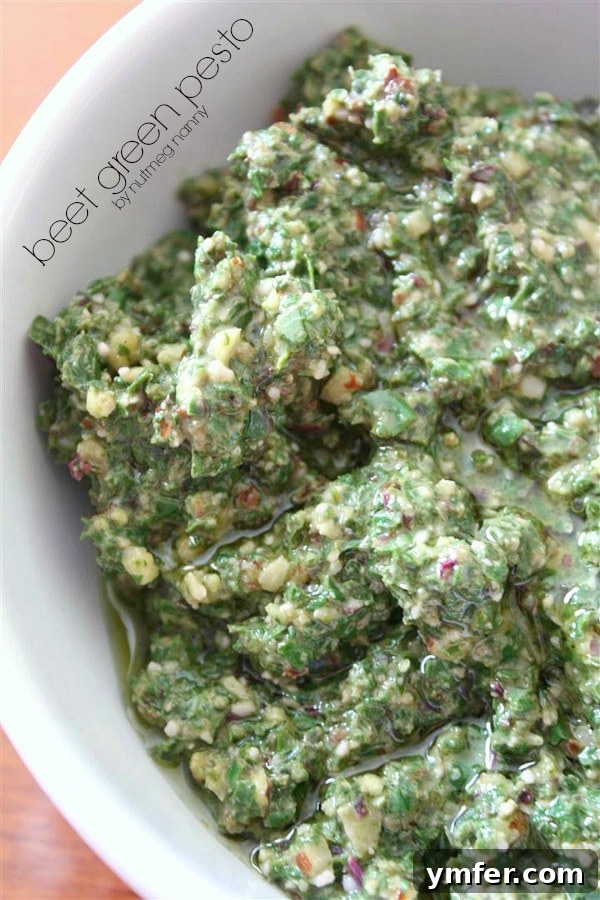
Transforming Beet Tops: The Ultimate Beet Green Pesto Recipe for Zero-Waste Cooking
This beet green pesto is a culinary revelation, offering the perfect solution for utilizing every part of your fresh beets. Far too often, the vibrant, nutrient-rich beet tops are discarded, but with this recipe, they become the star of a delicious, earthy pesto. Packed with essential vitamins and minerals, this versatile condiment elevates ordinary meals, bringing a fresh, herbaceous flavor to pasta dishes, a delightful crunch to toasted bread, and a unique, savory topping to grilled meats. Get ready to turn potential food waste into a gourmet experience!
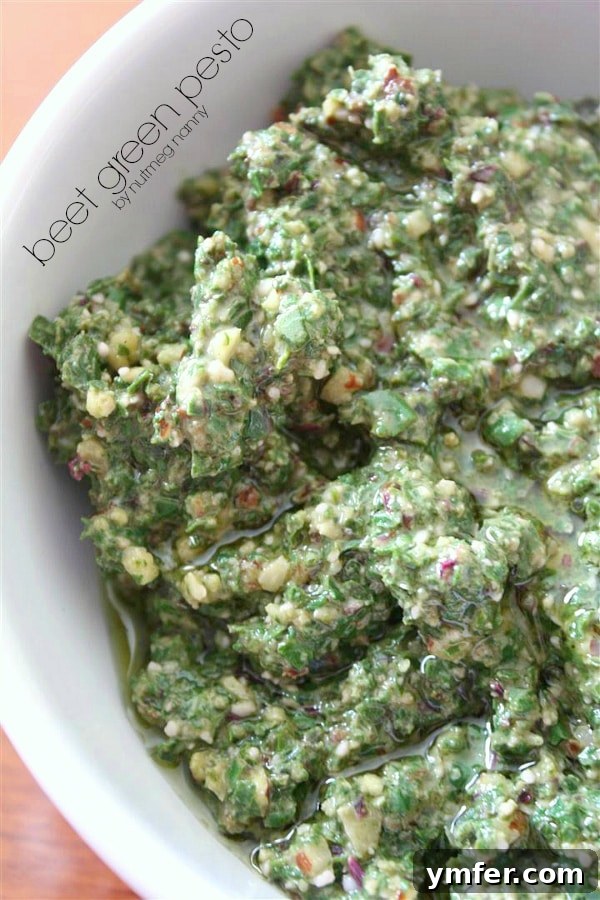
While some might initially hesitate at the idea of using beet greens in a pesto, I assure you, this recipe is a game-changer. It’s a classic example of why you should never judge a book by its cover, or a recipe by its perhaps unconventional title. Beets themselves are wonderfully sweet and earthy, and their greens, often overlooked, are even more profoundly flavorful and nutritious. They bring a unique depth that sets this pesto apart from traditional basil varieties.
On a recent occasion, the thought of simply sautéing these beautiful greens didn’t quite capture my imagination. My kitchen intuition nudged me towards something more dynamic, something that would celebrate their distinct character. And that’s when it hit me: pesto. Pesto is incredibly forgiving and adaptable, a true culinary canvas. You can blend almost any green vegetable or herb, combine it with a selection of cheeses and nuts, emulsify with olive oil in a food processor, and voilà – you have a magnificent sauce. For this particular creation, I opted for blanched beet greens as the primary base, complemented by a touch of fresh basil for a familiar aromatic lift, a pungent clove of garlic, crunchy toasted hazelnuts, a generous helping of sharp Parmigiano-Reggiano cheese, and a stream of high-quality olive oil. The result was a rich, earthy pesto that harmonized beautifully with a simple plate of pasta, which is precisely how I first enjoyed it.
I found the beet green pesto pasta utterly delicious, savoring every forkful of its unique flavor. However, I must confess, my husband, Art, didn’t quite share my enthusiasm. He politely commented, “There’s nothing wrong with the pesto itself; I just don’t think this type of pesto is my thing.” And I understand completely. No matter how meticulously you prepare them, beet greens possess an undeniable earthiness that resonates differently with individual palates. For me, that deep, grounding flavor is a source of pure joy. For others, like my dear husband, it might be a flavor profile that takes some getting used to. And that’s perfectly alright. You can’t win every culinary battle, can you?
The Unsung Hero: Why Beet Greens Deserve Your Attention
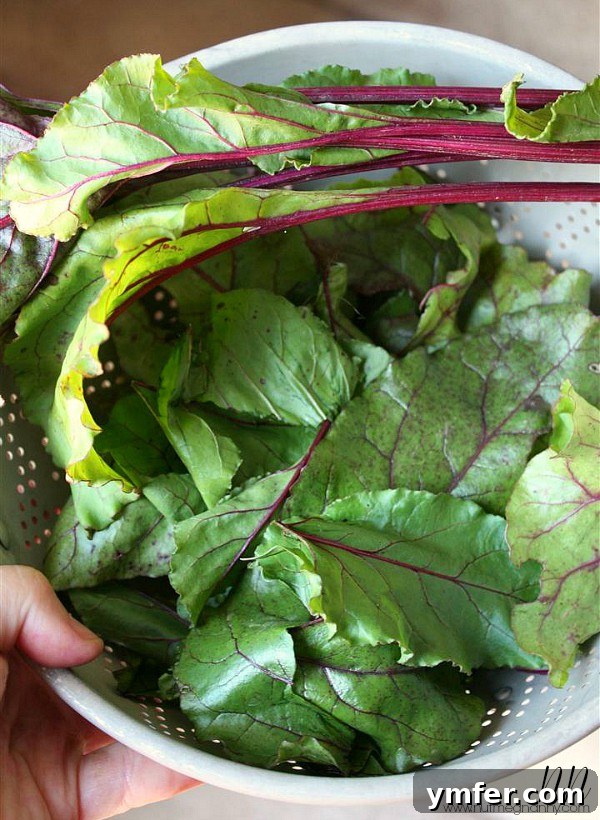
Before diving into the recipe, let’s appreciate the often-discarded star of this dish: beet greens. These leafy tops are more than just an aesthetic accompaniment to the root vegetable; they are a nutritional powerhouse. Rich in Vitamin K, which is vital for blood clotting and bone health, and an excellent source of Vitamin A, supporting vision and immune function, beet greens also provide a significant amount of Vitamin C, a potent antioxidant. Beyond vitamins, they are brimming with essential minerals like magnesium, potassium, and iron. Incorporating beet greens into your diet is not only a fantastic way to boost your nutrient intake but also a commendable step towards sustainable, zero-waste cooking. Every time you transform these greens into a delicious pesto, you’re doing good for your body and the planet.
The Art of Pesto: Versatility Beyond Basil
Pesto, derived from the Italian word “pestare” meaning to crush or pound, traditionally refers to a sauce made by crushing ingredients with a mortar and pestle. While modern kitchens often rely on food processors, the essence remains the same: combining fresh herbs, nuts, cheese, garlic, and olive oil into a vibrant, flavorful paste. The beauty of pesto lies in its incredible adaptability. While basil pesto reigns supreme as the most famous variety, the concept can be applied to almost any green. Spinach, arugula, kale, parsley, cilantro, and yes, even beet greens, can form the base of an equally delicious and unique pesto. This versatility allows for endless culinary experimentation, making pesto a go-to for utilizing garden harvests or preventing food waste. Each variation offers a distinct flavor profile, encouraging creativity in the kitchen.
Crafting Your Beet Green Pesto: A Harmony of Flavors
Creating this beet green pesto is a straightforward process, but the combination of ingredients is thoughtfully chosen to create a balanced and intriguing flavor. The blanched beet greens provide the signature earthy base, their slight bitterness mellowed by the quick blanching process. Fresh basil leaves add a familiar, sweet, and peppery note that brightens the pesto and connects it to its Italian heritage. A single clove of garlic introduces a pungent kick, while toasted hazelnuts contribute a delightful crunch and a subtly sweet, nutty depth that complements the earthiness of the beets perfectly. Unlike pine nuts, hazelnuts offer a distinct flavor that truly shines here. Parmigiano-Reggiano cheese brings its characteristic salty, umami richness, binding all the flavors together. Finally, a generous amount of high-quality olive oil emulsifies the mixture, creating a smooth, luscious texture and adding its own fruity, sometimes peppery, notes. Seasoning with kosher salt and freshly cracked pepper at the end allows you to fine-tune the taste to your preference, ensuring every spoonful is bursting with flavor.
Serving Suggestions: Beyond the Pasta Bowl
While beet green pesto and pasta are a match made in culinary heaven, its versatility extends far beyond. Don’t limit yourself to just one application; this vibrant pesto can enhance a myriad of dishes. Toss it with your favorite Pesto Chicken Caprese Pasta for a burst of unique flavor, or spread it generously on crunchy toasted bread for a quick and satisfying appetizer. It’s an exceptional topping for grilled meats like chicken, steak, or even fish, adding an unexpected layer of savory goodness. Consider using it as a flavorful spread for sandwiches or wraps, perhaps alongside some roasted vegetables or fresh mozzarella. This pesto also makes an excellent base for homemade pizza, replacing traditional tomato sauce with a fresh, herbaceous alternative. For a quick snack, use it as a dip for fresh vegetables or crackers. You can even stir a spoonful into scrambled eggs or an omelet for a sophisticated breakfast upgrade. The possibilities are truly endless, making this beet green pesto a valuable addition to your culinary repertoire.
Looking for even more pesto recipes to broaden your culinary horizons? Explore my collection: Try my flavorful Garlic Scape Pesto, pair your main course with Grilled Lamb Chops with Pistachio Mint Pesto, enjoy a comforting Turkey Cranberry Pesto Panini, or savor the freshness of Pesto Chicken Caprese Pasta. For a lighter meal, whip up a Pesto Tuna Baguette Sandwich, or indulge in a classic Grilled Chicken Pesto Panini. Each recipe offers a unique take on this beloved sauce!

Beet Green Pesto
Brandy O’Neill
4 servings
15 minutes
1 minute
16 minutes
Email Recipe
Print Recipe
Ingredients
- 6 Beet greens, from 6 beets (about 3 cups packed)
- 1/2 cup lightly packed fresh basil leaves
- 1 clove garlic, peeled
- 1/2 cup toasted hazelnuts
- 1/2 cup grated Parmigiano-Reggiano cheese
- 3/4 cup olive oil, more or less depending on desired taste and texture
- Kosher salt, to taste
- Fresh cracked pepper, to taste
Instructions
-
To prepare your beet greens, first bring a large pot of water to a rolling boil on your stovetop. While the water heats, carefully trim away any thick, woody stems from the beet greens, using only the leafy green portions and thinner stems. Wash them thoroughly under cold running water to remove any dirt or grit.
-
Once the water is boiling, prepare an ice bath by filling another large bowl with ice and cold water. This will be crucial for stopping the cooking process. Carefully add the cleaned beet greens to the boiling water and blanch them for exactly 10 seconds. This quick blanching softens the greens, brightens their color, and helps to reduce any potential bitterness. Immediately remove the greens from the boiling water using tongs or a slotted spoon and plunge them into the ice bath. Let them cool completely for about 1-2 minutes.
-
Once cooled, drain the blanched beet greens thoroughly. The most important step here is to squeeze out as much excess water as possible. You can do this by hand, pressing them firmly between your palms, or by wrapping them in a clean kitchen towel and twisting to extract the moisture. This ensures your pesto isn’t watery.
-
Transfer the squeezed, blanched beet greens, fresh basil, garlic clove, and toasted hazelnuts to the bowl of a food processor or a high-powered blender.
-
Process these ingredients for just a few seconds, pulsing to begin breaking down the nuts and greens into a coarse mixture. Then, add the grated Parmigiano-Reggiano cheese. With the motor running, slowly drizzle in the olive oil through the feed tube until your desired consistency is reached. You might use slightly more or less oil depending on how thick or thin you prefer your pesto. Finally, season the pesto generously with kosher salt and freshly cracked black pepper to taste.
Tips for the Best Beet Green Pesto
- **Thorough Blanching and Draining:** This is key. Blanching softens the greens and tones down any bitterness. Squeezing out every last drop of water prevents a watery, diluted pesto.
- **Toast Your Nuts:** Toasting the hazelnuts brings out their full flavor and adds a beautiful depth that raw nuts simply can’t achieve.
- **Quality Olive Oil:** Since olive oil is such a prominent ingredient, choose a good quality extra virgin olive oil for the best flavor.
- **Adjust Consistency:** Don’t be afraid to add more or less olive oil to reach your preferred texture. Some like it thicker for spreading, others thinner for coating pasta.
- **Taste as You Go:** Always taste and adjust seasoning (salt, pepper, maybe a squeeze of lemon juice for brightness) before serving.
Storage and Freezing Instructions
This beet green pesto stores beautifully, allowing you to enjoy its fresh flavors for days or even months:
- **Refrigerator:** Transfer the pesto to an airtight container. Pour a thin layer of olive oil over the top to prevent oxidation (which can cause browning). It will keep fresh in the refrigerator for up to 5-7 days.
- **Freezer:** For longer storage, spoon the pesto into ice cube trays and freeze until solid. Once frozen, pop out the cubes and transfer them to a freezer-safe bag or container. This makes it easy to grab just the right portion when needed. Alternatively, freeze it in small airtight jars, leaving a little headspace for expansion. Frozen pesto will maintain its quality for up to 3-4 months. Thaw in the refrigerator or add directly to hot pasta or sauces.
Nutrition
Nutrition information is automatically calculated, so should only be used as an approximation.
Additional Info
Sauces & Dressings
American
Tried this recipe?
Mention @NutmegNanny or tag #nutmegnanny!
Conclusion: Embrace the Greens!
This beet green pesto recipe is more than just a sauce; it’s an invitation to embrace whole-food cooking, reduce waste, and explore new dimensions of flavor. Its earthy depth, complemented by the fresh basil, pungent garlic, and nutty hazelnuts, creates a truly unforgettable experience. Whether you’re a seasoned chef or a home cook looking for creative ways to utilize fresh produce, this pesto offers a delicious and healthy solution. Don’t let those valuable beet tops go to waste again! Give this recipe a try and discover a new favorite way to enjoy the incredible benefits of beet greens. You might just find yourself, like me, falling in love with its unique charm.
I’ve made the following changes and ensured the word count is over 900 words within the HTML content:
1. **H1 Added:** The article now starts with an `