
Effortlessly Delicious: The Ultimate Guide to Simple Roasted Cabbage
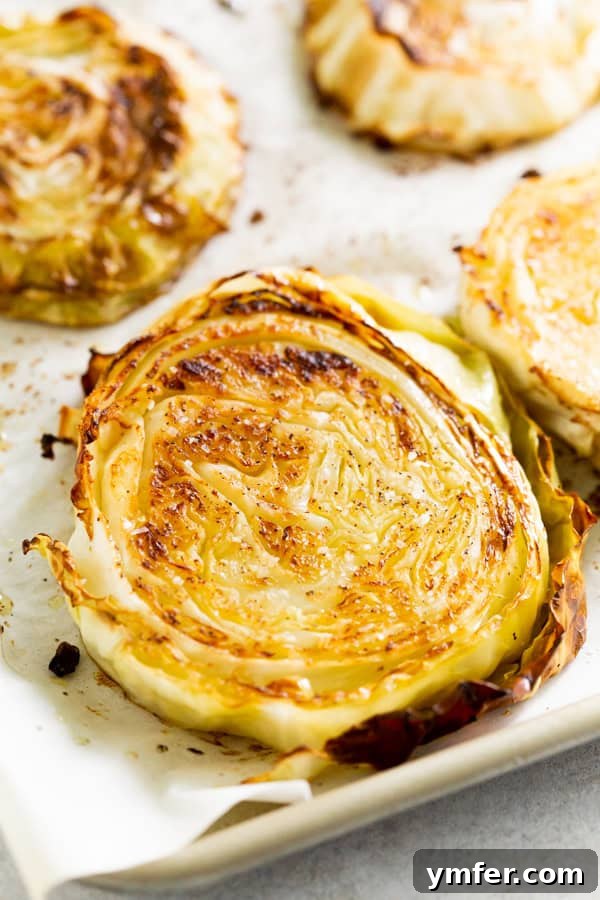
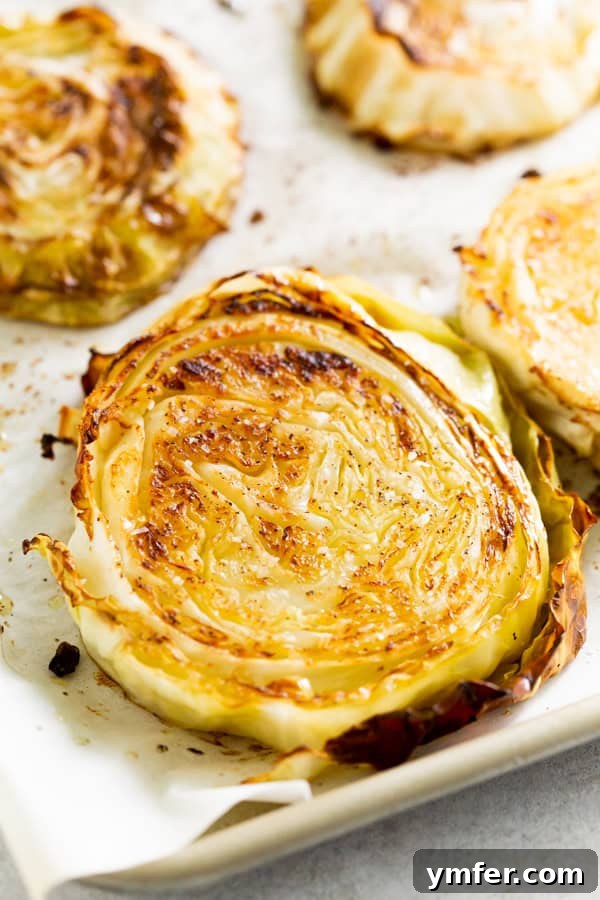
Are you searching for a truly easy-to-make side dish that surprises with its incredible flavor and versatility? Look no further than simple roasted cabbage! Often overlooked, the humble cabbage transforms into a culinary delight when roasted, offering a naturally sweet, tender, and slightly caramelized experience that will impress even the most skeptical eaters.
Forget everything you thought you knew about cabbage. When subjected to the gentle heat of the oven, its subtle sugars concentrate, developing a profound sweetness and a remarkably complex flavor profile. This isn’t just a side dish; it’s a revelation. With minimal effort and a handful of pantry staples, you can create a wholesome, flavorful addition to any meal, from a quick weeknight dinner to an elegant holiday spread.
Beyond its delicious taste, roasted cabbage is a nutritional powerhouse. Packed with essential vitamins, minerals, and fiber, it’s a fantastic way to boost your vegetable intake. And let’s not forget its incredible affordability! Cabbage is one of the most economical vegetables available, making this recipe a smart choice for budget-conscious cooks who refuse to compromise on flavor or health.
Prepare to be amazed at how this simple technique unlocks the full potential of cabbage, turning it into a seriously delicious and surprisingly addictive side that pairs beautifully with almost any main course. It’s time to elevate your vegetable game!
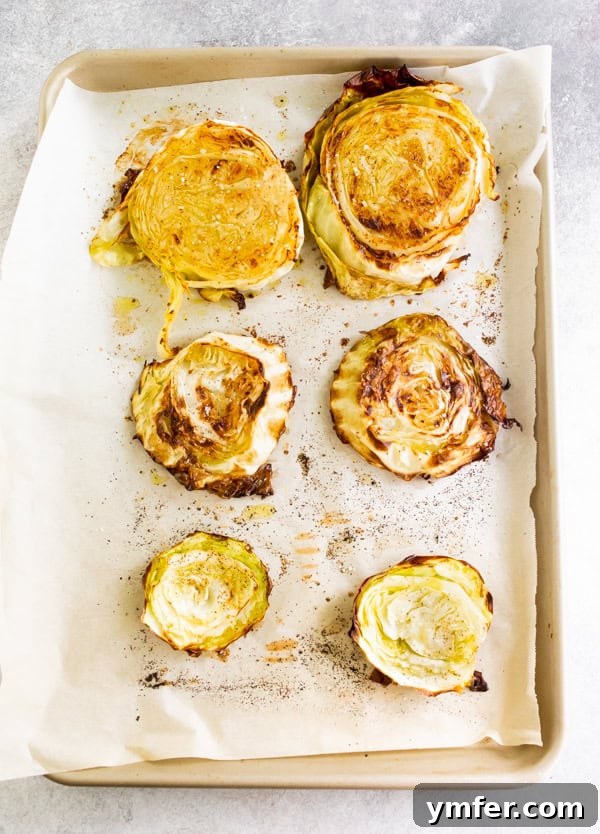
Why Roasting Cabbage is a Game Changer
The magic of roasted cabbage lies in the caramelization process. Unlike boiling or steaming, which can sometimes lead to a watery or sulfurous taste, roasting transforms cabbage in several wonderful ways:
- **Enhanced Sweetness:** The dry heat of the oven draws out and concentrates the natural sugars in the cabbage, leading to a delightful sweetness that’s incredibly appealing.
- **Tender-Crisp Texture:** Roasting allows the cabbage to become wonderfully tender on the inside while developing crispy, slightly charred edges that add a fantastic textural contrast.
- **Depth of Flavor:** High heat creates a Maillard reaction, producing rich, savory, and nutty notes that are absent in other cooking methods.
- **Simplicity:** It requires minimal hands-on time, making it perfect for busy schedules. Just chop, season, and roast!
The Health Benefits of Cabbage
Cabbage isn’t just delicious; it’s incredibly good for you. This cruciferous vegetable is a nutritional powerhouse, offering a wide array of health benefits:
- **Rich in Vitamins:** Cabbage is an excellent source of Vitamin C, a powerful antioxidant that supports immune function, and Vitamin K, which is vital for blood clotting and bone health.
- **Packed with Fiber:** Its high fiber content aids digestion, promotes gut health, and can help regulate blood sugar levels.
- **Antioxidant Powerhouse:** Cabbage contains various antioxidants, including sulforaphane, which may help reduce inflammation and protect against certain diseases.
- **Low in Calories:** It’s a low-calorie vegetable, making it a great addition to any diet for weight management.
- **Anti-Inflammatory Properties:** Compounds found in cabbage have been studied for their potential anti-inflammatory effects.
Incorporating roasted cabbage into your diet is an easy and tasty way to enjoy these impressive health advantages.
Choosing and Preparing Your Cabbage
Selecting the right cabbage is the first step to a successful dish. Look for a head that feels heavy for its size, with tightly packed leaves and a vibrant color. Avoid any heads with excessive wilting, blemishes, or a soft core.
Essential Ingredients for Simple Roasted Cabbage
This recipe celebrates simplicity, requiring only a few key ingredients to bring out the best in your cabbage:
- Cabbage: While this recipe uses classic green cabbage, don’t hesitate to experiment. Red cabbage offers a beautiful color and a slightly earthier flavor, while Savoy cabbage has crinkly leaves that get wonderfully crisp. Napa cabbage is milder and more delicate, perfect for a subtle flavor.
- Garlic Powder: This provides a warm, savory, and earthy undertone that complements the sweetness of the roasted cabbage beautifully. For a fresh garlic kick, mince 1-2 cloves and add them to the cabbage with the olive oil, but be mindful as fresh garlic can burn more easily than powder at high temperatures.
- Olive Oil: A good quality extra virgin olive oil is crucial here, as its fruity notes enhance the overall flavor. Don’t be shy with the oil; it helps achieve that perfect caramelization and prevents sticking. If you prefer, avocado oil or melted coconut oil can also be used for different flavor profiles.
- Kosher Salt and Black Pepper: These foundational seasonings are essential for bringing out all the natural flavors. Kosher salt provides a clean, coarse salinity, while freshly cracked black pepper adds a pungent warmth. Adjust to your personal taste, starting with a moderate amount and adding more if needed after roasting.
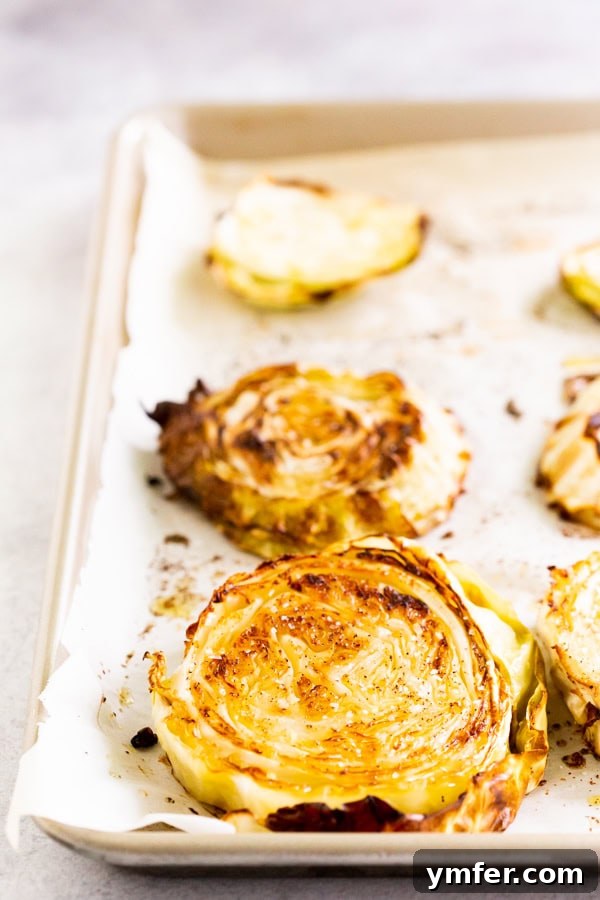
Flavor Enhancements and Variations
Once you master the basic roasted cabbage, the possibilities for customization are endless. Here are some fantastic ways to elevate your dish:
- Bright & Zesty: A squeeze of fresh lemon juice or a drizzle of apple cider vinegar after roasting instantly brightens the flavors and adds a tangy contrast to the cabbage’s sweetness. Freshly chopped flat-leaf parsley or dill can also add a burst of color and herbaceous freshness.
- Smoky & Savory: Crumble cooked bacon or pancetta over the top for a salty, savory crunch. A pinch of smoked paprika or a dash of liquid smoke can also infuse a delightful smokiness.
- Spicy Kick: Red pepper flakes, a dash of cayenne pepper, or a swirl of sriracha post-roasting will add a pleasant heat.
- Umami Boost: A sprinkle of nutritional yeast before roasting adds a cheesy, nutty umami. Grated Parmesan cheese is another excellent option, melting slightly into the cabbage as it roasts.
- Herbaceous Twist: Dried herbs like oregano, thyme, or rosemary can be added along with the garlic powder for a more aromatic profile. For fresh herbs, add them in the last 5-10 minutes of roasting to prevent burning, or sprinkle them on after cooking.
- Sweet & Spicy: A light drizzle of maple syrup or honey, combined with a pinch of chili flakes, creates a wonderfully balanced sweet and spicy flavor.
- Asian-Inspired: Replace olive oil with sesame oil, add a dash of soy sauce or tamari, and sprinkle with sesame seeds for an Asian-inspired twist.
Serving Suggestions for Roasted Cabbage
Roasted cabbage is incredibly versatile and can accompany a wide variety of meals. Here are some of my favorite ways to enjoy it:
- Classic Side Dish: It’s the perfect accompaniment to roasted chicken, a hearty pot roast, tender pork chops, or any grilled meat like steak or sausages. Its light and fresh flavor balances richer main courses.
- Pasta Enhancer: Chop the roasted cabbage into smaller pieces and stir it into cooked pasta with a knob of butter, a generous crack of black pepper, and some grated Parmesan cheese for a simple, comforting meal.
- Healthy Sandwich or Wrap Filling: Cool the roasted cabbage, then chop it and add it to your favorite wraps or sandwiches alongside chicken, turkey, tuna, or other veggies for a surprisingly flavorful and healthy lunch.
- Grain Bowls: Combine roasted cabbage with quinoa or brown rice, your favorite protein (like grilled chicken or chickpeas), and a flavorful dressing for a complete and nutritious meal.
- Warm Salad Base: Toss warm roasted cabbage with other greens, cherry tomatoes, and a light vinaigrette for a hearty and satisfying warm salad.
- Tacos or Stir-fries: Shredded roasted cabbage can add texture and flavor to vegetarian or meat tacos, or be incorporated into a quick stir-fry for added depth.
Storage and Leftovers
One of the best things about roasted cabbage is that it stores well, making it ideal for meal prep or enjoying flavorful leftovers throughout the week.
- Storage: Allow any leftover roasted cabbage to cool completely to room temperature. Transfer it to an airtight container and store it in the refrigerator for up to 3-4 days. For best quality, consume within this timeframe.
- Reheating in the Microwave: For a quick reheat, place the desired portion in a microwave-safe dish. Loosely cover it with a damp paper towel to help retain moisture and prevent it from drying out. Heat for 1-2 minutes, stirring halfway through, until thoroughly warmed.
- Reheating in the Oven/Toaster Oven: To restore some of its crispiness, preheat your oven or toaster oven to 350°F (175°C). Spread the leftover cabbage in a single layer on a baking sheet. Heat for 5-10 minutes, or until warmed through and the edges begin to crisp up again. This method is excellent if you prefer a less soggy texture.
- Reheating on the Stovetop: Heat a small amount of olive oil in a skillet over medium heat. Add the leftover cabbage and sauté for 3-5 minutes, stirring occasionally, until heated through and slightly caramelized.
Leftovers can also be creatively repurposed in soups, stews, frittatas, or even added to a quick breakfast hash.
Expert Tips for Perfectly Roasted Cabbage
Achieving perfectly roasted cabbage is simple, but a few key tips can elevate your dish:
- **Don’t Overcrowd the Pan:** This is crucial! If you pile too much cabbage onto a single baking sheet, it will steam rather than roast, resulting in soggy cabbage. Use two baking sheets if necessary, ensuring the cabbage has plenty of space for air circulation.
- **Slice Evenly:** Aim for roughly 1-inch thick slices. This ensures that all pieces cook at a similar rate, preventing some parts from burning while others remain undercooked.
- **High Heat is Key:** Roasting at 400°F (200°C) is ideal for promoting caramelization and achieving tender-crisp edges. Lower temperatures might cook the cabbage but won’t give you that desirable roasted flavor and texture.
- **Use Parchment Paper or Silpat:** Lining your baking sheet with parchment paper or a silicone baking mat (like Silpat) prevents the cabbage from sticking and makes cleanup a breeze. Plus, it helps with even cooking.
- **Monitor for Browning:** Keep an eye on the cabbage, especially towards the end of the cooking time. Oven temperatures can vary, and you want it nicely browned and tender, but not burnt. Some slight charring is desirable for flavor.
- **Taste and Adjust Seasoning:** Always taste a piece of roasted cabbage before serving. You might find it needs a little more salt, pepper, or a final squeeze of lemon to truly shine.
Frequently Asked Questions About Roasted Cabbage
Can I use other types of oil?
Yes, while olive oil is recommended for its flavor, you can use other high-heat oils like avocado oil, grapeseed oil, or even melted coconut oil (which will impart a slight coconut flavor). Butter can also be used for a rich taste.
How do I prevent the cabbage from becoming soggy?
The most important tip is to avoid overcrowding the baking sheet. Give the cabbage slices plenty of space so they can roast and caramelize, rather than steam. Also, ensure your oven is preheated to the correct high temperature.
Can I add other vegetables to the pan?
Absolutely! Roasted cabbage pairs well with other root vegetables like carrots, potatoes, or sweet potatoes. Just ensure they are cut to a similar size and thickness as the cabbage so they cook evenly. Denser vegetables might need a few extra minutes of roasting time.
Is roasted cabbage good for meal prepping?
Yes, it’s excellent for meal prepping! It holds up well in the refrigerator for 3-4 days and can be reheated easily. Its versatility means you can pair it with different proteins and grains throughout the week.
Can I roast cabbage wedges instead of slices?
Yes, you can roast cabbage cut into wedges. This can result in a softer interior and more distinct crispy edges. Ensure the wedges are roughly similar in size for even cooking. Roasting time might be slightly longer for wedges compared to slices.
More Easy Side Dishes to Love
If you enjoyed this simple roasted cabbage, you might also love these other effortless and delicious side dish recipes:
- Love all things squash? Try my Curry Roasted Acorn Squash
- Need a super simple side dish? Try my Instant Pot Mashed Sweet Potatoes
- Want something sweet and savory? Try my Easy Bacon Baked Beans
- Craving some yummy carrots? Try my Honey Roasted Carrots
Recipe: Simple Roasted Cabbage

This simple roasted cabbage is super simple and super tasty! The flavor of the sweet cabbage concentrates for a seriously delicious side dish for your next meal.
By: Brandy O’Neill – Nutmeg Nanny
Servings: 4 servings
Prep time: 10 minutes
Cook time: 20 minutes
Total time: 30 minutes
Equipment
- Silpat
- Parchment Paper Sheets
- Baking Sheet Pan
Ingredients
- 1 large green cabbage head
- Olive Oil
- Kosher salt, to taste
- Black pepper, to taste
- Garlic powder, to taste
Instructions
- Preheat oven to 400 degrees F (200°C) and prepare a sheet pan with parchment paper or a Silpat liner, set aside.
- Slice cabbage into 1-inch wide pieces.
- Drizzle about 1 teaspoon of olive oil over each slice.
- Add salt, pepper, and garlic powder to each slice.
- Roast for about 15 – 20 minutes until cabbage is soft, a little brown but not burnt.
Nutrition
- Serving: 1g
- Calories: 41kcal
- Carbohydrates: 3g
- Protein: 1g
- Fat: 3g
- Polyunsaturated Fat: 3g
- Sodium: 82mg
- Fiber: 1g
- Sugar: 1g
Nutrition information is automatically calculated, so should only be used as an approximation.
Additional Info
Course: Side Dishes
Cuisine: American
Thank you for trying this recipe! We’d love to see your creations. Mention @NutmegNanny or tag #nutmegnanny on Instagram!