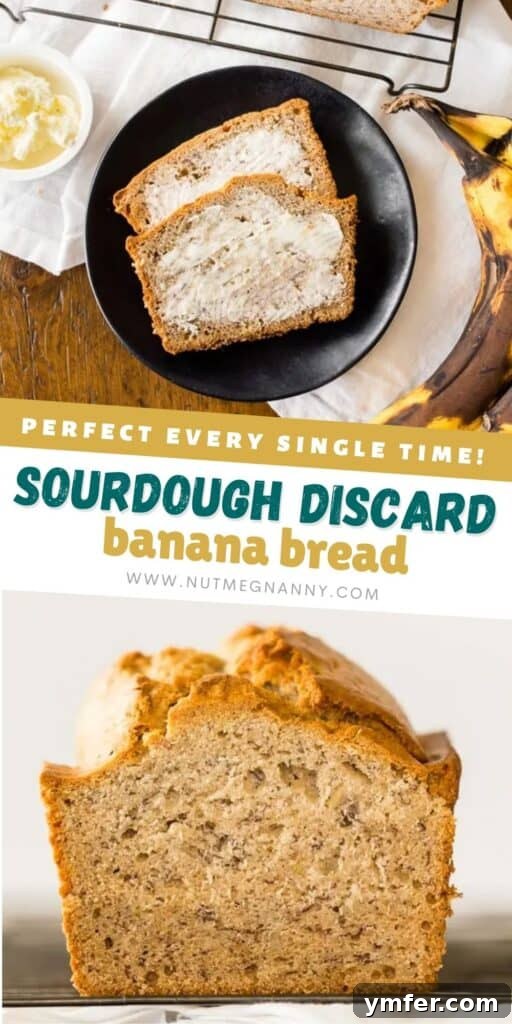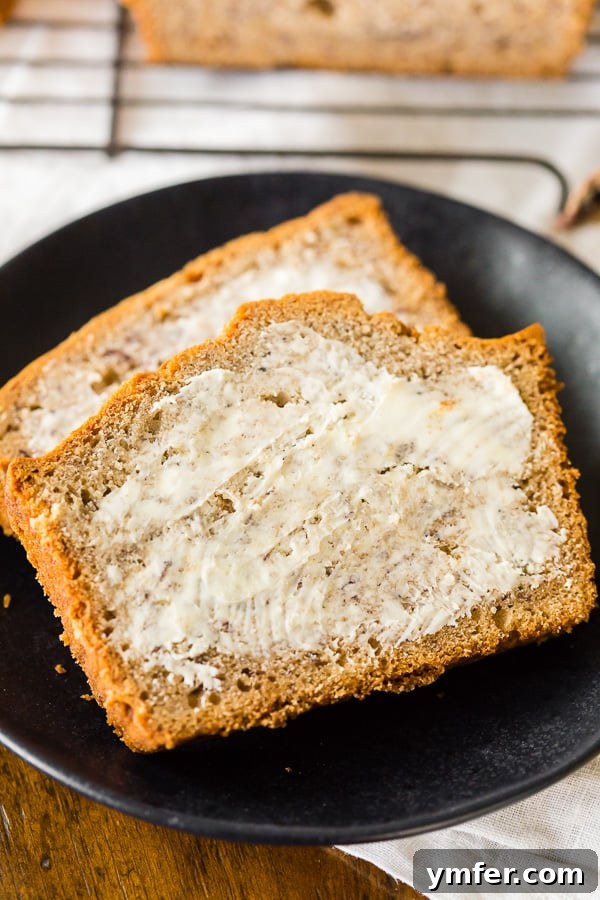
There’s nothing quite like the comforting aroma of freshly baked banana bread filling your home. It’s a timeless classic, a beloved treat that evokes warmth and nostalgia. But what if you could elevate this simple pleasure to an entirely new level? Enter Sourdough Banana Bread – a delightful twist on the traditional recipe that not only enhances flavor and texture but also offers a brilliant solution for using up that often-dreaded sourdough discard.
If you’ve ventured into the rewarding world of sourdough baking, you’re likely familiar with the surplus of unfed starter, affectionately known as “discard.” Instead of letting it go to waste, this incredible ingredient can transform your baking, adding a subtle tang, remarkable depth of flavor, and an unbelievably tender crumb to various recipes. This particular sourdough banana bread recipe is designed to make the most of your discard, pairing it perfectly with those ripe, brown bananas sitting on your counter. Your family and friends will undoubtedly go crazy for this elevated version of a classic.
The Sourdough Phenomenon: A Baker’s Best Friend
Over the past few years, sourdough has experienced a magnificent glow-up, transitioning from a niche baking hobby to a mainstream culinary delight. Its unique fermentation process creates breads with unparalleled flavor, crust, and texture. However, the consistent feeding and maintenance of a sourdough starter inevitably lead to an accumulation of “discard.” For many home bakers, finding creative ways to utilize this discard is a fun challenge, and this banana bread recipe stands out as one of the most delicious and easiest solutions.
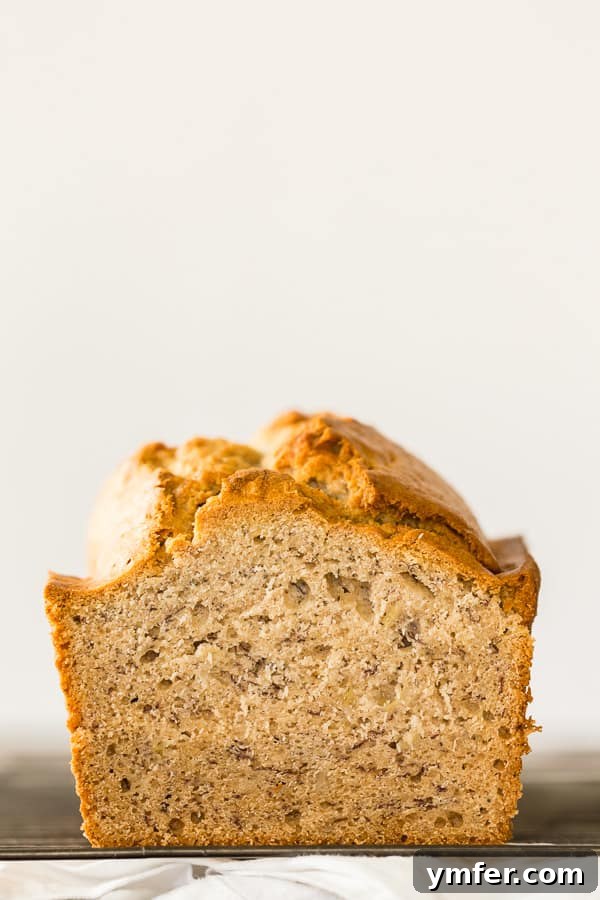
Unlike traditional sourdough bread, this recipe doesn’t require extra yeast or hours of proofing. It’s a quick bread, meaning it relies on chemical leaveners like baking soda (which reacts beautifully with the slightly acidic discard and ripe bananas) to rise quickly and efficiently. The sourdough discard in this recipe acts less as a leavening agent and more as a flavor enhancer and tenderizer. It imparts a subtle, pleasing tang that balances the sweetness of the bananas and brown sugar, resulting in a complex flavor profile that sets it apart from conventional banana bread. Furthermore, it contributes to a wonderfully moist and tender texture that will have everyone reaching for a second slice.
For those following a gluten-free diet, fear not! While this recipe uses all-purpose flour, many fantastic gluten-free banana muffin recipes exist that offer similar comforting flavors. Check out these super delicious gluten-free banana muffins for a great alternative.
Understanding Sourdough Discard: A Goldmine for Bakers
If you’re new to the world of sourdough, the concept of “discard” might be a bit puzzling. Simply put, when you maintain a sourdough starter, you regularly “feed” it with fresh flour and water. This process involves removing a portion of the old starter before adding the new ingredients. The portion you remove is the “discard.” While it can be composted or given away, it’s a treasure trove of flavor and moisture that can be incorporated into a myriad of baked goods.
My sourdough starter resides on my kitchen counter, necessitating twice-daily feedings. This routine often leaves me with a considerable amount of discard, which sparked my mission to discover delicious, waste-free recipes. This Sourdough Banana Bread was one of the first successful experiments, and it quickly became a household favorite. Using discard is not just about reducing waste; it’s about adding a unique dimension to your baking. The unfed starter brings a nuanced acidity and a depth of flavor that can’t be replicated by other ingredients, making your baked goods stand out. Stay tuned, as this is just the beginning of a series of exciting sourdough discard recipes!
If you’re eager to explore more sourdough recipes, you might enjoy trying out other delights like Cinnamon Raisin Sourdough Bread, a decadent Sourdough Discard Cinnamon Crumb Cake, a rustic No Yeast Sourdough Bread, or a hearty Sourdough Flake Potato Bread.
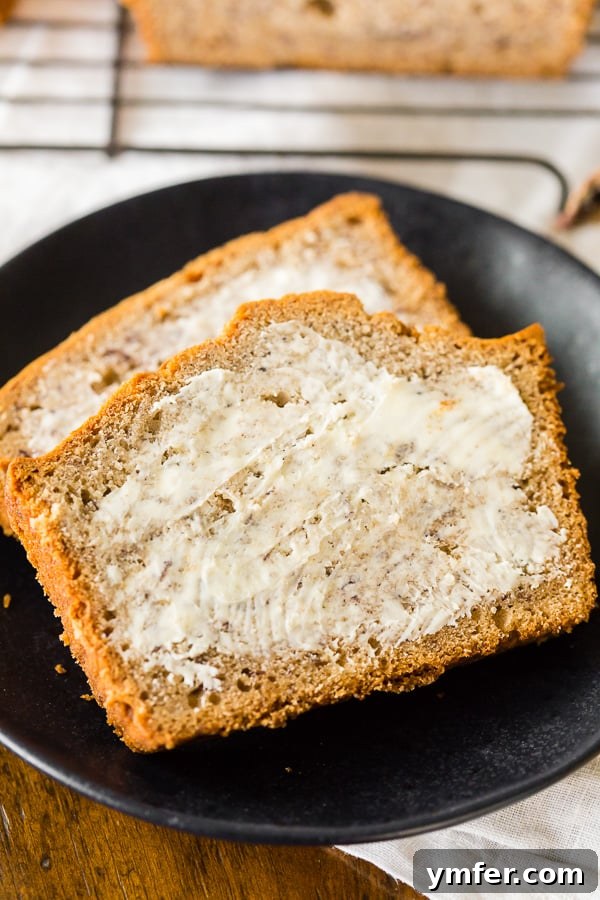
Essential Ingredients for Your Sourdough Banana Bread
Crafting the perfect sourdough banana bread requires a balanced blend of everyday pantry staples and a few key star ingredients:
- All-purpose flour: The foundation of our bread, providing structure.
- Baking soda: A crucial leavening agent that reacts with the acid in the sourdough discard and bananas to create a light, airy crumb.
- Kosher salt: Enhances all the flavors, balancing the sweetness.
- Cinnamon: Adds a warm, inviting spice that complements the banana beautifully.
- Brown sugar: Provides moisture and a deep, caramelized sweetness.
- Unsalted butter: Contributes richness and tenderness to the bread. Ensure it’s at room temperature for optimal creaming.
- Egg: Acts as a binder and helps with the bread’s structure and moisture.
- Sourdough discard: The star ingredient, offering a unique tang and incredible texture.
- Mashed ripe banana: The riper, the better! These provide natural sweetness and moisture.
- Vanilla bean paste (or extract): Elevates the overall flavor with its aromatic notes.
Creative Adaptations and Flavorful Substitutions
One of the joys of baking is the ability to customize recipes to suit your taste and what you have on hand. This sourdough banana bread is incredibly versatile, allowing for many delicious additions and substitutions. Here are a few recommendations to inspire your culinary creativity:
- Nutty Additions: For an extra layer of texture and flavor, fold in up to 3/4 cup of chopped nuts. Pecans and walnuts are classic choices for banana bread, offering a delightful crunch and earthy notes that pair wonderfully with the sweet banana. Toasting them lightly before adding can enhance their flavor even further.
- Spice it Up: While cinnamon provides a warm base, don’t hesitate to experiment with other spices. A pinch of ground ginger, allspice, nutmeg, or even a pre-mixed blend like pumpkin pie spice can introduce exciting new dimensions to your bread. These spices not only add aroma but also create a comforting, complex flavor profile.
- Flour Alternatives: If you’re looking for a slightly healthier alternative to all-purpose flour, white whole wheat flour can be used as a direct 1:1 substitute. It offers more fiber and a nuttier flavor without significantly altering the bread’s texture.
- Sugar Swap: Ran out of brown sugar? No problem! Granulated white sugar can be used in its place. Keep in mind that brown sugar contributes to a chewier, more moist texture and a deeper caramel flavor, so the end result might be slightly different but still delicious.
- Chocolate Lover’s Dream: For an irresistible treat, stir in a handful of chocolate chips – milk, semi-sweet, or dark chocolate all work wonderfully. The melting chocolate creates pockets of rich sweetness throughout the bread, making it an instant crowd-pleaser.
- Streusel Topping: For an added touch of indulgence, consider a simple streusel topping made with flour, sugar, butter, and a dash of cinnamon. Sprinkle it over the batter before baking for a delightful crunchy crust.
- Glaze Options: A simple glaze can also elevate your banana bread. A basic powdered sugar and milk glaze or a cream cheese frosting drizzle can add an extra layer of sweetness and moisture.
Expert Tips for the Perfect Sourdough Banana Bread
Achieving banana bread perfection is easier than you think with a few simple tips:
- The Thermometer Test: To ensure your bread is perfectly cooked through, always use an instant-read thermometer. Insert it into the center of the loaf; you’re looking for a temperature between 200°F and 205°F (93°C-96°C). This ensures a fully baked interior without being dry.
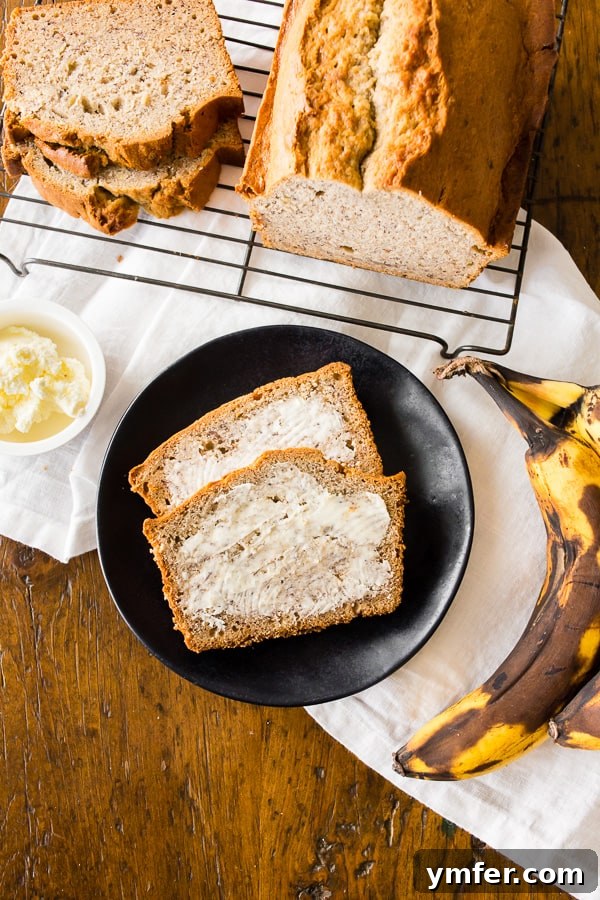
- The Magic of Ripe Bananas: This is non-negotiable for truly flavorful banana bread. Use very dark brown, soft, and ripe bananas. Their natural sugars fully develop, providing intense sweetness and a caramelized depth of flavor that green or yellow bananas simply can’t match. If your bananas aren’t quite ripe, you can speed up the process by baking them in their peels on a baking sheet at 300°F (150°C) for 15-30 minutes until they are black and soft.
- Room Temperature Ingredients: Ensure your butter and egg are at room temperature. This allows them to cream together more effectively, creating a smoother batter that traps air better, leading to a lighter, more even texture in your finished bread.
- Don’t Overmix: After adding the flour mixture, mix gently until just combined. Overmixing develops the gluten in the flour, which can result in a tough, dense banana bread. A few lumps of flour are perfectly fine.
- Cooling is Key: While it’s tempting to slice into a warm loaf immediately, allow your banana bread to cool in the pan for about 10-15 minutes before transferring it to a wire rack to cool completely. This helps the bread set, making it easier to slice and preventing it from becoming gummy.
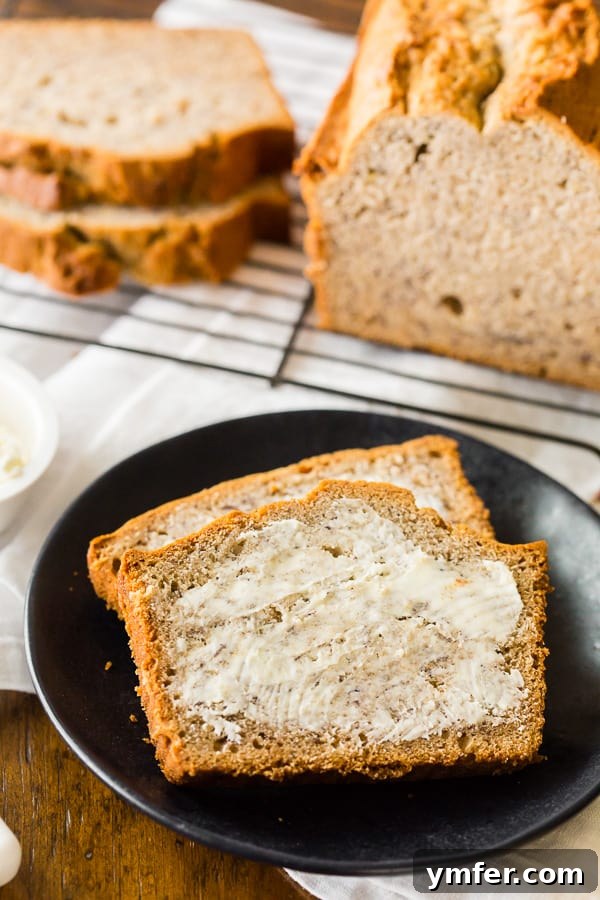
Serving Suggestions and Storage
This sourdough banana bread is incredibly versatile and can be enjoyed in many ways. While it’s fantastic on its own, here are a few serving suggestions to enhance your experience:
- Classic Comfort: Warm a slice slightly and slather it with softened butter and a drizzle of honey. The combination of sweet, tangy, and rich is utterly divine.
- Breakfast Delight: Serve it alongside a cup of coffee or tea for a wholesome and satisfying breakfast.
- Dessert Upgrade: Top a warm slice with a scoop of vanilla ice cream and a sprinkle of cinnamon for a simple yet elegant dessert.
- Creamy Indulgence: Spread a thin layer of cream cheese or a dollop of Greek yogurt for a delightful tang that complements the bread’s sweetness.
Storage Tips:
To keep your sourdough banana bread fresh and delicious, store it in an airtight container at room temperature for up to 3-4 days. For longer storage, you can wrap individual slices or the whole loaf tightly in plastic wrap, then aluminum foil, and freeze for up to 3 months. Thaw at room temperature or gently reheat in the oven or microwave.
Explore More Banana Bread Creations
Once you’ve mastered this sourdough banana bread, you might find yourself eager to experiment with other delightful variations. Banana bread is a fantastic canvas for a wide array of flavors and ingredients:
- For a nutrient boost and a unique flavor profile, try my Carrot Cake Banana Bread, packed with grated carrots and warm spices.
- Craving a wintertime twist? My Gingerbread Banana Bread infuses the classic with the festive flavors of ginger, molasses, and other warming spices.
- If you love tropical tastes, you’ll adore my Coconut Rum Lime Glazed Banana Bread, offering an exotic escape with every bite.
- And for those who appreciate a rustic, hearty take on the classic, my Graham Flour Banana Bread provides a wholesome texture and subtly sweet flavor.
Sourdough Banana Bread Recipe
This sourdough banana bread is the perfect way to use up all that extra sourdough discard AND those brown bananas. No need to throw away your discard when you can make this super delicious and flavor-packed quick bread. Your whole family will go crazy for this twist on the traditional banana bread.
Equipment
- 9×5 Loaf Pan
- Sourdough Starter
- Vanilla Bean Paste
- Electric mixer (stand mixer or hand mixer)
- Medium mixing bowl
- Whisk
- Instant-read thermometer
Ingredients
- 1-1/2 cups all-purpose flour (170 grams)
- 1 teaspoon baking soda
- 1 teaspoon kosher salt
- 1 teaspoon ground cinnamon
- 3/4 cup brown sugar (160 grams), packed
- 1/2 cup unsalted butter (113 grams), at room temperature
- 1 large egg, at room temperature
- 1 cup unfed sourdough starter discard (227 grams)
- 1 cup mashed ripe banana (227 grams), about 2-3 very ripe bananas
- 2 teaspoons vanilla bean paste, or vanilla extract
Instructions
- Preheat your oven to 350°F (175°C). Lightly grease and flour a 9×5-inch loaf pan, or spray it with non-stick baking spray, then set it aside.
- In a medium-sized mixing bowl, combine the all-purpose flour, baking soda, kosher salt, and ground cinnamon.
- Whisk these dry ingredients together thoroughly to ensure they are well distributed, then set the bowl aside.
- In the bowl of an electric mixer (using either a stand mixer with a paddle attachment or a hand mixer), add the brown sugar and room temperature unsalted butter.
- Cream the sugar and butter together on medium speed until the mixture becomes light in color and fluffy in texture, about 2-3 minutes.
- Stop the mixer and scrape down the sides of the bowl with a spatula. Then, add the room temperature egg, sourdough starter discard, mashed ripe banana, and vanilla bean paste.
- Mix on low speed until all the wet ingredients are just combined. Be careful not to overmix at this stage.
- With the mixer still on low speed, gradually add the dry flour mixture to the wet ingredients.
- Continue mixing only until the batter comes together and no streaks of dry flour remain. Avoid overmixing; a few small lumps are acceptable and help keep the bread tender.
- Pour the batter evenly into the prepared loaf pan.
- Bake for 60-75 minutes, or until a wooden toothpick inserted into the center of the loaf comes out clean. For best accuracy, use an instant-read thermometer to ensure the internal temperature of the bread registers between 200°F and 205°F (93°C-96°C).
- Once baked, remove the loaf from the oven and let it cool in the pan for 10-15 minutes before carefully inverting it onto a wire rack to cool completely. Slice and serve as desired.
Notes
- For a healthier twist, white whole wheat flour can be used as a 1:1 substitute for all-purpose flour if desired.
- Always ensure your bananas are very ripe (dark brown or black peels) for the best flavor and sweetness.
- Room temperature butter and eggs cream better, resulting in a lighter crumb.
- Store leftover banana bread in an airtight container at room temperature for up to 3-4 days, or freeze for longer preservation.
Nutrition (Approximation per serving)
Nutrition information is automatically calculated, so should only be used as an approximation. Per serving (assuming 1 loaf yields 12 servings):
- Calories: Approximately 2212 kcal (for the entire loaf, divide by desired serving size)
- Carbohydrates: Approximately 317g
- Protein: Approximately 23g
- Fat: Approximately 99g
- Saturated Fat: Approximately 60g
- Polyunsaturated Fat: Approximately 5g
- Monounsaturated Fat: Approximately 26g
- Trans Fat: Approximately 4g
- Cholesterol: Approximately 430mg
- Sodium: Approximately 3557mg
- Potassium: Approximately 1197mg
- Fiber: Approximately 10g
- Sugar: Approximately 194g
- Vitamin A: Approximately 3256 IU
- Vitamin C: Approximately 20mg
- Calcium: Approximately 234mg
- Iron: Approximately 6mg
Additional Info
Course: Bread
Cuisine: American
We’d love to see your creations! If you tried this recipe, mention @NutmegNanny or tag #nutmegnanny on Instagram!