
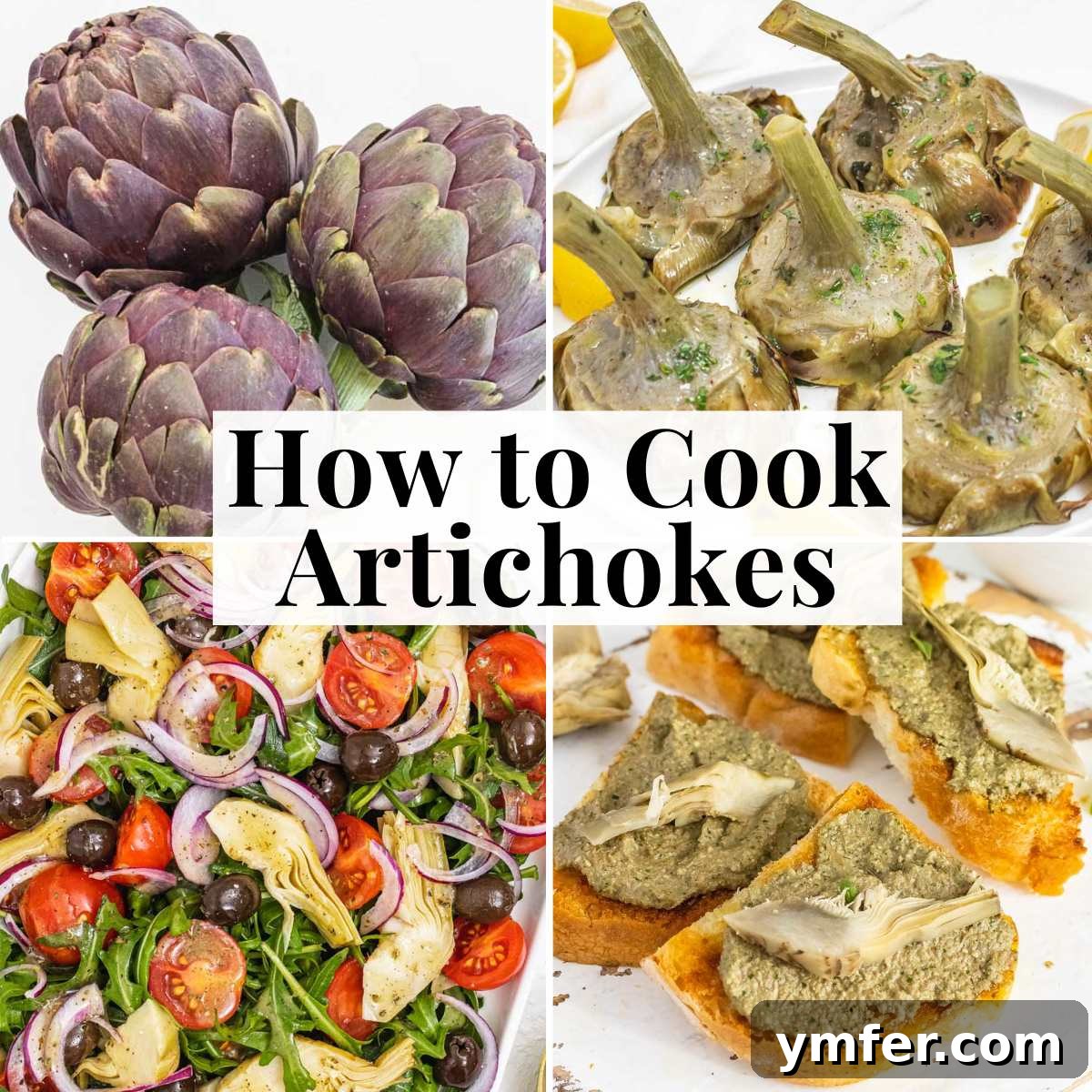
Welcome to your ultimate resource for mastering the artichoke! This comprehensive guide will walk you through the simplest and most effective methods to clean, cook, and store these exquisite vegetables. From initial prepping to transforming them into delicious main dishes and innovative sides, you’ll gain the confidence to create amazing meals using both fresh and convenient jarred artichoke hearts.
Often considered a culinary delicacy, artichokes are a versatile and nutritious addition to any diet. Whether you’re a seasoned chef or a curious beginner, this guide will empower you to enjoy artichokes in a variety of easy, flavorful ways.
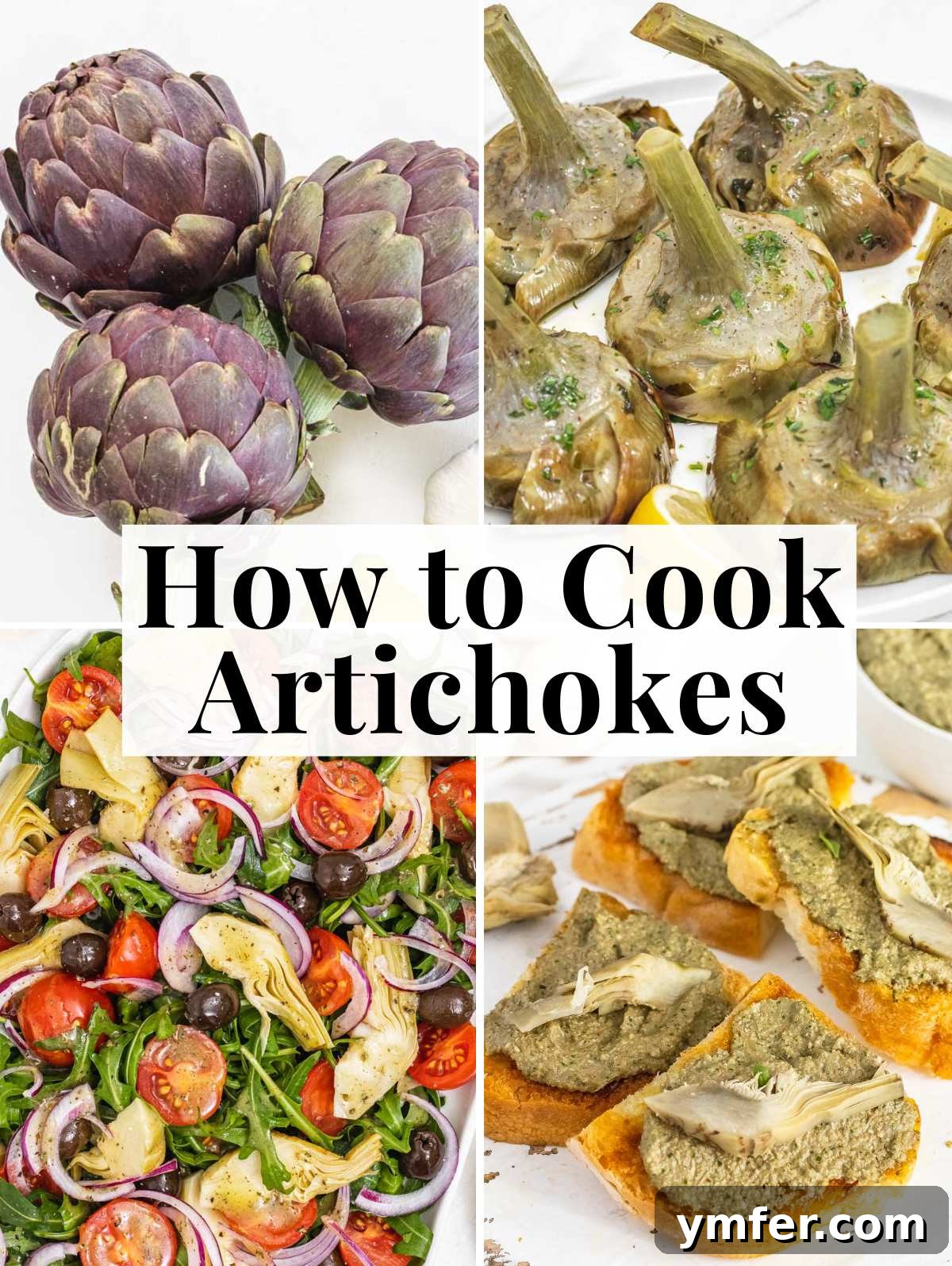
Table of Contents
- Understanding the Artichoke
- How to Cook Artichokes Video
- How to Clean Artichokes
- Fresh Artichoke Recipes
- Recipes with Jarred Artichoke Hearts
- Recipes with Artichoke Scraps
- How to Choose the Best Artichokes
- Ingredients That Pair Perfectly with Artichokes
- Unveiling the Health Benefits of Artichokes
- Frequently Asked Questions (FAQs)
- More Culinary Basics
- Similar Vegetable-Packed Recipes
- How to Cook Artichokes (Steamed Artichokes) Recipe
Understanding the Artichoke: A Culinary Gem
Artichokes boast a truly unique and appealing flavor profile – a delicate, nutty taste with subtle hints of sweetness. The most prized part is the core, known as the artichoke heart, which, when cooked, becomes incredibly tender with a butter-like consistency that simply melts in your mouth.
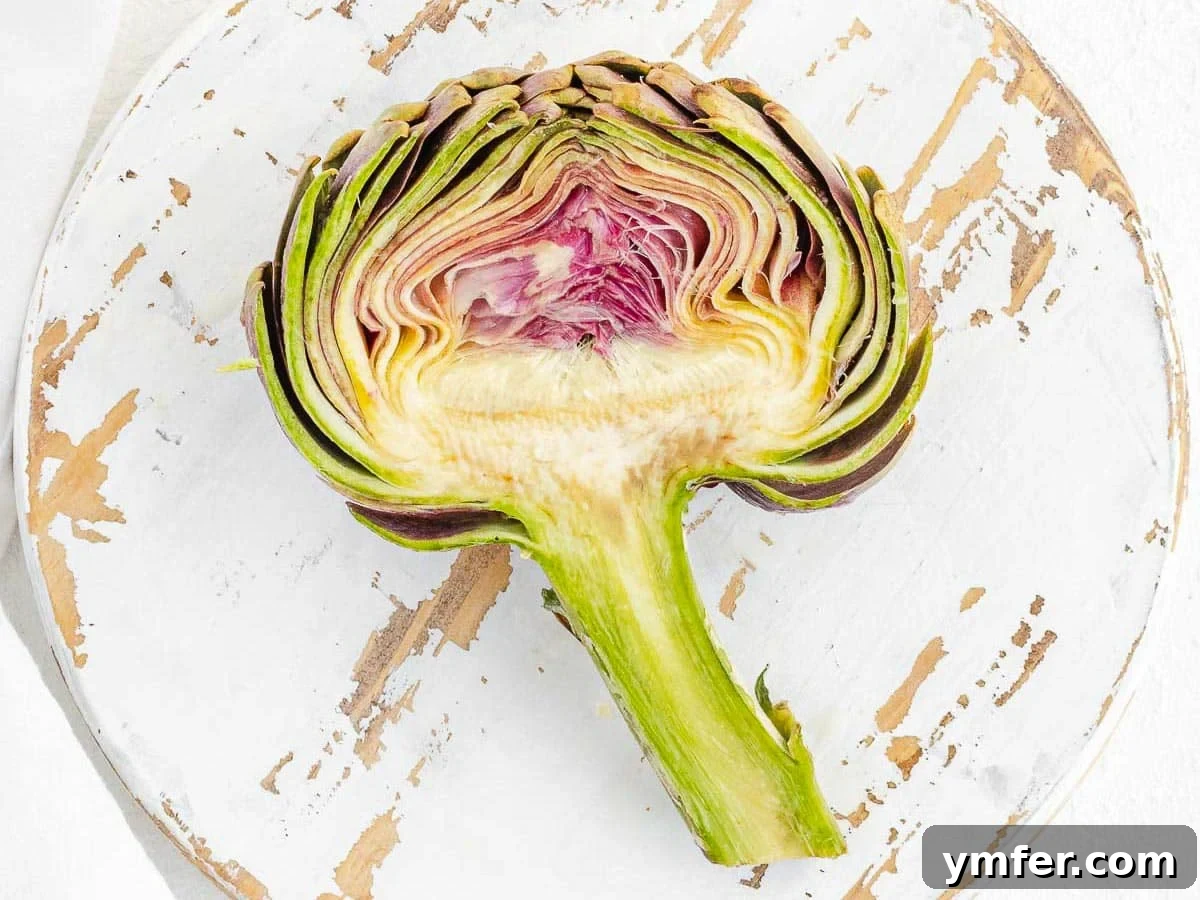
An artichoke is composed of several distinct parts, some edible, others not. These include: the thorny tips of the outer leaves (thorns), the fleshy parts of the outer and inner leaves (petals or leaves), the fibrous, inedible fuzzy layer in the center (the choke), the sometimes woody but often edible stem, and finally, the luscious artichoke heart. Understanding these components is key to proper cleaning and enjoying every delicious bite.
Whether you’re a devoted fan of Mediterranean-inspired cuisine or simply looking for innovative ways to incorporate more vegetables into your diet, artichokes are incredibly versatile. They shine in everything from creamy hummus and hearty soups to satisfying vegetarian dinner ideas. This extensive guide provides a wealth of delicious options for every palate.
So, let’s embark on this culinary journey into the world of artichokes, uncovering the secrets to preparing and savoring truly delicious and artful dishes!
How to Cook Artichokes Video
How to Clean Artichokes: A Step-by-Step Guide
1. Essential Prep: Gloves, Water, and Lemon Juice
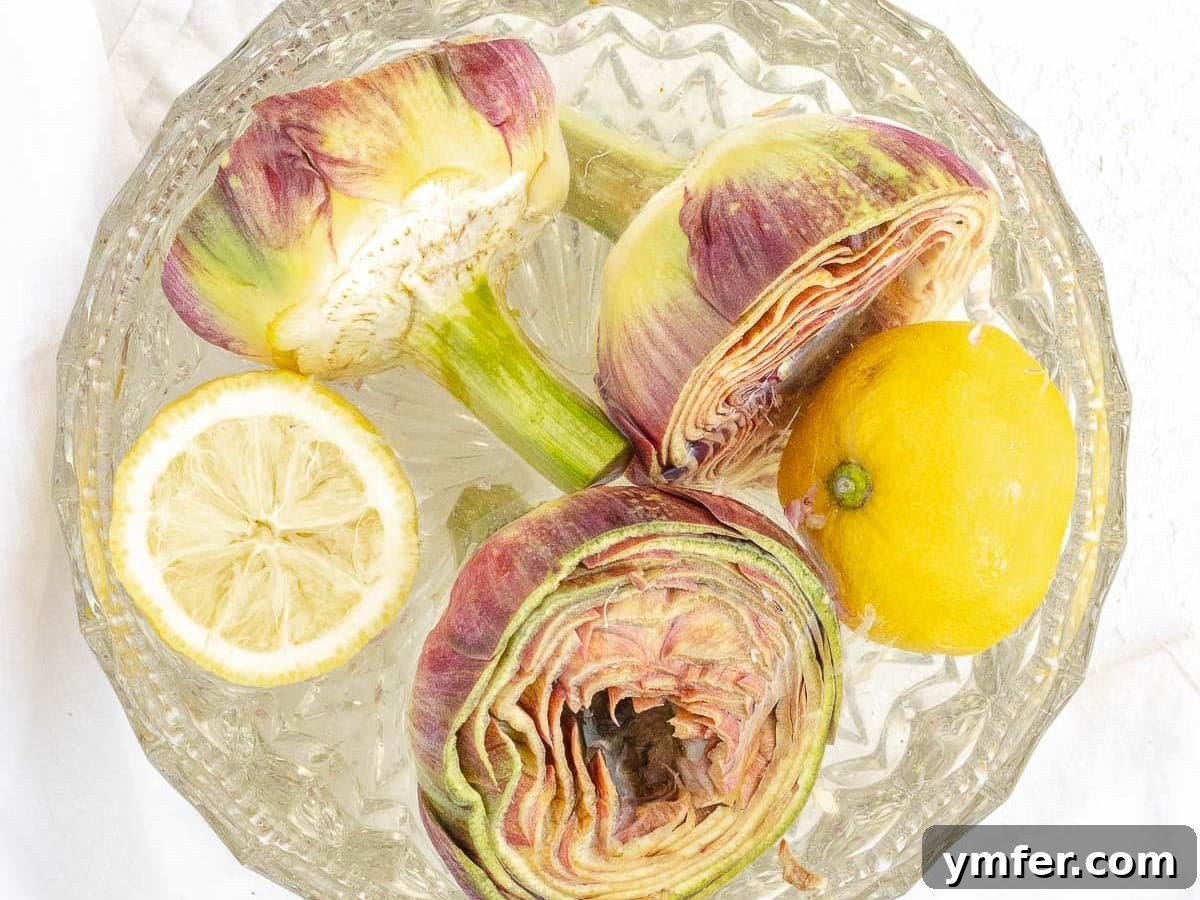
Before you begin cleaning artichokes, a crucial step is to protect your hands. We highly recommend either wearing gloves or generously rubbing your hands with lemon juice. This isn’t just for cleanliness; artichokes contain a high amount of antioxidants, which react with oxygen and can cause your fingers to turn an unappealing brown. Lemon juice helps to counteract this oxidation, keeping your hands stain-free.
Similarly, to prevent the cut artichokes from browning, prepare a bowl filled with cold water and a generous squeeze of lemon juice. This acidic bath will significantly slow down the oxidation process, helping your cleaned artichokes remain vibrant and green until they are ready to be cooked.
2. Trimming the Outer Layers: Thorns, Petals, and Stem
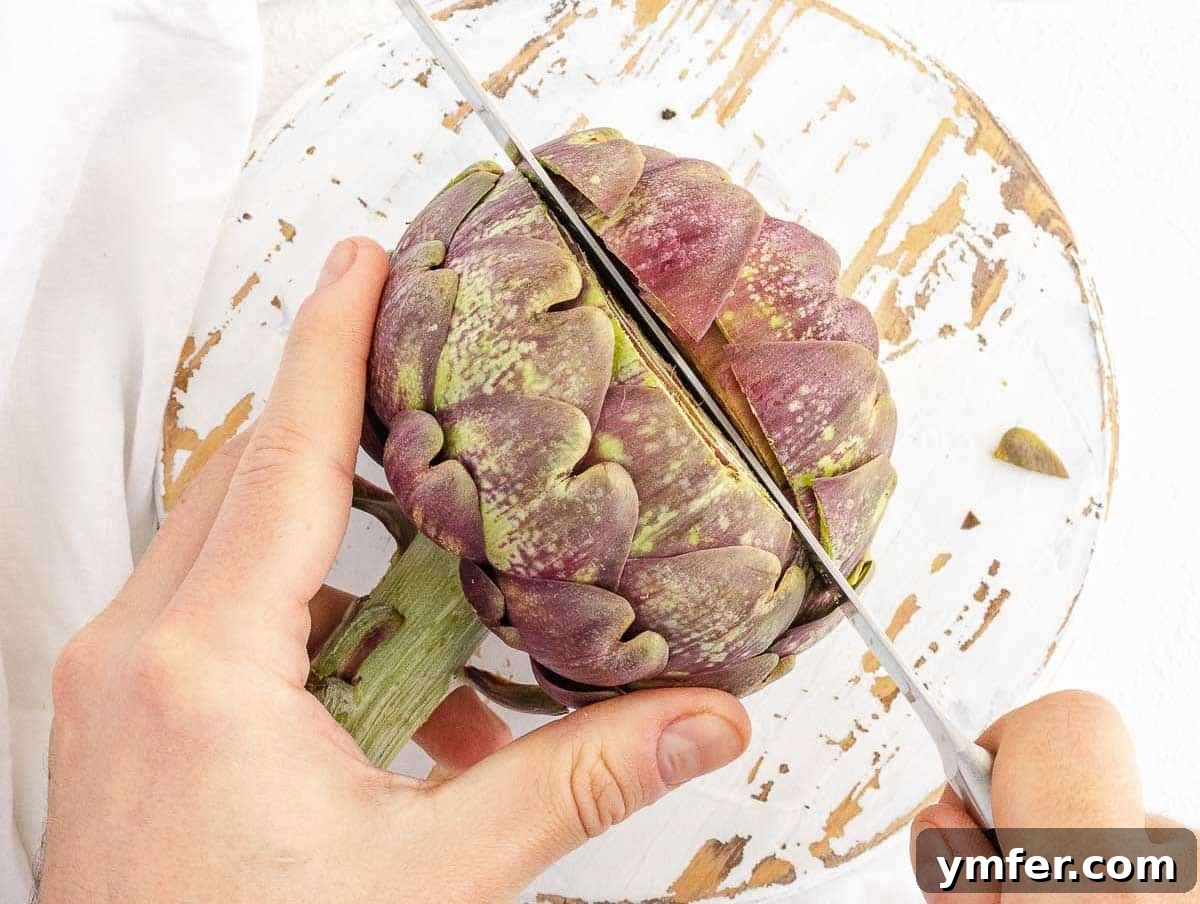
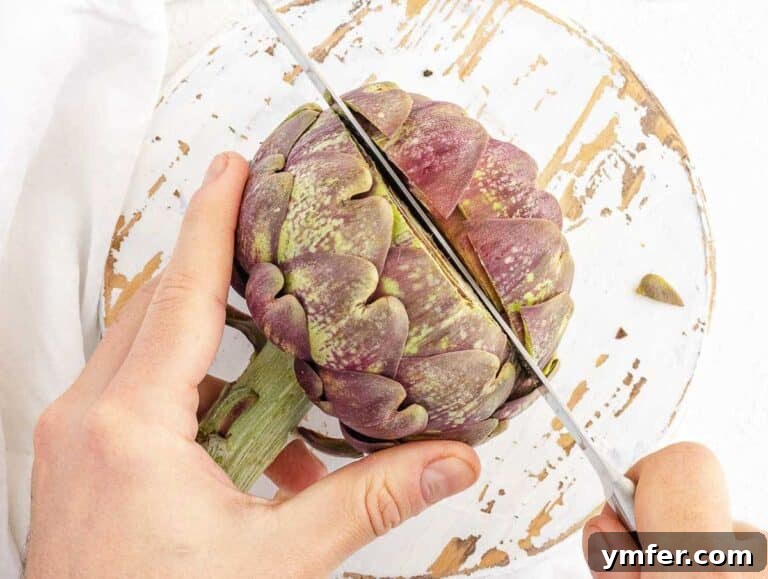
Begin by removing the sharp, spiky tips of the outer leaves. Take a bread knife or a sharp serrated knife and cut off the top third of the artichoke head. This eliminates the thorns, making the artichoke much easier and safer to handle and eat.
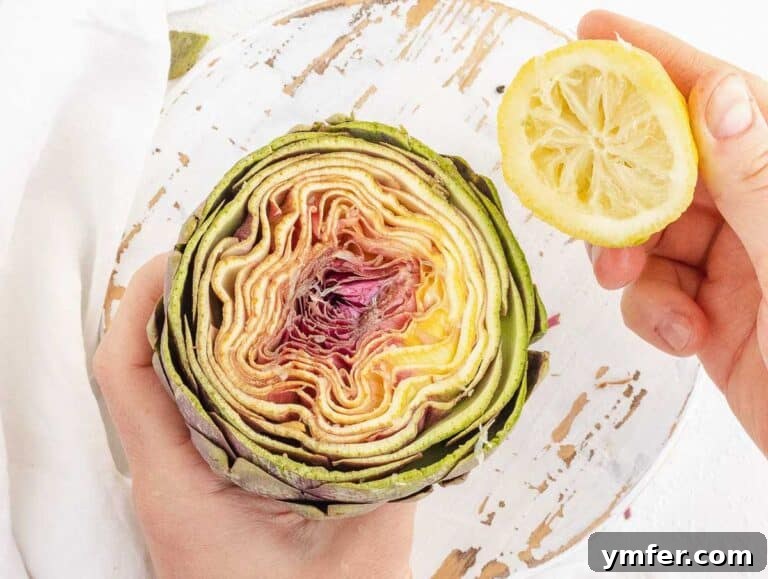
Immediately after cutting, rub the exposed cut surface of the artichoke with a lemon half. This will further prevent unsightly browning and maintain its fresh appearance.
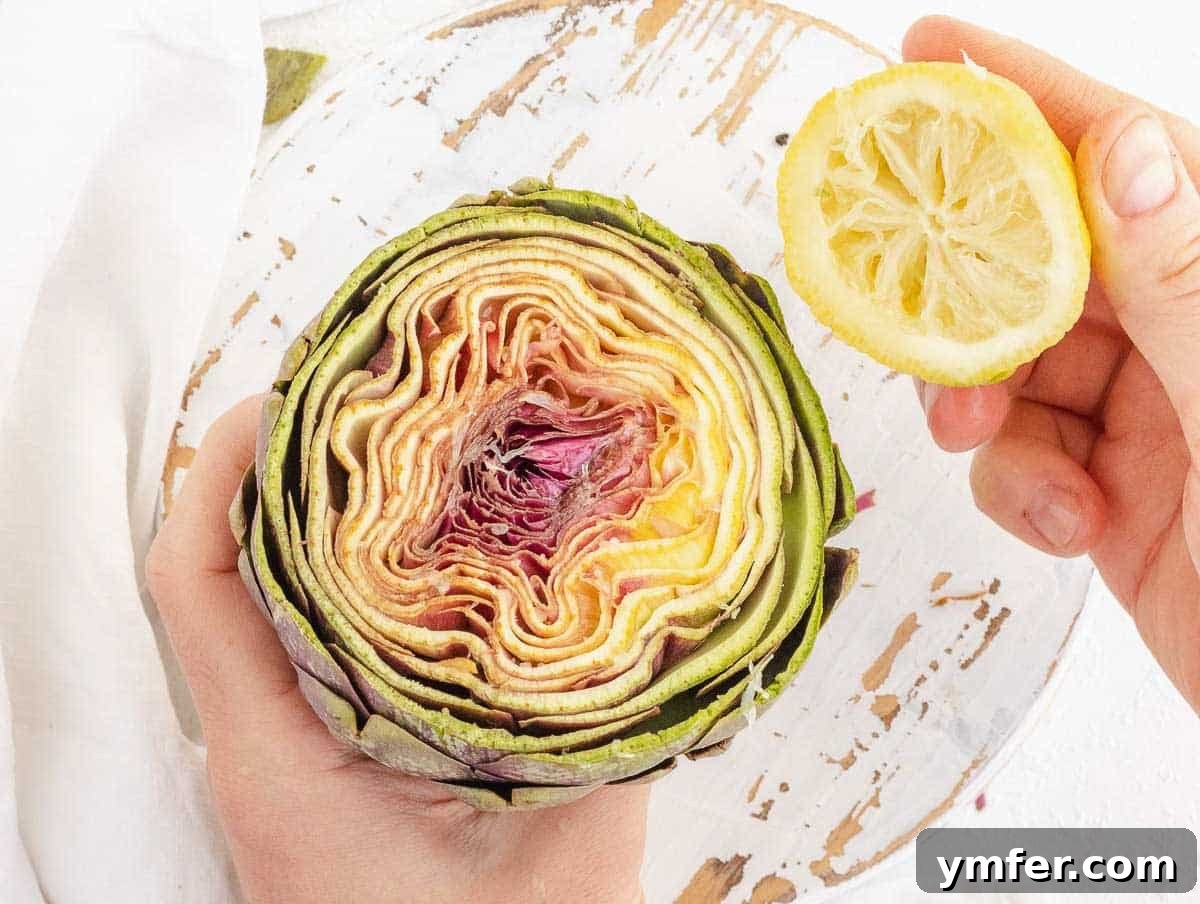
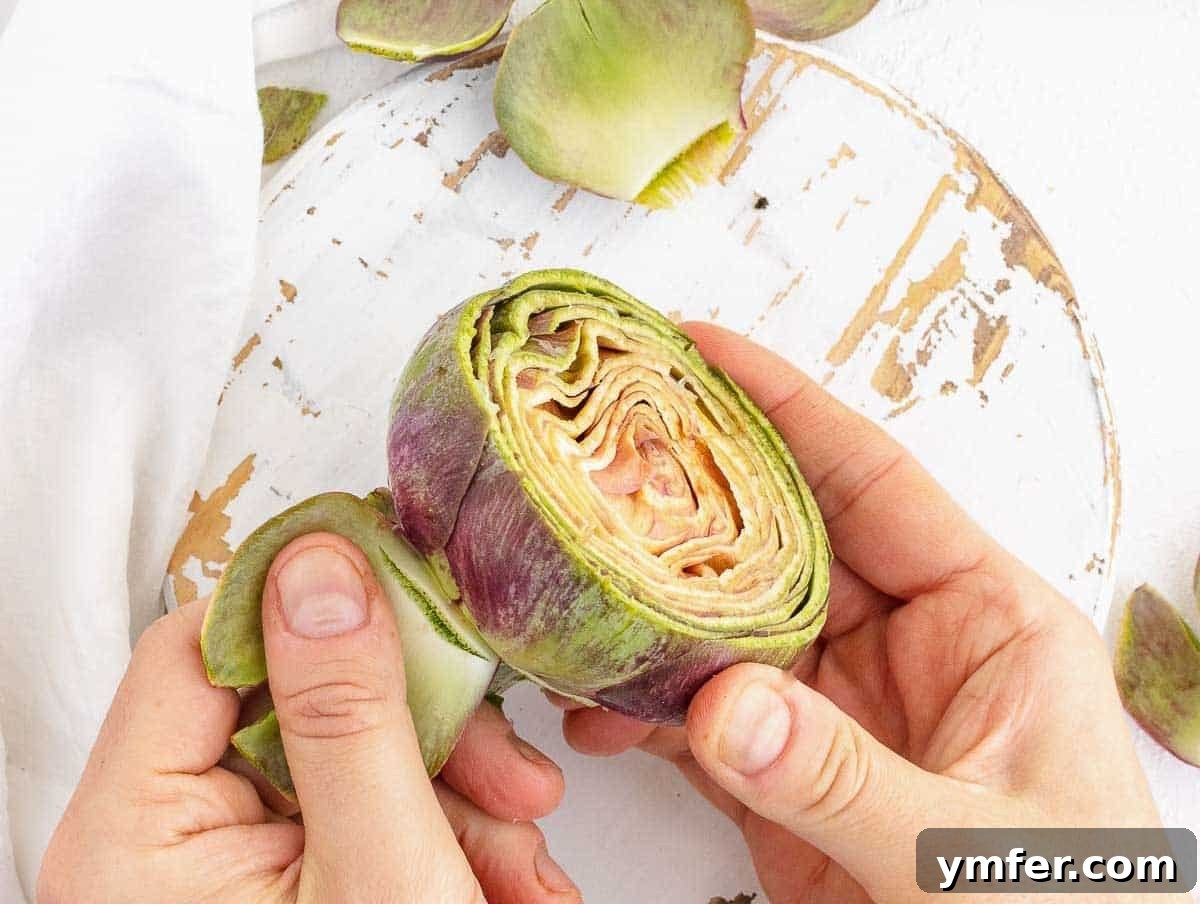
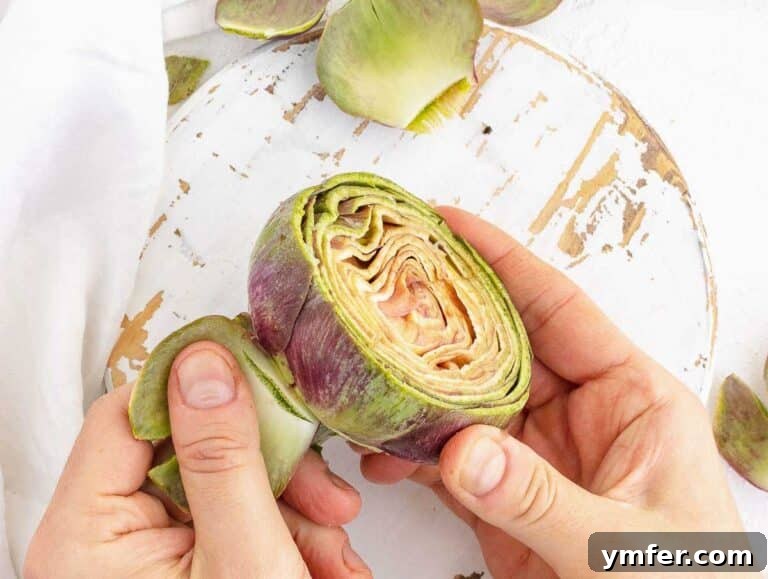
Next, focus on the outer petals. These are often tough and fibrous, making them unpleasant to eat. Carefully snap or peel away the thick, darker green outer leaves until you reach the paler, more tender inner leaves, which are typically light yellow or green at their base. You can adjust the amount you remove based on your preference; some cooks trim the sharp tips of the remaining outer leaves with kitchen shears instead of fully removing them.
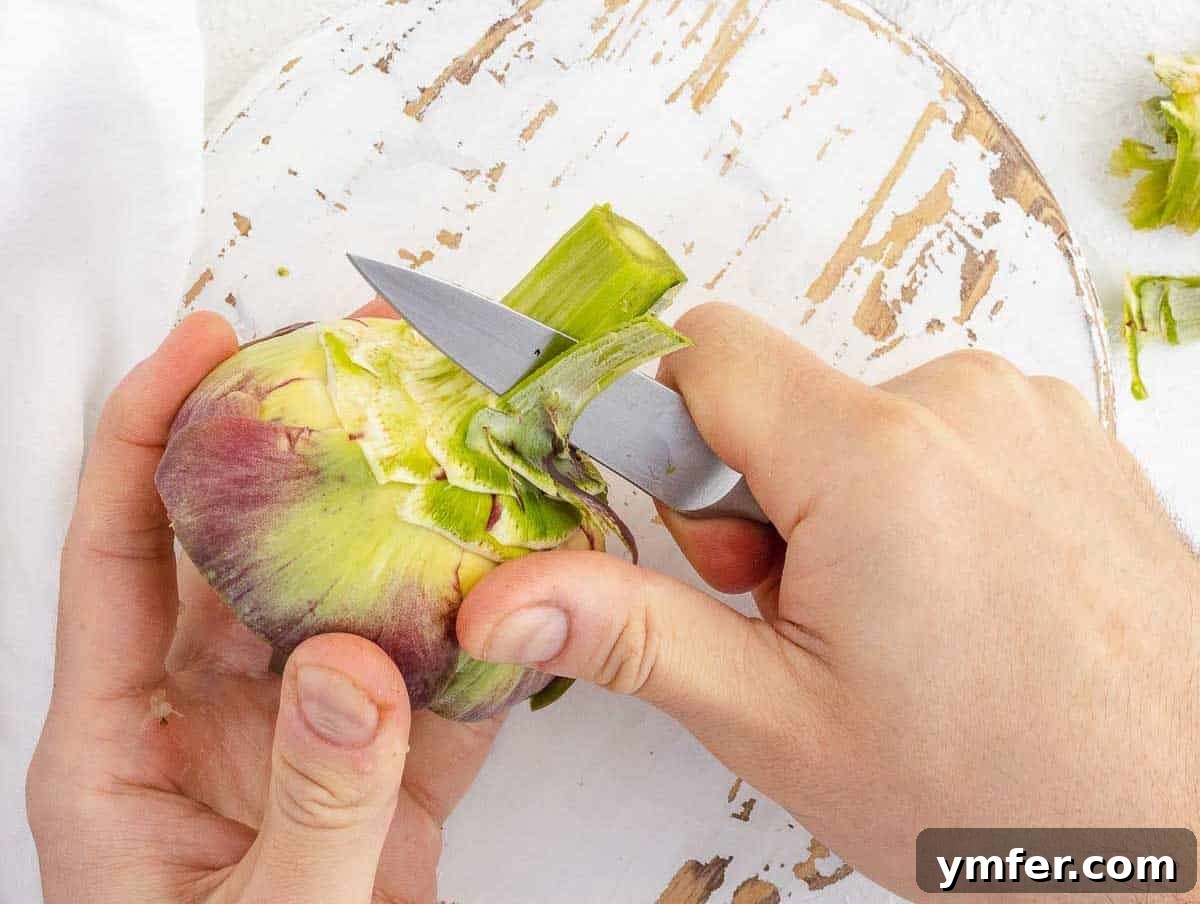
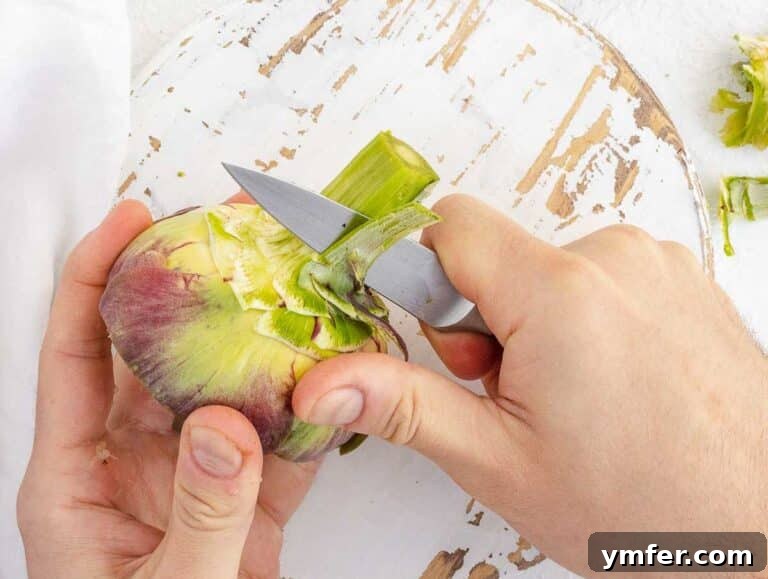
Now, address the stem. You can either cut it off entirely or, for many recipes, it’s best to leave a couple of inches (about 5 cm). If keeping part of the stem, use a paring knife or a vegetable peeler to peel off the tougher, woodier outer layer. This reveals the tender inner portion of the stem, which is fully edible and delicious. At the same time, trim any rough or discolored parts from the very bottom of the artichoke base.
3. Removing the Hairy Choke
The final crucial step before cooking is to remove the choke. This is the fuzzy, hairy part located in the center of the artichoke, directly above the heart. It’s unpleasant to eat and can even be a choking hazard, especially for children, due to its tiny, fibrous hairs.
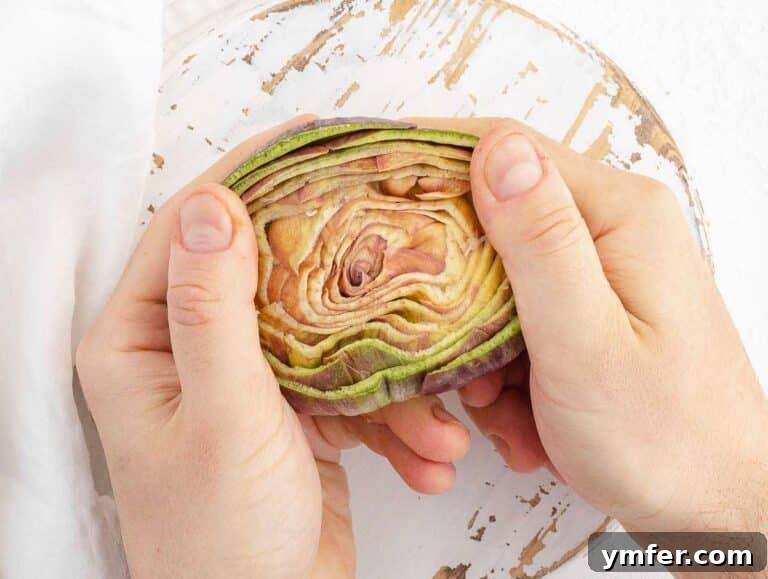
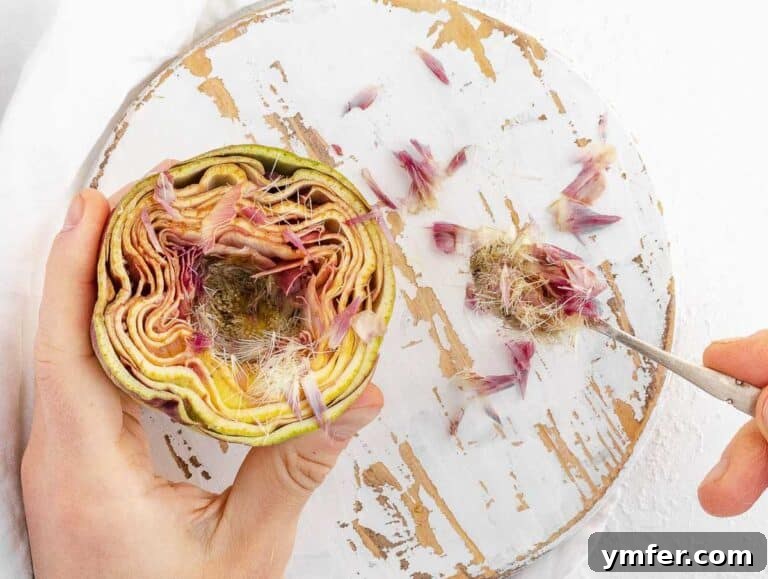
To access the choke, gently open up the center of the artichoke with your thumbs, carefully spreading the inner leaves until the fuzzy choke is clearly visible.
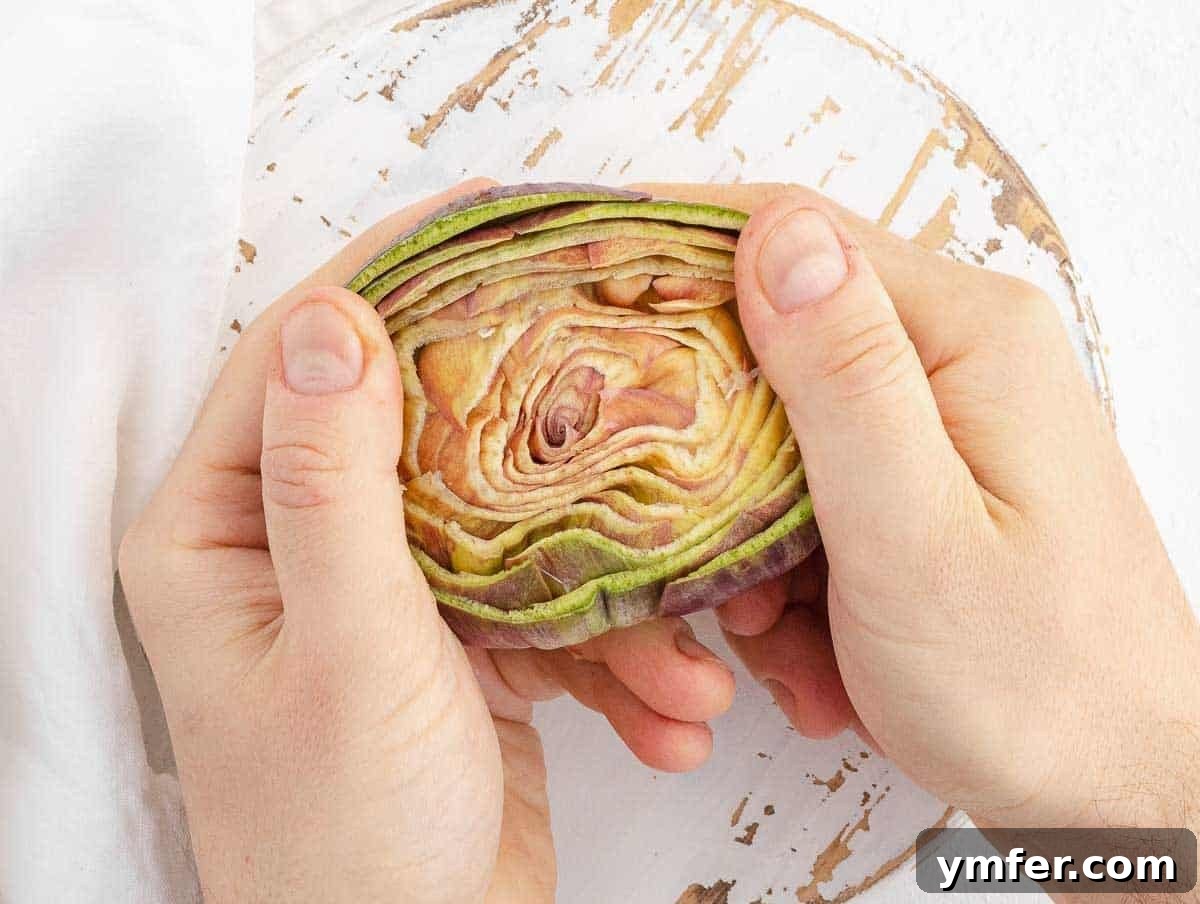
With a small, sharp knife, carefully cut around the base of the choke, then use a sturdy teaspoon to scoop out and remove the entire fuzzy portion. Make sure to also remove any small, spiky leaves that might be attached to the choke, as these can also be sharp and unpleasant.
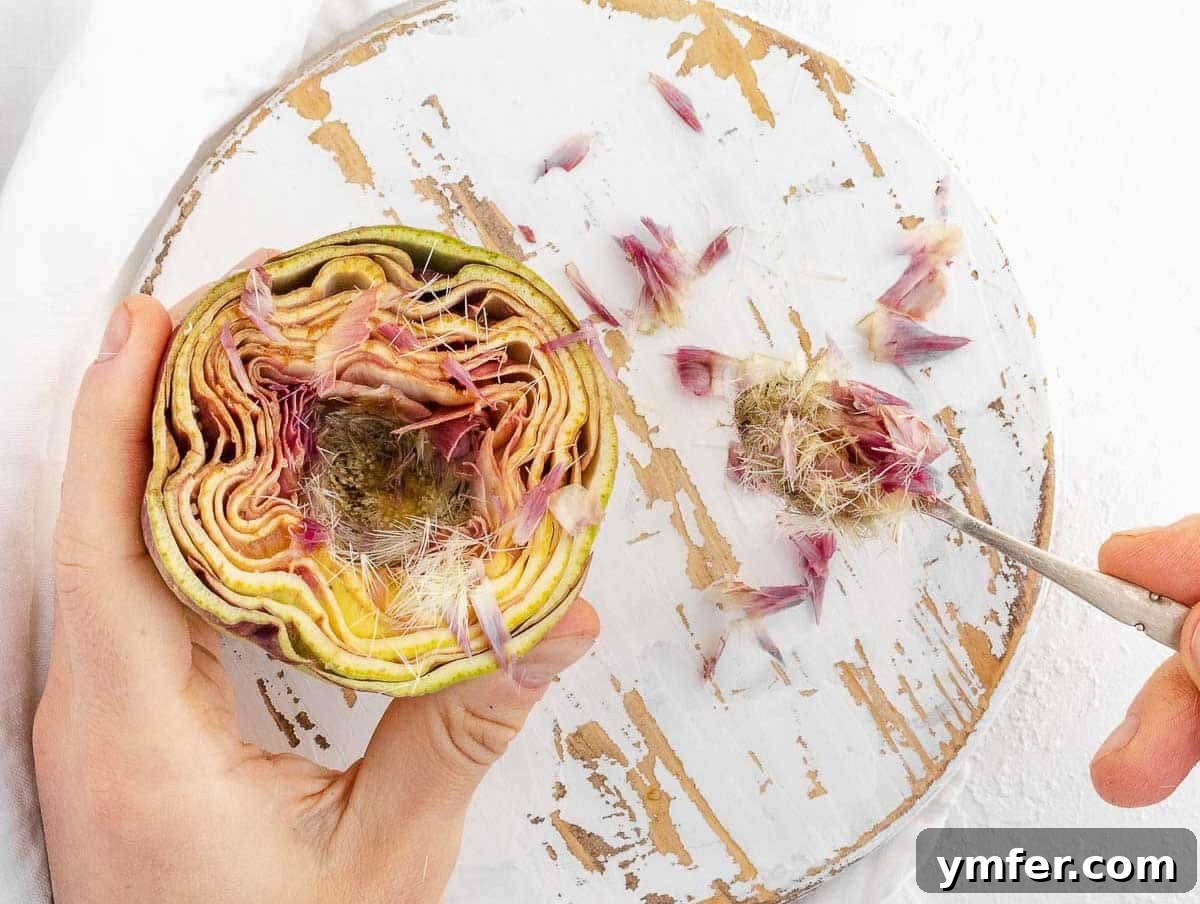
While some recipes suggest removing the choke after the artichoke is cooked by slicing it in half and scooping it out, we find it much more convenient and enjoyable to remove the choke before cooking. This ensures a smoother eating experience without interruptions at the dinner table.
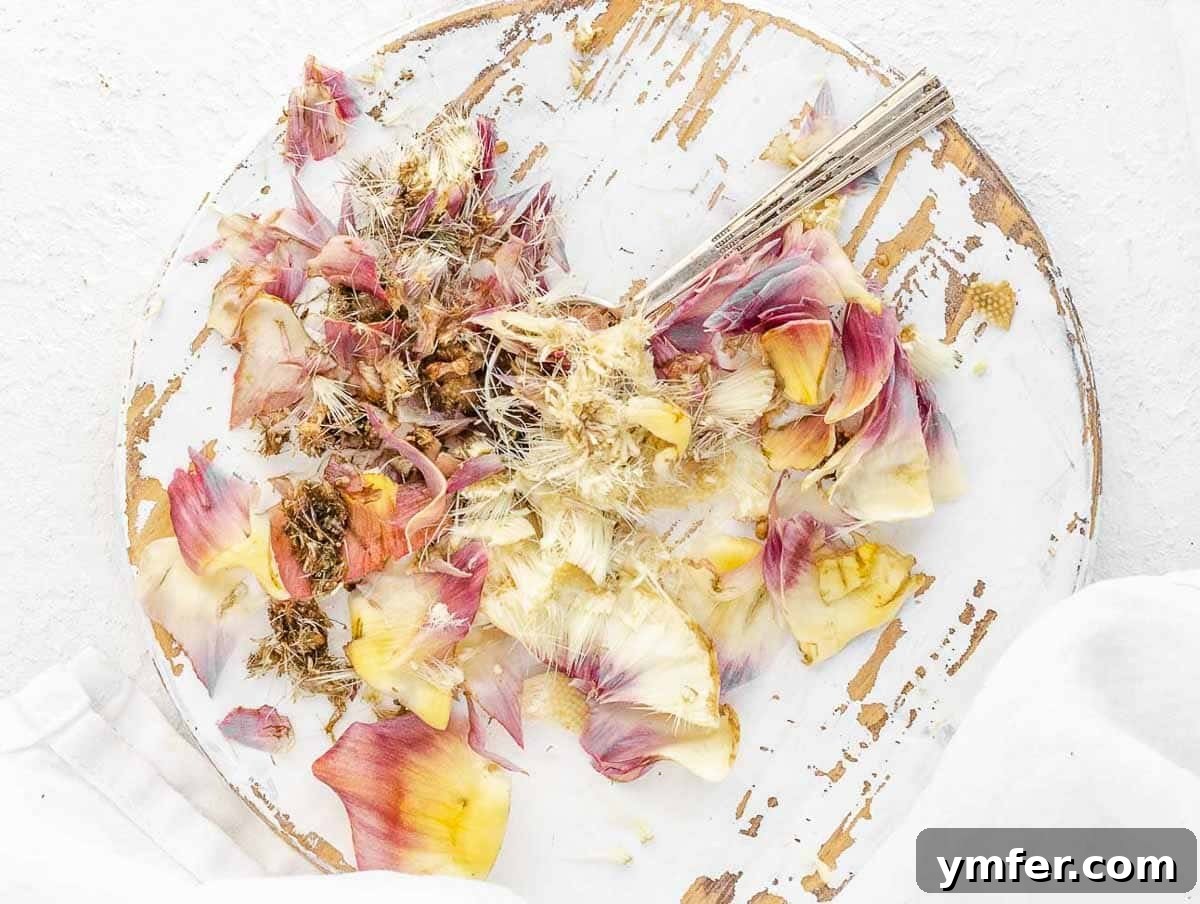
4. Preserving Freshness: Cold Lemon Water Bath
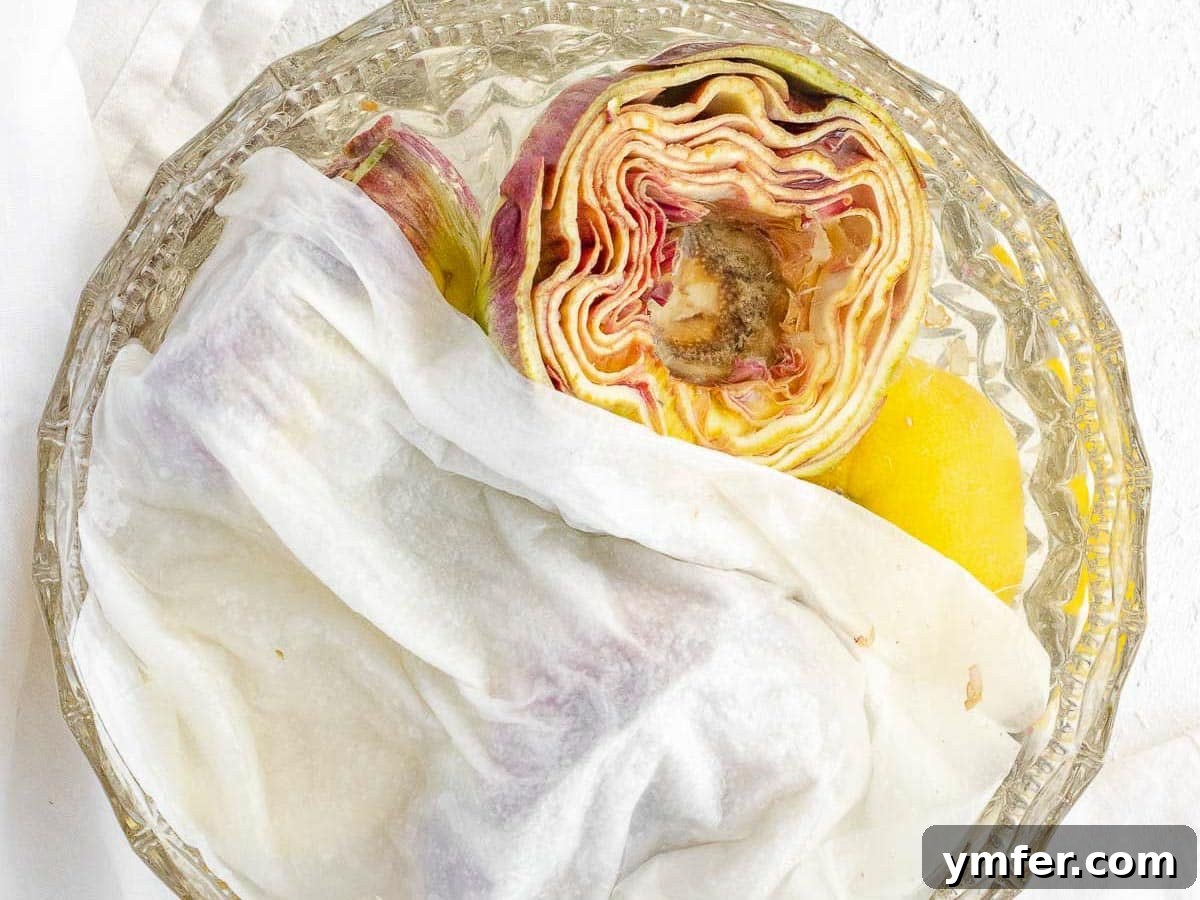
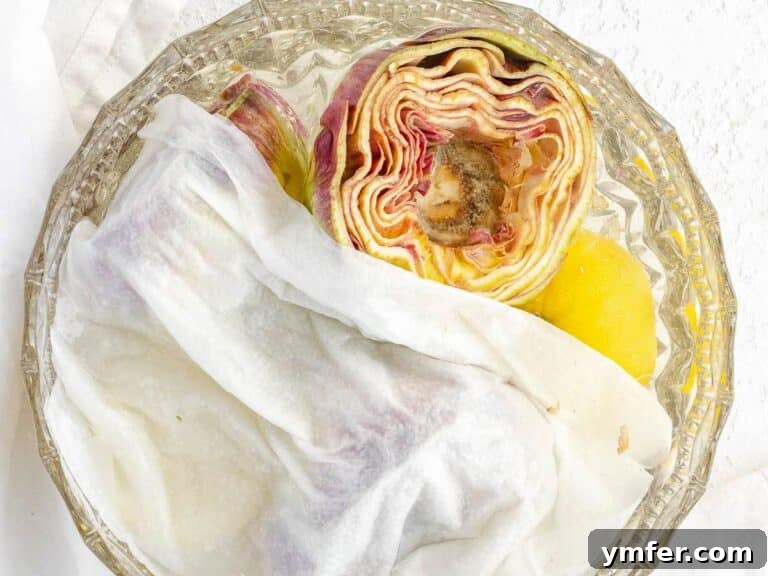
Once each artichoke is cleaned, immediately place it into the bowl of cold lemon water you prepared earlier. Ensure the artichokes are submerged, and if necessary, cover them with a damp piece of kitchen paper to keep them fully immersed and further slow down oxidation. This step is vital for maintaining their bright green color and freshness.
Planning ahead? Clean your artichokes up to 24 hours in advance! Simply store them in the lemon water bath, covered, in the refrigerator. This allows for convenient meal preparation.
Don’t throw away those outer leaves and stems! Embrace a zero-waste approach by utilizing artichoke scraps. We have fantastic recipes for artichoke hummus or a creamy artichoke soup made from these flavorful remnants.
Fresh Artichoke Recipes: Simple and Delicious Preparations
Steamed Artichokes: Pure and Tender Perfection
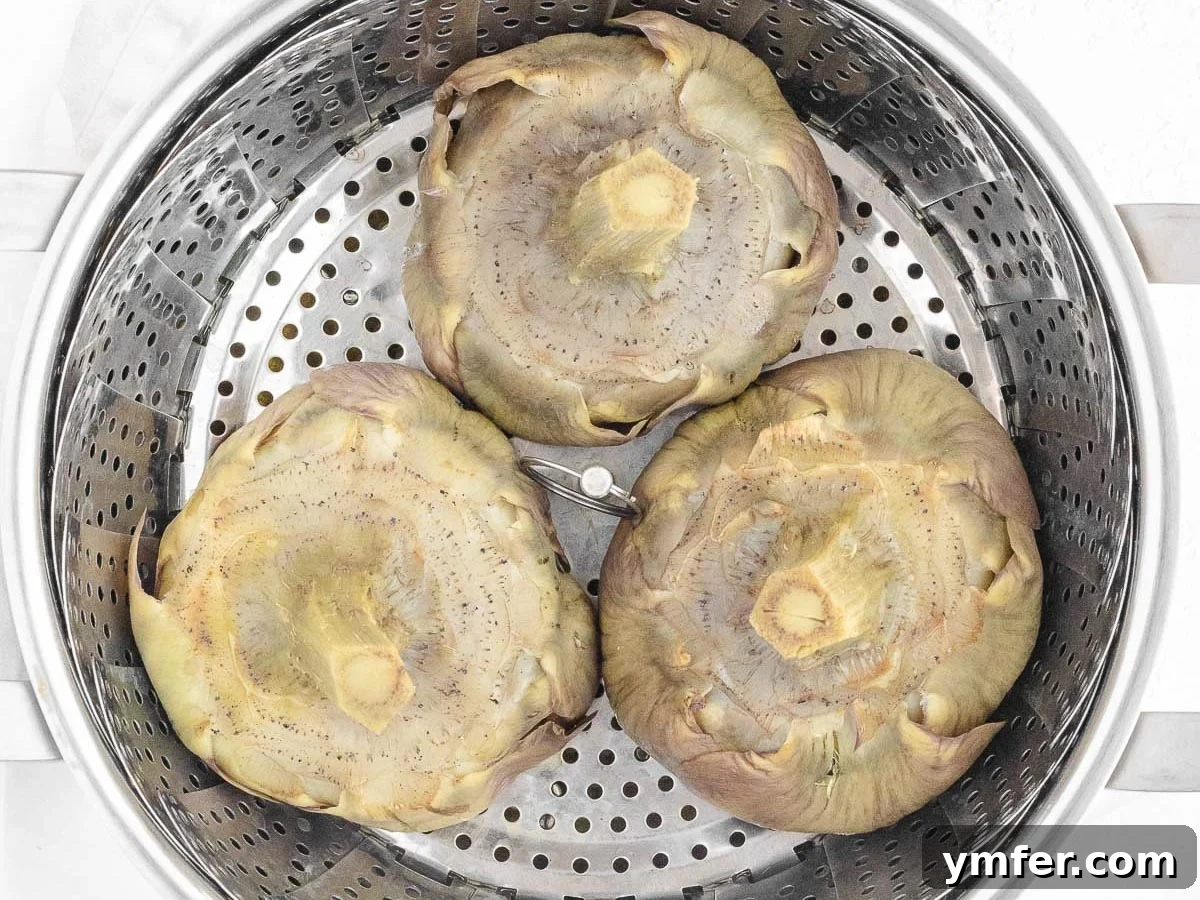
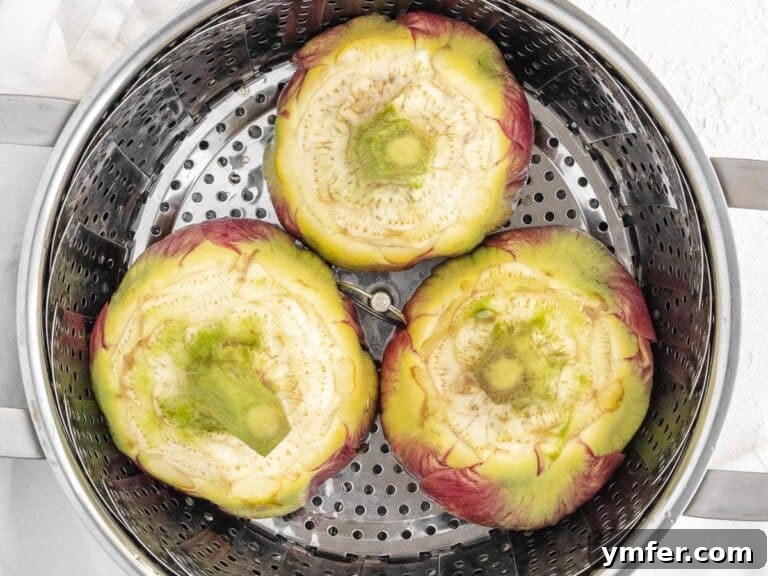
Steamed artichokes are arguably the simplest and most classic way to enjoy this vegetable, allowing its delicate flavor to shine. All you need is a pot with a lid and a steamer basket. Add about an inch (2.5 cm) of water to the bottom of the pot, along with some aromatics like fresh mint or fragrant bay leaves to infuse flavor. Place the steamer basket into the pot, arrange your cleaned artichokes face down on the basket, and cover tightly with the lid.
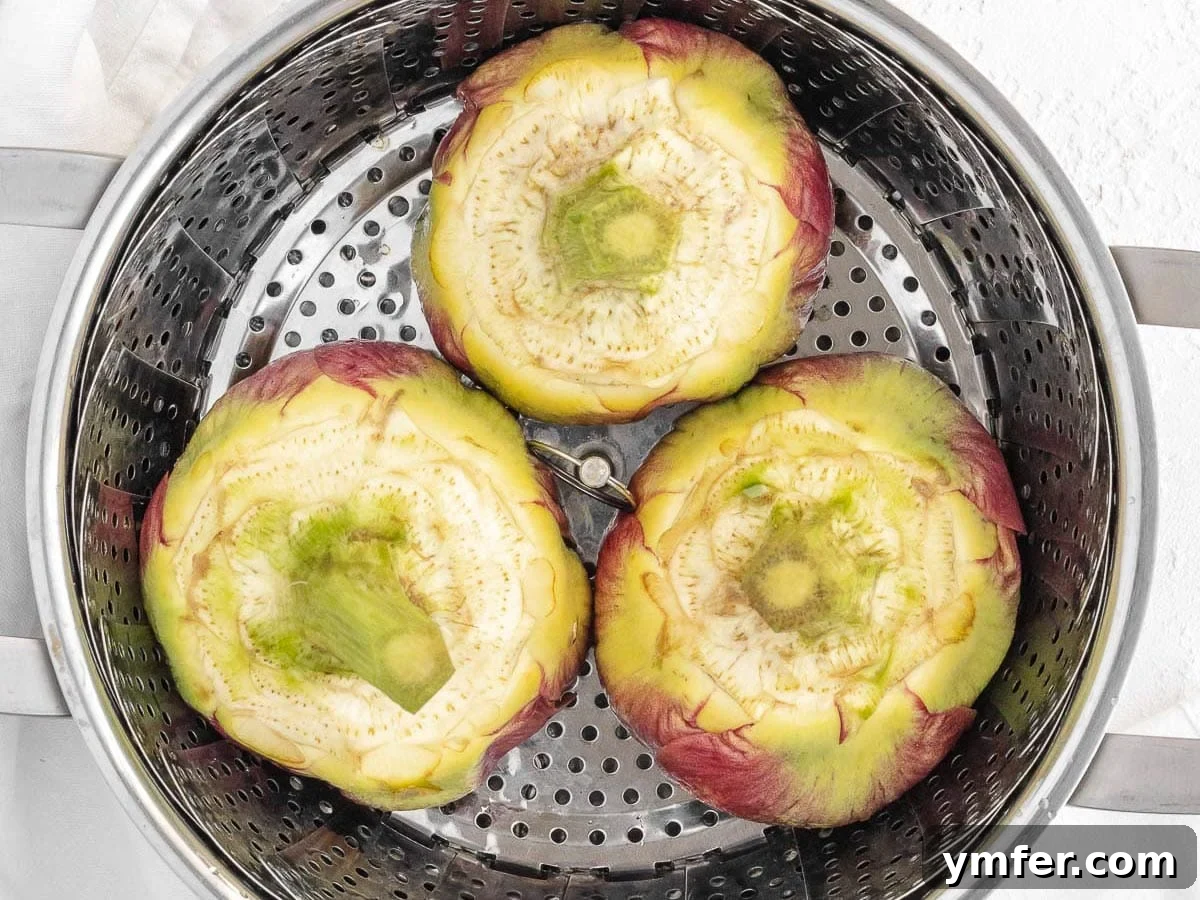
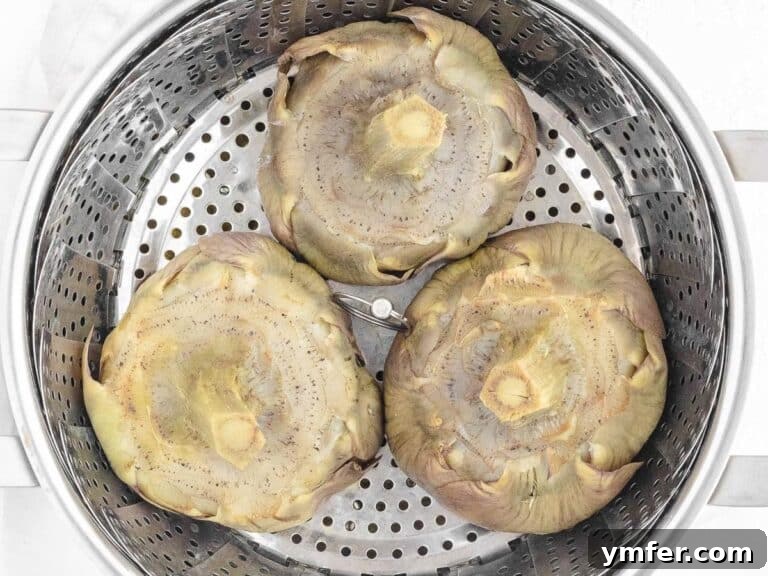
Bring the water to a gentle simmer and steam the artichokes until they are wonderfully soft and tender. The cooking time can vary between 20 to 40 minutes, depending on the size and freshness of your artichokes. You can test for doneness by easily pulling off an outer leaf; if it comes away with little resistance, they’re ready.
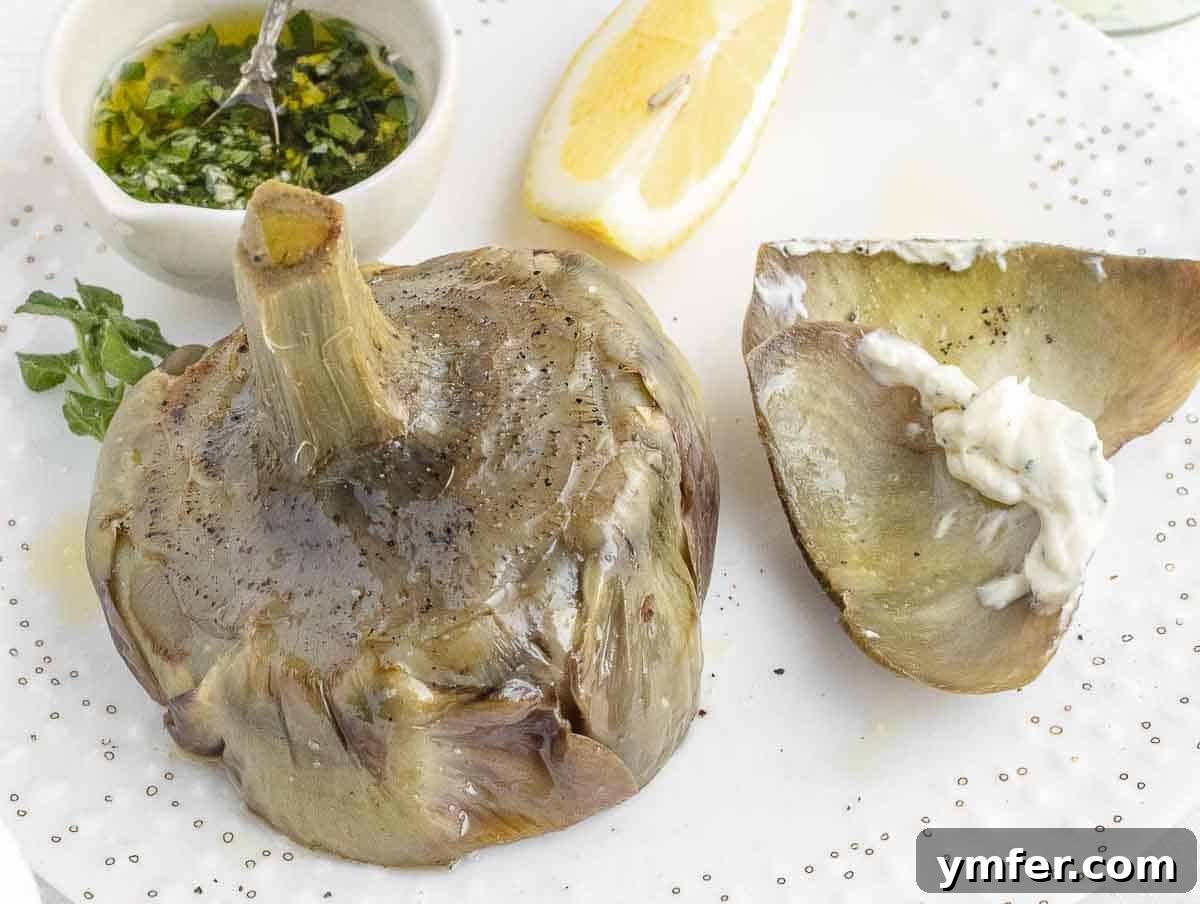
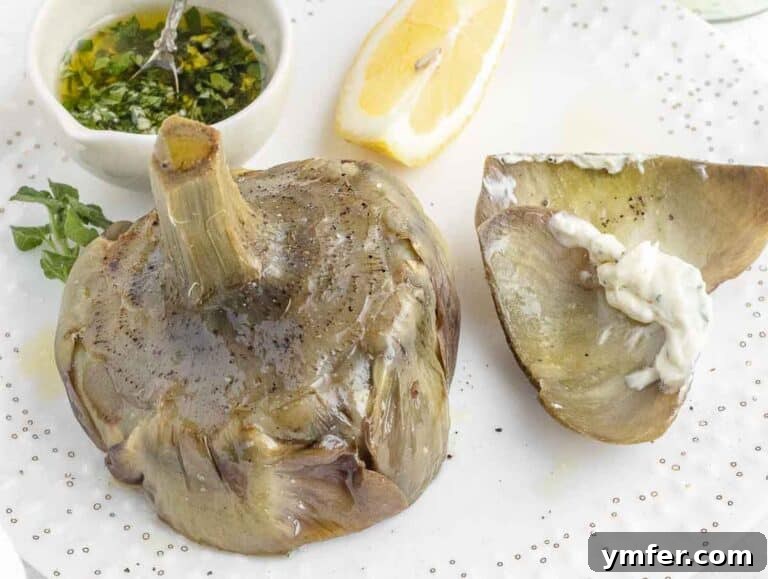
Once tender, transfer the steamed artichokes to a plate. Garnish them with freshly chopped parsley or mint and a generous drizzle of high-quality olive oil. For an extra treat, serve them with creamy vegan mayo or a vibrant chimichurri sauce for dipping the succulent leaf bases. When perfectly cooked, steamed artichokes are incredibly creamy, mildly nutty, and slightly sweet, truly melting in your mouth.
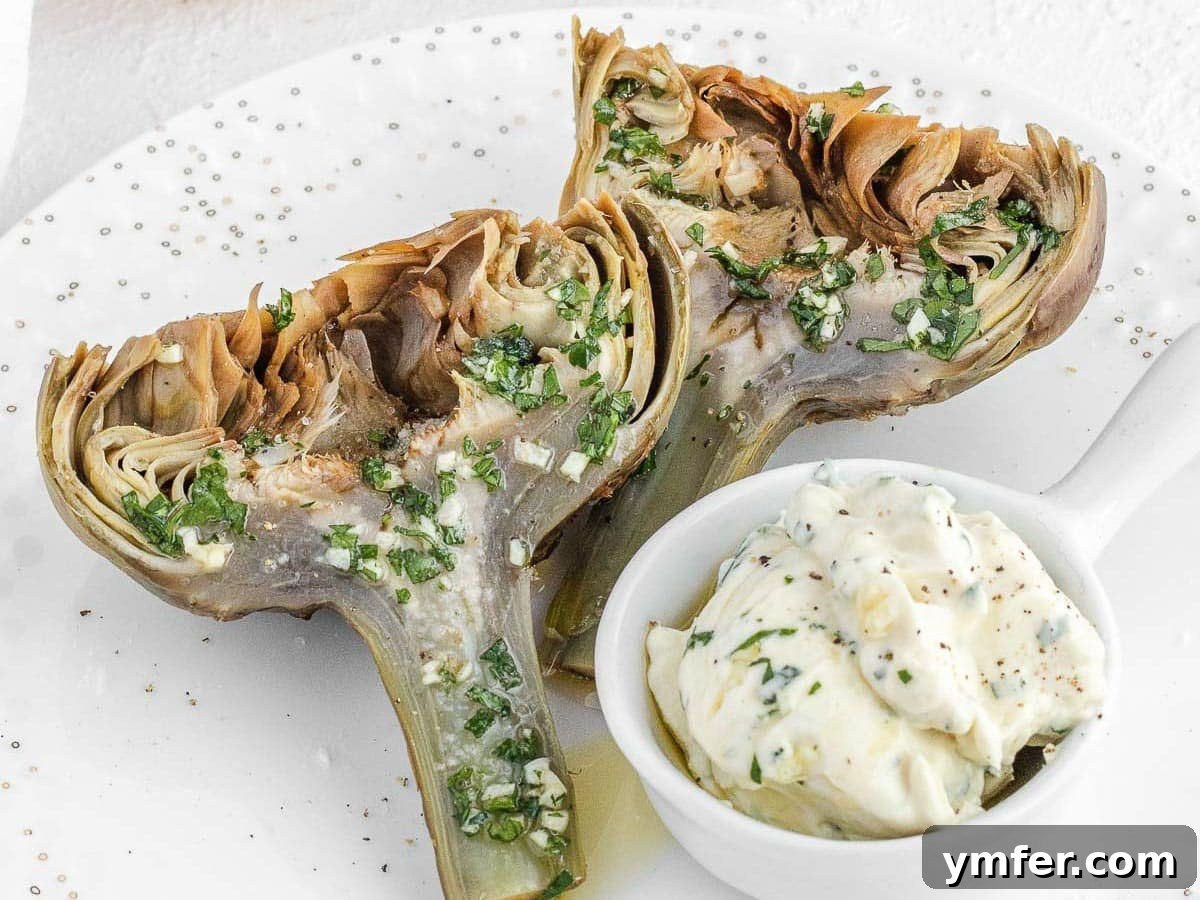
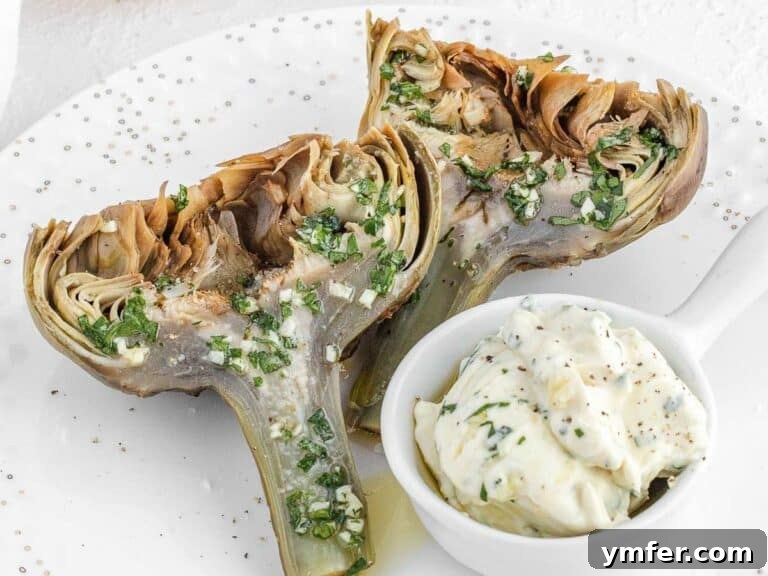
Another delightful way to serve steamed artichokes is to slice them in half lengthwise. Arrange them on a platter and season simply yet exquisitely with finely chopped flat-leaf parsley, minced garlic, a drizzle of premium olive oil, a pinch of salt, and a refreshing squeeze of fresh lemon juice. This simple preparation highlights their natural goodness. Explore our full steamed artichokes recipe for more details.
Braised Artichokes: Roman-Style Tenderness
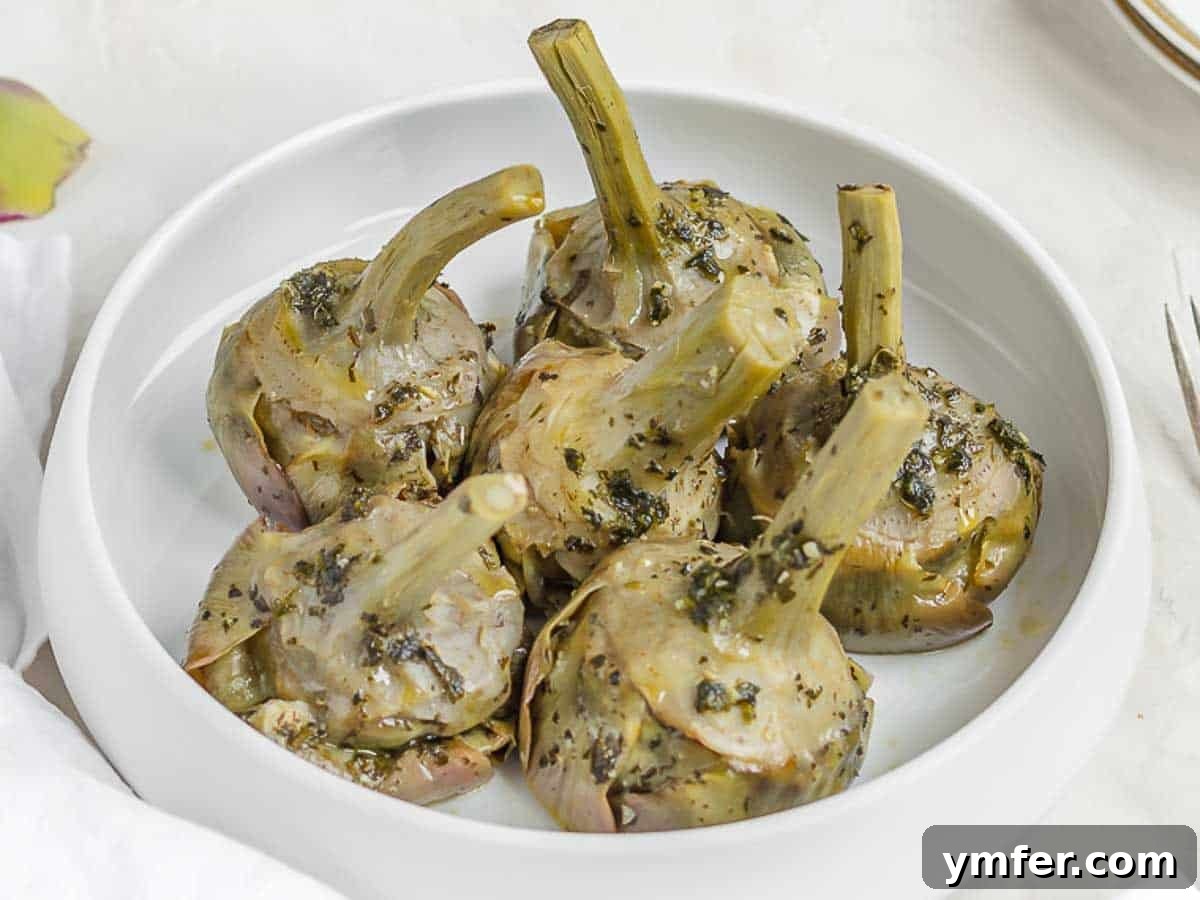
If you don’t have a steamer basket, or simply prefer a richer, more infused flavor, braising artichokes is an excellent alternative. This method, famously known as “Carciofi alla Romana” in Italy (artichokes Roman style), yields incredibly tender and flavorful results. It’s typically done in a medium to large pot where the artichokes fit snugly, allowing them to gently cook in a savory liquid.
This technique can be adapted for a conventional pot, an Instant Pot, or a pressure cooker (which will significantly reduce cooking time, often by half). For this specific preparation, ensure you’ve thoroughly cleaned the artichokes as described earlier, being sure to remove all the tougher outer petals to expose the more tender parts.
In your chosen pot, add a drizzle of olive oil, a gently crushed clove of garlic, and a few fresh mint leaves for aromatic depth. Season the inside of each cleaned artichoke with salt, then place them face-down into the pot. Pour in enough water or vegetable broth to cover approximately half of the artichokes. Cover the pot with a lid and let them simmer gently over medium-low heat for about 20 to 30 minutes, or until fork-tender. Cooking time will depend on the artichoke size.
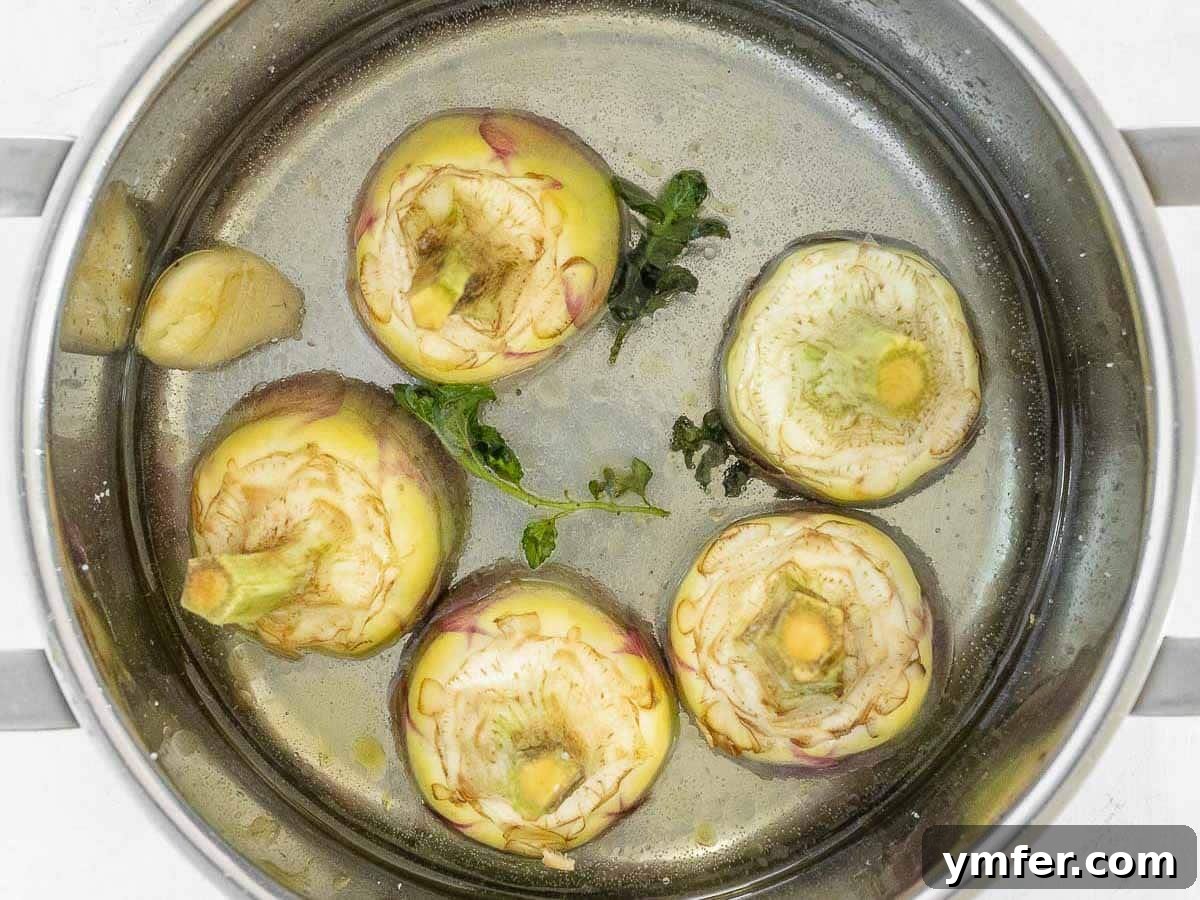
Once cooked, serve these succulent braised artichokes on a plate, garnished with more fresh parsley, a vibrant squeeze of fresh lemon juice, and a final drizzle of exquisite extra virgin olive oil. Artichokes “alla Romana” make an excellent starter or a sophisticated vegetable side dish. Pair them with crusty bread like crostini, homemade no-knead focaccia bread, or classic bruschetta for a truly authentic Italian experience.
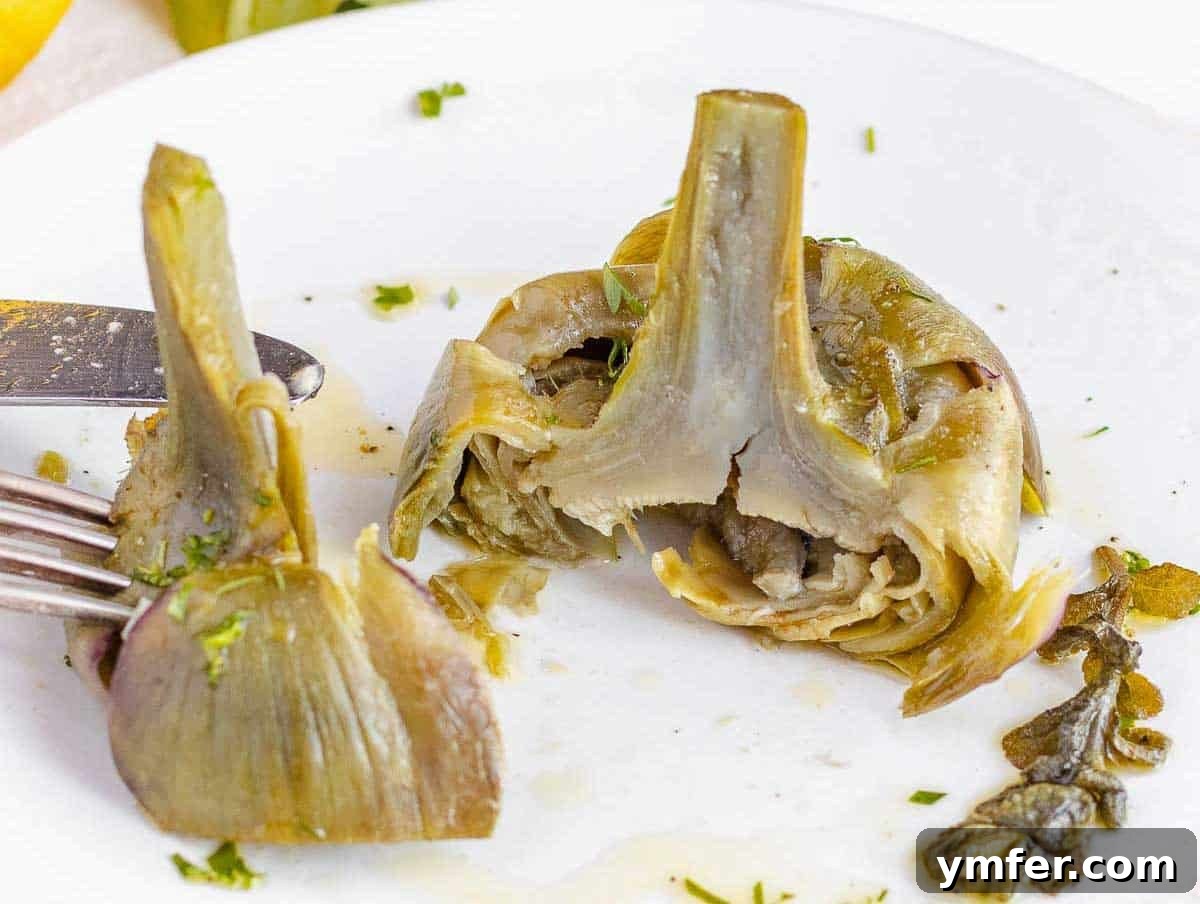
Pan-Fried Artichokes: Quick and Flavorful
Artichokes are incredibly versatile and can be cooked quickly and efficiently right in a pan, making them perfect for a weeknight meal or a speedy side dish. This method highlights their tender texture with a hint of caramelization.
Start by preparing your artichokes as detailed in the cleaning section. For pan-frying, it’s best to cut the cleaned artichokes into quarters. Ensure the choke is completely removed from each piece. Immediately transfer the quartered artichokes into the bowl of cold lemon water to prevent browning while you finish preparing them.
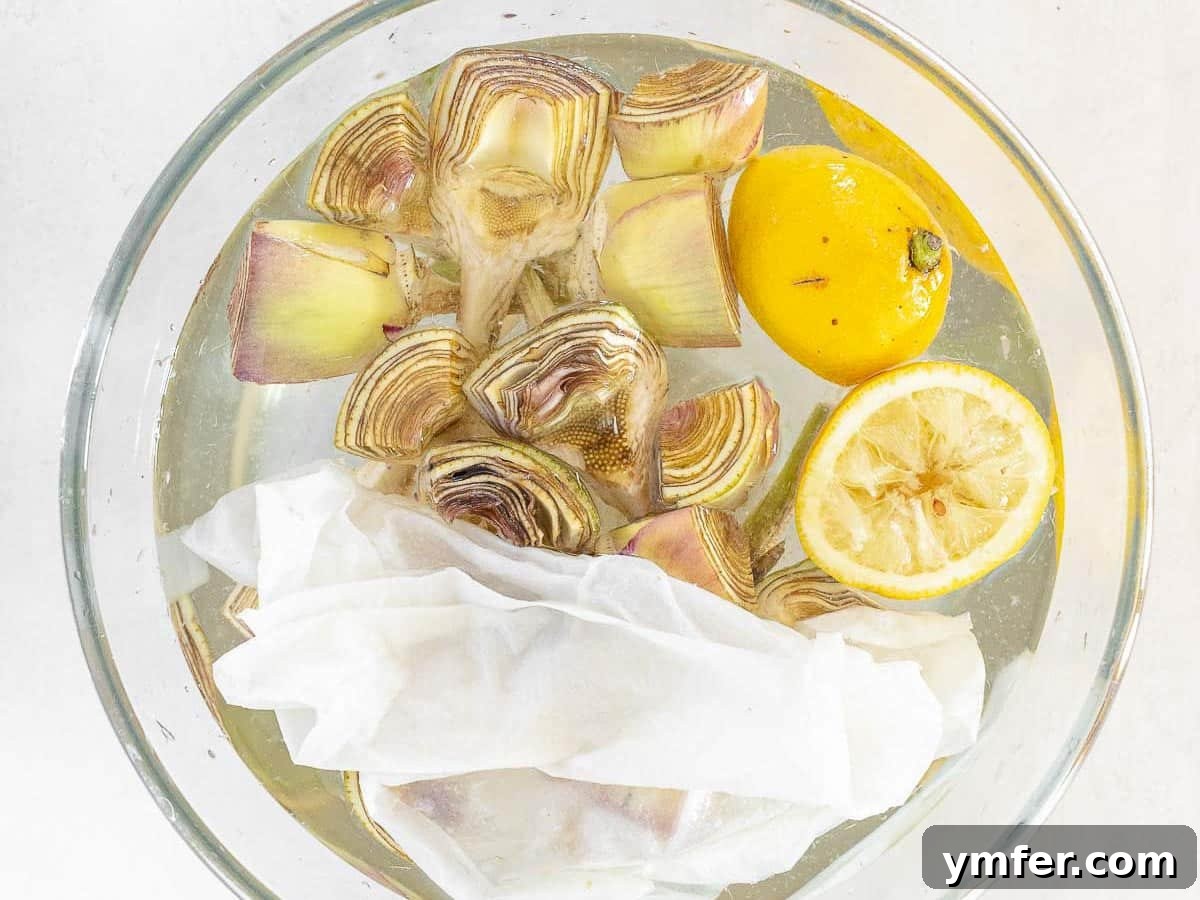
Heat a drizzle of olive oil in a large pan over medium heat. Add the drained artichoke quarters and sauté for about 3 minutes until they begin to soften and develop a slight golden color. Then, pour in ¼ cup of dry white wine. The wine adds a wonderful depth of flavor; if you prefer not to cook with alcohol, vegetable broth makes an excellent substitute.
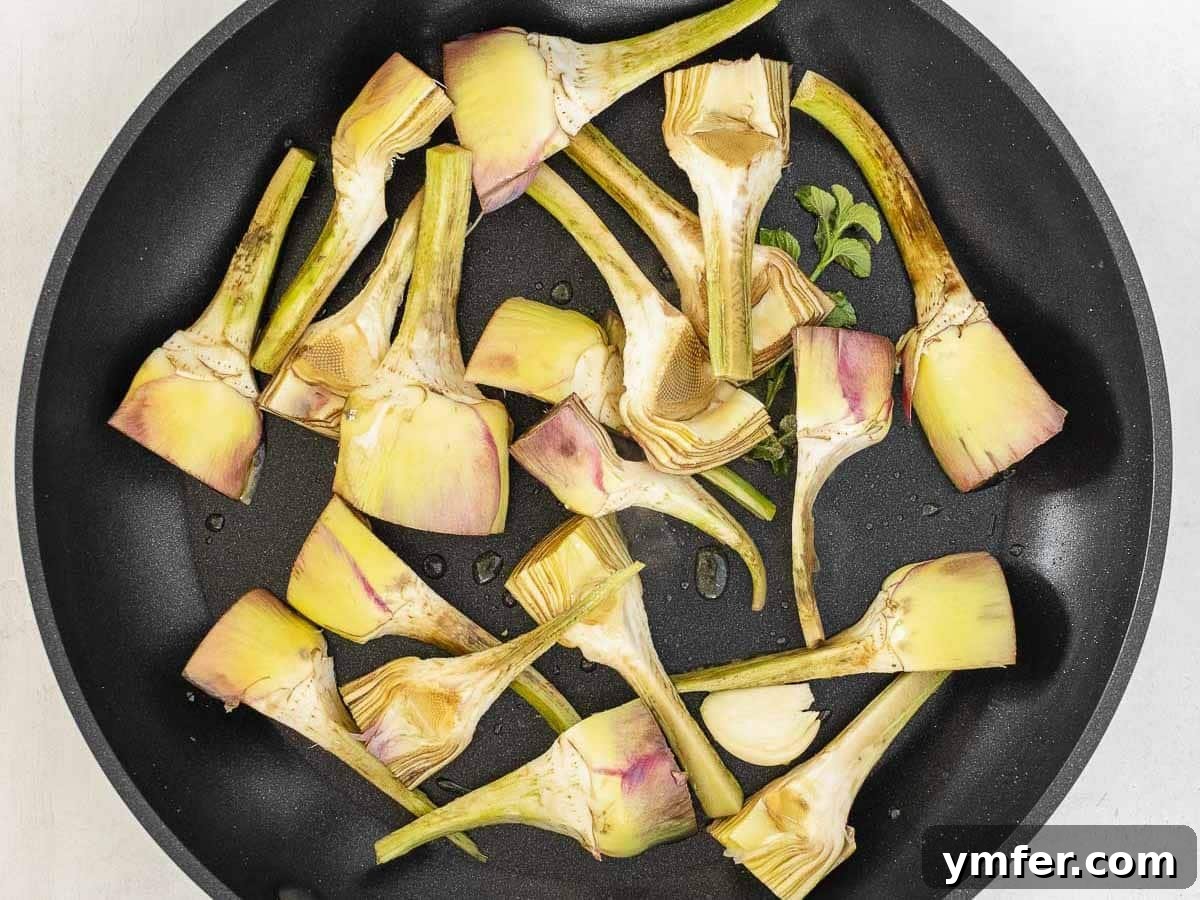
Continue to simmer without a lid for approximately 5 minutes, allowing the wine or broth to evaporate and its flavors to concentrate. Once the liquid has mostly reduced, add a cup of water (or more broth) and season with a generous pinch of salt and pepper. Cover the pan with a lid and let the artichokes simmer on low heat for an additional 15 minutes, or until they are perfectly tender throughout.
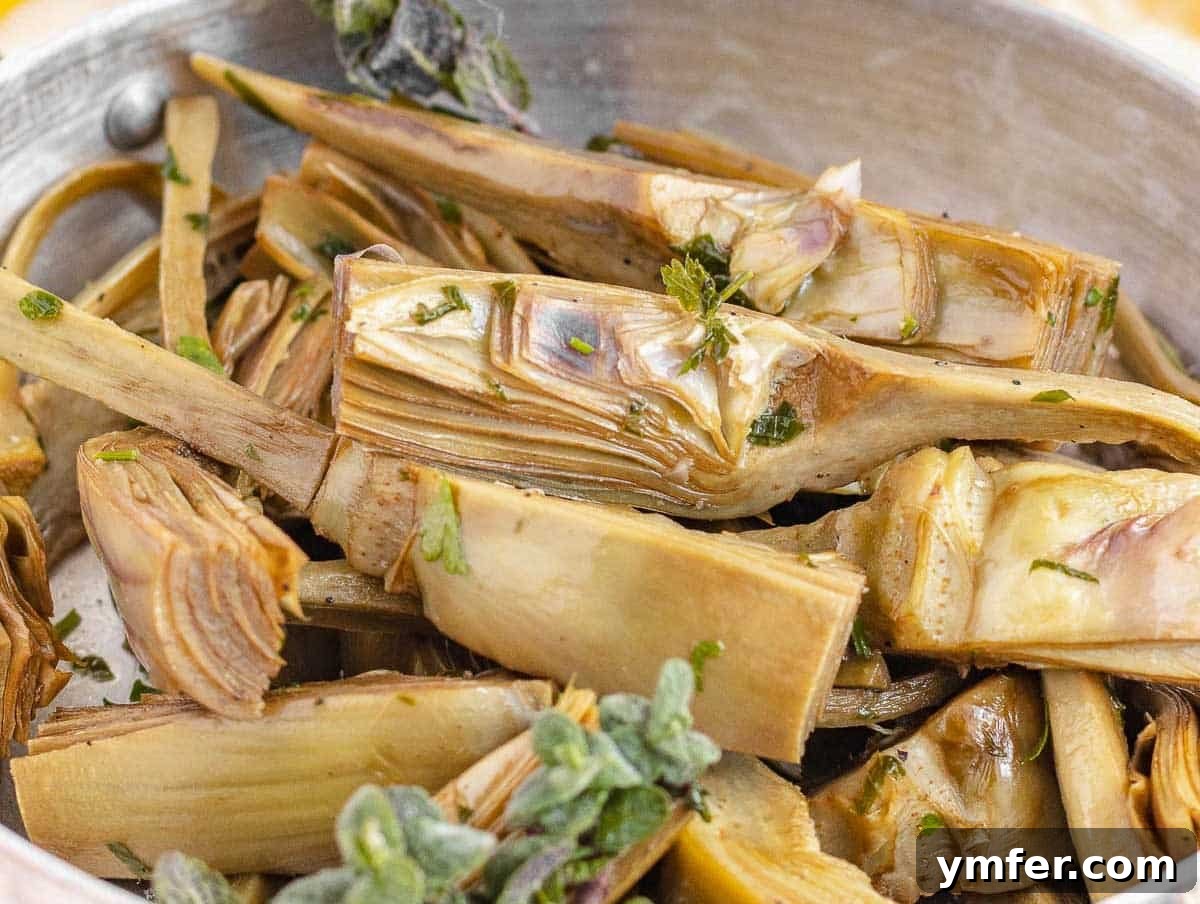
Serve immediately, sprinkled with fresh chopped parsley or mint. These pan-fried artichokes are fantastic on their own as a starter, or incorporate them into other dishes like a savory chickpea frittata for added texture and flavor.
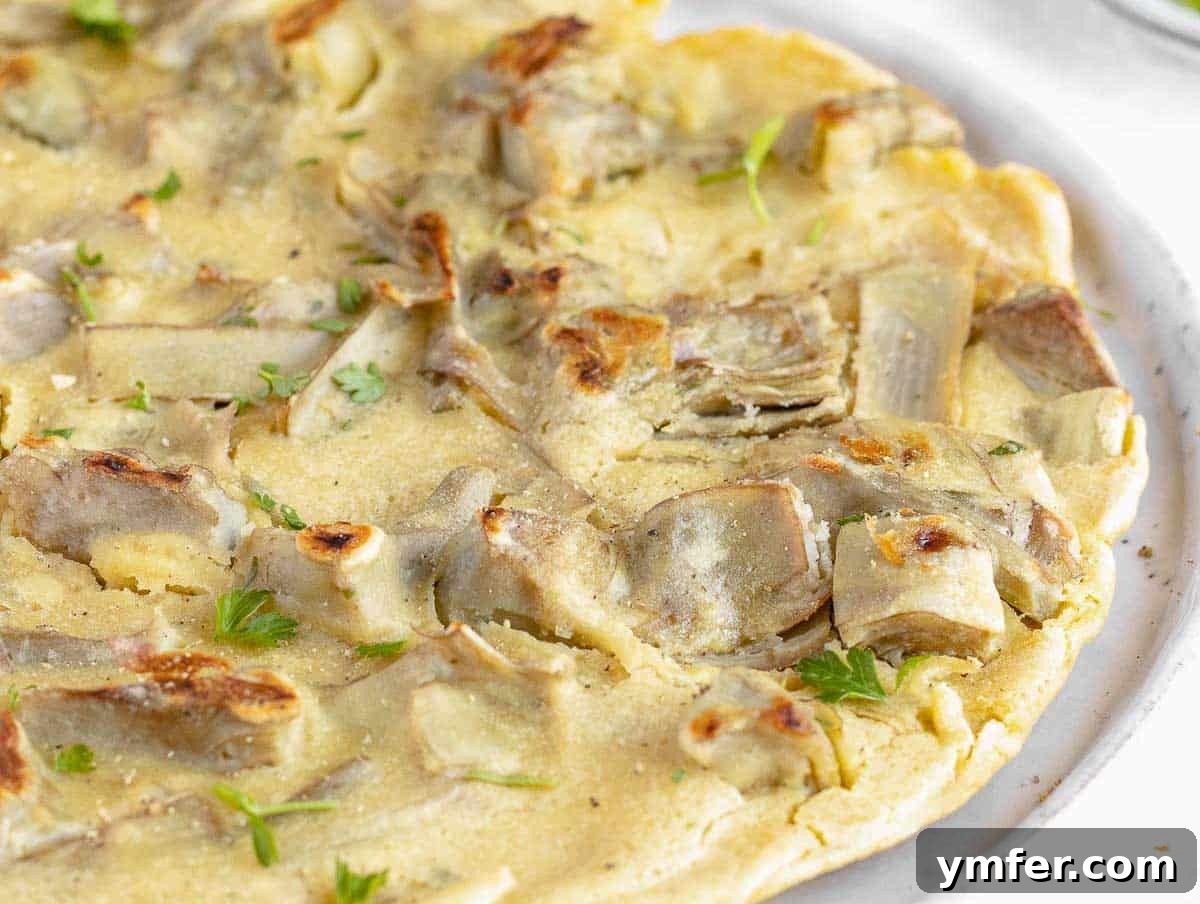
Roasted Artichokes: Crispy and Golden
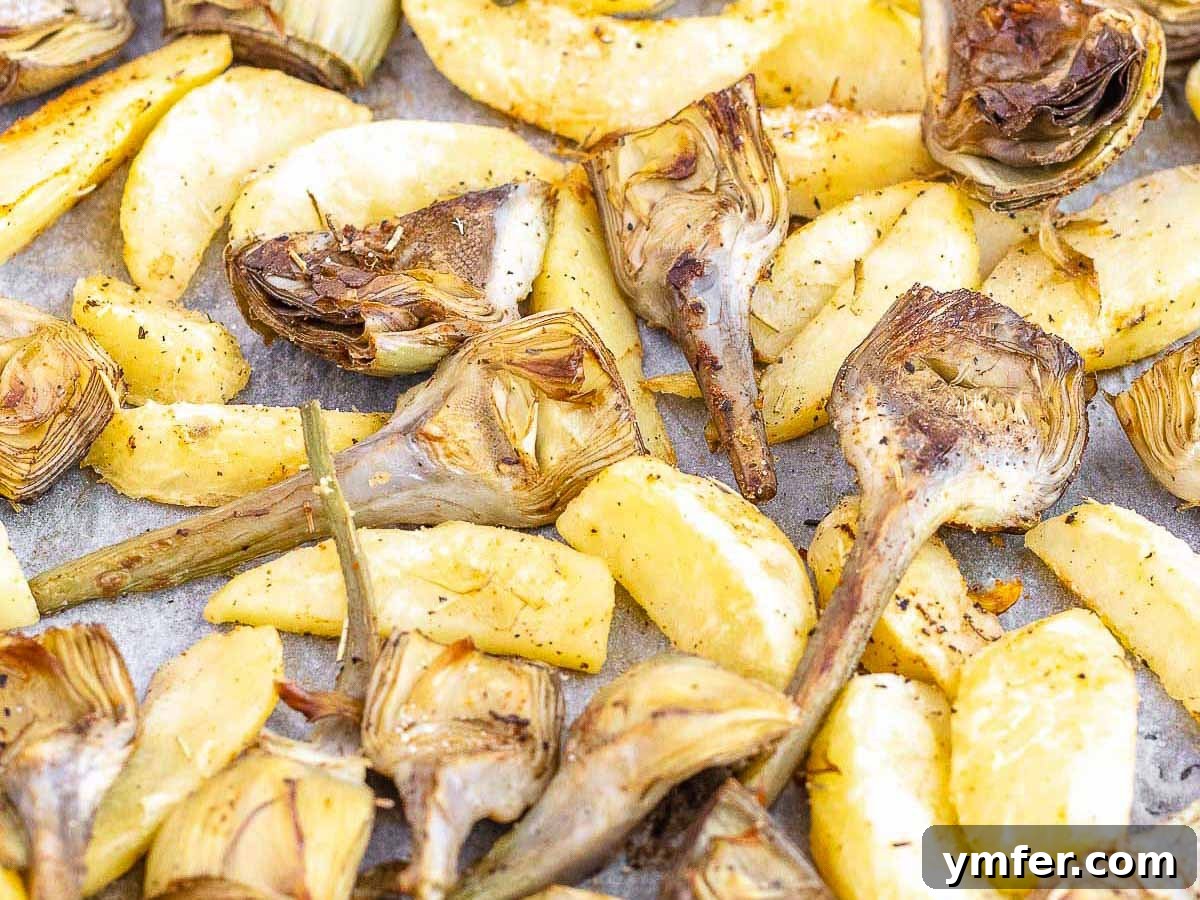
For a deliciously hearty and comforting meal, baking artichokes in the oven, especially alongside potatoes, is an exceptional method. Roasting brings out their earthy sweetness and provides a delightful crispy texture.
First, prepare 3 to 4 medium potatoes by peeling them and cutting them into sturdy wedges. Place them in a large pot filled with cold water and set aside. Next, clean your artichokes following our detailed guide. Once cleaned, cut them into quarters, ensuring the choke is fully removed from each piece. Immediately submerge the quartered artichokes in a bowl of cold lemon water to prevent any browning.
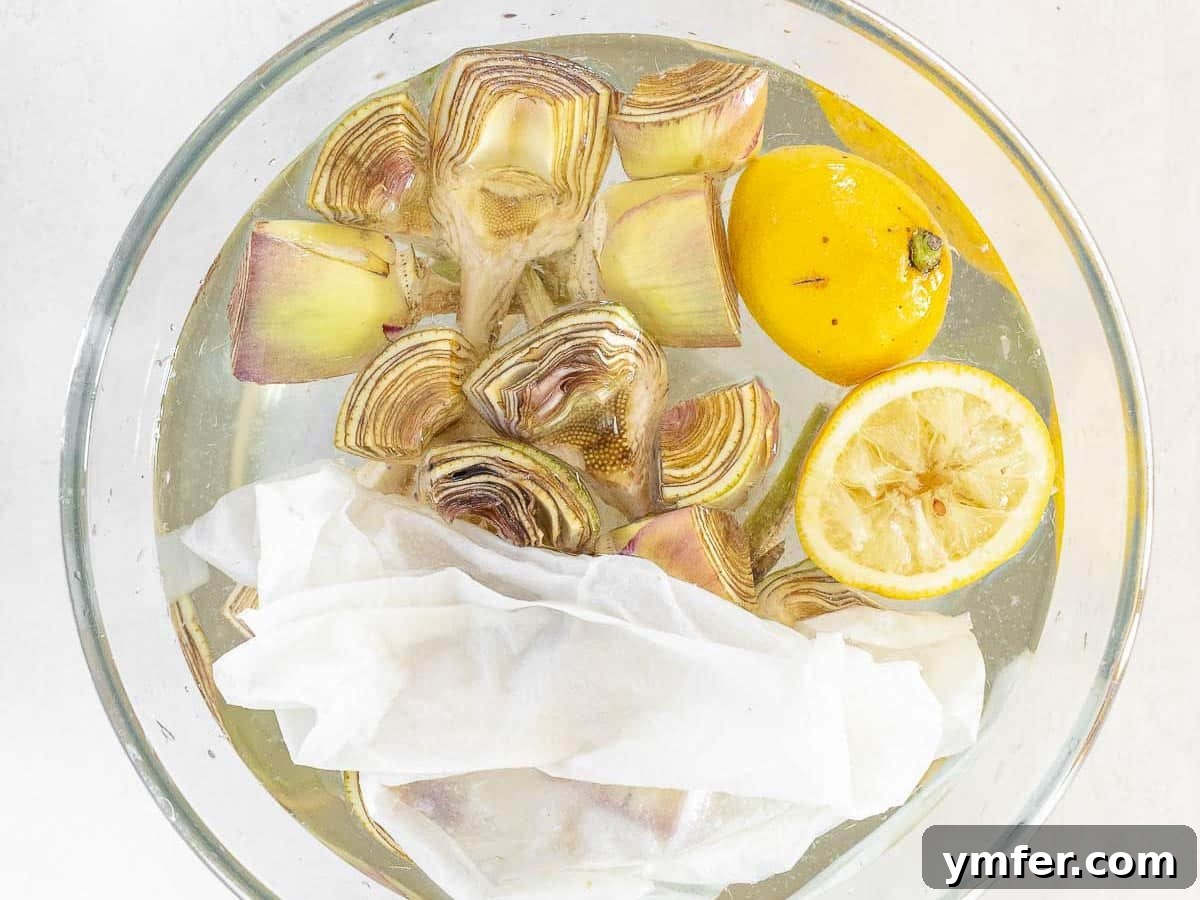
Preheat your oven to a robust 430°F (220°C). Now, bring the pot of potatoes to a boil and pre-cook them for 5 minutes. Then, add the drained artichoke quarters to the boiling water and continue to boil with the potatoes for an additional five minutes. This pre-cooking step is crucial; it ensures that both the potatoes and artichokes will be beautifully soft and moist on the inside after baking, preventing them from drying out in the oven while still achieving that desired crispiness.
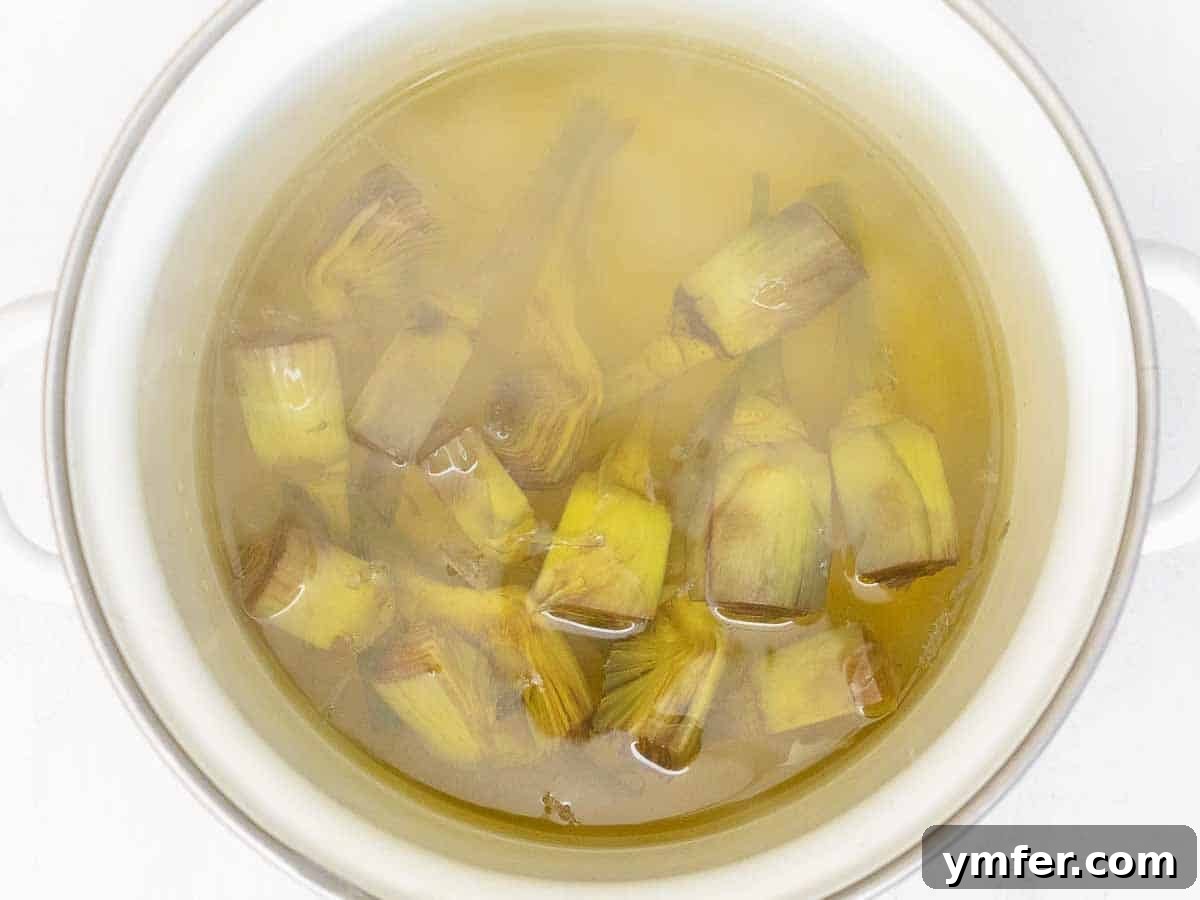
Drain the pre-cooked potatoes and artichokes thoroughly and spread them evenly onto a large baking tray. Season generously with a pinch of salt, freshly ground black pepper, and your favorite dried herbs and spices. Excellent choices include fragrant rosemary, refreshing mint, smoky paprika, and a couple of crushed garlic cloves. Drizzle everything with a good quality olive oil.
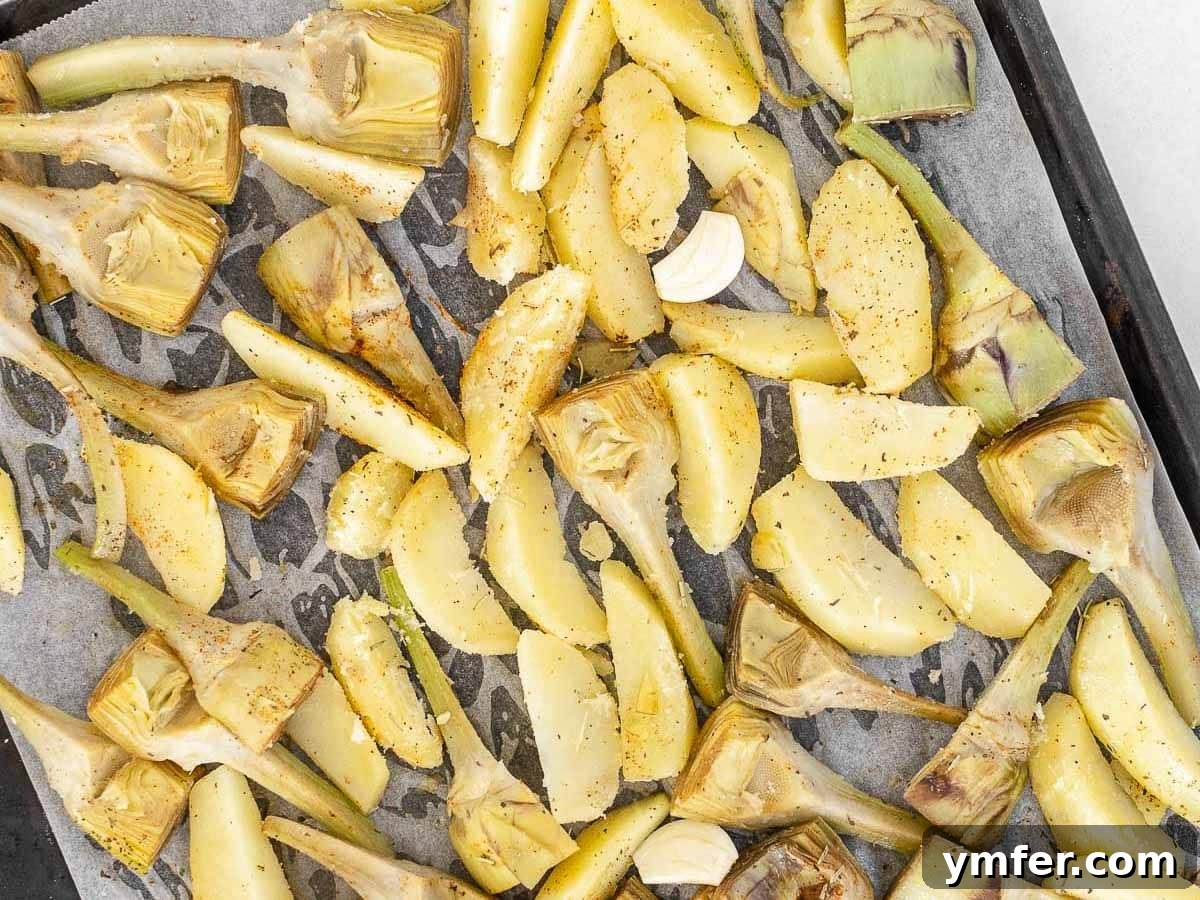
Toss all the ingredients together on the tray to ensure even coating, then bake for about 15 to 20 minutes. The goal is for the potatoes and artichokes to become wonderfully crispy and golden on the outside, while remaining perfectly cooked and tender within. Serve this delightful medley as a robust side dish, perhaps with a sprinkle of freshly chopped parsley, a zesty chipotle sauce, or a creamy tahini dressing.
Recipes with Jarred Artichoke Hearts: Convenient and Flavorful
For those times when fresh artichokes aren’t available or you need a quicker solution, jarred (or canned) artichoke hearts are a fantastic pantry staple. They come pre-cleaned and pre-cooked, offering incredible convenience without sacrificing flavor. They are typically packed in water, brine, or oil, so be sure to drain and rinse them if necessary according to your recipe.
Artichoke Pasta: A Quick Weeknight Delight
This 20-minute artichoke pasta is a game-changer for quick, satisfying weeknight meals. It’s wonderfully creamy, bright with a pleasant tanginess, and generously packed with tender artichoke hearts. This dish is surprisingly easy to prepare yet delivers a flavor profile that feels truly restaurant-worthy, sure to be a favorite with everyone at the table. The artichoke hearts absorb the sauce beautifully, adding a lovely texture and burst of flavor.
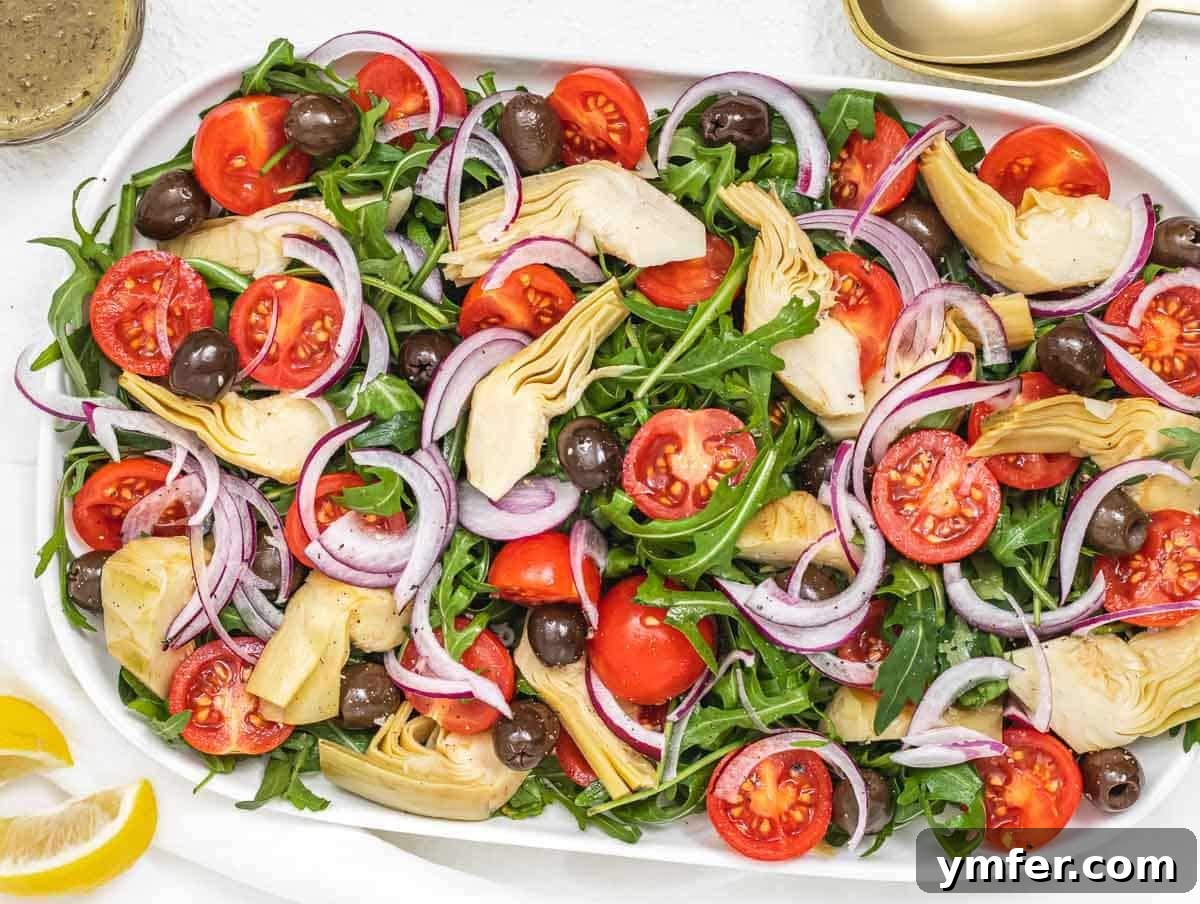
Artichoke Salad: Fresh, Bright, and Healthy
This bright, fresh, and utterly delicious Italian-inspired artichoke salad is a perfect go-to. It works beautifully as a quick side dish or a light, healthy meal on its own. Crisp arugula, juicy tomatoes, succulent artichoke hearts, and briny olives are all brought together with a vibrant and tasty Italian dressing. The combination of textures and flavors makes this salad a delightful culinary experience, celebrating the best of Mediterranean ingredients.
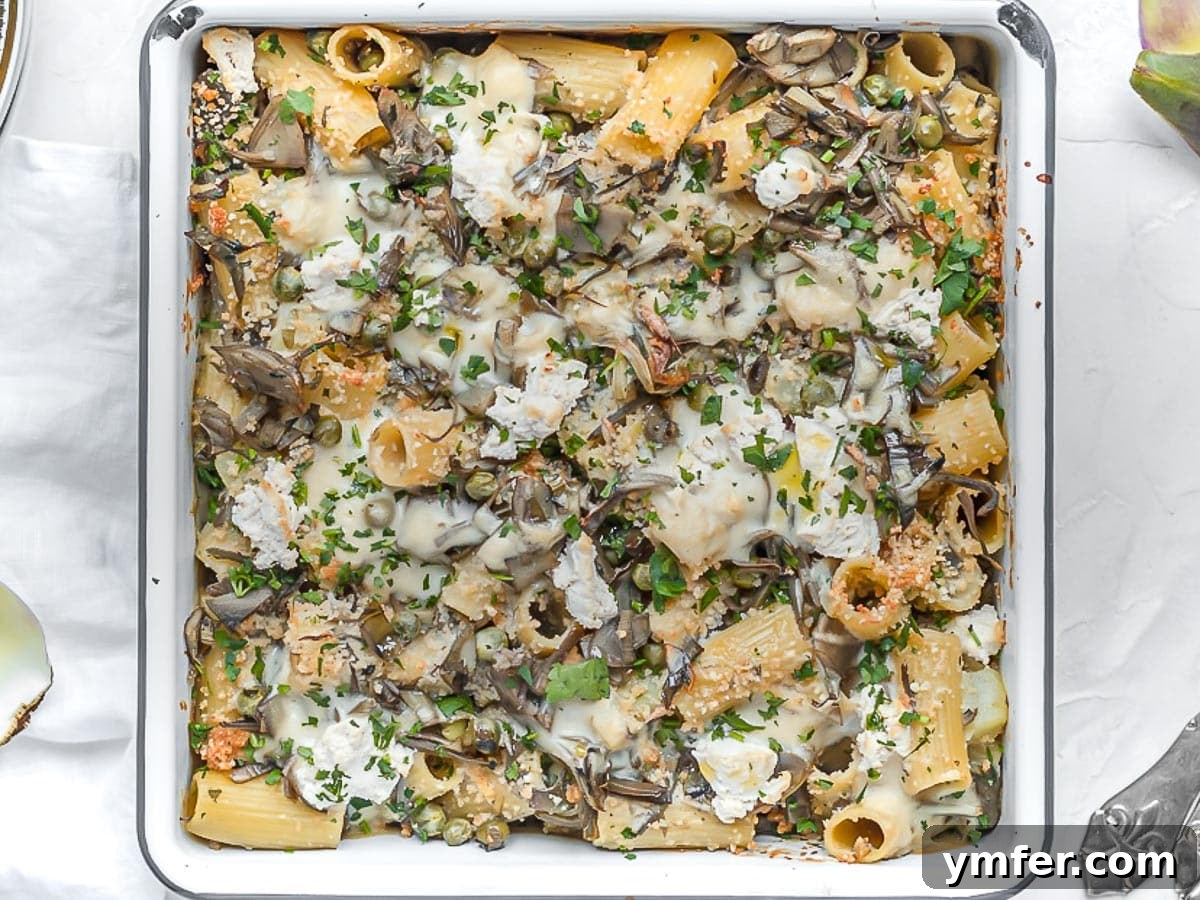
Artichoke Pasta Bake: Comfort in Every Bite
Indulge in this comforting and creamy artichoke pasta bake, featuring tender artichokes, sweet peas, and hearty potatoes, all cooked together in a savory sauce before being baked to perfection. It’s an excellent choice for a profoundly satisfying and fulfilling pasta dinner that’s perfect for families or feeding a crowd. The artichokes add a unique depth of flavor that elevates this classic comfort food.
Artichoke Pesto: A Versatile Flavor Boost
Elevate your meals with homemade artichoke pesto! Just like traditional pesto, it’s super quick and easy to whip up at home, offering a unique and savory twist. This vibrant pesto is excellent as a sauce with pasta, spread generously on crispy bruschetta, as a flavorful base for pizza, or simply tossed with roasted vegetables. Its distinctive taste will add an instant gourmet touch to any dish.
Artichoke Cream Cheese (Dairy-Free): Tangy and Velvety
Discover this delightful vegan cream cheese, crafted with just five simple ingredients. It’s incredibly smooth, velvety, and a perfect canvas for unique flavors. Infused with artichokes, it transforms into a tangy and tasty condiment that’s ideal as a starter, a creamy dip, or a flavorful spread in sandwiches. This dairy-free option is also fantastic for meal prepping, allowing you to enjoy its deliciousness throughout the week.
Recipes with Artichoke Scraps: Embrace Zero Waste Cooking
Don’t let any part of the artichoke go to waste! The outer leaves and stems, often discarded, are surprisingly full of flavor and nutrients. With a little effort, you can transform these “scraps” into incredibly delicious and resourceful dishes, embracing a true zero-waste kitchen philosophy.
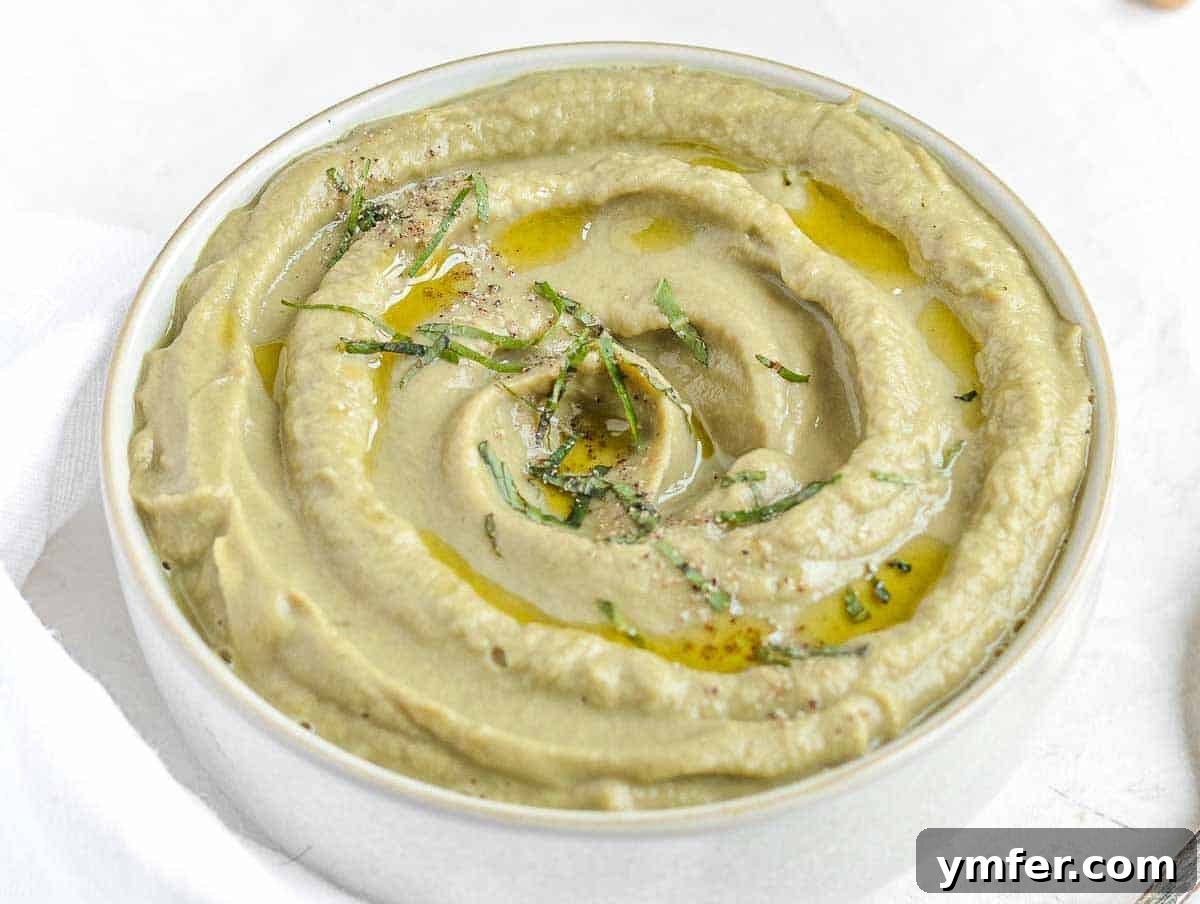
Artichoke Hummus: Savory and Nutty
Unlock hidden flavors by making artichoke hummus with the scraps – specifically the leftover leaves and stems from cleaning fresh artichokes. After simmering them to extract their goodness, the resulting pulp creates a hummus that’s as delicious and creamy as classic hummus or roasted red pepper hummus, but with a wonderfully distinct and nutty artichoke flavor. It’s an unexpected treat that’s perfect for dipping or spreading.
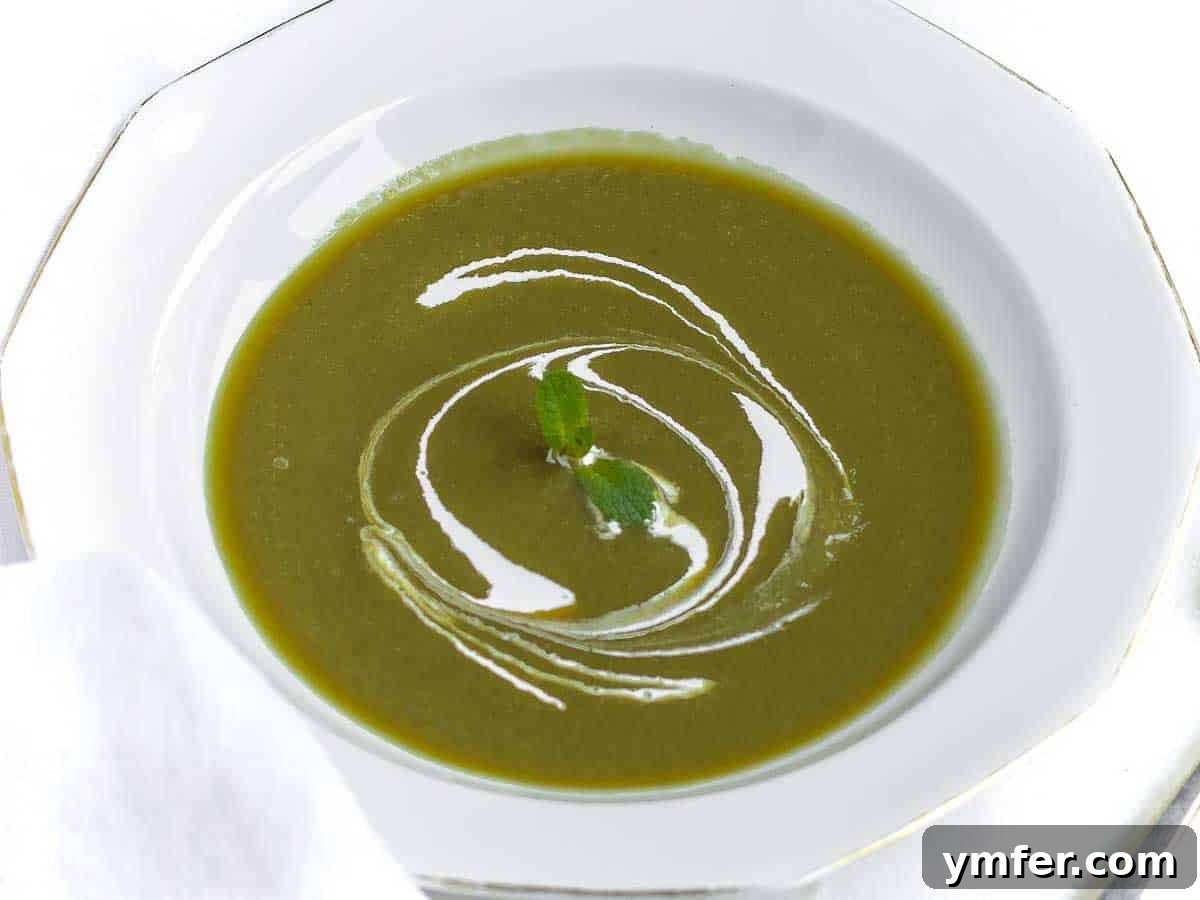
Cream of Artichokes: A Velvety Soup
This exquisite artichoke cream is a testament to zero-waste cooking. It’s made from 100% pure pulp extracted from the boiled scraps (leaves and stems) of artichokes using a rotary vegetable mill. The process yields a smooth, rich, and intensely flavored cream that can be served as a sophisticated main dish or a hearty appetizer. For an authentic Mediterranean-inspired dinner, pair it with our irresistible no-knead focaccia.
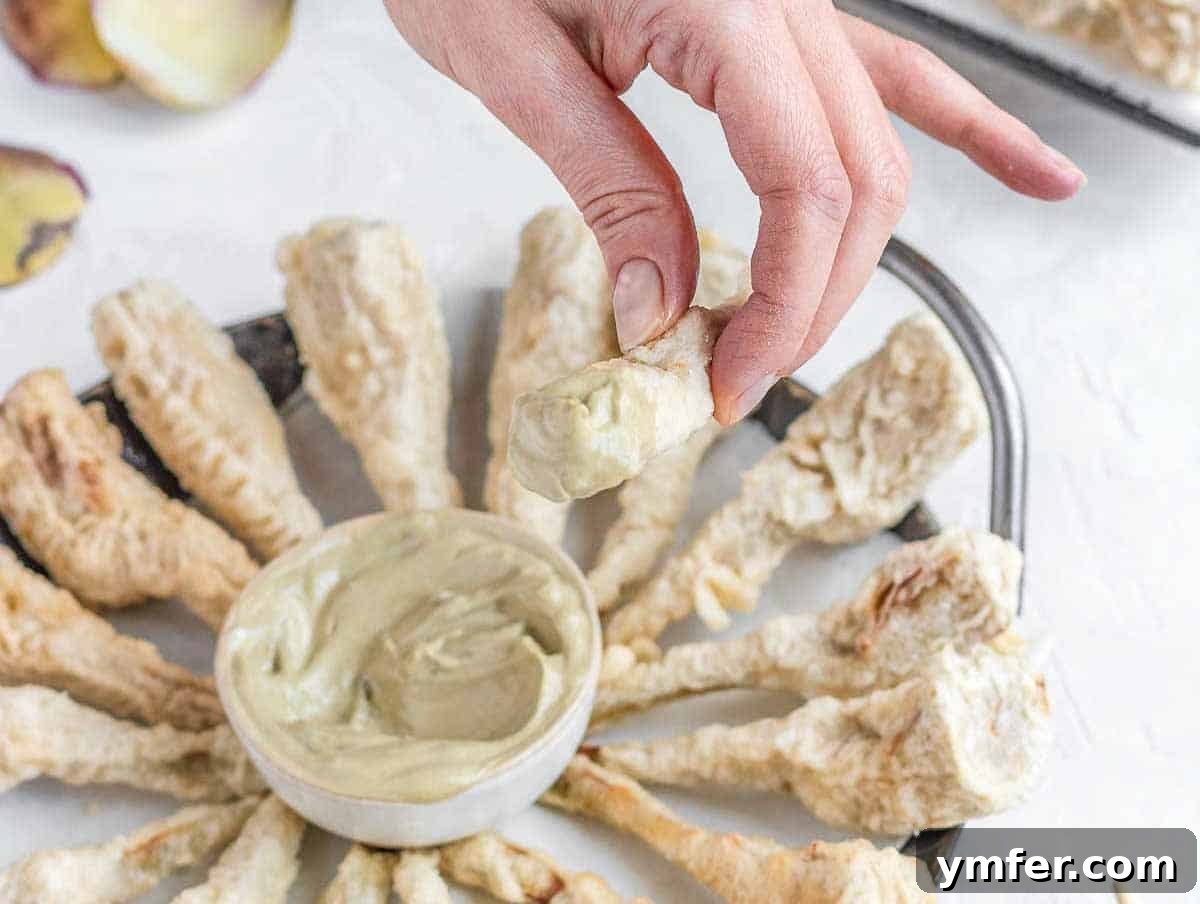
Artichoke Mayonnaise: The Perfect Companion
Elevate your dipping game with this unique artichoke mayonnaise, which is ideally served with deep-fried artichokes or any crispy vegetable. We start by creating a classic vegan mayonnaise using vegetable oil and soy milk. To this creamy base, we add a dash of lemon juice and a pinch of salt, then blend in the flavorful artichoke pulp extracted from the boiled scraps using a rotary vegetable mill. The result is a tangy, rich, and utterly delicious condiment that adds a gourmet touch to your appetizers.
How to Choose the Best Artichokes: A Guide to Freshness
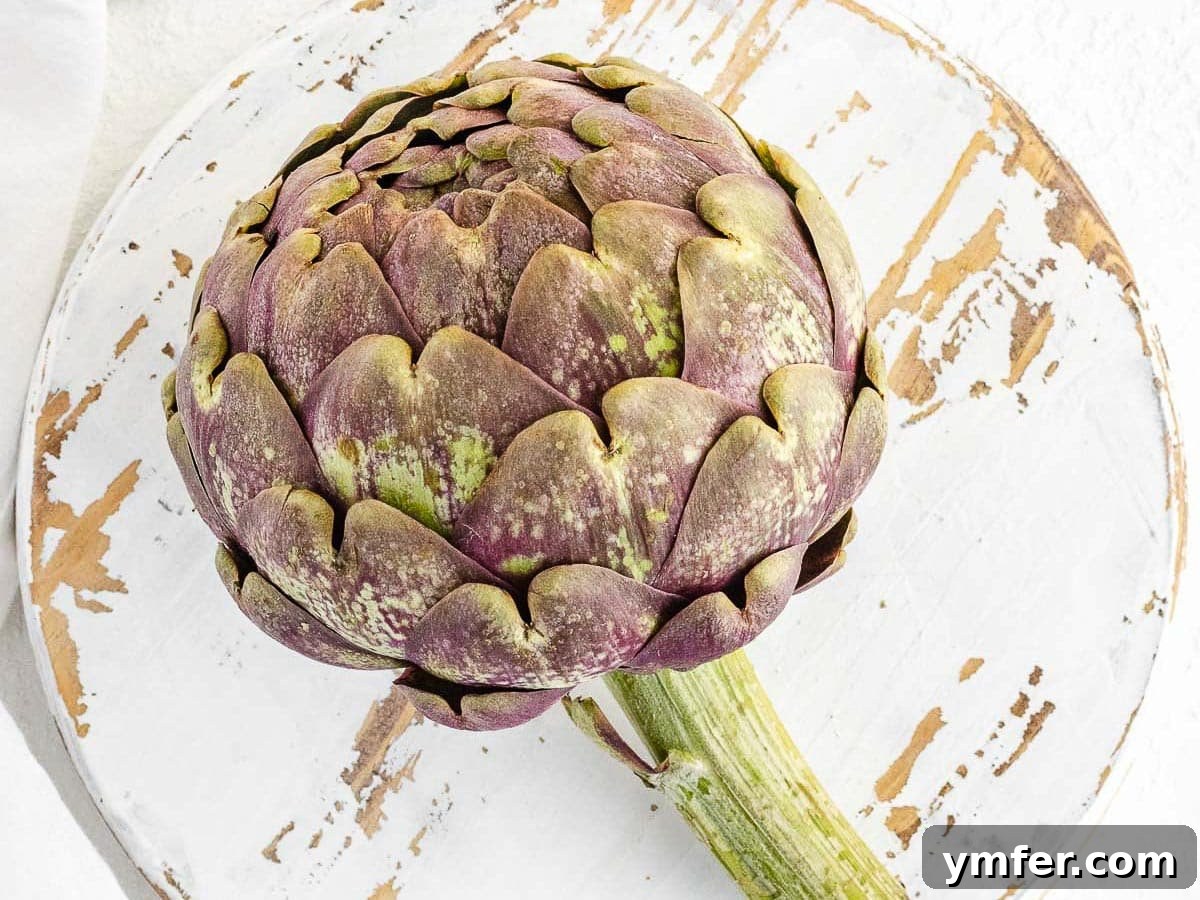
Selecting fresh artichokes is paramount to a successful culinary experience. Old artichokes tend to have tougher leaves and a more fibrous choke, meaning you’ll end up discarding more and enjoying less. Here’s how to pick the best ones at your farmers’ market or grocery store:
- Heaviness: Pick up the artichoke. It should feel surprisingly heavy for its size. A heavy artichoke indicates that it’s full of moisture and still fresh.
- Squeaky Test: Gently squeeze the artichoke head and its leaves. A fresh artichoke will emit a slight squeaky sound, similar to fresh snow underfoot. This sound is another indicator of its freshness and moisture content.
- Firmness and Tone: The artichoke should feel firm and compact, not soft or floppy. Pay particular attention to the stalk; it should be toned and sturdy, not wilted or pliable. A floppy stalk is a sign of an older artichoke.
- Uniform Color: Look for an artichoke with a consistent, vibrant green or purple color. While a few small dark spots or minor blemishes are usually harmless, avoid artichokes with extensive browning, significant discoloration, or signs of mold, which suggest spoilage.
Here in our examples, we primarily use purple artichokes, admired for their slightly sweeter flavor and beautiful hue. However, depending on your region, you might also find green varieties, commonly known as globe artichokes. Rest assured, both types are absolutely delicious and offer the same delightful culinary potential!
Ingredients That Pair Perfectly with Artichokes
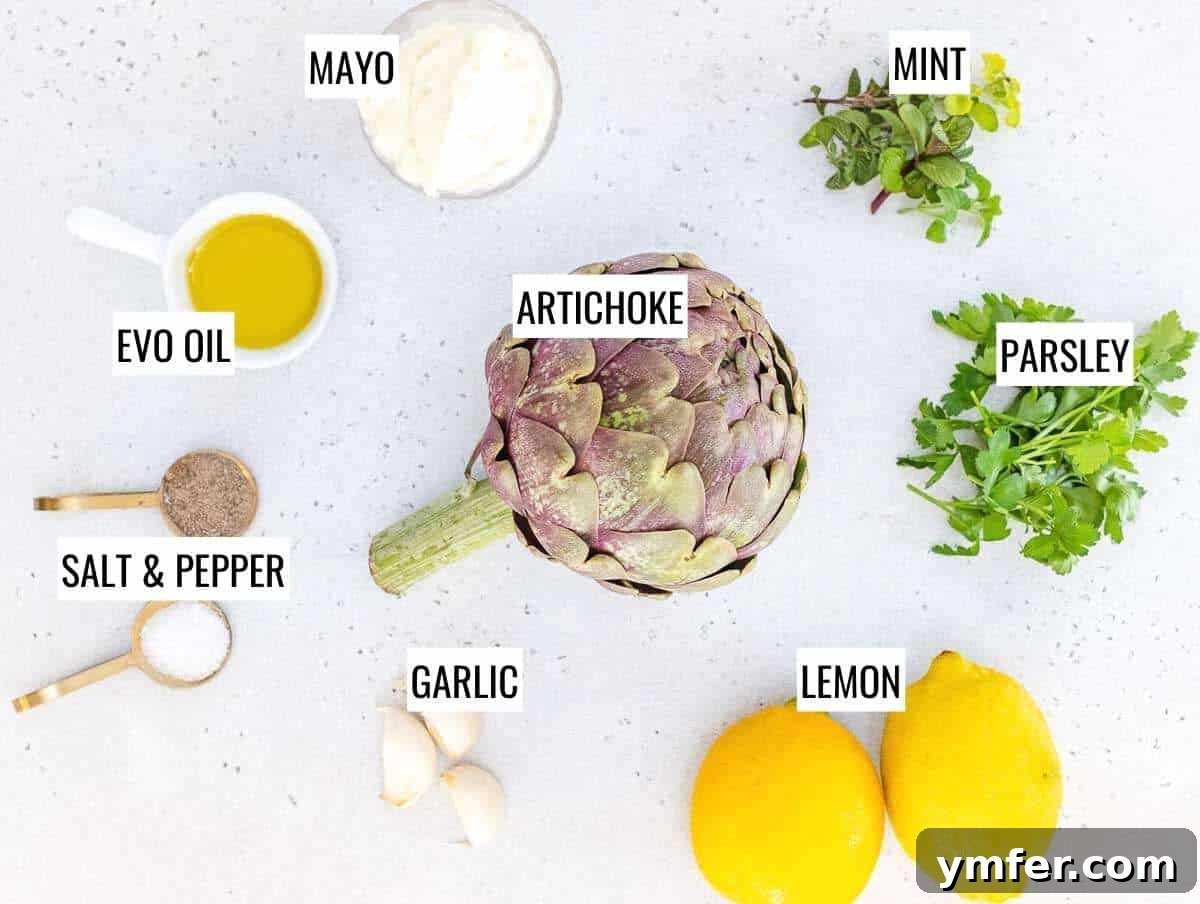
Artichokes, with their distinct earthy and slightly sweet flavor, complement a wide range of ingredients. Here are some of the best culinary companions that truly enhance the artichoke experience:
Lemon
Lemon is an artichoke’s best friend, both functionally and flavor-wise. During cleaning, lemon juice is essential to prevent oxidation and browning. Beyond that, a squeeze of fresh lemon over cooked artichokes adds a bright, fresh, and acidic touch that beautifully cuts through and elevates their inherent sweetness and nutty notes, creating a harmonious balance on the palate.
Mint and Flat-Leaf Parsley
These two fresh herbs are truly a match made in heaven for artichokes. Fresh mint brings a refreshing, almost peppery counterpoint, often used during the cooking process to infuse subtle aromatics. Italian flat-leaf parsley, with its clean and slightly peppery flavor, is perfect for a finishing sprinkle, adding a burst of fresh green flavor and visual appeal once the artichokes are cooked.
Olive Oil
Another excellent flavor pairing, especially when using good quality, extra virgin olive oil. Olive oil’s fruity and sometimes peppery notes complement the artichoke’s earthiness. It can be used for cooking, adding richness and depth, and is absolutely divine when drizzled generously over cooked artichokes just before serving, bringing a luxurious mouthfeel and enhancing their natural flavors.
Garlic
Fresh garlic, whether minced, sliced, or crushed, pairs wonderfully with artichokes, adding a pungent, savory depth that highlights their unique taste. Its robust flavor stands up well to the artichoke’s earthiness without overpowering it, making them a classic culinary duo.
Mayonnaise and Butter
Since artichokes are naturally very low in fat, they benefit greatly from fatty, rich condiments that provide a satisfying mouthfeel. Beyond the ubiquitous extra virgin olive oil, we adore serving them with our creamy vegan mayo as a delightful dip. In certain preparations, a touch of rich, melted butter (or its dairy-free vegan alternative) can also provide a luxurious finish, wrapping the tender artichoke heart in a silky, comforting embrace.
Unveiling the Health Benefits of Artichokes: A Nutrient Powerhouse
Artichokes are truly a nutritional marvel, often hailed as a superfood due to their impressive health profile. According to WebMD and numerous scientific studies, their benefits are vast, largely owing to their exceptionally high antioxidant content – among the highest of any vegetable.
Several proven studies indicate that regular consumption of artichokes can play a significant role in maintaining overall health. They are known to help control blood pressure and manage hypertension, contribute to lower cholesterol levels, and significantly improve liver function by aiding in detoxification processes. Their rich fiber content also supports digestive health and can help regulate blood sugar.
Nutritionally, artichokes are a fantastic choice for a healthy diet. They contain few calories per serving, are virtually fat-free, and very low in sodium. They also provide a relatively good amount of protein, with approximately 4 grams per medium artichoke, making them a valuable plant-based protein source. To top it all off, artichokes are packed with essential nutrients, including potassium (vital for heart health), a significant amount of vitamin C (for immune support), magnesium (for muscle and nerve function), folate (crucial for cell growth), and an abundance of dietary fiber (for digestive well-being). Incorporating artichokes into your meals is an easy and delicious way to boost your nutrient intake.
Frequently Asked Questions (FAQs)
Artichokes are renowned for being among the most antioxidant-rich foods globally. They are an excellent source of dietary fiber, low in fat, and packed with essential vitamins and minerals, including Vitamin C, Vitamin K, folate, phosphorus, and magnesium. Their consumption is linked to various health benefits such as supporting heart health, lowering cholesterol, aiding liver function, and promoting healthy digestion.
Artichokes offer a distinctive and complex flavor profile that is often described as a unique blend of bitter-sweet, with earthy, herbaceous, and subtly nutty notes. When properly cooked, the edible parts, especially the heart, become wonderfully soft, tender, and almost buttery in texture, making them a truly enjoyable culinary experience.
Don’t discard the artichoke scraps (outer leaves and stems)! They are full of flavor, flesh, and nutrition. The best way to utilize them is to boil them for about an hour until very tender. Then, pass them through a rotary vegetable mill to extract the flavorful pulp, separating it from the inedible fibrous material. This versatile pulp can then be used to create delicious zero-waste recipes like creamy soups, flavorful pasta sauces, rich hummus, or even a unique mayonnaise.
More Culinary Basics
- How to Cook Brown and Green Lentils
- How to Cook Chickpeas
- How to Cook Black Lentils
- How to Cook Red Lentils
- How to Cook Couscous
- How to Cook Asparagus
Similar Vegetable-Packed Recipes
Are you looking for more delicious, healthy, and veggie-packed recipes? Then, you are in the right place! Explore our collections of flavorful plant-based dishes:
- Cauliflower Recipes: Discover amazing dishes from creamy cauliflower soup to robust curries and impressive whole roasted cauliflower.
- Lentil Recipes: Explore nutritious, wholesome, and incredibly delicious recipes featuring various types of lentils, perfect for any meal.
- Soup Recipes: Warm up with our collection of tasty homemade soups, made simple with fresh seasonal ingredients.
- Sweet Potato Recipes: Get inspired by our best everyday sweet potato recipes, from savory sides to comforting main courses.
- Tofu Recipes: Learn how to cook tofu to perfection with our guide to delicious and versatile tofu dishes that even skeptics will love.
- Chickpea Recipes: Dive into 35 incredible recipe ideas, ranging from hearty curries to savory muffins, stews, and comforting soups.
- Eggplant Recipes: A curated collection of our favorite recipes showcasing the versatility and rich flavor of eggplant.
Collections
30 Lentil Recipes
Collections
40 Chickpea Recipes
Recipes
30 Tofu Recipes
Collections
How to Cook Asparagus
For many more easy and healthy side dishes, check out our Sides Recipes Page!
How to Cook Artichokes (Steamed Artichokes)
By: Nico Pallotta
Steamed artichokes melt in your mouth; they are creamy and with a mild, nutty, somewhat sweet flavor. They are easy to make with a few simple ingredients.
Prep Time: 10 mins
Cook Time: 30 mins
Total Time: 40 mins
Servings: 5 servings
Course: Side dish, Starter
Cuisine: International
Equipment
- steamer basket
Ingredients
- 5 artichokes
- 1 lemon
- 2 leaves mint or bay leaves
Optional Serving Suggestions
- 2 tablespoons extra virgin olive oil
- 1 lemon
- 1 pinch salt
- 1 handful parsley chopped
- 2 tablespoons vegan mayo (optional)
- 2 tablespoon chimichurri (optional, instead of the other ingredients)
Instructions
CLEAN ARTICHOKES
-
Fill up a large bowl with cold water, then squeeze the juice of a lemon in it. Set aside.
With a serrated knife, cut off the top spiky ⅓ top part of the artichoke.
Tip: When handling artichokes, brush your hands with lemon juice or wear gloves to prevent your finger from turning brown.

-
Rub the cut part with lemon to prevent it from turning brown.
-
Remove tough outer leaves.
-
Trim the stem down to 2 inches (5 cm) and peel it.
-
With your thumbs, loosen up the head of the artichoke, exposing the choke.
-
With a knife or with a sturdy teaspoon, remove the choke – the fuzzy central part.
-
Put each cleaned artichoke in the bowl with the lemon water to prevent discoloration and browning, and repeat till you clean all.
STEAM ARTICHOKES
-
To a large pot, add 1½ inches (3.5 cm) of water and the mint.
Put the steamer basket into the pot, then arrange the artichokes on the steamer basket, head down.
-
Cover the pot, bring to a simmer, and steam until tender. It can take 20 to 45 minutes, depending on the size of your artichokes.
Pierce with the tip of a pointy knife to check doneness. The blade should slide in easily.
-
Drizzle with chimichurri and dip petals in vegan mayo.
-
Or cut them in half lengthwise and simply with a drizzle of extra virgin olive oil, a squeeze of lemon juice, fresh parsley, a pinch of salt, and black pepper.
Notes
Nutrition information is an estimate for 1 artichoke out of 5, without mayo.
HOW TO PICK THE BEST ARTICHOKES
– Pick them up, they should be heavy.
– Squeeze their head and leaves; they should be squeaky.
– Hold them horizontally from the end part of the stem; they should be toned and hold up straight.
– Their color should be uniform, with a few or no dark spots.
MAKE AHEAD & STORAGE
– Make ahead: You can clean artichokes in advance and keep them in a bowl with cold lemon water in the fridge, covered with kitchen paper so that the artichokes are fully submerged in the water, for up to 24 – 36 hours.
– Refrigerator: Keep leftover artichokes in the fridge in an airtight container for up to 3 days.
– Freezer: Let the steamed artichokes cool down completely, then transfer them in a freezer friendly bag, and freeze them for up to 3 months.
– Thaw: Defrost in the refrigerator over several hours or in the microwave.
– Reheat: Reheat in the microwave for 2 minutes.
Nutrition
Carbohydrates: 18g
Protein: 5g
Fat: 6g
Saturated Fat: 1g
Polyunsaturated Fat: 1g
Monounsaturated Fat: 4g
Trans Fat: 0g
Cholesterol: 0mg
Potassium: 538mg
Dietary Fiber: 8g
Sugar: 2g
Vitamin A: 94 IU
Vitamin B6: 0.2mg
Vitamin C: 39mg
Vitamin E: 1mg
Vitamin K: 35µg
Calcium: 69mg
Folate: 93µg
Iron: 2mg
Manganese: 0.3mg
Magnesium: 81mg
Zinc: 1mg
Tried this recipe?
Leave a comment below or mention @theplantbasedschool on Instagram. We love hearing from you! ⭐️ 💚.
Mains
40 High Protein Vegetarian Meals
Collections
30 High Protein Vegan Meals
Collections
40 Meatless Dinner Ideas
Collections
30 Bean Recipes