
Sweet and Sour Eggplant: A Quick & Versatile Dish (Italian & Chinese Style)
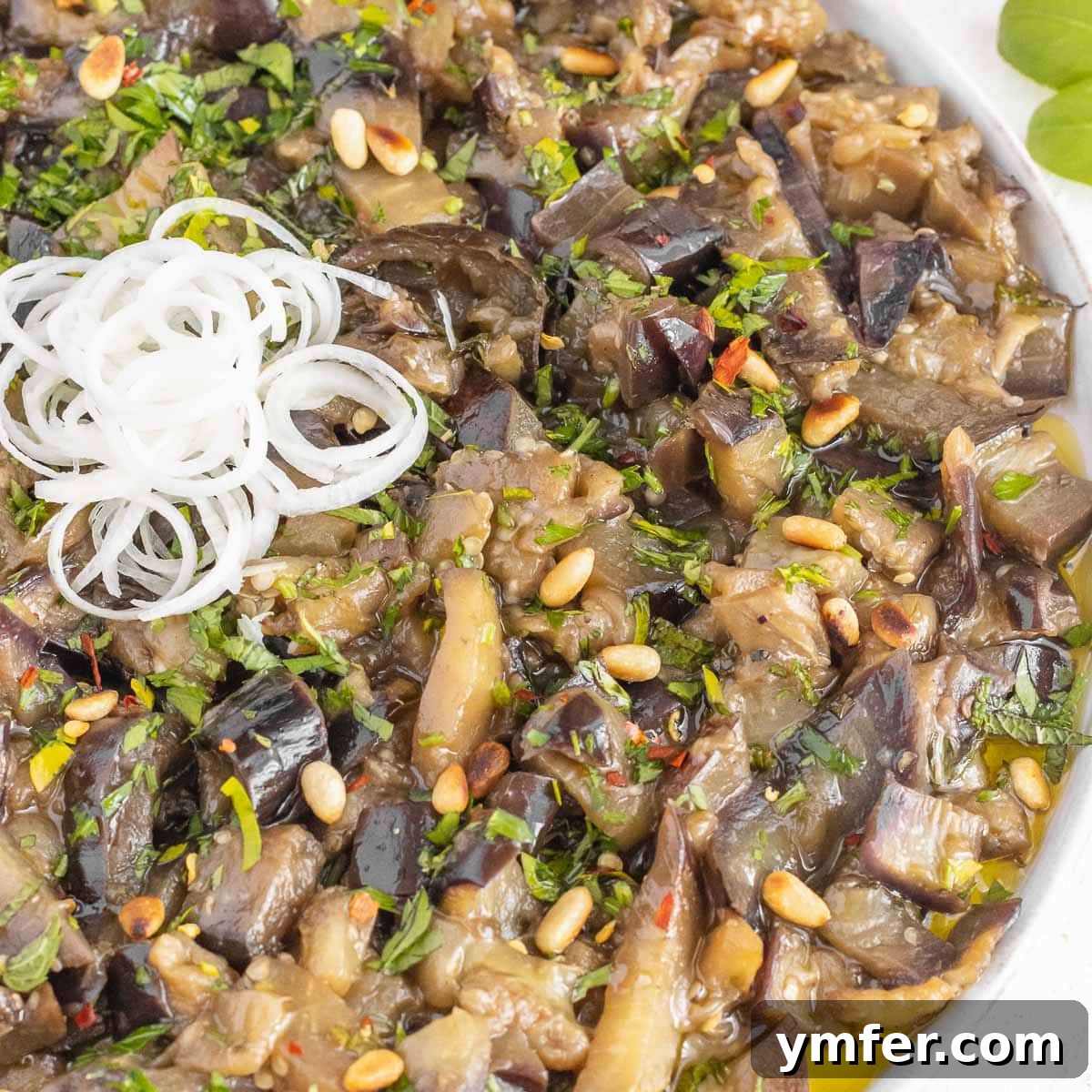
This **sweet and sour eggplant recipe** is a culinary gem, offering a perfect harmony of flavors and textures. Crafted with simple, fresh ingredients, this delightful dish comes together effortlessly on your stovetop in just **about 20 minutes**, making it an ideal choice for busy weeknights or a spontaneous culinary adventure. The result is consistently tender, juicy eggplant, beautifully glazed and infused with a mildly sweet and tangy sauce that is incredibly satisfying and utterly delicious.
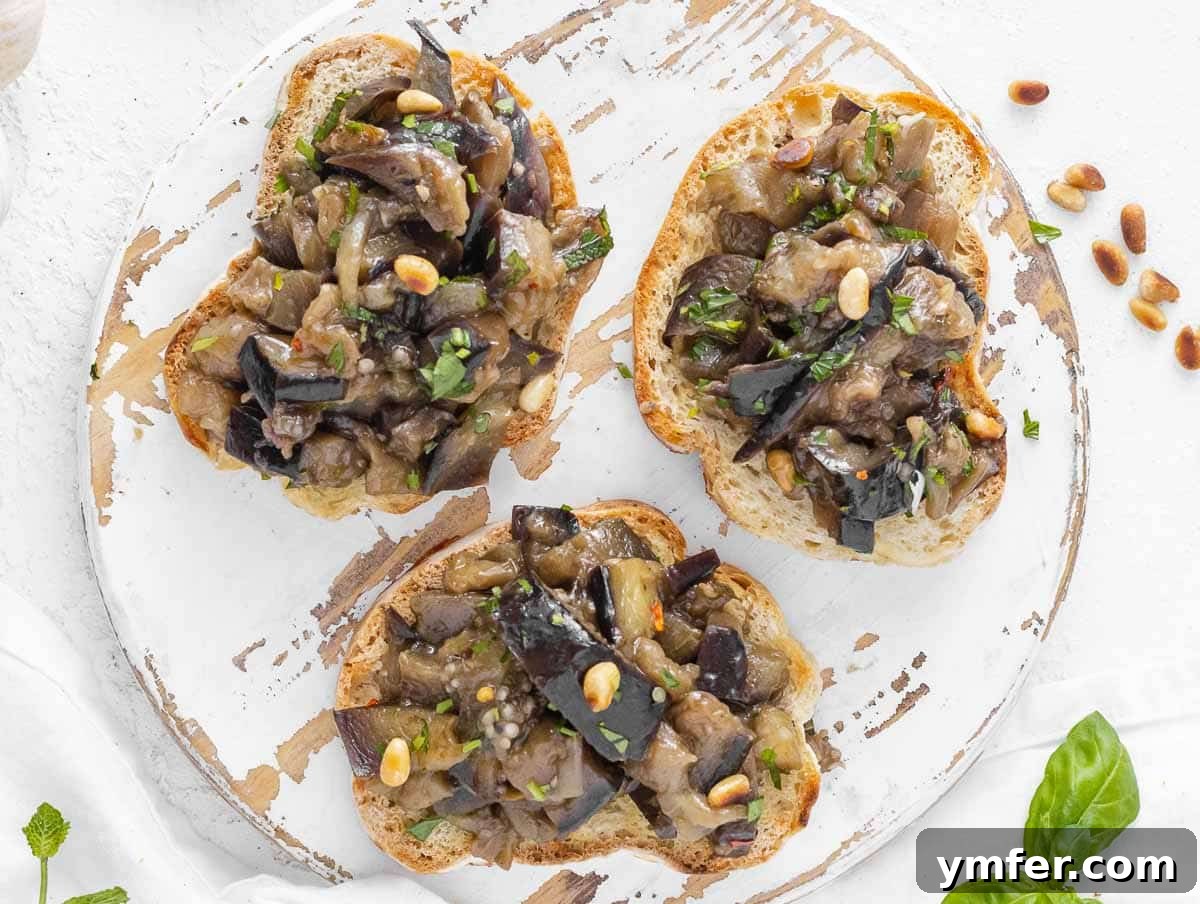
The remarkable versatility of sweet and sour eggplant makes it a fantastic addition to any meal. Serve it elegantly **as a vibrant side dish** alongside your favorite main courses, or spoon it generously **on top of toasted bread** for a sophisticated appetizer or bruschetta. It also pairs wonderfully with **fluffy boiled rice** for a light yet fulfilling meal. This guide provides instructions for both the traditional Italian version, rich in herbaceous notes, and a lively Asian variation, ensuring a delicious experience tailored to your cravings.
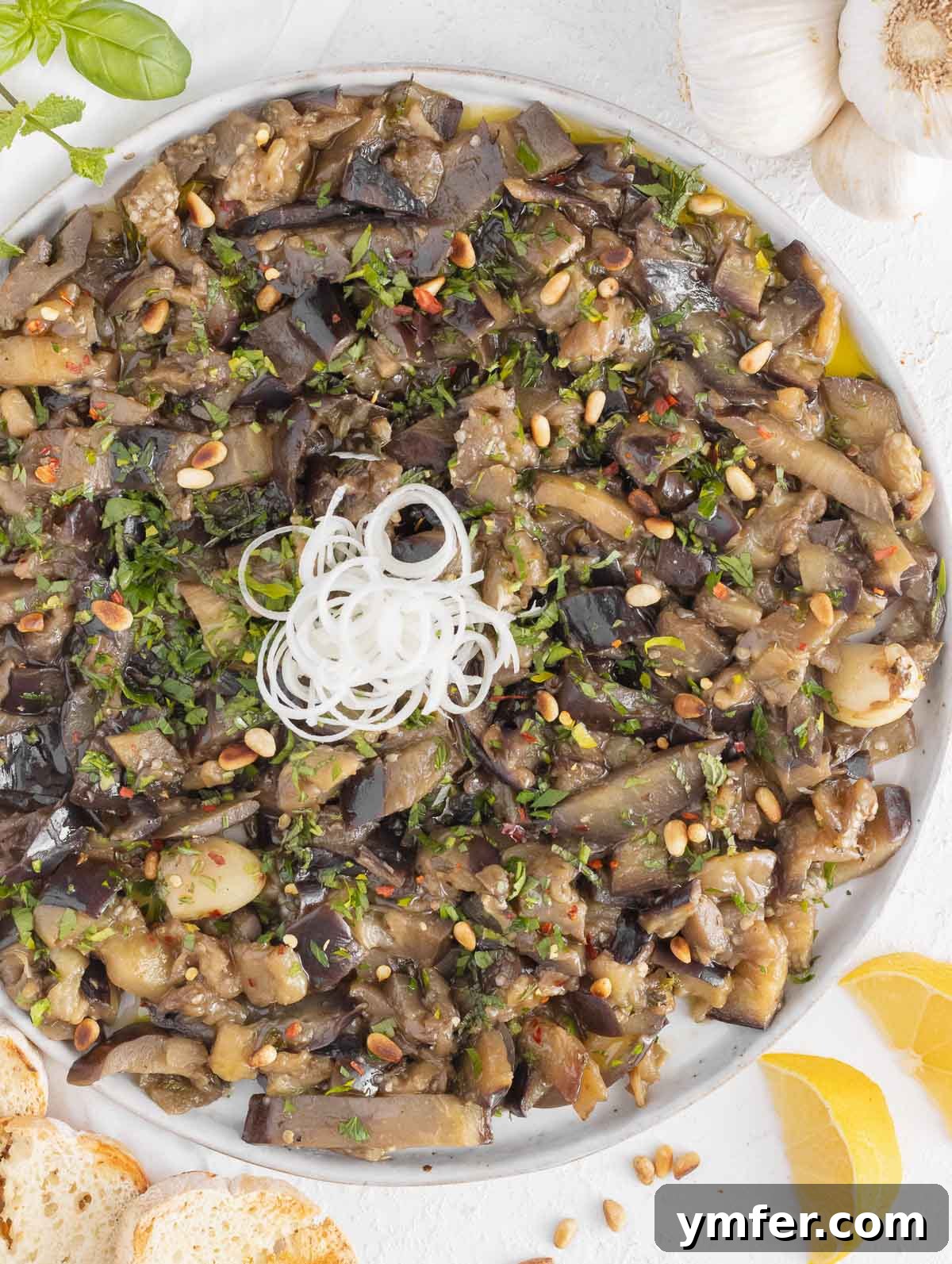
Table of Contents
- The Universal Appeal of Sweet and Sour Eggplant
- Italian vs. Chinese: A Culinary Comparison
- Essential Ingredients for Italian Sweet and Sour Eggplant
- Step-by-Step Guide: Italian-Style Eggplant
- Creative Serving Suggestions for Italian Eggplant
- Variation: Quick Chinese-Style Eggplant
- Storage and Make-Ahead Tips
- Explore More Eggplant Recipes
- Sweet and Sour Eggplant Recipe Card
Dive Deeper: Our Curated Collection of Best Eggplant Recipes
The Universal Appeal of Sweet and Sour Eggplant
Sweet and sour eggplant is a dish that beautifully exemplifies how simple ingredients can create profound flavors. Its enduring popularity spans continents, showcasing the global appeal of balancing contrasting tastes. What’s truly fascinating are the similarities between the **two most renowned traditions** of this dish: **Italian and Chinese**. Despite their distinct culinary heritages and geographical distance, both approaches converge on a remarkably consistent core concept: **tender, sautéed eggplant**, gently cooked in **aromatic oil and garlic**, and then glazed with a harmonious blend of **vinegar and sugar**.
This delightful combination of sweet and tangy notes is incredibly captivating, offering a flavor profile that’s both refreshing and deeply satisfying. It transforms the humble eggplant, allowing its spongy texture to soak up the vibrant sauce, resulting in a dish that is meltingly tender and bursting with flavor. Beyond its taste, eggplant itself is a nutritious vegetable, packed with fiber, vitamins, and antioxidants. This recipe provides an excellent and approachable method for enjoying eggplant, whether you are already an enthusiast or simply looking to broaden your plant-based repertoire.
Italian vs. Chinese: A Culinary Comparison
While the fundamental sweet and sour principle unites them, the Italian and Chinese versions of this eggplant dish diverge in their choice of eggplant variety, cooking fats, and signature aromatics. These subtle yet significant differences create two distinct culinary experiences, each with its own charm.
The **Italian sweet and sour eggplant recipe** typically calls for **American globe eggplant** or **Italian eggplant**. These are recognizable by their larger, rounder shape and deep, glossy purple skin. Their firm texture is ideal for sautéing, allowing them to soften beautifully while retaining their structure, perfectly absorbing the Mediterranean flavors. The Italian approach generally utilizes **extra virgin olive oil**, celebrated for its robust, fruity notes that are a cornerstone of Mediterranean cooking. A sharper acidity comes from **wine vinegar** (either red or white), while a fragrant blend of **fresh herbs such as mint, parsley, or basil** adds layers of aromatic freshness. These ingredients collectively imbue the dish with a quintessential Mediterranean character, making it a natural fit for a sun-drenched meal.
In contrast, the **Chinese sweet and sour eggplant recipe** traditionally features **Chinese eggplant** or Japanese eggplant. These varieties are distinctively slim, long, and often boast a lighter purple hue, sometimes almost black. They are prized for their thinner skins and minimal seeds, which allow them to cook much faster and achieve an incredibly silky, tender texture. For the Chinese style, **peanut oil** is a common choice, offering a high smoke point and a subtle nutty essence, although other neutral vegetable oils work well. The acidity is typically provided by **rice vinegar**, which is milder and sweeter than wine vinegar. Key aromatics include fresh, pungent **ginger**, which adds a warm, spicy depth, and, of course, **soy sauce** (or tamari for gluten-free diets), which delivers that rich, savory umami flavor characteristic of Asian cuisine.
In this guide, we will first detail how to prepare the classic **Italian-style sweet and sour eggplant**, highlighting its vibrant, herbaceous appeal. Following that, we will present a delightful **Chinese variation**, offering a wonderfully aromatic alternative for when you desire an Asian-inspired flavor profile. Both recipes are incredibly **straightforward to prepare**, making them fantastic options for a quick and flavorful **side dish** or even a light main course. They are superb when served with a slice of **toasted bread**, a piece of rustic homemade focaccia, or fluffy **boiled rice**. The Italian version, in particular, truly captures the essence of the Mediterranean, making it an excellent component of a diverse mezze platter, complementing dishes like creamy hummus, refreshing tzatziki sauce, rich tahini sauce, warm pita bread, savory olive tapenade, smoky baba ganoush, and vibrant avocado spread.
Essential Ingredients for Italian Sweet and Sour Eggplant
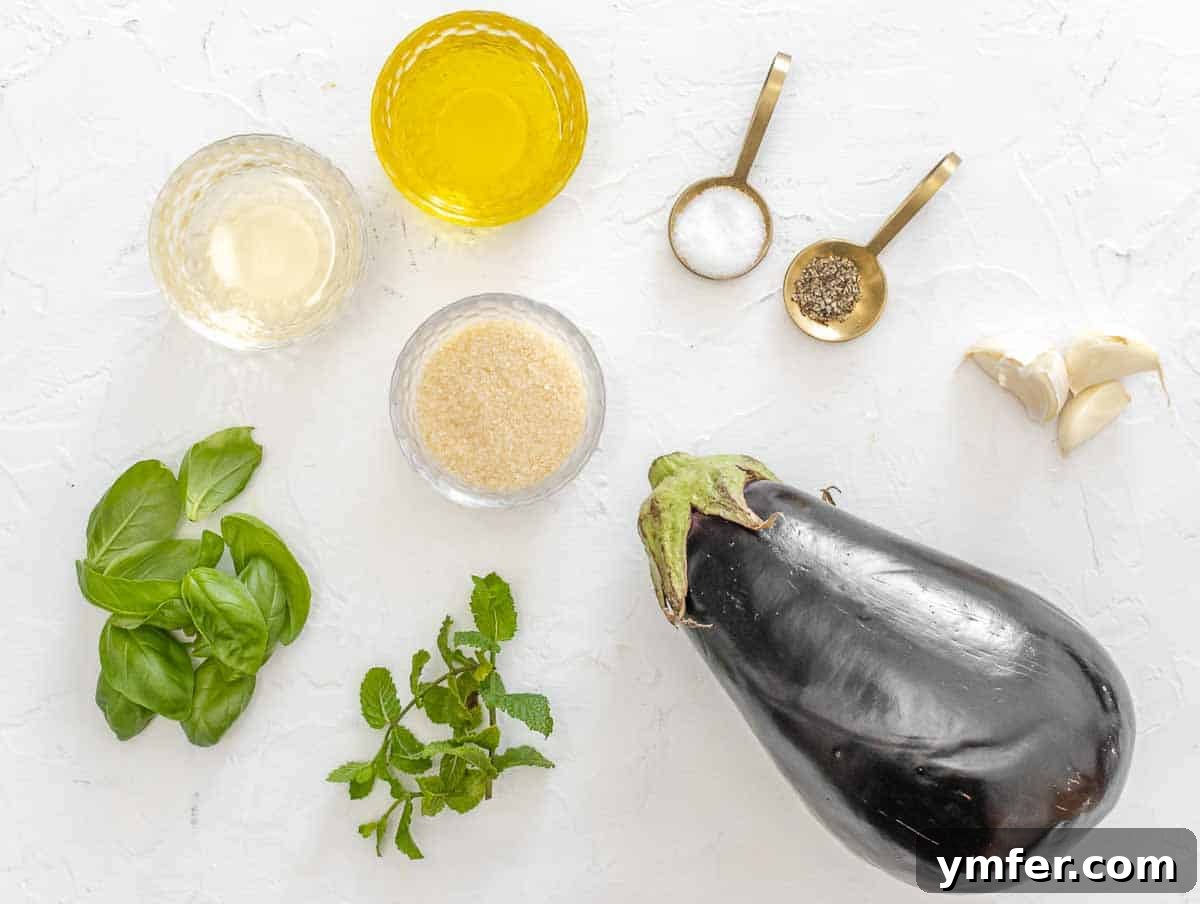
Creating an authentic and delicious Italian sweet and sour eggplant relies on a selection of high-quality, fresh ingredients. Each component contributes uniquely to the dish’s distinct Mediterranean flavor profile.
Eggplant
For our Italian-inspired recipe, we typically opt for **American globe eggplant** or **Italian eggplant**. These varieties, known for their large, round shape and deep, shiny purple skin, have a firm flesh that holds up well to sautéing and eagerly absorbs the flavors of the sweet and sour sauce. However, this recipe is quite forgiving; you can successfully use other types of eggplant, such as the slender Chinese eggplant, Japanese eggplant, or even the striking Zebra eggplant. The most important aspect is to cut them into uniform pieces to ensure even cooking.
Olive Oil
A high-quality **extra virgin olive oil** is indispensable for this dish. Its rich, peppery, and often fruity notes are fundamental to Mediterranean cuisine and perfectly complement the natural sweetness of the eggplant. Furthermore, extra virgin olive oil is known for its nutritional benefits and its relative stability when cooked at medium-high temperatures, making it excellent for sautéing. While other vegetable oils can be substituted, using olive oil truly elevates the authentic taste. Please note that we are gently sautéing the eggplant, not deep-frying, so you will only need a moderate amount of oil.
Vinegar
The characteristic tang of this dish comes from vinegar. **White wine vinegar** is our top recommendation for its clean, crisp acidity that brightens the flavors without being overly harsh. As a fantastic alternative, **apple cider vinegar** can be used, lending a slightly fruitier and milder tang. For a more neutral acid, common in many fusion dishes, rice vinegar is also a viable option. You can adjust the quantity of vinegar to suit your personal preference for acidity.
Sugar
Sugar plays a crucial role in balancing the sharp acidity of the vinegar, creating the “sweet” component of the dish. **Any type of granulated sugar** or even a liquid sweetener like maple syrup or agave nectar can be used. We particularly favor **brown sugar** for its subtle molasses notes, which add a touch of caramel-like depth, but regular white granulated sugar performs equally well, providing a clean sweetness.
Garlic
**Fresh garlic** is absolutely paramount for establishing an aromatic base that cannot be replicated by garlic powder. Its pungent, sweet qualities soften and mellow beautifully during the cooking process. Using **minced garlic** will infuse the dish with a more intense and pervasive garlic flavor, whereas **crushed garlic** offers a slightly milder, more intermittent burst of taste. Choose your preparation method based on your desired level of garlic intensity.
Fresh Herbs
The fresh herbs are truly what give this Italian sweet and sour eggplant its signature Mediterranean vibrancy. A generous mix of **fresh basil, mint, and flat-leaf parsley** is ideal. Basil contributes a sweet, slightly peppery aroma; mint introduces a wonderfully refreshing and bright counterpoint; and parsley provides a clean, herbaceous finish. Ensure they are finely chopped and added towards the end of cooking to preserve their delicate flavors and brilliant green colors.
Salt and Pepper
These essential seasonings are fundamental for enhancing and harmonizing all the other ingredients. We recommend using either **sea salt** or **kosher salt** for their clean, natural flavor, paired with **freshly ground black pepper** for an aromatic, subtle kick. For those who enjoy a hint of warmth, a small pinch of **red pepper flakes** can be incorporated, adding a delicate spicy note that complements the sweet and sour profile beautifully.
Pine Nuts (Optional, but Highly Recommended)
While not strictly mandatory, **pine nuts** add a sophisticated layer of flavor and texture that truly elevates this dish. Their buttery, delicate, and slightly earthy taste creates a wonderful synergy with the eggplant. For maximum flavor and a delightful crunch, we highly recommend briefly toasting the pine nuts in a dry pan before adding them. If you’re looking to transform this dish from excellent to truly exceptional, don’t skip this step.
Finally, for a bright burst of citrusy freshness just before serving, a **squeeze of fresh lemon juice** can be drizzled over the finished eggplant, adding an extra layer of zest that awakens the palate.
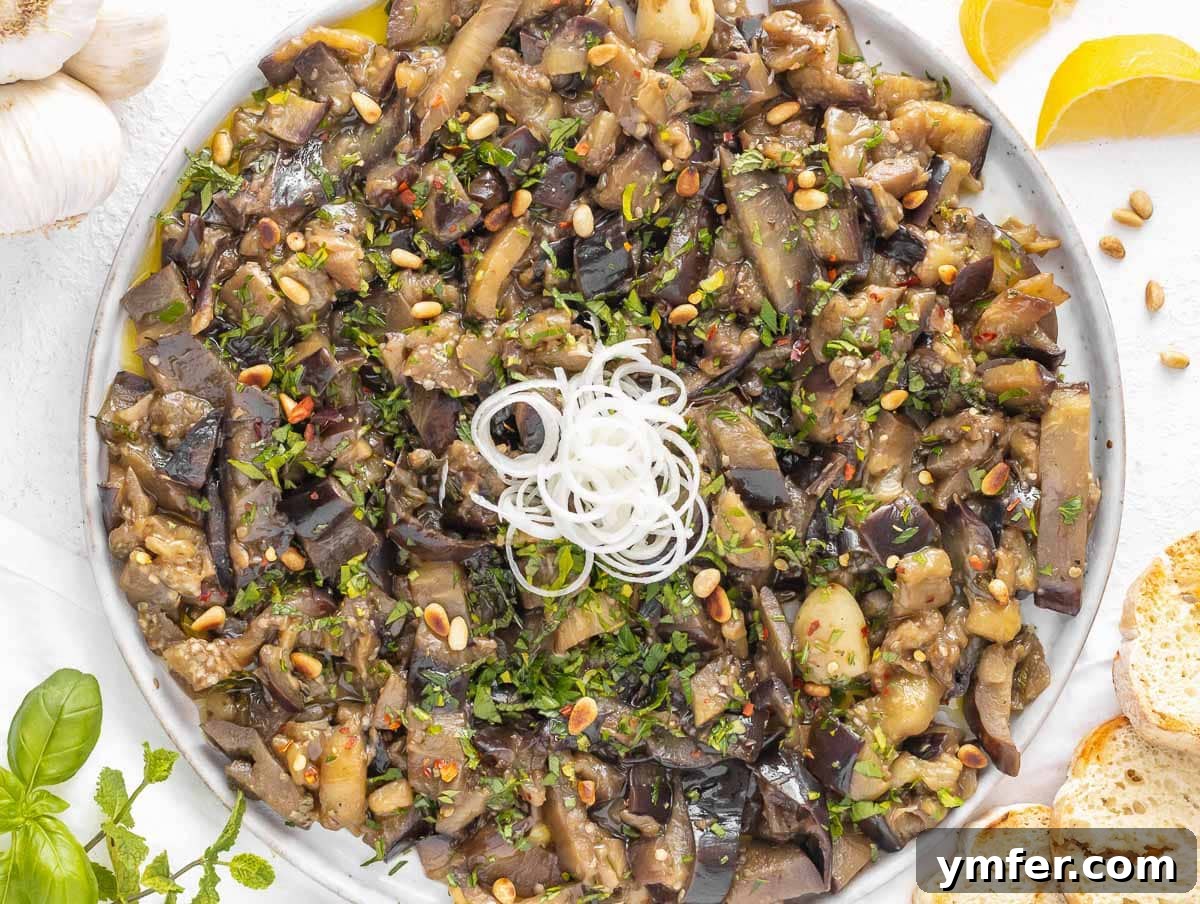
Step-by-Step Guide: Italian-Style Sweet and Sour Eggplant
Follow these straightforward instructions to prepare a delightful Italian sweet and sour eggplant that promises to be a flavorful highlight at your table.
-
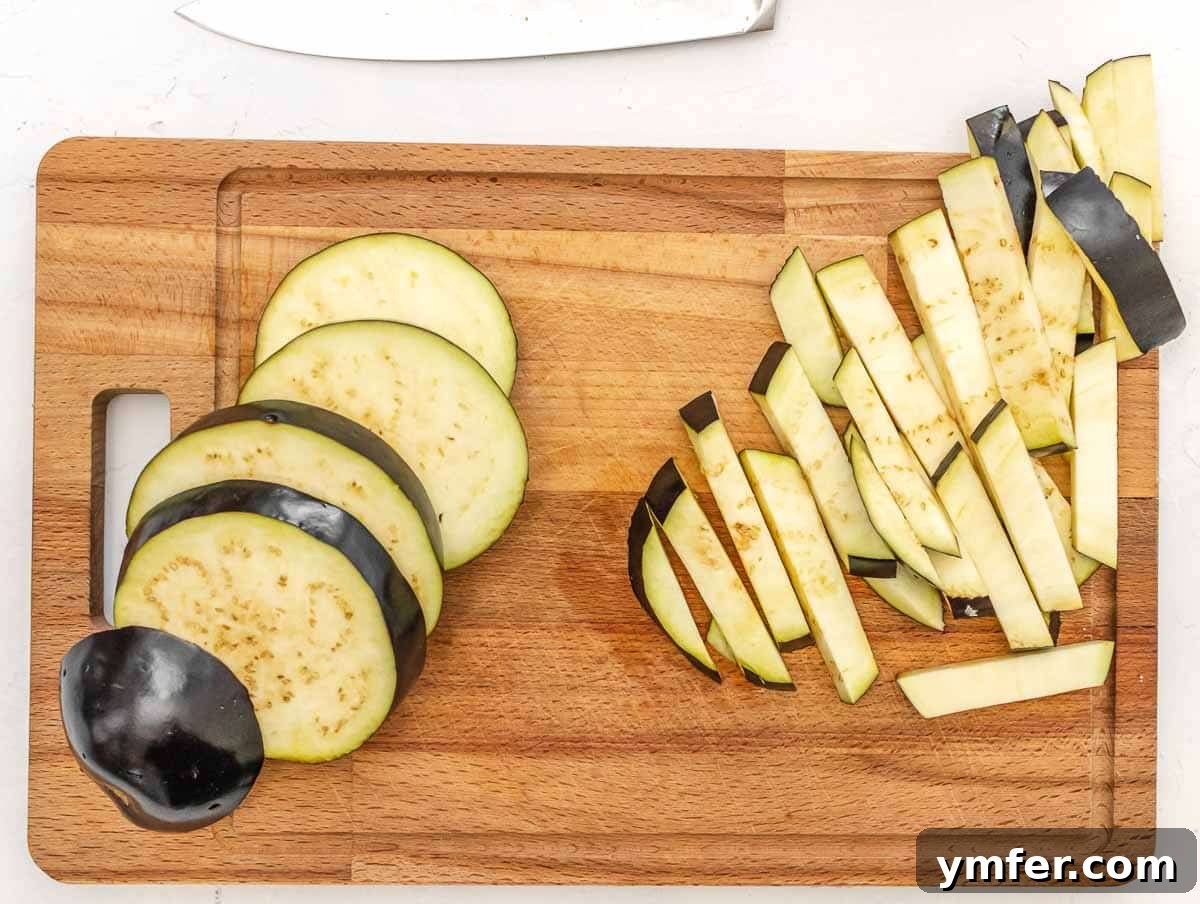
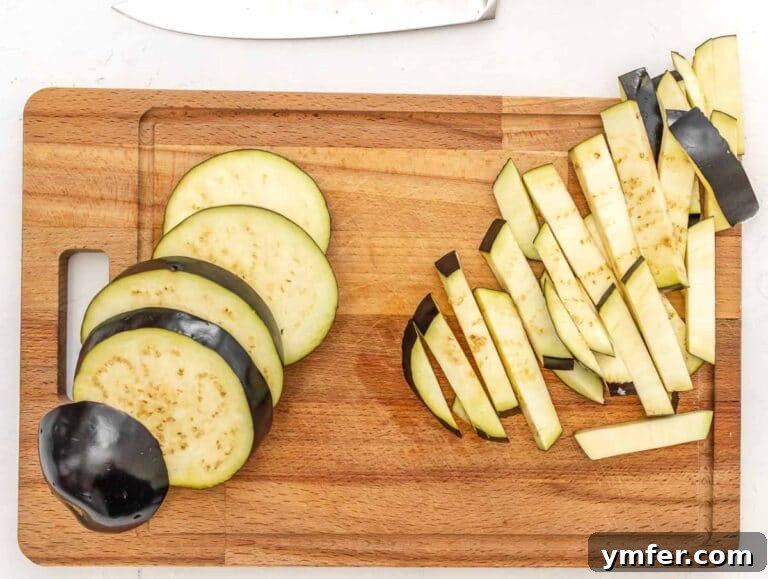
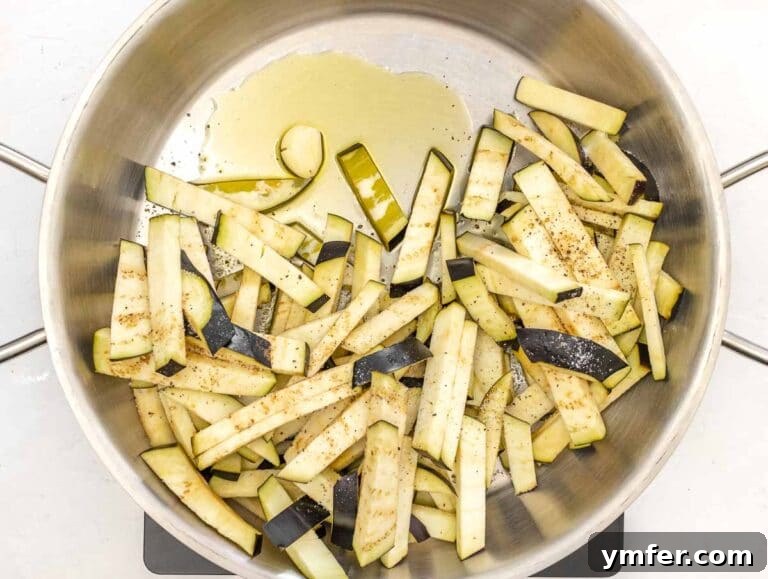
Start by thoroughly washing and drying your eggplant. This ensures a clean surface and helps prevent excess moisture. Next, carefully **cut the eggplant into even slices**, aiming for about ½-inch thickness. Then, cut these slices into uniform **sticks**, roughly the size and shape of thick-cut French fries. Consistent sizing is key for even cooking and a pleasing final texture.

-
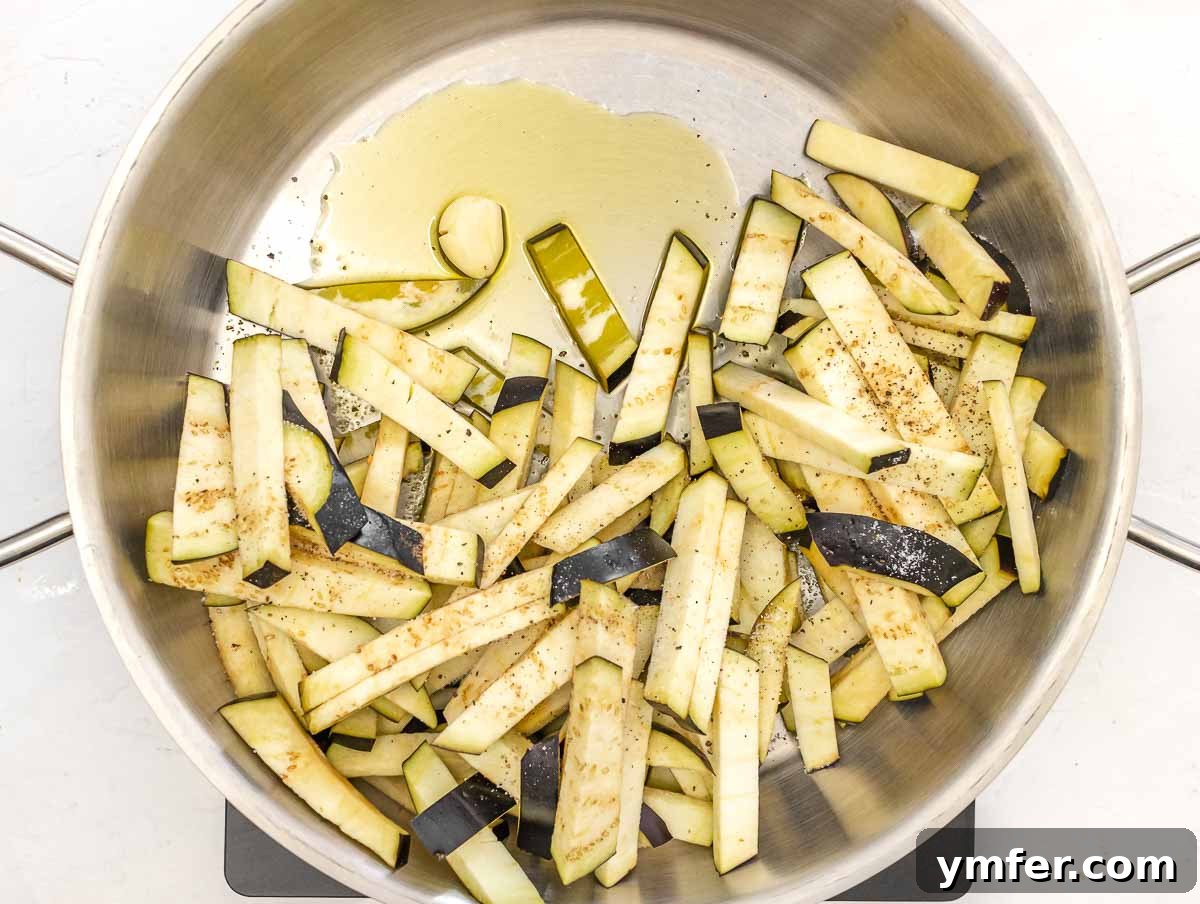
Place a large skillet or frying pan over medium heat. Once it’s adequately warmed, **add the extra virgin olive oil**. Introduce the **crushed or minced garlic** and the prepared **eggplant sticks** to the pan. Season the eggplant generously with **salt** and **freshly ground black pepper**. Sauté the eggplant for approximately **15 minutes**, stirring frequently to prevent sticking and ensure all sides cook evenly. Your goal is for the eggplant to become wonderfully tender and acquire a slight golden-brown color. If you notice the pan becoming too dry, simply **add a tablespoon or two of water** to create steam and help the eggplant soften without burning.
Chef’s Tip: For a more intense and robust garlic flavor throughout the dish, opt for finely minced garlic. If you prefer a milder, more delicate garlic presence, crushed garlic will serve you well. Adjust based on your personal preference.
-
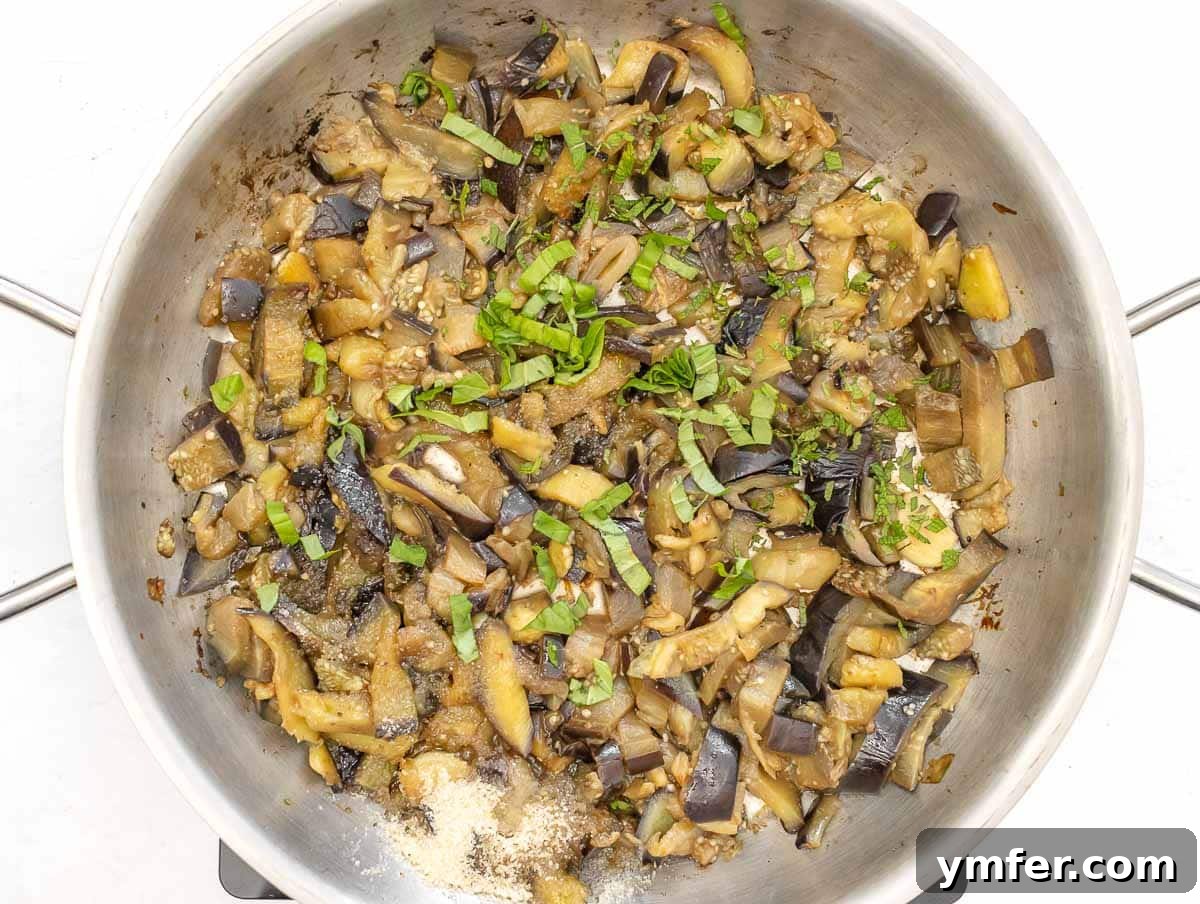
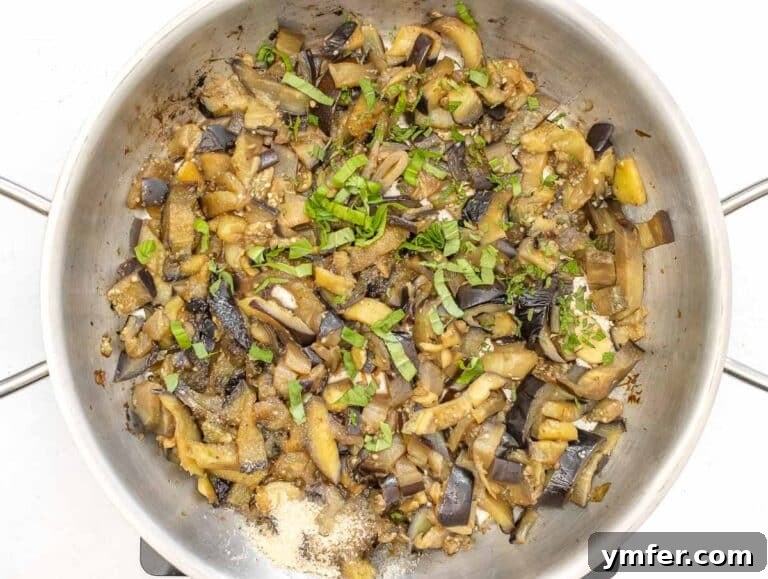
When the eggplant is almost perfectly tender, it’s time to build the iconic sweet and sour flavor. **Add the sugar, vinegar, and the finely chopped fresh herbs** (basil, mint, and parsley) to the skillet. Stir all the ingredients thoroughly, ensuring that every piece of eggplant is coated in the glistening sweet and tangy sauce. Then, **cover the skillet with a lid** and allow it to simmer for an additional **5 to 10 minutes**. This crucial step allows the flavors to deeply meld together and ensures the eggplant is fully cooked through, absorbing the delicious sauce.
Before moving on, always **taste the dish** and **adjust the seasoning** to perfection. You might find it benefits from a touch more salt, a splash more vinegar for an extra zing, or a sprinkle of sugar to enhance the sweetness. Tailoring the flavors at this stage guarantees a dish that is perfectly balanced to your palate.
-
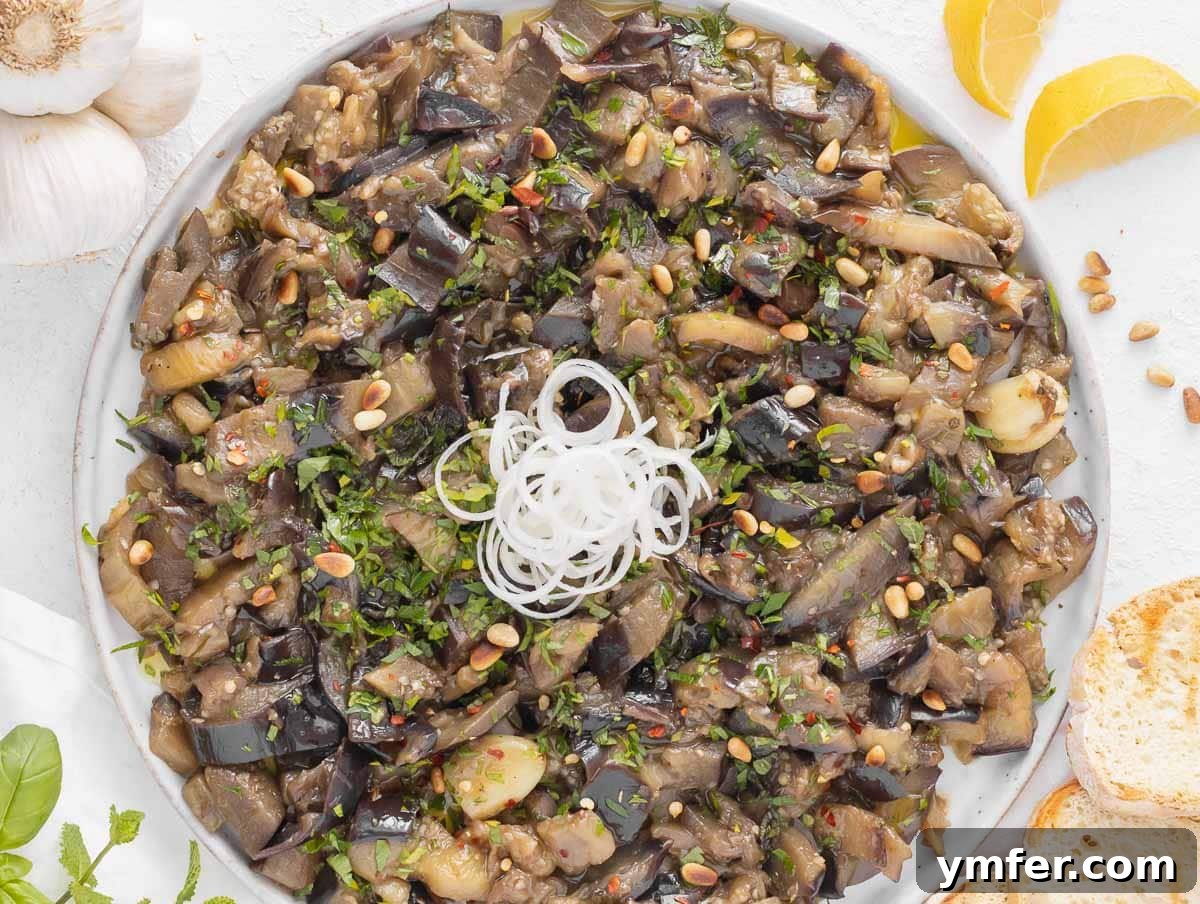
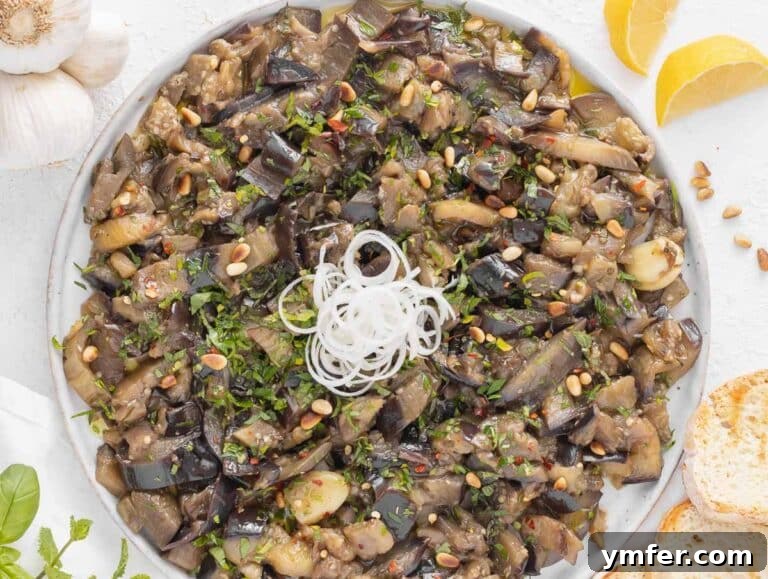
Once the sweet and sour eggplant has reached its tender perfection, carefully **transfer it onto an elegant serving plate** or into a beautiful serving bowl. For an added touch of Mediterranean luxury and flavor, **drizzle with a bit more high-quality extra virgin olive oil**. Finish the presentation by **sprinkling with additional fresh herbs** for both visual appeal and a final burst of fresh aroma. If you are using them, generously scatter some **toasted pine nuts on top** to provide a delightful crunch and nutty undertone.
As an optional flourish, you can also add some finely sliced spring onions (scallions) for a mild oniony bite and a splash of vibrant green color, though the dish is equally fantastic without them. Serve warm or at room temperature.
Creative Serving Suggestions for Italian Eggplant
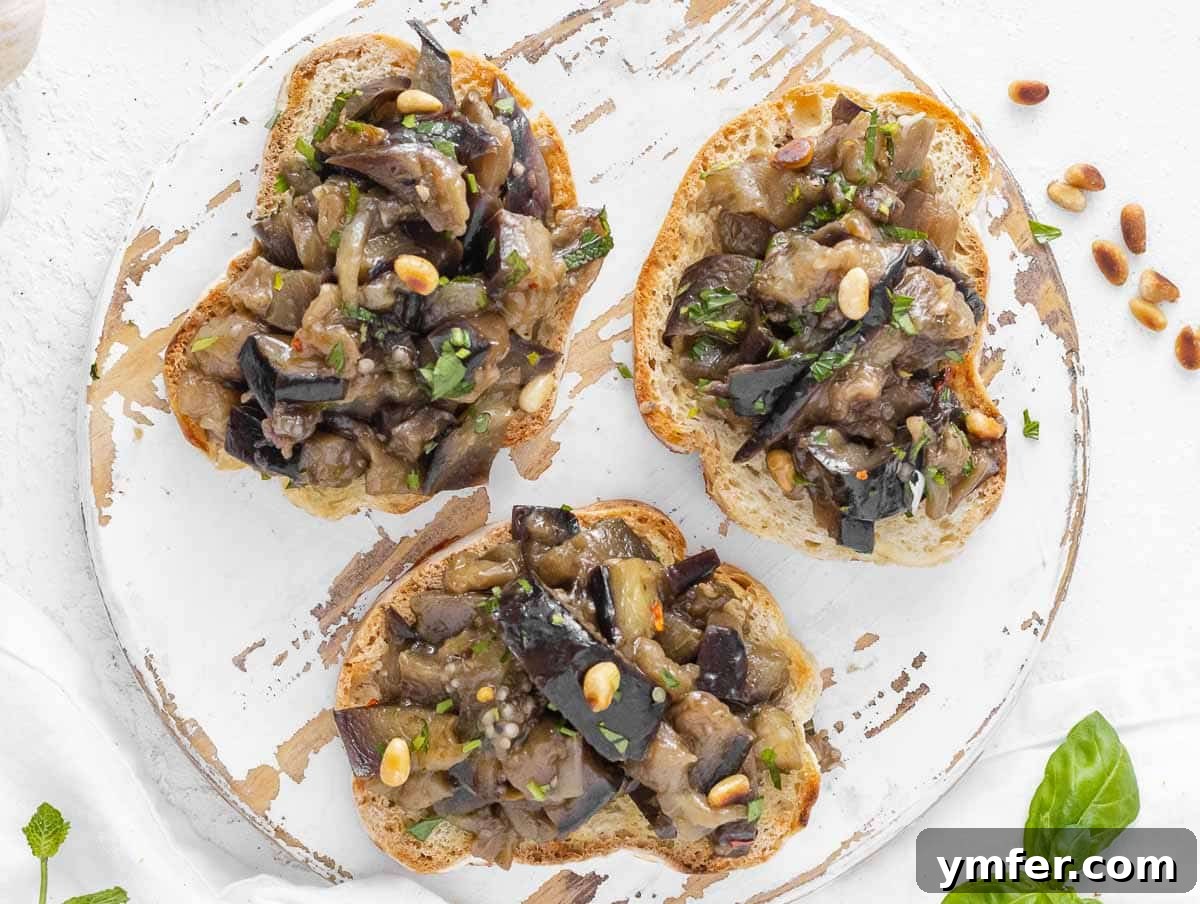
Italian sweet and sour eggplant is a remarkably adaptable dish that can elevate a variety of meals. It’s truly at its best when served **as a sophisticated side dish** alongside grilled chicken, pan-seared fish, or any roasted vegetable medley. A simple slice of crusty Italian bread is the perfect accompaniment, ideal for soaking up every last drop of the flavorful sauce. It also shines brilliantly **as an elegant starter or appetizer**, especially when artfully spooned **on top of crisp toasted bread** slices or homemade crostini.
This recipe truly **excels as part of a lavish Mediterranean-themed spread**. Picture a vibrant platter featuring this sweet and sour eggplant alongside creamy hummus, smoky baba ganoush, fresh avocado spread, classic tomato bruschetta, delicate homemade crostini, or a warm, airy focaccia. For an even more impressive appetizer, consider serving the eggplant on bruschetta or crostini, then topping it with a dollop of crumbled vegan ricotta and a luxurious drizzle of tahini sauce. The rich combination of flavors and textures in these pairings is guaranteed to **delight your family and guests**, leaving a lasting culinary impression.
Beyond traditional Mediterranean pairings, this eggplant dish is also fantastic with simply prepared grains like quinoa or couscous, or as a vibrant topping for a light green salad. It’s also an excellent make-ahead option for packed lunches, as its flavors tend to deepen and become even more complex after a day or two in the refrigerator.
Variation: Quick Chinese-Style Sweet and Sour Eggplant
Effortless Chinese Style Eggplant
If you’re in the mood to give sweet and sour eggplant an **exciting Asian spin**, then you are going to absolutely love this quick and flavorful **Chinese eggplant recipe**. Our version is a simplified, healthier interpretation of the classic, opting for a quick sauté on the pan instead of deep-frying, yet it still delivers all the authentic, vibrant flavors you desire. This method ensures a speedy preparation without compromising on taste or that wonderfully tender texture. **To prepare this aromatic variation, gather the following ingredients:**
- **1 pound (approx. 450g) Chinese or Japanese eggplants:** Look for the slender, long, purple varieties that have thinner skins and fewer seeds, making them ideal for rapid cooking.
- **3 tablespoons peanut oil:** Or any other neutral-flavored vegetable oil suitable for high-heat cooking, such as canola or grapeseed oil.
- **2 cloves garlic:** Freshly minced to infuse the dish with maximum aromatic intensity.
- **1-inch piece fresh ginger:** Finely minced or grated, providing that signature warm, slightly spicy and fragrant kick that defines many Asian dishes.
- **¼ teaspoon red pepper flakes (or a pinch of cayenne pepper):** To introduce a pleasant hint of heat; adjust the quantity according to your spice preference.
- **2 tablespoons soy sauce:** We highly recommend using reduced-sodium soy sauce to better control the overall saltiness of the dish. Tamari is an excellent gluten-free alternative.
- **2 tablespoons water:** Essential for creating the luscious sauce and preventing ingredients from sticking to the pan.
- **1 teaspoon cornstarch:** This is the key thickening agent for the sauce, ensuring it becomes beautifully glossy and clings perfectly to the eggplant.
- **2 tablespoons sugar:** To provide the crucial sweetness that perfectly balances the acidity of the vinegar and the umami of the soy sauce.
- **2 tablespoons rice vinegar (or rice wine vinegar):** Chosen for its mild, subtly sweet acidity that is characteristic of Chinese cuisine.
- **¼ teaspoon salt:** Adjust to your taste, especially if you opted for regular (not reduced-sodium) soy sauce.
- **¼ cup fresh cilantro (fresh coriander) or finely chopped scallions (green onions):** For a burst of fresh, herbaceous flavor and a vibrant pop of color as a garnish.
- **Sesame seeds and a delicate drizzle of sesame oil:** These are optional but highly recommended for an authentic finish and a wonderful nutty aroma that enhances the dish.
Begin by thoroughly washing and drying your Chinese or Japanese eggplants, then carefully trim off the stem ends. **Dice the eggplant into uniform ¾-inch cubes**. This size is perfect for quick sautéing, allowing the eggplant to become wonderfully tender and absorb the sauce effectively.
Heat the **peanut oil** in a large non-stick pan or wok over medium-high heat. Add the **eggplant cubes** and stir-fry for approximately **10 minutes**, stirring frequently to ensure they brown evenly and soften without becoming greasy. The goal is a tender, slightly caramelized exterior.
While the eggplant is cooking, prepare your flavorful sauce. In a small bowl, vigorously whisk together the **minced garlic**, **minced ginger**, **red pepper flakes**, **soy sauce**, **water**, **sugar**, **rice vinegar**, **salt**, and **cornstarch**. Continue whisking until the cornstarch is completely dissolved and the mixture is smooth, without any lumps. This carefully prepared mixture is your “slurry.”
Once the eggplant has reached your desired tenderness, **pour the prepared slurry into the pan** with the eggplant. Stir continuously as the sauce rapidly thickens and beautifully coats each piece of eggplant. Continue to cook for about **5 minutes**, allowing the flavors to meld and the sauce to reach a glossy, rich consistency that perfectly clings to the eggplant.
Serve this delectable Chinese-style sweet and sour eggplant immediately, traditionally piled high **on top of freshly steamed or boiled rice**. Garnish generously with a sprinkle of **fresh cilantro** or finely chopped scallions, a scattering of toasted **sesame seeds**, and for an extra layer of authentic nutty aroma, a light drizzle of aromatic **sesame oil** just before serving.
Pro Tip: This Chinese eggplant variation is incredibly versatile and welcomes additional vegetables. Consider enhancing the dish by incorporating other quick-cooking options like chopped red bell pepper for sweetness and color, sliced mushrooms for an earthy umami depth, tender broccoli florets, or thin slices of carrots. Add these extra vegetables during the last few minutes of the eggplant’s initial sautéing to ensure they cook through but retain a pleasant, slight crunch.
Storage and Make-Ahead Tips
Sweet and sour eggplant, whether prepared in the Italian or Chinese style, is an excellent candidate for make-ahead meals and stores beautifully. Any leftovers should be transferred to an **airtight container** and kept in the **refrigerator for up to 4 days**. To reheat, you can simply warm it in the microwave for a minute or two, or gently sauté it in a pan over medium-high heat until it’s heated through. One of the wonderful qualities of this dish is that it is also absolutely delicious served at **room temperature**. If you plan to serve it this way, simply take it out of the refrigerator about 20 minutes before serving to allow the flavors to fully develop and bloom.
Explore More Eggplant Recipes
- Perfectly Roasted Eggplant: A Simple & Flavorful Method
- Crispy Air Fryer Eggplant: Quick and Healthy
- Hearty Vegan Eggplant Parmigiana: A Classic Comfort
- Smoky Baba Ganoush (Classic Mediterranean Eggplant Dip)
Sweet and Sour Eggplant (Italian Style)
Nico Pallotta
This versatile dish can be served as a delightful **side dish**, an elegant topping for **toasted bread**, or a savory companion to **boiled rice**. Each bite offers a tender, juicy, and delicious experience with a perfectly balanced sweet and tangy flavor.
5 minutes
20 minutes
25 minutes
4 people
Appetizer, Main Course, Side dish
Italian
Share
Ingredients
- 1 large eggplant (such as globe or Italian variety)
- 2 tablespoons extra virgin olive oil + 1 tbsp for drizzling on top, optional
- 2 cloves garlic crushed or minced
- ¼ teaspoon red pepper flakes (adjust to taste)
- ½ teaspoon salt (or to taste)
- ¼ teaspoon black pepper (freshly ground preferred)
- 2 tablespoons white wine vinegar or apple cider vinegar
- 2 tablespoons sugar (brown or white granulated)
- 15 leaves fresh mint (finely chopped)
- 15 leaves fresh basil (finely chopped)
- 1 tablespoon pinenuts (optional, toasted for best flavor)
Instructions
-
Wash and dry the eggplant thoroughly. Cut it into even **slices**, then proceed to cut these slices into uniform **sticks**.
-
In a large skillet, add the **olive oil**, **crushed or minced garlic**, and the prepared **eggplant sticks**. Season with **salt** and **pepper**. Cook on medium heat for approximately **15 minutes**, stirring frequently, until the eggplant becomes tender and slightly browned. If the pan gets too dry, add a small amount of water to prevent burning.
**Tip:** Minced garlic will impart a stronger, more pervasive garlic flavor compared to crushed garlic.
-
Once the eggplant is almost fully cooked and tender, add the **sugar, vinegar, and finely chopped fresh herbs**. Stir well to combine all ingredients, coating the eggplant in the sauce. Then, **cover the skillet with a lid** and continue to cook for another **5 to 10 minutes** until the eggplants are completely cooked through and the flavors have melded.
Taste the dish and **adjust the seasoning** as needed for salt. Regulate the **sweetness** and **acidity** by adding more vinegar or sugar to match your personal preference.
-
Transfer the finished eggplant onto a **serving plate** or into a beautiful serving bowl. Drizzle with a good quality **extra virgin olive oil**, sprinkle with additional **fresh herbs**, and add some **toasted pine nuts on top** for an extra layer of flavor and crunch.
(Optional: finely sliced spring onions can also be added for extra garnish and a mild oniony note.)
Notes
**SERVING SUGGESTIONS**
Italian sweet and sour eggplant is wonderfully versatile. It is best served **as a flavorful side dish** with a slice of rustic bread, or as an elegant **starter or appetizer** when spread on top of toasted bread.
We believe **this recipe truly shines when served as part of a Mediterranean platter**. For instance, create a spread with **hummus**, smoky **baba ganoush**, fresh **avocado spread**, classic **tomato bruschetta**, crispy **homemade crostini**, or soft, aromatic **focaccia**.
For an exquisite appetizer, serve the eggplant on bruschetta or crostini, then top with crumbled **vegan ricotta** and a delicate drizzle of **tahini sauce.**
The combination of flavors and textures these recipes offer is sure to **impress your family or guests**.
Nutrition Information (per serving)
Carbohydrates: 17g,
Protein: 2g,
Fat: 9g,
Saturated Fat: 1g,
Polyunsaturated Fat: 2g,
Monounsaturated Fat: 6g,
Trans Fat: 0g,
Cholesterol: 0mg,
Potassium: 407mg,
Dietary Fiber: 5g,
Sugar: 12g,
Vitamin A: 183IU,
Vitamin B6: 0.2mg,
Vitamin C: 4mg,
Vitamin E: 2mg,
Vitamin K: 19µg,
Calcium: 23mg,
Folate: 38µg,
Iron: 1mg,
Manganese: 1mg,
Magnesium: 31mg,
Zinc: 0.5mg
Tried this recipe?Leave a comment below or mention @theplantbasedschool on Instagram. We love hearing from you ⭐️ 💚.
You might also enjoy these related recipes:
Collections
30 Must-Try Eggplant Recipes
Collections
35 Easy & Healthy Dinner Ideas
Collections
25 Vibrant Vegan Salads
Collections
35 Healthy Pasta Recipes for Any Occasion