

Hearty Greek Bean Stew with Rice (Fasolada Inspired) – Your Ultimate One-Pot Mediterranean Dinner
Discover your new favorite one-pot meal: this delightful Greek Bean Stew with Rice. Inspired by the traditional Greek Fasolada, this recipe delivers pure comfort in a bowl. It’s not just budget-friendly and deeply nourishing, but also packed with tender beans, wholesome vegetables, and fluffy rice, creating a truly hearty and satisfying Mediterranean dinner. Perfect for chilly evenings or any time you crave a meal that feels both wholesome and incredibly delicious.
For more easy and authentic Greek-inspired dinners that bring the sunshine to your table, explore our Greek Chickpea Soup (Revithia), warming Greek Lentil Soup (Fakes), convenient Greek Sheet Pan Gnocchi, and flavorful Greek Zucchini Patties.

A Nourishing, Budget-Friendly Mediterranean Dinner for Any Night
Growing up in Italy, bean stew wasn’t merely a meal; it was a cherished weekly ritual. I vividly remember my nonna Lidia, who would lovingly care for my cousin and me. Every Tuesday, a large pot would gently bubble away on her stove, filled with a rich concoction of whatever beans she had sourced fresh from the market that week. Sometimes it was creamy borlotti, other times delicate cannellini, always featuring the aromatic trinity of onion, carrot, and celery. Bay leaves infused their subtle essence, generous glugs of extra virgin olive oil provided richness, and a final splash of vinegar brightened the entire dish. It was, quite simply, SO good. 🍲 This humble, yet profoundly satisfying, dish was a cornerstone of our family’s culinary tradition.
What strikes me now is the remarkable similarity this tradition shares with Greek cooking. The cuisines of Greece and Italy are deeply intertwined, sharing many humble, comforting roots that celebrate fresh, seasonal ingredients. Dishes like the classic Greek fasolada, often referred to as “the national food of the Greeks,” feel like a warm embrace, much like the bean stews of my childhood. Different countries, yet the same soulful approach to food that nourishes both body and spirit.
That profound connection is precisely what inspired this recipe. This Greek Bean Stew captures the authentic heart of traditional fasolada but elevates it into a complete, wholesome, and incredibly convenient one-pot Mediterranean meal. Ready in approximately 30 minutes, it incorporates tender basmati rice for added sustenance and wilted spinach for a boost of nutrients, transforming it into a truly all-in-one wonder. 🌿 It’s a testament to how simple ingredients can create extraordinary flavor and a rich, creamy texture without the need for dairy.
Serve it just as my nonna would have insisted: with a final generous drizzle of high-quality extra virgin olive oil, a bright squeeze of fresh lemon juice or a dash of vinegar to cut through the richness, and a grating of Parmigiano-Reggiano or a crumble of salty feta. The result is a cozy, nourishing, and remarkably flavorful bowl that truly celebrates the best of Mediterranean plant-based cooking. It’s a perfect example of how healthy eating can be both easy and incredibly delicious. 💛 This stew is not just a meal; it’s an experience, a journey back to the comforting kitchens of the Mediterranean.
Essential Ingredients for Your Greek Bean Stew
Crafting this flavorful Greek bean stew requires a handful of simple, wholesome ingredients, most of which you likely already have in your pantry. Each component plays a crucial role in building the stew’s deep, comforting flavor and satisfying texture. You’ll find the complete ingredient list, precise quantities, and a detailed recipe box at the bottom of this page. Here’s a closer look at what makes this dish so special, along with versatile substitution ideas to fit your preferences.
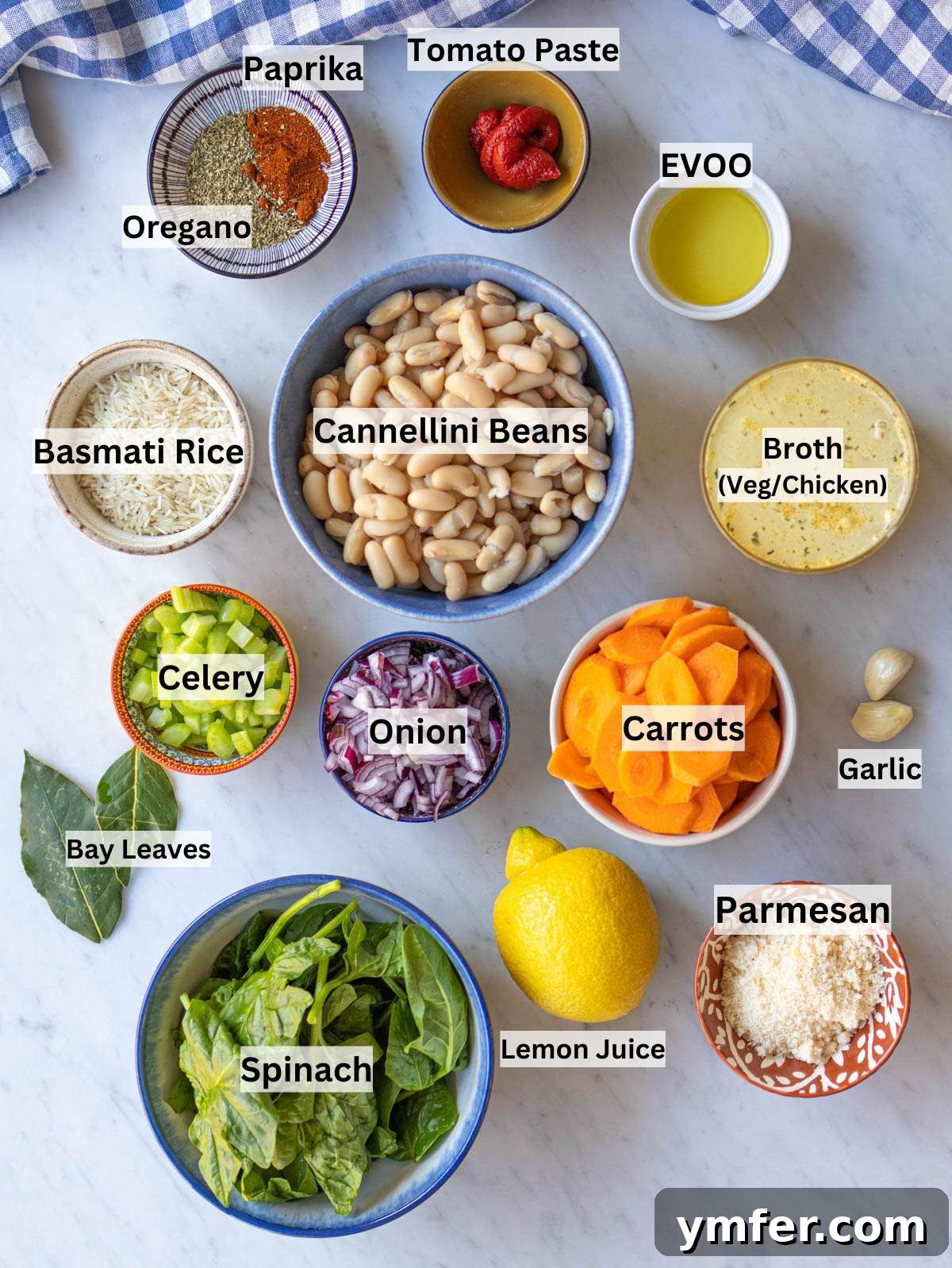
- Olive oil: The cornerstone of Mediterranean cooking, extra virgin olive oil lends a rich, fruity depth and silken texture to the stew. For a milder taste or if you prefer a higher smoke point, avocado oil or a light olive oil can be used, though you’ll miss some of that classic Mediterranean aroma.
- Onion: A fundamental aromatic, yellow onion provides a sweet and pungent base. Feel free to use red or white onion for a slightly different flavor profile. Shallots offer a sweeter, softer, and more delicate flavor if you’re looking for a refined touch.
- Carrots: These vibrant root vegetables add natural sweetness and beautiful color. They are part of the ‘soffritto’ that builds the stew’s foundation. For a delicious twist, consider parsnips for an earthy sweetness, sweet potatoes for a creamier texture and extra vitamins, or even pumpkin for a seasonal autumn variation.
- Celery: Another key component of the aromatic base, celery contributes a fresh, subtle bitterness that balances the sweetness of the carrots and onion. Fennel can be a wonderful substitute, adding a unique, lightly sweet, anise-like note that pairs beautifully with Mediterranean flavors.
- Garlic: Fresh garlic is highly recommended for its potent, aromatic flavor that truly awakens the dish. If fresh isn’t available, garlic powder can work in a pinch (use about ½ teaspoon per clove). For a mellower, sweeter garlic flavor, roasting whole garlic cloves beforehand and squeezing out the pulp is an excellent option.
- Tomato paste: This concentrated paste is a secret weapon for adding deep umami, body, and a touch of sweetness to the stew, contributing to its rich color and flavor. Tomato puree can be used as a substitute, but you may need to cook it a bit longer to achieve similar depth.
- Cannellini beans: These creamy white beans are ideal for this stew, offering a tender texture and mild flavor. Using canned beans makes this recipe incredibly convenient and quick – just remember to drain and rinse them thoroughly to remove excess sodium and improve digestibility. For variety, chickpeas (garbanzo beans) provide a nuttier taste, while navy beans or butter beans (lima beans) offer similar creaminess. These are all excellent choices for healthy, protein-rich bean recipes perfect for dinner.
- Vegetable broth: A good quality vegetable broth forms the liquid base of the stew, infusing it with flavor. If you’re not vegetarian, chicken broth works equally well. In a pinch, water with a bouillon cube or vegetable broth powder can be used, ensuring you adjust the seasoning accordingly.
- Rice: Basmati rice is suggested for its light, fragrant grains that cook up fluffy and separate, preventing the stew from becoming too heavy. However, other varieties like arborio rice will yield a creamier, risotto-like consistency, while jasmine rice offers a delicate fragrance. For a heartier, more rustic Mediterranean diet dinner idea, consider using farro, a whole grain that adds a chewy texture and nutty flavor, though it will require a longer cooking time.
- Oregano: The quintessential Greek herb, dried oregano imbues the stew with its characteristic earthy, slightly peppery aroma. Thyme or rosemary can offer different aromatic notes, or an Italian herb mix can provide a broader Mediterranean flavor profile.
- Bay leaves: While optional, bay leaves add a subtle, savory depth and a touch of classic Greek authenticity to the simmering broth. Their presence elevates the overall aroma of the stew.
- Paprika: Sweet paprika contributes a gentle warmth and beautiful red hue. For a more profound and smoky flavor that transforms the character of the stew, smoked paprika is an excellent choice. If you prefer a bit of heat, a pinch of chili flakes or cayenne pepper can be added to taste.
- Spinach: Fresh spinach wilts beautifully into the stew, adding vibrant color, essential nutrients, and a slight bitterness that complements the other flavors. Kale or chard are fantastic, heartier alternatives that hold up well and provide even more texture and fiber.
- Lemon: A generous squeeze of fresh lemon juice at the end is crucial. It brightens the entire dish, cutting through the richness and awakening the flavors, a hallmark of many vegetarian Greek recipes. Red wine vinegar or apple cider vinegar can achieve a similar acidic lift if lemons aren’t available.
- Feta or parmesan: These cheeses offer a salty, tangy, and savory finish. Crumbled feta adds a distinct Greek essence, while grated Parmesan provides a more Italian-inspired richness. For a creamy, tangy finish with even more protein, low-fat Greek yogurt or Skyr can be stirred in just before serving, making this an ideal high-protein vegetarian meal option.

How to Make Hearty Greek Bean Stew With Rice
Creating this nourishing Greek bean stew is a straightforward process, built on layers of flavor that come together in one pot. Follow these simple steps for a truly comforting and delicious meal:
Step 1 – Build the Flavor Base
Begin by heating the extra virgin olive oil in a large, heavy-bottomed pot or Dutch oven over medium heat. Once shimmering, add your finely chopped onion, carrots, and celery. This trio, often called a soffritto, forms the aromatic foundation of your stew. Sauté them for about 4–5 minutes, stirring frequently, until the vegetables begin to soften and become fragrant and slightly translucent. This initial step is key to unlocking their natural sweetness and building a deep flavor profile. Next, stir in the minced garlic, rich tomato paste, earthy dried oregano, sweet paprika, and a pinch of chili flakes if you desire a touch of heat. Cook for just 1 minute more, stirring constantly, until the spices become intensely fragrant. This brief cooking “blooms” the spices, enhancing their flavor and aroma, creating the rich and cozy heart of your Mediterranean bean stew.

Step 2 – Add the Beans and Broth
Once your flavor base is perfectly developed, it’s time to introduce the stars of the show. Add the drained and rinsed cannellini beans to the pot, ensuring they are well integrated with the aromatic vegetables. Pour in the vegetable broth, making sure there’s enough liquid to generously cover all the ingredients. Drop in the bay leaves, which will subtly infuse the stew with their aromatic essence as it simmers. Season generously with salt and freshly ground black pepper, then give everything a good stir to combine. Bring the mixture to a gentle boil, then immediately reduce the heat to low, cover the pot, and let it simmer for about 10 minutes. This simmering period allows the flavors to meld beautifully and the beans to absorb the rich liquid, enhancing their tender texture.

Step 3 – Simmer with the Rice
Now, it’s time to add the basmati rice, which will cook directly in the flavorful broth, absorbing all the wonderful Mediterranean essences. Stir the rice into the simmering stew, ensuring it’s evenly distributed and submerged in the liquid. Continue to simmer the stew gently for another 10 minutes, or until the rice is tender and fully cooked. Stir occasionally during this time to prevent the rice from sticking to the bottom of the pot and to encourage a naturally creamy texture. Keep an eye on the consistency; if the stew becomes too thick, simply add a splash more vegetable broth or water until it reaches your desired consistency. The goal is a rich, spoonable stew, not a dry pilaf.

Step 4 – Finish with Greens
With the rice tender and the stew perfectly thickened, it’s time for the final touch. Stir in the fresh spinach (or kale/chard if using). The residual heat from the stew is all that’s needed, so cook for just 1 minute, or until the greens are beautifully wilted and vibrant. Overcooking them will diminish their texture and color. Taste the stew at this stage and adjust the seasoning as needed, adding more salt or pepper if desired. The flavors should be balanced and harmonious, ready for serving.

Step 5 – Serve
Your delicious and easy Greek dinner is now ready! Ladle the hot, hearty, and flavorful bean stew into bowls. For an authentic and bright finish, squeeze a generous amount of fresh lemon juice over each serving. A drizzle of your best extra virgin olive oil will add a final layer of richness and a glossy sheen. To make it extra cozy and flavorful, top with grated Parmesan cheese for an Italian twist, or crumbled feta cheese for a true Greek experience. If you’re looking to boost the protein content, consider stirring in a handful of shredded rotisserie chicken right before serving. This Mediterranean bean stew is a complete meal on its own, offering satisfying textures and vibrant flavors, perfect for an wholesome weeknight dinner.

Expert Tips for the Best Greek Bean Stew
Achieving the perfect, comforting Greek bean stew is simple with a few key techniques. These tips will help you maximize flavor, optimize texture, and ensure your one-pot Mediterranean dinner is a resounding success every time.
- Sauté well for deep flavor: Don’t rush the initial sautéing of the onion, carrot, and celery. Allowing these vegetables to fully soften and slightly caramelize over medium heat is crucial for developing the foundational “Greek comfort food” flavor. This step extracts their natural sweetness and creates a rich base that will permeate the entire stew.
- Go canned for speed and convenience: Canned beans are a fantastic shortcut that keeps this recipe quick and easy, ideal for busy weeknights. Always remember to drain and rinse canned beans thoroughly under cold water before adding them to the stew. This removes excess sodium and any starchy liquid, resulting in a cleaner, fresher taste and better texture.
- Simmer gently for perfect rice: Maintain a gentle simmer throughout the cooking process, especially after adding the rice. High heat can cause the rice to cook unevenly or break apart, leading to a mushy texture. A low, steady simmer ensures the rice cooks tenderly and retains its shape, contributing to a pleasant, creamy consistency.
- Adjust liquid as you cook: Stoves, pots, and even rice brands can affect liquid absorption. Don’t hesitate to add extra vegetable broth or water gradually if the stew becomes too thick before the rice is fully cooked. You’re aiming for a rich, spoonable consistency, not a dry pilaf. Conversely, if it’s too thin, you can simmer it uncovered for a few extra minutes to reduce the liquid.
- Stir now and then to prevent sticking: Especially once the rice is added, starchy grains can easily stick to the bottom of the pot. Stirring occasionally helps distribute the heat evenly, prevents scorching, and promotes a creamy texture by releasing some of the rice’s starches into the broth.
- Brighten at the end with acidity: A squeeze of fresh lemon juice or a splash of vinegar (red wine or apple cider) added just before serving is transformative. This acidic element cuts through the richness of the beans and oil, lifting and awakening all the flavors, a characteristic technique in many vegetarian Greek recipes. It truly makes the dish sing.
- Mix up the beans for variety: While cannellini beans are traditional, feel free to experiment with other legumes. Chickpeas add a nutty flavor and slightly firmer texture, while navy beans or butter beans offer a similar creaminess. These variations are great for customizing your cannellini bean recipes dinner options and adding diversity to your meal rotation.
- Finish with a drizzle of quality olive oil: Just like my nonna, a final drizzle of good quality extra virgin olive oil over the finished stew before serving adds an incredible depth of flavor and a luxurious mouthfeel. It’s a signature touch that enhances the rich Mediterranean character.
- Top it your way for personalization: This stew is incredibly versatile when it comes to toppings. Grated Parmesan cheese provides a savory, umami kick; crumbled feta offers a tangy, salty Greek authentic touch; fresh herbs like parsley or dill add brightness; and for a non-vegetarian option, shredded rotisserie chicken can be stirred in for added protein.
- Storage and Reheating: Leftovers store beautifully. Transfer any remaining stew to an airtight container and refrigerate for up to 4 days. It will thicken considerably as it chills. When reheating, add a splash of vegetable broth or water to achieve your desired consistency before gently warming on the stovetop or in the microwave. This stew also freezes well for up to 3 months, though the rice may soften slightly upon thawing and reheating.
Frequently Asked Questions About Greek Bean Stew
Absolutely! Cannellini beans are fantastic for their creamy texture, but this recipe is incredibly adaptable. Chickpeas (garbanzo beans) offer a firmer texture and nutty flavor. Navy beans or great northern beans are quite similar to cannellini and work perfectly. Pinto beans can also be used, bringing a slightly different earthy flavor. Feel free to experiment with your favorite white or light-colored beans to find your ideal variation.
For this particular recipe, you generally don’t need to rinse long-grain rice varieties like basmati. In fact, the bit of extra starch released from unrinsed rice actually serves a beneficial purpose here. It helps the stew thicken naturally as it cooks, contributing to a wonderfully creamy consistency without the need for any added dairy cream or thickeners. So, save yourself a step!
Yes, this Greek Bean Stew is an excellent make-ahead meal. The flavors tend to deepen and meld even more wonderfully after a day or two in the refrigerator, making it perfect for meal prep. Just be aware that the stew will thicken considerably as it sits and cools, especially due to the rice. When reheating, simply add a splash of extra vegetable broth or water, a little at a time, until it reaches your preferred Mediterranean bean stew texture and consistency.
It’s common for bean stews with rice to thicken as they cook and cool. If your stew becomes too thick, don’t worry! Simply add more vegetable broth or water, about a quarter cup at a time, stirring it in thoroughly. Continue adding liquid gradually until the stew reaches your desired, comforting consistency. This ensures it’s perfectly spoonable and enjoyable.
You can certainly substitute brown rice for basmati, but keep in mind that brown rice requires a significantly longer cooking time. If using brown rice, add it to the pot along with the beans and broth, and allow it to simmer for approximately 30 to 45 minutes, or until tender. You’ll likely need to top up the liquid with extra broth as needed during this extended cooking period. For a quicker option that still offers the benefits of whole grains, parboiled brown rice is a great middle-ground choice as it cooks faster and still provides that hearty, chewy texture.
Yes, this Greek Bean Stew freezes well. Portion it into freezer-safe containers once completely cooled and store for up to 3 months. When thawed and reheated, the rice may be a little softer than when freshly made, but the stew will still be incredibly delicious and comforting. Thaw overnight in the refrigerator and reheat gently on the stove with a splash of broth.
This stew is already rich in plant-based protein from the beans, but you can easily boost it further. Stir in a handful of shredded rotisserie chicken or cooked chicken breast just before serving. For a high-protein vegetarian meal, add extra beans, top with a generous amount of crumbled feta cheese, or stir in a dollop of high-protein Greek yogurt or Skyr for a creamy finish.
This Greek Bean Stew with Rice is a wonderfully complete and satisfying meal on its own, offering a perfect balance of protein, carbs, and vegetables. However, if you wish to round it out further or add some texture, it pairs beautifully with a slice of crusty bread for soaking up the delicious broth, a simple fresh green salad dressed with lemon and olive oil, or a side of roasted seasonal vegetables.
More Easy Mediterranean Dinner Inspirations
If you loved the simplicity and flavor of this Greek Bean Stew, you’re in for a treat! The Mediterranean diet offers a wealth of healthy, delicious, and easy-to-prepare meals that emphasize fresh produce, legumes, and whole grains. Explore more of our favorite plant-based Mediterranean dinners:
- Mediterranean Stir Fry with Rice and Turmeric
- Flavorful Chickpea Sweet Potato Patties
- Golden Turmeric Rice with Chickpeas
- Dense Chickpea Sweet Potato Salad
- Hearty Mediterranean Lentil and Orzo Soup
- Effortless Sheet Pan Eggs and Veggies
- Nourishing Three Bean Orzo Soup
- Savory Mediterranean Mushroom and Rice Stir Fry
If you tried this comforting Greek Bean Stew recipe or any other delicious recipe on our blog, we’d absolutely love to hear from you! Please take a moment to leave a 🌟 star rating and share your thoughts in the comments below. Your feedback helps us grow and inspires other home cooks. We love hearing from you! 💚

Greek Bean Stew with Rice (Fasolada Inspired)
Share
Ingredients
- 2 tablespoons extra virgin olive oil
- 1 onion chopped
- 4 carrots cut into discs
- 1 rib celery chopped
- 2 cloves garlic pressed or grated
- 1 tablespoon tomato paste
- 1 teaspoon dried oregano
- 1 teaspoon paprika + optional chili flakes for heat
- 2 cans cannellini beans 15 oz / 400 g each can or 3 cups / 460 g cooked beans
- 6 cups vegetable broth add as much as you need to fully cook the rice and reach your desired consistency
- 2 bay leaves optional – very Greek
- ½ cup basmati rice uncooked
- ¾ teaspoon salt or more to taste + black pepper
- 3 handfuls spinach
- 1 lemon the juice
- ¼ cup grated parmesan or crumbled feta for serving
Instructions
-
Build the Flavor Base: Heat 2 tablespoons extra virgin olive oil in a large pot over medium heat. Add 1 onion, 4 carrots, and 1 rib celery. Cook for 4–5 minutes, stirring often, until they start to soften.
Stir in 2 cloves garlic (grated/pressed), 1 tablespoon tomato paste, 1 teaspoon dried oregano, 1 teaspoon paprika, and chili flakes (if using) and cook for 1 minute, just until fragrant.

-
Add Beans and Broth: Add 2 cans cannellini beans (drained and rinsed), 6 cups vegetable broth, 2 bay leaves, ¾ teaspoon salt, and pepper. Stir, cover, and simmer for 10 minutes.
-
Simmer with Rice: Add ½ cup basmati rice and simmer gently for about 10 minutes, stirring occasionally so the rice doesn’t stick. Add more broth or water if it gets too thick.
-
Add Greens: When the rice is tender, stir in 3 handfuls spinach and cook for 1 minute, just until wilted. Taste and adjust for salt.
-
Serve: Top with a generous squeeze of lemon, a drizzle of good olive oil, some grated parmesan or crumbled feta.





Notes
- Olive oil → Avocado oil; light olive oil
- Onion → Red onion; white onion; shallots
- Carrots → Parsnips; sweet potatoes; pumpkin
- Celery → Fennel
- Garlic → Garlic powder; roasted garlic
- Tomato paste → Tomato purée
- Cannellini beans → Chickpeas; navy beans; butter beans
- Vegetable broth → Chicken broth; water + bouillon
- Rice → Arborio; jasmine; farro; basmati (original)
- Oregano → Thyme; rosemary; Italian herb mix
- Bay leaves → Optional (no strong substitute)
- Paprika → Smoked paprika; chili flakes; cayenne
- Spinach → Kale; chard
- Lemon → Red wine vinegar; apple cider vinegar
- Feta or parmesan → Low-fat Greek yogurt; Skyr
Tips
- Sauté well: Fully soften onion, carrot, and celery for deep, cozy flavor.
- Use canned beans: Rinse for a clean, quick stew.
- Simmer gently: Low heat keeps rice tender and intact.
- Adjust liquid: Add broth if things get too thick.
- Stir occasionally: Prevents sticking and keeps it creamy.
- Brighten at the end: Add lemon or vinegar for a classic Greek lift.
- Switch up the beans: Chickpeas or navy beans make great variations.
- Finish with olive oil: A final drizzle adds rich Mediterranean flavor.
- Top your way: Parmesan, feta, herbs, or rotisserie chicken all work.
- Store leftovers in an airtight container in the fridge for up to 4 days, or freeze them for up to 3 months.