
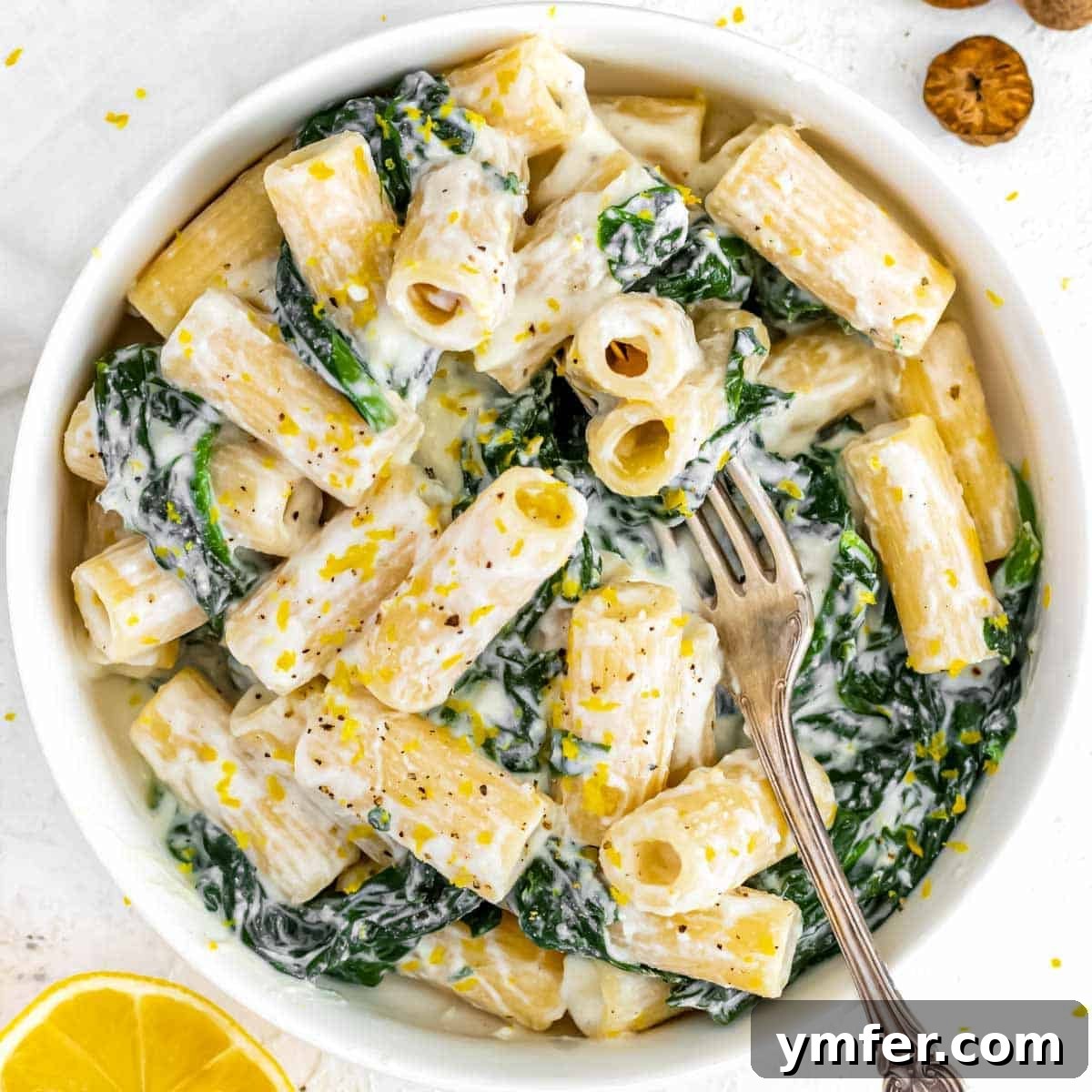
Prepare to fall in love with our incredibly delicious Lemon Ricotta Pasta with Spinach. This dish is the epitome of comfort food transformed into a gourmet experience, all while being a breeze to prepare. It’s a creamy, zesty, and satisfying meal that comes together in under 30 minutes, making it the perfect solution for busy weeknights when you crave something special without the fuss. Imagine tender pasta coated in a luxurious, lemon-infused ricotta sauce, brightened by fresh spinach – it’s a harmonious blend of flavors that will transport your taste buds straight to Italy.
If you’re on the hunt for more easy pasta recipes that promise big flavor with minimal effort, be sure to explore our collection. You might enjoy our hearty broccoli pasta, the rich and savory sun-dried tomato pasta, or our comforting creamy tomato pasta. Each recipe is crafted to bring joy to your kitchen and your dinner table.
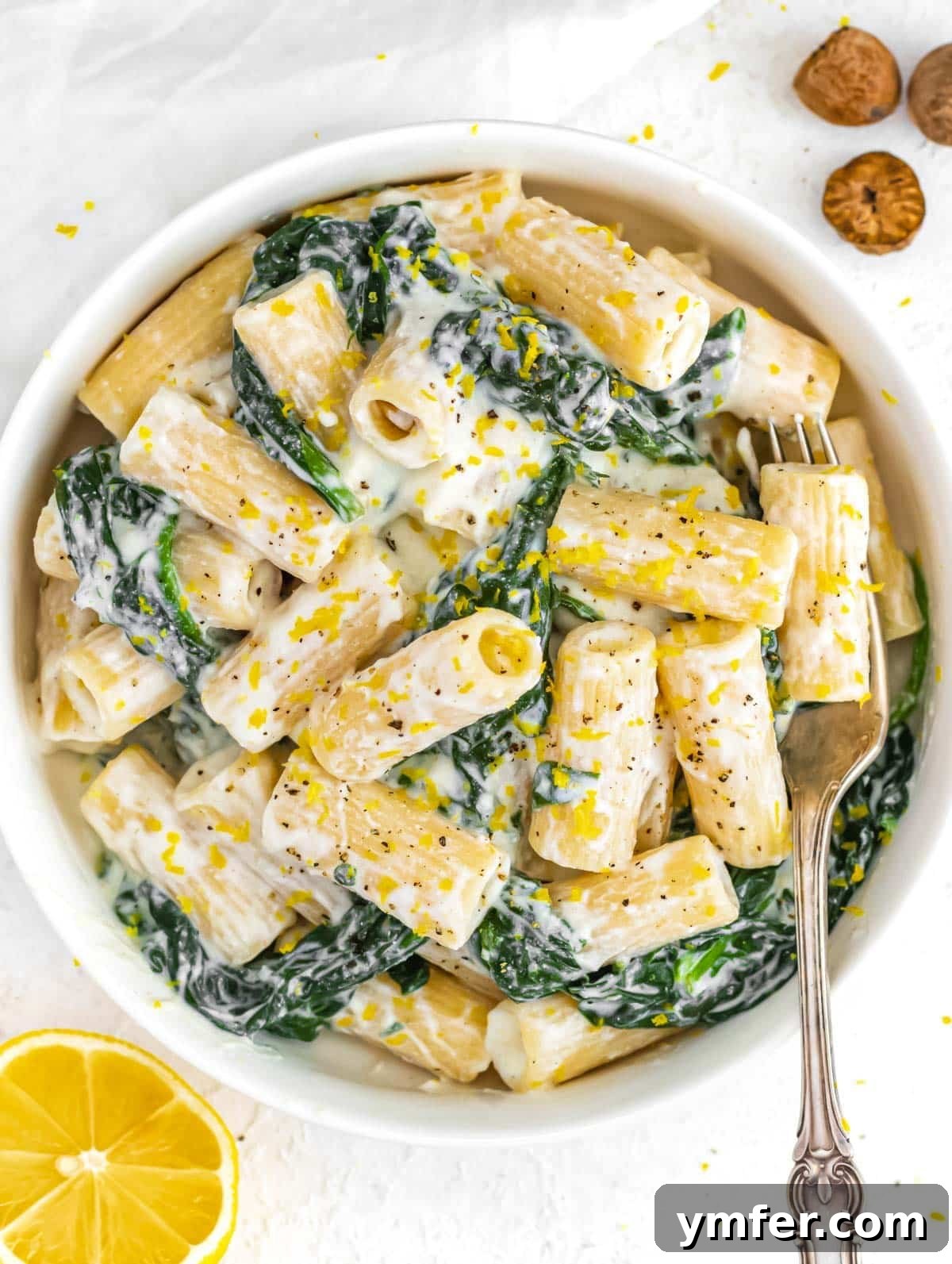
Why You’ll Love This Lemon Ricotta Pasta
This lemon ricotta pasta is more than just a meal; it’s a testament to how simple ingredients can create extraordinary flavors. Here’s why this recipe will become a cherished favorite in your culinary repertoire:
- Unforgettable Flavor Profile: Each forkful offers a symphony of creamy, refreshing, and bright lemony flavors. The richness of ricotta perfectly balances the tartness of lemon, creating a sophisticated yet approachable taste. It’s light enough for warmer evenings but comforting enough for chilly nights.
- High-Protein Vegetarian Meal: Boasting over 22 grams of protein per serving, this dish is an excellent choice for those seeking high protein vegetarian meals. The ricotta and Parmesan cheese contribute significantly to its nutritional value, making it a truly satisfying and wholesome option.
- Inspired by Italian Tradition: Our recipe draws inspiration from the classic Italian Pasta al Limone, a beloved dish celebrated for its simplicity and exquisite taste. We’ve taken that essence and elevated it with the creamy texture of ricotta and the vibrant addition of fresh spinach, creating a unique and modern twist on a timeless favorite.
- Effortless Way to Eat Your Greens: We believe in “sneaking in” healthy greens without making it feel like a chore. Fresh baby spinach wilts beautifully into the warm pasta, adding essential nutrients, fiber, and a lovely green hue without overpowering the delicate lemon ricotta sauce. It’s an easy and delicious way to boost your daily vegetable intake.
- Incredibly Versatile: While spinach is our go-to, this ricotta pasta recipe is incredibly adaptable. Its mild flavor pairs wonderfully with a wide array of vegetables. Think sweet peas, earthy roasted broccoli florets, or savory sautéed mushrooms. The possibilities for customization are endless, allowing you to tailor it to your preferences or whatever seasonal produce you have on hand.
- Ready in Under 30 Minutes: Perhaps the most appealing aspect for many is its incredible speed. This dish is designed for efficiency, ensuring you can enjoy a gourmet-quality meal without spending hours in the kitchen. It’s the ultimate quick weeknight dinner that doesn’t compromise on flavor, nutrition, or that coveted homemade comfort.
Experience the perfect combination of speed, nutrition, and gourmet flavor with this remarkable lemon ricotta pasta. It’s a dish that truly delivers on all fronts.
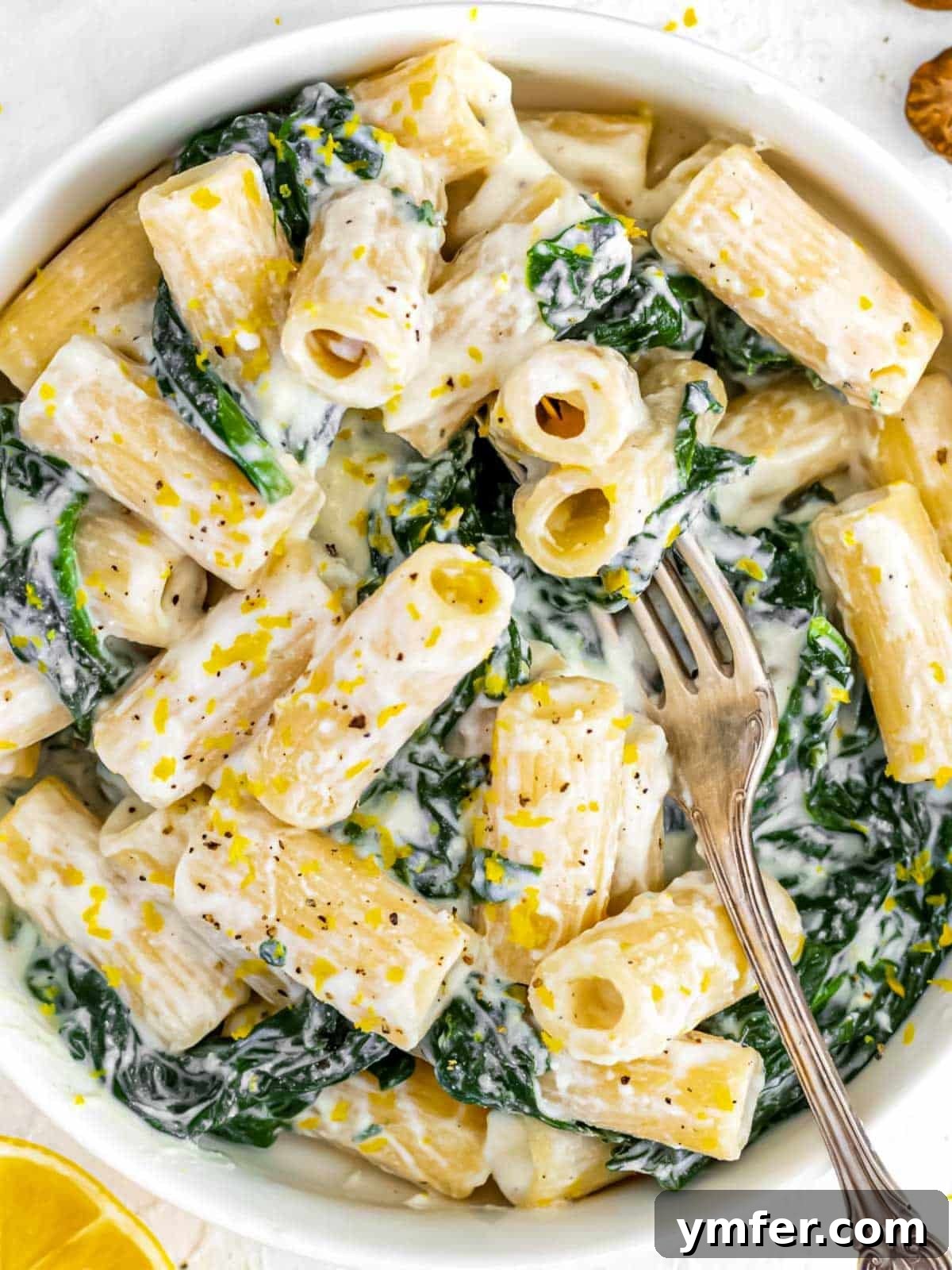
Essential Ingredients for Lemon Ricotta Pasta
Creating this exquisite lemon ricotta pasta requires a handful of simple, high-quality ingredients. Each component plays a crucial role in building the dish’s signature creamy texture and vibrant flavor. Here’s a closer look at what you’ll need and how to choose the best options:
- Pasta: The Foundation of Your Meal
- Our Preference: We absolutely adore this recipe with rigatoni. Its large, ridged tubes are perfect for capturing and holding the rich ricotta sauce, ensuring every bite is bursting with flavor.
- Versatile Alternatives: Don’t limit yourself to rigatoni! This dish is incredibly versatile and works beautifully with various pasta shapes. Consider using:
- Farfalle (Bow-ties): Their playful shape is great for scooping up sauce.
- Conchiglie (Shells): Small shells cradle the creamy sauce wonderfully.
- Fusilli (Spirals): The twists and turns grab and hold the sauce effectively.
- Penne or Ziti: Shorter, tubular pasta varieties offer a similar experience to rigatoni.
- Long-shaped noodles: Spaghetti, linguine, or fettuccine can also be used for a different texture experience, allowing the sauce to cling elegantly.
- Gluten-Free Option: For those with dietary restrictions, feel free to use your favorite gluten-free pasta. Just ensure you cook it according to package directions to achieve that perfect al dente bite.
- Spinach: The Vibrant Green Addition
- Best Choice: Fresh baby spinach is ideal for this recipe. It wilts quickly and adds a delicate earthiness and beautiful color without needing extensive cooking.
- Green Substitutions: While spinach is fantastic, this pasta is a blank canvas for many vegetables. Don’t hesitate to experiment with other greens or veggies:
- Frozen Peas: Add them directly to the boiling pasta water during the last few minutes of cooking.
- Sautéed Asparagus: Cut into bite-sized pieces and quickly sautéed before tossing with the pasta.
- Roasted Cauliflower: Small florets, roasted until tender and slightly caramelized, add a wonderful depth of flavor.
- Roasted Mushrooms: Earthy mushrooms are a delicious addition, especially cremini or button varieties.
- Kale or Swiss Chard: Tougher greens should be chopped and added earlier to the pasta water to soften.
- Ricotta: The Heart of the Creamy Sauce
- Traditional Choice: For the most authentic and rich flavor, opt for full-fat, Italian whole milk ricotta cheese. Its creamy texture and mild sweetness are essential to the sauce.
- Dairy-Free Alternative: To make this recipe completely dairy-free, you can easily substitute with our homemade vegan ricotta. Many excellent store-bought vegan ricotta alternatives are also available.
- Grated Parmesan Cheese: The Salty, Umami Kick
- Classic Option: Freshly grated Parmigiano Reggiano or Grana Padano will provide the best flavor. Their salty, nutty, and umami notes are crucial for balancing the richness of the ricotta and the brightness of the lemon.
- Dairy-Free Option: To maintain a dairy-free profile, simply substitute with a high-quality grated non-dairy Parmesan cheese. You can often find excellent plant-based options that mimic the flavor and texture well.
- Lemon: The Zesty Star
- Essential Components: You’ll need both the lemon zest and, optionally, a squeeze of fresh lemon juice. The zest carries the concentrated essential oils and fragrant aroma of the lemon, providing a bright, floral note without excessive acidity.
- Freshness is Key: Always use fresh lemons for the best flavor. A microplane zester works best for finely grating the zest without getting any bitter white pith.
- Extra Virgin Olive Oil: For Smoothness and Flavor
- A good quality extra virgin olive oil not only adds a lovely depth of flavor to the sauce but also helps to emulsify it, creating a smoother, more luxurious texture.
- Seasonings: Enhancing the Profile
- Nutmeg: A tiny pinch of freshly grated nutmeg (⅛ teaspoon) is a traditional Italian secret for creamy pasta sauces. It adds a subtle warmth and complexity that elevates the dish without being overtly noticeable.
- Salt and Black Pepper: Essential for seasoning. Use sea salt or kosher salt for the pasta water and fine sea salt for the sauce. Freshly ground black pepper adds a pungent finish.
With these carefully selected ingredients, you’re well on your way to preparing a truly memorable Lemon Ricotta Pasta.
How to Make Creamy Lemon Ricotta Pasta
Making this lemon ricotta pasta is incredibly straightforward, involving just a few simple steps. The beauty lies in its simplicity and the minimal cooking required for the sauce. Follow these instructions for a perfect creamy and zesty meal:
Step 1: Cook the Pasta and Spinach
- Begin by bringing a large pot of water to a rolling boil. It’s crucial to use a generously sized pot to allow the pasta to cook evenly.
- Once the water is boiling vigorously, add a good amount of salt to the water. This is your first opportunity to season the pasta itself, which is vital for overall flavor. Aim for water that tastes like the sea.
- Wait for the water to return to a boil after salting, then add your chosen pasta (we recommend rigatoni). Stir it immediately to prevent sticking.
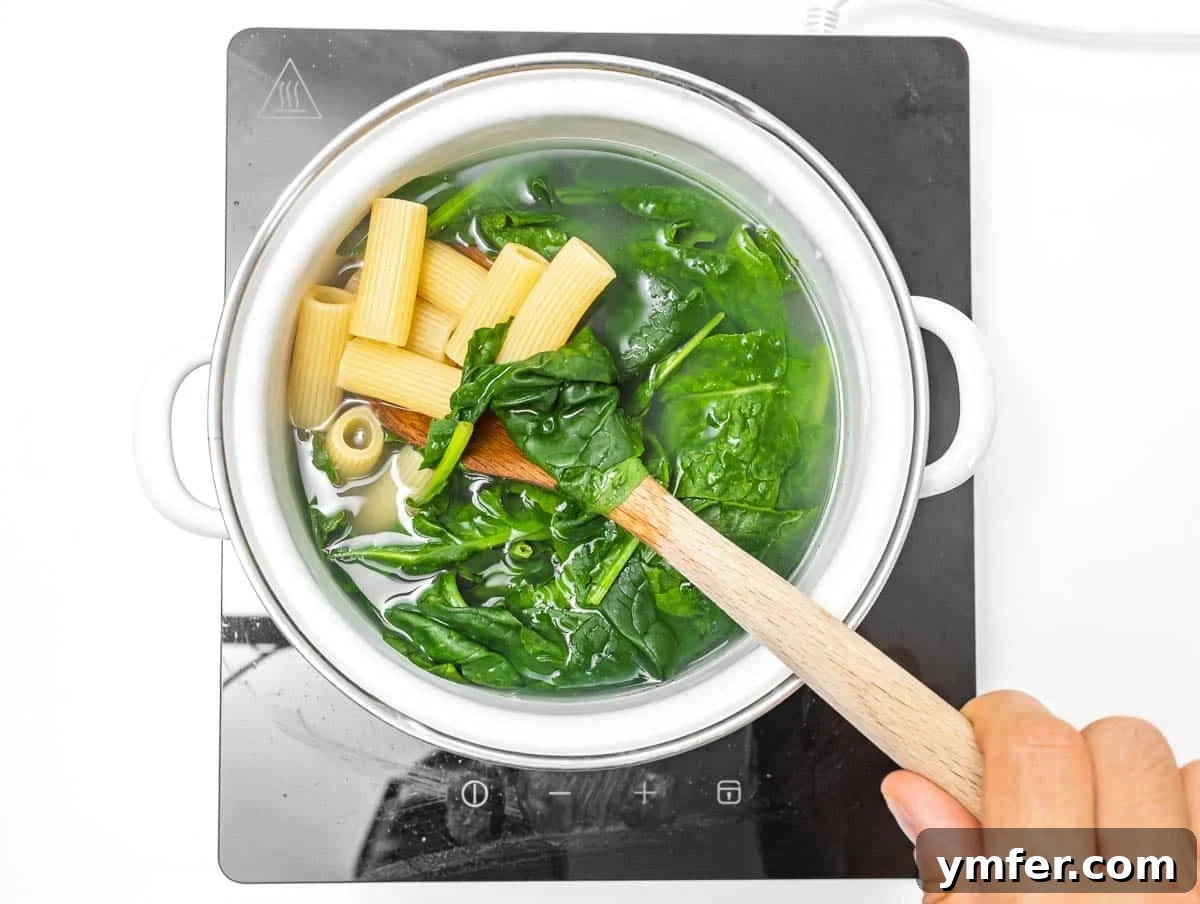
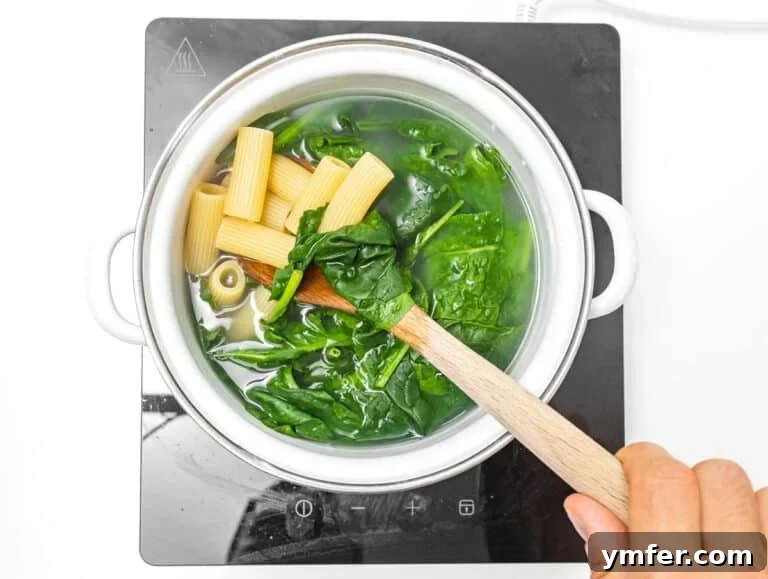
- About halfway through the pasta’s cooking time (check your package instructions for an estimate), add the fresh baby spinach directly into the boiling water with the pasta. This allows the spinach to wilt perfectly alongside the pasta, incorporating seamlessly into the dish.
- Continue cooking the pasta until it is al dente – meaning it’s cooked through but still firm to the bite. This ensures the pasta retains its structure and offers a satisfying chew.
Step 2: Prepare the No-Cook Ricotta Sauce
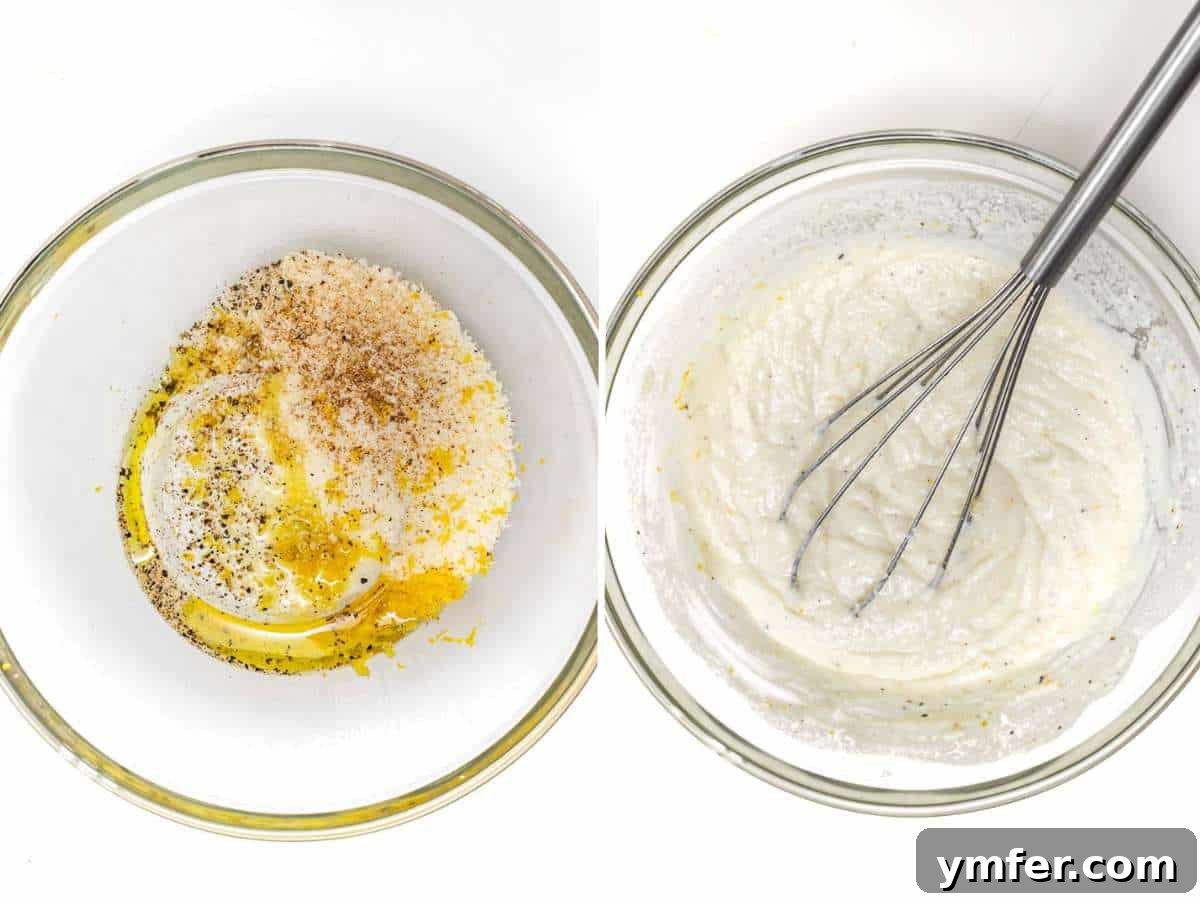
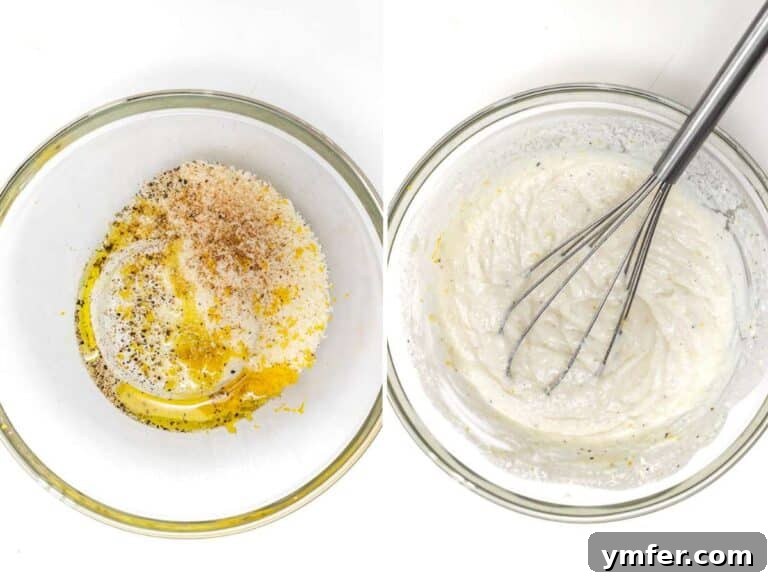
- While the pasta is cooking, turn your attention to the effortless sauce. In a large mixing bowl (ensure it’s big enough to later toss all the pasta), combine the following ingredients:
- Creamy ricotta cheese
- Finely grated Parmesan cheese (Parmigiano Reggiano or Grana Padano for best results)
- A tablespoon of high-quality extra virgin olive oil
- Finely grated lemon zest (this is where most of the lemon flavor comes from!)
- A tiny pinch of freshly grated nutmeg (a secret ingredient for creamy sauces)
- Salt and freshly ground black pepper to taste
- Crucially, add one ladleful (about ½ cup) of the starchy pasta cooking water. This hot, starchy water is key to creating a smooth, emulsified sauce that clings beautifully to the pasta.
- Whisk well. Use a good whisk to thoroughly combine all the ingredients. Continue whisking until the sauce is completely smooth and homogeneous, with no lumps of ricotta remaining. The warm pasta water will help the cheeses melt slightly and form a silky texture.
Step 3: Combine and Serve
- Once the pasta and spinach are al dente, quickly reserve one cup of the starchy pasta water before draining the rest. This reserved water is your secret weapon for adjusting the sauce consistency.
- Immediately transfer the hot, drained pasta and spinach into the large mixing bowl with your prepared ricotta sauce.
- Toss thoroughly. Use tongs or two large spoons to gently but effectively toss the pasta, ensuring every piece is generously coated in the creamy lemon ricotta sauce. The heat from the pasta will further warm the sauce and help it meld perfectly.
- Adjust Consistency (if needed): If you find the sauce too thick or not as creamy as you’d like, gradually add more of the reserved pasta water, a tablespoon at a time, while tossing. Continue until you achieve your desired silky, clinging consistency.
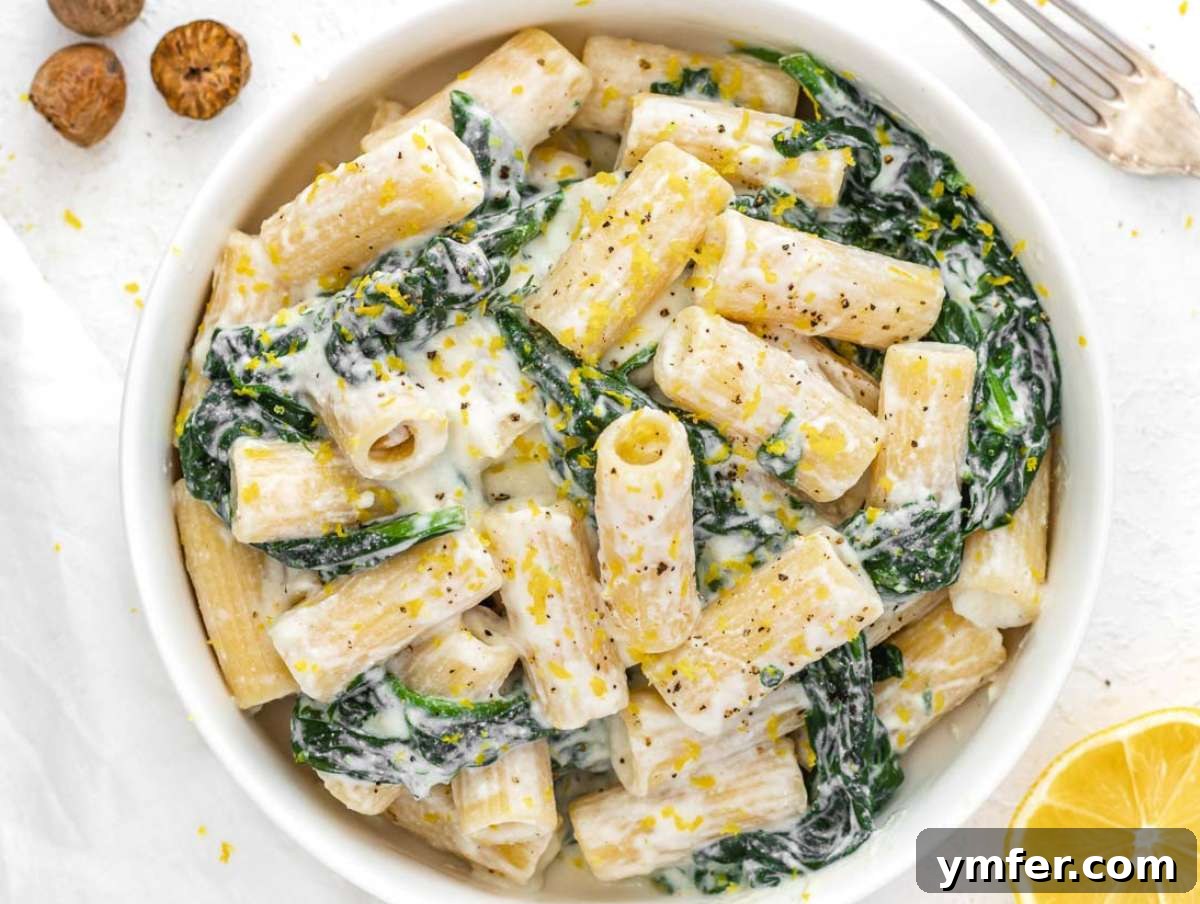
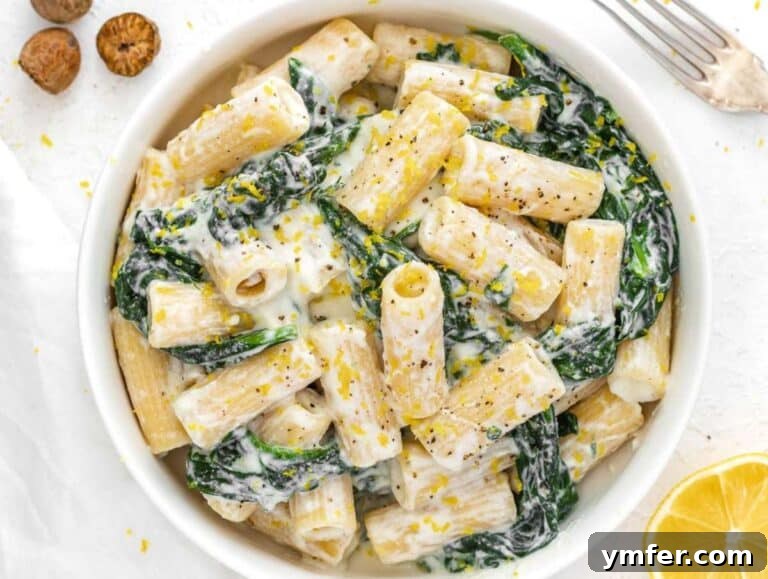
- Serve immediately. This pasta is best enjoyed fresh, garnished with a sprinkle of extra lemon zest, a crack of fresh black pepper, and perhaps a few fresh herbs like thyme or basil.
Delicious Variations for Your Ricotta Pasta
The beauty of ricotta cheese lies in its mild, neutral flavor, making it an incredibly versatile base that pairs beautifully with a wide array of vegetables. While our core recipe with spinach is fantastic, don’t hesitate to get creative! Here are some delightful variations to explore, transforming your lemon ricotta pasta into a new culinary adventure each time:
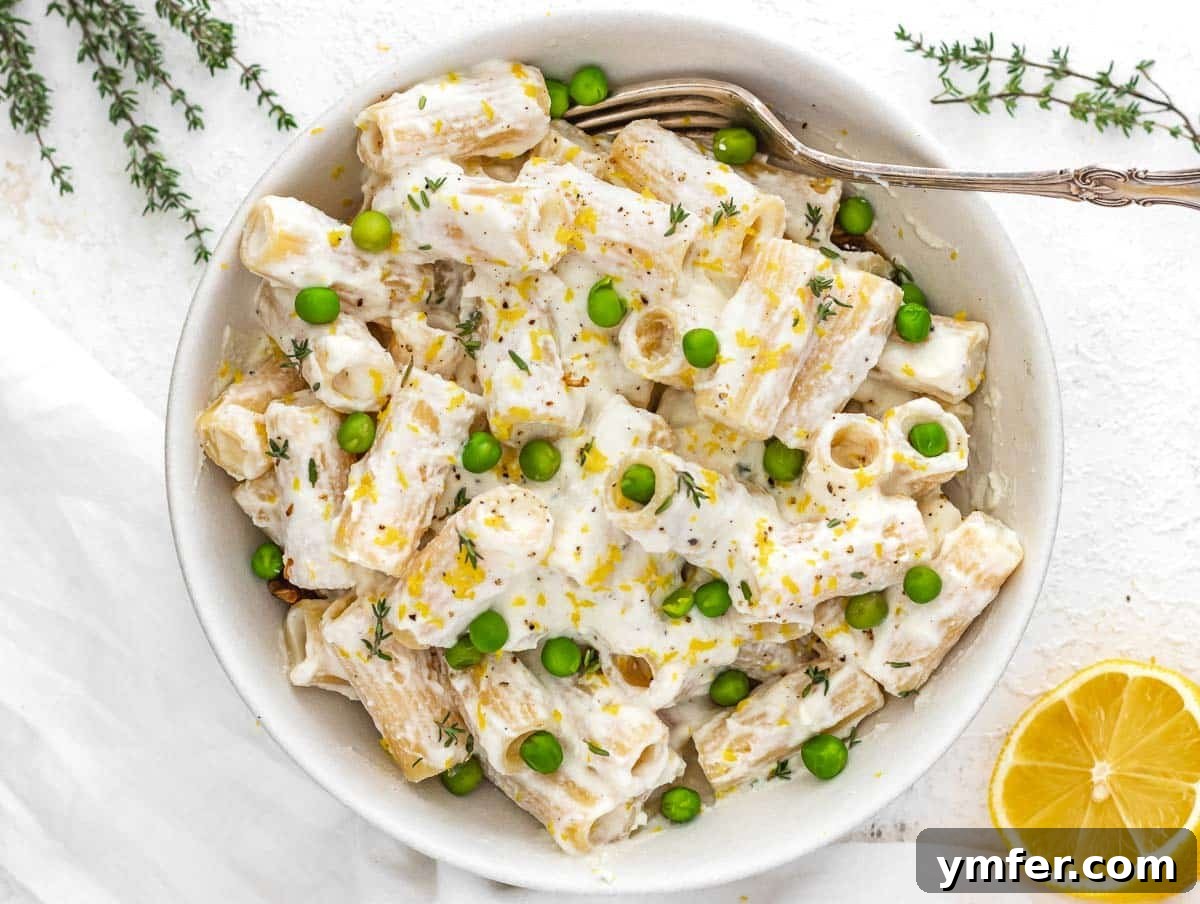
- Frozen Peas: A classic and easy addition. Simply add frozen peas to the boiling pasta water during the last 2-3 minutes of cooking, just as you would with spinach. Their natural sweetness and vibrant color are a perfect match. Finish with fresh thyme leaves for an aromatic touch.
- Roasted Butternut Squash: Cube the squash and roast it in the oven until tender and slightly caramelized. Its sweet, earthy flavor and soft texture provide a wonderful contrast to the zesty sauce. Toss it in with the pasta at the end.
- Roasted Cauliflower Florets: Break a head of cauliflower into small florets, toss with olive oil, salt, and pepper, then roast until tender and golden brown. The nutty, slightly charred flavor of roasted cauliflower is surprisingly delicious with lemon ricotta.
- Sautéed Asparagus: Trim and cut asparagus spears into 1-inch pieces. Sauté them briefly on the stovetop with a touch of olive oil and garlic until tender-crisp. Their fresh, slightly bitter notes are a lovely addition to creamy pasta.
- Roasted Broccoli Florets: Similar to cauliflower, roasting broccoli brings out its natural sweetness and a hint of char. Toss the roasted florets directly into the pasta mixture for added texture and nutrition.
- Steamed Artichokes: Steam fresh artichokes until tender, then scoop out the edible hearts. For a unique twist, mash the artichoke hearts with a fork and mix them directly into the ricotta sauce, creating an even more flavorful and complex base.
- Roasted Eggplant Cubes: Cube an eggplant, toss with olive oil and seasonings, then roast until soft and golden. Eggplant adds a meaty texture and absorbs flavors beautifully. You can also add them to the boiling pasta water for a few minutes if diced small.
- Roasted Red Peppers: Roast red bell peppers until charred, peel them, and chop into strips or dice. Their smoky sweetness is a fantastic complement to the lemon and ricotta.
- Sautéed or Roasted Mushrooms: Slice your favorite mushrooms (cremini, shiitake, or button) and either sauté them in a pan until golden or roast them in the oven. Their umami-rich flavor adds depth and heartiness to the dish.
- Fresh Arugula: For a peppery kick and vibrant freshness, toss in a handful of fresh arugula right before serving. The heat of the pasta will slightly wilt it, adding a pleasant bitterness that cuts through the creaminess.
- Cherry Tomatoes: Halve fresh cherry tomatoes and toss them with a drizzle of olive oil, salt, and pepper. You can either add them fresh for a burst of juicy acidity or quickly sauté them for a slightly softened texture before mixing with the pasta.
- Roasted Zucchini: Slice or dice zucchini and bake it in the oven until tender and lightly browned. Its mild flavor and soft texture make it a great addition to the creamy sauce.
Experiment with these variations to find your personal favorite, or combine a few for an even richer and more complex flavor profile!
Expert Tips for the Perfect Lemon Ricotta Pasta
Achieving restaurant-quality results with this Lemon Ricotta Pasta is all about paying attention to a few key details. Here are our expert tips to ensure your dish is nothing short of perfection:
- Mastering Pasta Cooking: Water & Salt Ratios
- Plenty of Water: Always use a large pot with ample water. This allows the pasta to move freely and cook evenly without clumping.
- Generous Salting: Salt the water generously. It should taste like the sea. This is the only chance you have to flavor the pasta itself. A general guideline:
- 8 oz (225g) pasta → 2 quarts (1.9L) water + 1 tbsp salt
- 12 oz (340g) pasta → 3 quarts (2.8L) water + 1½ tbsp salt
- 1 lb (450g) pasta → 1 gallon (3.8L) water + 2 tbsp salt
- Al Dente Perfection: Cook the pasta to al dente as per package instructions. It should be tender but still have a slight bite. Overcooked pasta will become mushy and lose its texture when tossed with the sauce.
- Stir Occasionally: Stir the pasta frequently, especially in the first few minutes, to prevent it from sticking together.
- The Magic of Pasta Water: Never forget to reserve at least one cup of the starchy pasta cooking water before draining. This liquid is gold! It helps emulsify the ricotta sauce, making it incredibly creamy and allowing it to cling beautifully to every strand of pasta. It’s also perfect for adjusting the sauce’s consistency if it becomes too thick.
- Quality of Ricotta Matters: Invest in a good quality, full-fat ricotta cheese. The better the ricotta, the creamier and more flavorful your sauce will be. Avoid low-fat versions, as they can sometimes yield a less luxurious texture.
- Fresh Lemon Zest vs. Juice: For maximum lemon flavor without excessive acidity, rely primarily on fresh lemon zest. The zest contains concentrated essential oils, offering a bright aroma and taste. A tiny squeeze of fresh lemon juice at the end can brighten it further if desired, but be careful not to make the sauce too tart.
- Fine Grated Parmesan: Use freshly grated Parmesan (Parmigiano Reggiano or Grana Padano) rather than pre-grated varieties. Freshly grated cheese melts better and has a superior flavor.
- Warm Mixing Bowl: If your kitchen is cold, consider warming your large mixing bowl slightly before adding the ricotta sauce ingredients and hot pasta. This helps keep the sauce warm and ensures a smoother emulsification.
- Serving Size – How Much Pasta Per Person?
- 3.5 oz (100 g) if it’s the main dish, especially if it’s a lighter sauce.
- 3 oz (85 g) if part of a 2-course meal.
- 2–2.5 oz (60–70 g) if part of a larger menu with multiple courses.
Chef’s Recommendation: For this rich and creamy lemon ricotta pasta, 3 oz (approximately 85 grams) per person is a great serving size. It’s incredibly satisfying and ensures everyone gets a hearty, flavorful portion without feeling overly full.
- Taste and Adjust: Always taste your sauce before combining it with the pasta, and again after mixing. Adjust salt, pepper, and lemon zest as needed. A final crack of black pepper or a fresh herb garnish right before serving can make a big difference.
Following these tips will help you create a lemon ricotta pasta that’s consistently delicious, creamy, and truly memorable.
Storage and Reheating Lemon Ricotta Pasta
While this lemon ricotta pasta is undeniably at its best when enjoyed immediately, you might find yourself with delicious leftovers. Here’s how to handle them to preserve as much of that creamy goodness as possible:
- Make Ahead Considerations:
- Unfortunately, this is not the best recipe to make ahead. The ricotta sauce tends to dry up and lose its luscious creaminess as it sits, especially once it cools and is refrigerated. The fresh, vibrant flavors are most pronounced right after preparation.
- If you must prepare components in advance, you can measure out your ingredients and grate the Parmesan and lemon zest. However, we strongly recommend cooking the pasta and assembling the sauce just before serving for optimal results.
- Refrigerator Storage:
- If you have any leftovers, allow them to cool completely before transferring them to an airtight container. Store the container in the refrigerator for up to 24 hours.
- Crucial Tip: When cooking, it’s always a good idea to keep a little extra of the reserved pasta water separate in the fridge. This will be your best friend when reheating!
- Reheating Instructions:
- Stovetop Method (Recommended): The best way to revive your leftover lemon ricotta pasta is on the stovetop. Place the pasta in a large skillet over medium heat. Add a generous dash of reserved pasta water (or even a splash of regular tap water if you don’t have reserved water) to the skillet. Stir gently and continuously until the sauce becomes creamy and the pasta is heated through. This might take a few minutes. The extra liquid will help reconstitute the sauce and prevent it from drying out.
- Microwave Method: For a quicker option, you can reheat individual portions in the microwave. Place the pasta in a microwave-safe dish, add a tablespoon or two of reserved pasta water (or tap water), and cover loosely. Heat on medium power for 1-2 minutes, stirring halfway, until warmed through. Be careful not to overheat, as this can cause the ricotta to separate.
- Freezing: This recipe is not suitable for freezing. The texture of ricotta cheese changes significantly upon freezing and thawing, becoming grainy and separated. It’s best to enjoy this dish fresh or within a day from the refrigerator.
By following these guidelines, you can still enjoy your leftover lemon ricotta pasta, albeit with a slight adjustment, making sure no delicious bite goes to waste!
More Easy and Delicious Pasta Recipes
If you’ve loved the simplicity and flavor of this Lemon Ricotta Pasta, you’re in for a treat! Our kitchen is filled with more incredible and easy pasta recipes designed to make your weeknight meals exciting and delicious. Dive into these other favorites:
- Aglio e Olio Pasta: A timeless Italian classic, this garlic and oil pasta is pure simplicity and bold flavor.
- Creamy Mushroom Alfredo: Indulge in a rich, savory Alfredo sauce brimming with earthy mushrooms.
- Roasted Red Pepper Pasta: A vibrant and flavorful pasta dish featuring sweet roasted red peppers.
- Cauliflower Alfredo: A lighter yet incredibly creamy and satisfying Alfredo sauce made with cauliflower.
- Hearty Lentil Pasta: A protein-packed and comforting pasta dish perfect for a wholesome meal.
- Marry Me Pasta (with Tofu): A truly irresistible pasta that promises to be a crowd-pleaser, featuring tender tofu.
If you tried this delightful Lemon Ricotta Pasta or any other recipe from our blog, we would love to hear from you! Please leave a comment below to share your experience and thoughts. Your feedback means the world to us!
Lemon Ricotta Pasta Recipe
Lemon Ricotta Pasta
By: Nico Pallotta
Our lemon ricotta pasta with spinach is the kind of cozy, quick dinner we love on weeknights—creamy, zesty, and ready in just 30 minutes.
Prep Time: 15 mins
Cook Time: 10 mins
Total Time: 25 mins
Servings: 4 – 5 people
Course: Main Course
Cuisine: American Italian
Video Guide
Ingredients
- 12 ounces rigatoni (or other pasta shape like farfalle, conchiglie, fusilli, penne, ziti)
- 10 ounces spinach (fresh baby spinach)
- 1 cup ricotta (whole milk ricotta or homemade vegan ricotta)
- ½ cup grated parmesan cheese (Parmigiano Reggiano, Grana Padano, or vegan parmesan)
- 1 tablespoon extra virgin olive oil
- 1 teaspoon lemon zest (freshly grated, or more to taste)
- ⅛ teaspoon nutmeg (freshly grated)
- 1 teaspoon salt (for pasta water and sauce)
- ¼ teaspoon black pepper (freshly ground)
- Pasta cooking water (as needed, reserved)
Instructions
-
Bring a large pot of heavily salted water to a rolling boil. Add 12 ounces of rigatoni (or preferred pasta). Halfway through cooking (check package instructions, typically 5-6 minutes), add 10 ounces of fresh spinach to the boiling water with the pasta.

-
While the pasta cooks, prepare the sauce. In a large mixing bowl, combine 1 cup ricotta, ½ cup grated parmesan cheese, 1 tablespoon extra virgin olive oil, 1 teaspoon grated lemon zest, ⅛ teaspoon grated nutmeg, 1 teaspoon salt, ¼ teaspoon black pepper, and one ladleful of hot pasta cooking water (about ½ cup). Whisk vigorously until the sauce is completely smooth and all ingredients are well combined.
-
Once the pasta is al dente, reserve one cup of the starchy pasta water. Drain the pasta and spinach, then immediately transfer them into the large bowl with the ricotta sauce. Toss thoroughly to coat the pasta evenly.
If the sauce appears too thick or dry, add more reserved pasta water, a tablespoon at a time, until you reach your desired creamy consistency. Serve immediately with a sprinkle of freshly ground black pepper and additional lemon zest if desired.
Notes
- Nutrition Information: The nutrition information provided below is for one portion of lemon ricotta pasta, based on four servings.
- Storage:
- Make Ahead: This recipe is best enjoyed fresh. The ricotta sauce tends to dry out and lose its creamy texture when made ahead.
- Refrigerator: Store any leftovers in an airtight container in the fridge for up to 24 hours. It’s recommended to reserve some extra pasta water when initially cooking.
- Reheat: Reheat leftovers on a large skillet over medium heat with a splash of reserved pasta water (or a little tap water) until creamy again. A quick minute in the microwave can also work for individual portions.
- Freezing: This recipe is not suitable for freezing, as the ricotta texture will change.
- Substitutions:
- Pasta: Feel free to use farfalle, shells, fusilli, penne, ziti, or any long pasta. Gluten-free pasta also works well.
- Spinach: Replace spinach with other vegetables like frozen peas, sautéed asparagus, roasted cauliflower, or roasted mushrooms.
- Ricotta: Use regular whole milk ricotta cheese, or for a dairy-free option, use our homemade vegan ricotta.
- Parmesan: Substitute with a non-dairy grated cheese to keep the recipe vegan.
- Lemon: A squeeze of fresh lemon juice is optional for an extra zesty touch at the end.
Nutrition
Calories: 470 kcal | Carbohydrates: 58g | Protein: 22g | Fat: 17g | Saturated Fat: 8g | Polyunsaturated Fat: 1g | Monounsaturated Fat: 6g | Trans Fat: 0g | Cholesterol: 43mg | Potassium: 677mg | Dietary Fiber: 4g | Sugar: 3g | Vitamin A: 7033IU | Vitamin B6: 0.3mg | Vitamin C: 21mg | Vitamin E: 2mg | Vitamin K: 346µg | Calcium: 330mg | Folate: 161µg | Iron: 3mg | Manganese: 1mg | Magnesium: 113mg | Zinc: 3mg
Tried this recipe? We’d love to hear your thoughts! Leave a comment below or mention @theplantbasedschool on Instagram. Your feedback is highly appreciated! ⭐️💚