
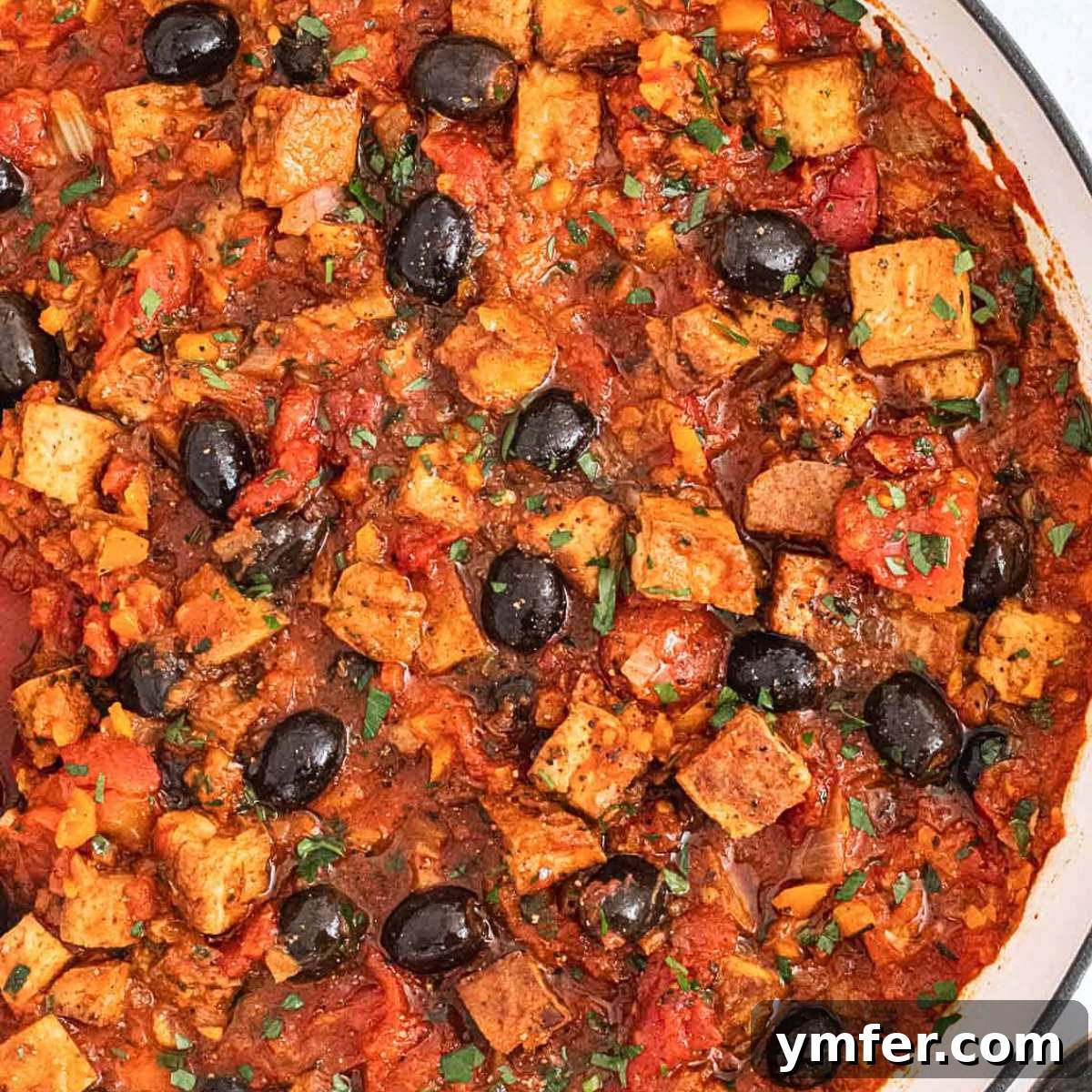
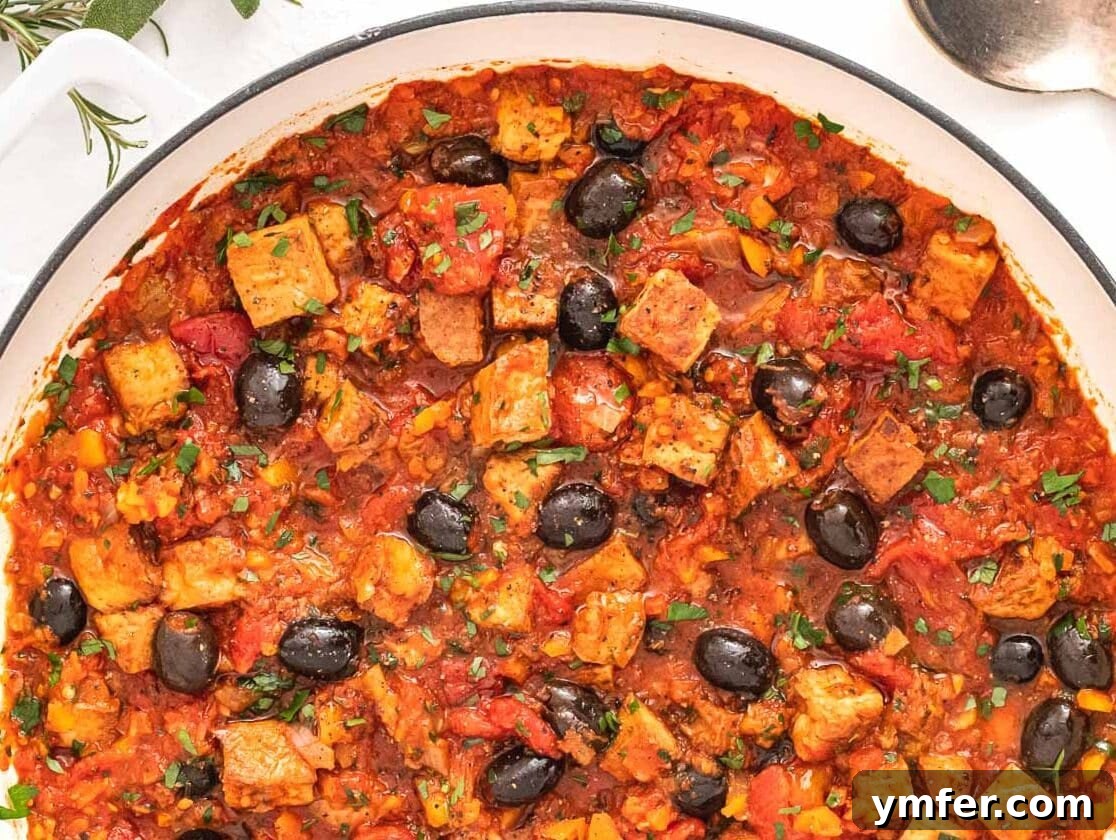
Discover a delightful twist on a classic Italian comfort food with our incredible Tofu Cacciatore recipe. Inspired by the rich, savory flavors of traditional chicken cacciatore, this plant-based version transforms humble tofu into a truly satisfying and protein-packed vegetarian meal. It’s a testament to how familiar culinary traditions can be beautifully adapted for a modern, plant-focused diet, offering all the warmth and depth you crave without compromise.
This exquisite dinner can be prepared right in your own kitchen in approximately 30 minutes of active cooking time, making it a perfect choice for busy weeknights or a relaxed weekend feast. Featuring tender, pan-seared tofu bathed in a robust tomato sauce, infused with aromatic Italian herbs, and studded with briny olives, it promises a culinary experience that’s both quick to prepare and deeply flavorful.
If you have a passion for Italian-inspired vegetarian recipes, you’ll undoubtedly enjoy exploring other plant-based delights such as our Tofu Meatballs, the vibrant Tomato Tofu (Tofu Pizzaiola), and the bright, zesty Lemon Tofu. Each recipe offers a unique journey through the versatility of tofu in Italian cuisine.
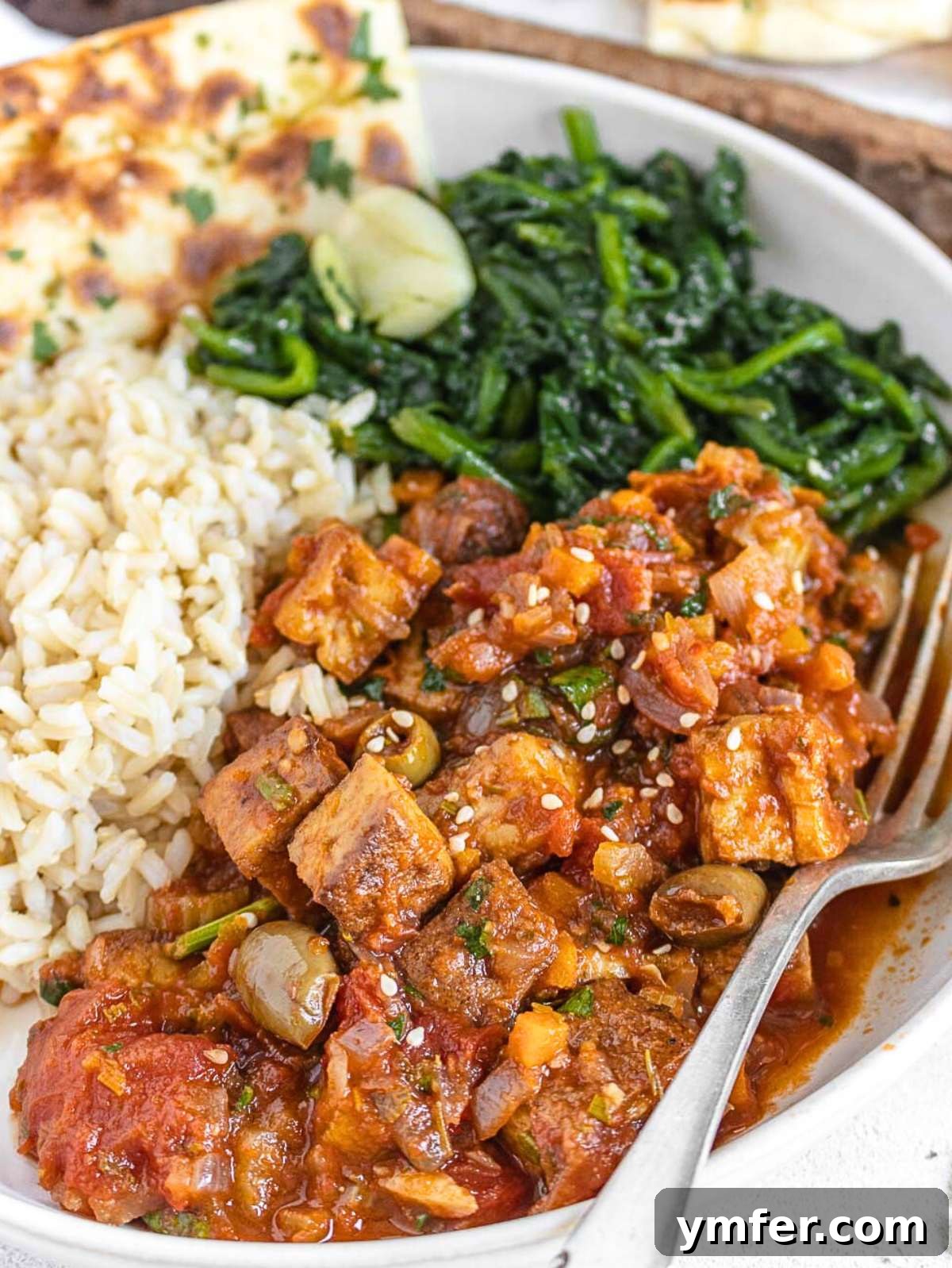
Table of Contents
- Introduction to Tofu Cacciatore
- The Essence of Cacciatore
- Why Tofu is the Perfect Substitute
- Ingredients for a Flavorful Tofu Cacciatore
- Mastering the Tofu Cacciatore: Step-by-Step Instructions
- Serving Suggestions for Tofu Cacciatore
- Expert Tips for the Best Tofu Cacciatore
- Make-Ahead & Storage
- More Tofu Recipes to Explore
- Tofu Cacciatore Recipe Card
Introduction to Tofu Cacciatore
The very word “Cacciatore” translates to “hunter” in Italian, evoking images of rustic countryside kitchens where hunters would prepare their catches using a robust, flavorful cooking style. Traditionally, cacciatore is a savory dish that features poultry or game, most famously chicken, braised with a rich medley of vegetables, herbs, and tomatoes. It’s a hearty meal, designed to warm the soul and satisfy a robust appetite after a day spent in the outdoors.
This classic preparation method inherently leverages the powerful flavors of sturdy Italian herbs like fragrant rosemary and earthy sage, combined with the sweet acidity of ripe tomatoes, and the briny kick of olives. These ingredients are simmered together slowly, allowing their individual characteristics to meld into a harmonious sauce that defines the essence of true cacciatore—a dish that is incredibly rich, deeply aromatic, and wonderfully earthy.
For many, chicken cacciatore is more than just a recipe; it’s a cherished memory. I vividly recall growing up on chicken cacciatore, a staple prepared by my Italian grandma for our weekly Sunday lunches. The distinctive aroma filling her kitchen and the unforgettable taste of that dish remain etched in my memory, a flavor profile that resonates more deeply than almost any other meal from my childhood. It’s this profound connection to tradition and flavor that inspired me to create a vegetarian version that honors its heritage.
The Essence of Cacciatore: A Hunter’s Feast Reimagined
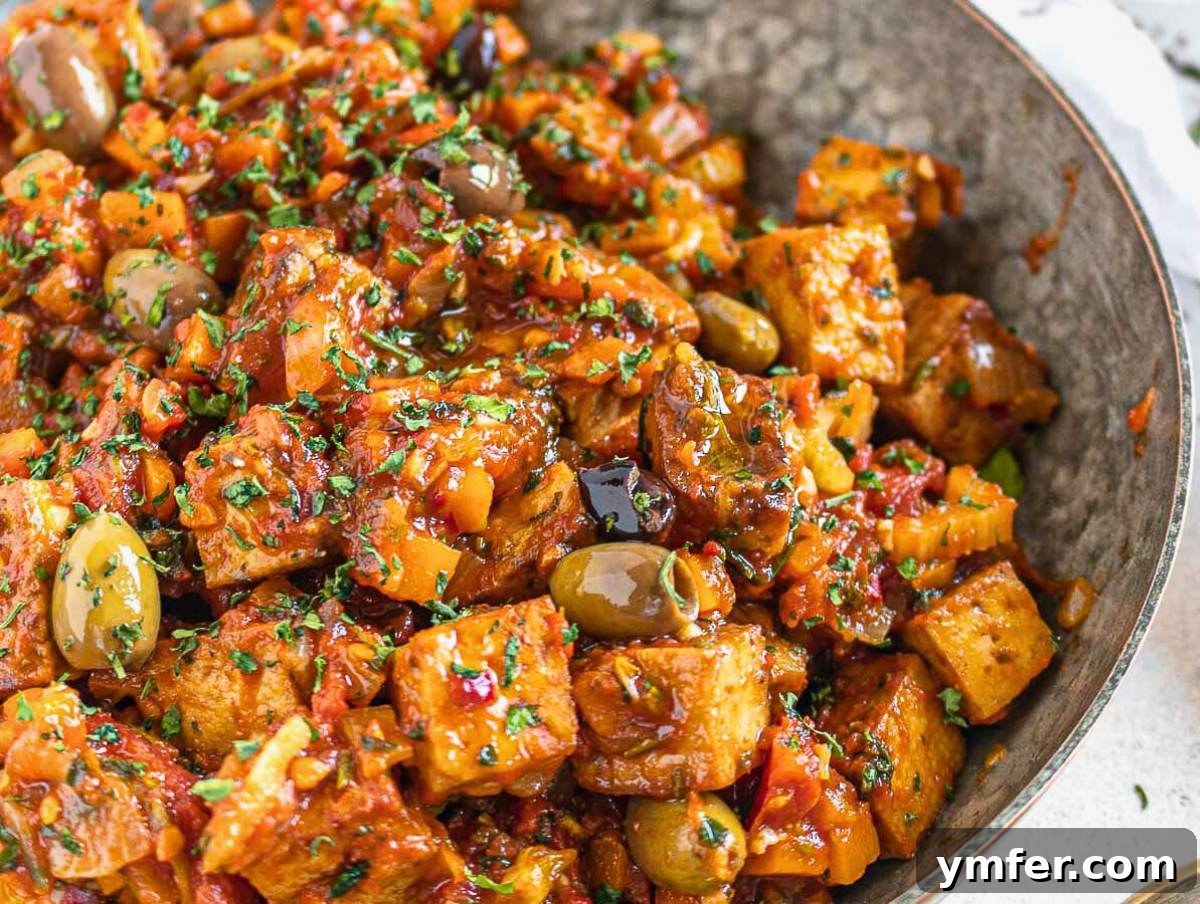
The beauty of cacciatore lies in its simplicity and the depth of flavor achieved through slow simmering. It’s a dish that tells a story of resourceful cooking, where available ingredients—often robust and intensely flavored—are combined to create something truly spectacular. Our tofu cacciatore recipe meticulously maintains the core principles of the original Italian cacciatore, differing only in its star protein, making it a fantastic meatless meal option.
I’m proud to say that this recipe has converted even the most tofu-skeptical friends and family. Their enthusiastic reactions confirmed that this plant-based adaptation not only captures the authentic essence of cacciatore but also offers a uniquely delicious experience. The neutral flavor of firm tofu makes it an unparalleled substitute for chicken, allowing it to absorb the rich, savory flavors of the sauce beautifully.
To truly elevate the texture and taste of your tofu, it’s essential to prepare it properly before adding it to the sauce. We highly recommend pre-cooking your tofu cubes to achieve a delightful chewiness and golden exterior. You can achieve this by making our popular baked tofu cubes, trying our perfectly fried tofu recipe, or opting for the speedy and crispy air fried tofu method. Each technique ensures your tofu is firm, flavorful, and ready to soak up the cacciatore sauce.
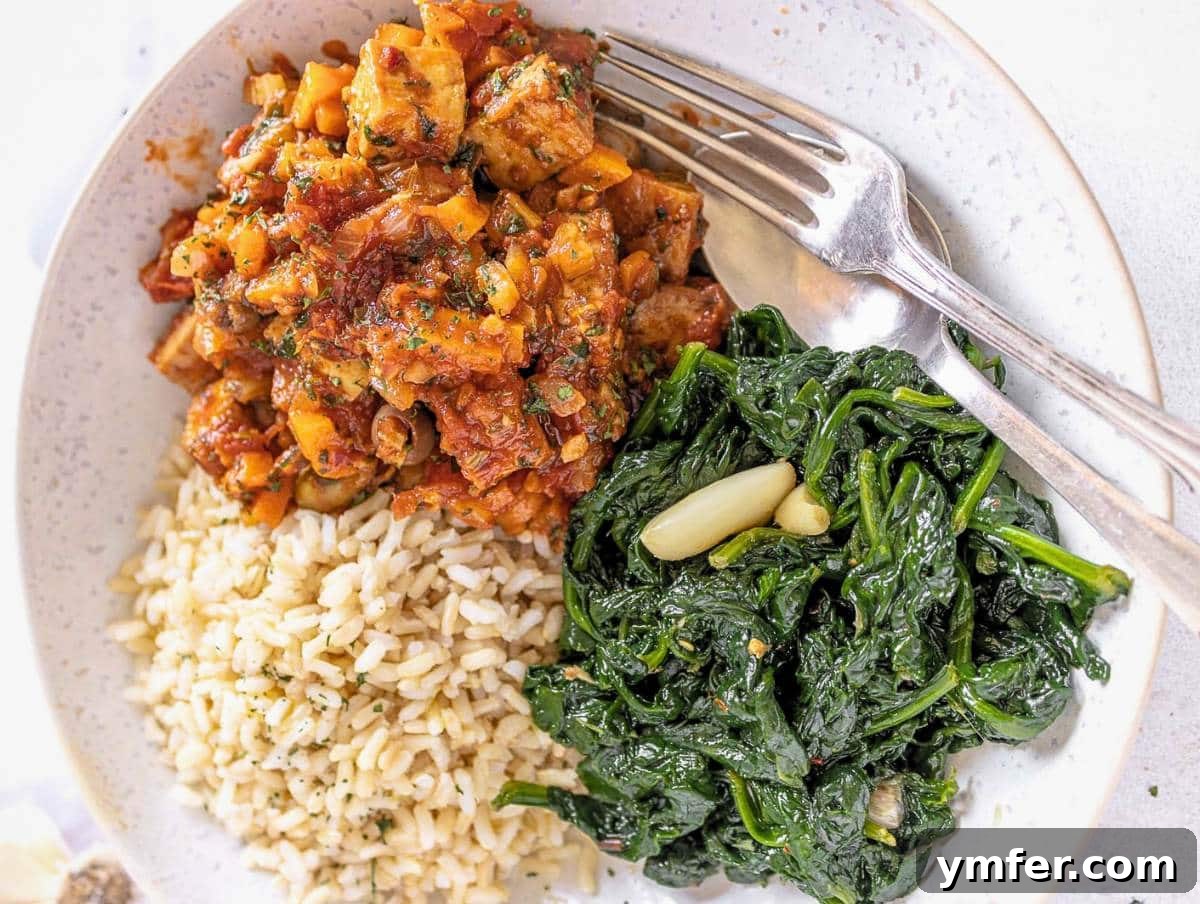
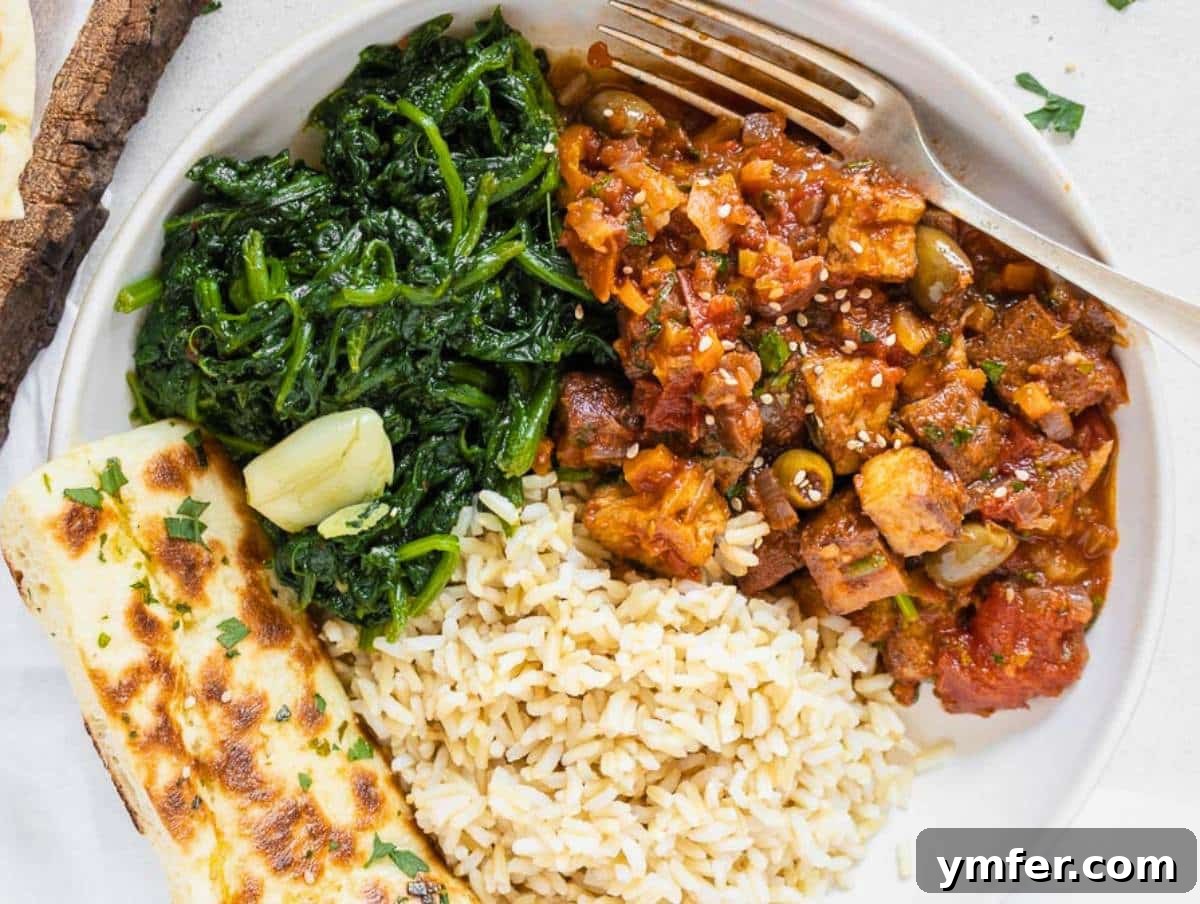
This versatile dish pairs wonderfully with a variety of accompaniments. Serve it alongside classic pasta, fluffy basmati rice, wholesome flatbread, or a slice of comforting homemade easy focaccia. Don’t forget a side of fresh, sautéed greens to complete the meal. What’s more, this is an excellent make-ahead recipe, as the flavors deepen and meld beautifully after a day or two in the fridge, making it ideal for meal prepping throughout the week.
Why Tofu is the Perfect Substitute in Cacciatore
While traditional cacciatore uses chicken, tofu proves to be an exceptional plant-based alternative, offering a fantastic texture and a neutral canvas to absorb the rich, complex flavors of the Italian sauce. Its versatility makes it a staple in high-protein vegetarian meals.
- Absorbs Flavor: Tofu, especially firm or extra-firm varieties, acts like a sponge, readily soaking up the vibrant tomato, herb, and wine flavors of the cacciatore sauce. This ensures every bite is bursting with taste.
- Texture Appeal: When properly pressed and pre-cooked (baked, fried, or air-fried), tofu develops a satisfyingly chewy and slightly crispy exterior that holds its shape beautifully within the simmering sauce, mimicking the texture of meat without becoming mushy.
- Nutritional Powerhouse: Tofu is a complete protein, rich in essential amino acids, iron, and calcium, making this cacciatore a nutritious and wholesome meal. It’s also low in saturated fat and cholesterol-free, aligning with healthy eating goals.
- Ethical and Sustainable: Choosing tofu over meat reduces your environmental footprint and offers a compassionate meal option, making it a mindful choice for many.
- Versatile Pairing: Just like chicken, tofu cacciatore pairs wonderfully with a wide array of sides, from pasta and rice to polenta and crusty bread, ensuring it can be a flexible centerpiece for any meal.
Ingredients for a Flavorful Tofu Cacciatore
Crafting the perfect Tofu Cacciatore begins with selecting high-quality ingredients that build layers of authentic Italian flavor. Here’s a detailed look at what you’ll need and why each component is vital:
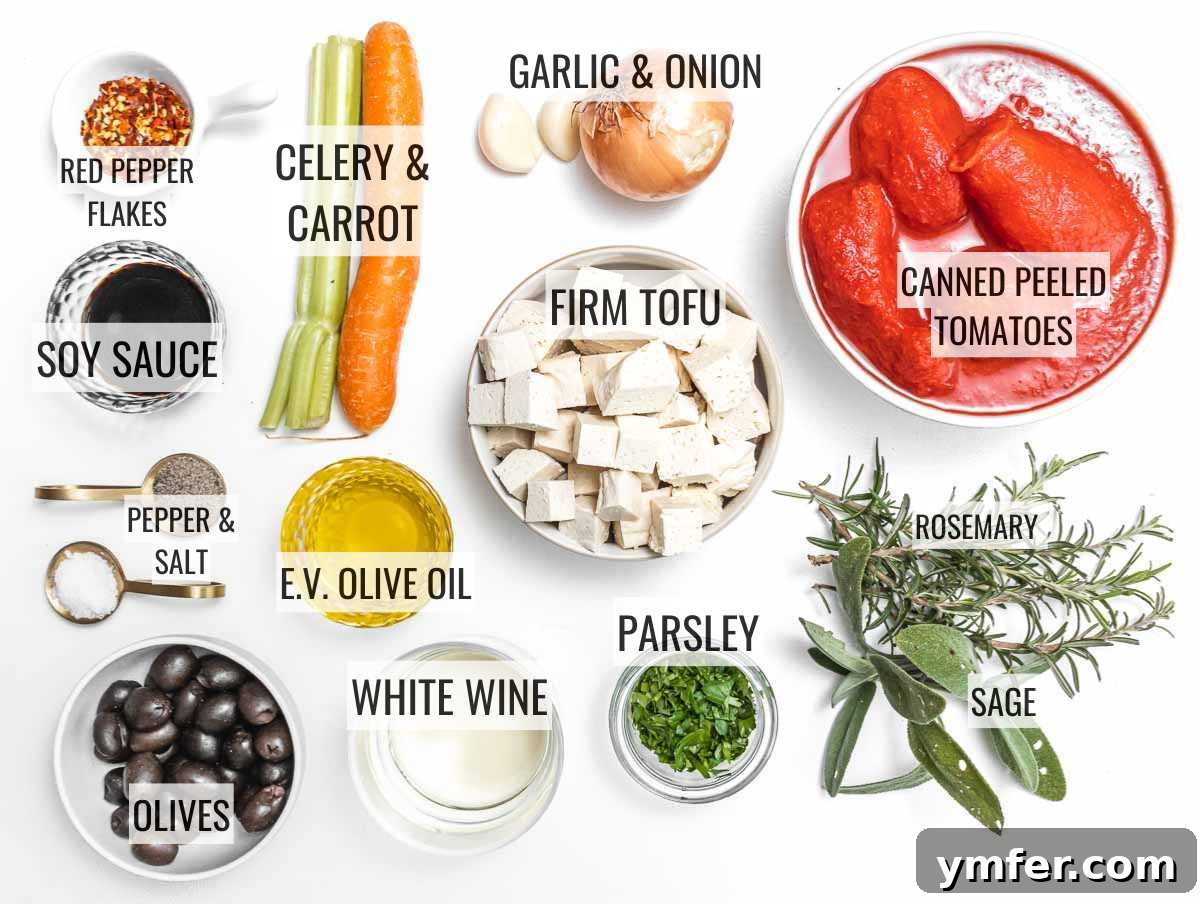
Tofu: The Heart of Our Vegetarian Cacciatore
For this recipe, the type of tofu is paramount. You must use firm or extra-firm tofu. These varieties have a dense texture that can withstand cooking and absorb flavors without crumbling. Avoid soft or silken tofu, as they will not hold their shape in the rich, simmering sauce and will result in a completely different texture.
Flavor Base (Soffritto): The Italian Secret
The foundation of almost any exquisite Italian sauce, including traditional cacciatore, is the soffritto—a finely chopped aromatic mixture. Our flavor base is made with perfectly diced onion, celery, and carrot, gently sautéed in fragrant olive oil. This trinity of vegetables slowly caramelizes, releasing a depth of sweetness and earthy notes that are essential for building a truly authentic and rich sauce profile. The soffritto creates the backbone of flavor that distinguishes classic Italian dishes.
Canned Tomatoes: The Sauce’s Body
The tomato base is crucial for cacciatore. You have several excellent options, depending on your preferred sauce texture. You can use smooth crushed tomatoes for a velvety sauce, diced tomatoes for a chunkier texture, or whole canned peeled tomatoes, which you can crush by hand for a rustic feel. Each provides the necessary sweet and tangy foundation for the sauce.
Herbs: The Aromatic Soul
The signature aroma and taste of cacciatore sauce come from robust, traditional Italian herbs. Fresh rosemary and sage are indispensable for this dish. Finely chopping them releases their potent oils and allows their distinct, earthy, and slightly peppery flavors to infuse the sauce deeply. If fresh herbs are unavailable, you can substitute with dried rosemary and sage; start with about a teaspoon of each, then taste and adjust as needed, remembering that dried herbs are more concentrated. While less traditional, you can experiment with other aromatic herbs like Italian seasoning, thyme, bay leaves, and oregano for a different but still delicious profile. To finish, we always recommend adding finely chopped flat-leaf parsley at the end for a burst of fresh, vibrant color and flavor. Fresh basil, though less common in classic cacciatore, would also offer a pleasant, sweet note.
Garlic: The Pungent Enhancer
Fresh garlic, finely grated or minced, is a non-negotiable flavor enhancer. Its pungent and aromatic qualities brighten the sauce and complement the earthy herbs and sweet tomatoes perfectly. Always use fresh cloves for the best results.
White Wine: The Deglazing Agent and Flavor Booster
Adding a splash of wine is key to adding acidity and enhancing the overall depth of flavor in the dish. A dry white wine is highly recommended, as it deglazes the pan, lifting all the delicious caramelized bits from the bottom, and brightens the sauce without overpowering it. Red wine, while flavorful, tends to impart a darker color to the tofu and the dish, which might be less visually appealing. If you prefer to avoid cooking with alcohol, a good quality vegetable broth can be used as a perfectly acceptable substitute, though it will offer a slightly different flavor profile.
Red Pepper Flakes: A Touch of Heat
Authentic Italian hunter-style cacciatore often carries a subtle, warming kick. We incorporate red pepper flakes to achieve this characteristic spiciness. The amount can be adjusted to your personal spice tolerance. For those who prefer a more pronounced heat, finely chopped fresh chilis or a pinch of chili powder can be used.
Olives: The Briny Addition
Black or green pitted olives are essential for their distinctive briny, salty, and slightly fruity notes. Italian varieties like Gaeta or Greek Kalamata olives, especially those packed in oil, are particularly delicious and contribute significantly to the authentic flavor. For an extra layer of briny tang and texture, consider adding a tablespoon of small capers to the sauce.
Soy Sauce: The Umami Secret
Since this is a meatless recipe, we cleverly utilize soy sauce to introduce a crucial element of umami, the fifth taste sensation, which is often associated with savory meat dishes. A small amount of soy sauce elevates the depth of flavor in both the tofu and the overall sauce, adding a richness that might otherwise be missed. If you are gluten-sensitive, use tamari. As an alternative, a high-quality balsamic vinegar can also provide a similar depth of flavor and acidity, or you can opt for reduced sodium soy sauce for dietary considerations.
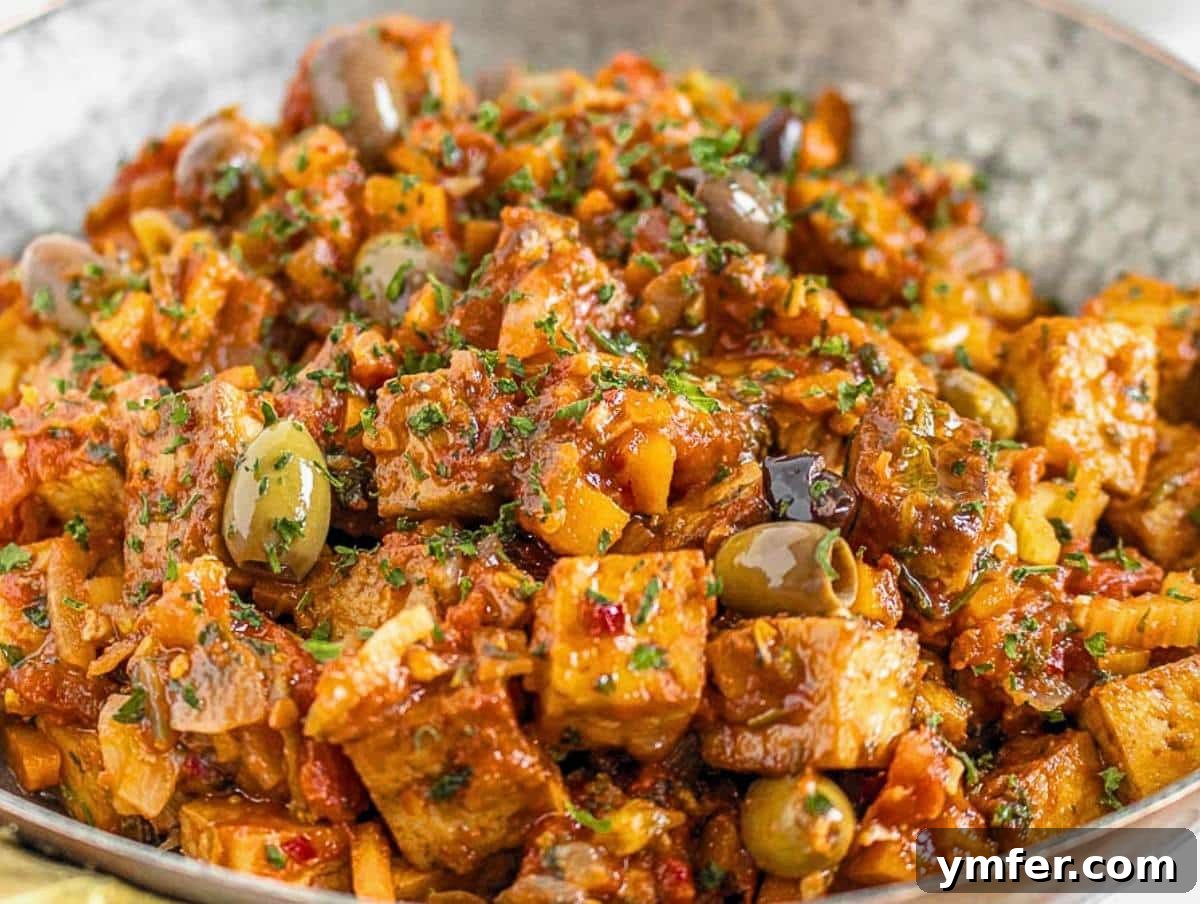
Mastering the Tofu Cacciatore: Step-by-Step Instructions
Creating this delicious Tofu Cacciatore is a straightforward process, but each step plays a vital role in building the layers of flavor that make this dish so irresistible. Follow these detailed instructions to achieve a perfect result:
Phase 1: Preparing and Baking the Tofu for Optimal Texture
The secret to wonderfully textured tofu in cacciatore lies in proper preparation and pre-baking. This step ensures the tofu is firm, chewy, and ready to absorb the rich sauce without becoming mushy.
- Preheat the Oven: Begin by preheating your oven to 400°F (200°C). Line a baking sheet with parchment paper to prevent sticking and make cleanup easier.
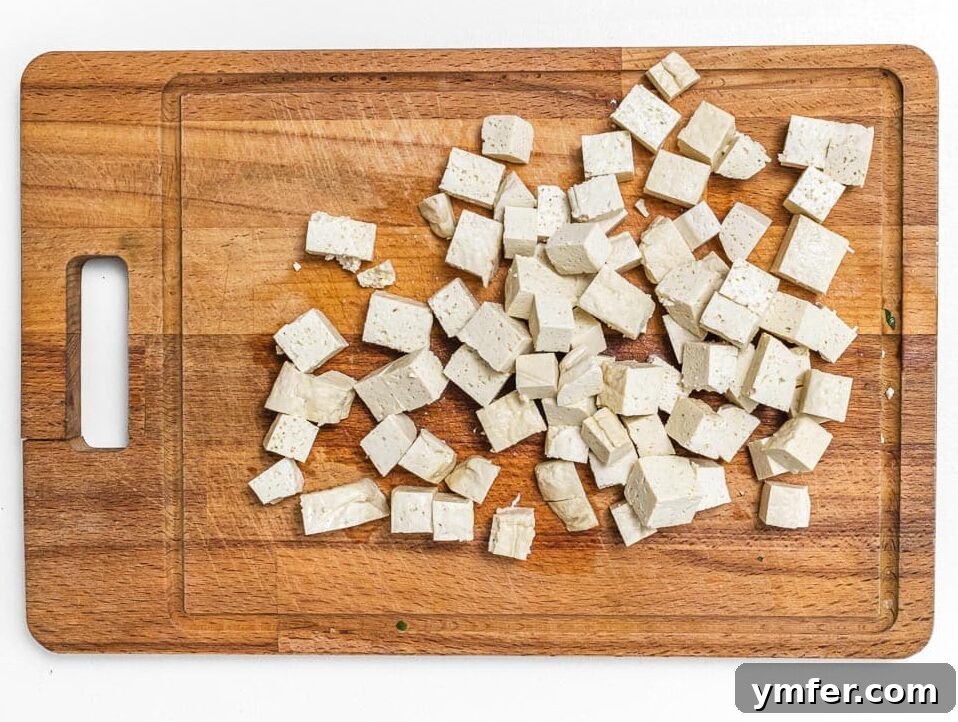
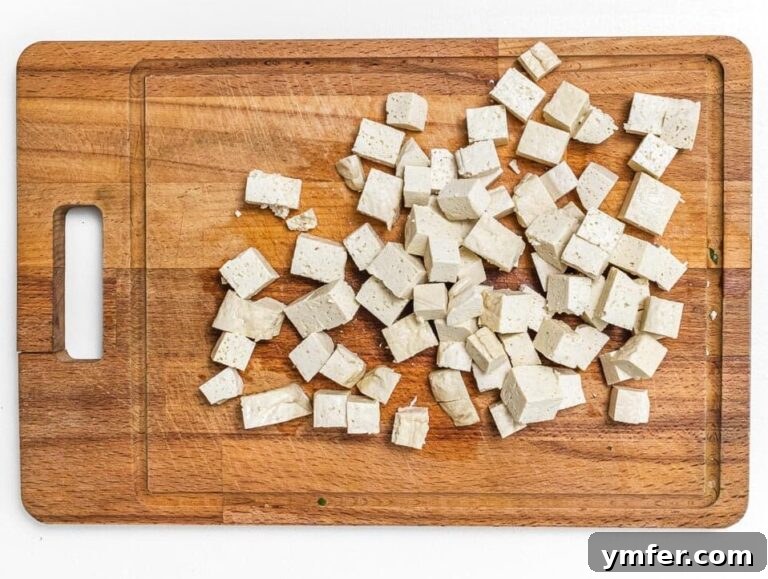
- Press and Cut the Tofu: Carefully remove the firm or extra-firm tofu from its packaging. Using paper towels, gently but firmly pat the tofu dry, applying slight pressure to remove excess moisture. This is a crucial step for achieving a good texture. Once dried, cut the tofu block into uniform 1/2 inch (1.3 cm) cubes. Uniformity ensures even cooking.
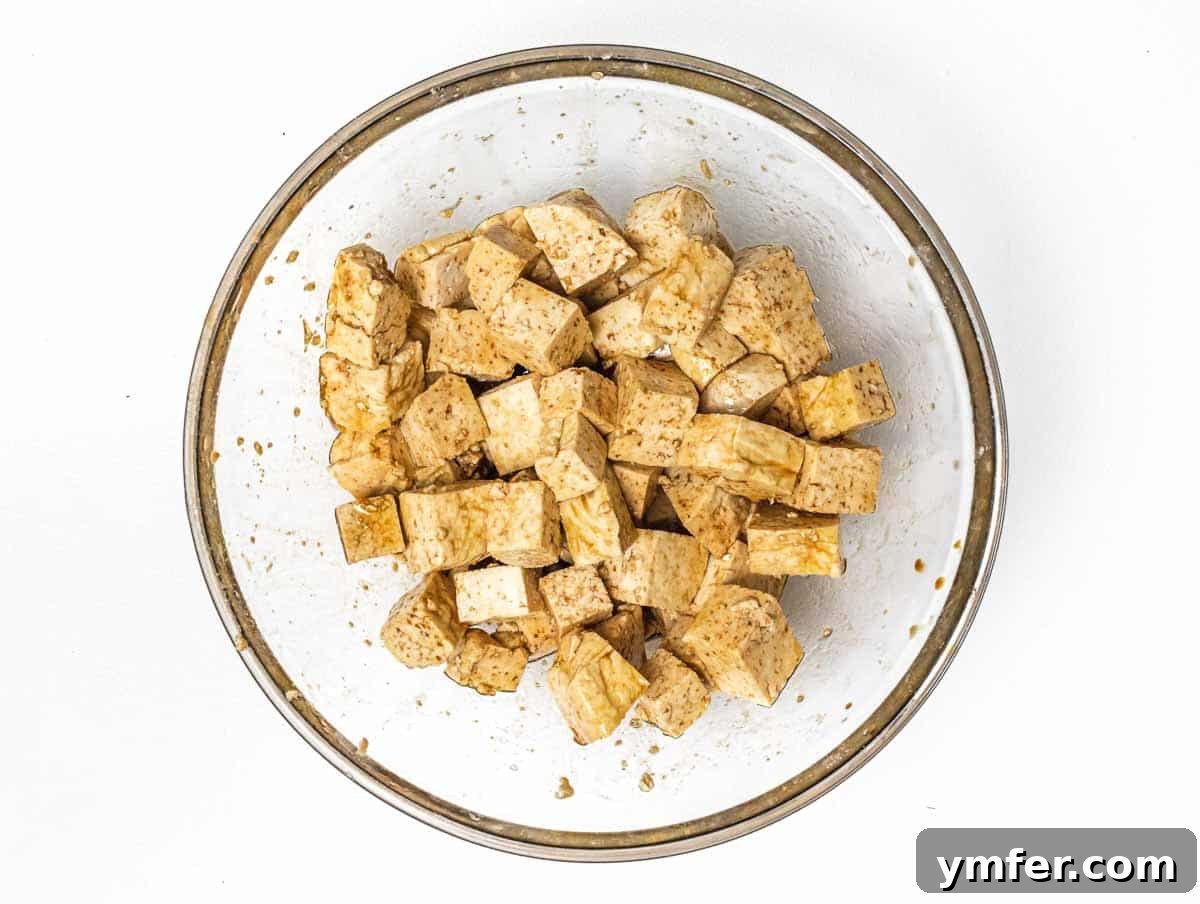
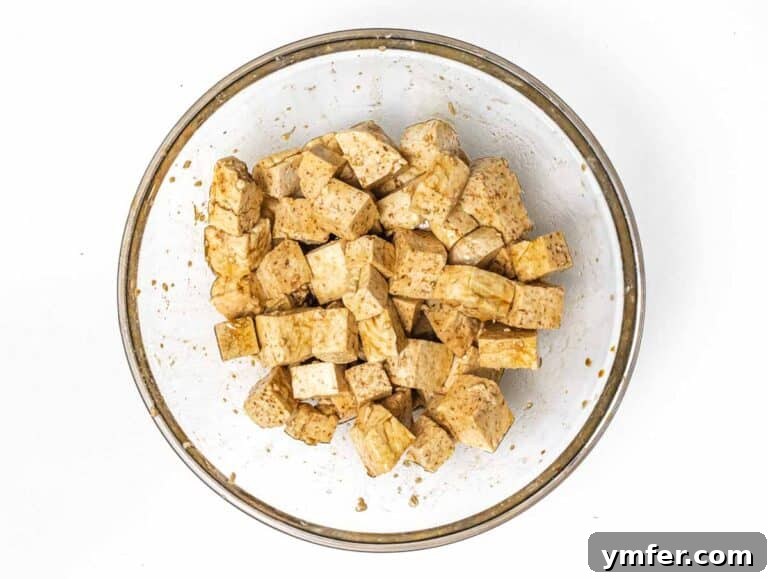
- Season the Tofu: Transfer the tofu cubes into a medium-sized mixing bowl. Drizzle them with 1 tablespoon of olive oil, 1 tablespoon of soy sauce (or tamari), and sprinkle with ½ teaspoon of salt. Gently toss the tofu cubes to ensure they are evenly coated. Be careful not to break them.
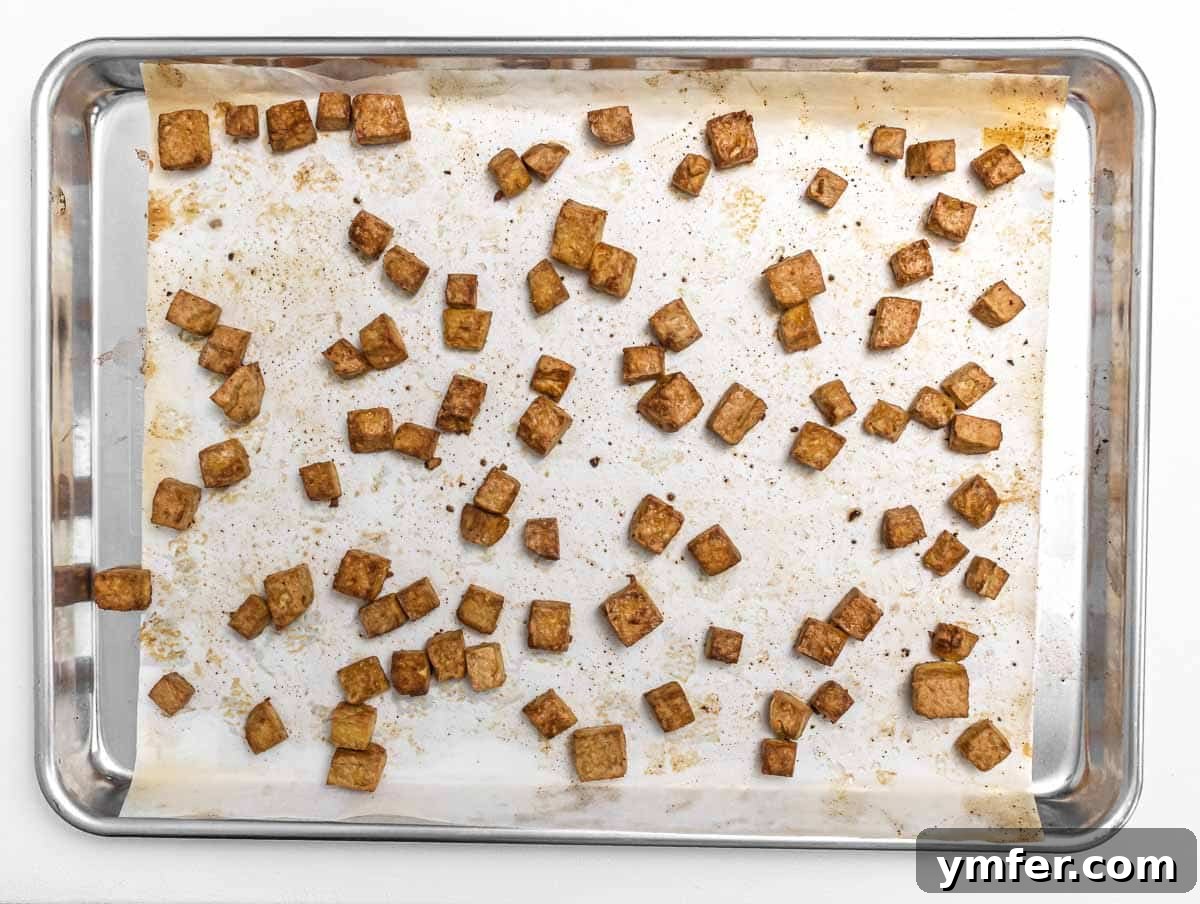
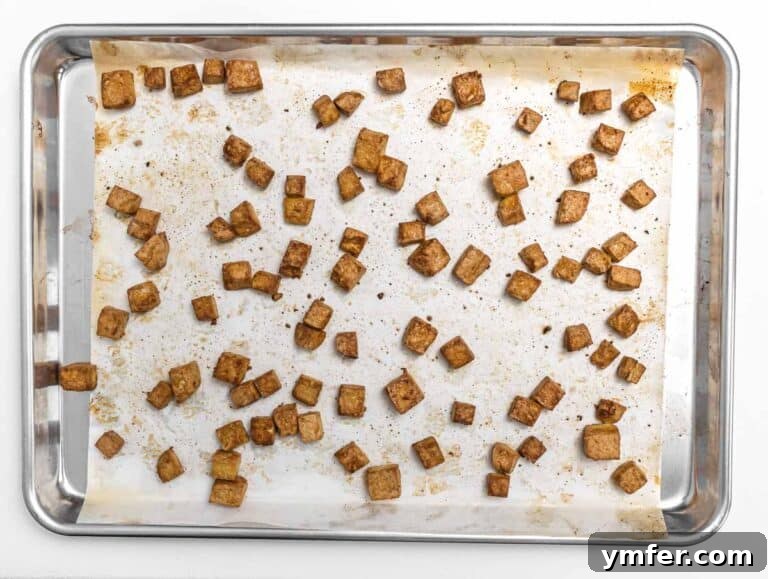
- Bake to Perfection: Arrange the seasoned tofu cubes in a single layer on the prepared baking sheet, ensuring there is some space between each cube. This allows for even browning and crisping. Bake for approximately 20 minutes, or until the tofu appears drier, golden brown, and develops a pleasantly chewy texture. Once baked, set aside.
Phase 2: Building the Aromatic Flavor Base (Soffritto)
This phase is typically done while the tofu is baking, maximizing efficiency in the kitchen. The soffritto is the flavor foundation of your cacciatore.
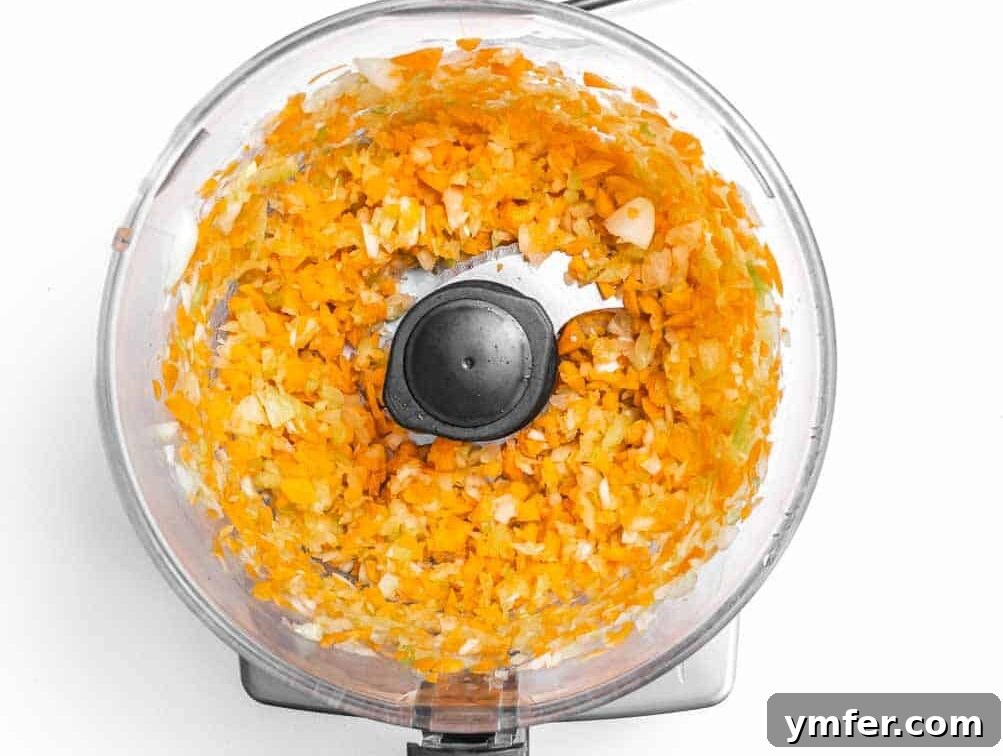
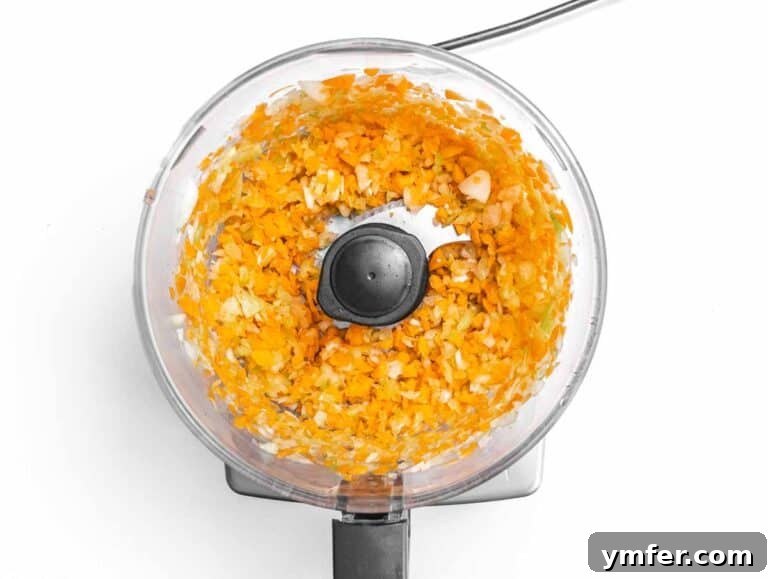
- Prepare the Soffritto Vegetables: Finely chop the celery, carrot, and onion into small, uniform dice. Precision in chopping allows them to cook evenly and release their flavors simultaneously. You can achieve this by hand with a sharp knife or use a food processor for speed and consistency.
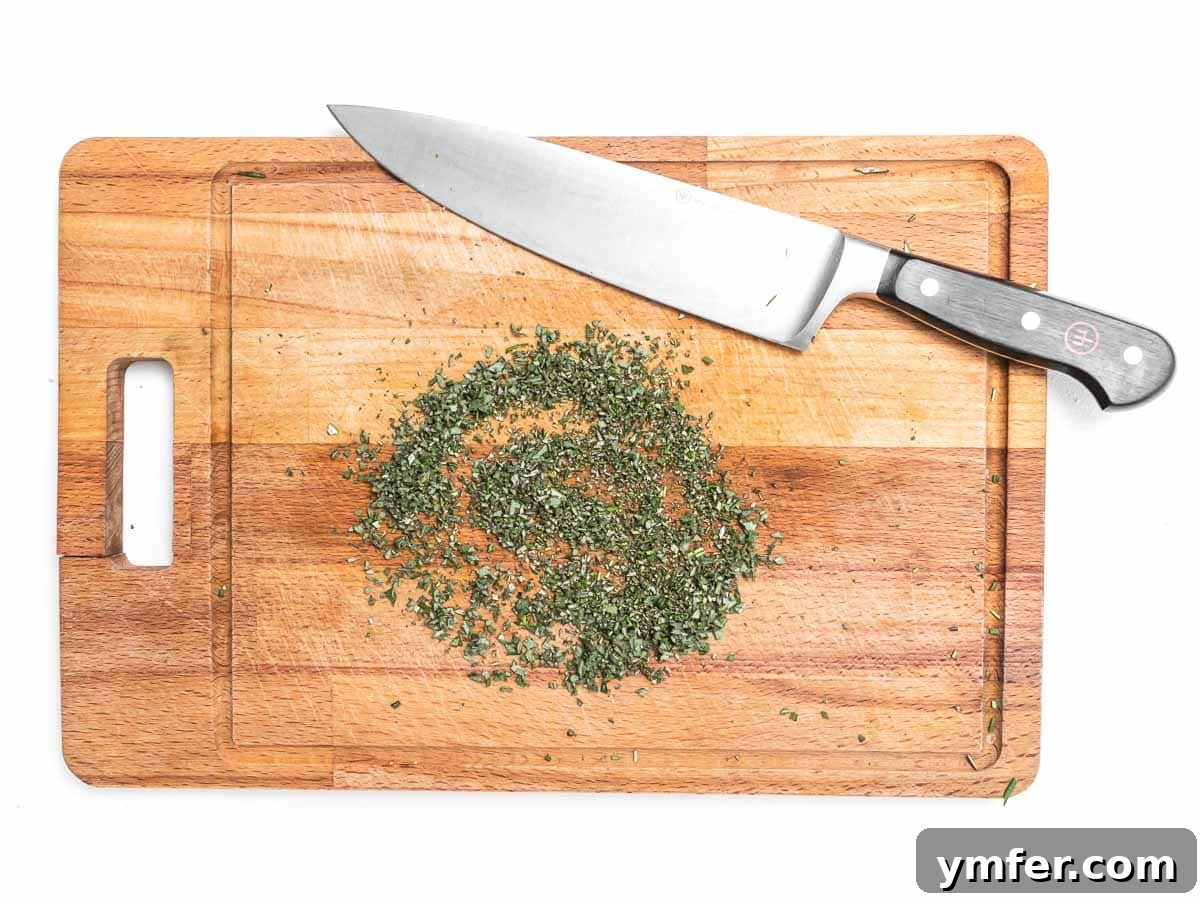
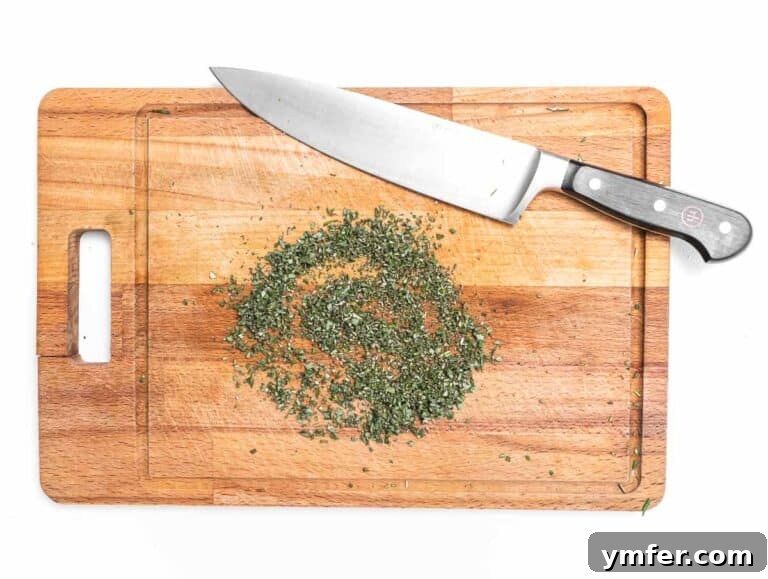
- Chop the Fresh Herbs: Gather your fresh rosemary and sage. Finely chop them together. The fresher the herbs, the more vibrant the final flavor of your cacciatore will be.
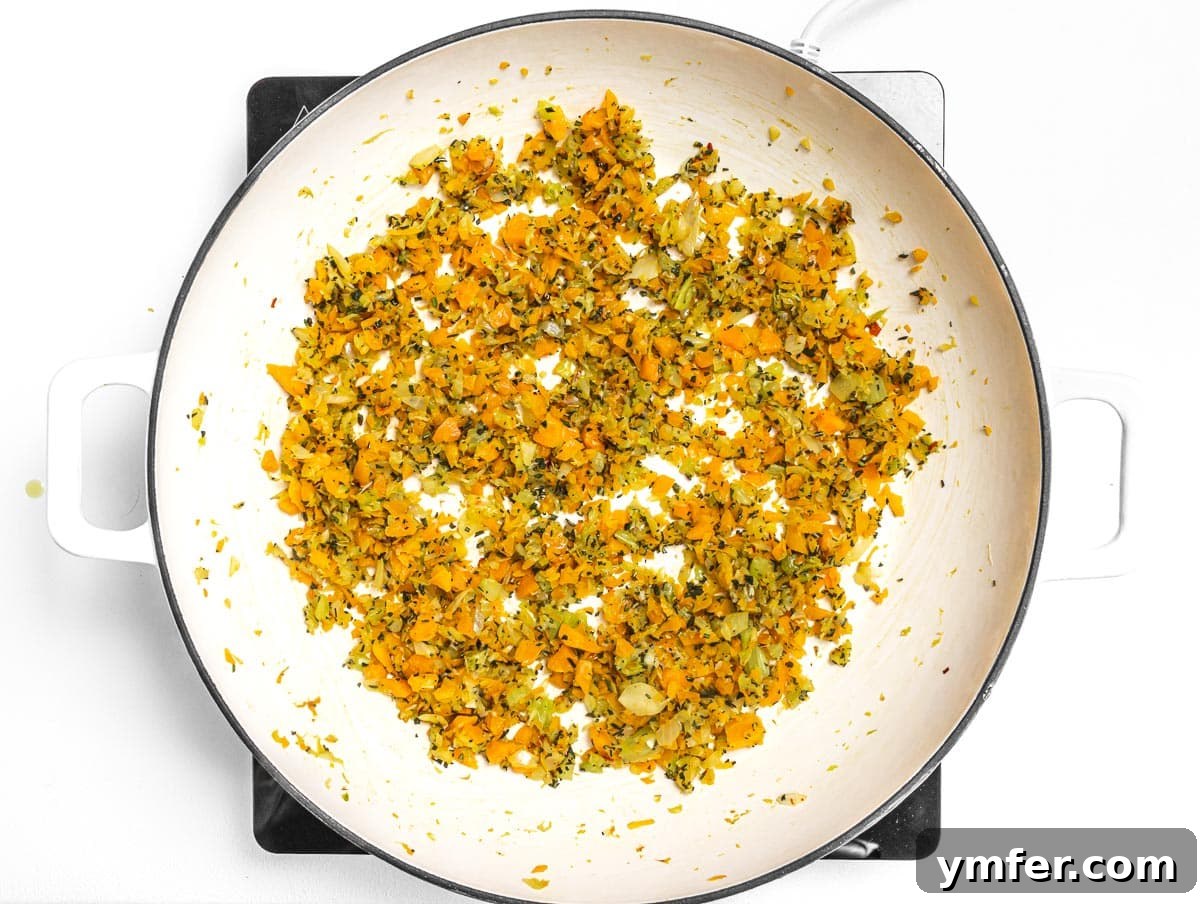
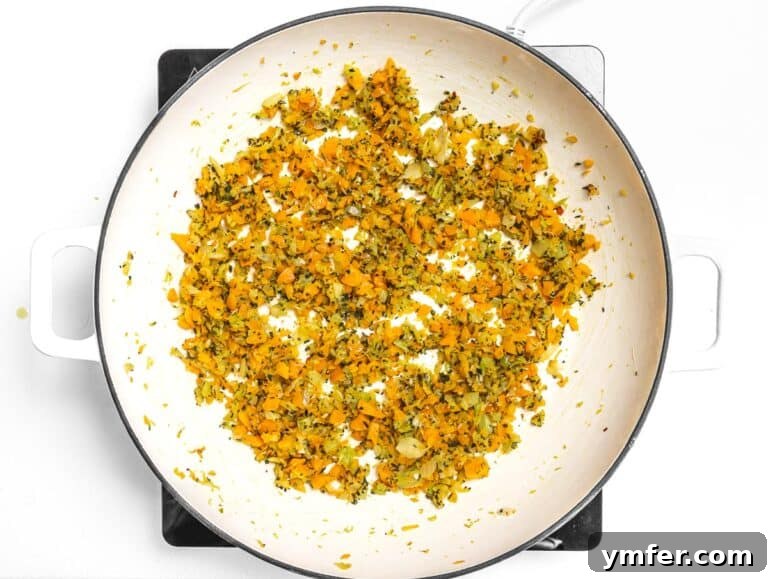
- Sauté the Aromatics: In a large skillet or Dutch oven, warm 2 tablespoons of olive oil over medium heat. Add the chopped carrot, onion, and celery. Gently fry them for about 10 minutes, stirring occasionally, until they soften and become translucent. If the pan appears too dry, add a splash more olive oil or a tablespoon of water to prevent burning.
- Infuse with Herbs and Spices: Once the vegetables are tender, add the finely chopped rosemary and sage, along with the grated fresh garlic and red pepper flakes. Continue to fry for just one more minute, stirring constantly, until you are enveloped by their fragrant and aromatic scent. Be careful not to burn the garlic.
Phase 3: Assembling the Rich Hunter-Style Sauce
Now it’s time to bring all the components together to create the signature cacciatore sauce.
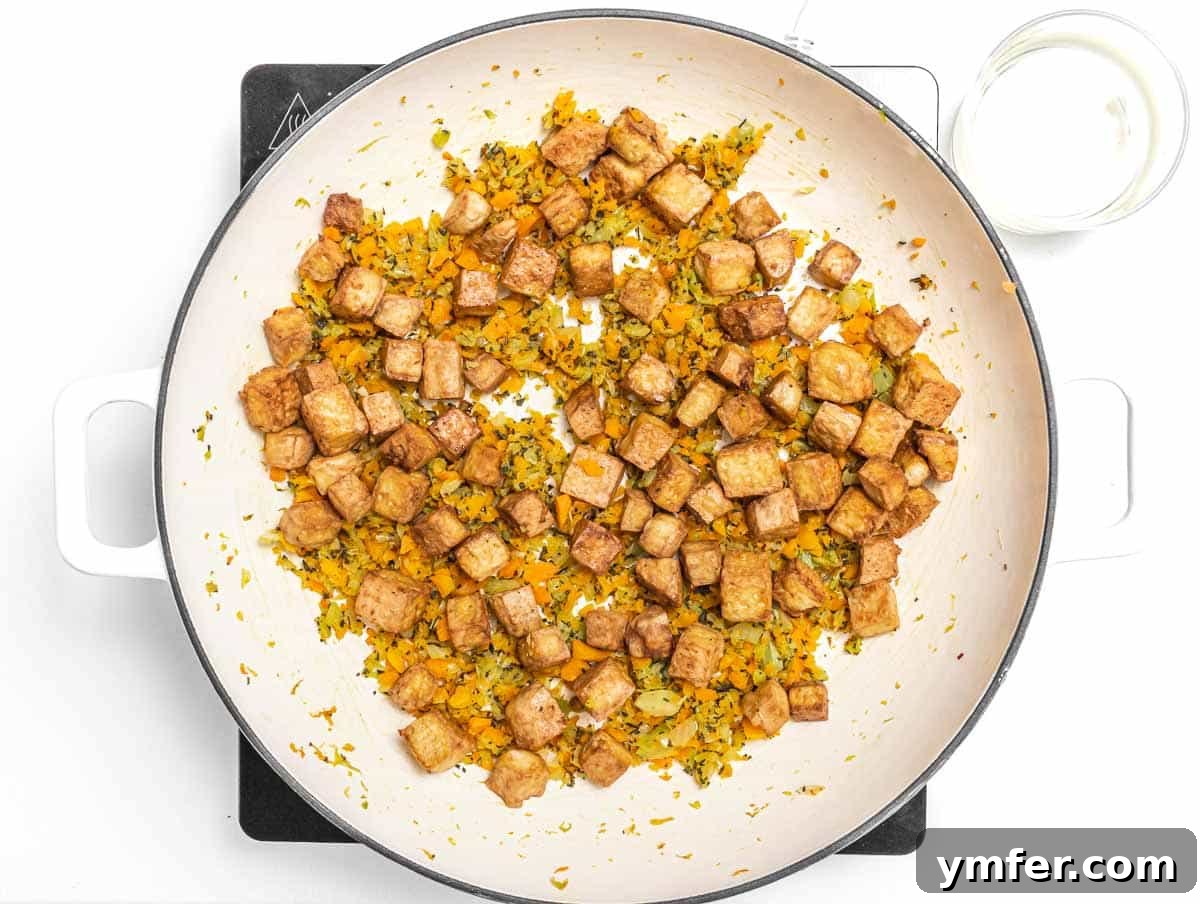
- Add Tofu and Deglaze: Carefully add the baked tofu cubes to the skillet with the sautéed vegetables. Stir gently to combine. Pour in the white wine (or vegetable broth). Allow the wine to simmer vigorously for about a minute, letting the alcohol evaporate and leaving behind its wonderful flavor notes. This deglazing step also helps scrape up any flavorful bits from the bottom of the pan.
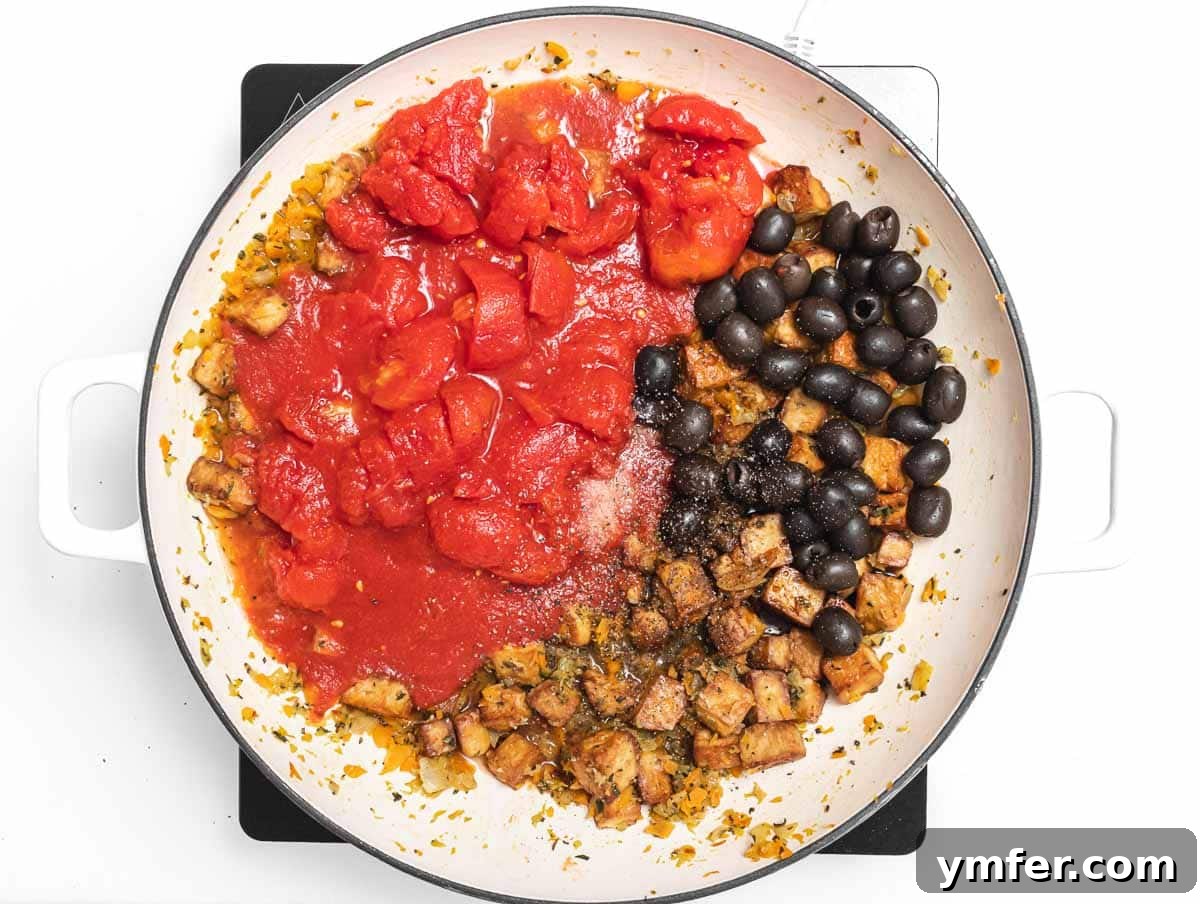
- Simmer the Sauce: Next, add the canned tomatoes (crushed, diced, or whole), ½ – 1 cup of water (adjust based on your desired sauce consistency – less for a thicker sauce, more for thinner), the pitted olives, 1 teaspoon of salt, a couple of twists of fresh black pepper, and the remaining 2 tablespoons of soy sauce (or balsamic vinegar). Stir everything together well to combine all the ingredients.
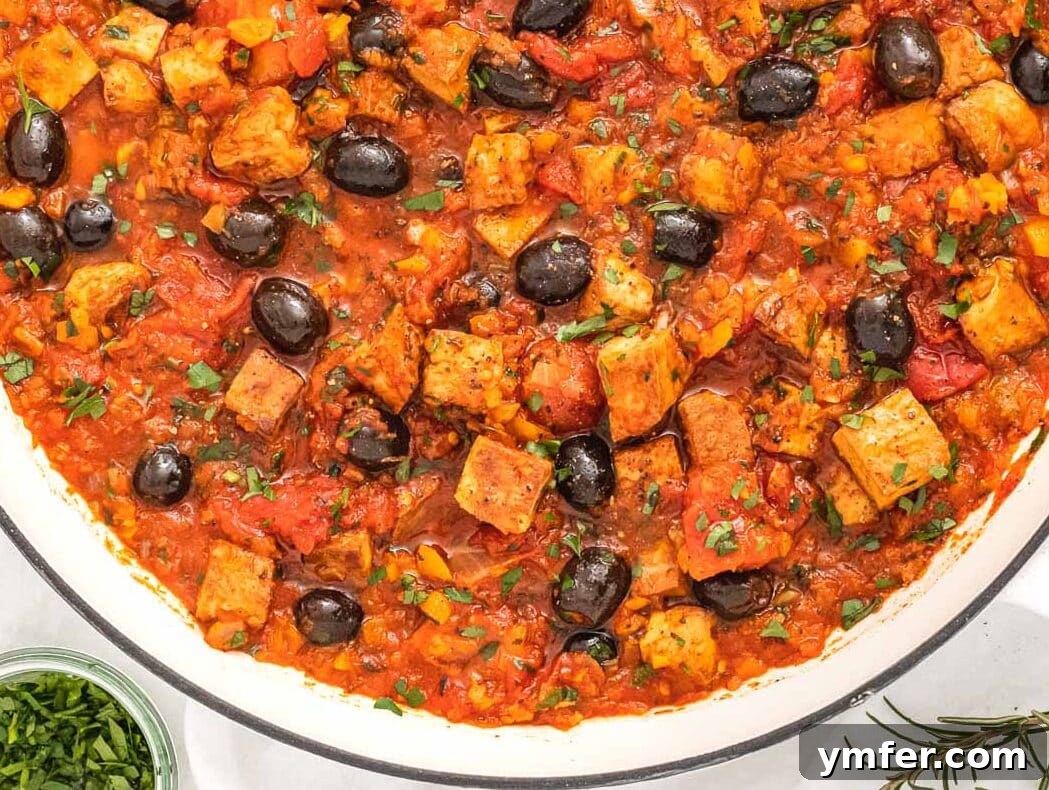
- Thicken and Finish: Bring the sauce to a gentle simmer over medium heat. Let it continue to simmer for 10 to 15 minutes, or until the sauce has thickened to your desired consistency and the flavors have fully developed. The longer you let it simmer, the richer and more concentrated the sauce will become. Finally, stir in the chopped fresh parsley. Taste and adjust the seasoning, adding more salt or pepper if needed. Remove from heat and allow the cacciatore to sit for 5 – 10 minutes before serving; this resting period allows the flavors to truly meld and deepen, resulting in an even more delicious dish.
Serving Suggestions for Tofu Cacciatore
Tofu Cacciatore is a wonderfully versatile dish that shines as a hearty vegetarian dinner idea. Its rich, savory sauce and tender tofu pair beautifully with a variety of sides, allowing you to tailor your meal to any occasion or preference. Here are some of our favorite ways to serve it:
Classic Carbohydrate Pairings:
The robust sauce of cacciatore is perfect for soaking up with grains or pasta. It’s excellent tossed with tagliatelle, spaghetti, or delicate angel hair pasta. Beyond pasta, consider:
- Grains: Fluffy rice (basmati or brown), light and airy couscous, or creamy polenta are all superb choices that absorb the rich tomato and herb flavors beautifully.
Bread for Mopping Up Every Drop:
No Italian meal is complete without good bread to sop up every last bit of delicious sauce. Tofu Cacciatore is particularly delicious with:
- Artisan Bread: Warm homemade bread, pillowy flatbread, rustic focaccia bread, or crispy bruschetta brushed with garlic and olive oil.
Comforting Potato Sides:
For an ultimate comfort food experience, pair your cacciatore with potatoes. They offer a delightful textural contrast and soak up the sauce wonderfully:
- Potatoes: Creamy mashed potatoes, crispy roasted potatoes, or a lighter alternative like cauliflower mashed potatoes.
Fresh Green Vegetables:
To balance the richness of the cacciatore and add vital nutrients, a side of fresh greens is highly recommended:
- Salads & Sautéed Greens: A refreshing kale salad, a crisp Brussels sprout salad, or simply sautéed greens like kale or spinach with garlic and lemon.
No matter how you choose to serve it, Tofu Cacciatore promises a satisfying and flavorful meal that will become a staple in your plant-based cooking repertoire.
Expert Tips for the Best Tofu Cacciatore
Achieving a truly outstanding Tofu Cacciatore requires attention to a few key details. These tips will help you maximize flavor and texture, ensuring a dish that rivals its traditional counterpart.
Crucial Tofu Preparation: Bake, Fry, or Air-Fry
This is arguably the most critical step for a successful Tofu Cacciatore. We cannot stress enough the importance of pre-cooking your tofu before adding it to the sauce. We’ve experimented with skipping this step, and the results were consistently disappointing: a soft, crumbly tofu texture with significantly less flavor absorption. Pre-cooking transforms the tofu, giving it a firmer, chewier texture and a golden crust that stands up beautifully to the simmering sauce.
- Baking: As detailed in our instructions, baking the seasoned tofu cubes in the oven is a hands-off method that yields wonderfully firm and slightly browned pieces.
- Pan-Frying: For an extra crispy exterior, pan-frying tofu cubes in a bit of olive oil until golden on all sides works wonders. This method requires a bit more active attention but delivers fantastic results.
- Air-Frying: The fastest and often crispiest method is using an air fryer. You can achieve perfectly crisp air-fried tofu cubes in about 15 minutes, which significantly cuts down on overall cooking time. Whichever method you choose, ensure the tofu is well-drained and patted dry before seasoning to promote crispness.

Building Flavor with Soffritto
Don’t rush the soffritto! The slow sautéing of carrots, celery, and onion until they are deeply softened and lightly caramelized is essential for creating the sweet, savory base of the cacciatore sauce. This step draws out the natural sugars and aromas, laying a rich foundation for the other ingredients.
Fresh vs. Dried Herbs
While fresh rosemary and sage offer the most vibrant flavor, good quality dried herbs are a perfectly acceptable substitute. Remember that dried herbs are more potent, so use about one-third of the amount specified for fresh herbs (e.g., 1 teaspoon dried for 1 tablespoon fresh). Always taste and adjust seasoning as the sauce simmers.
Customizing Spice Levels
The addition of red pepper flakes offers a pleasant warmth. Feel free to adjust the quantity to your preference. For a milder dish, reduce or omit them. For a spicier kick, add a fresh finely chopped chili pepper or a larger pinch of flakes.
Sauce Consistency
The amount of water you add to the sauce can be adjusted to your liking. For a thicker, more clinging sauce, use less water and allow it to simmer longer. For a looser sauce, which might be preferred for pasta, add a bit more water or vegetable broth.
Make-ahead & Storage
Tofu Cacciatore is an exceptional candidate for make-ahead meals, as its flavors intensify and meld beautifully over time. It’s often even more delicious on the second day!
- Make-ahead: Prepare the entire recipe, allow it to cool, and store it in the refrigerator. The tofu will continue to marinate in the rich sauce, deepening its flavor profile. It will keep wonderfully for up to 3 days.
- Refrigerator: Store any leftovers in an airtight container in the fridge for up to 3 days.
- Freezer: For longer storage, allow the cacciatore to cool down completely to room temperature. Transfer it into a freezer-friendly container or heavy-duty freezer bags, ensuring all air is squeezed out. It can be frozen for up to three months. Be aware that the texture of the tofu may change slightly after freezing and thawing, becoming a little chewier, but the dish will remain incredibly flavorful and delicious.
- Thaw: To thaw, simply transfer the frozen cacciatore to the refrigerator and let it defrost overnight or for several hours. For a quicker thaw, you can use the defrost setting on your microwave.
- Reheat: Reheat the tofu cacciatore gently either in the microwave or in a pan on the stovetop over medium-low heat. If the sauce seems too thick, add a tablespoon or two of water or vegetable broth to reach your desired consistency.
More Tofu Recipes to Explore
If you’re now a fan of tofu’s incredible versatility, explore more plant-based culinary creations with these fantastic tofu recipes from our collection:
Fundamental Tofu Basics:
Master the essentials of cooking tofu with these foundational recipes: Marinated Tofu, Fried Tofu, Baked Tofu, BBQ Tofu, Vegan Cream Cheese, Tofu Scramble, Grilled Tofu, and Mushroom Tofu.
Tofu-Inspired Global Cuisine:
Take your tofu on a world tour with these internationally-inspired dishes: Kung Pao Tofu, Orange Tofu, Tofu Pizzaiola, Tofu Soup, Tofu Curry, Braised Tofu, Tofu Stir Fry, Vegan Tikka Masala, and Tofu Pasta.
If you tried this Tofu Cacciatore recipe or any other recipe on our blog, please leave a 🌟 star rating and share your experience in the comments section below. We cherish your feedback and love hearing from you!
Tofu Cacciatore
Nico Pallotta
This protein-rich dinner comes together in about 30 minutes, featuring tender tofu, a rich tomato sauce, and aromatic Italian herbs.
5
30
35
4 people
Main Course
American Italian
Video
Ingredients
For Baking the Tofu
- 16 ounces tofu firm or extra firm, pressed
- 1 tablespoon olive oil
- 1 tablespoon soy sauce reduced sodium or tamari
- ½ teaspoon salt
For Cacciatore Sauce
- 2 tablespoons olive oil
- 1 large onion chopped
- 1 big carrot chopped
- 1 stalk celery chopped
- 2 sprigs rosemary finely chopped, or 1 tsp dry rosemary
- 10 leaves sage finely chopped, or 1 tsp dry sage
- 2 cloves garlic grated
- ¼ teaspoon red pepper flakes or more to taste
- ⅓ cup dry white wine or vegetable broth
- 1 large can (28 oz) crushed tomatoes or diced/whole peeled
- ½ – 1 cup water add more or less based on your preference for thicker or thinner sauce
- ½ cup black olives pitted, such as Kalamata or Gaeta
- 1 teaspoon salt or more to taste
- 2 tablespoons soy sauce substitute balsamic vinegar or tamari
- 2 tablespoons parsley finely chopped, for garnish
Serve With
- 4 servings pasta, rice, couscous, or a side of greens refer to serving suggestions above for ideas.
Instructions
PREP THE TOFU
-
Preheat oven to 400°F (200°C). Line a baking sheet with parchment paper.
Pat dry 16 ounces tofu with paper towel, applying slight pressure, then cut it into ½ inch (1.3 cm) cubes.

-
In a bowl, toss tofu with 1 tablespoon olive oil, 1 tablespoon soy sauce, and ½ teaspoon salt.
-
Transfer onto baking sheet, arrange on single layer, and bake for 20 mins until brown and firm.
CACCIATORE SAUCE
-
While tofu bakes, finely chop 1 large onion, 1 big carrot, and 1 stalk celery for the soffritto base.
-
Separately, finely chop 2 sprigs rosemary and 10 leaves sage.
-
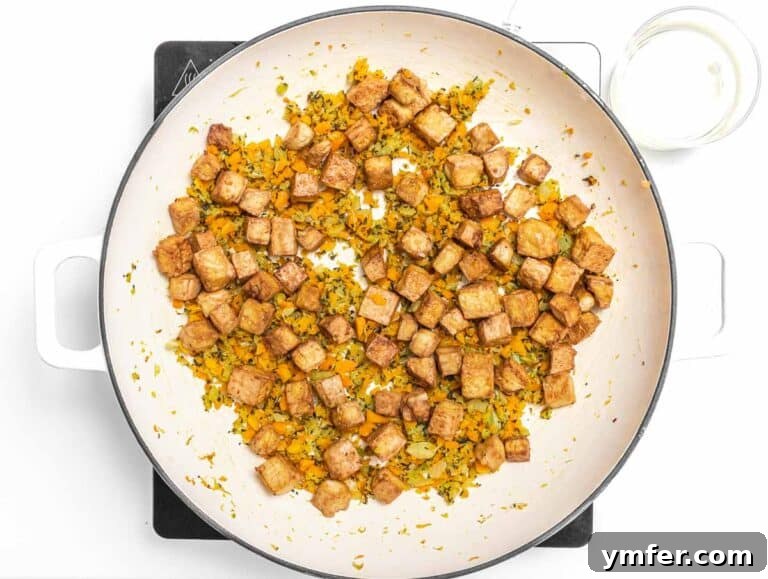
Warm up 2 tablespoons olive oil in a large skillet, then sauté onion, celery, and carrot for 10 minutes until softened.
Add chopped sage and rosemary, 2 cloves garlic (grated), and ¼ teaspoon red pepper flakes. Fry for one more minute until fragrant.
-
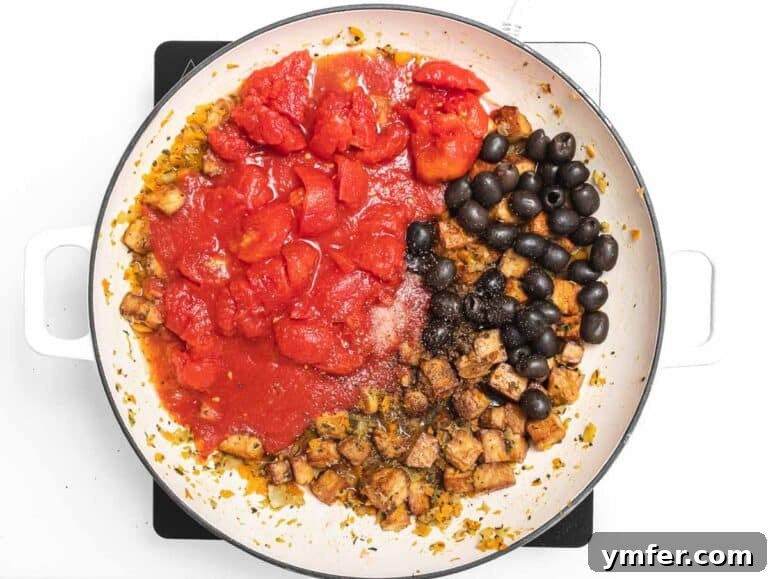
Add baked tofu cubes to the skillet with the veggies, stir gently, and then add ⅓ cup dry white wine.
-
Let the wine evaporate (about 1 minute), then add 1 large can (28 oz) crushed tomatoes, ½ – 1 cup water, ½ cup black olives, 1 teaspoon salt, 2 twists black pepper, and 2 tablespoons soy sauce.
-
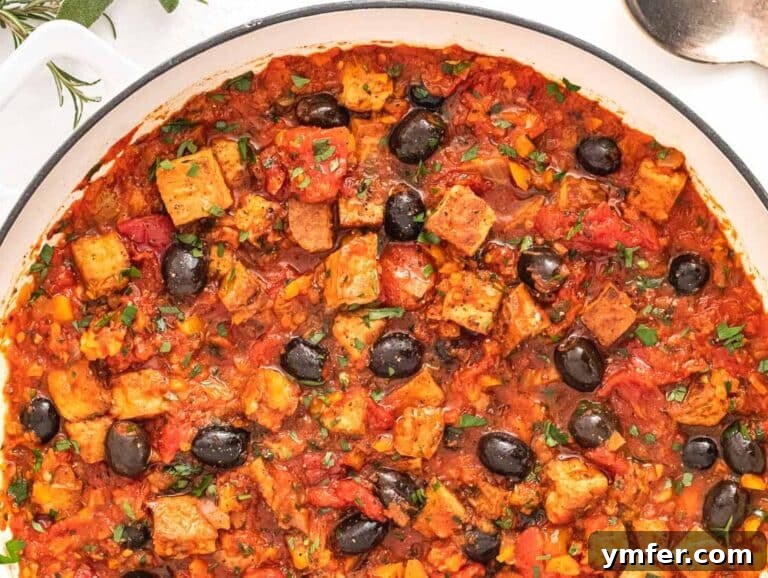
Simmer for 10 to 15 minutes, stirring occasionally, until the sauce reaches your desired consistency. Stir in 2 tablespoons parsley (chopped), taste, and adjust for salt if needed.
Let the dish sit for 5 – 10 minutes before serving to allow the flavors to fully meld and deepen.
Notes
Canned Tomatoes: Feel free to use crushed tomatoes, diced tomatoes, or whole canned peeled tomatoes based on your preferred sauce texture.
Fresh Herbs: If fresh rosemary and sage are not available, substitute with dried rosemary and sage (about a teaspoon of each) or a good quality Italian seasoning blend.
White Wine: For an alcohol-free version, vegetable broth is an excellent alternative that maintains depth of flavor.
Olives: Capers can be used as a substitute for olives, providing a similar briny punch.
Soy Sauce: Balsamic vinegar offers a different but equally rich umami and acidic profile. For gluten-free, use tamari; for lower sodium, opt for reduced sodium soy sauce.
STORAGE:
Refrigerator: Leftovers can be stored in an airtight container in the fridge for up to 3 days. The flavors often deepen beautifully overnight.
Freezer: Once cooled completely, transfer the cacciatore to a freezer-safe container and freeze for up to three months. Note that the texture of the tofu may become slightly chewier after freezing and thawing.
Thaw: Defrost in the refrigerator for several hours or overnight. Alternatively, use the defrost function on your microwave.
Reheat: Reheat the tofu cacciatore in the microwave or gently in a pan on the stovetop, adding a tablespoon or two of water or broth if the sauce has thickened too much.
Nutritional information provided is an estimate for 1 serving of tofu cacciatore (out of 4 servings), calculated without any accompanying rice or pasta.
Nutrition Facts (per serving)
Calories: 241kcal,
Carbohydrates: 9g,
Protein: 11g,
Fat: 17g,
Saturated Fat: 2g,
Polyunsaturated Fat: 4g,
Monounsaturated Fat: 11g,
Trans Fat: 0g,
Cholesterol: 0mg,
Sodium: 1557mg,
Potassium: 166mg,
Dietary Fiber: 2g,
Sugar: 2g,
Vitamin A: 354IU,
Vitamin B6: 0.1mg,
Vitamin C: 6mg,
Vitamin E: 2mg,
Vitamin K: 43µg,
Calcium: 157mg,
Folate: 20µg,
Iron: 2mg,
Manganese: 0.2mg,
Magnesium: 19mg,
Zinc: 0.3mg
Tried this recipe?
Leave a comment below or mention @theplantbasedschool on Instagram. We love hearing from you ⭐️ 💚.
You might also like:
Recipes
45 Easy Vegetarian Dinner Recipes
Collections
30 Lentil Recipes
Mains
40 High Protein Vegetarian Meals
Collections