
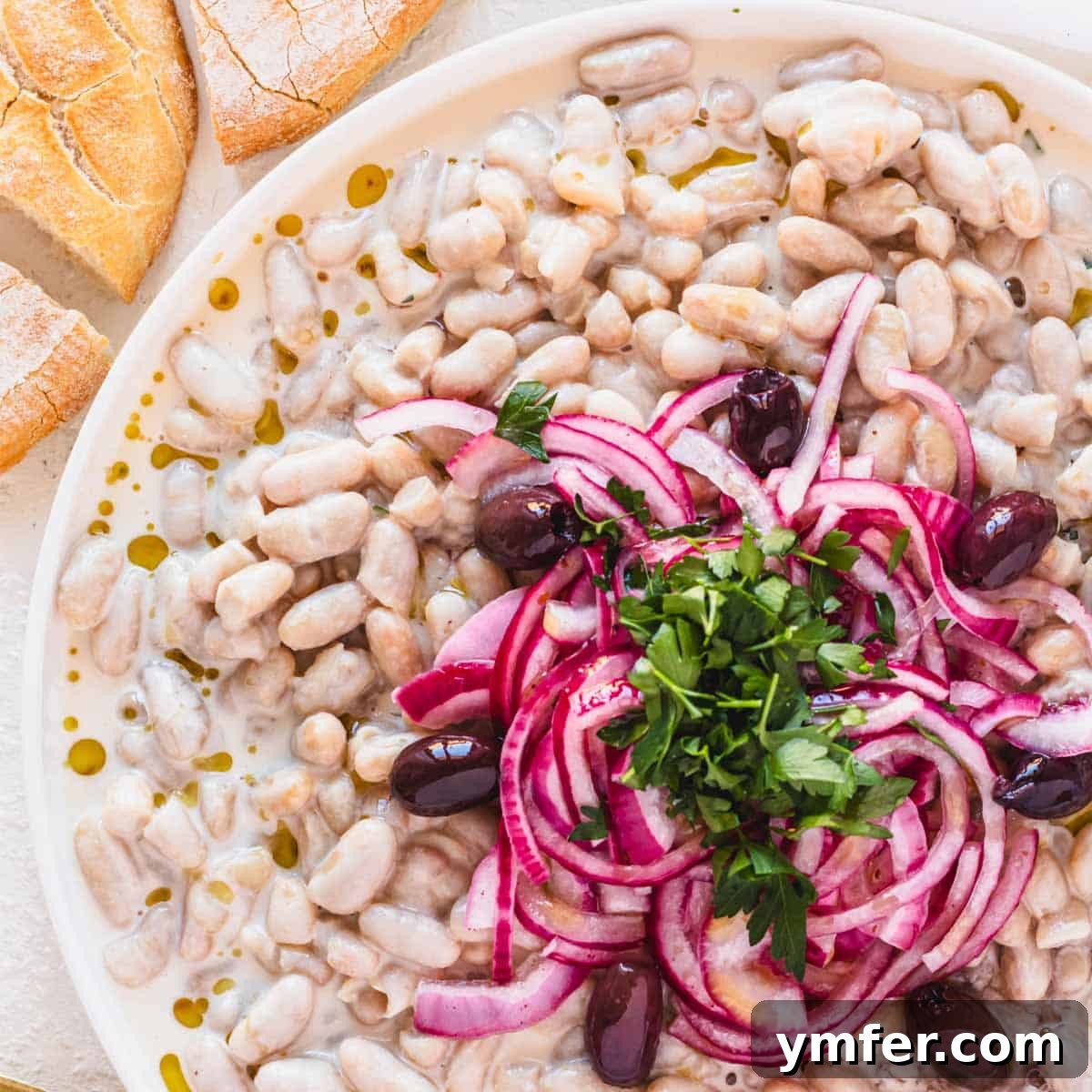
Piyaz, or Fasulye Piyazi, is a celebrated traditional Turkish white bean salad, renowned for its incredible flavor and versatility.
Whether you’re looking for a delightful side dish, a refreshing appetizer to complement other Turkish and Mediterranean dishes, or a satisfying main course with warm pita bread, Piyaz truly excels.
You’re sure to fall in love with this salad’s harmonious blend: tender, creamy white beans and rich tahini are elevated by the brightness of fresh herbs, the savory punch of olives, and the irresistible crispness of tangy, marinated onions.
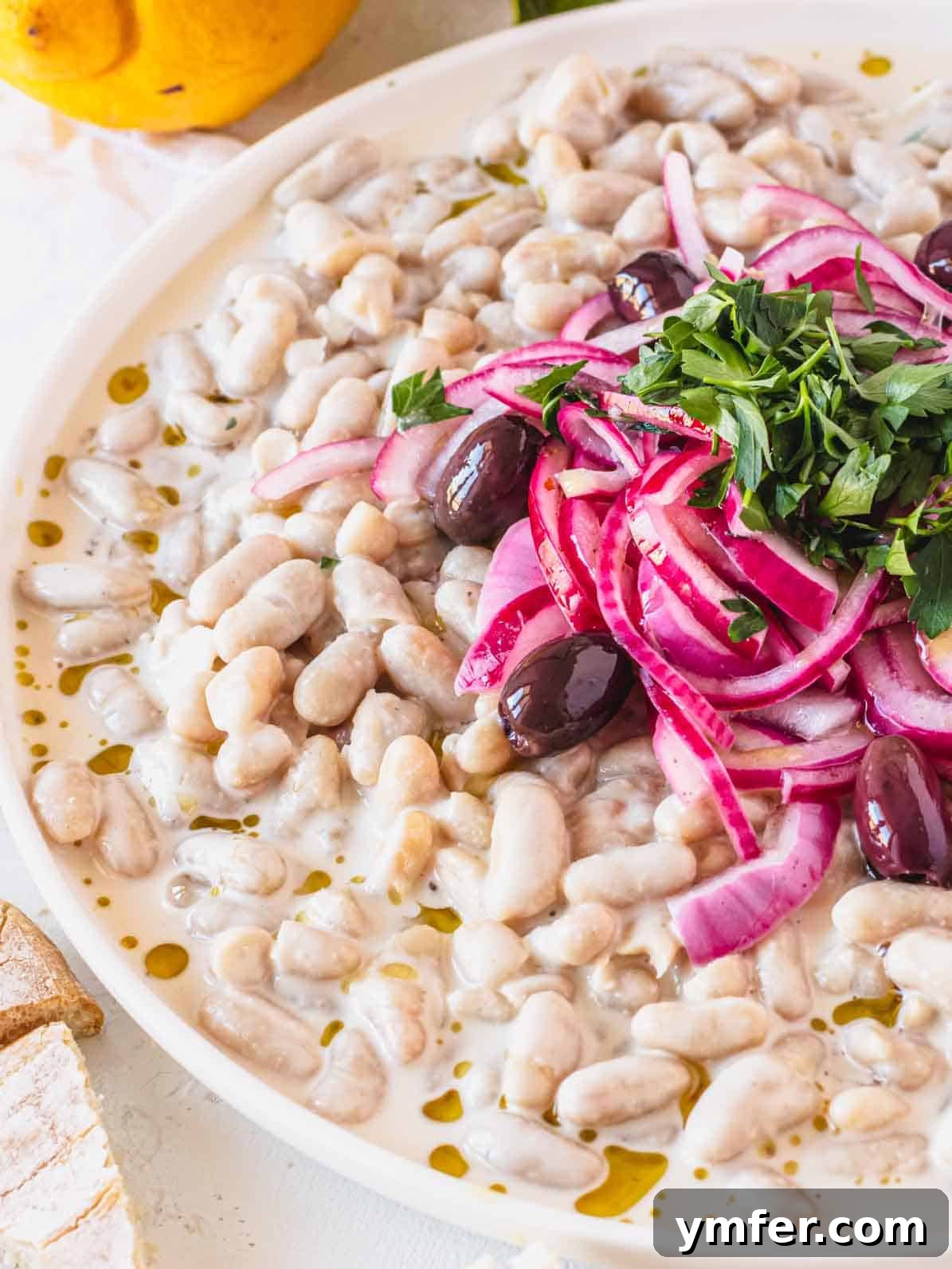
Table of Contents
- What is Piyaz or Fasulye Piyazi?
- The Flavors of Antalya Piyazi
- Key Ingredients & Substitutions for Piyaz
- How to Make Piyaz: Step-by-Step Guide
- Serving Suggestions for Turkish White Bean Salad
- Piyaz Variations to Explore
- Expert Tips for the Perfect Piyaz
- Storage & Make Ahead: Enjoying Piyaz Longer
- Frequently Asked Questions (FAQ)
- More Delicious Bean Salads
- More Inspiring White Bean Recipes
- Piyaz (Turkish White Bean Salad) Recipe
Dietary Note: This authentic Piyaz recipe is inherently suitable for a vegetarian, vegan, and gluten-free diet, making it a fantastic choice for diverse palates and dietary needs.
Short on time? Don’t miss a beat! JUMP DIRECTLY TO THE RECIPE HERE!
What is Piyaz or Fasulye Piyazi?
The term “Piyaz” itself holds historical roots, meaning “onions” in Kurdish and Farsi. In the rich culinary landscape of Turkey, however, Piyaz has evolved to signify a delightful family of dishes. These typically feature cooked dry beans, artfully combined with onions, a medley of fresh herbs, savory olives, and occasionally, a hard-boiled egg. Traditionally, Piyaz serves as a refreshing and balancing accompaniment to hearty main courses like succulent meatballs (köfte) and various kebabs.
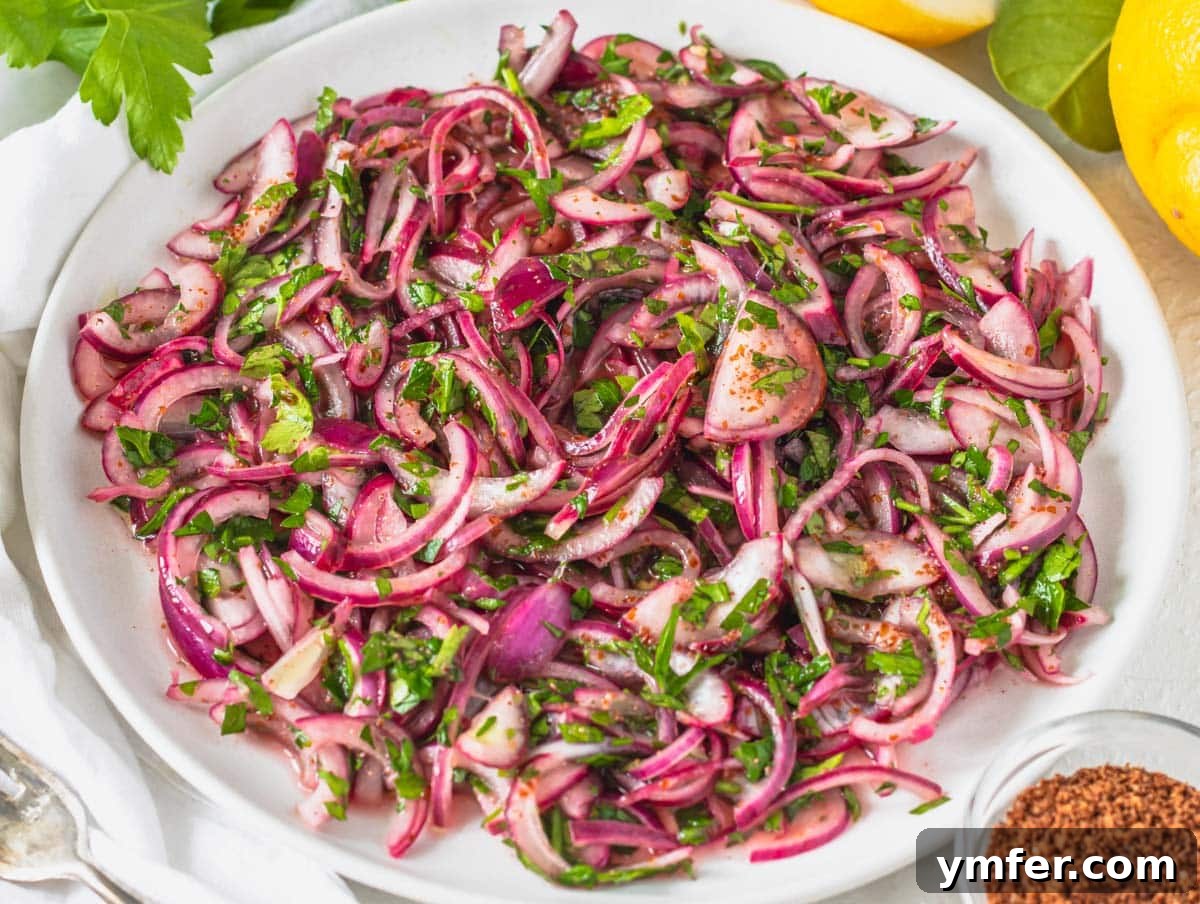
The versatility of Piyaz is truly remarkable, boasting a wide array of regional variations across Turkey. While our focus here is on the creamy and satisfying Fasulye Piyazi (bean piyaz), other popular versions include nohut piyazi made with chickpeas, hek-e piyazi featuring eggs, hisk piyazi with sun-dried tomatoes, or the simple yet potent piyaz salatasi, an onion salad vibrant with sumac and lemon.
The Flavors of Antalya Piyazi
Among the many delightful interpretations of this classic, we are thrilled to share our cherished version of Fasulye Piyazi. This particular style is not only incredibly creamy and satisfying but also remarkably healthy and packed with nutrients. As you might have already deduced, “Fasulye” is the Turkish word for beans, highlighting the star ingredient of this exquisite salad.
Our recipe for this Turkish bean salad draws inspiration from the masterful works of Musa Dagdeviren, a distinguished Turkish chef and the acclaimed author of “The Turkish Cookbook.” His comprehensive collection of over 500 Turkish recipes serves as an invaluable culinary guide, and we’ve adapted his wisdom to create a plant-based version that captures the essence of his artistry.
This specific variation of Piyaz originates from Antalya, a breathtaking coastal city nestled on the Mediterranean shores of southern Turkey. What sets Antalya Piyazi apart is its unique dressing, which distinguishes it from a classic white bean salad. Instead, it bears a closer resemblance to a tahini salad, thanks to its signature use of a luscious tahini-based sauce.
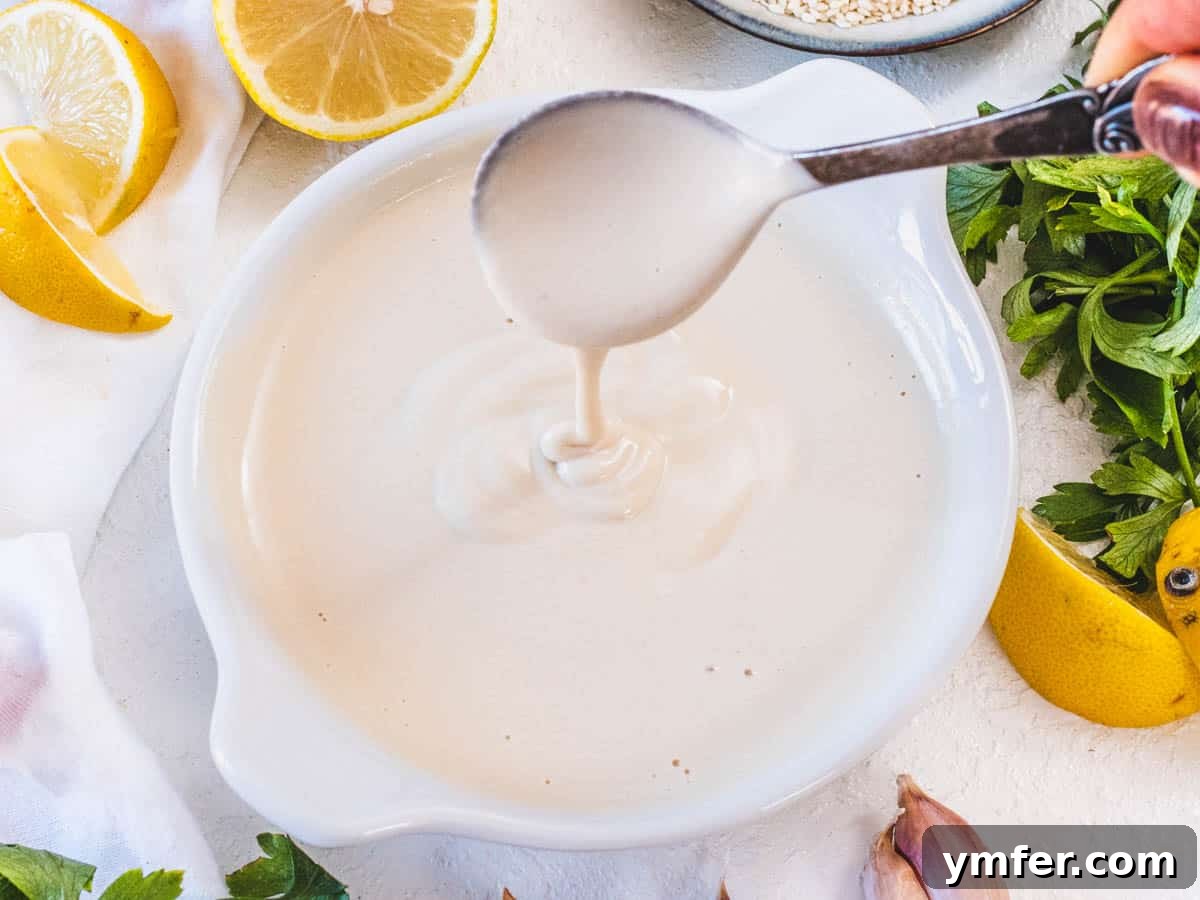
For those who adore tahini, this salad is an absolute dream come true. It offers an incredibly satisfying experience, reminiscent of a creamy white bean dip but with a more dynamic and engaging texture. In many ways, it evokes the delightful consistency of a Masabacha, a Levantine style of hummus that incorporates mashed chickpeas alongside tahini.
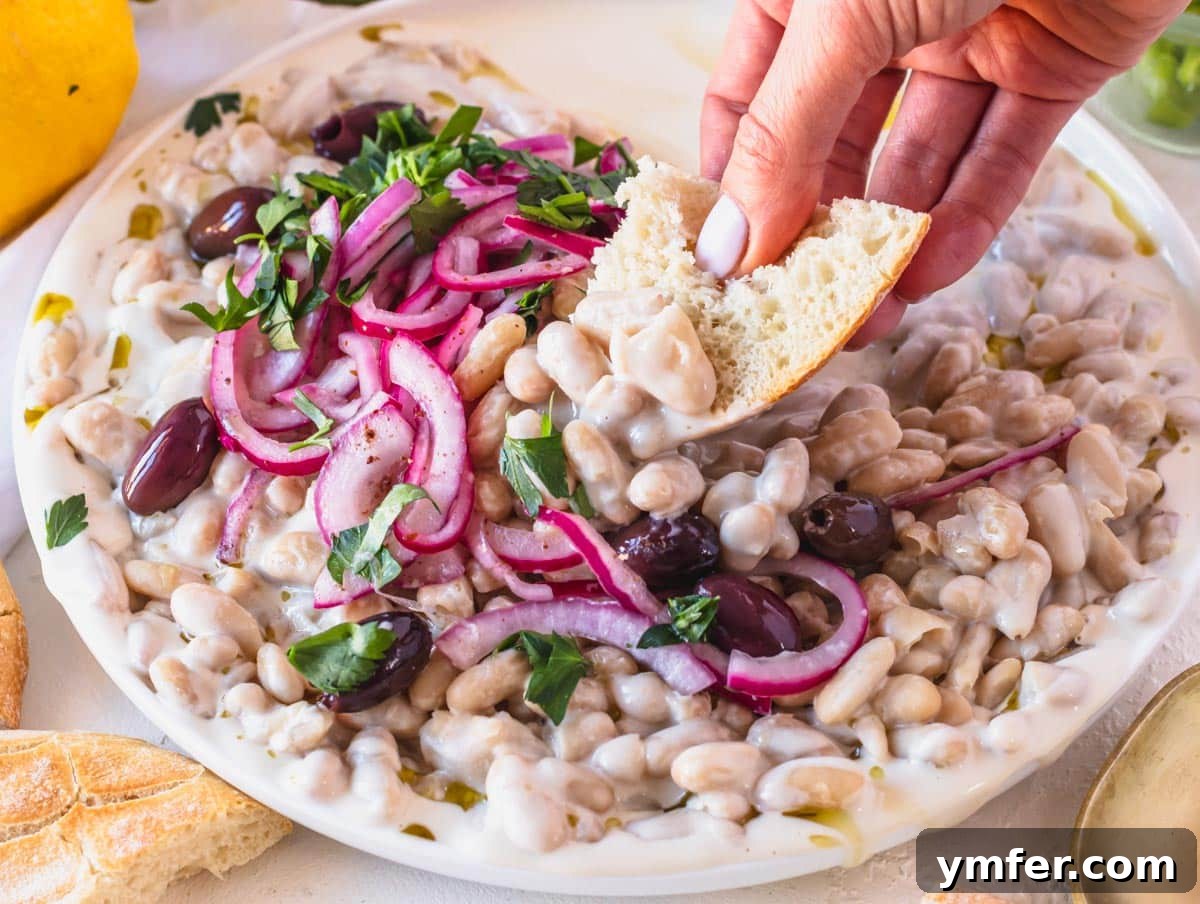
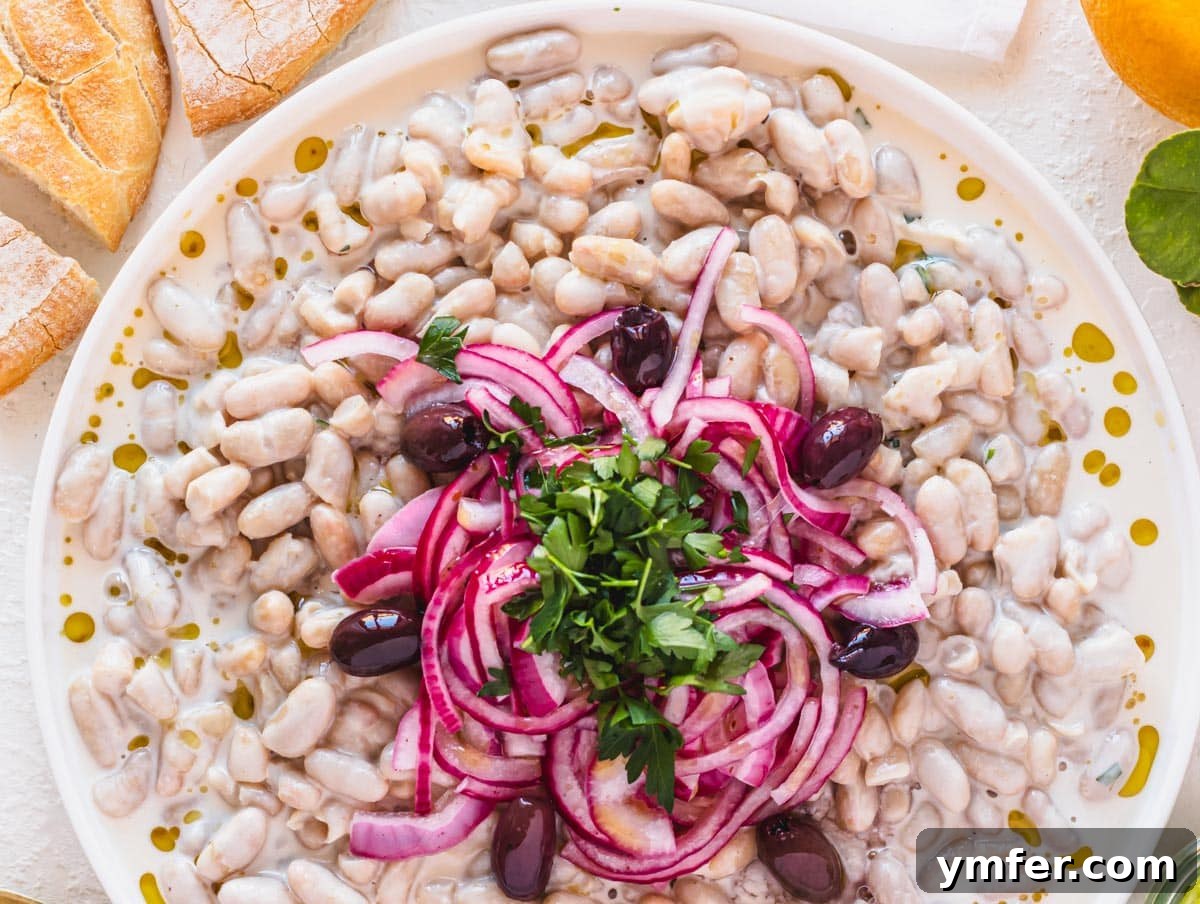
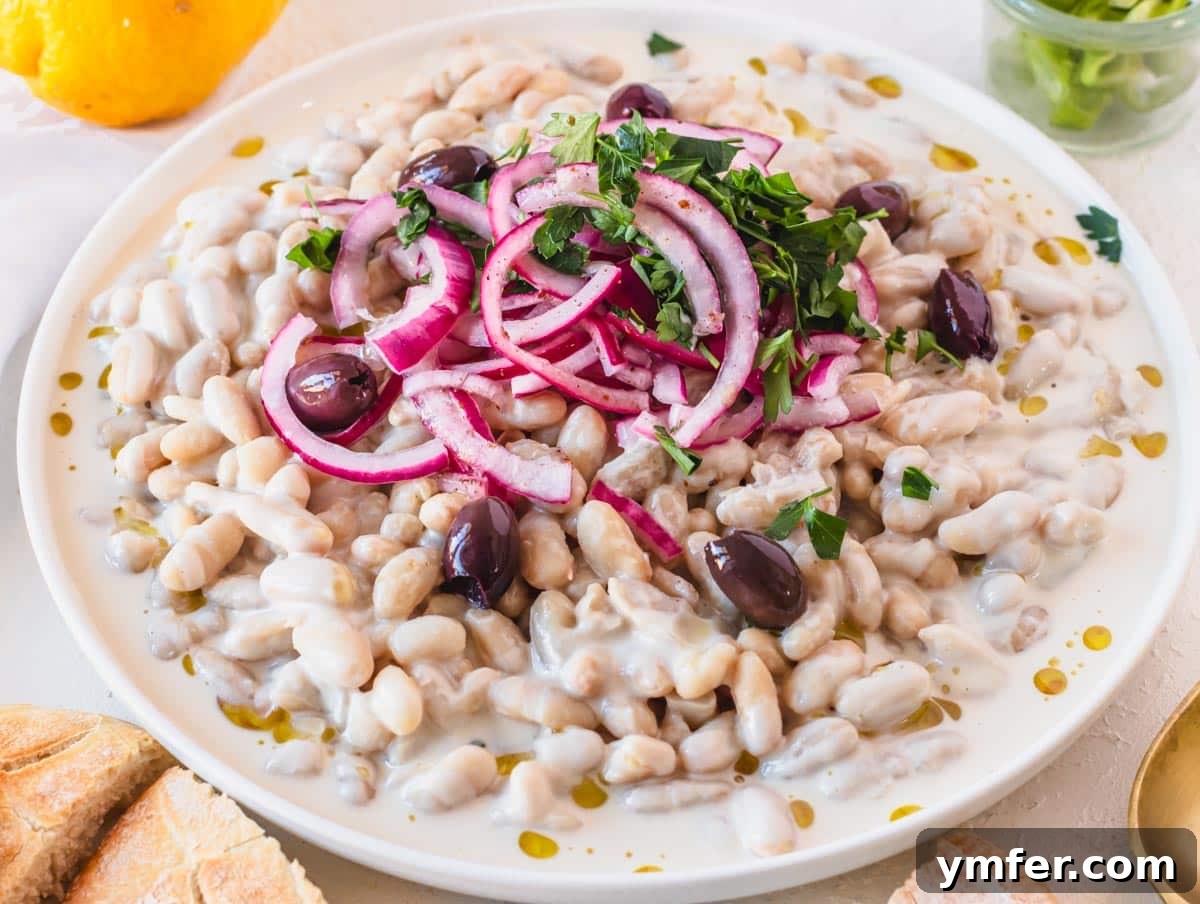
Imagine this: tender white beans generously coated in an exquisitely creamy tahini sauce, then artfully crowned with vibrant, tangy marinated red onions, a scattering of fresh parsley, and briny, savory olives. Each bite is a symphony of flavors and textures that tantalizes the palate.
Piyaz is perfect for sharing as part of an elaborate mezze platter alongside other delectable Mediterranean or Middle Eastern recipes. Alternatively, serve it as a light yet fulfilling meal on its own, especially when paired with warm, fluffy pita bread. Afiyet olsun (enjoy your meal)!
Key Ingredients & Substitutions for Piyaz
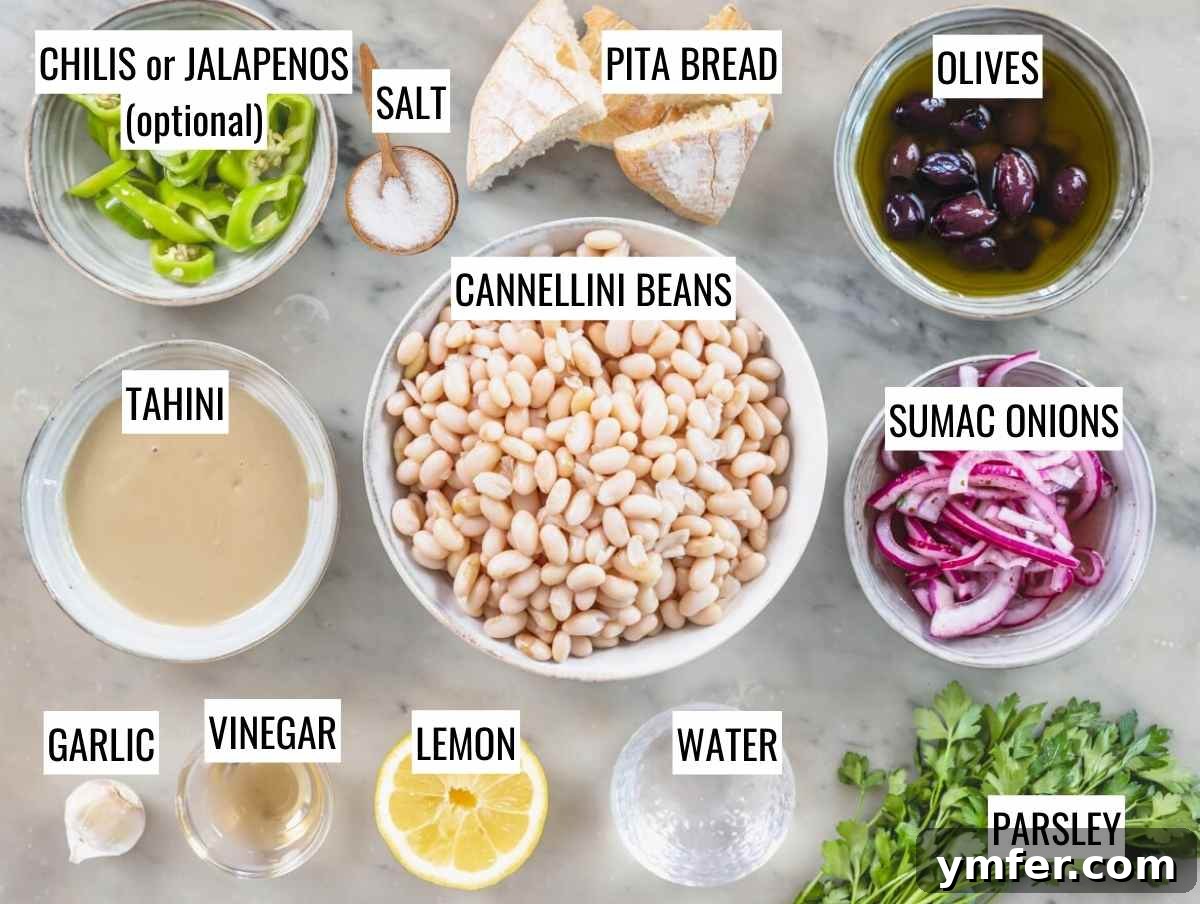
The precise quantities for each ingredient are conveniently listed in the recipe box at the bottom of the page.
For the Salad Base and Toppings
- White Beans: The foundation of Piyaz! You have the choice of using dry cannellini beans, which require an 8-hour soak followed by boiling until perfectly tender. Alternatively, for convenience, high-quality canned cannellini beans work wonderfully. If you opt for dry beans, our detailed guide on how to cook white beans is an excellent resource. While cannellini beans are traditional, great northern beans or even navy beans can be used in a pinch, though the texture might vary slightly.
- Onions: Red onions are preferred for their beautiful color and sharper flavor. For an unparalleled tangy, bolder, and less pungent taste that truly defines Antalya-style Piyaz, we highly recommend using marinated or quick-pickled red onions. If time is short, thinly sliced raw red onions will also work, but consider a quick rinse under cold water to mellow their intensity.
- Olives: Select good quality olives; they make a significant difference in the overall flavor profile. Olives preserved in olive oil are often superior. Kalamata olives (from Greece) or Olive Taggiasche (from Italy) are excellent choices that bring a briny, fruity depth. Any firm, pitted black or dark purple olive will do if these aren’t available.
- Flat-Leaf Parsley: Fresh Italian flat-leaf parsley is crucial. This variety is widely used in Mediterranean cuisine for its robust, fresh flavor and softer texture compared to its curly counterpart. It adds both vibrant color and essential herbaceous notes. Avoid dried parsley, as it won’t provide the same fresh essence.
For the Creamy Tahini Dressing
- Tahini: The heart of the creamy dressing! Opt for tahini made from 100% hulled sesame seeds. High-quality tahini is typically light in color and possesses a pourable, smooth consistency. Steer clear of dark, pasty, or gritty tahini, as these often indicate a bitter flavor and can be challenging to emulsify into a smooth dressing. Always stir tahini well before use, as natural oil separation is common.
- Fresh Lemon Juice: Essential for balancing the richness of tahini and adding a bright, zesty tang. Always use freshly squeezed lemon juice for the best flavor.
- Apple Cider Vinegar: Contributes another layer of acidity and a subtle fruity note. White wine vinegar or red wine vinegar can be used as suitable substitutes if apple cider vinegar isn’t on hand.
- Garlic: A small clove, crushed, adds aromatic depth without overpowering the other flavors. Fresh garlic is key here; garlic powder won’t achieve the same nuanced taste.
- Sea Salt: Or kosher salt. Crucial for enhancing all the flavors in the salad and dressing. Adjust to taste.
For an extra kick, Piyaz pairs wonderfully with a garnish of pickled chilies or jalapeños on top, and don’t forget generous servings of warm pita bread for dipping!
How to Make Piyaz: Step-by-Step Guide
You’ll find detailed US cup and gram measurements in the recipe box at the bottom of the page.
1. Preparing the Beans for the Salad
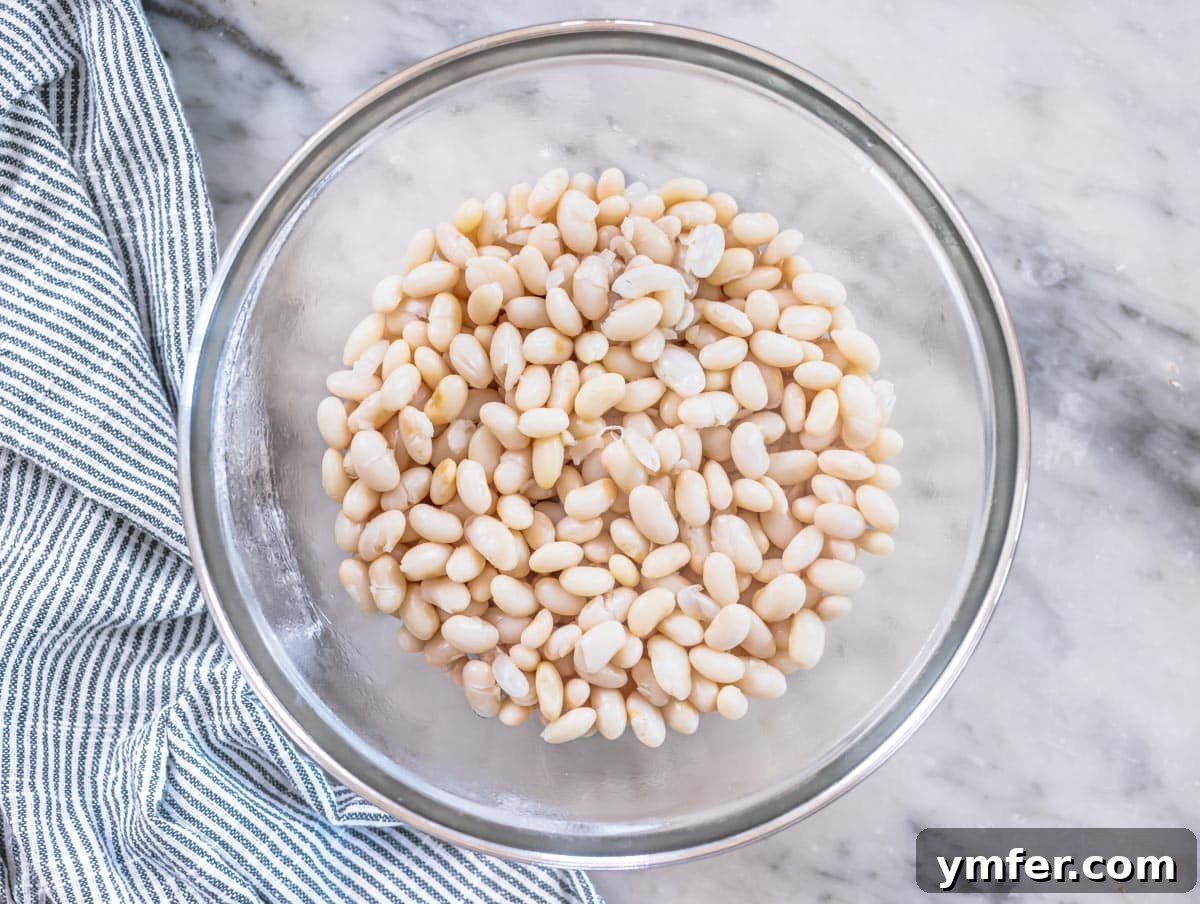
Using Dry White Beans: Begin by soaking your cannellini beans in water for a minimum of 8 hours, or preferably overnight. Once soaked, drain and rinse them thoroughly. Transfer the beans to a large pot, cover them with fresh water by about 4 inches (10 cm), and bring to a boil. Reduce heat and simmer until the beans are perfectly tender – this usually takes about 1 to 2 hours, depending on the age of the beans. Drain the cooked beans and transfer them immediately to a mixing bowl.
Using Canned Beans for Convenience: If you’re using canned cannellini beans, drain and rinse them well. Place the rinsed beans into a medium-sized pot, cover with about 1 inch of water, and gently boil for about 15 minutes. This step is crucial even for canned beans, as warming and slightly re-hydrating them improves their texture and ability to absorb the dressing flavors. Drain the warmed beans and add them to a bowl.
2. Marinating the Onions (Highly Recommended)
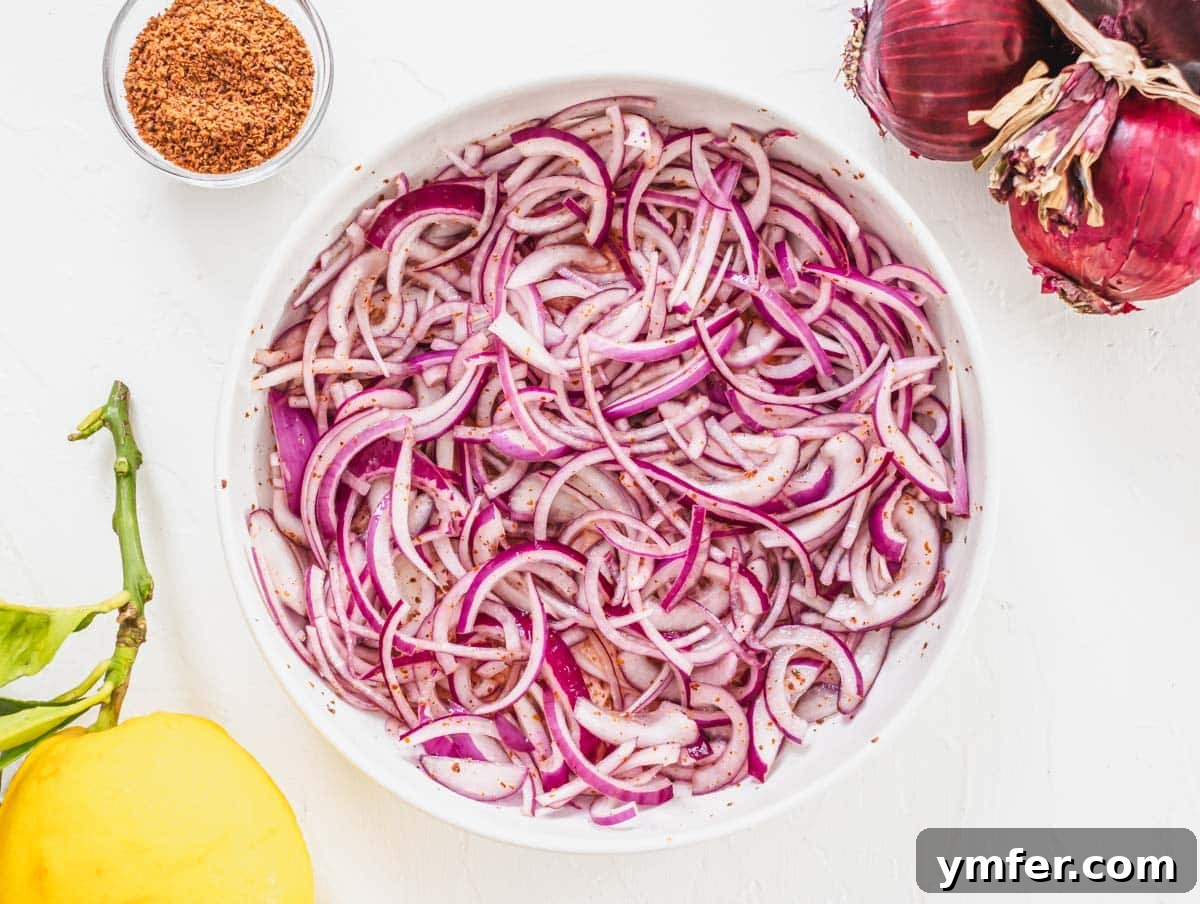
While this step is technically optional, we highly encourage it for an authentic and more flavorful Piyaz. You can substitute with plain thinly sliced red onions, but the marinated version adds a wonderful tang and reduces pungency.
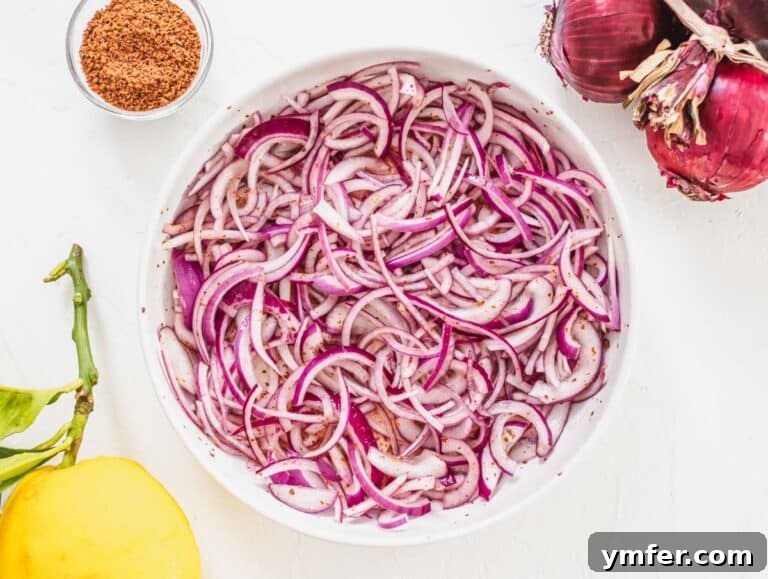
Take your red onion, cut it in half, and slice it as thinly as possible. Place the slices into a bowl. Add fresh lemon juice, a generous pinch of salt, and sumac. Using your fingers, gently pinch and massage the onion slices for about 1 minute. This helps break down the cell walls, allowing the flavors to penetrate and softening the onion’s texture. Set aside to marinate for 10 to 15 minutes while you prepare the dressing.
3. Crafting the Creamy Tahini Dressing
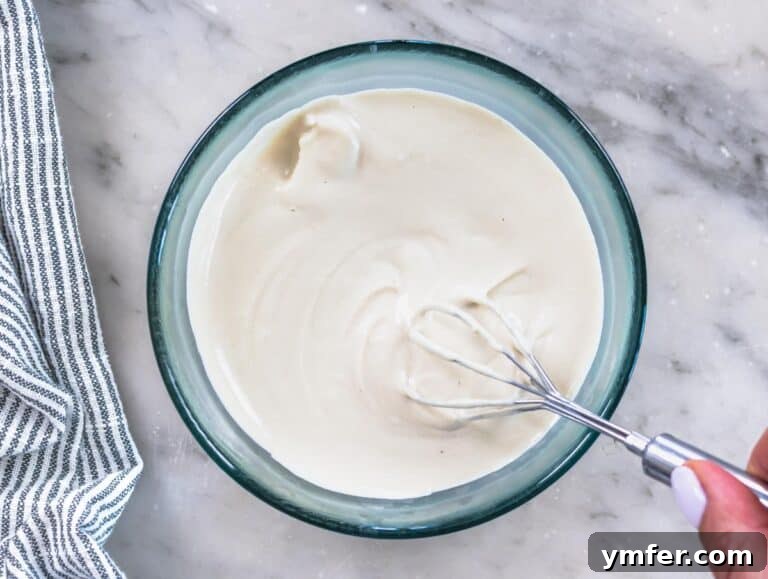
In a medium-sized bowl, combine the tahini, water, fresh lemon juice, vinegar (apple cider, white wine, or red wine), and sea salt. Begin whisking vigorously. Don’t be alarmed if the tahini-water mixture initially appears to curdle; this is a completely normal reaction as the fat and water begin to combine.
Chef’s Tip: If your tahini jar is newly opened, give it a good stir with a spoon first. The oil often separates and rises to the top, and mixing it ensures a consistent texture for your dressing.
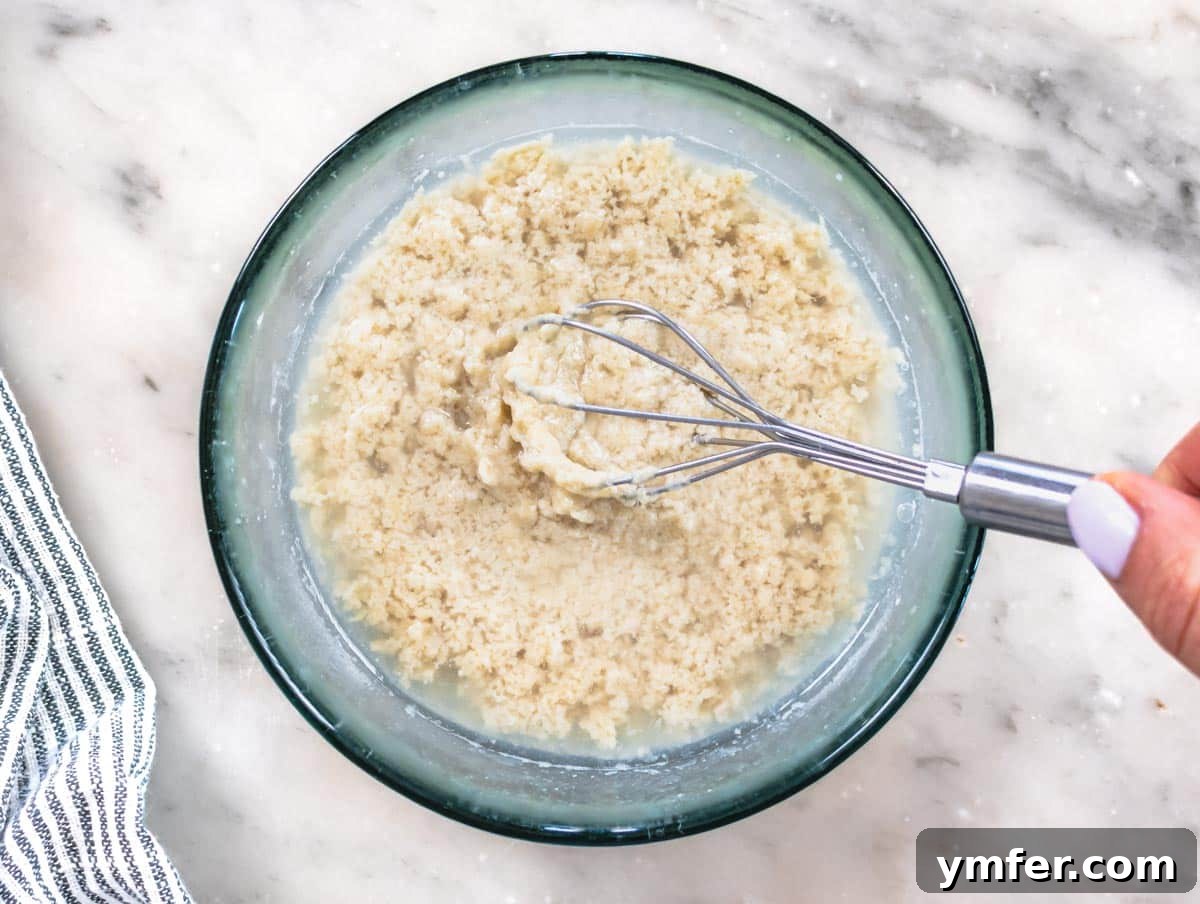
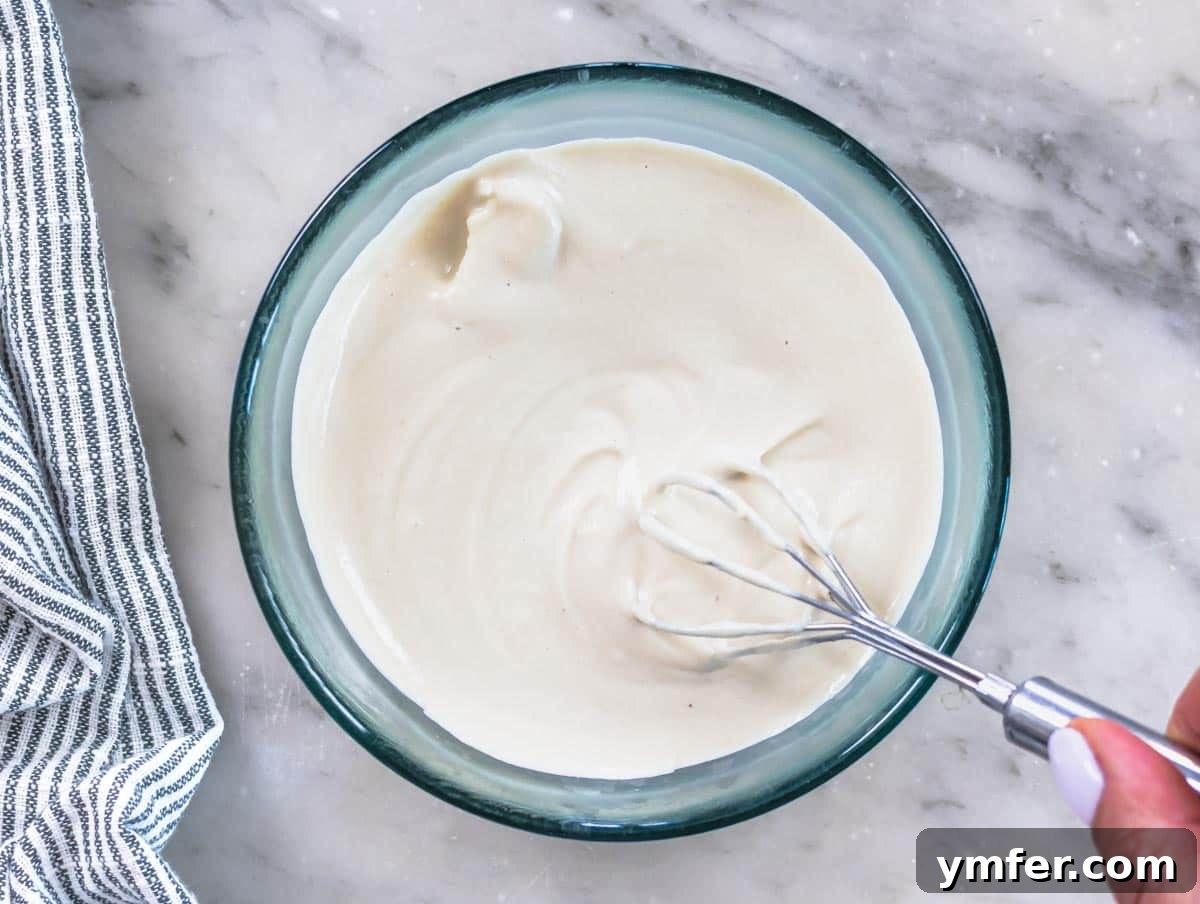
Continue whisking fast and consistently until the mixture transforms into a perfectly smooth, creamy, and pourable sauce. Once smooth, stir in a clove of crushed garlic. Allow the garlic to infuse its flavor into the dressing for about 5 minutes, then remove the garlic clove. This technique imparts a subtle garlic aroma without the raw bite.
4. Mixing the Salad to Perfection
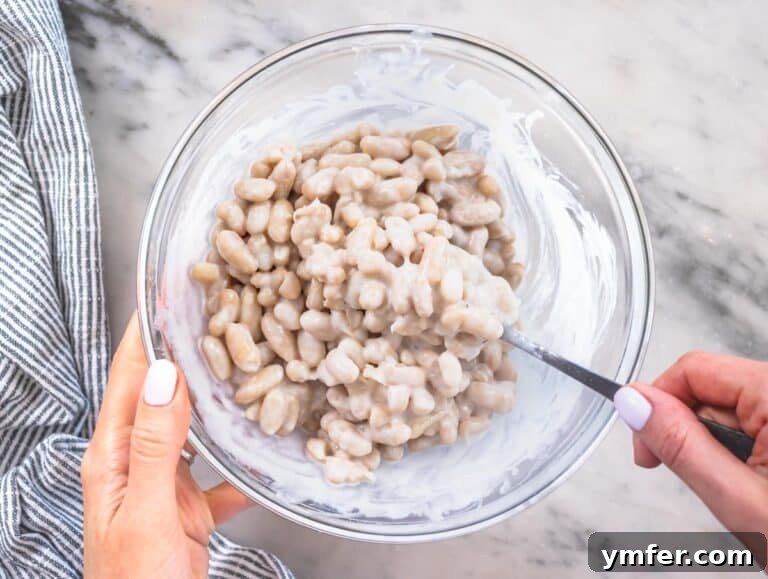
Pour the freshly prepared tahini dressing generously over the cooked white beans in the mixing bowl.
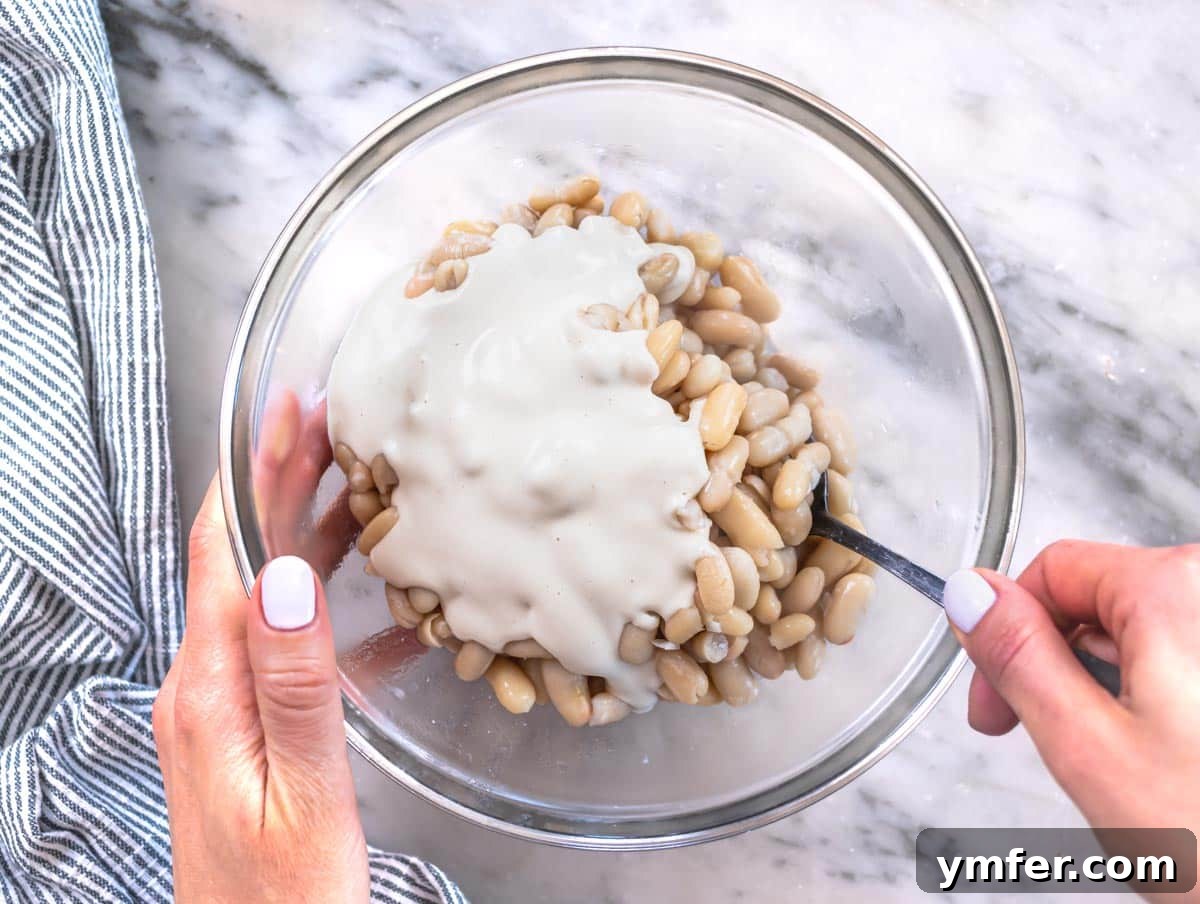
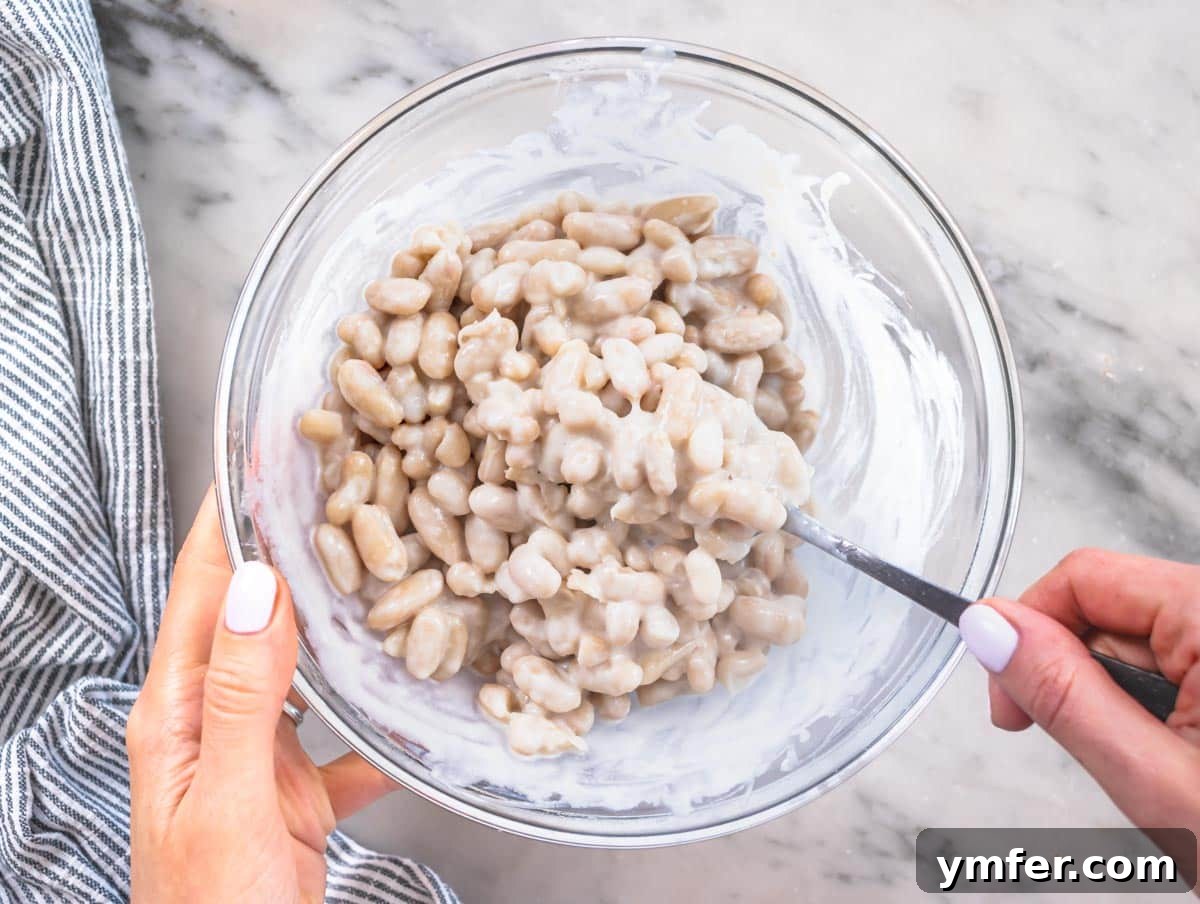
Gently stir the beans with the dressing until every bean is beautifully coated. Taste a spoonful and adjust for salt if necessary. The balance of tang and savory notes is key.
Important Note: It is crucial not to add extra lemon juice or vinegar directly to the bean and tahini mixture at this stage. Adding more acid after the tahini has emulsified can cause the dressing to curdle and separate, compromising the creamy texture of your beautiful salad.
5. Plating and Garnishing Fasulye Piyazi
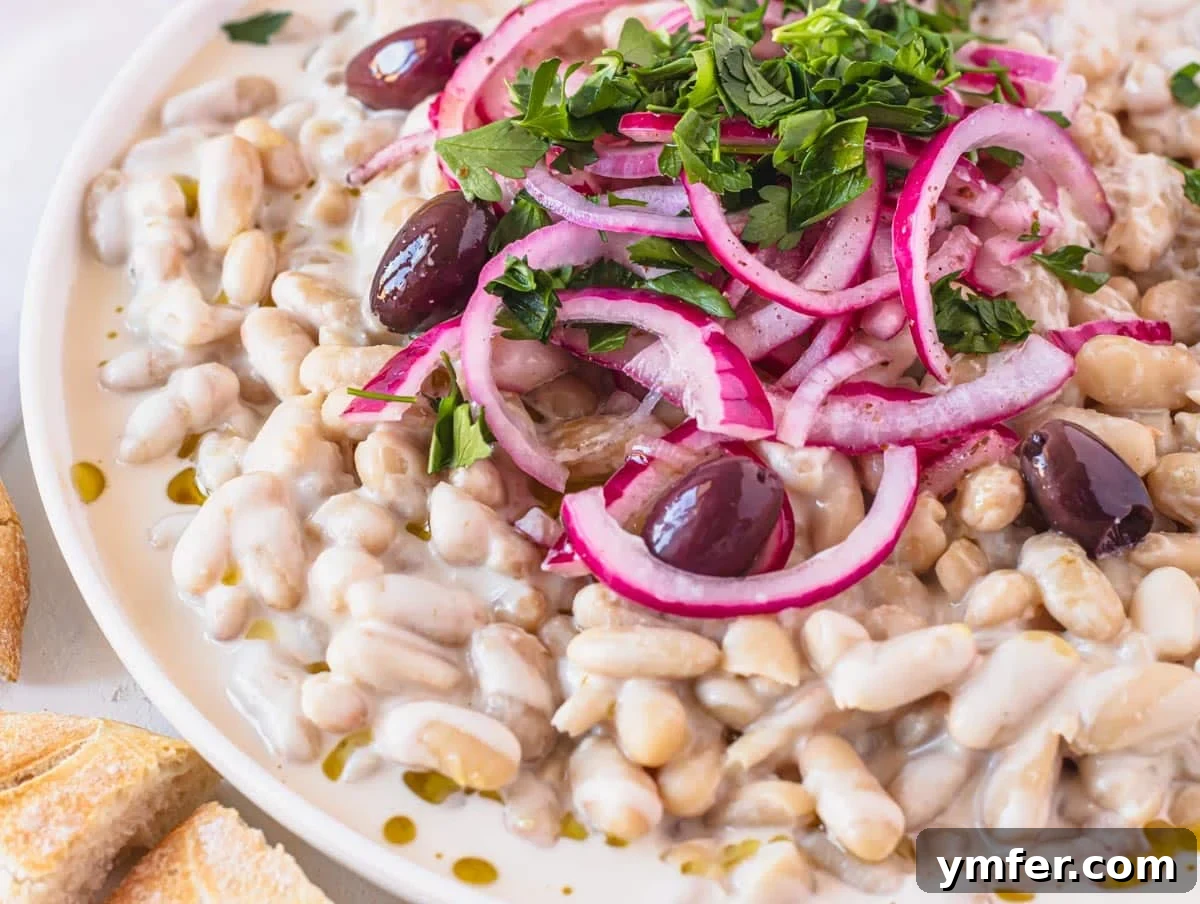
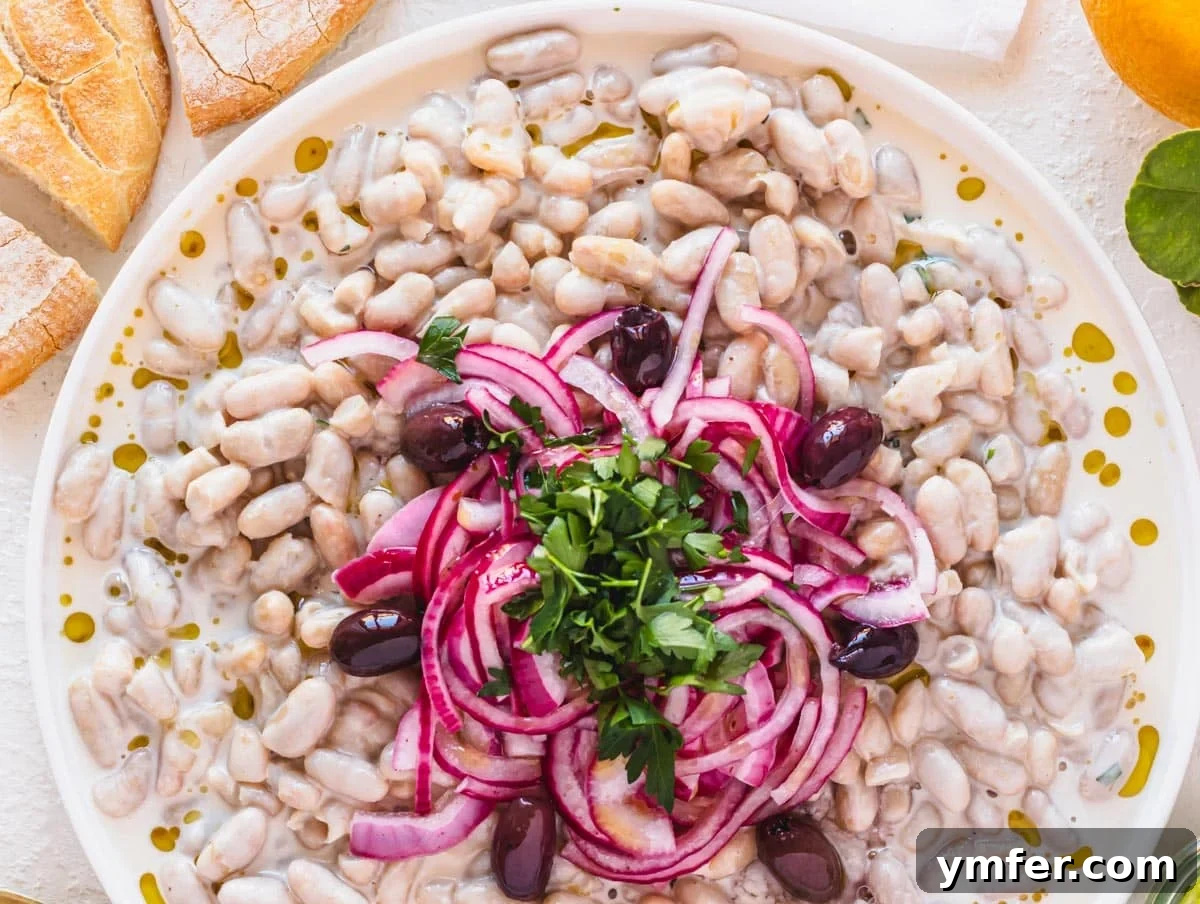
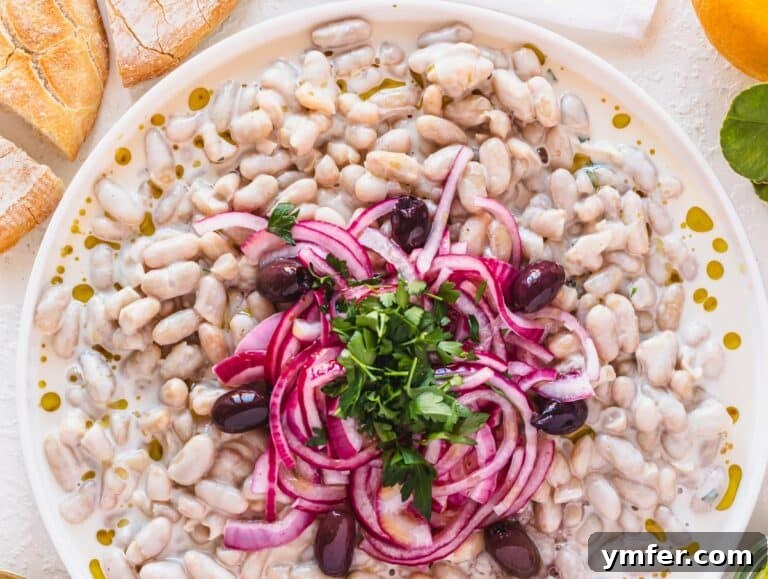
Carefully transfer the mixed Piyaz to your chosen serving platter or individual plates. This salad is meant to be a feast for the eyes as well as the palate! Top generously with the marinated onions, artfully arrange the olives, and sprinkle with a vibrant amount of coarsely chopped fresh parsley. For a final touch of richness and flavor, drizzle with a tablespoon of high-quality extra virgin olive oil.
Serving Suggestions for Turkish White Bean Salad
Fasulye Piyazi is incredibly versatile and can be enjoyed in numerous ways. It makes for a delightful and wholesome lunch or dinner, especially when paired with warm, fluffy pita bread, perfect for scooping up every last bit of creamy goodness. Beyond being a stand-alone meal, Piyaz shines as an impressive appetizer (mezze) or a refreshing side dish alongside a variety of other Mediterranean and Middle Eastern culinary delights.
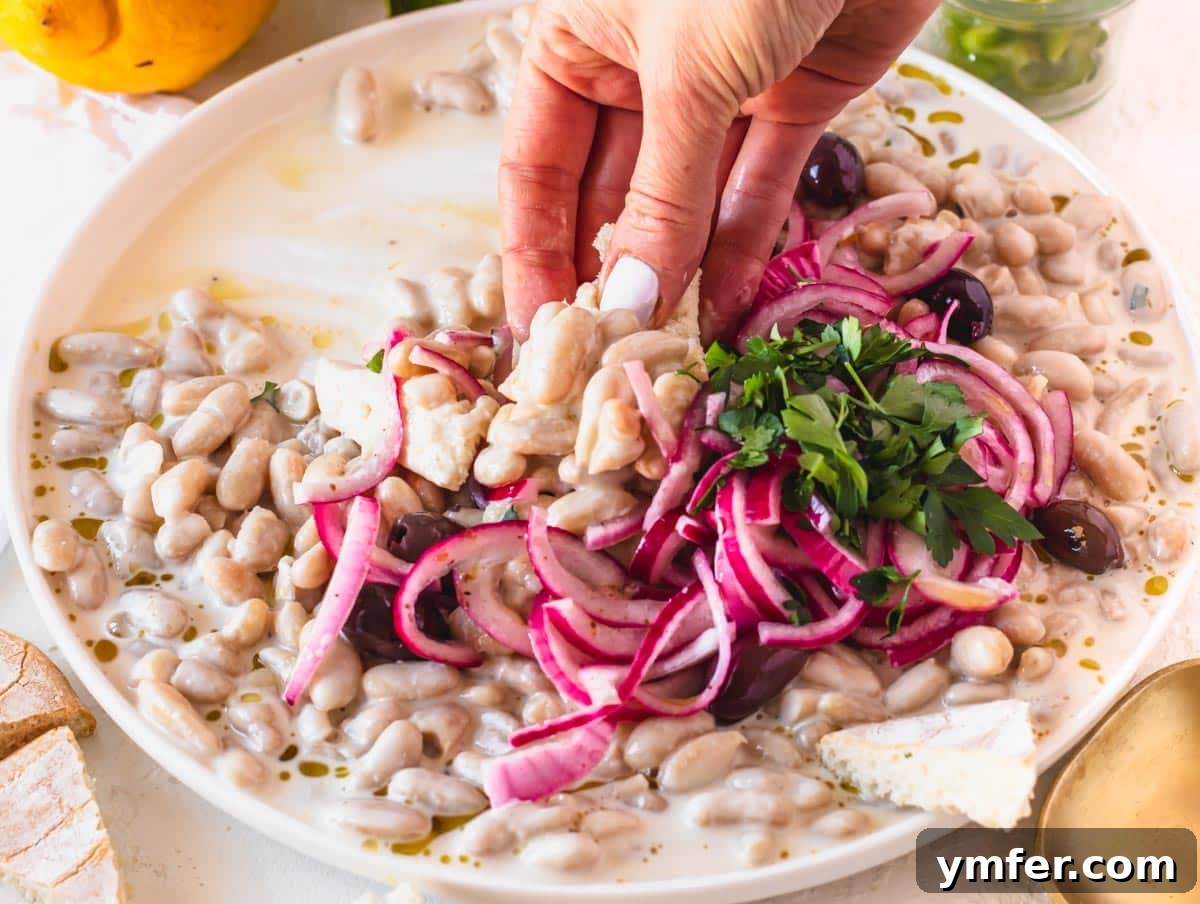
Consider serving this flavorful Turkish white bean salad next to:
- Tabbouleh Salad: The fresh, vibrant flavors of Tabbouleh perfectly complement the creamy richness of Piyaz.
- Shirazi Salad: Another refreshing salad with diced cucumbers, tomatoes, and onions, offering a textural contrast.
- Crispy Falafel: A classic pairing! The fried, savory falafel balls are a fantastic textural and flavor counterpart.
- Flavorful Chickpea Fritters: A lighter, equally delicious alternative to falafel.
- Hearty Lentil Patties: For a protein-packed vegetarian meal, these patties and Piyaz are a winning combination.
- Delicate Zucchini Fritters: Light and crispy, offering a wonderful contrast to the creamy bean salad.
- Savory Stuffed Zucchini: A comforting main dish that pairs well with the fresh flavors of Piyaz.
- Baked Stuffed Tomatoes: Mediterranean-inspired, these stuffed vegetables are a great accompaniment.
- Wholesome Stuffed Peppers: A colorful and nutritious dish that rounds out a Mediterranean spread.
Whether you’re hosting a party, preparing a family dinner, or simply looking for a healthy and satisfying meal, Piyaz is an excellent choice that always impresses.
Piyaz Variations to Explore
Mediterranean White Bean Salad
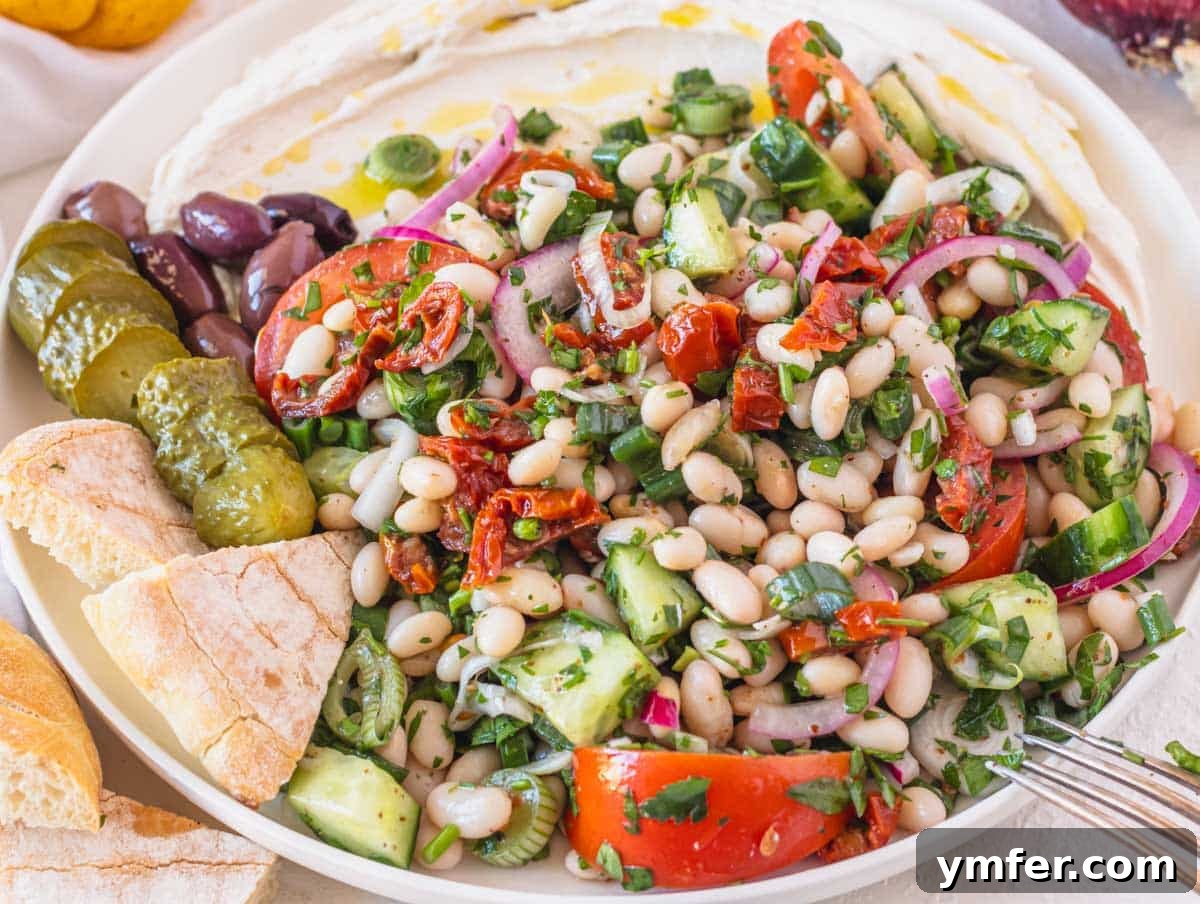
While this recipe champions the authentic Antalya-style Piyaz with its creamy tahini dressing, there are many delightful variations. Our Mediterranean white bean salad, for example, offers a different take. It features equally tender and creamy cannellini beans, but instead of tahini, it’s tossed with a medley of fresh herbs and crisp vegetables, all brought together by a bright and tangy olive oil and lemon dressing. It’s a lighter, more vibrant option if you’re looking for something with a different flavor profile.
You can also experiment with other additions to your Piyaz, such as finely diced tomatoes or cucumbers for extra crunch and freshness, or a sprinkle of Aleppo pepper for a mild, fruity heat. Some versions even incorporate a hard-boiled egg (if not vegan), adding a different layer of richness and protein.
Expert Tips for the Perfect Piyaz
Achieving the perfect Piyaz is easier than you think with a few insider tips:
- Warm the Beans: This is a game-changer! Even when using pre-cooked canned beans, gently boiling them in water for about 15 minutes before mixing ensures they are tender, warm, and highly receptive to absorbing the flavors of the dressing. Cold beans tend to stiffen and won’t blend as harmoniously.
- Serve at Room Temperature: Piyaz truly tastes its best when served at room temperature. If you’ve stored it in the refrigerator, remember to take it out about 15 to 20 minutes before serving. This allows the flavors to mellow and the dressing to become perfectly creamy again.
- Choose Quality Tahini: The quality of your tahini is paramount for this recipe. Seek out tahini that is made from 100% hulled sesame seeds, light in color, and possesses a smooth, pourable consistency. Avoid tahini that appears dark, pasty, or gritty, as these characteristics often indicate bitterness and will make it harder to achieve a silky-smooth dressing.
- Don’t Skip Marinating Onions: The marinated red onions are not just a garnish; they are a key component that provides a crucial tangy, slightly sweet, and less pungent crunch. The sumac and lemon juice transform the raw onion flavor into something truly special.
- Adjust Seasoning Carefully: Always taste your dressing and then the final salad before serving. Tahini dressings can absorb salt differently, and personal preference for acidity can vary. Adjust salt as needed, but remember the cautionary note about adding more lemon/vinegar *after* mixing with beans to prevent curdling.
- Fresh Herbs are Essential: Do not substitute dried parsley for fresh. The vibrant, clean taste of fresh flat-leaf parsley is indispensable for the authentic flavor and appearance of Piyaz.
Storage & Make Ahead: Enjoying Piyaz Longer
Make Ahead for Convenience: Piyaz salad is an excellent candidate for meal prep! It keeps remarkably well for a few days, and its flavors tend to deepen and meld beautifully as it rests. As it chills in the refrigerator, the tahini dressing will naturally thicken. To bring it back to its ideal, creamy, pourable consistency before serving, simply stir in a tablespoon or two of warm water until it reaches your desired texture.
Refrigerator Storage: Store any leftover Piyaz in an airtight container in the fridge for up to 3 days. Remember to remove it from the refrigerator about 15 minutes before serving to allow it to come closer to room temperature and for the flavors to truly sing.
Freezer Warning: Unfortunately, Piyaz is not suitable for freezing. The texture of the beans can become mealy, and the creamy tahini dressing may separate upon thawing, compromising the quality and enjoyment of the salad.
Frequently Asked Questions (FAQ) About Piyaz
Q: Can I use other types of beans for Piyaz?
A: While cannellini beans are traditional for Fasulye Piyazi and offer the best creamy texture, you can experiment with other white beans like great northern or navy beans. Chickpeas are used in “nohut piyazi,” a different variation, offering a firmer texture.
Q: What if my tahini dressing is too thick or too thin?
A: If your dressing is too thick, gradually whisk in a small amount of warm water (half a tablespoon at a time) until it reaches your desired pourable consistency. If it’s too thin, you might need to add a little more tahini, whisking well. The consistency can also vary slightly based on the brand of tahini you use.
Q: Is Piyaz always served cold?
A: Piyaz is typically served at room temperature. While it’s a refreshing dish, serving it directly from the fridge can mute some of its nuanced flavors. Allowing it to sit out for a short period before serving helps bring out its full deliciousness.
Q: Can I make Piyaz without sumac?
A: Yes, you can. Sumac adds a unique tangy, lemony flavor and a beautiful deep red hue to the marinated onions. If you don’t have sumac, you can simply marinate the onions in lemon juice and salt, or use a pinch of paprika for color, though the flavor will be slightly different.
Q: How can I make my Piyaz spicier?
A: To add heat, you can sprinkle some red pepper flakes (pul biber or Aleppo pepper are authentic choices) over the finished salad, or garnish with sliced pickled jalapeños or fresh finely chopped green chilies.
More Delicious Bean Salads to Try
- Hearty Black Bean Salad
- Fresh Mediterranean Salad
- Light Vegan Pasta Salad
- Creamy & Satisfying Pasta Salad
- Artichoke Salad with White Beans
Salads
Artichoke Salad
Salads
Creamy Pasta Salad
Pasta
Vegan Pasta Salad
Salads
Mediterranean Salad
More Inspiring White Bean Recipes
- 15+ Easy & Versatile White Bean Recipes
- Hearty Tuscan White Bean Soup
- Creamy White Bean Dip
- Delicious Asparagus & White Bean Soup
- Simple White Bean Aglio e Olio
Dips and Spreads
White Bean Dip
Pasta
White Bean Aglio Olio
Soups
Tuscan White Bean Soup
Soups
Asparagus Soup
Piyaz (Authentic Turkish White Bean Salad)
Nico Pallotta
You’ll adore this recipe for its delightful combination of creamy white beans and rich tahini dressing, complemented by fresh herbs, savory olives, and the exquisite tang of crisp, marinated onions.
15
15
30
4 people
Appetizer, Main Course, Side
Turkish, Mediterranean
Share
Ingredients
- 1 cup dry cannellini beans / 3 cups cooked / 2 cans of 15 ounces or 400 grams each
- 1 red onion thinly sliced (raw or marinated in 3 tablespoons lemon juice, 1 pinch salt, and 1 teaspoon sumac for 15 minutes)
- 10 olives (Kalamata or Taggiasche recommended)
- ¼ cup fresh flat-leaf parsley (coarsely chopped)
- ⅓ cup tahini from 100% hulled sesame seeds (light in color and pourable)
- ⅓ cup water
- 2 tablespoons fresh lemon juice
- 1 tablespoon vinegar (apple cider, white wine, or red wine vinegar)
- ½ teaspoon sea salt or kosher salt (plus more to taste)
- 1 clove garlic peeled and crushed (removed after infusing dressing)
- 1 tablespoon extra virgin olive oil (for drizzling)
Instructions
-
1. PREPARING THE BEANS:
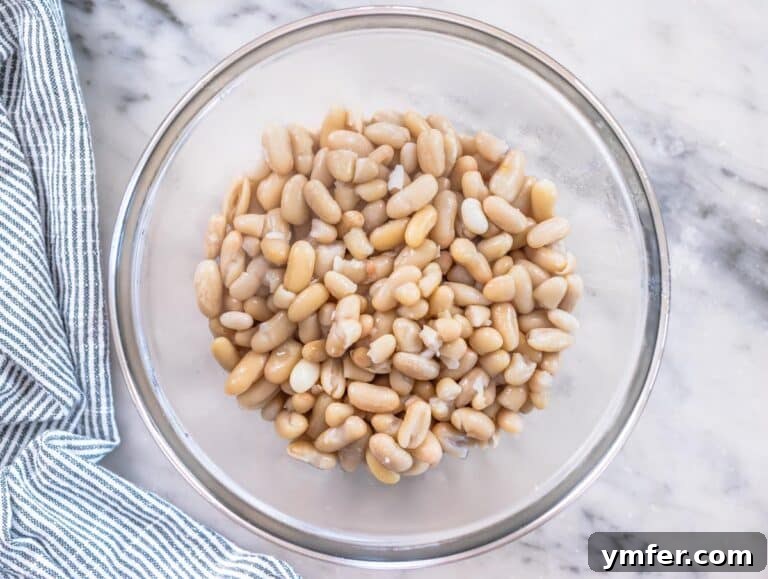
Dry white beans: Soak 1 cup dry cannellini beans in water for 8 hours. Drain, rinse, and add to a large pot. Cover with water by 4 inches (10 cm) and boil until tender—about 1 to 2 hours. Drain and add to a mixing bowl.
Canned beans: Drain and rinse the cannellini beans and add them to a medium-sized pot. Cover with 1 inch of water and boil for 15 minutes to warm and tenderize. Drain and add to a bowl.

-
2. PREPARING THE ONION:
Raw: You can use 1 red onion, raw and thinly sliced for a quicker option.
Marinated (Recommended): For enhanced flavor, cut the onion in half and slice it thinly. Add it to a bowl with 3 tablespoons lemon juice, 1 teaspoon sumac, and 1 pinch salt.
Pinch and massage with your fingers for 1 minute to soften, then set aside to marinate for 15 minutes while you prepare the dressing.
-
3. MAKING THE DRESSING: To a small bowl, add ⅓ cup tahini, ⅓ cup water, ½ teaspoon sea salt, 2 tablespoons lemon juice, and 1 tablespoon vinegar. Whisk vigorously until perfectly smooth. (Don’t worry if it curdles initially, keep whisking!).
Stir in 1 clove garlic (crushed), set aside for 5 minutes to infuse, and then remove the garlic clove.
-
4. MIXING THE SALAD: Pour the prepared tahini dressing over the warmed beans. Gently mix the beans with the tahini dressing until fully combined. Taste and adjust for salt as needed. Do not add extra lemon or vinegar at this stage, as it may cause the tahini to curdle.
-
5. PLATING PIYAZI: Transfer the Piyaz to a serving platter. Top generously with the marinated onions, 10 olives, ¼ cup flat-leaf parsley, and drizzle with 1 tablespoon extra virgin olive oil.
Serve immediately or at room temperature with warm pita bread. Afiyet olsun!
Notes
STORAGE & MAKE AHEAD:
Make Ahead: Piyaz salad is excellent for meal preps, as it holds up well for several days in the refrigerator. Over time, the dressing will naturally thicken. To restore its perfect creamy consistency, simply stir in a tablespoon or two of warm water before serving.
Refrigerator: Store any leftovers in an airtight container in the fridge for up to 3 days. For best flavor, remove from the fridge about 15 minutes prior to serving.
Freezer: Piyaz is not recommended for freezing, as the texture of the beans and dressing can be compromised upon thawing.
ALSO ON THIS PAGE:
- What is Piyaz or Fasulye Piyazi?
- Key Ingredients & Substitutions for Piyaz
- Serving Suggestions
- Piyaz Variations
- Expert Tips
- More Bean Salads
- More White Bean Recipes
Nutrition
Carbohydrates: 33g,
Protein: 12g,
Fat: 16g,
Saturated Fat: 2g,
Polyunsaturated Fat: 5g,
Monounsaturated Fat: 8g,
Trans Fat: 0g,
Cholesterol: 0mg,
Potassium: 690mg,
Dietary Fiber: 7g,
Sugar: 2g,
Vitamin A: 370IU,
Vitamin B6: 0.2mg,
Vitamin C: 11mg,
Vitamin E: 2mg,
Vitamin K: 67µg,
Calcium: 132mg,
Folate: 107µg,
Iron: 5mg,
Manganese: 1mg,
Magnesium: 84mg,
Zinc: 2mg
Tried this recipe?
Leave a comment below or mention @theplantbasedschool on Instagram. We love hearing from you ⭐️ 💚.
If you savored this authentic Piyaz recipe, you might also enjoy these related culinary inspirations:
Mains
Mediterranean Diet Recipes
Collections
30 Vegetarian Appetizers
Collections
15 Easy Cannellini Bean Recipes
Collections
25 Easy Sauces
We hope you enjoy bringing the authentic tastes of Turkey into your kitchen with this delightful Piyaz recipe. Happy cooking!