
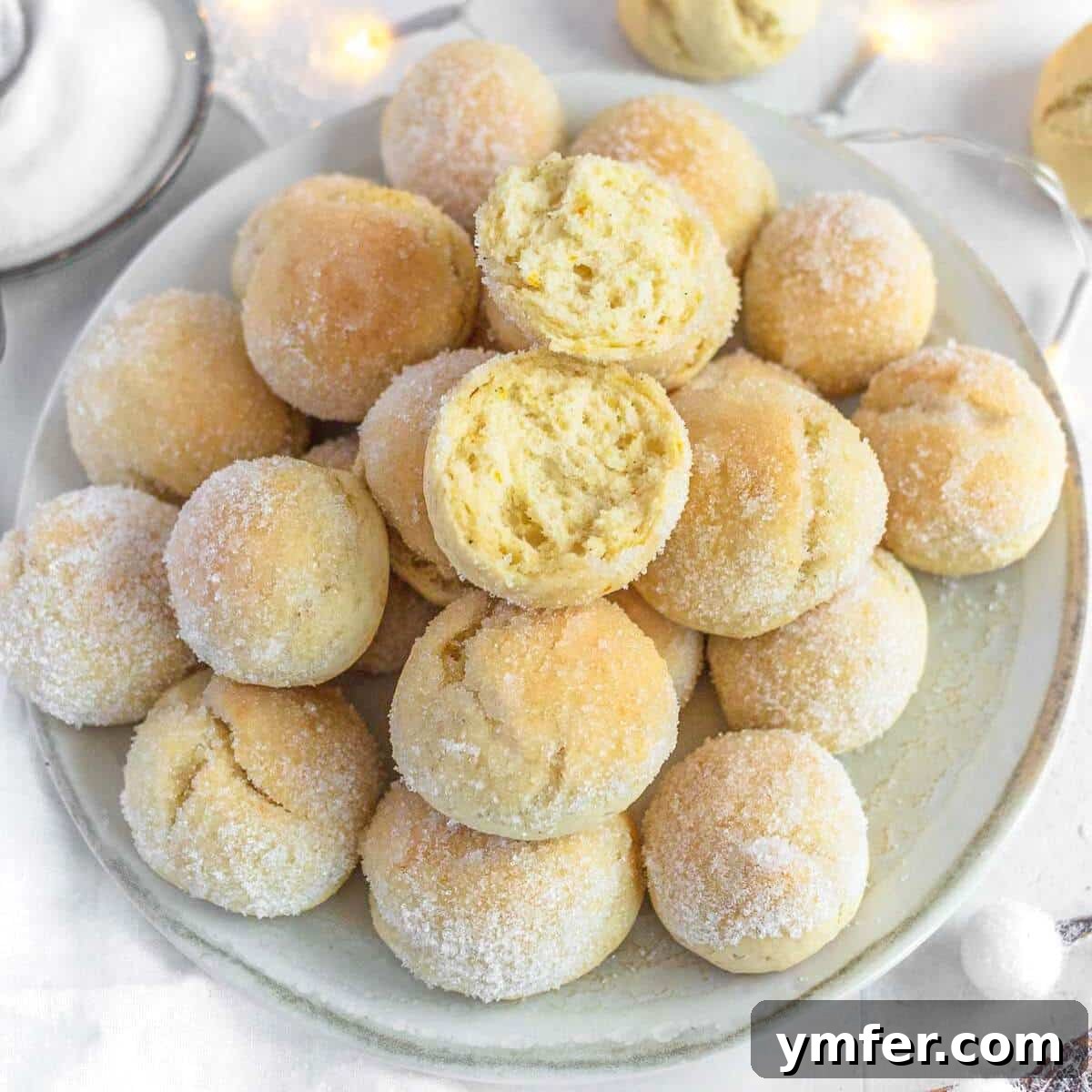
Authentic Italian Castagnole Recipe: Baked & Deep-Fried Carnival Delights
Step into the delightful world of Castagnole, a cherished Italian sweet treat perfect for any celebration, especially the vibrant Carnival season! This versatile recipe invites you to enjoy these bite-sized wonders in two irresistible ways: either tender and moist when delicately baked in the oven, or wonderfully crisp and golden when traditionally deep-fried. What makes our rendition truly special is its remarkable simplicity and wholesome plant-based nature. Crafted entirely without yeast, eggs, or butter, it relies on just a handful of easy-to-find ingredients, ensuring a delicious and accessible indulgence for everyone.
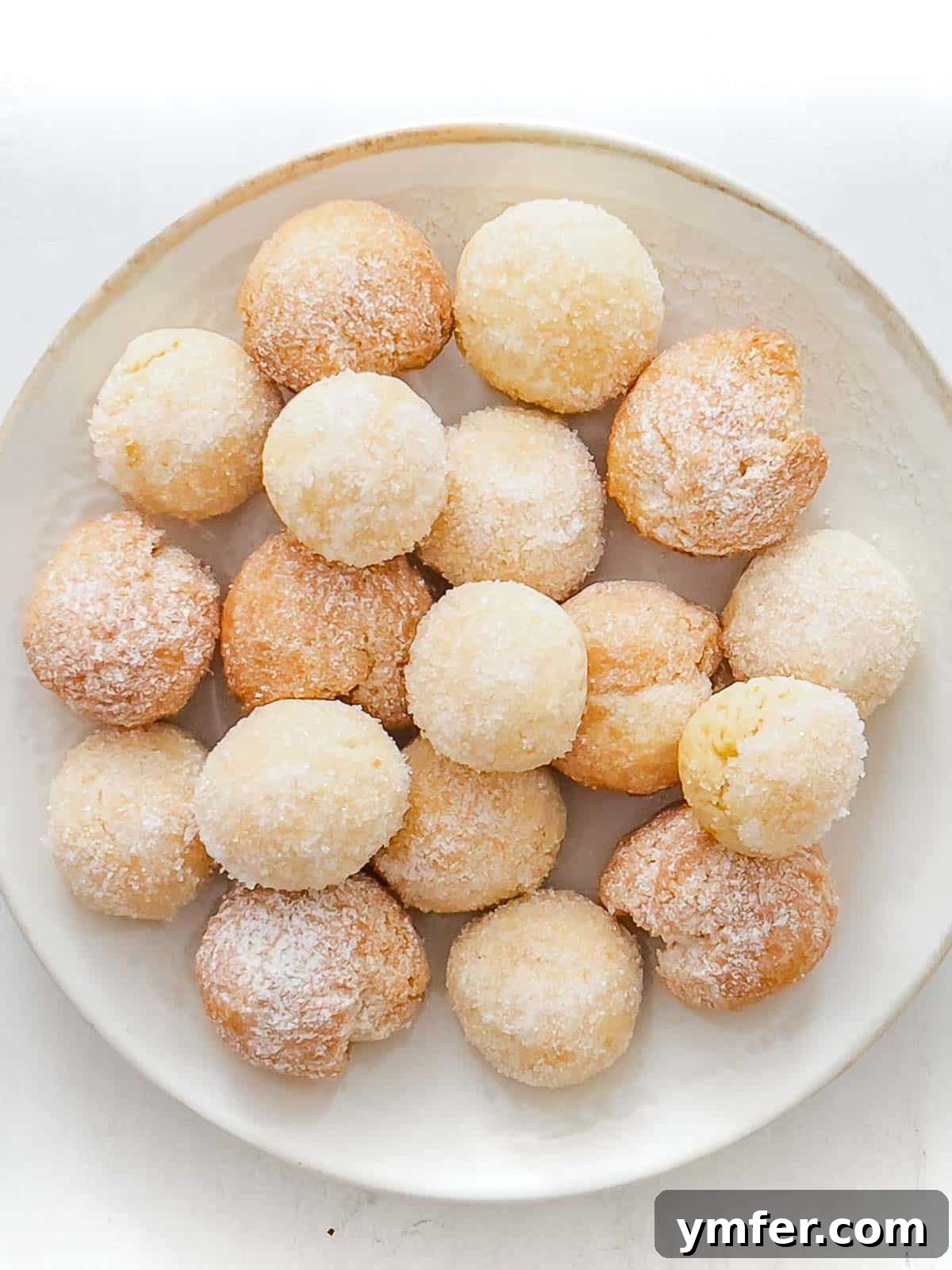
Table of Contents
- What Are Castagnole?
- Why You’ll Love This Castagnole Recipe
- Key Ingredients & Substitutions
- How to Make Castagnole: Step-by-Step Dough Preparation
- Shaping Your Castagnole: From Dough to Delight
- Oven-Baked Castagnole: Light and Fluffy Perfection
- Deep-Fried Castagnole: Golden Crispy Bliss
- Serving Suggestions & Creative Variations
- Expert Tips for Castagnole Success
- Frequently Asked Questions
- Storage Tips
- Castagnole – Italian Sweet Dough Balls Recipe Card
What Are Castagnole?
Castagnole are truly one of Italy’s most beloved and widely enjoyed Carnival sweets. These delightful little dough balls, traditionally savored during the festive period leading up to Lent, are essentially the Italian rendition of sweet donut holes, but notably, without the use of yeast. The charming name “Castagnole” itself is wonderfully apt, translating directly to “small chestnuts” – a clear reference to their characteristic round, bite-sized shape and inviting appearance.
The enduring appeal of Castagnole lies in their delightful simplicity. Crafted with just a handful of readily available, everyday ingredients, they come together quickly to form a surprisingly pliable and versatile dough. While many traditional recipes historically incorporate eggs and butter, our innovative plant-based version achieves an equally rich flavor and satisfying texture without any animal products. The true beauty of Castagnole also resides in their dual preparation methods: you have the option to bake them for a lighter, more tender sweet, or deep-fry them for that classic, irresistible crisp exterior and wonderfully soft interior.
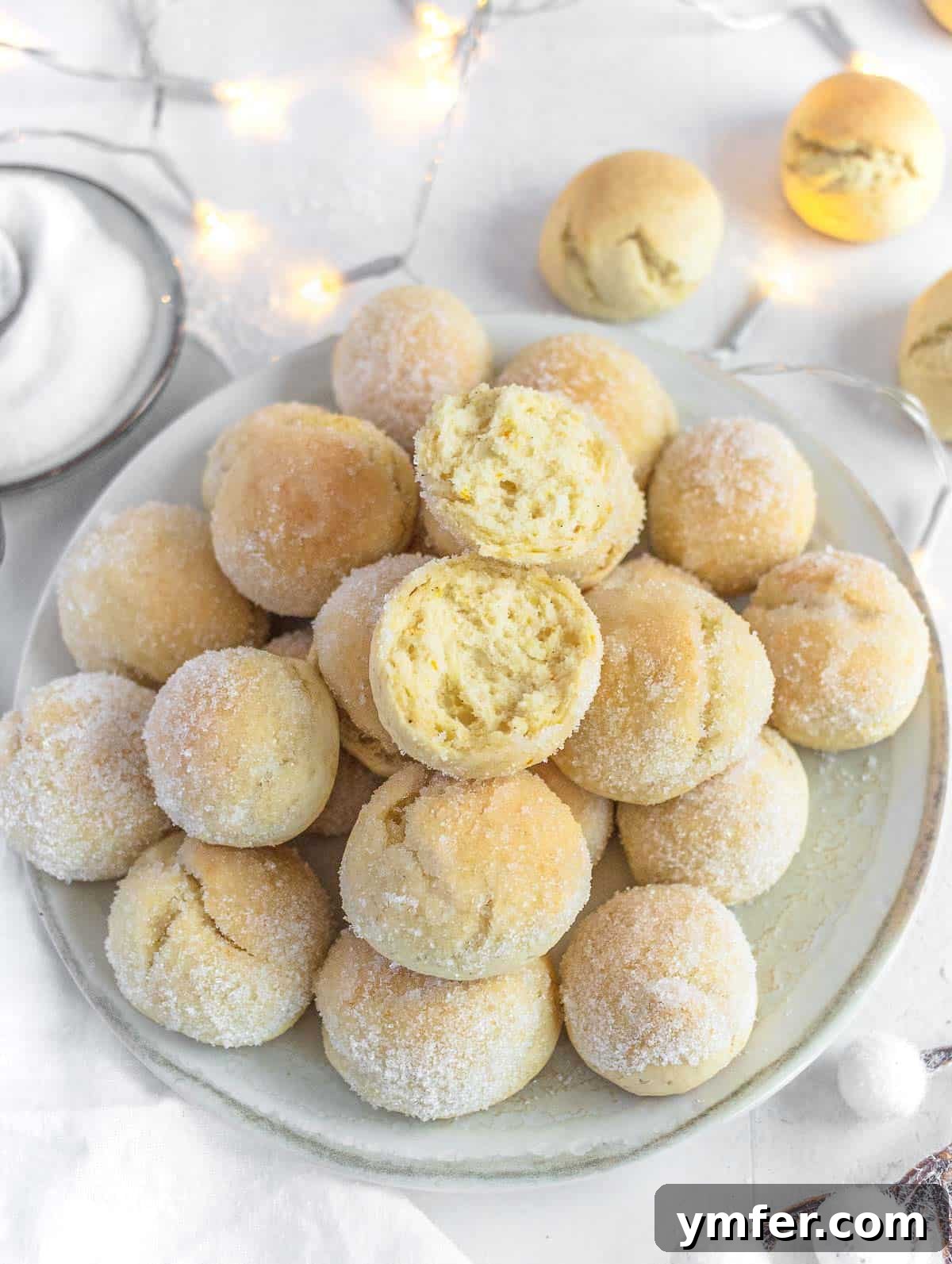
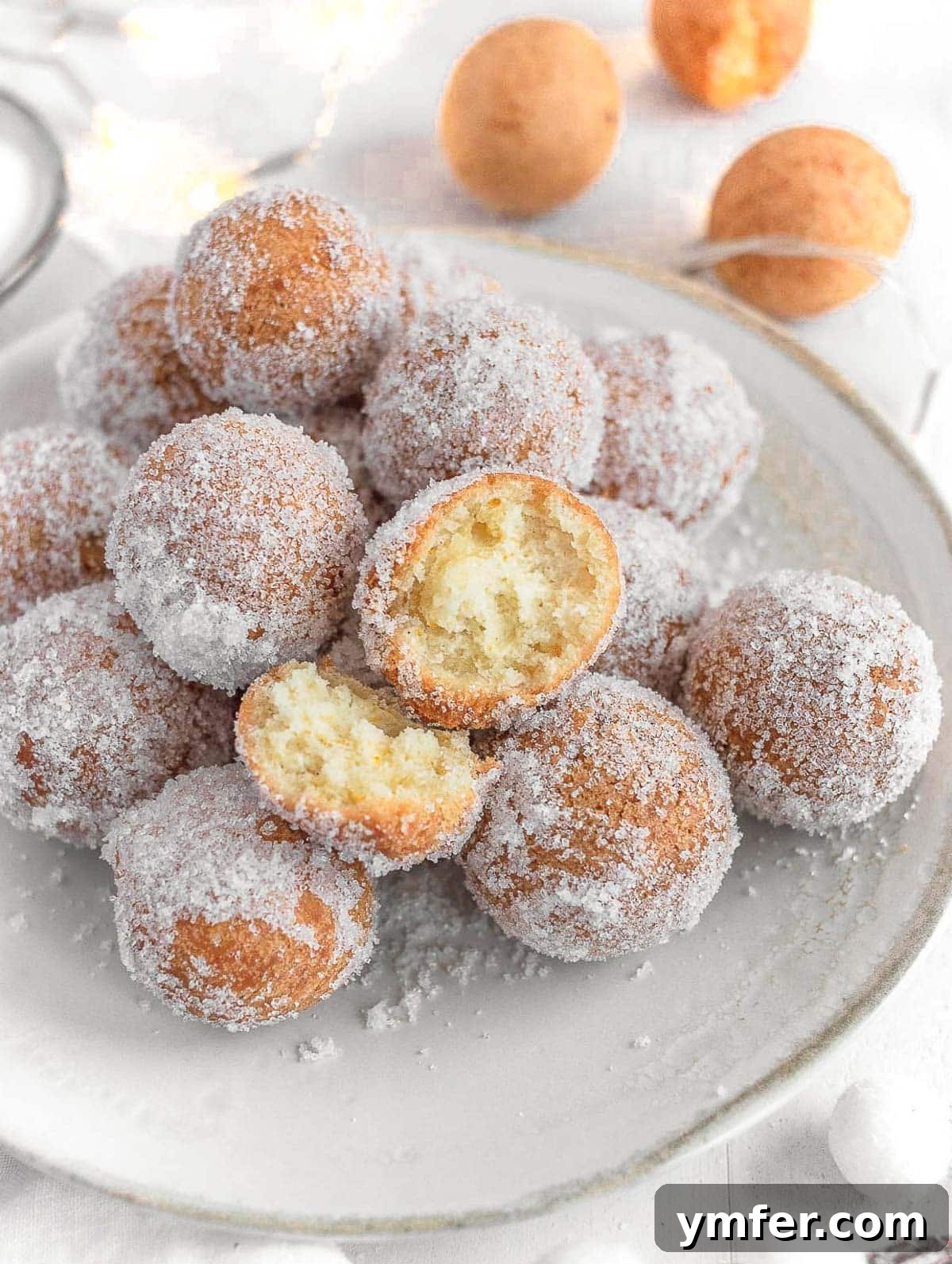
When prepared as oven-baked Castagnole, these treats emerge from your oven wonderfully soft, incredibly moist, and remarkably light. They offer a delicate flavor profile that is profoundly satisfying, making them an excellent choice for those seeking a less indulgent, yet equally flavorful, sweet snack or dessert. In stark contrast, deep-fried Castagnole boast an alluringly crisp, golden-brown exterior that provides a delightful textural crunch before revealing a gloriously soft and airy interior. This exquisite contrast in textures, coupled with their enticing sweet aroma, makes them an absolutely addictive indulgence, perfectly embodying the joyful and celebratory spirit of Italian festivities.
Why You’ll Love This Castagnole Recipe
Beyond their delicious taste and rich traditional charm, this particular Castagnole recipe offers several compelling advantages that make it a must-try:
- Effortlessly Vegan & Dairy-Free: We have meticulously developed this recipe to be entirely plant-based, making it an ideal choice for individuals with dietary restrictions, allergies, or simply those embracing a vegan lifestyle. You will discover that no richness or authentic Italian flavor is sacrificed.
- No Yeast Required, Quick Preparation: Forget about lengthy waiting times for dough to rise! Our Castagnole recipe utilizes baking powder as its leavening agent. This means the dough comes together swiftly and can be cooked almost immediately, significantly reducing preparation time.
- Versatile Cooking Methods: Whether your preference leans towards a lighter, less oily option achieved through baking, or the classic crispy texture synonymous with deep-frying, this recipe masterfully caters to both preferences. You’ll achieve two distinct, yet equally delectable, culinary experiences from a single, simple dough.
- Simple, Accessible Ingredients: You’ll likely find the majority of the ingredients required for these delightful Italian treats already stocked in your pantry. There’s no need for obscure or specialty items; just common, everyday staples are transformed into something truly extraordinary.
- Perfect for Any Occasion: While traditionally celebrated as a Carnival sweet, Castagnole are a wonderfully versatile delight suitable for enjoyment year-round. They serve as an excellent dessert, a satisfying sweet snack, or a charming treat to share with friends and family at any gathering.
Key Ingredients & Substitutions
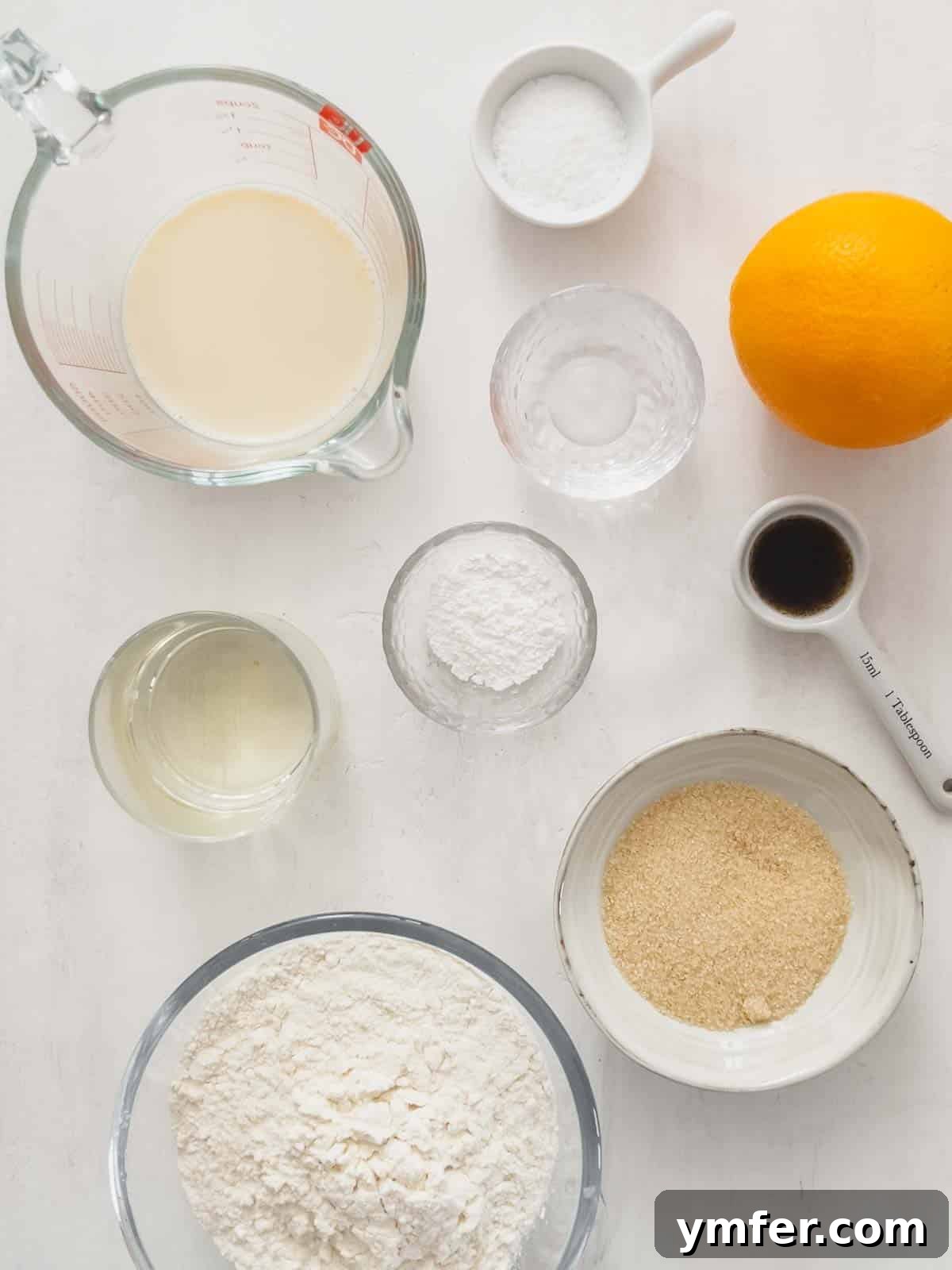
Crafting truly perfect Castagnole begins with the careful selection of high-quality, yet inherently simple, ingredients. Here’s a detailed breakdown of what you’ll need, along with helpful insights and potential substitutions:
- All-Purpose Flour: This forms the essential structural foundation of our dough. For Castagnole with a slightly softer, more tender crumb, you might consider using cake flour. Conversely, if you desire a chewier bite, bread flour can be employed, though it may necessitate a minor adjustment by adding a touch more liquid to the dough.
- Sugar: White granulated sugar is the traditional choice, lending a clean and straightforward sweetness. For a subtle hint of caramel and added depth, especially if you intend to finish your Castagnole with a cinnamon sugar coating, you could experiment with light brown sugar.
- Baking Powder: This is our crucial leavening agent, responsible for creating the desired light and airy texture without requiring yeast. To ensure optimal rise and lightness, always verify that your baking powder is fresh and active.
- Salt: A small but significant pinch of salt is indispensable. It expertly balances the sweetness, prevents the Castagnole from tasting bland, and subtly enhances all the other wonderful flavors present in the dough.
- Citrus Zest: The vibrant, aromatic heart of authentic Italian Castagnole! We recommend using the finely grated zest of either an organic orange or lemon. Orange zest typically imparts a sweeter, brighter, and more floral note, while lemon zest offers a more tart, refreshing, and zesty aroma. It is always best to choose organic citrus when using the zest, as you will be consuming the peel directly.
- Plant Milk: Any neutral-flavored plant milk will work beautifully in this recipe, providing the necessary moisture and contributing to the richness of the dough without any dairy. Excellent choices include soy milk, oat milk, almond milk, or rice milk.
- Neutral Vegetable Oil: Sunflower seed oil is highly recommended due to its light color and neutral flavor, ensuring it will not overpower or interfere with the delicate taste profile of the Castagnole. Other suitable substitutes include canola oil, grapeseed oil, or any other light vegetable oil with a neutral taste.
- Vanilla Extract: A splash of good quality vanilla extract adds a wonderful depth of aroma and beautifully complements the inherent sweetness of the dough. For an even more intense and authentic vanilla flavor, you could consider scraping the seeds from half a fresh vanilla bean.
- Liquor (Optional but Recommended): Traditionally in Italy, a small quantity of liquor, most commonly anise liquor, is incorporated into Castagnole dough. This addition not only imparts a unique, subtle flavor but is also widely believed to play a role in reducing excessive oil absorption during the deep-frying process, resulting in a lighter fried product. If anise liquor is not to your taste, other spirits like rum, brandy, or even a dry white wine can be used as alternatives. For an entirely alcohol-free version, simply substitute the liquor with an equivalent measure of additional plant milk.
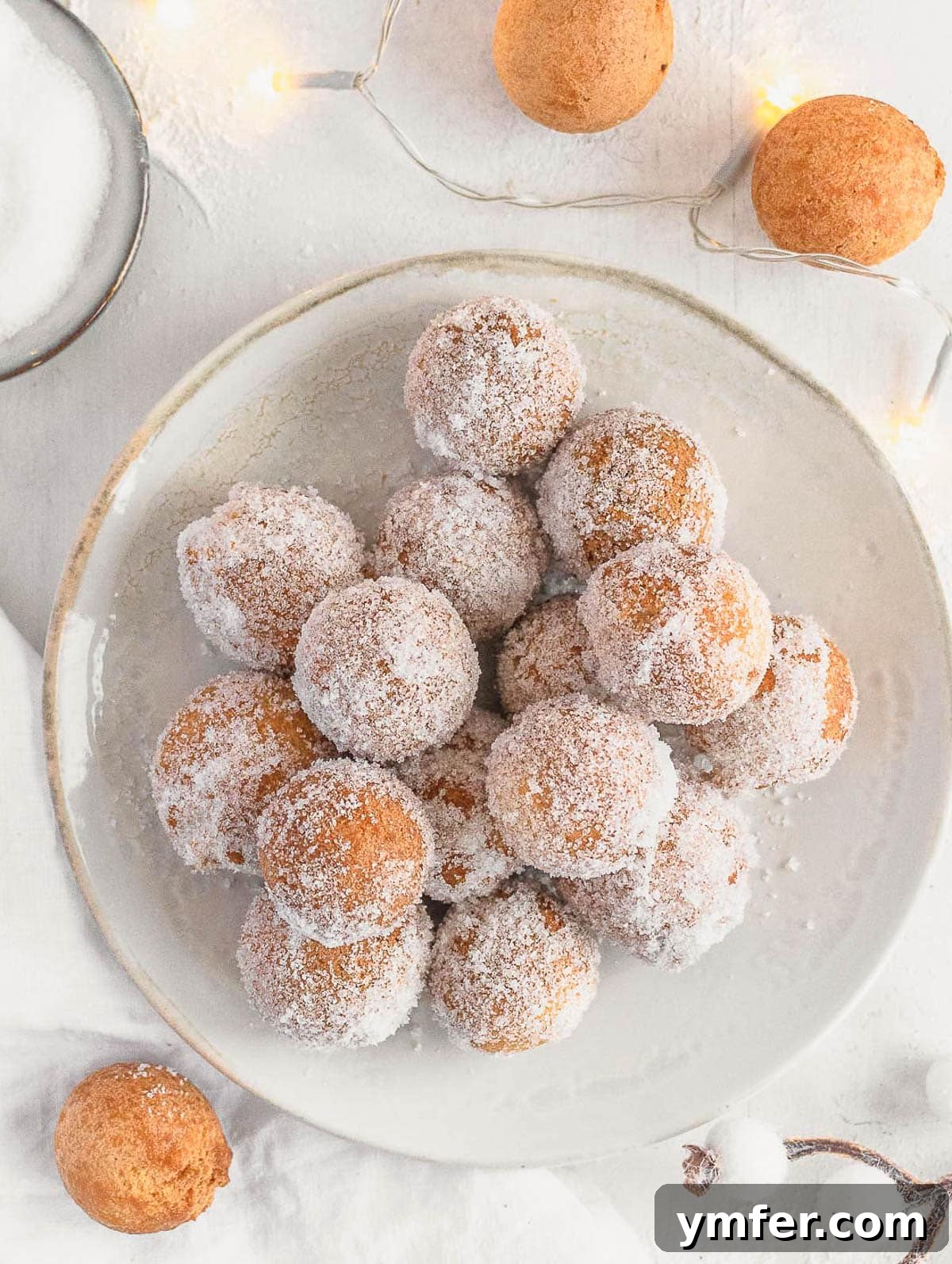
How to Make Castagnole: Step-by-Step Dough Preparation
Crafting the Perfect Castagnole Dough
Creating the foundational dough for Castagnole is a wonderfully straightforward process, making it highly accessible even for novice bakers. By diligently following these clear, simple steps, you’ll effortlessly achieve a smooth, pliable, and perfectly textured dough that is ideally prepared for the next stage of shaping.
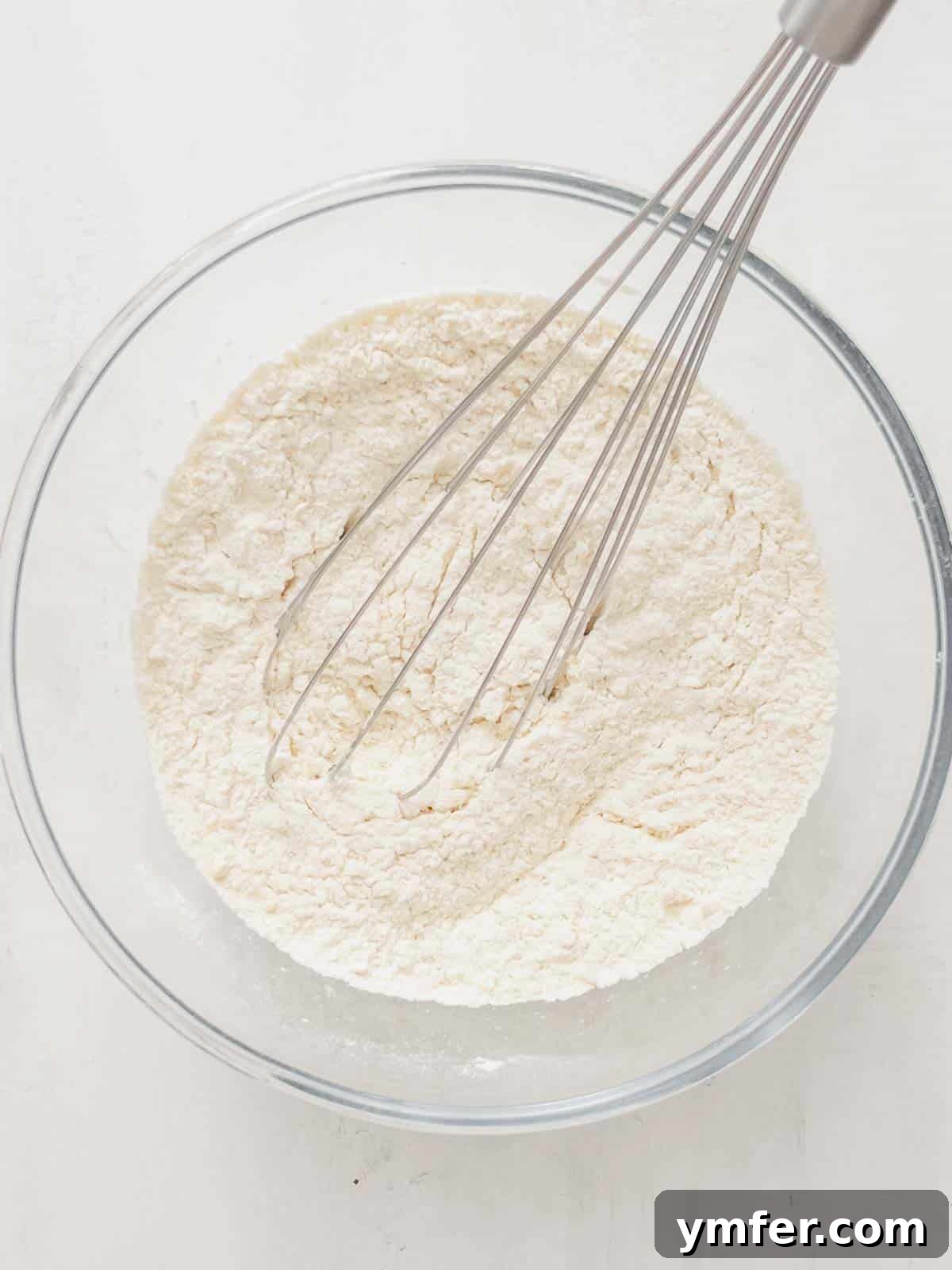
Initiate the process by meticulously gathering all your dry ingredients. In a generously sized mixing bowl, combine 1⅔ cups (250 grams) of good quality all-purpose flour, ⅔ cup (70 grams) of sugar, a crucial pinch of salt to enhance flavor, 1 teaspoon (4 grams) of fresh baking powder for lift, and the delightfully fragrant, finely grated zest of one organic orange or lemon. When grating citrus zest, it is paramount to focus solely on the brightly colored outer peel, rigorously avoiding the bitter white pith that lies beneath. Once all dry components are in the bowl, give them a quick yet thorough whisk to ensure they are homogeneously combined and evenly distributed, laying the groundwork for a balanced flavor.
Following the dry mix, it’s time to meticulously incorporate the wet ingredients. To the prepared bowl, carefully add ¼ cup (60 grams) of your preferred plant milk and 3 tablespoons (40 grams) of a neutral-flavored vegetable oil, such as sunflower seed oil or canola oil. For a touch of authentic Italian tradition, and a rumored benefit of reducing oil absorption during deep-frying, 2 tablespoons (30 grams) of anise liquor or another suitable spirit are typically added. Should you prefer an entirely alcohol-free version, simply replace this liquor with an equivalent volume of additional plant milk, ensuring the dough maintains its correct consistency.
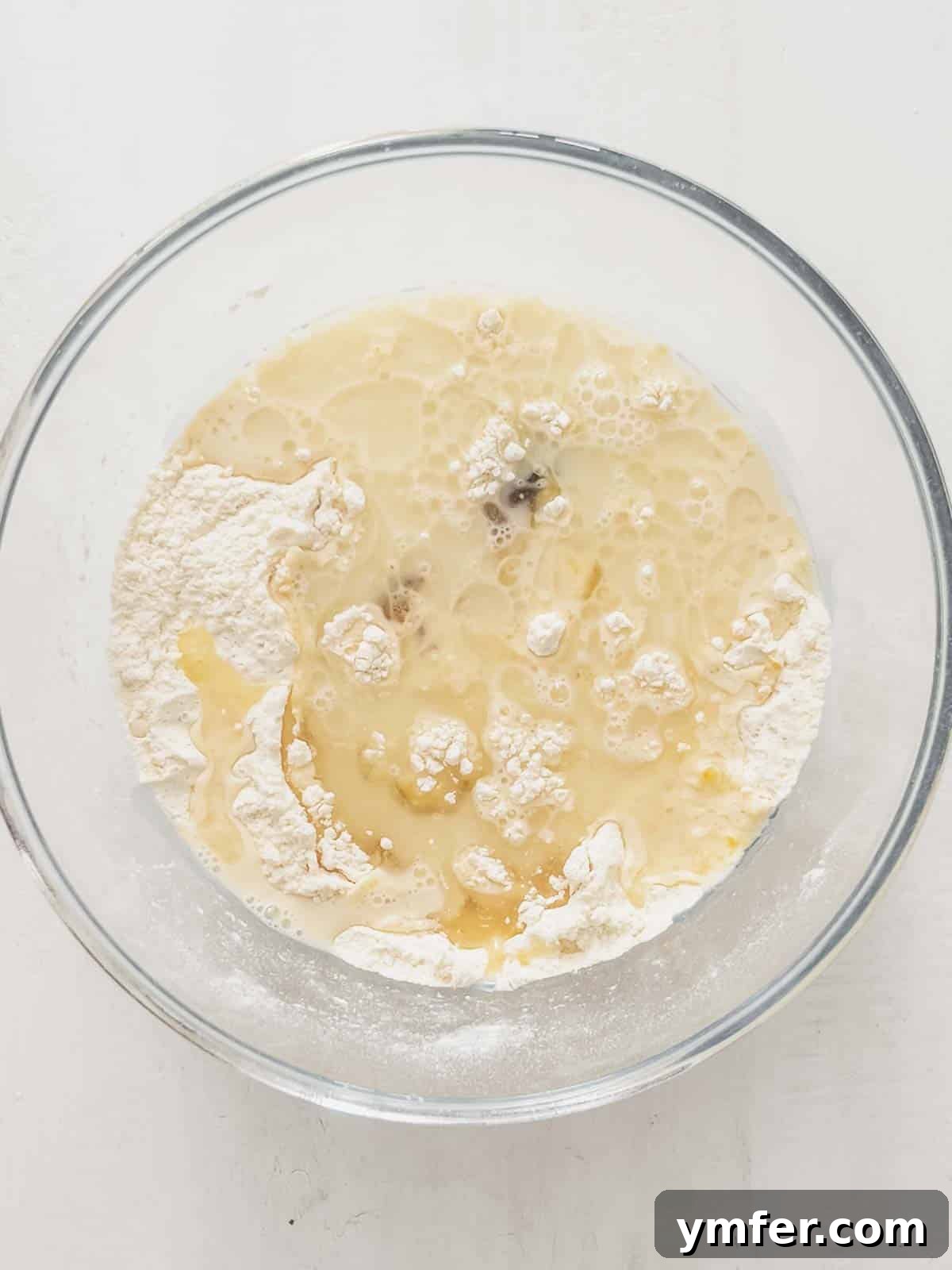
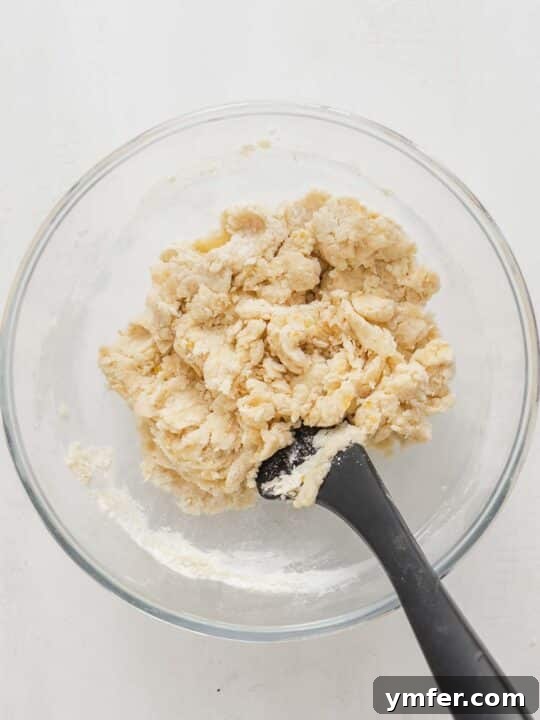
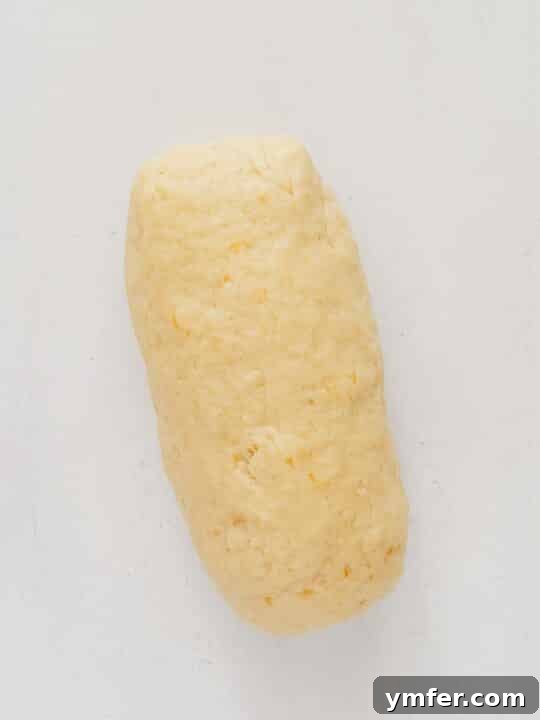
Once both the wet and dry ingredients have been assembled in the bowl, employ a robust spatula to thoroughly mix them until a shaggy, somewhat crumbly dough consistency visibly begins to form. At this critical juncture, transfer the developing dough onto a meticulously clean work surface – a large cutting board proves ideal for this task. Now, the true artistry unfolds through your hands: gently but firmly knead the dough for approximately 5 minutes. It is imperative to resist the natural inclination to add extra flour at this stage, unless the dough exhibits extreme stickiness; a mild initial stickiness is entirely normal and will naturally diminish as the kneading progresses. Your objective is to achieve a dough that is strikingly soft, smooth, and notably elastic, and crucially, one that no longer adheres persistently to your hands. This dedicated kneading process is vital as it subtly develops the gluten within the flour, which in turn significantly contributes to the Castagnole’s ultimately delightful and tender texture.
Shaping Your Castagnole: From Dough to Delight
With your perfectly prepared and pliable dough now at hand, the next delightful step is to meticulously transform it into those charming “little chestnuts” that so aptly give Castagnole their name. Precision and uniformity in the shaping process are paramount, as they directly contribute to ensuring even cooking and a beautifully consistent presentation of your finished treats.
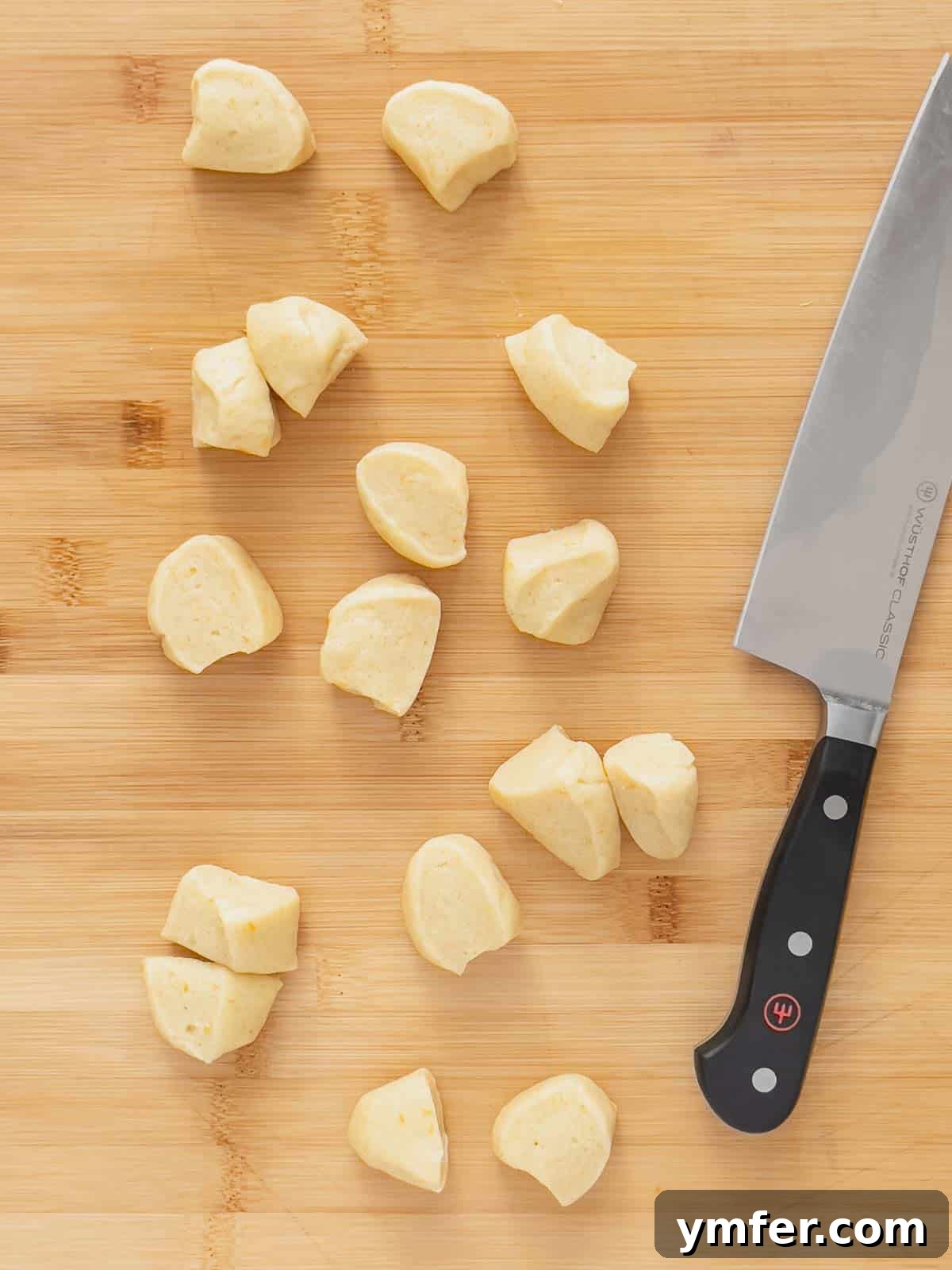
From the precise quantities provided within this recipe, you can confidently anticipate yielding approximately 32 individual Castagnole. To achieve this consistent portioning, begin by cutting the entire dough mass in half. Subsequently, take each half and precisely cut it in half again. Continue this systematic process of halving each resultant piece until you successfully obtain 32 portions that are as roughly equal in size as possible. For those who appreciate meticulous accuracy and desire utmost uniformity, aim for each individual dough ball to weigh consistently between 12 and 14 grams – this level of precision is truly key for ensuring uniform baking or frying results across your entire batch.
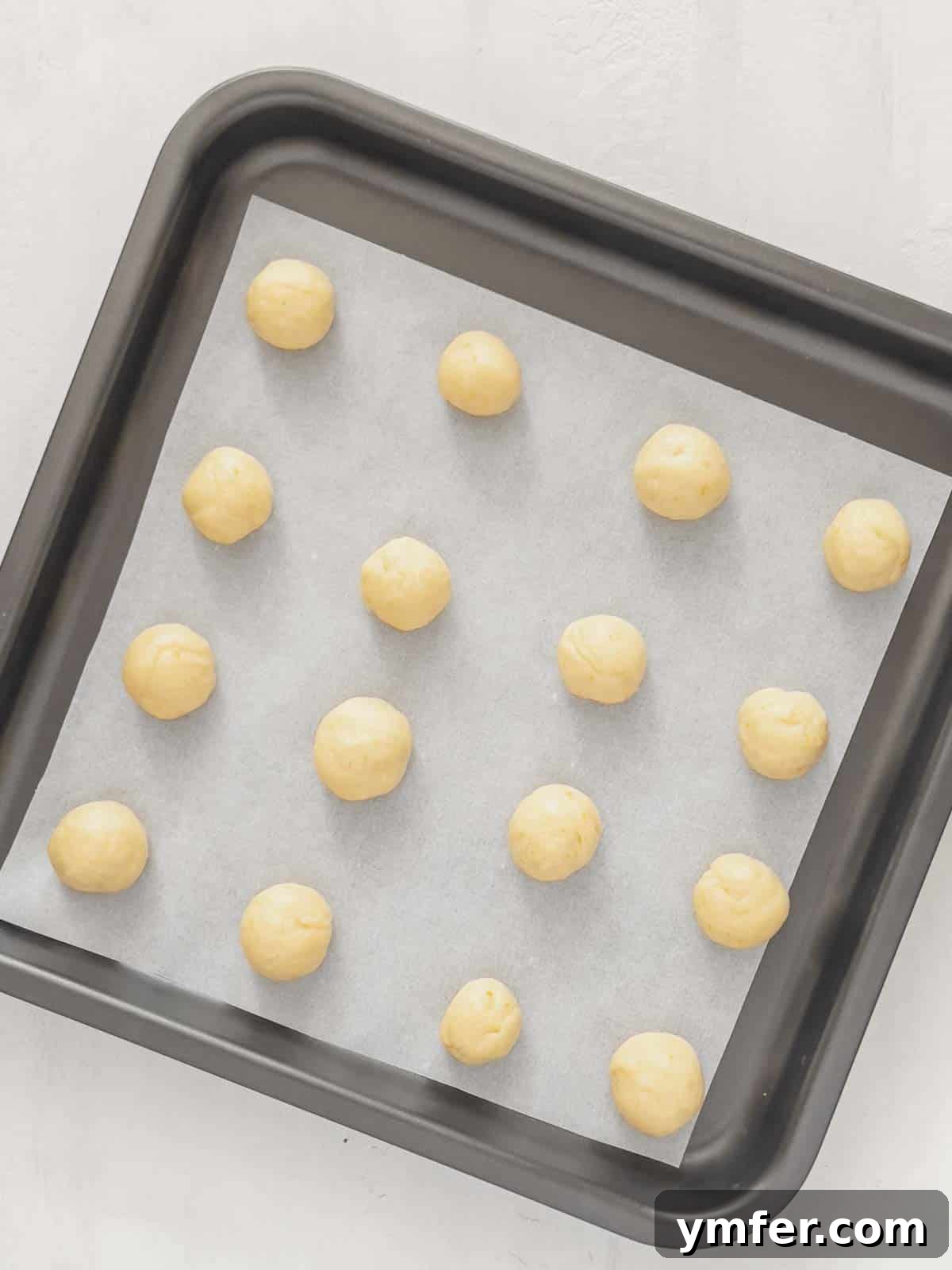
Once you have successfully portioned your individual dough pieces, proceed to gently but firmly shape each one into a small, exquisitely smooth ball. The most effective and simple method for this is to roll the dough piece consistently between the palms of your hands until it gracefully forms a neat and compact sphere. Exercise care and apply even pressure throughout this process to meticulously create uniform balls. As you meticulously shape each piece, you will vividly appreciate the origin of their endearing name – they truly begin to resemble miniature, perfectly formed, and utterly edible chestnuts, each one promising a truly delightful and consistent bite.
Oven-Baked Castagnole: Light and Fluffy Perfection
For those seeking a lighter, yet equally flavorful and profoundly satisfying, rendition of this Italian delicacy, baking your Castagnole in the oven presents an excellent and highly recommended choice. This method consistently yields a distinctively softer, more cake-like texture while faithfully delivering all the beloved sweetness and characteristic citrusy aroma that defines Castagnole.
To commence the baking process, meticulously arrange your carefully shaped dough balls onto a baking tray that has been thoughtfully lined with parchment paper. It is important to ensure that there is a small, discernible space between each individual Castagnola to facilitate uniform baking and proper air circulation during their time in the oven.
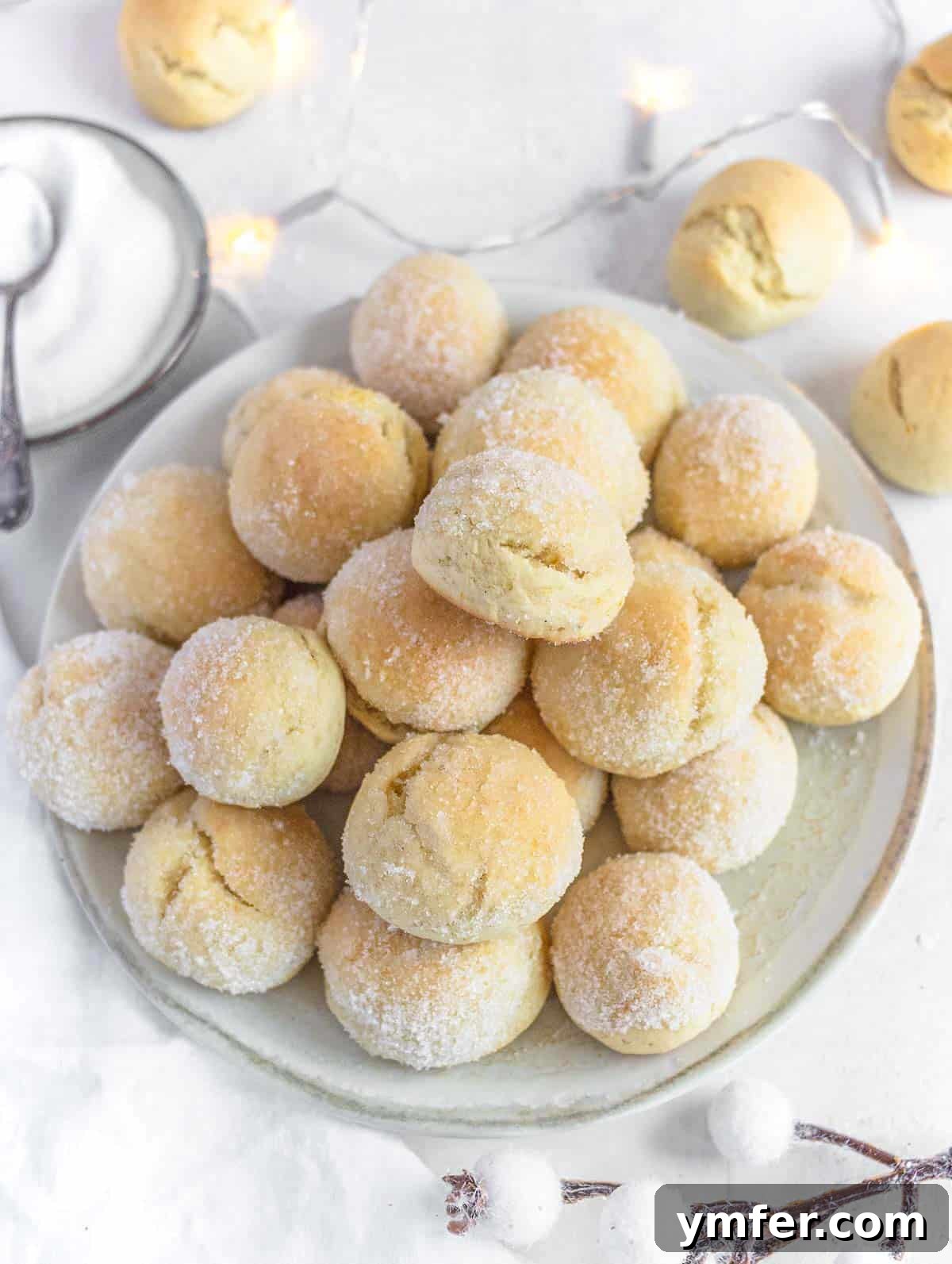
Preheat your oven to a precise 360 degrees Fahrenheit (180 degrees Celsius). Once the oven has reached the target temperature, carefully place the tray inside and bake the Castagnole for a relatively short duration, typically ranging from 12 to a maximum of 14 minutes. The fundamental secret to achieving their signature soft, tender, and moist interior when baked is to scrupulously avoid overcooking them. It is absolutely crucial to maintain a vigilant eye on them throughout their time in the oven. Unlike many conventional baked goods, the objective here is emphatically not for them to develop a golden-brown hue on top. Ideally, they should emerge from the oven retaining an almost white coloration, or at most, acquire only the slightest, barely perceptible hint of color on their uppermost surface. This deliberate approach to ‘undercooking’ is specifically designed to prevent them from becoming dry or crumbly, thereby guaranteeing that they remain wonderfully soft, exquisitely moist, and delightfully pleasurable to eat in their very core.
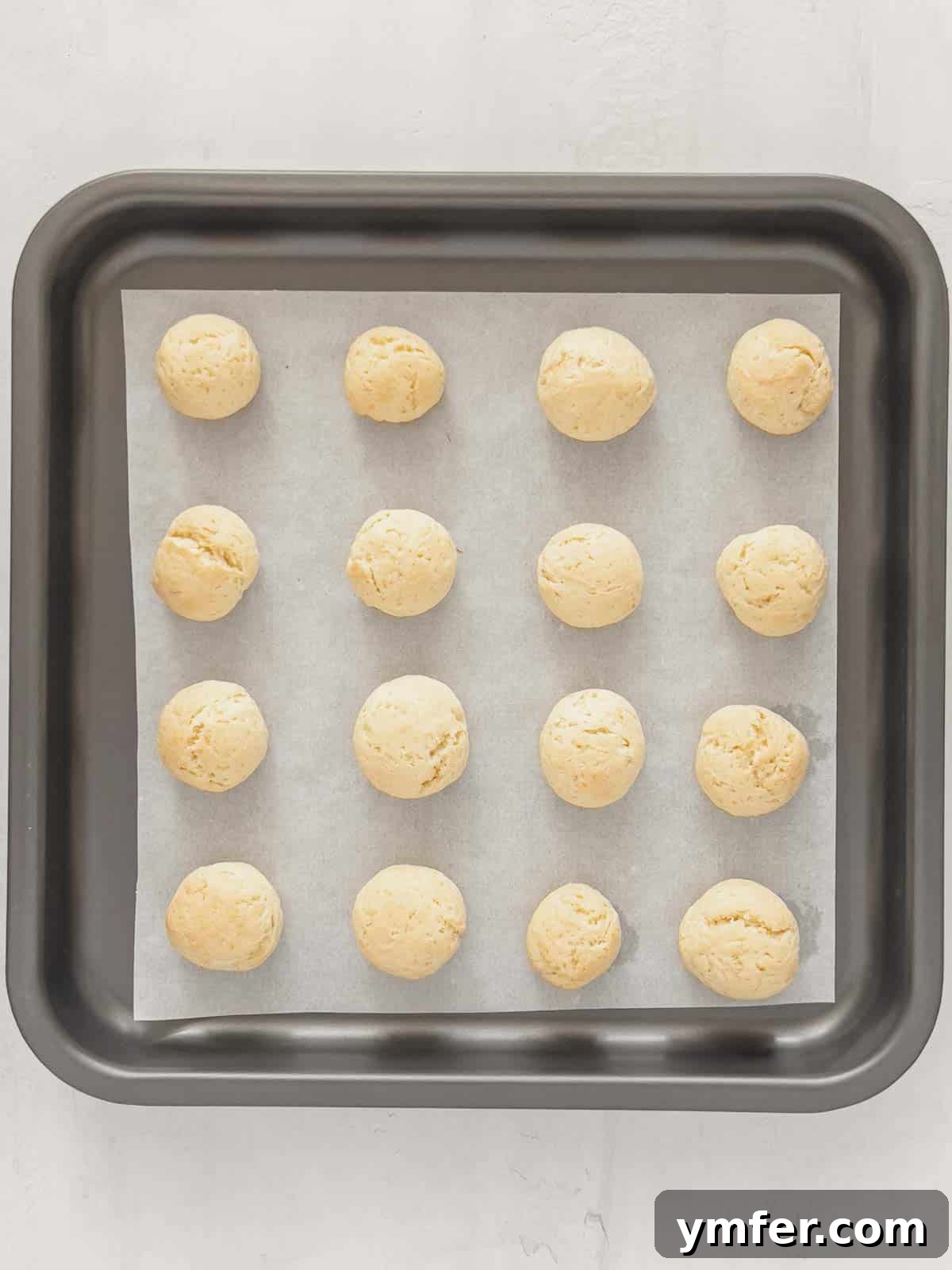
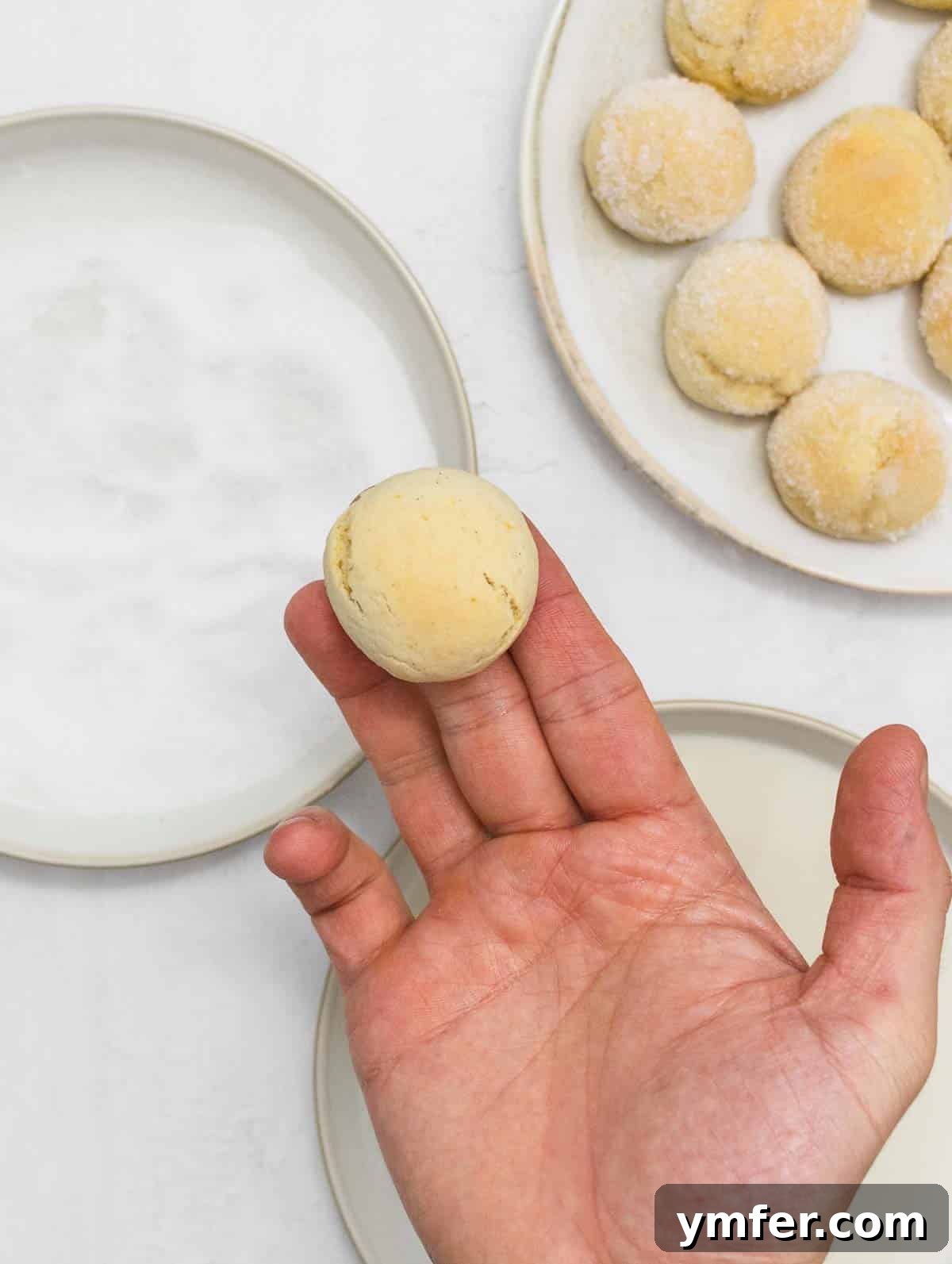
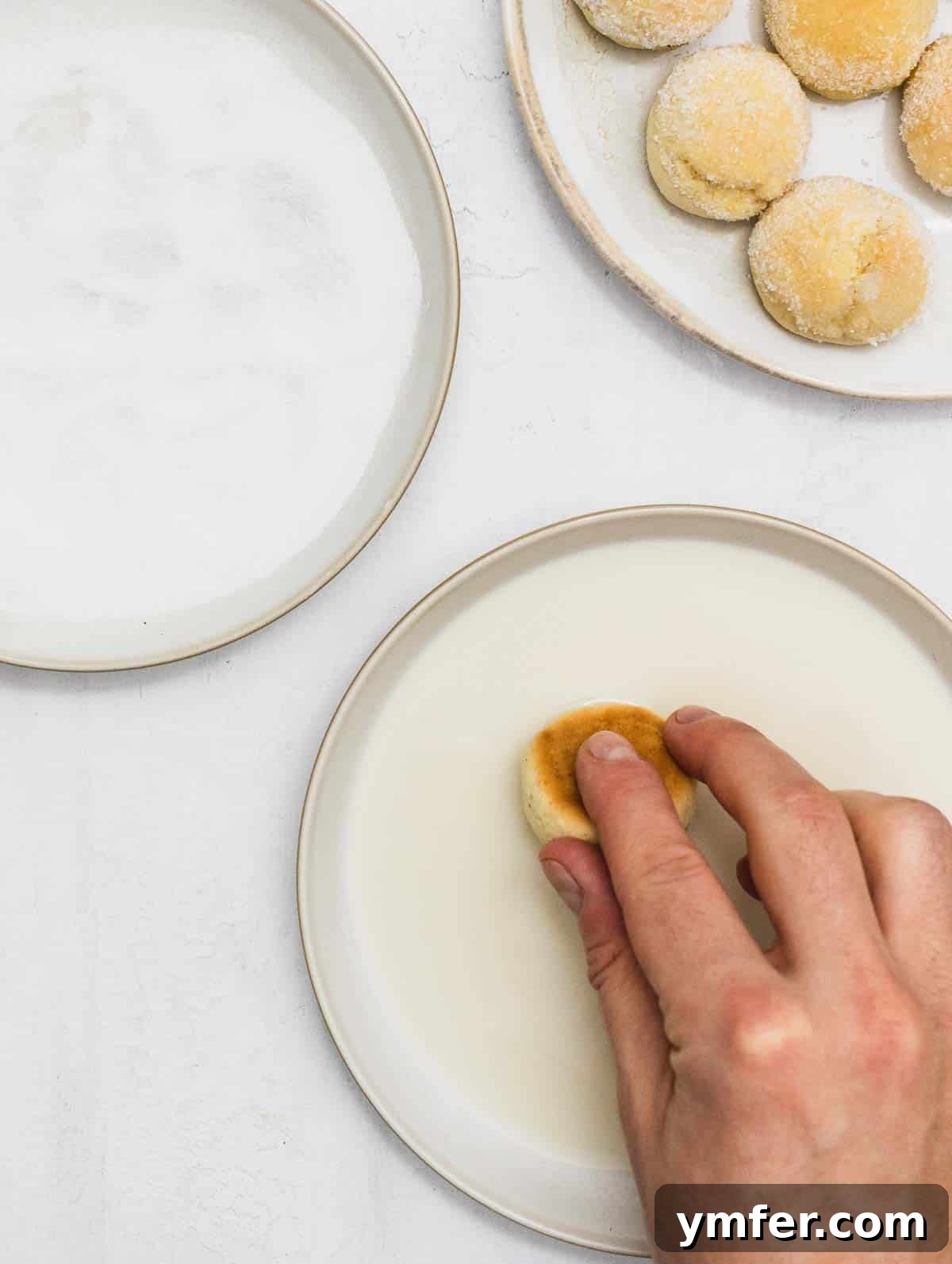
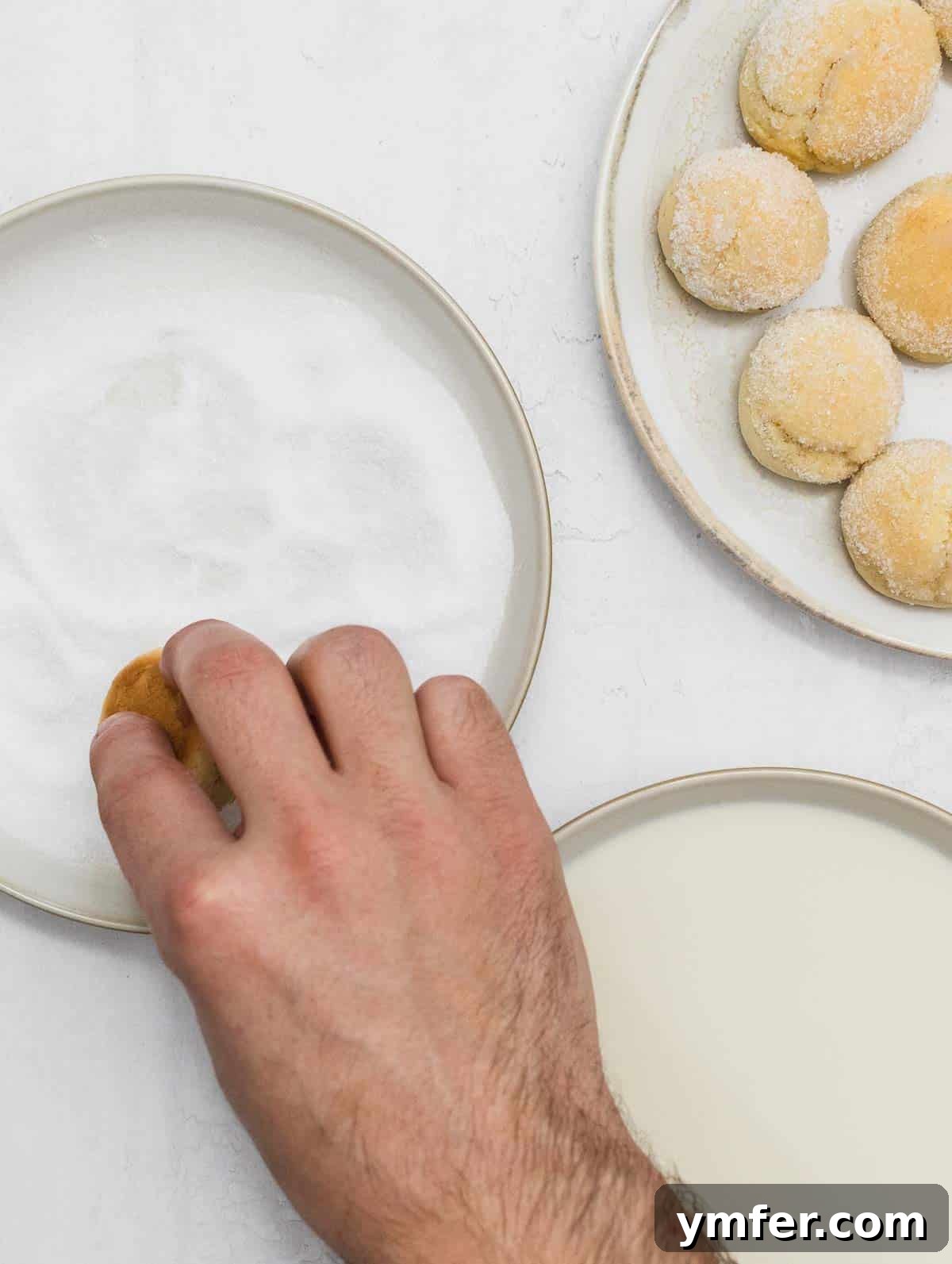
Once baked to their delicate perfection, promptly remove them from the oven and allow them to cool for just a brief minute or two – they will be too hot to handle immediately after baking. Following this brief cooling period, while they are still invitingly warm, it’s time to prepare their exquisite sweet coating. Gently dip each baked dough ball first into a shallow bowl containing a small amount of plant milk, allowing it to briefly absorb a touch of moisture. Immediately after this quick dip, proceed to roll it generously in granulated sugar. For an exquisite extra layer of flavor and aroma, consider incorporating a small pinch of ground cinnamon into your granulated sugar, creating a delightful cinnamon-sugar coating. Continue this meticulous process with each Castagnola until your entire batch is beautifully coated and irresistibly ready to be savored.
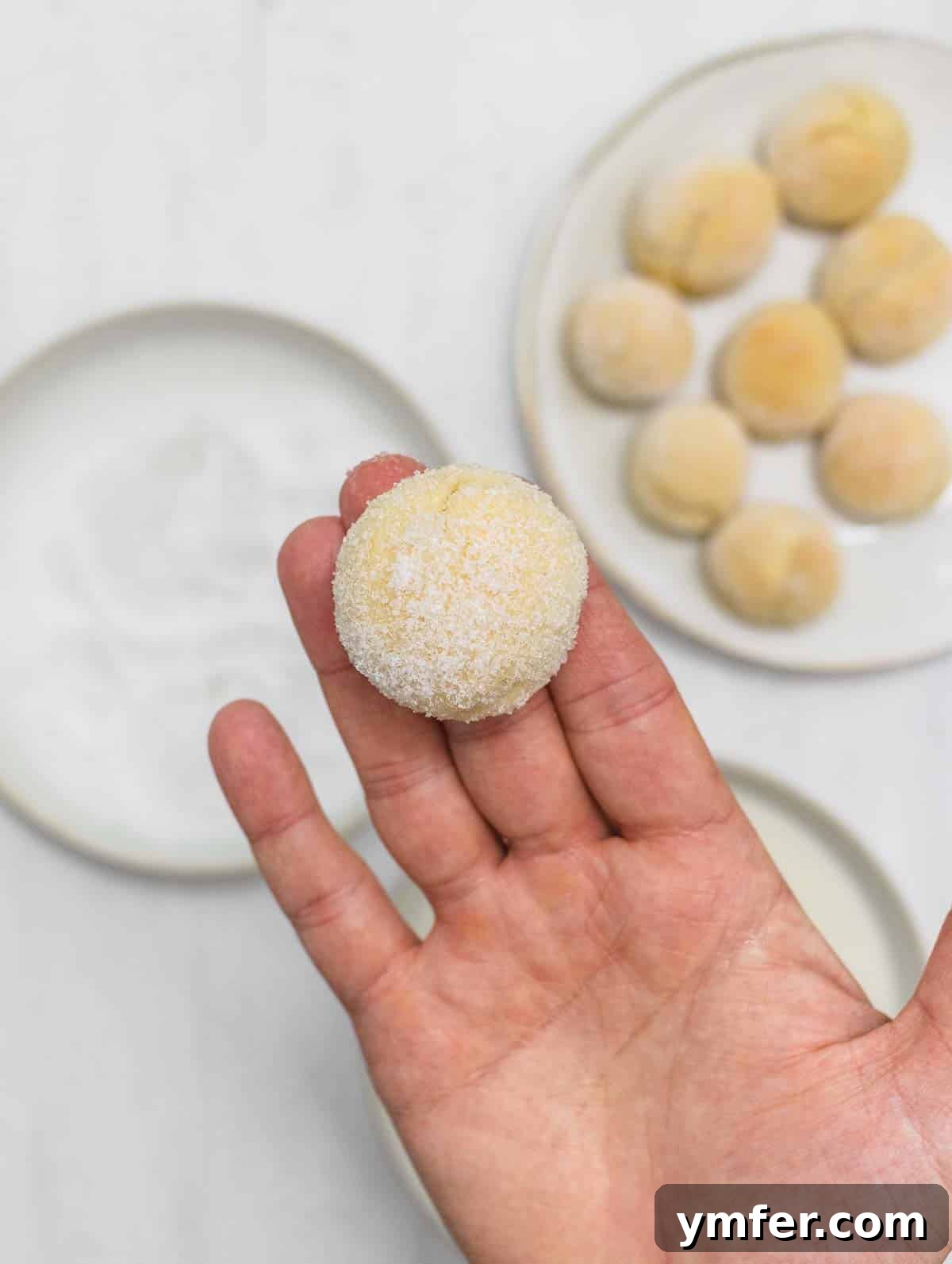
Deep-Fried Castagnole: Golden Crispy Bliss
For an authentically traditional experience and an undeniably indulgent treat, deep-frying your Castagnole is the quintessential method. This technique consistently yields a beautifully golden, delightfully crispy exterior that encases a wonderfully soft, airy, and tender interior, creating a truly irresistible contrast.
To embark on the deep-frying process, you will require approximately ½ gallon or 2 liters of a high-quality frying oil. It is imperative to select an oil with a high smoke point and a neutral flavor profile, such as peanut oil, canola oil, or sunflower seed oil. The smoke point of the oil is a critical safety and quality consideration: it represents the temperature at which the oil begins to visibly smoke and break down, potentially releasing harmful compounds. For safe and healthy frying, always ensure your oil temperature remains well below its specified smoke point.
Important Frying Safety Note: Deep-frying absolutely demands your complete and undivided attention. Never, under any circumstances, leave hot oil unattended. Ensure that children and pets are kept at a safe distance from the cooking area. Avoid all forms of distraction, such as engaging with your phone or other devices. Prioritize safety above all else when deep-frying.
Carefully pour the chosen oil into a sturdy, heavy-bottomed pot equipped with tall sides. The oil should only fill the pot to about halfway to provide ample space and prevent any potential overflow when the Castagnole are added. Gradually warm the oil over medium heat until it precisely reaches a temperature of 340 degrees Fahrenheit (170 degrees Celsius). An accurate cooking thermometer is an indispensable tool at this stage to ensure optimal results. If the oil is excessively hot, the Castagnole will burn rapidly on the outside before they have a chance to cook through to the center, resulting in an unpalatable taste and texture. Conversely, if the oil is insufficiently hot, the dough will absorb too much oil, leading to greasy, heavy, and unappetizingly dense Castagnole. For consistently optimal results, meticulously maintain the oil temperature within the narrow range of 330 to 350 degrees Fahrenheit (165 to 175 degrees Celsius).
Once the oil has achieved its ideal temperature, carefully and gently add a few Castagnole at a time into the hot oil, utilizing a slotted spoon or a spider skimmer. It is crucial to avoid overcrowding the pot, as this will inevitably cause a significant drop in the oil’s temperature, leading to uneven cooking and undesirable results. If you are new to the art of deep-frying, it is prudent to begin by frying just one or two Castagnole initially to familiarize yourself with the process and observe how they react. Cook the dough balls for approximately 2 to a maximum of 3 minutes, turning them gently with your slotted spoon to ensure even cooking, until they visibly become puffy, develop a beautiful golden-brown hue, and achieve a wonderfully crisp texture all over.
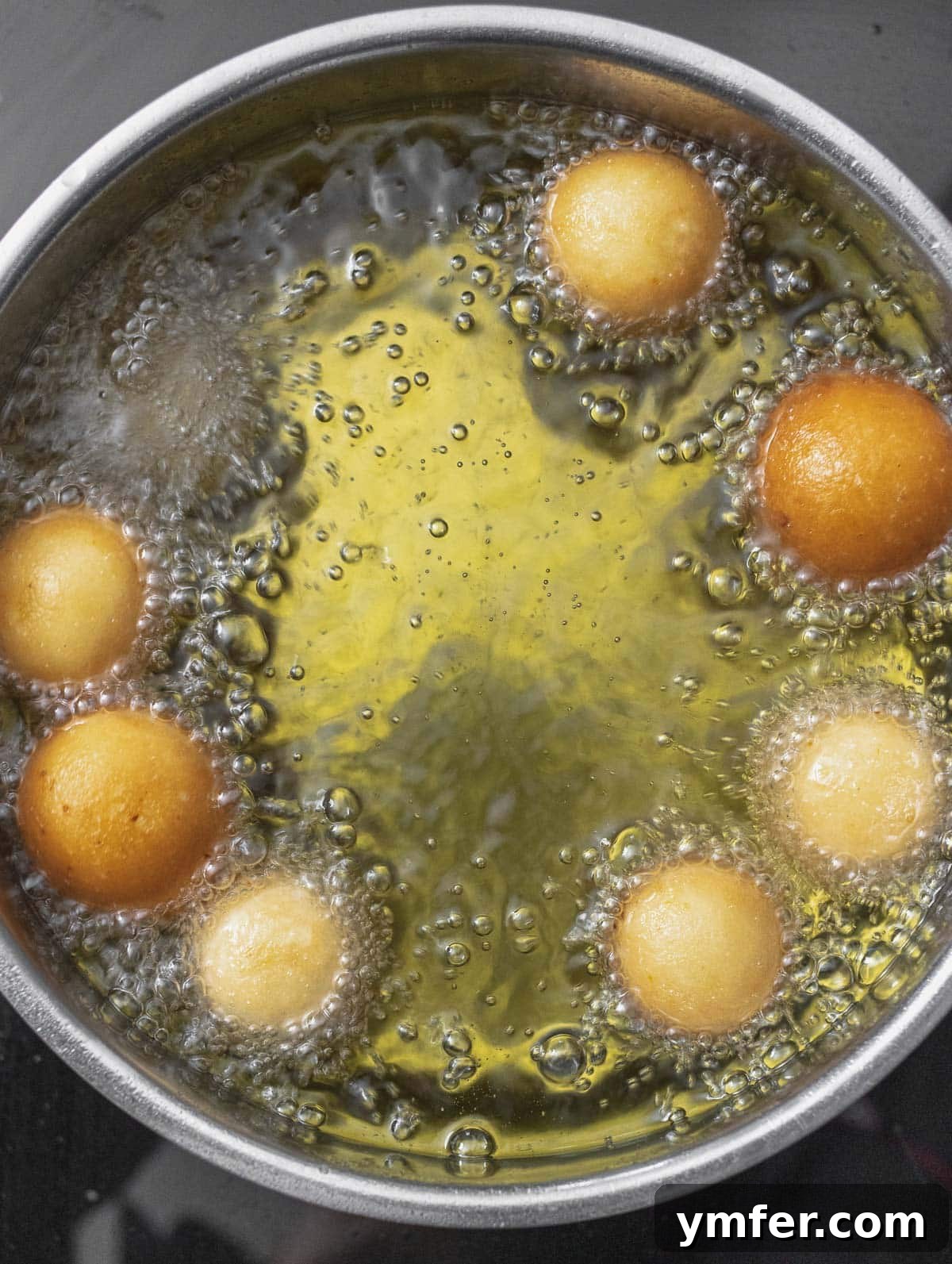
Using your slotted spoon, meticulously retrieve the cooked Castagnole from the hot oil, allowing any excess oil to gracefully drip back into the pot. Immediately transfer them to a tray generously lined with several layers of absorbent kitchen paper or paper towels. This crucial step aids in absorbing any lingering excess oil, ensuring that your fried treats are perfectly crisp and delightfully non-greasy.
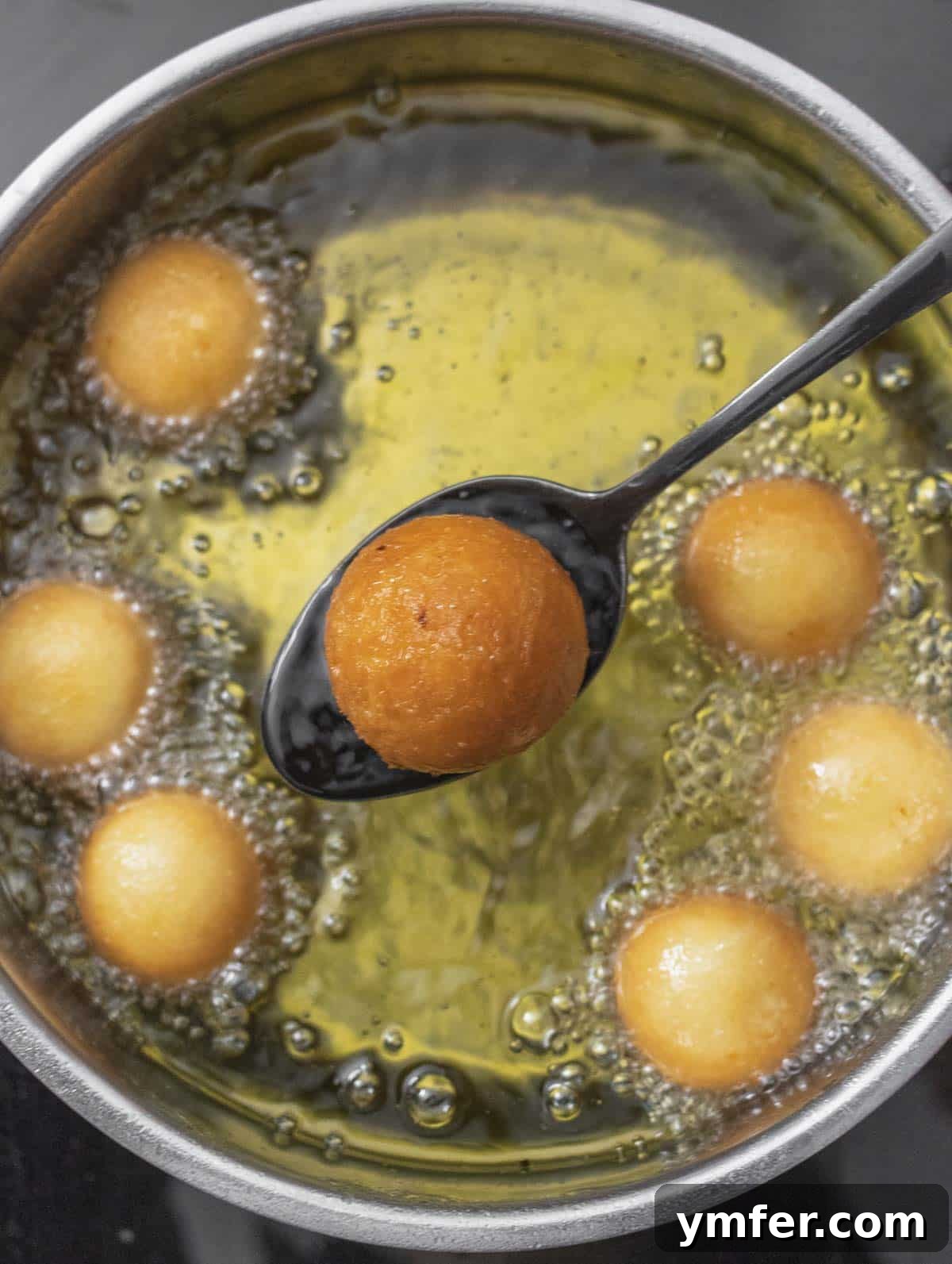
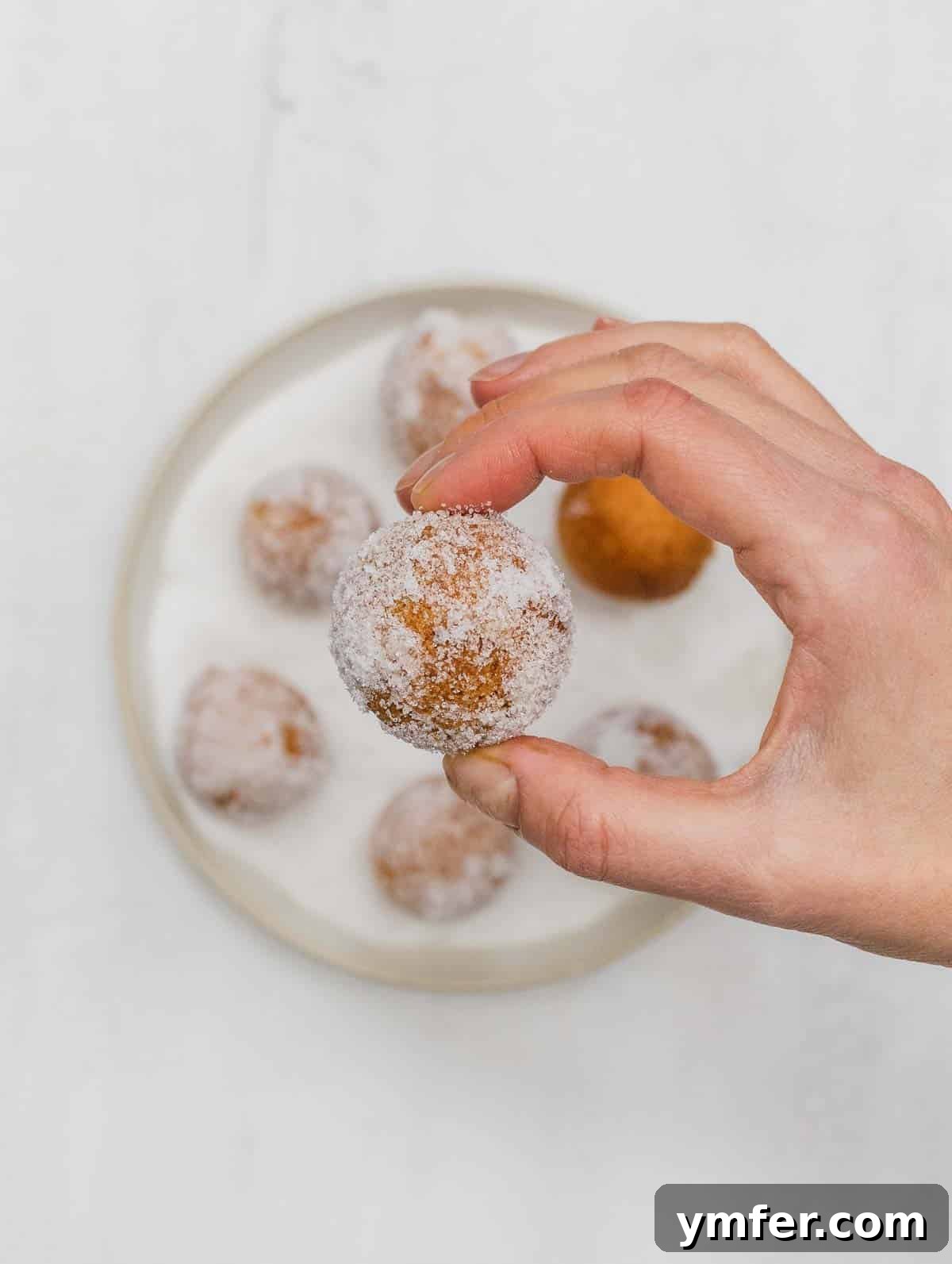
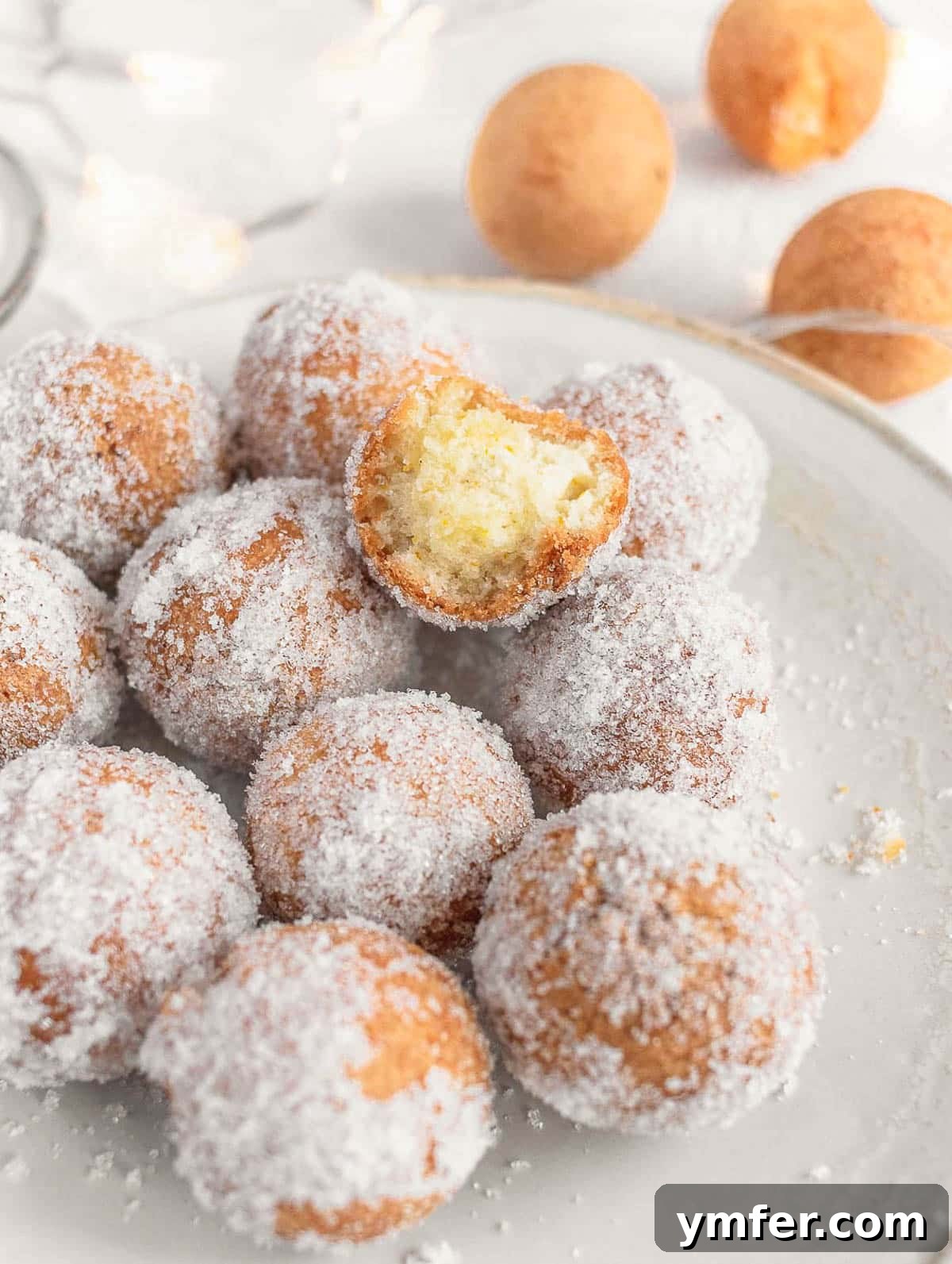
Continue this precise frying process with the remaining dough balls until your entire batch is cooked to perfection. Once slightly cooled but still pleasantly warm, arrange them artfully on a serving platter. You can then generously sprinkle them with fine powdered sugar for a classic, delicate appearance, or for a different textural experience, roll them thoroughly in granulated white sugar, much like the baked version. Both the oven-baked and deep-fried Castagnole promise an incredibly delicious and unforgettable culinary experience – the baked ones delight with their lightness, softness, and delicate moisture, while the deep-fried counterparts deliver that irresistible, satisfying crispness that only proper frying can achieve. Prepare to be utterly captivated by both delightful preparations!
Serving Suggestions & Creative Variations
While Castagnole are undeniably delightful on their own, fresh from baking or frying and simply coated in sugar, you can effortlessly elevate your Castagnole experience with a variety of inspired serving suggestions and creative twists. Explore these options to find your favorite way to enjoy these Italian treats:
- Classic Sugar Dusting: The most traditional and beloved way to serve Castagnole is either by rolling them in fine granulated sugar or by generously dusting them with powdered sugar. Powdered sugar imparts a delicate, ethereal finish, while granulated sugar adds a satisfying, subtle textural crunch with every bite.
- Cinnamon Sugar: For an additional layer of comforting warmth and aromatic spice, simply mix 1 to 2 teaspoons of ground cinnamon into your granulated sugar before you proceed to roll the warm Castagnole. This creates a wonderfully fragrant and flavorful coating.
- Citrus Glaze: Create a beautifully vibrant and simple glaze by vigorously whisking powdered sugar with a small amount of freshly squeezed lemon or orange juice until it achieves a smooth, pourable consistency. Drizzle this elegant glaze artistically over cooled Castagnole for a sophisticated and tangy touch.
- Chocolate Drizzle: For an undeniably rich and indulgent treat, carefully melt some high-quality dark or vegan milk chocolate and artfully drizzle it decoratively over your freshly prepared Castagnole.
- Honey or Maple Syrup: For a more natural and wholesome sweetness, consider serving your Castagnole alongside small bowls of warm honey or pure maple syrup, perfect for dipping.
- Vegan Custard or Cream: Elevate your Castagnole into a truly decadent dessert experience by pairing them with a generous scoop of homemade vegan custard or a dollop of luxuriously whipped coconut cream.
- Intensified Zest Topping: If you are a true enthusiast of citrus flavors, add a tiny amount of extra fresh orange or lemon zest directly to your rolling sugar. This will provide an intensified burst of aromatic flavor with each bite.
Expert Tips for Castagnole Success
Achieving consistently perfect Castagnole, whether you choose to bake or deep-fry them, often boils down to mastering a few key techniques. Keep these expert tips firmly in mind to ensure persistently delicious and beautifully textured results every single time:
- Avoid Overmixing the Dough: After you have successfully added the wet ingredients to your dry mixture, proceed to mix just until everything is combined and then knead only briefly. Excessive or prolonged mixing can inadvertently lead to the development of too much gluten, resulting in a tough and undesirable dough texture.
- Oven-Baked Perfection: The true secret to producing exquisitely moist and tender baked Castagnole lies in subtly undercooking them. Aim for a baking time of precisely 12 to 13 minutes. Critically, do not allow them to achieve a golden-brown coloration on top; they should visibly remain light-colored to faithfully retain their soft, wonderfully airy interior.
- Deep-Frying Temperature is Paramount: For those opting for deep-fried Castagnole, maintaining the correct oil temperature is undeniably the most critical factor. Endeavor to keep your frying oil at a steady 165°C (330°F). Always employ a reliable cooking thermometer to ensure pinpoint accuracy throughout the frying process.
- What if the Oil is Too Hot? Should your oil begin to smoke or heat up excessively quickly, immediately turn off the heat source. You can cautiously and gently place a clean, completely dry metal spoon into the oil to assist in dissipating some of the excessive heat, but the safest and most effective approach is to remove the pot from the heat source entirely and allow the oil to cool naturally. Frying in oil that is too hot will cause the Castagnole dough to brown far too rapidly on the outside, leaving the interior raw, creating an unpleasantly hard and heavy outer shell, and imparting a burned, bitter taste.
- What if the Oil is Not Hot Enough? Conversely, it is equally important never to allow the oil temperature to drop below 160°C (320°F). If the oil is too cool, the dough balls will regrettably absorb excessive amounts of oil, resulting in a greasy, soggy, and unappetizingly heavy texture. To help maintain a consistent temperature, fry your Castagnole in small, manageable batches.
- Uniform Shaping for Even Cooking: Invest the necessary time and care to shape all your Castagnole into uniformly sized and shaped balls. This meticulous attention to detail ensures that every piece cooks evenly, whether baked or fried, thereby guaranteeing a beautifully consistent texture and doneness throughout your entire batch.
- Utilize Fresh Citrus Zest: The citrus zest contributes a significant and essential amount of authentic Italian flavor to your Castagnole. Always use fresh, preferably organic, citrus and meticulously grate only the brightly colored outermost part of the peel, being scrupulous to avoid including any of the bitter white pith.
Frequently Asked Questions (FAQ)
Castagnole are a deeply rooted traditional Italian dessert with a rich history that spans many hundreds of years. They hold a prominent place as a quintessential treat enjoyed throughout various regions of Italy, particularly during the vibrant and festive Carnival season, symbolizing celebration and indulgence.
Can I oven-bake Castagnole?
Absolutely, yes! Oven-baked Castagnole are not only a delicious and lighter alternative but are also considered to be as authentic and traditional as their deep-fried counterparts. Historical Italian cookbooks, some dating as far back as the 18th century, feature recipes specifically for baked Castagnole, unequivocally demonstrating their long-standing and respected place within Italy’s rich culinary heritage.
What does “Castagnole” mean?
The enchanting name “Castagnole” (with its singular form being “Castagnola”) literally translates from Italian to “little chestnut.” This charming and evocative name is a direct reference to their characteristic small, distinctively round, and often slightly irregular shape, which bears a striking resemblance to chestnuts.
Are Castagnole always vegan?
Traditionally, the vast majority of Castagnole recipes do include animal products such as eggs and butter. However, this specific recipe has been meticulously adapted and carefully crafted to be entirely plant-based, offering a wonderfully delicious vegan and dairy-free option without compromising in any way on the authentic Italian flavor and the beloved texture.
Can I prepare the Castagnole dough in advance?
Yes, you certainly can! The shaped dough balls can be thoroughly covered to prevent drying and then safely refrigerated for a period of up to 24 hours before you proceed with cooking them. If you plan for longer storage, you can freeze the shaped dough balls: arrange them on a parchment-lined baking sheet and freeze until they are completely solid. Once frozen, transfer them to a freezer-safe bag or an airtight container, where they can be stored in the freezer for up to 1-2 months. Remember to thaw them completely in the refrigerator before following the baking or frying instructions.
Storage Tips
To ensure you enjoy your Castagnole at their absolute peak of flavor and texture, adhere to these comprehensive storage guidelines:
- Deep-fried Castagnole: These are unequivocally best enjoyed on the very same day they are prepared. Their wonderfully crispy texture tends to soften quite rapidly once cooled. If, however, you find it necessary to store them, place them in an airtight container at room temperature for no longer than 1 day. Reheating them briefly in a toaster oven or an air fryer can effectively help to restore some of their delightful crispness.
- Oven-baked Castagnole: Fortunately, oven-baked Castagnole retain their delicious texture and moistness much more effectively than their fried counterparts. You can safely store these in a reusable airtight plastic bag or a sealed container at room temperature for an extended period of up to 3 days, maintaining their delightful quality.
- Freezing the Dough: For convenient future enjoyment, the shaped, uncooked Castagnole dough can be successfully frozen. To do this, arrange the individual shaped dough balls on a parchment-lined baking sheet and place them in the freezer until they are completely solid. Once thoroughly frozen, transfer them to a freezer-safe bag or an airtight container. They can be stored in the freezer for a substantial period of up to 1-2 months. When you are ready to cook them, remember to thaw them completely in the refrigerator before proceeding with either the baking or deep-frying instructions as outlined in the recipe.

Castagnole (Italian Sweet Dough Balls)
Nico Pallotta
20
12
32
32 castagnole
Dessert, Snack
Italian, Vegan
Share
Ingredients
Dry Ingredients
- 1⅔ cup all-purpose flour
- ⅔ cup sugar
- 1 teaspoon baking powder
- 1 orange or lemon the grated zest (preferably organic)
- 1 pinch salt
Wet Ingredients
- ¼ cup plant milk (soy, oat, almond, or other neutral-flavored)
- 3 tablespoons neutral oil (canola or sunflower seed oil)
- 2 tablespoons anise liquor (or any other liquor; use more plant milk for alcohol-free)
- 1 teaspoon vanilla extract
Topping
- ½ cup sugar (granulated or powdered, optional cinnamon)
- ½ cup plant milk (needed only for oven-baked Castagnole coating)
For Frying (Deep-Fried Version Only)
- ½ gallon frying oil (e.g., peanut, canola, or sunflower oil)
Instructions
Dough Preparation
-
Combine Dry Ingredients: In a large bowl, whisk together the flour, sugar, salt, baking powder, and grated orange or lemon zest until well combined.
-
Add Wet Ingredients: Pour in the plant milk, neutral oil, liquor (or additional plant milk for alcohol-free), and vanilla extract. Mix with a spatula until a shaggy dough forms.
-
Knead the Dough: Transfer the dough to a clean work surface (like a large cutting board) and knead with your hands for about 5 minutes until it is soft, smooth, and no longer sticky. Avoid adding extra flour unless absolutely necessary.
-
Portion and Shape: Divide the dough into 32 equal pieces. A good method is to repeatedly halve the dough until you reach 32 portions (each about 12-14 grams). Roll each piece between your palms to form small, round balls, resembling little chestnuts.
Oven-Baked Castagnole
-
Bake: Place the shaped dough balls onto a baking tray lined with parchment paper. Preheat your oven to 360°F (180°C). Bake for 12 to 14 minutes max. Crucially, do not over-bake; they should remain almost white on top to ensure a soft, moist interior.
-
Coat: Let the Castagnole cool for 1-2 minutes. Then, dip each warm dough ball briefly in plant milk, immediately followed by rolling generously in granulated sugar (or cinnamon sugar if desired) until fully coated. Serve warm.
Deep-Fried Castagnole
-
Heat Oil: In a small, heavy-bottomed pot with tall sides, add about ½ gallon (2 liters) of frying oil. Heat the oil to 340°F (170°C), ensuring it stays between 330-350°F (165-175°C) using a thermometer.
-
Fry: Gently add a few Castagnole at a time to the hot oil, being careful not to overcrowd the pot. Fry for about 2 to 3 minutes max, turning them occasionally, until they are slightly puffy, crispy, and golden brown.
-
Drain and Coat: Remove the fried Castagnole with a slotted spoon and place them on a tray lined with kitchen paper to absorb excess oil. Let them cool for 5 minutes, then roll them in granulated sugar or dust generously with powdered sugar until fully coated. Serve immediately for best results.
Notes
Nutrition (per serving, baked version)
Carbohydrates: 11g,
Protein: 1g,
Fat: 2g,
Saturated Fat: 1g,
Polyunsaturated Fat: 1g,
Monounsaturated Fat: 1g,
Trans Fat: 1g,
Potassium: 36mg,
Dietary Fiber: 1g,
Sugar: 5g,
Vitamin A: 31IU,
Vitamin B6: 1mg,
Vitamin C: 3mg,
Vitamin E: 1mg,
Vitamin K: 1µg,
Calcium: 16mg,
Folate: 17µg,
Iron: 1mg,
Manganese: 1mg,
Magnesium: 2mg,
Zinc: 1mg
Tried this recipe?
Leave a comment below or mention @theplantbasedschool on Instagram. We love hearing from you ⭐️ 💚.
If you liked this recipe, you might also enjoy:
Collections
30 Vegan Brunch Recipes
Collections
40 Vegan Desserts
Desserts
Chocolate Glazed Donuts
Desserts