
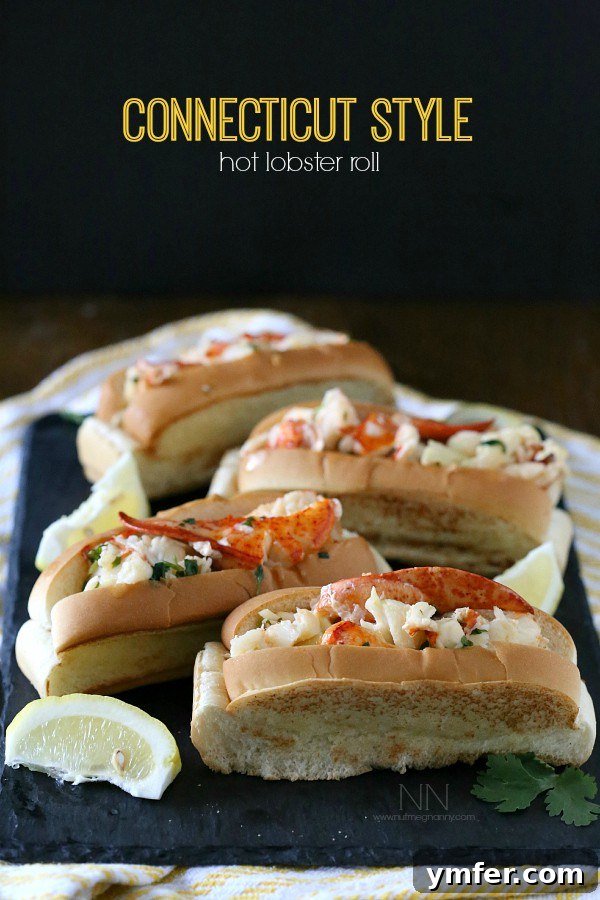
There are few culinary delights as synonymous with summer, sunshine, and seaside charm as the humble yet magnificent lobster roll. Imagine sinking your teeth into a perfectly toasted bun, generously overflowing with succulent, tender lobster meat. But not just any lobster meat – we’re talking about the rich, buttery goodness of a Connecticut-style hot lobster roll, kissed with the vibrant notes of fresh lemon and fragrant cilantro. This isn’t just a meal; it’s an experience, a blissful journey to coastal perfection that promises pure lobster happiness in every bite.

For many, the mention of a lobster roll evokes images of pristine New England coastlines and the freshest catch of the day. While the debate between hot (Connecticut style) and cold (Maine style) lobster rolls rages on amongst enthusiasts, there’s an undeniable allure to the warm, butter-drenched version that has captured hearts and palates worldwide. It’s a testament to simplicity done right: premium lobster, expertly prepared, and served in a way that highlights its natural sweetness and delicate texture.
What makes these hot lobster rolls truly exceptional is not just the quality of the ingredients, but also the surprising ease with which they can be brought to life in your own kitchen. Forget complicated culinary techniques; this recipe focuses on maximizing flavor with minimal fuss, ensuring you spend less time cooking and more time savoring. Whether you’re a seasoned seafood chef or a novice home cook, you’ll find that crafting this summertime classic is more approachable than you might think.
The Allure of the Hot Lobster Roll: Connecticut Style Explained
When it comes to lobster rolls, there are two distinct schools of thought: the cold, mayonnaise-based Maine style and the warm, butter-soaked Connecticut style. While both offer their unique charms, our focus today is on the Connecticut interpretation, often hailed for its luxurious simplicity. The defining characteristic of a hot lobster roll is that the freshly cooked lobster meat is gently warmed in melted butter, sometimes infused with herbs or citrus, before being nestled into a toasted bun.
This method allows the sweet, delicate flavor of the lobster to shine through, complemented by the rich, velvety texture of the butter. There’s no salad dressing or mayonnaise to mask the natural taste of the seafood; instead, the butter enhances it, adding a layer of indulgence that is truly irresistible. It’s a purist’s approach that celebrates the lobster itself, making it the undeniable star of the show. The result is a comforting, yet elegant sandwich that embodies the spirit of New England coastal dining.
Essential Ingredients for Your Perfect Hot Lobster Roll
Creating an unforgettable hot lobster roll hinges on a few key components. Each ingredient plays a crucial role in building the symphony of flavors and textures that defines this dish. Quality matters, so choose the freshest options available.
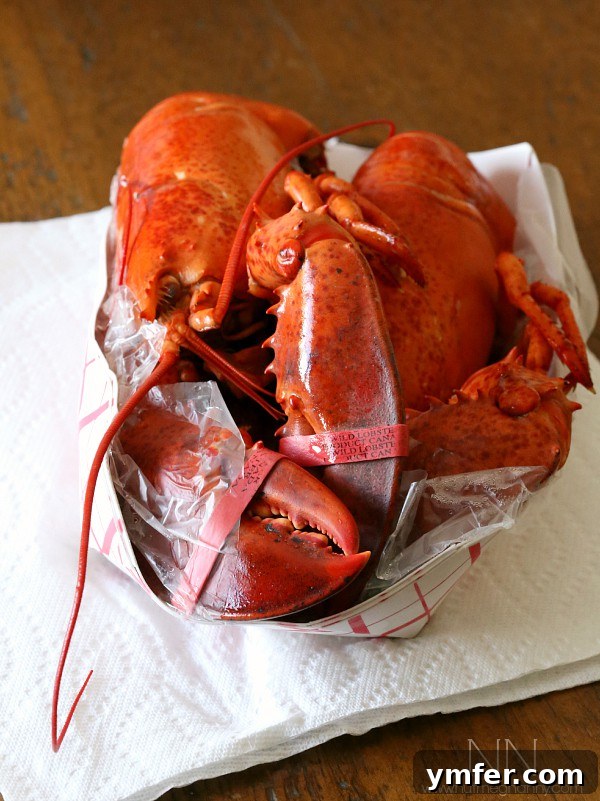
- Fresh Lobster: This is the heart of your roll. Opt for live lobsters if you’re comfortable steaming them yourself, or seek out freshly steamed and picked meat from a reputable fishmonger. The sweetness and tenderness of the lobster are paramount.
- Salted Butter: Butter isn’t just a lubricant here; it’s a flavor enhancer. Using salted butter not only adds richness but also perfectly seasons the lobster, bringing out its inherent taste. Unsalted butter can also work, just be sure to add a pinch of sea salt to the mix.
- Fresh Cilantro: While optional for some, cilantro introduces a bright, herbaceous note that beautifully cuts through the richness of the butter and complements the lobster’s sweetness. If you’re not a fan, consider fresh parsley or chives for a milder green flavor.
- Lemon: Both the zest and juice of a fresh lemon are vital. Lemon zest provides aromatic oils that infuse the butter with a bright, citrusy perfume, while the juice adds a refreshing tang that elevates the entire dish, preventing it from feeling too heavy.
- New England Split-Top Buns: These specific buns are a non-negotiable for an authentic experience. Their flat sides are designed for toasting, creating a golden, buttery crust that provides a delightful textural contrast to the soft interior and the tender lobster. If unavailable, a regular hot dog bun can be trimmed, but the split-top offers superior toasting surface.

Hot vs. Cold Lobster Rolls: A Classic Debate
The culinary landscape of New England is rich with traditions, and the lobster roll is undoubtedly one of its crowning jewels. Yet, even within this beloved dish, there exists a spirited debate: hot or cold? This choice often boils down to regional preferences and personal taste, but understanding the distinction is key to appreciating this iconic sandwich.
The Connecticut Style: Hot and Buttery
As discussed, the Connecticut style is all about warmth and rich butter. The lobster meat is typically steamed or boiled, then gently warmed in a pool of melted butter. This method allows the inherent sweetness and delicate texture of the lobster to take center stage, often with just a hint of lemon or a touch of a fresh herb like cilantro or chives. Served on a toasted New England-style split-top bun, this version is a celebration of the lobster’s natural flavors, enhanced by the luxurious embrace of butter. It’s comforting, deeply satisfying, and a true indulgence, particularly perfect on a cooler day or for those who prefer their seafood warm.
The Maine Style: Cold and Creamy
In contrast, the Maine-style lobster roll features cold lobster meat, typically tossed with mayonnaise. Sometimes, finely diced celery or chives are added for crunch and a subtle oniony flavor. The mayonnaise binds the lobster meat, creating a rich, creamy texture akin to a lobster salad. This mixture is then served in a toasted bun, often a split-top like its Connecticut counterpart. The Maine style is often favored for its refreshing qualities, making it a popular choice for hot summer days. It’s a classic deli-style sandwich that offers a different textural and flavor profile, appealing to those who enjoy the creamy tang of mayonnaise with their seafood.
Ultimately, both hot and cold lobster rolls offer a delightful experience. Your preference will likely depend on your mood, the weather, and whether you lean towards pure buttery indulgence or a cooler, creamier bite. For this recipe, we’re wholeheartedly embracing the warm, buttery goodness of the Connecticut style, promising a roll that’s bursting with rich flavor.
Mastering the Art of Steaming Lobster at Home
While many grocery stores and fish markets offer the convenient service of steaming lobsters for you (often at no extra charge – always ask!), there’s a certain satisfaction in preparing them yourself. Steaming is one of the best methods to cook lobster, yielding tender, sweet meat that retains its natural moisture. If you’re venturing into steaming lobster at home, it’s a straightforward process that guarantees delicious results.
What You’ll Need:
- A very large stockpot with a tight-fitting lid.
- A steaming rack or colander that fits inside the pot, above the water level.
- Live lobsters (choose healthy, active ones).
- About 2 inches of water (or a mix of water and a splash of white wine/beer for added flavor).
Step-by-Step Steaming Guide:
- Prepare the Pot: Pour about 2 inches of water into your large stockpot. If you have a steaming rack, place it in the bottom of the pot. Bring the water to a rolling boil over high heat.
- Add the Lobsters: Carefully add the lobsters to the pot. It’s best to place them head-first to minimize struggling. Don’t overcrowd the pot; if you have many lobsters, steam them in batches.
- Cover and Cook: Immediately cover the pot with a tight-fitting lid. Reduce the heat slightly to maintain a strong simmer.
- Timing is Key:
- For 1 to 1.5 lb lobsters: Steam for 8-10 minutes.
- For 2 lb lobsters: Steam for 10-12 minutes.
- Add an additional 2-3 minutes for every extra pound.
The shells will turn a vibrant red, which is a good indicator of doneness.
- Check for Doneness: A cooked lobster’s antennae will pull out easily, and the meat will be opaque white throughout.
- Remove and Cool: Carefully remove the lobsters from the pot using tongs. Let them cool slightly before handling to avoid burns.
Once cooled enough to handle, you can begin the process of extracting the sweet, tender meat for your rolls. This method ensures your lobster is perfectly cooked and ready to absorb all the delicious buttery flavors.
Crafting the Perfect Butter Infusion
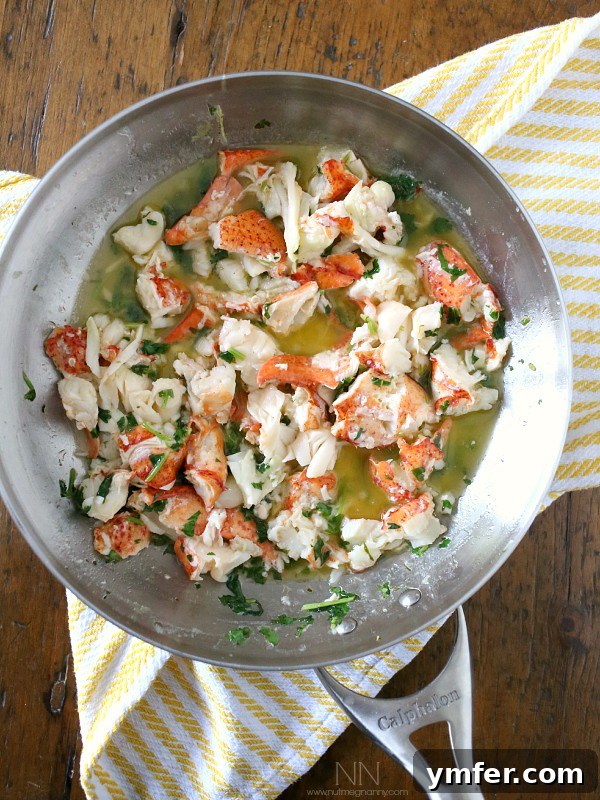
The butter is more than just an accompaniment in a Connecticut-style hot lobster roll; it’s an integral part of the experience. For this recipe, we elevate simple melted butter by infusing it with fresh lemon and aromatic cilantro. This homemade cilantro-lemon butter adds a depth of flavor and brightness that truly sets this roll apart.
The Power of Fresh Herbs
Cilantro, with its distinctive fresh, slightly peppery, and citrusy notes, pairs wonderfully with the sweetness of lobster. It provides a vibrant contrast to the richness of the butter, preventing the dish from feeling heavy. However, if cilantro isn’t to your liking, don’t hesitate to customize! Here are a few alternatives that work beautifully:
- Fresh Parsley: A classic choice, offering a clean, slightly peppery flavor that is less assertive than cilantro.
- Chives: Delicate and oniony, chives add a subtle savory note without overpowering the lobster.
- Dill: For a more distinct herbal aroma, dill brings a fresh, slightly anise-like quality that is often paired with seafood.
- Thyme: A touch of fresh thyme can add an earthy, aromatic warmth to the butter, perfect for a cozy twist.
The Irreplaceable Lemon
Regardless of your herb choice, lemon is a must. Both the zest and the juice contribute significantly. The zest contains aromatic oils that infuse the butter with a profound citrus fragrance, while a squeeze of fresh lemon juice adds a crucial acidic brightness. This acidity balances the richness of the butter and lobster, making each bite refreshing and moreish. It’s the secret ingredient that ties all the flavors together, ensuring a well-rounded and delightful culinary experience.
Salted vs. Unsalted Butter
Using salted butter in this recipe simplifies the seasoning process, as it often provides just the right amount of salt needed to bring out the best in both the butter and the lobster. Lobster is naturally sweet, and salt helps to amplify this sweetness while adding complexity. If you only have unsalted butter, simply add a pinch of fine sea salt (about 1/4 to 1/2 teaspoon per stick of butter) to the melting butter, then taste and adjust as needed.
The goal is a harmonized blend where the butter enrobes the lobster, the herbs add freshness, and the lemon provides a zesty lift. This infused butter is what truly defines the luxurious character of our hot lobster rolls.
Maximizing Freshness: Storage and Leftover Tips
While a hot lobster roll is undoubtedly best enjoyed immediately after assembly, sometimes preparation needs to be staggered, or you might find yourself with extra lobster meat. Knowing how to properly store your components can save time and ensure the continued quality of your delicious seafood. The key to successful storage is handling the lobster meat correctly after it’s cooked.
Preparing Lobster Meat in Advance
If you’re steaming fresh lobsters, you can cook and pick the meat up to two days before you plan to make your rolls. After steaming the lobsters as directed, allow them to cool completely. Carefully extract all the meat from the claws, knuckles, and tail. Aim to keep the claw meat whole for an impressive presentation, while the tail meat can be lightly chopped into bite-sized pieces. Store the picked lobster meat in an airtight container in the coldest part of your refrigerator. This keeps it fresh and prevents it from absorbing other odors.
Freezing Lobster Meat for Longer Storage
For an even longer storage solution, freshly steamed and picked lobster meat can be frozen. This is an excellent option if you’ve purchased a large quantity of lobster or want to enjoy rolls beyond peak season. To freeze, ensure the lobster meat is fully cooled. Place it in a vacuum-sealable bag or a high-quality freezer-safe zip-top bag, pressing out as much air as possible to prevent freezer burn. You can also cover the meat with a thin layer of melted, clarified butter before freezing for added protection against dryness. Properly stored, frozen lobster meat will maintain its quality for up to two months. When ready to use, thaw it overnight in the refrigerator.
Assembling the Rolls Fresh
It is always recommended to assemble the hot lobster rolls just before serving. Toasting the buns and warming the lobster in the infused butter should be the final steps in your preparation. This ensures the buns are perfectly crisp, the lobster is warm and juicy, and the butter is freshly melted and fragrant. Assembled rolls do not store well, as the buns can become soggy, and the lobster meat may dry out or lose its optimal texture. So, enjoy them hot and fresh!

More Seafood Delights to Explore
If your taste buds are tingling for more oceanic adventures after indulging in these hot lobster rolls, we have an array of other fantastic seafood recipes to satisfy your cravings:
- Craving some tuna? Try my Tuna Poke Bowl for a fresh and vibrant experience.
- Looking for a crispy treat? Dive into my Air Fryer Crab Cakes, perfectly golden and delicious.
- Want something low-carb and full of flavor? My Garlic Shrimp Pesto Zoodles are a healthy and satisfying option.
- Love Asian flavors? Don’t miss out on my Crispy Shrimp Fried Rice for a savory and comforting meal.
Hot Lobster Roll
Share by Email
Print Recipe

This Connecticut style hot lobster roll recipe is packed full of fresh lobster that has been tossed in a cilantro lemon butter. Say hello to lobster happiness.
Ingredients
- 2 1-1/2 pound steamed lobsters
- 1 stick, 4 ounces salted butter
- 1/3 cup minced cilantro
- 1/2 lemon zested and juiced
- 4 New England split top buns
Instructions
- Clean lobsters and pick out all the meat. Try to leave the claws whole but give the tail a little chop to break up the meat. Keep the meat cold until ready to use.
- In a small saucepan set over low heat slowly melt the butter.
- Once melted add in cilantro, lemon zest, and lemon juice.
- Add in lobster and let sit over low heat while the lobster slightly warms in the butter.
- While the lobster warms, lightly toast the outside of the buns in a toaster oven or under the broiler of your oven. You can also lightly oil the outside of the bread and toast it in a pan as well.
- Stuff the lobster into the toasted rolls and drizzle the tops with any leftover butter in the pan.
- Eat the rolls hot with a cold beer.
Notes
I bought fresh lobsters from the store and they steamed them for me at the store for no extra cost! Just ask if your store does this. It saves a lot of time and cleanup to have someone else do the steaming.
Nutrition
Serving: 1g
Calories: 86kcal
Carbohydrates: 6g
Protein: 7g
Fat: 4g
Saturated Fat: 2g
Polyunsaturated Fat: 1g
Cholesterol: 55mg
Sodium: 237mg
Sugar: 1g
Nutrition information is automatically calculated, so should only be used as an approximation.
Additional Info
Tried this recipe?
Mention @NutmegNanny or tag #nutmegnanny!