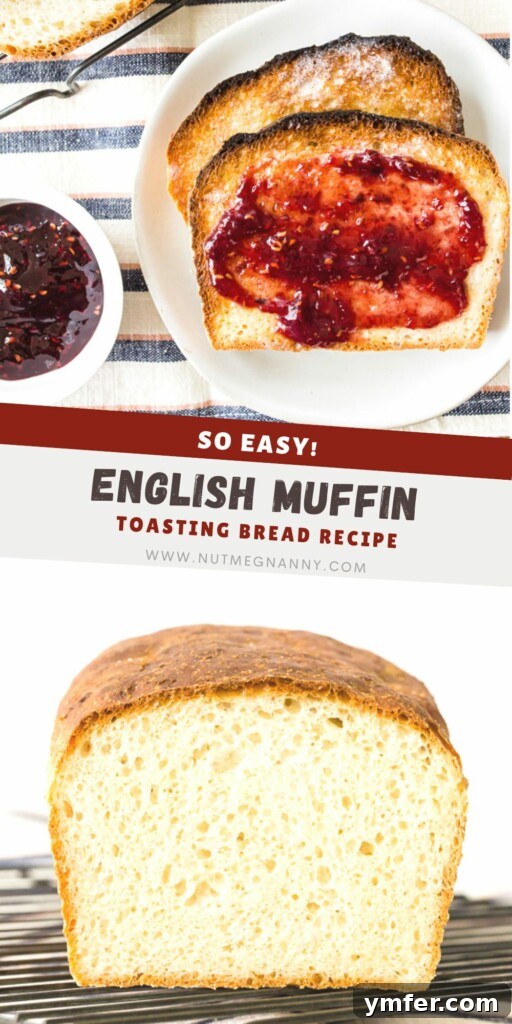
Homemade English Muffin Toasting Bread: Your Guide to Nooks, Crannies, and Perfect Breakfast
Imagine waking up to the irresistible aroma of freshly baked bread. Now, imagine that bread capturing everything you adore about classic English muffins: those signature nooks and crannies, a wonderfully crisp exterior, and a tender, soft interior, all in a convenient loaf you can slice and toast. This isn’t just any bread; it’s our incredible English Muffin Toasting Bread recipe, designed to bring the joy of a perfect English muffin to your breakfast table, slice after golden-brown slice.
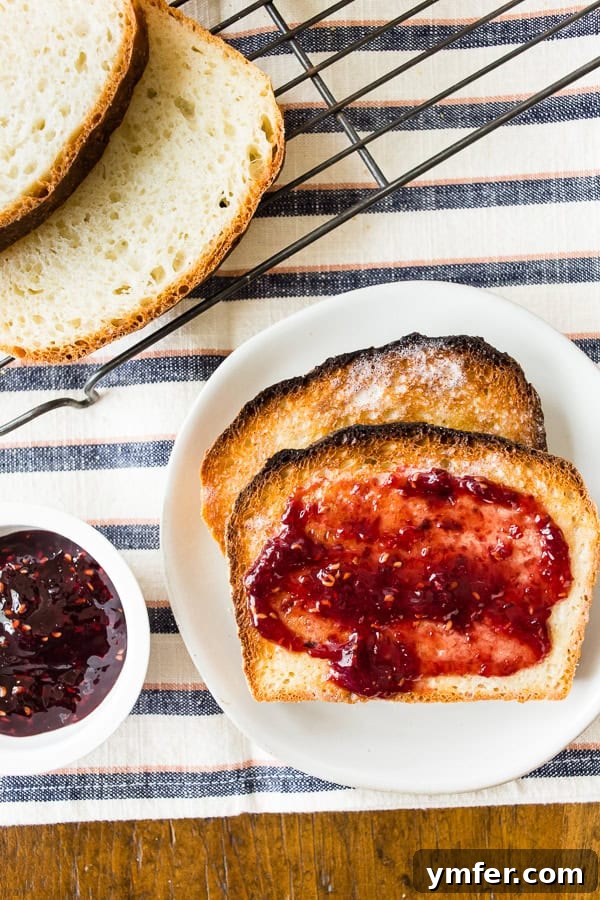
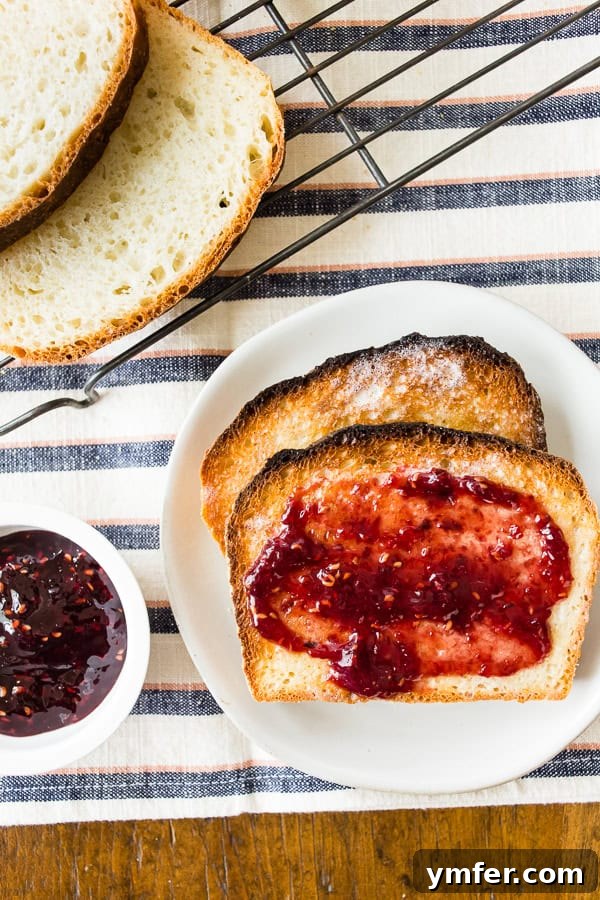
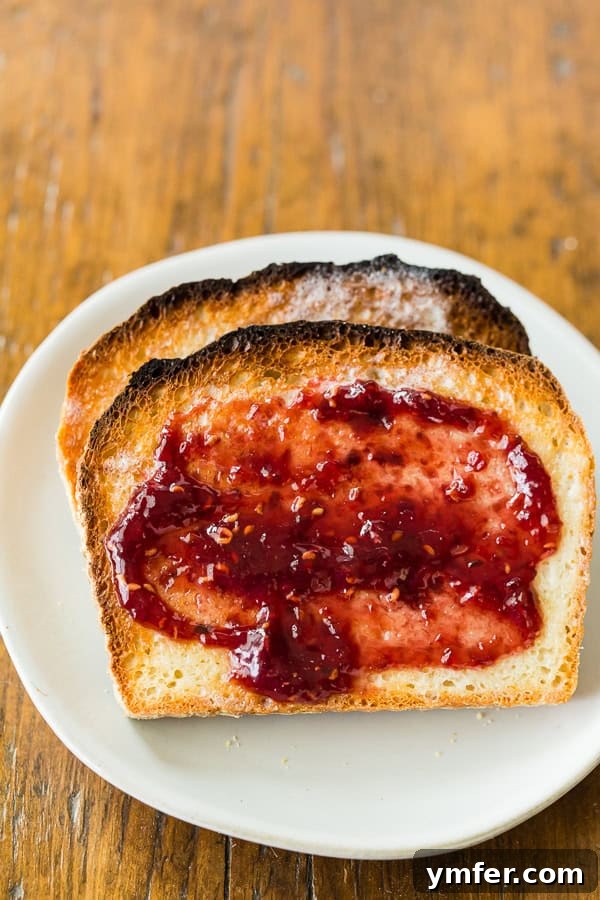
There’s nothing quite like that first bite of a crispy, warm English muffin, generously slathered with butter, honey, or your favorite jam, especially when paired with a steaming cup of coffee or tea. This recipe delivers that beloved experience, but in a form factor that makes preparation effortless. Forget splitting muffins with a fork; simply slice this bread and pop it in the toaster for a delightful morning treat.
Many home bakers find the idea of making bread from scratch intimidating. However, this English Muffin Toasting Bread recipe is surprisingly easy and incredibly forgiving, making it perfect for both novice and experienced bakers alike. We’ve broken down the process into simple, manageable steps, ensuring you’ll achieve a magnificent loaf every time. Get ready to impress your friends and family with this homemade delight, perfect for sharing at brunch or enjoying solo.
Why You’ll Love This English Muffin Toasting Bread
Beyond its incredible flavor and texture, this homemade English Muffin Toasting Bread offers several advantages:
- Effortless Enjoyment: All the charm of an English muffin without the need for rings or individual cooking. Just slice, toast, and top!
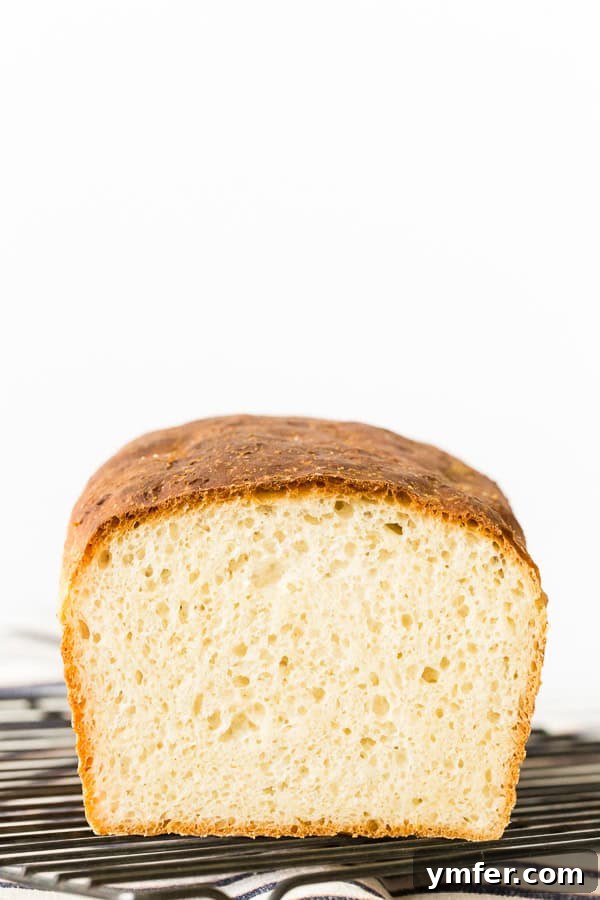
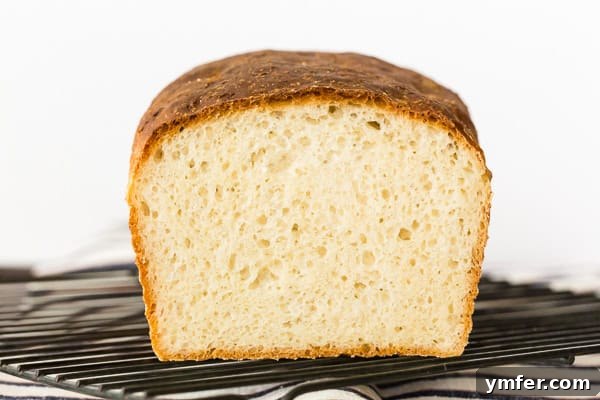
- Perfect Texture Every Time: The unique combination of ingredients and technique ensures that signature chewy interior, delightful crisp exterior, and those essential nooks and crannies that hold onto butter and jam so perfectly.
- Beginner-Friendly: This is a yeast bread recipe that’s incredibly straightforward. No complex kneading or proofing rituals, just simple mixing and rising.
- Versatile for Any Meal: While it shines at breakfast, its robust structure and mild flavor make it an excellent base for various meals, from savory sandwiches to sweet desserts.
- Make Ahead Magic: Easily bake multiple loaves and freeze them, ensuring you always have delicious, homemade bread on hand.
- Wholesome & Homemade: You control the ingredients, guaranteeing a fresh, preservative-free loaf that tastes infinitely better than anything store-bought.
Essential Ingredients for Your English Muffin Toasting Bread
Creating this delightful bread requires a few simple, pantry-staple ingredients. Each plays a crucial role in achieving the perfect texture and flavor. Let’s break down why each component is important:
- All-purpose flour: The foundation of our bread. It provides the structure and elasticity needed to create a light and airy loaf. Using all-purpose flour keeps the recipe simple and accessible.
- Granulated sugar: A small amount of sugar doesn’t just add a subtle sweetness; it also acts as food for the yeast, helping to activate it and encourage a robust rise. This results in a softer crumb and a beautifully browned crust.
- Salt: Don’t underestimate the power of salt in baking! It enhances the flavor of the bread, balances the sweetness, and also helps regulate yeast activity, ensuring a controlled and even rise.
- Baking soda: A key ingredient for those signature English muffin characteristics. Baking soda reacts with acidic ingredients (like buttermilk, though we’re using milk, its inclusion still contributes to the airy texture and helps create those coveted nooks).
- Instant yeast: The magical leavening agent that makes our bread rise. Instant yeast is convenient because it can be mixed directly with the dry ingredients without prior proofing, saving you time and effort. It’s essential for a light and fluffy texture.
- Milk: Adds richness, moisture, and a tender crumb to the bread. The fat and sugars in milk contribute to a softer texture and a more flavorful crust compared to using just water.
- Water: Works in conjunction with the milk to provide the necessary moisture for the dough. Crucially, warm water helps activate the yeast, allowing it to “bloom” and start its work effectively.
- Vegetable oil: Our fat of choice for this recipe. Oil contributes to the bread’s moistness and tenderness, preventing it from drying out and enhancing its overall texture. It also helps achieve a soft, pliable dough.
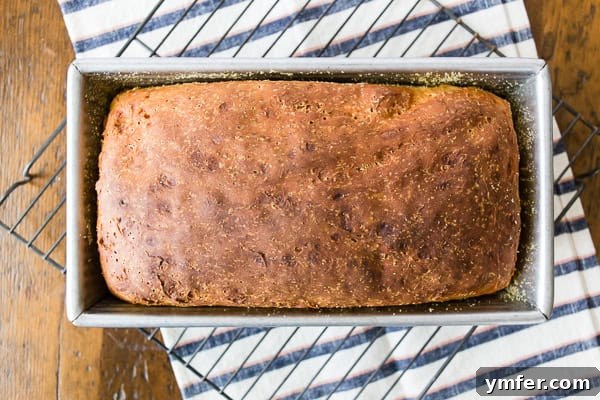
- Cornmeal: Sprinkled on the bottom and sides of the loaf pan, cornmeal is vital for recreating the classic English muffin texture. It prevents sticking and gives the bread a distinct, slightly crunchy, golden exterior, adding to its authentic appeal.
Beyond Breakfast: Creative Serving Suggestions
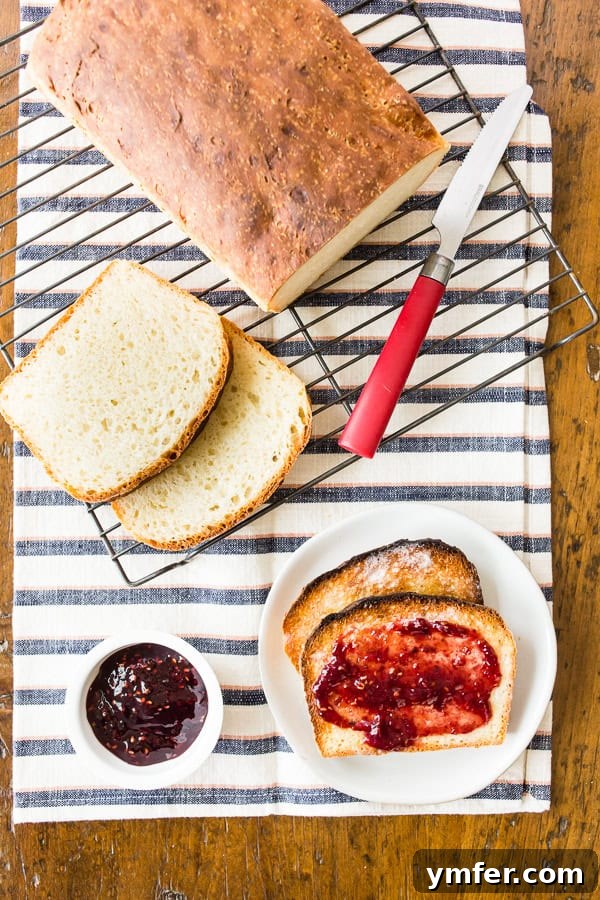
While this English Muffin Toasting Bread is undeniably perfect for your morning toast, slathered with honey, salted butter, or homemade jam, its versatility extends far beyond. Don’t limit yourself! Here are a few creative ways to enjoy your delicious homemade loaf:
- Gourmet Sandwiches: Its sturdy yet soft texture makes it an ideal choice for both hot and cold sandwiches. Think grilled cheese, egg and cheese breakfast sandwiches, or even a classic deli sandwich.
- Bruschetta Base: Slice it thinly, toast until crisp, and top with fresh tomatoes, basil, garlic, and a drizzle of balsamic glaze for a delightful appetizer.
- Homemade Croutons: Cube the bread, toss with olive oil and your favorite seasonings (garlic powder, Italian herbs), then bake until golden and crunchy. Perfect for salads and soups!
- French Toast: The nooks and crannies will soak up the custard mixture beautifully, creating an incredibly rich and satisfying French toast.
- Bread Pudding: Transform leftover slices into a comforting and delicious bread pudding, perfect for dessert or a decadent brunch item.
- Open-Faced Melts: Toast a slice, top with your favorite cheese, deli meat, or tuna salad, and broil until bubbly and golden.
Planning Ahead: Make-Ahead & Storage Tips
One of the best features of this English Muffin Toasting Bread is how well it stores, allowing you to enjoy fresh, homemade goodness even on busy mornings. With a little planning, you can always have a delicious loaf at the ready.
Make Ahead: Freezing Your Loaves
You can easily prepare a few loaves of this English Muffin Toasting Bread ahead of time and freeze them for later enjoyment. This is perfect for meal prep or ensuring you have a steady supply of delicious breakfast bread.
To freeze, first ensure your baked loaf has cooled completely to room temperature. This prevents condensation and ice crystals from forming. Once cooled, wrap the unsliced loaf tightly with two layers of plastic wrap, making sure no air is trapped. Follow this with a layer of heavy-duty aluminum foil. Label with the date. Store your well-wrapped loaf in the freezer for up to 3 months.
When you’re ready to enjoy, simply transfer the frozen loaf to the refrigerator to thaw overnight. Once thawed, you can slice and toast as usual. You can also toast slices directly from frozen in a toaster set to a lower setting, though thawing first will yield the best texture.
Storage for Leftovers
Any leftover English Muffin Toasting Bread can be stored at room temperature, provided it’s properly wrapped to maintain freshness. Once completely cooled, wrap the loaf or individual slices in plastic wrap or place them in an airtight bread bag. Store it on your kitchen counter for up to 3 days. For longer storage, consider refrigerating it for up to a week, although refrigeration can sometimes alter the texture of bread.
To revive day-old bread or slices, a quick toast in the toaster or toaster oven will bring back its delicious crispness and warm, soft interior.
Tips for Baking the Perfect English Muffin Toasting Bread
Achieving that ideal English muffin texture in a loaf form is simpler than you might think, but a few key tips can elevate your results from good to absolutely fantastic:
- Accurate Temperature for Liquids: The temperature of your milk, water, and oil mixture is critical for yeast activation. Aim for 120-130°F (49-54°C). Too cold, and the yeast won’t activate; too hot, and it could kill the yeast. A digital thermometer is your best friend here.
- Don’t Overmix: After combining wet and dry ingredients, mix just until thoroughly combined and smooth. Overmixing can develop too much gluten, leading to a tougher bread rather than the desired soft texture.
- Proper Rising Environment: Yeast loves warmth! If your kitchen is cool, find a warm spot for your dough to rise, such as a slightly warmed (but turned off) oven, near a sunny window, or on top of a warm appliance.
- The “Barely Crowned” Rise: For the characteristic nooks and crannies, pay close attention to the rise. The dough should just barely crown over the rim of the pan, about 1/4 inch. Over-proofing can lead to a weaker structure, while under-proofing results in a dense loaf.
- Cornmeal is Key: Don’t skip the cornmeal! It not only prevents sticking but, more importantly, provides that essential crunchy, slightly gritty texture on the outside, mirroring traditional English muffins.
- Cool Completely Before Slicing: This is a hard rule for most bread. Slicing warm bread can lead to a gummy texture and make it difficult to get clean slices. Patience is a virtue here!
- Adjust to Your Oven: Ovens can vary. Keep an eye on your bread during the last few minutes of baking. It should be golden brown, and an internal thermometer should read around 190°F (88°C) for a perfectly cooked loaf.
Frequently Asked Questions (FAQs)
Q: Can I use active dry yeast instead of instant yeast?
A: Yes, you can. If using active dry yeast, you’ll need to activate it first. Warm the milk and water mixture (ensure it’s between 105-115°F or 40-46°C), then sprinkle the yeast and a pinch of sugar over it. Let it sit for 5-10 minutes until foamy, then proceed with the recipe as directed, adding this liquid mixture to the dry ingredients.
Q: My bread didn’t rise. What went wrong?
A: The most common reasons for bread not rising are inactive or expired yeast, or the liquid temperature being too hot (killing the yeast) or too cold (not activating it). Ensure your yeast is fresh and your liquid temperature is accurate.
Q: How can I tell if the bread is fully baked?
A: The bread should have a deep golden-brown crust. The most reliable way is to use an instant-read thermometer; it should register 190°F (88°C) in the center of the loaf. You can also tap the bottom of the loaf – it should sound hollow.
Q: Can I make this bread gluten-free?
A: Converting yeast bread recipes to be gluten-free can be tricky due to the lack of gluten structure. While it might be possible with a specialized gluten-free flour blend designed for yeast baking, it hasn’t been tested with this specific recipe and results may vary significantly.
Q: What kind of loaf pan should I use?
A: An 8.5 x 4.5 x 3-inch loaf pan is ideal for this recipe. A light-colored metal pan will help the bread bake evenly and prevent over-browning of the crust. If you use a darker pan, you might need to reduce the baking time slightly.
More Delicious Bread Recipes to Explore
If you’ve fallen in love with homemade bread after trying this English Muffin Toasting Bread, there’s a whole world of baking waiting for you! Here are some other fantastic bread recipes that are sure to become new favorites:
- Craving something from your favorite coffee house? Try my Copycat Starbucks Pumpkin Bread – moist, spiced, and utterly delicious.
- Love all things sweet? Indulge in my Cinnamon Raisin Sourdough Bread, perfect for breakfast or a sweet snack.
- Want something cheesy and savory? My Cheesy Pesto Garlic Bread is an absolute crowd-pleaser and pairs wonderfully with pasta dishes.
- Need something chocolatey and secretly wholesome? Don’t miss my Chocolate Zucchini Bread – a delightful way to use up garden zucchini!
English Muffin Toasting Bread Recipe
This English muffin toasting bread is full of nooks and crannies and perfect for your breakfast toast! Great served with jam or butter.
By: Brandy O’Neill – Nutmeg Nanny
Yields: 1 loaf
Prep time: 10 mins
Cook time: 25 mins
Rising time: 1 hour
Total time: 1 hour 35 mins
Equipment
- All Purpose Flour (link to product, often listed as equipment in recipes if it has a specific brand recommendation)
- Instant Yeast
- Loaf Pan 8.5 x 4.5 x 3-Inch
- Large mixing bowl
- Stand mixer with flat beater attachment (optional, hand mixer works too)
- Microwave-safe bowl or saucepan
- Whisk
- Measuring cups and spoons
- Digital thermometer
- Cooling rack
Ingredients
- 3 cups (360g) all-purpose flour
- 1 tablespoon (14g) granulated sugar
- 1-1/2 teaspoons (9g) kosher salt
- 1/4 teaspoon baking soda
- 1 tablespoon instant yeast
- 1 cup (227g) milk
- 1/4 cup (57g) water
- 2 tablespoons (25g) vegetable oil
- Yellow cornmeal, to sprinkle in pan
Instructions
- In a large mixing bowl, or the bowl of a stand mixer, whisk together the flour, granulated sugar, kosher salt, baking soda, and instant yeast. Make sure these dry ingredients are well combined.
- In a separate, microwave-safe bowl (or a saucepan on the stovetop), combine the milk, water, and vegetable oil. Gently heat this liquid mixture until its temperature reaches between 120 degrees F (49°C) and 130 degrees F (54°C). Stir the liquid well before taking the temperature to ensure an accurate reading.
- Pour the warm liquid mixture directly over the dry ingredients in your mixing bowl. Mix thoroughly until all ingredients are combined and no dry streaks of flour remain.
- If using a stand mixer, attach the flat beater and beat the dough at high speed for 1 minute. If using an electric hand mixer, beat for 1 minute as well. The dough will be smooth, very soft, and somewhat sticky.
- Lightly grease an 8 1/2″ x 4 1/2″ loaf pan. Then, generously sprinkle the bottom and sides of the pan with yellow cornmeal, ensuring an even coating. This will give your bread its characteristic English muffin crust.
- Carefully scoop the soft dough into the prepared loaf pan. Use a spatula or the back of a spoon to gently level the dough as much as possible, spreading it evenly in the pan.
- Cover the pan loosely with plastic wrap or a clean kitchen towel. Allow the dough to rise in a warm spot until it is just barely crowned over the rim of the pan. When viewed at eye level, the dough should extend about 1/4 inch above the rim. This rising process typically takes about 45 minutes to 1 hour, depending on your kitchen’s temperature and the accuracy of your liquid heating.
- While the dough is rising, preheat your oven to 400 degrees F (200°C).
- Once the dough has risen sufficiently, remove the cover from the pan. Bake the bread in the preheated oven for 22 to 27 minutes, or until the top is golden brown and an internal thermometer inserted into the center of the loaf registers 190 degrees F (88°C).
- Remove the baked bread from the oven. Let it rest in the pan for 5 minutes before carefully turning it out onto a wire rack to cool completely. Allowing the bread to cool entirely before slicing is crucial for the best texture.
Notes
This fantastic recipe is adapted from King Arthur Flour and is consistently a favorite for its ease and delicious results!
Nutrition Information (Approximate per serving)
Nutrition information is automatically calculated, so should only be used as an approximation and is based on a serving size of 1g, as per original.
| Serving | Calories | Carbohydrates | Protein | Fat | Polyunsaturated Fat | Sodium | Fiber | Sugar |
|---|---|---|---|---|---|---|---|---|
| 1g | 264kcal | 49g | 7g | 5g | 4g | 192mg | 3g | 1g |
Additional Info
Course: Bread
Cuisine: American
Tried this recipe? We’d love to see your creations! Mention @NutmegNanny or tag #nutmegnanny on Instagram!