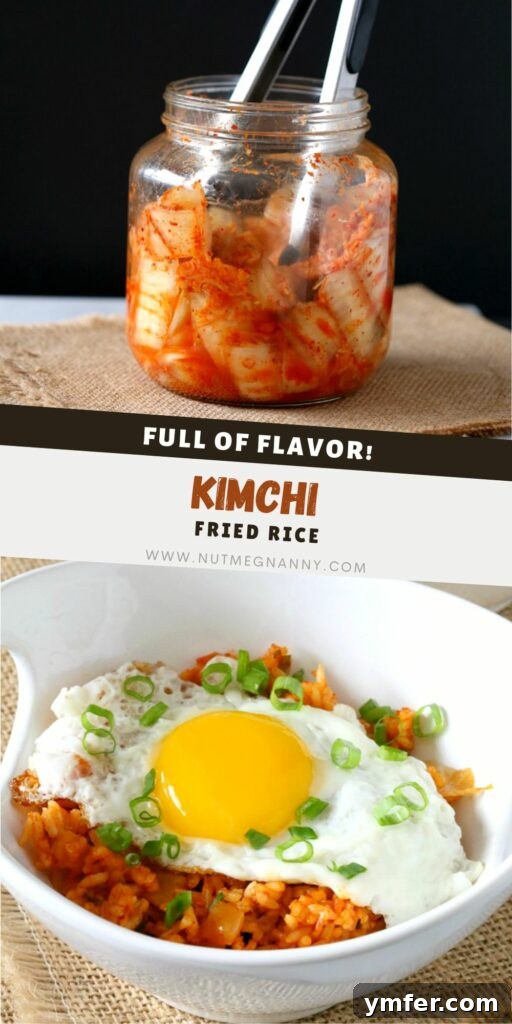
Delicious Kimchi Fried Rice: Your Ultimate Guide to a Savory & Spicy Meal
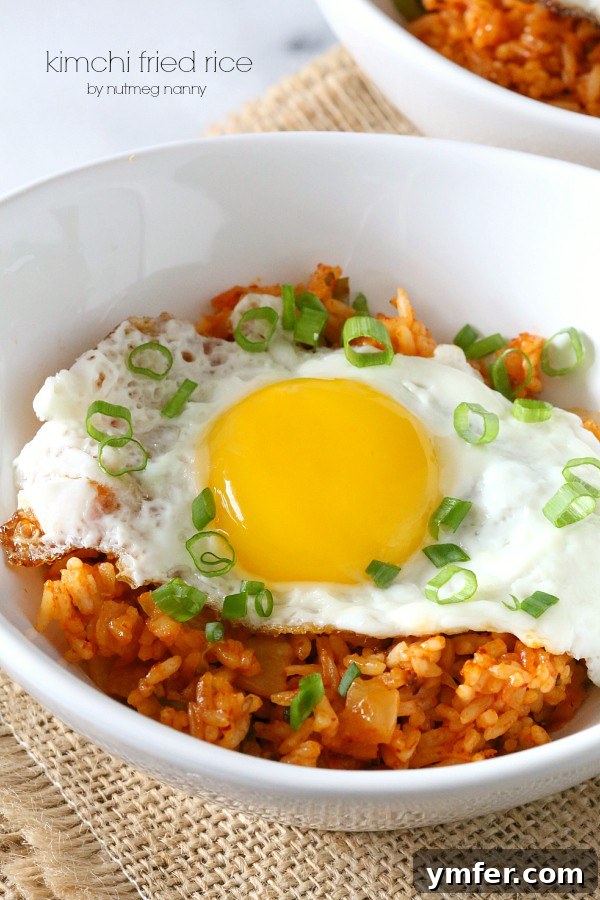
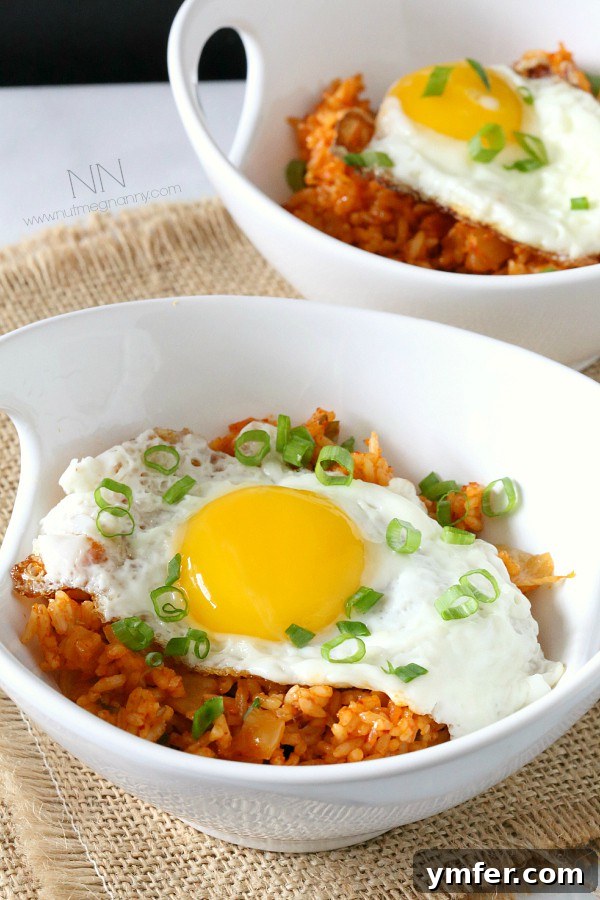
Transform humble leftovers into an extraordinary culinary experience with this vibrant Kimchi Fried Rice recipe. Packed with the tangy, spicy goodness of kimchi, fluffy rice, aromatic spices, and fresh green onions, this dish is a symphony of flavors and textures. Crowned with a perfectly cooked fried egg, it’s not just a meal; it’s a deeply satisfying adventure for your taste buds.
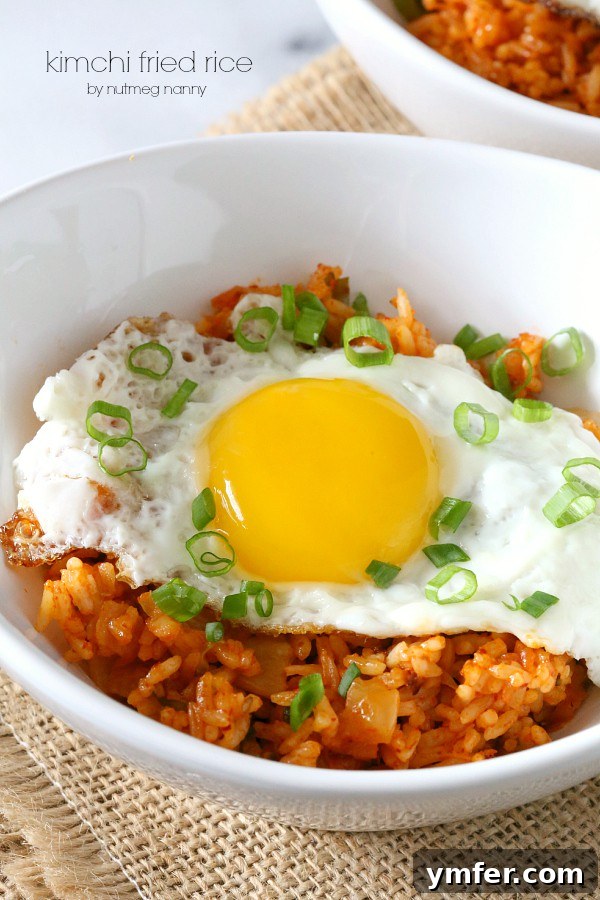
Rice holds a special place in global cuisine, serving as a staple for billions. It’s not just affordable and incredibly versatile; it’s also wonderfully satisfying, capable of feeding a crowd or providing a comforting solo meal. This particular Kimchi Fried Rice recipe elevates the humble grain, turning your leftover rice into a mouthwatering, savory, and spicy delight that will have everyone reaching for seconds.
Imagine the delightful contrast: the sour, spicy crunch of fermented kimchi mingling with perfectly crisped, warm rice, all brought together under the creamy embrace of a runny, gooey fried egg. It’s an irresistible combination that appeals to nearly every palate, offering a harmony of textures and tastes in every bite.
The beauty of this dish lies in its simplicity. With just a few core ingredients, many of which you might already have on hand as leftovers, you can conjure up a delicious and hearty meal that keeps you feeling full and happy for hours. It’s quick, efficient, and deeply rewarding – a perfect weeknight dinner solution or a fantastic way to impress with minimal effort.
Trust us, once you experience the ease and incredible flavor of this homemade kimchi fried rice, it’s sure to become a regular in your meal rotation. Get ready to fall in love with its bold Korean-inspired profile!
What Makes Kimchi Fried Rice So Special?
Kimchi Fried Rice, or Kimchi Bokkeumbap (김치볶음밥), is a beloved Korean comfort food renowned for its bold flavors and satisfying texture. It brilliantly combines the best elements of a fried rice dish with the unique profile of well-fermented kimchi. The process of frying the kimchi brings out a deeper, more complex umami flavor, while the rice absorbs all the rich, spicy juices, becoming infused with every savory note.
The key to its allure lies in the balance of sour, spicy, and savory. The fermentation of kimchi adds a wonderful tang, which is then mellowed and enhanced by cooking. Gochujang (Korean chili paste) brings a distinctive heat and a hint of sweetness, while a fried egg on top adds richness and a luxurious finish. It’s a dish that’s incredibly adaptable, allowing for additions of meat, vegetables, or tofu, making it a truly versatile culinary canvas.
Key Ingredients for Kimchi Fried Rice
Crafting the perfect Kimchi Fried Rice begins with selecting the right components. Each ingredient plays a crucial role in building the layered flavors and textures that define this iconic Korean dish. Here’s a deeper look at what you’ll need:
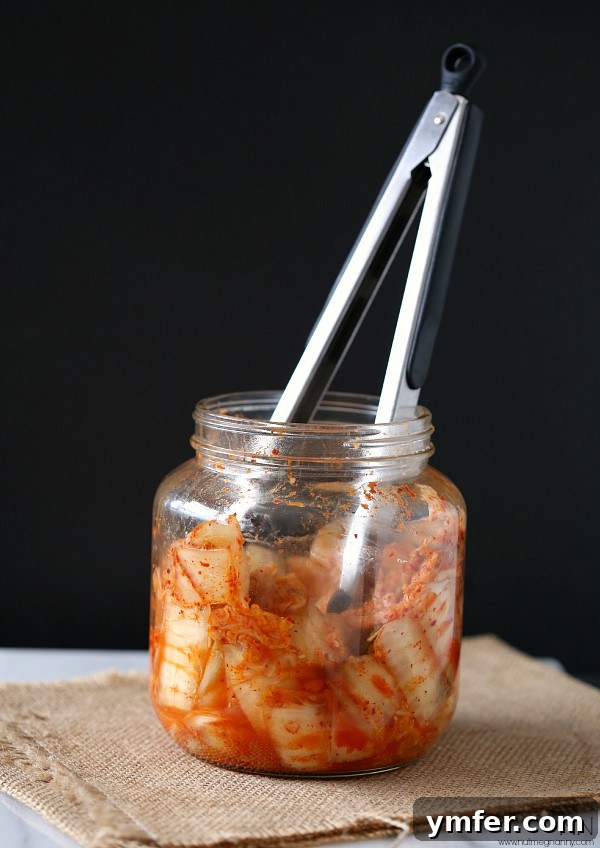
- Kimchi: The undisputed star of the show. We recommend using sour, well-fermented kimchi, preferably a few days or weeks old. As kimchi ages, its flavor deepens and becomes tangier, which is ideal for fried rice. The fermentation process also creates beneficial probiotics, adding a healthy boost to your meal. Opt for Napa cabbage kimchi (baechu kimchi) for its classic texture and flavor.
- Gochujang Paste: This vibrant red Korean fermented chili paste is indispensable for authentic flavor. It provides not just heat, but also a complex sweet, savory, and umami depth that powdered chili flakes can’t replicate. A little goes a long way in adding that signature Korean spice and richness.
- Garlic: A foundational aromatic in many cuisines, minced garlic brings a pungent, earthy warmth that complements the spicy kimchi beautifully. It adds a layer of savory depth to the overall profile.
- Leftover White or Brown Rice: This is the absolute cornerstone of exceptional fried rice. Day-old or even two-day-old rice is preferred because its grains have dried out, preventing the dish from becoming mushy when fried. While white rice is traditional, brown rice offers a nuttier flavor and added fiber.
- Eggs: Fried eggs are a classic topping for Kimchi Fried Rice, offering added protein and an incredible boost of umami. The runny yolk, in particular, acts as a rich sauce, coating the rice and adding a luxurious creaminess that ties all the flavors together.
- Scallions (Green Onions): Providing a mild oniony bite and a burst of fresh color, scallions are used both in the cooking process for flavor infusion and as a garnish for a refreshing finish.
- Soy Sauce: A touch of soy sauce enhances the savory depth and provides essential seasoning. We recommend using a low-sodium variety to control the saltiness to your preference.
- Kimchi Juice: Don’t discard that precious liquid from your kimchi jar! It’s a flavor powerhouse. Adding a splash of kimchi juice helps bind the ingredients, intensify the tangy-spicy flavor, and can moisten the rice if it appears too dry during frying.
- Vegetable Oil: For sautéing the ingredients and achieving that desirable crispy texture on the rice. Any neutral-flavored oil works well.
The Secret Weapon: Using Leftover Rice
Many home cooks wonder why leftover rice is consistently recommended for making the best-fried rice, and the answer lies in its unique structural properties after it has cooled. This isn’t just a culinary tradition; it’s backed by science, and understanding it will elevate your fried rice game significantly.
When rice is freshly cooked, it contains a high amount of moisture. The starch molecules are gelatinized, meaning they’ve absorbed water and are soft and somewhat sticky. If you attempt to fry freshly cooked rice, the excess moisture will turn to steam, making the rice soggy and causing the individual grains to break apart and clump together in your pan. Instead of distinct, crispy grains, you’ll end up with a sticky, mushy mess.
Leftover rice, however, has had time to dry out. As it cools, a process called “starch retrogradation” occurs. The starch molecules recrystallize, releasing much of their absorbed water. This results in firmer, drier grains that are less prone to sticking and more capable of developing a beautiful, crispy exterior when introduced to hot oil. This dryness is precisely what allows each grain to fry individually, creating that signature textural contrast inherent in great fried rice.
Using leftover rice ensures your Kimchi Fried Rice will have that desired slightly chewy, slightly crispy texture, with each grain distinctly coated in the savory, spicy flavors.
How to Properly Store Leftover Rice for Fried Rice Dishes
While leftover rice is key for perfect fried rice, proper storage is paramount for food safety. Cooked rice can harbor bacteria if not cooled and stored correctly, so always follow these essential steps:
- Cool Quickly: Immediately after cooking your rice, spread it out into a thin, even layer on a parchment-lined baking sheet or a large, shallow plate. This maximizes the surface area, allowing the rice to cool rapidly.
- Refrigerate Promptly: Place the uncovered rice directly into the refrigerator as soon as possible, ideally within one hour of cooking. Rapid cooling inhibits the growth of harmful bacteria.
- Store Appropriately: Once the rice is completely cool to the touch (usually within an hour or two), transfer it to an airtight container.
- Shelf Life: Store the cooled rice in your fridge for a maximum of 3 days. Any older than that, it’s best to discard it to ensure safety.
By following these simple guidelines, you’ll always have safe, perfectly prepared leftover rice ready for your next batch of delicious Kimchi Fried Rice!
A Closer Look: What is Kimchi?
Kimchi is a vibrant and iconic fermented Korean vegetable dish, renowned for its spicy, sour, and intensely flavorful profile. While often associated solely with fermented Napa cabbage, kimchi encompasses hundreds of varieties made from various vegetables and seasonings. It’s not just food; it’s a cornerstone of Korean culture and cuisine, served with almost every meal.
At its core, kimchi is made through a process of lacto-fermentation, similar to sauerkraut or pickles. Cabbage (most commonly Napa cabbage, but also radish, cucumber, and other vegetables) is salted, then mixed with a paste made from ingredients like gochugaru (Korean chili powder), garlic, ginger, green onions, fish sauce (or soy sauce for vegetarian versions), and sometimes Korean pear or sugar. This mixture is then packed and allowed to ferment over time, developing its characteristic sour tang and complex flavors.
The flavor profile of kimchi can vary significantly depending on the region, family recipes, and fermentation time. It can range from mildly spicy and slightly sweet when fresh, to intensely sour, pungent, and deeply spicy as it ages. The older and more fermented the kimchi, the more sour and rich it becomes, which is precisely why aged kimchi is highly prized for cooking dishes like kimchi fried rice and kimchi stew.
Beyond its incredible taste, kimchi is celebrated for its health benefits. As a fermented food, it’s rich in probiotics, which are beneficial bacteria that support gut health, digestion, and potentially even boost immunity. It’s also packed with vitamins (A, B, C) and minerals.
Today, kimchi is readily available. You can find it in the refrigerated section of most major grocery stores, often alongside other Asian ingredients or health foods. For the most authentic and diverse selection, however, a visit to your local Asian market is highly recommended. Exploring different brands and types of kimchi can be an exciting journey in itself!
Variations and Add-ins for Your Kimchi Fried Rice
One of the best things about Kimchi Fried Rice is its incredible versatility. While delicious on its own, it serves as a fantastic base for incorporating additional ingredients. Feel free to customize your dish to your liking with some of these popular additions:
- Proteins:
- Pork Belly: Diced and rendered crispy, pork belly adds a rich, savory depth and satisfying texture.
- Spam: A classic Korean comfort food pairing, cubed Spam offers a salty, savory kick.
- Chicken or Beef: Thinly sliced or diced chicken breast, thigh, or beef (like bulgogi meat) can be stir-fried before adding the kimchi.
- Tofu: Cubed and pan-fried tofu makes for a delicious vegetarian-friendly protein option.
- Shrimp: Quick-cooking shrimp can be added towards the end of the cooking process.
- Vegetables:
- Peas and Carrots: A common fried rice addition for color and sweetness.
- Corn: Adds a pop of sweetness and texture.
- Mushrooms: Sliced shiitake or cremini mushrooms add an earthy umami.
- Spinach or Kale: Wilt in a handful of greens for added nutrients.
- Flavor Enhancers & Garnish:
- Sesame Oil: A drizzle of toasted sesame oil just before serving adds a nutty aroma and flavor.
- Sesame Seeds: Sprinkled on top for extra texture and a nutty finish.
- Nori (Seaweed Sheets): Crumbled or cut into strips, seaweed adds a distinct savory, oceanic flavor.
- Cheese: A less traditional but popular addition in Korea, a slice of cheese (like mozzarella) melted on top adds creaminess.
Experiment with these options to find your favorite combination and make this Kimchi Fried Rice truly your own!
Serving Suggestions
Kimchi Fried Rice is hearty enough to be a complete meal on its own, especially with the addition of a fried egg and perhaps some extra protein. However, you can enhance the dining experience with a few simple accompaniments:
- More Kimchi: You can never have too much kimchi! Serve extra on the side for those who love an additional tangy, spicy kick.
- Pickled Radish (Danmuji): The bright yellow, sweet, and tangy pickled radish offers a refreshing contrast to the richness of the fried rice.
- Seaweed Snacks (Gim): Crispy roasted seaweed sheets are perfect for scooping up bites of rice or simply munching alongside the meal.
- Clear Soup: A simple, light broth or miso soup can cleanse the palate between bites.
- Cucumber Salad: A cool, crisp cucumber salad provides a refreshing counterpoint to the spicy flavors.
More Asian Inspired Recipes to Explore
If you’re a fan of the vibrant and diverse flavors of Asian cuisine, you’re in for a treat! Here are some other fantastic recipes to expand your culinary repertoire:
- Want a comforting soup? Try our Instant Pot Asian Chicken and Rice Soup.
- Looking for a unique breakfast idea? Dive into our Savory Asian Oat Bran.
- Love using your air fryer for quick meals? Our Air Fryer Beef and Broccoli is a must-try.
- Craving some fresh tuna and vibrant flavors? Whip up a delicious Tuna Poke Bowl.
Kimchi Fried Rice Recipe
Rating: 5 out of 5 stars (based on 1 vote)
Kimchi Fried Rice
By: Brandy O’Neill – Nutmeg Nanny
Servings: 4 servings
Prep Time: 10 mins
Cook Time: 20 mins
Total Time: 30 mins

This kimchi fried rice is packed full of kimchi, rice, spices, and green onions. I topped it with a freshly cooked egg to bring even more flavor.
Equipment
-
Less Sodium Soy Sauce
-
Gochujang Seasoning Paste
-
12-inch Skillet
Ingredients
- 2 tablespoons vegetable oil
- 5 scallions, diced (reserve 1/4 for garnish)
- 1 cup sour kimchi, chopped
- 2 tablespoons gochujang paste
- 2 cloves garlic, minced
- 4 cups cooked white or brown rice (day-old or cold leftover rice recommended)
- 2 teaspoons soy sauce
- 1/4 cup kimchi juice, as needed (from the kimchi jar)
- 4 large eggs
Instructions
- In a large skillet or wok, add vegetable oil and set over medium-high heat until shimmering.
- Add 3/4 of the chopped scallions, the chopped kimchi, and gochujang paste to the hot oil. Stir-fry for 3-5 minutes, allowing the kimchi to cook down slightly and release its deep flavors, and the gochujang to meld into the oil. The mixture should be fragrant and hot.
- Stir in the minced garlic and cook for an additional 30 seconds until fragrant, being careful not to burn it.
- Add the cooked, cold rice and soy sauce to the skillet. Break up any clumps of rice with your spatula. Stir constantly, pressing the rice against the bottom of the pan to get some grains slightly crispy. If the mixture seems too dry or sticky, add a tablespoon or two of kimchi juice to help incorporate the flavors.
- Continue to sauté for about 5-7 minutes, ensuring the entire mixture is heated through and the rice develops a slightly crispy texture.
- Remove the kimchi fried rice from the stove and cover it loosely to keep warm while you prepare the eggs.
- In a separate small skillet, fry the 4 eggs to your desired doneness (sunny-side up with a runny yolk is traditional). Cook in batches if necessary to avoid overcrowding the pan.
- Divide the hot kimchi fried rice mixture evenly among 4 bowls. Top each serving with a freshly fried egg.
- Garnish with the remaining fresh green onions before serving. Enjoy immediately!
Nutrition
Serving Size: 1g
Calories: 427kcal
Carbohydrates: 64g
Protein: 12g
Fat: 14g
Saturated Fat: 2g
Polyunsaturated Fat: 10g
Cholesterol: 186mg
Sodium: 939mg
Fiber: 5g
Sugar: 13g
Nutrition information is automatically calculated and should only be used as an approximation.
Additional Info
Course: Main Course
Cuisine: Asian
Tried this recipe? Mention @NutmegNanny or tag #nutmegnanny!