
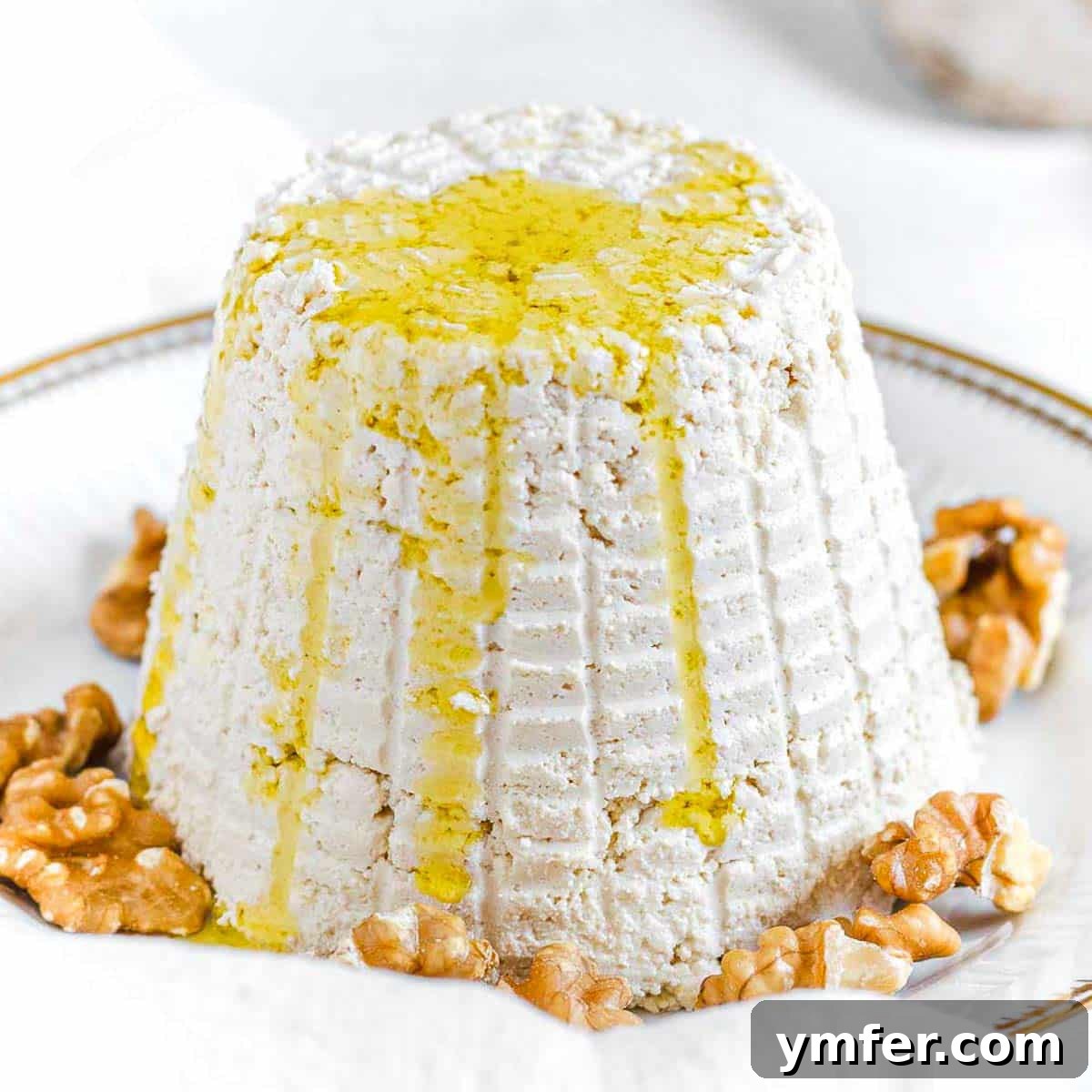
Homemade Vegan Ricotta Cheese: The Ultimate Dairy-Free Alternative
Discover the secret to crafting the perfect **vegan ricotta cheese** right in your kitchen! This exceptional plant-based alternative to classic dairy ricotta boasts a delightfully **soft, spreadable texture** and a subtly neutral flavor profile, making it an incredibly versatile ingredient for both **sweet and savory culinary creations.**
Forget complex recipes and hard-to-find ingredients. Our method uses just three simple components: **soy milk, a touch of salt, and a splash of vinegar.** This ingenious approach results in a nut-free and gluten-free ricotta that everyone can enjoy. What truly sets this recipe apart, however, is its unparalleled **versatility**—it’s a game-changer for plant-based cooking.
Imagine spreading it generously on toast, transforming it into a rich **dip, or a creamy pasta sauce.** Envision stuffing delicate ravioli or crumbling it artfully over vibrant salads. This vegan ricotta shines equally bright in baked goods, making it perfect for luscious **pies, elegant cakes, and even authentic Sicilian cannoli.** We confidently declare this to be the finest vegan ricotta we’ve ever tasted, and we’re thrilled to share our tried-and-true recipe with you.
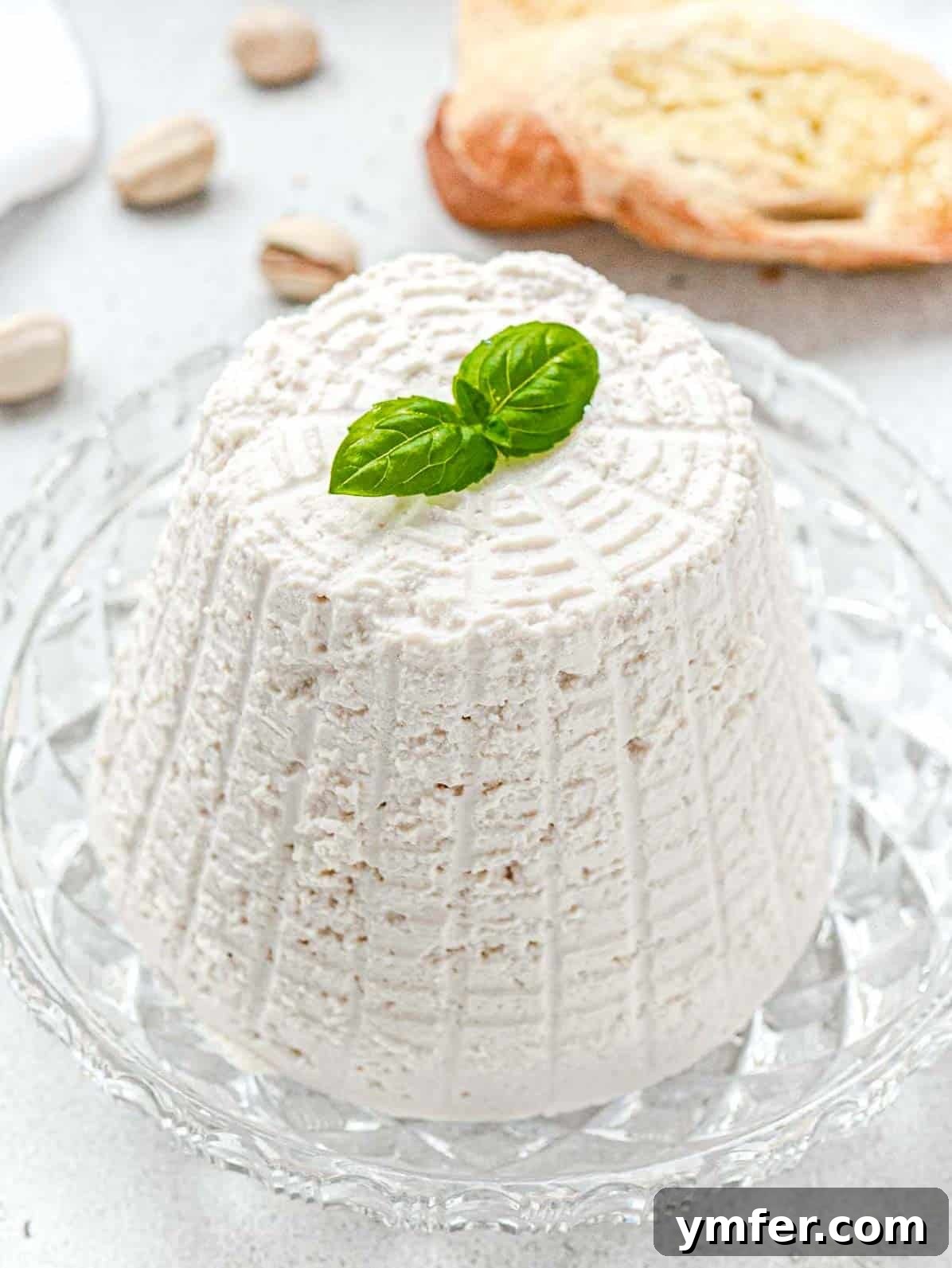
Table of Contents
- What is Vegan Ricotta?
- Ingredients & Substitutions for Vegan Ricotta
- How to Make Vegan Ricotta
- How to Enjoy Vegan Ricotta
- Pro Tips for Perfect Vegan Ricotta
- Our Soy Milk Experiments and Learnings
- Delicious Variations
- Frequently Asked Questions
- Storage & Make Ahead
- More Popular Vegan Recipes
- Vegan Ricotta Cheese Recipe Card
Dietary Note: This recipe is perfectly suitable for vegetarian, vegan, and gluten-free diets, catering to a wide range of dietary needs and preferences.
Short on time? JUMP DIRECTLY TO THE RECIPE HERE!
What is Vegan Ricotta?
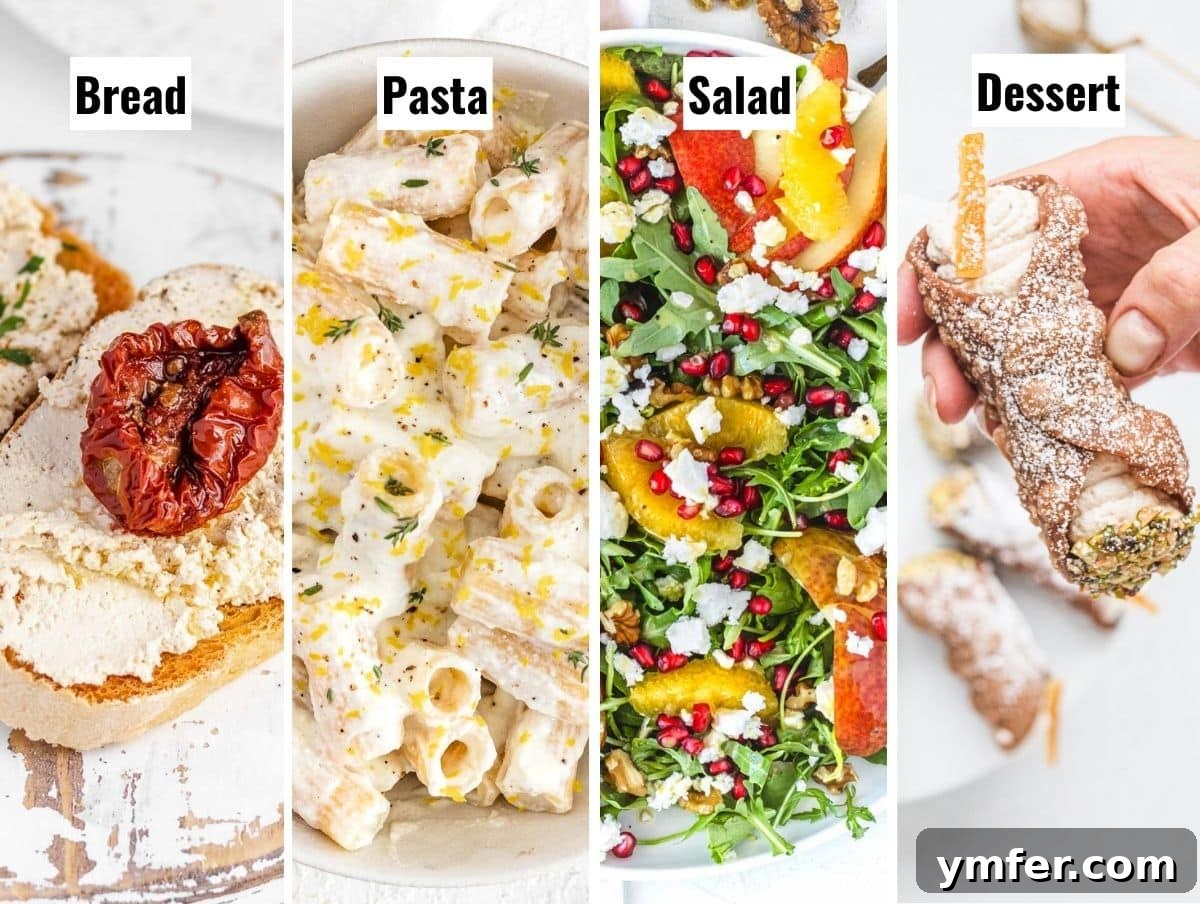
For years, we’ve been perfecting our vegan ricotta recipe, integrating it into countless **sweet and savory dishes** to great acclaim. Its adaptability is truly remarkable, allowing you to use it exactly as you would traditional dairy ricotta.
From light and zesty lemon ricotta pasta and rich creamy kale pasta to hearty stuffed zucchini and rustic tomato galette, this dairy-free alternative holds its own, elevating every meal. Alongside our beloved melty vegan cheese, it stands as our most cherished plant-based cheese for good reason: it’s incredibly simple and cost-effective to prepare, and its mild flavor complements virtually any ingredient.
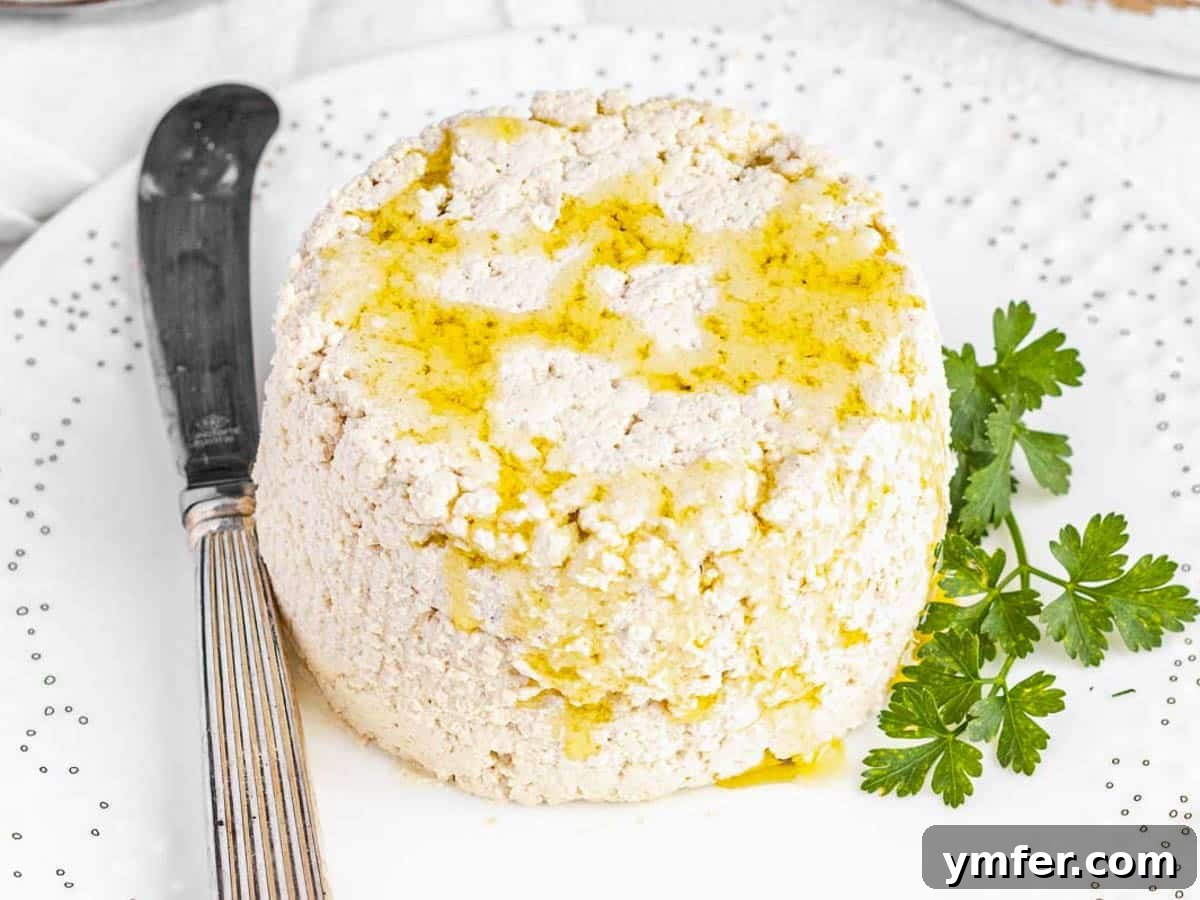
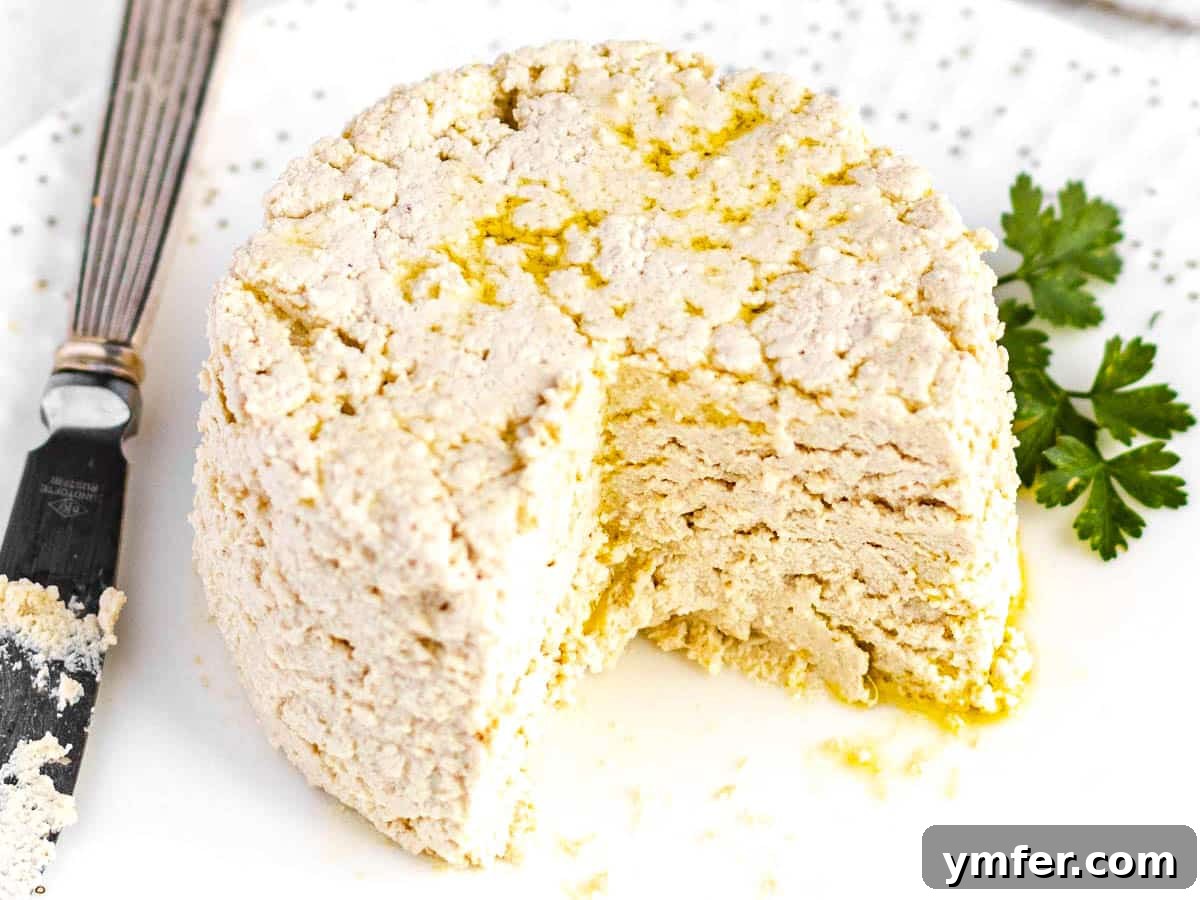
Crucially, its **taste and texture** are astonishingly similar to authentic ricotta! This remarkable likeness means you can confidently use it in traditional Italian desserts, such as a decadent ricotta pie studded with chocolate chips or exquisitely prepared Sicilian cannoli, ensuring an authentic experience without dairy.
Broadly, there are two primary methods for crafting vegan ricotta: one relying on **soy milk**, and the other utilizing a blend of **nuts (like cashews) and tofu.** While both methods yield delicious results, we wholeheartedly advocate for the **soy milk method.** It consistently produces a ricotta that is remarkably close in texture and flavor to genuine Italian ricotta, often surprising even the most discerning palates.
Mirroring the traditional cheesemaking process, we employ **acidity (vinegar) and heat to curdle the protein present in soy milk.** This technique is not only straightforward but also highly effective, transforming liquid soy milk into a creamy, textured cheese.
In this comprehensive guide, we’ll walk you through the steps to create the absolute **best vegan ricotta** using just three essential ingredients: soy milk, salt, and vinegar. We’ll also inspire you with diverse and delectable ways to incorporate it into your cooking, showcasing the beloved preparations cherished by our readers.
For those interested in exploring other options, be sure to consult our detailed variations section below, where we explain how to make luscious vegan ricotta using nuts such as cashew nuts or almonds.
Essential Ingredients & Smart Substitutions for Vegan Ricotta
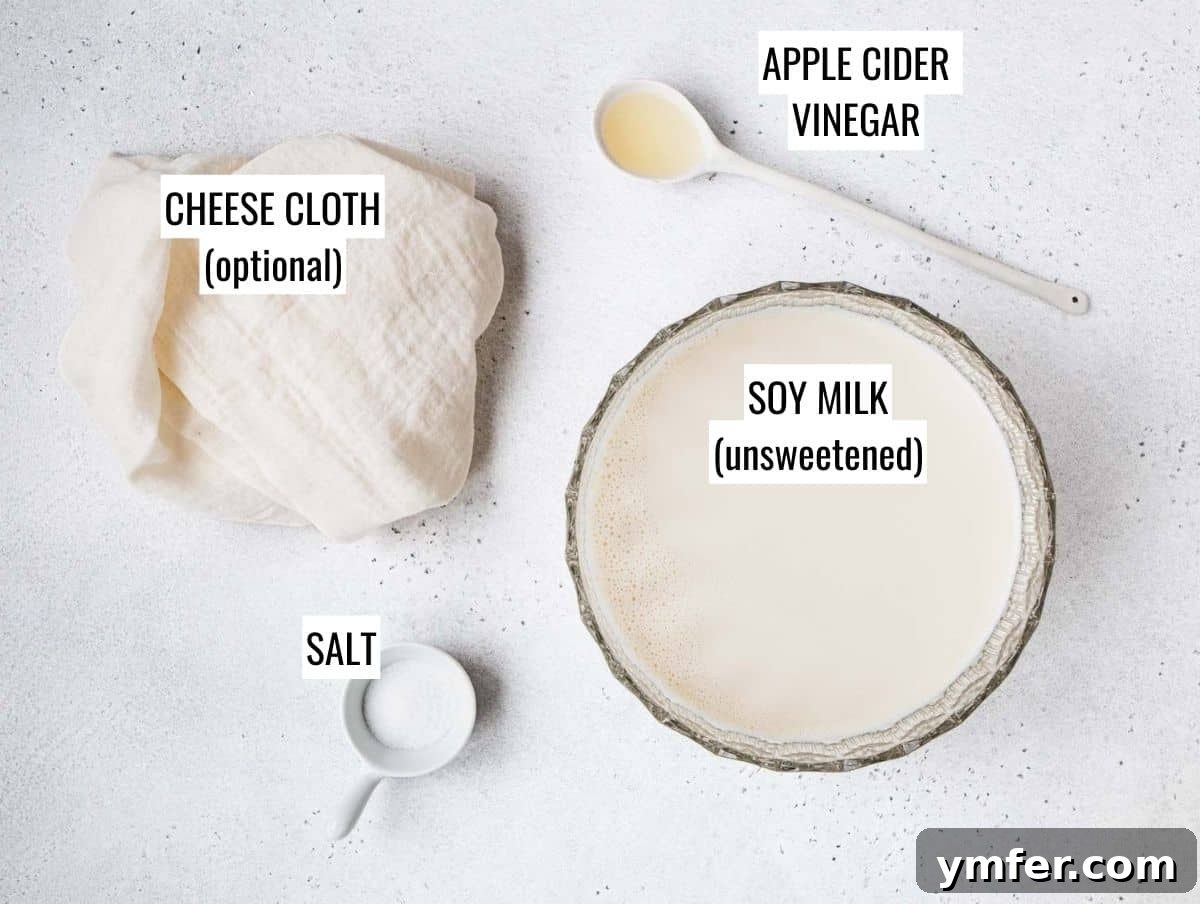
For precise quantities, please refer to the comprehensive recipe box at the bottom of the page.
Soy Milk: The Foundation
Our extensive testing, spanning over 30 different brands of soy milk, consistently showed that **all varieties successfully produced ricotta cheese.** This held true even for brands containing added sugars, flavorings, or common additives like calcium or gellan gum. However, for optimal results, we advise selecting soy milk with the **highest protein content** or the **highest percentage of soy** listed in its ingredients. The higher the protein, the more curds you’ll achieve, leading to a richer yield.
If your intention is to use the ricotta in savory dishes, we strongly recommend opting for **unsweetened, unflavored soy milk.** This choice ensures a neutral base that won’t interfere with the savory profiles of your recipes. It’s crucial to note that other popular dairy-free milks, such as **almond milk or oat milk, typically found in supermarkets, are generally unsuitable for this recipe.** They simply do not contain sufficient protein to curdle effectively and form the desired ricotta texture.
Vinegar: The Curdling Agent
Vinegar is the essential acidic component that initiates the curdling process in soy milk. Both **apple cider vinegar** and **white vinegar** are excellent choices for this recipe. Should you prefer, **lemon juice** can also be used as an alternative, though you may need a slightly larger quantity to achieve the same curdling effect.
The ideal ratio for vinegar is approximately **40 grams per 1 liter of soy milk** (which equates to about 2.5 tablespoons for 1/4 of a gallon). If substituting with lemon juice, aim for roughly **60 grams of lemon juice per 1 liter of soy milk** (or approximately 4 tablespoons for 1/4 of a gallon) to ensure proper curdling.
Salt: For Flavor Balance
Adding salt is pivotal for enhancing the deliciousness of this vegan ricotta. It skillfully **neutralizes the subtle acidic taste** imparted by the vinegar, creating a perfectly balanced flavor profile. Even if you plan to use this ricotta for sweet preparations, a pinch of salt is crucial for rounding out the flavors and preventing it from tasting bland.
Essential Equipment
Filtering Cloth for Optimal Drainage
A **clean, fine-mesh cotton kitchen cloth** is ideal for straining the curds, much like we frequently use. Alternatively, a **cheesecloth or muslin cloth,** readily available online at an affordable price, works perfectly. Ensure your chosen cloth is thoroughly clean and free from any residual detergent odors that could transfer to your ricotta.
Strainer, Pot, and Collection Bowl
Any **standard strainer** will suffice, provided it is large enough to comfortably hold the volume of curdled soy milk you are processing. You will also require a sturdy **pot for warming the soy milk** and a generously sized **bowl to place beneath the strainer,** designed to collect the excess liquid (whey) as it drains.
Optional Ricotta Cheese Mold
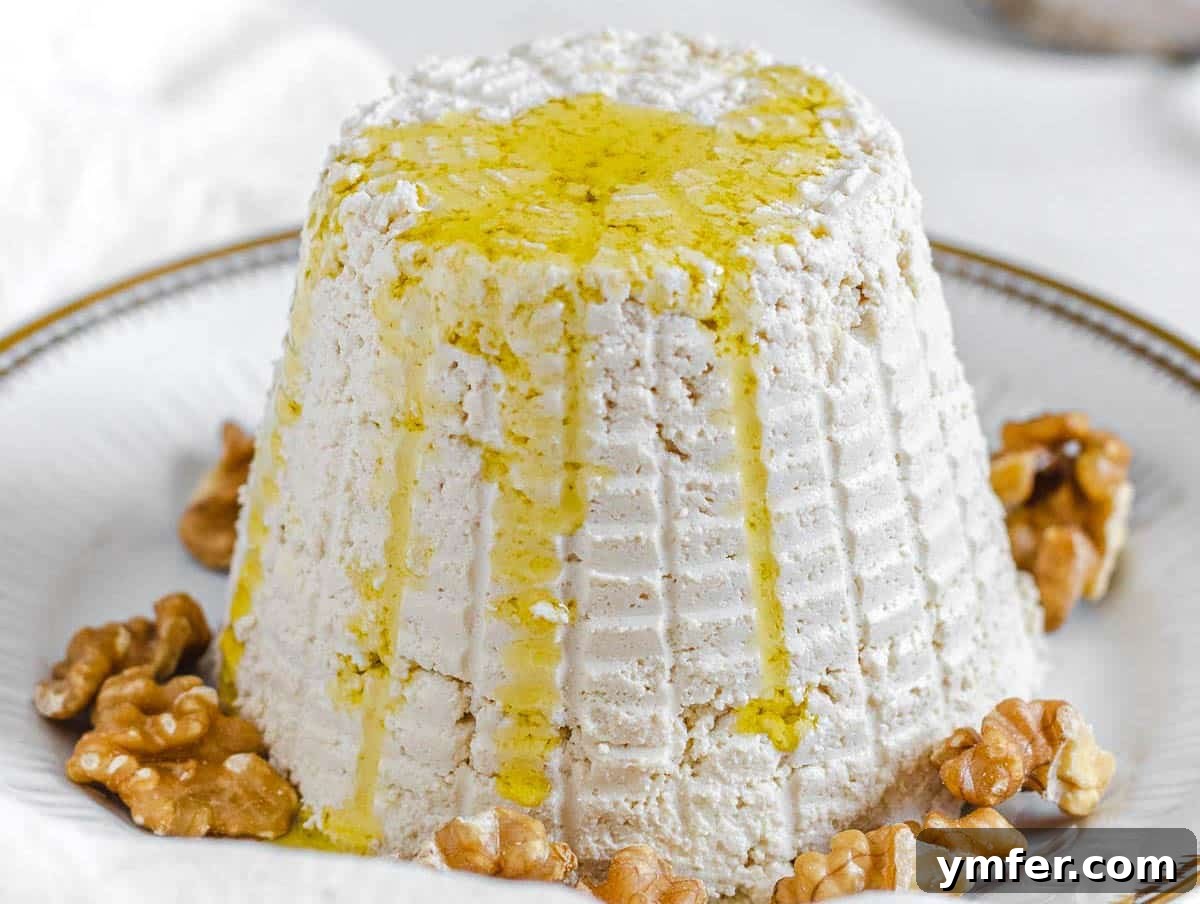
While not strictly necessary for taste or texture, a **ricotta cheese mold** is a wonderful addition if you wish to give your homemade vegan ricotta the classic, appealing shape found in traditional cheese stores. These molds can be easily purchased online.
Crafting Your Own Vegan Ricotta: A Step-by-Step Guide
For precise measurements in US cups and grams, please refer to the detailed recipe box at the bottom of this page.
Step 1: Warm and Curdle the Soy Milk
Begin by pouring the **soy milk** into a large, heavy-bottomed pot. Bring the milk to a gentle boil over medium heat, stirring frequently to prevent it from sticking to the bottom and scorching. This constant agitation is key to a smooth process.
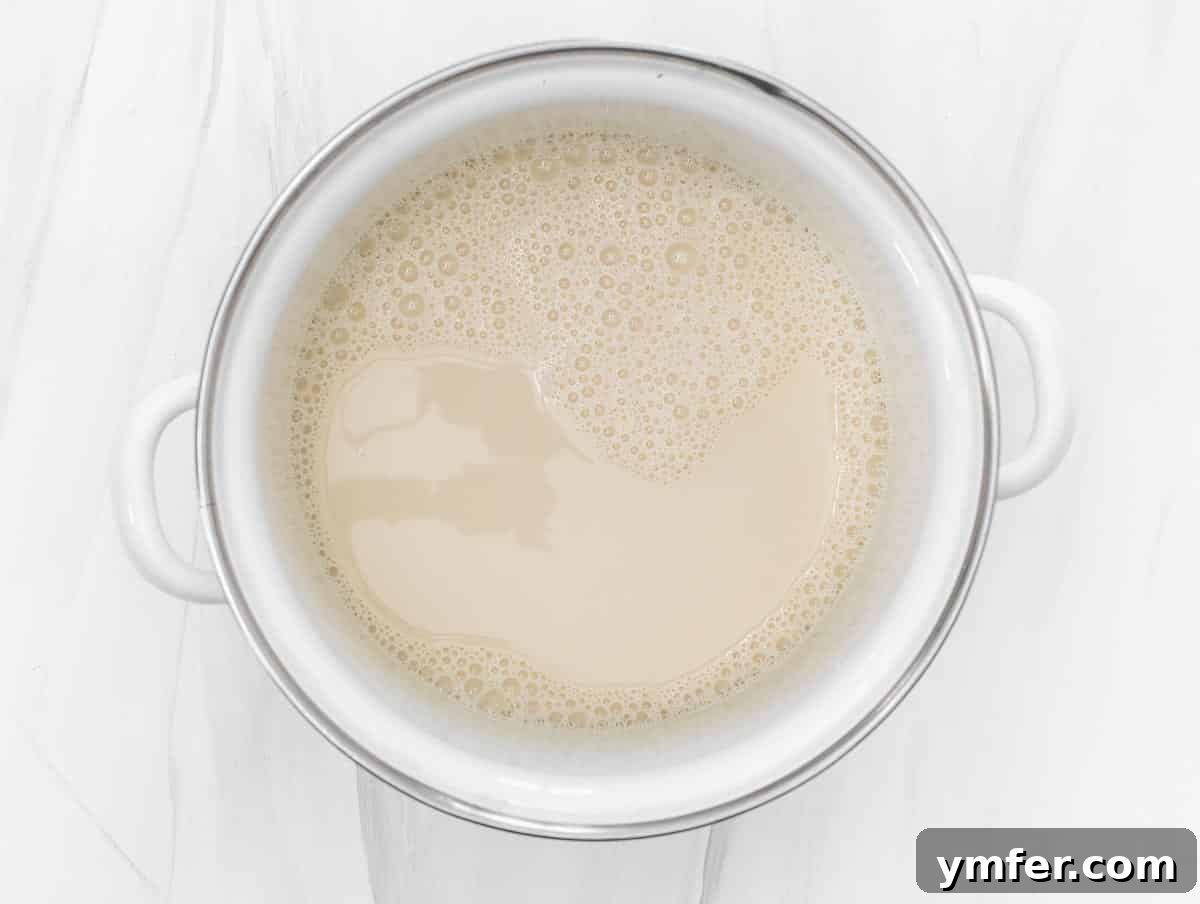
As soon as the soy milk reaches a rolling boil, **remove the pot from the heat.** Immediately stir in the **salt and vinegar.**
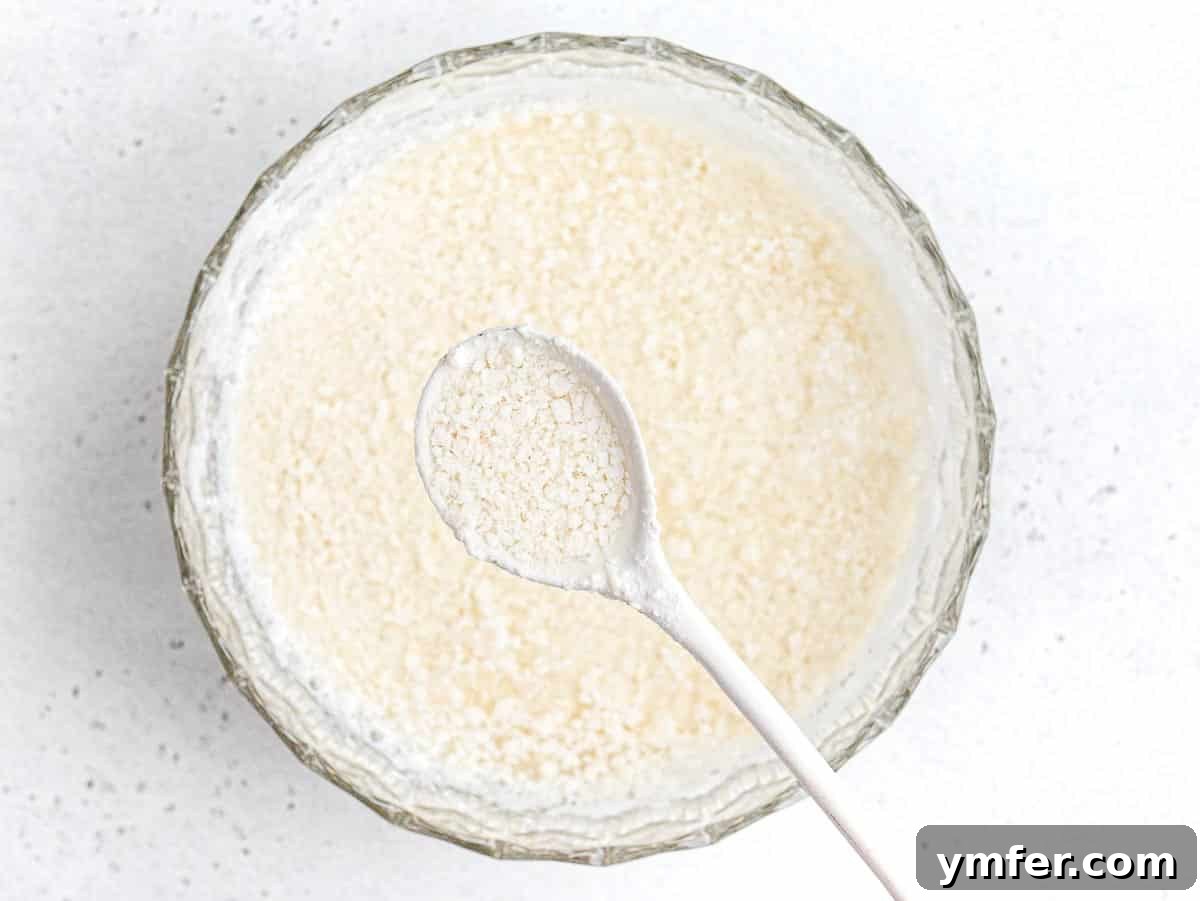
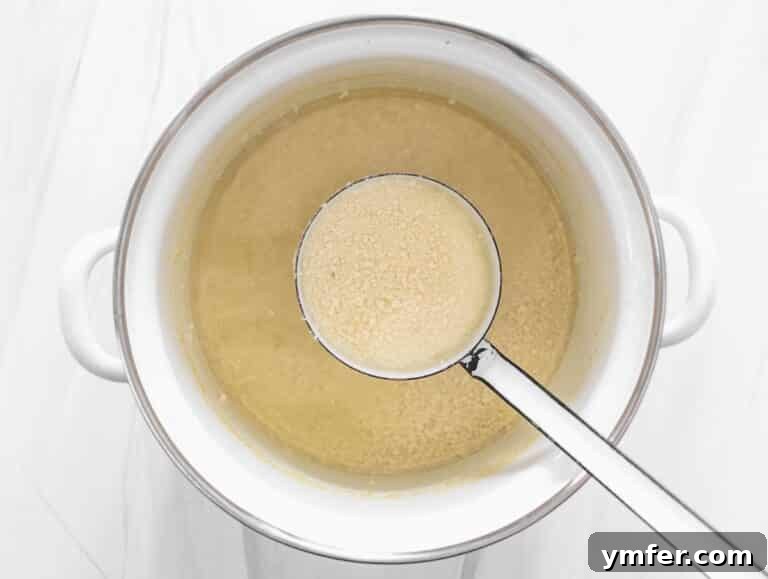
Continue to **stir gently for about 30 seconds,** allowing the vinegar to thoroughly integrate with the hot soy milk. Within this short period, you should observe the milk visibly **curdling,** separating into solid white curds and a yellowish liquid (whey). Once curdled, simply **set the pot aside for 10 minutes** to allow the curds to fully develop and separate.
Tip: Soy milk has a tendency to stick and burn at the bottom of the pot as it heats. To prevent this, use a non-stick or heavy-bottomed pot and ensure you stir the milk continuously with a wooden spoon until it boils.
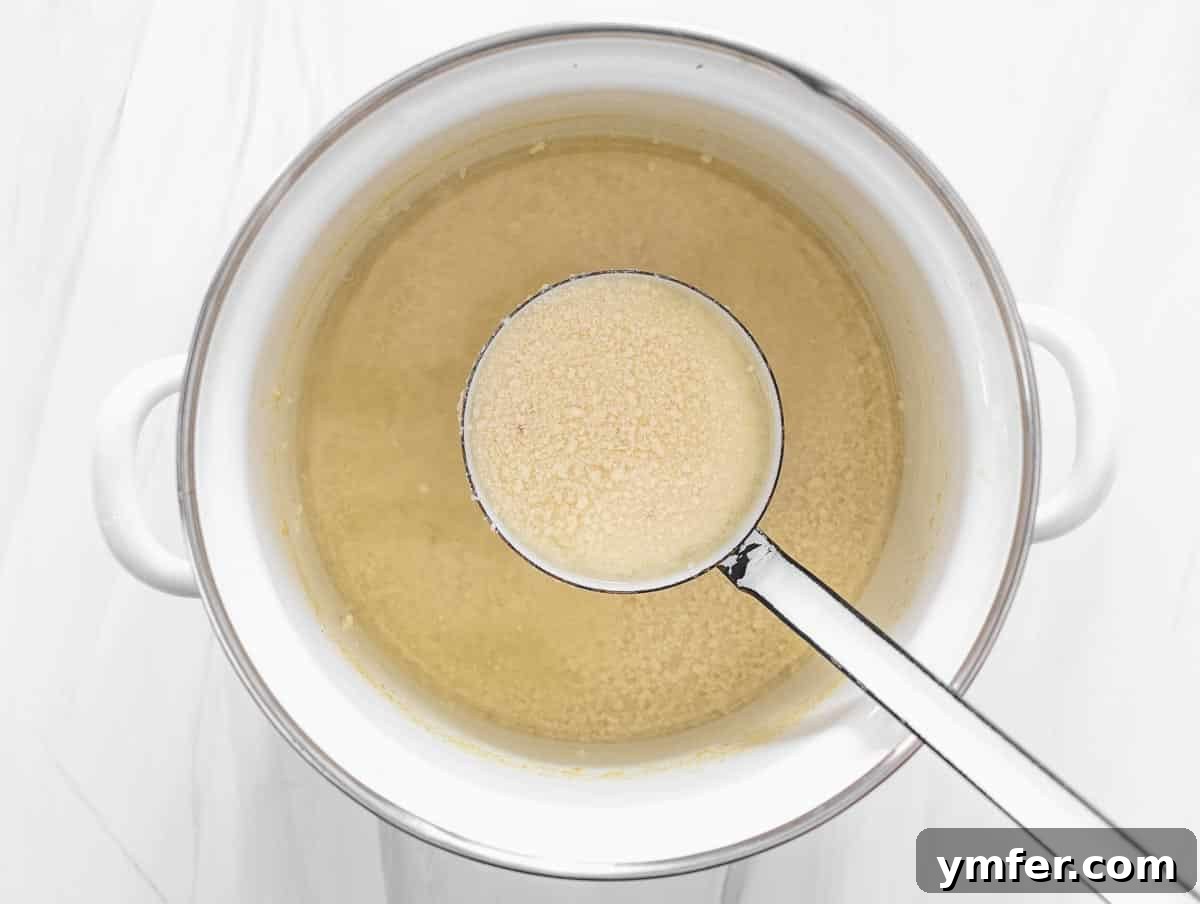
Step 2: Strain the Curdled Soy Milk
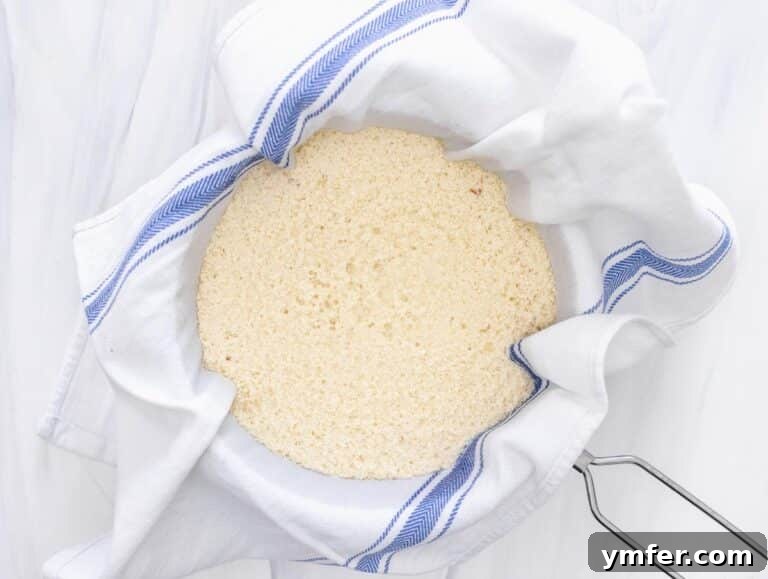
While the curds are setting, prepare your straining station. **Place a fine-mesh strainer** securely over a large bowl or a second pot. Drape a clean, **fine-mesh cotton kitchen towel or cheesecloth** over the strainer, ensuring it covers the entire surface and has enough overhang to wrap the curds later.
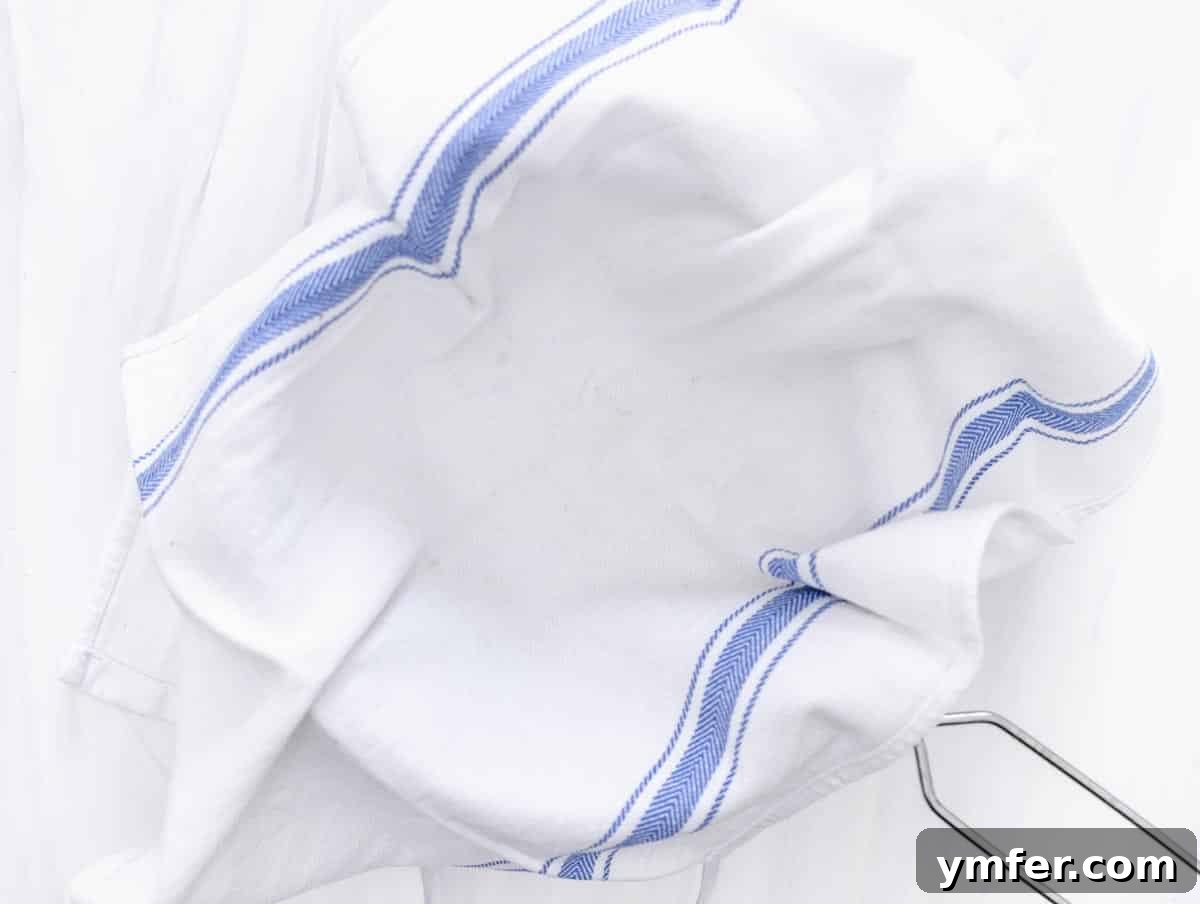
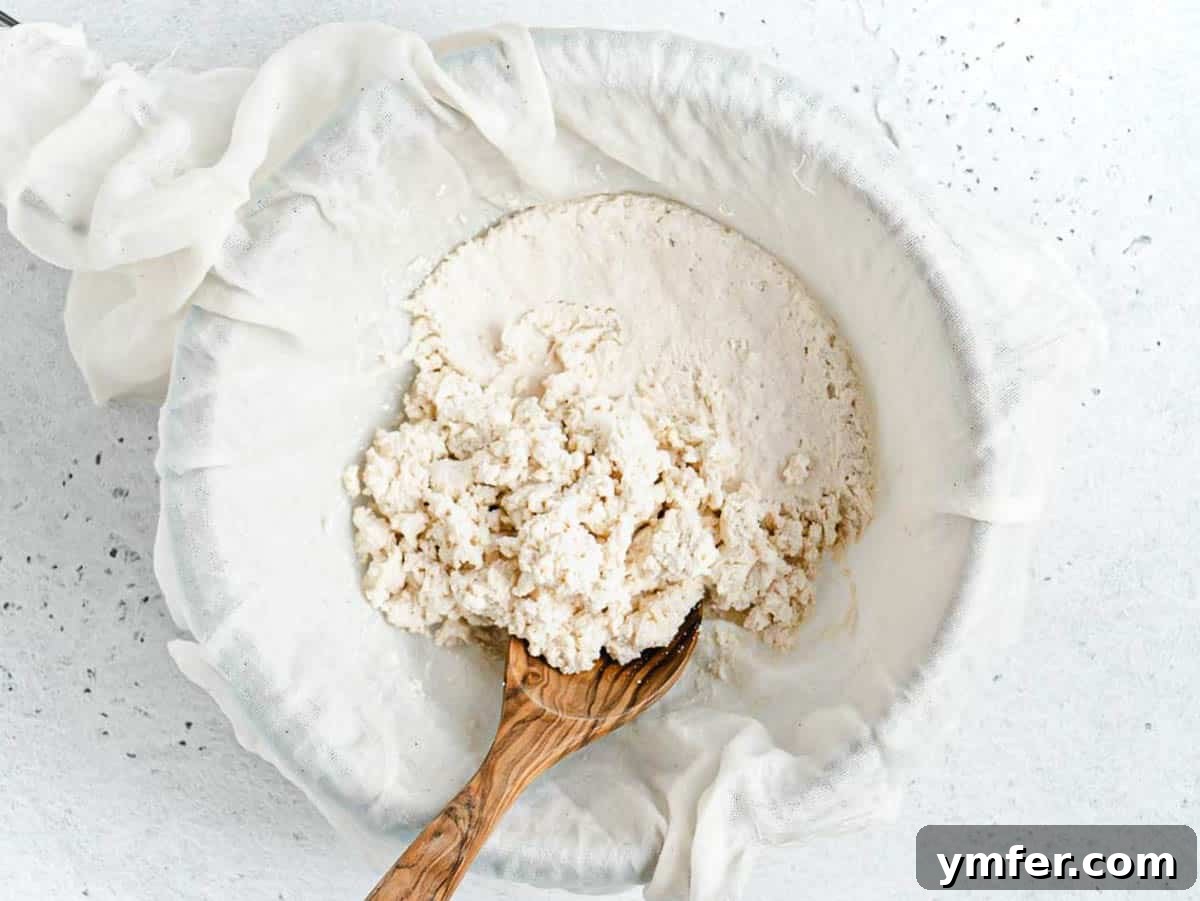
Carefully **pour the entire contents of the curdled soy milk into the prepared strainer,** allowing the liquid whey to drain into the bowl below.
Tip: It’s paramount that your cloth is immaculately clean and devoid of any lingering detergent scents, as these can easily impart an undesirable flavor to your delicate ricotta.
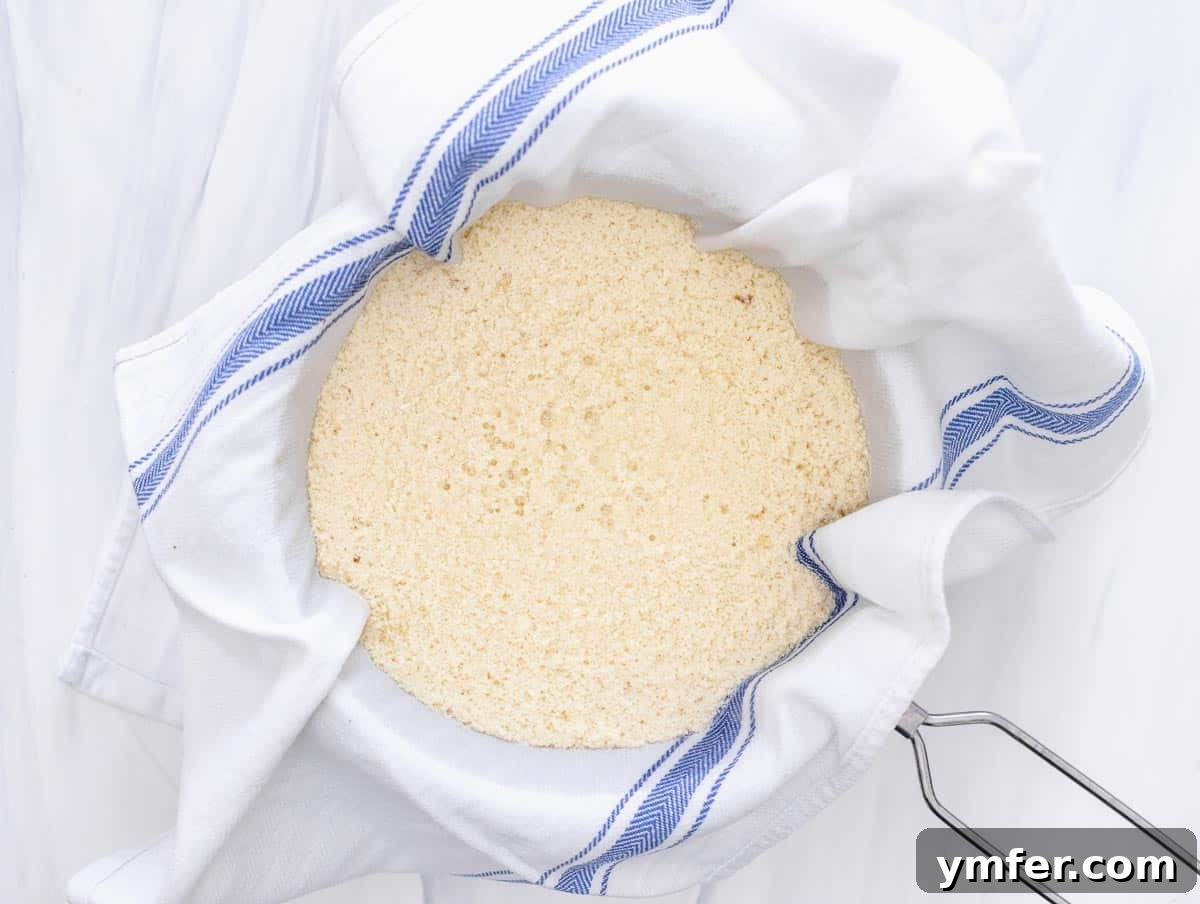
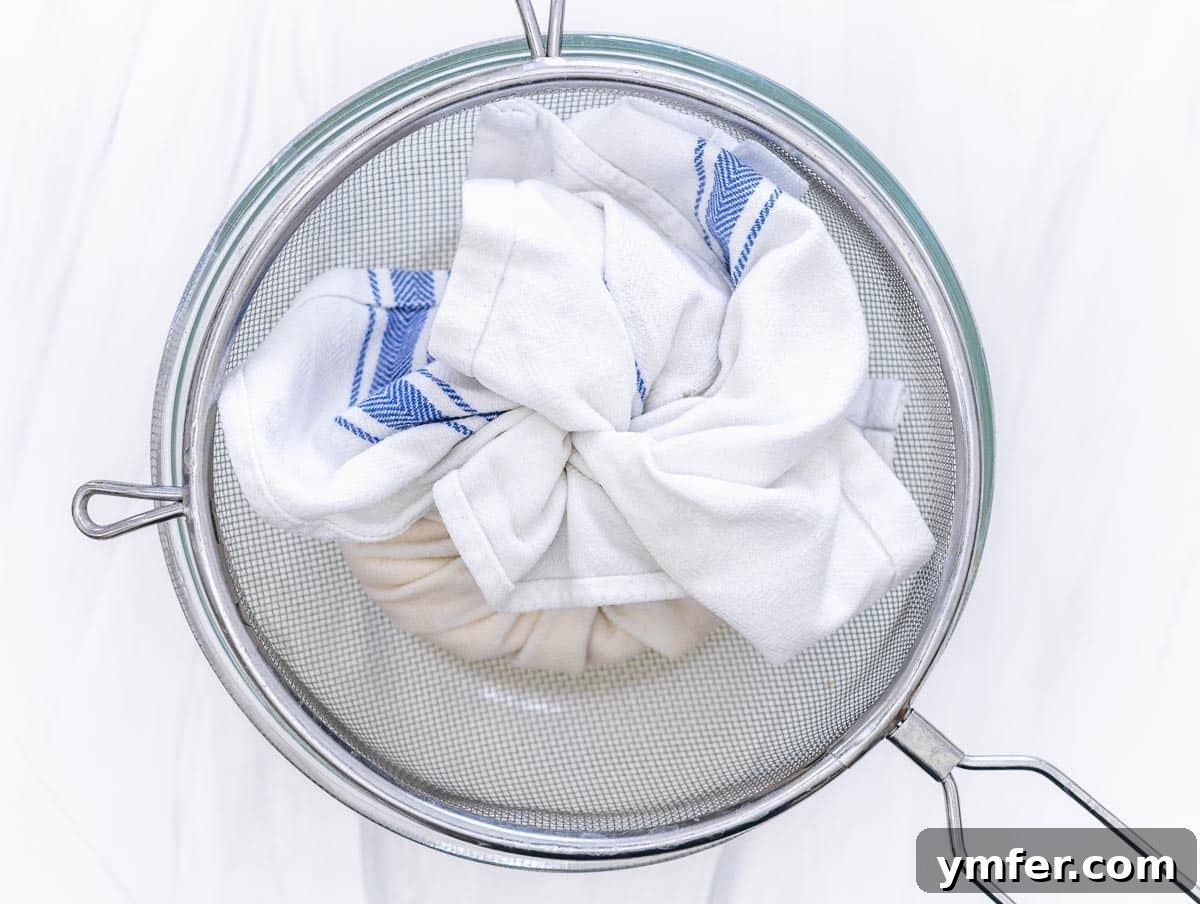
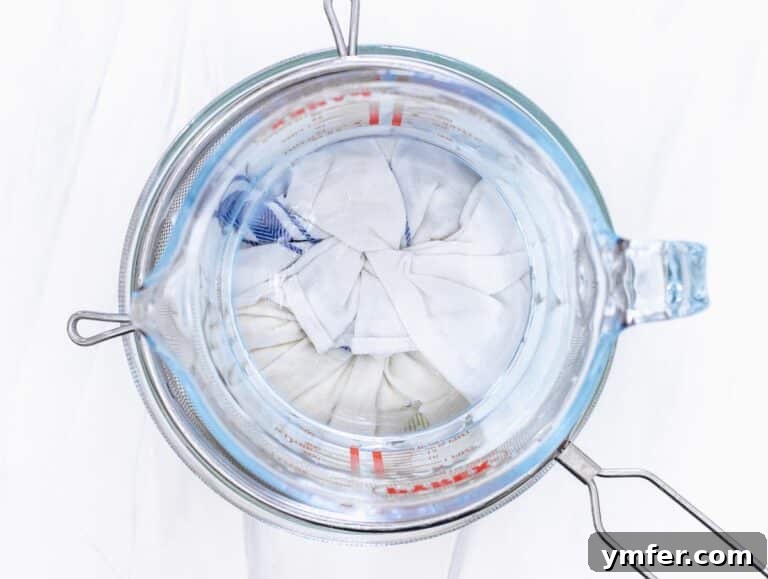
Allow the initial excess liquid to **drain for about a minute.** Then, carefully **gather the edges of the cloth and wrap it securely around the curdled milk,** forming a compact ball of curds.
Tip: The milk will still be quite hot at this stage, so exercise caution when handling the cloth. You might use tongs or allow it to cool slightly before wrapping.
Step 3: Press for Desired Texture
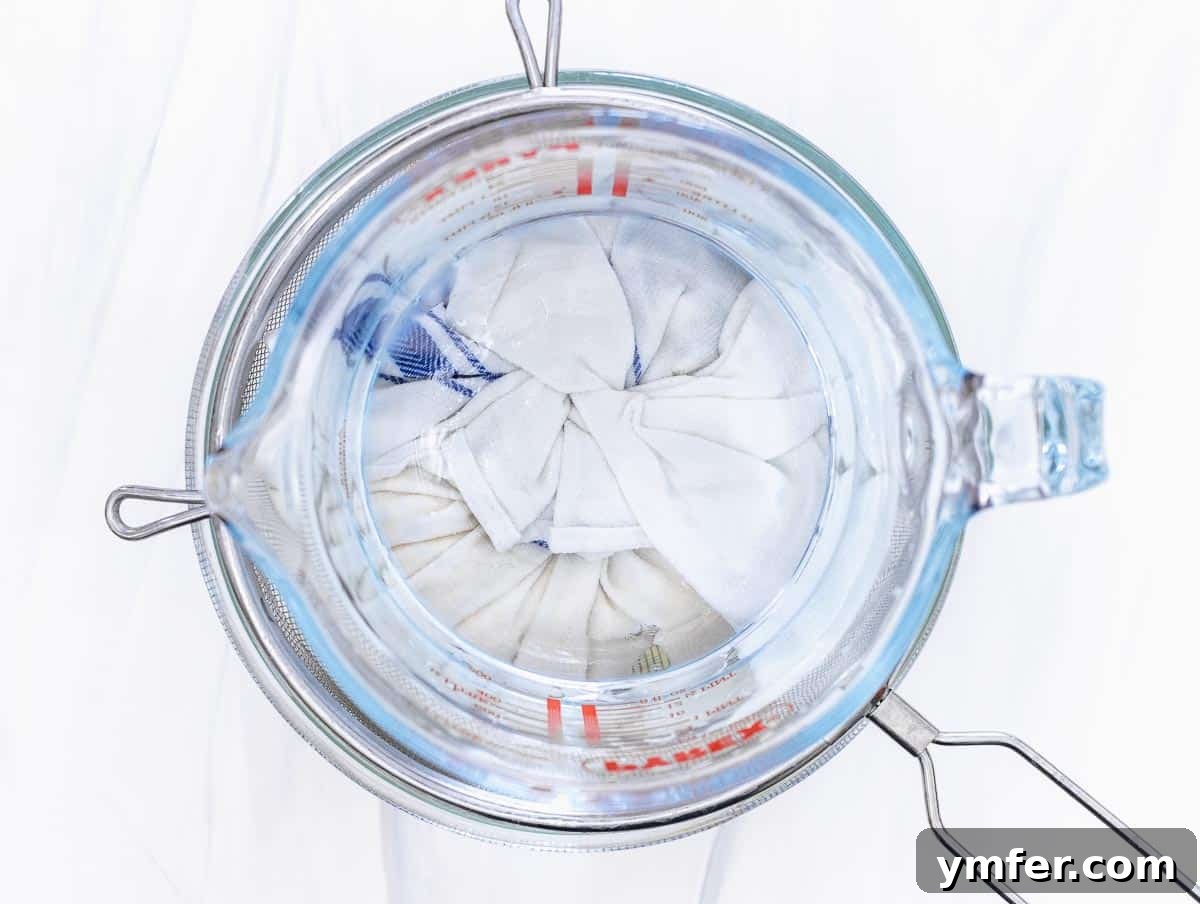
To further press out residual liquid and achieve your desired ricotta consistency, **place a weight directly on top of the wrapped curds.** A bowl filled with dry beans, rice, or water works perfectly as a makeshift weight. Allow the curds to **drain under this weight for 15 to 30 minutes.**
Tip: The longer the curds drain under weight, the firmer your vegan ricotta will become. For a wonderfully creamy yet firm texture, we recommend a full 30-minute drain.
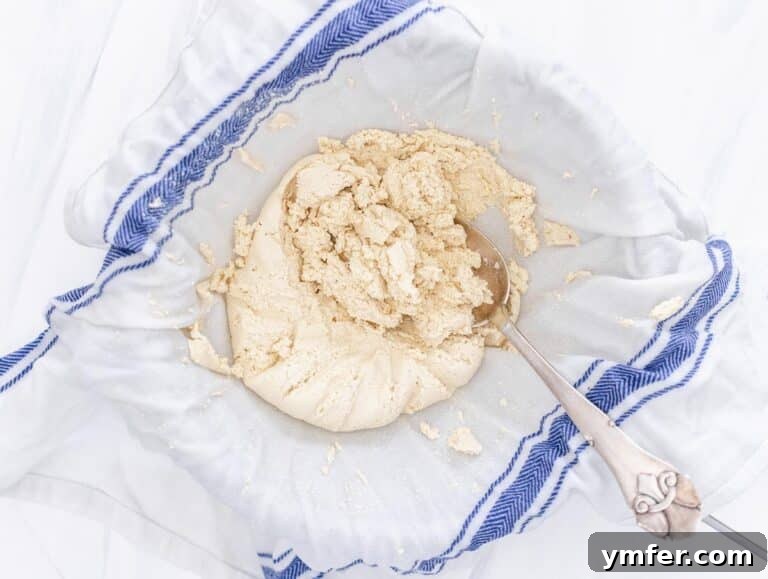
Once the draining process is complete, your homemade vegan ricotta is officially **ready to be enjoyed** in a multitude of sweet and savory applications!
Tip: Don’t discard the leftover liquid (whey)! This nutrient-rich byproduct can be creatively used as a liquid component in recipes like focaccia, pizza dough, or naan bread, adding depth of flavor and texture.
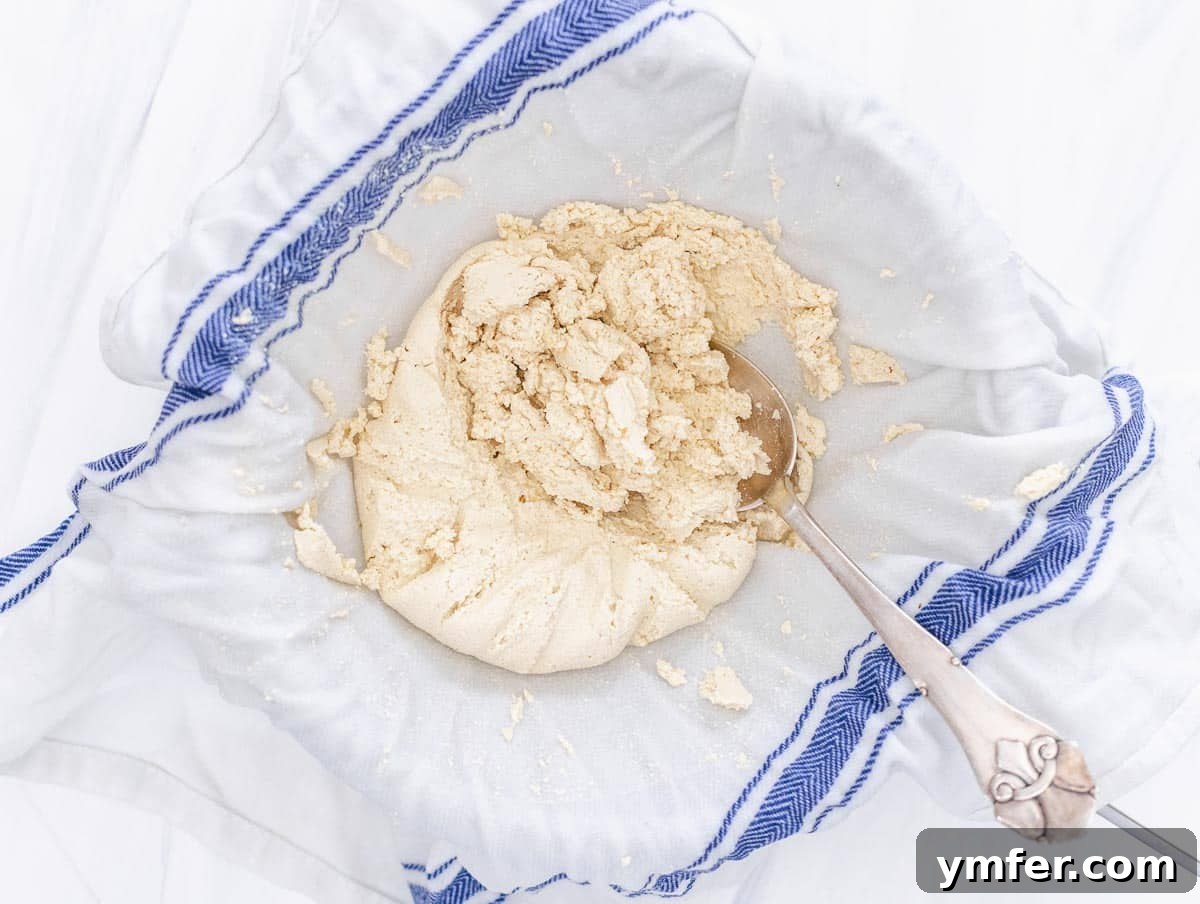
Step 4: Shape the Ricotta (Optional, for Presentation)
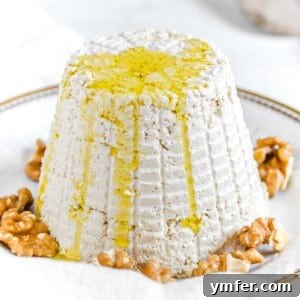
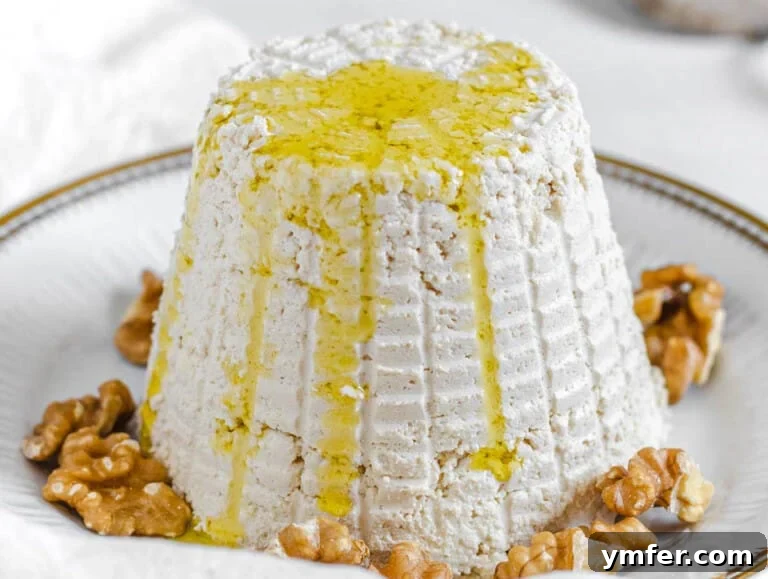
For an authentic, aesthetically pleasing presentation, consider using a **ricotta cheese mold.** This optional step will give your vegan ricotta the classic, charming shape reminiscent of those found in Italian delis. Simply transfer the freshly drained ricotta into the mold, **press it down firmly** to remove any air pockets, and then **invert the mold onto a plate** to gently release your perfectly shaped ricotta.
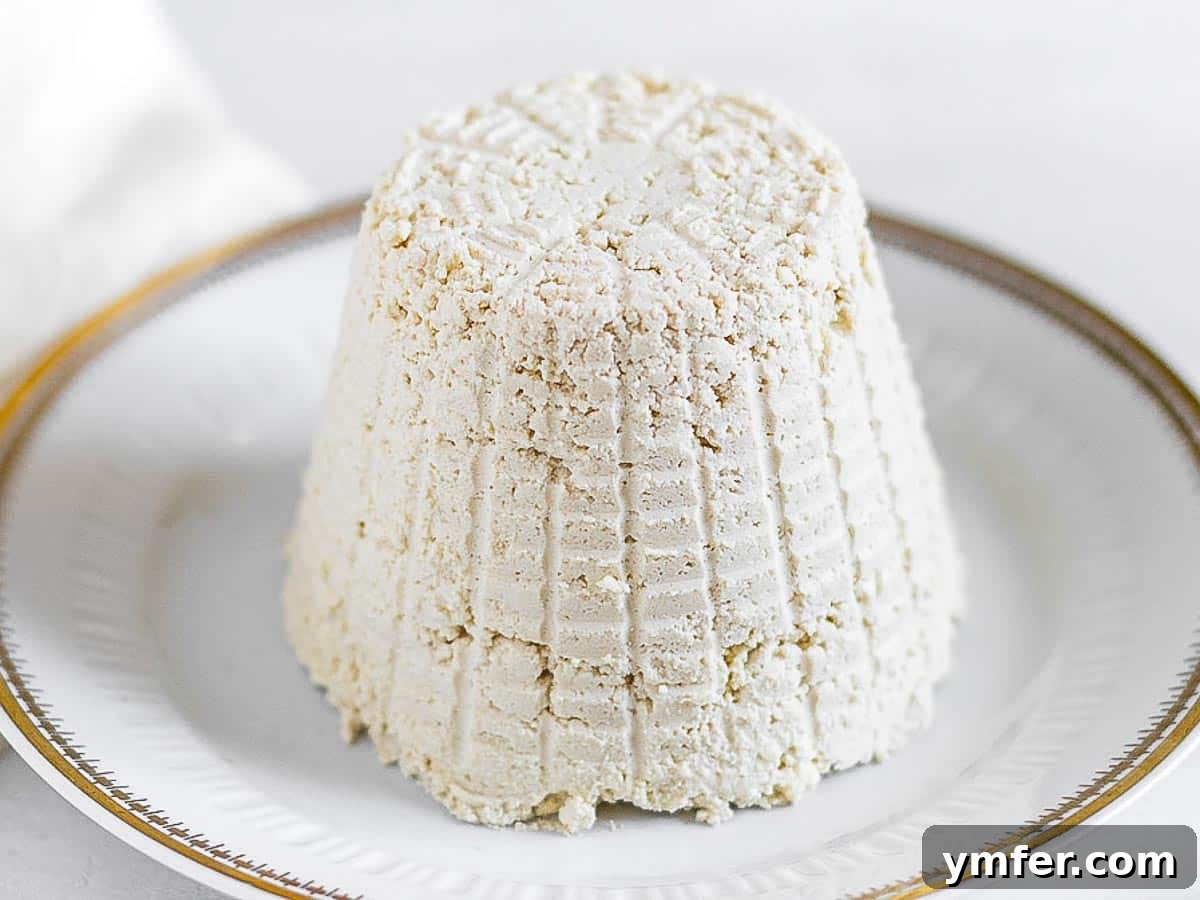
Creative Ways to Enjoy Your Homemade Vegan Ricotta
Luscious Vegan Ricotta Dip
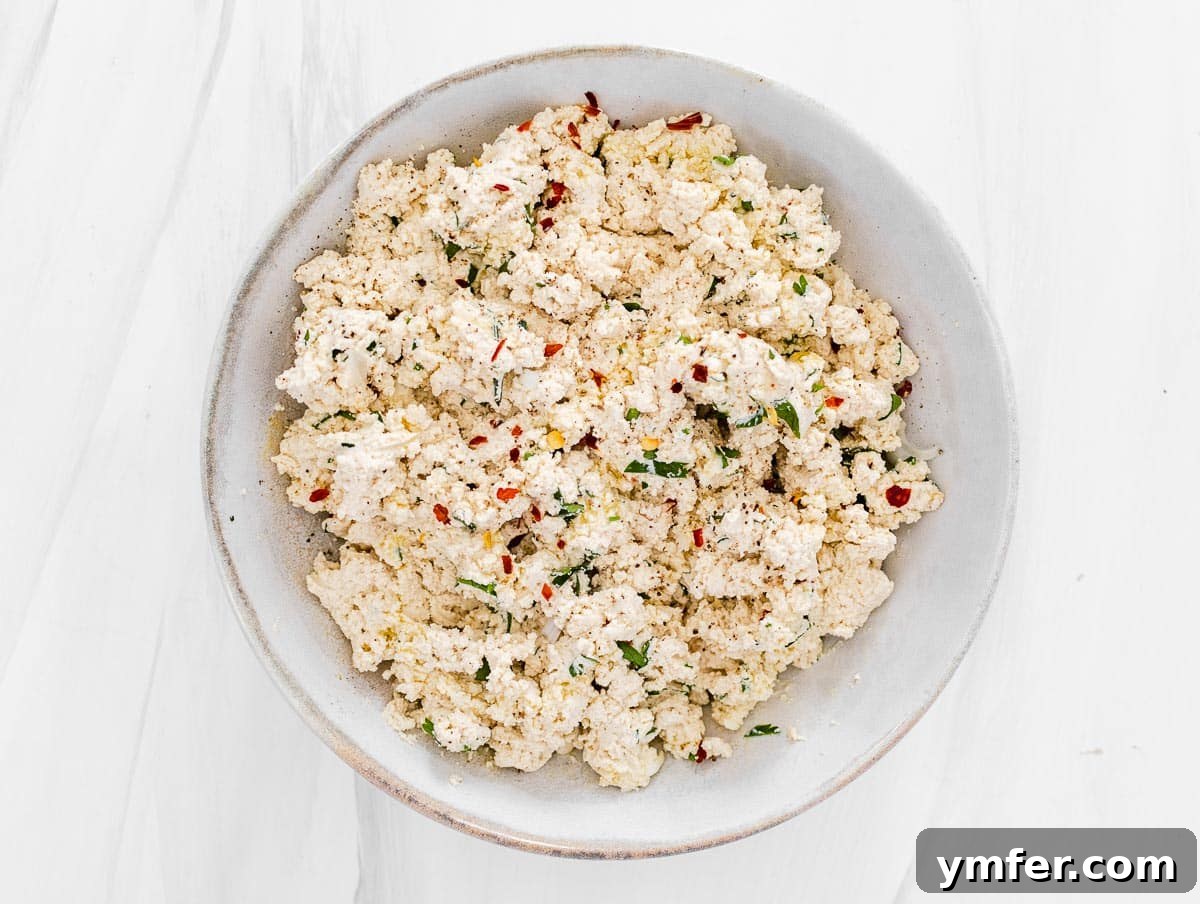
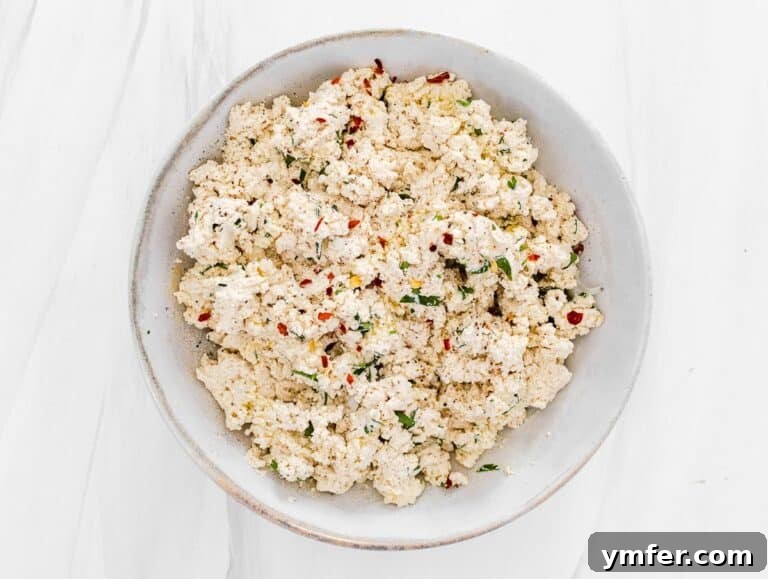
Elevate your appetizer game by transforming your vegan ricotta into a delectable dip. Transfer it to a stylish bowl and blend in a **pinch of sea salt**, a generous drizzle of **extra virgin olive oil**, a hint of **garlic powder**, and a medley of your favorite **fresh or dried herbs** such as fragrant basil, delicate chives, or vibrant parsley. For an extra layer of cheesy umami flavor, consider stirring in a tablespoon of **nutritional yeast.** This delightful dip pairs exquisitely with warm pita bread, crispy crostini, or an assortment of crisp veggie sticks.
Versatile Vegan Ricotta Spread
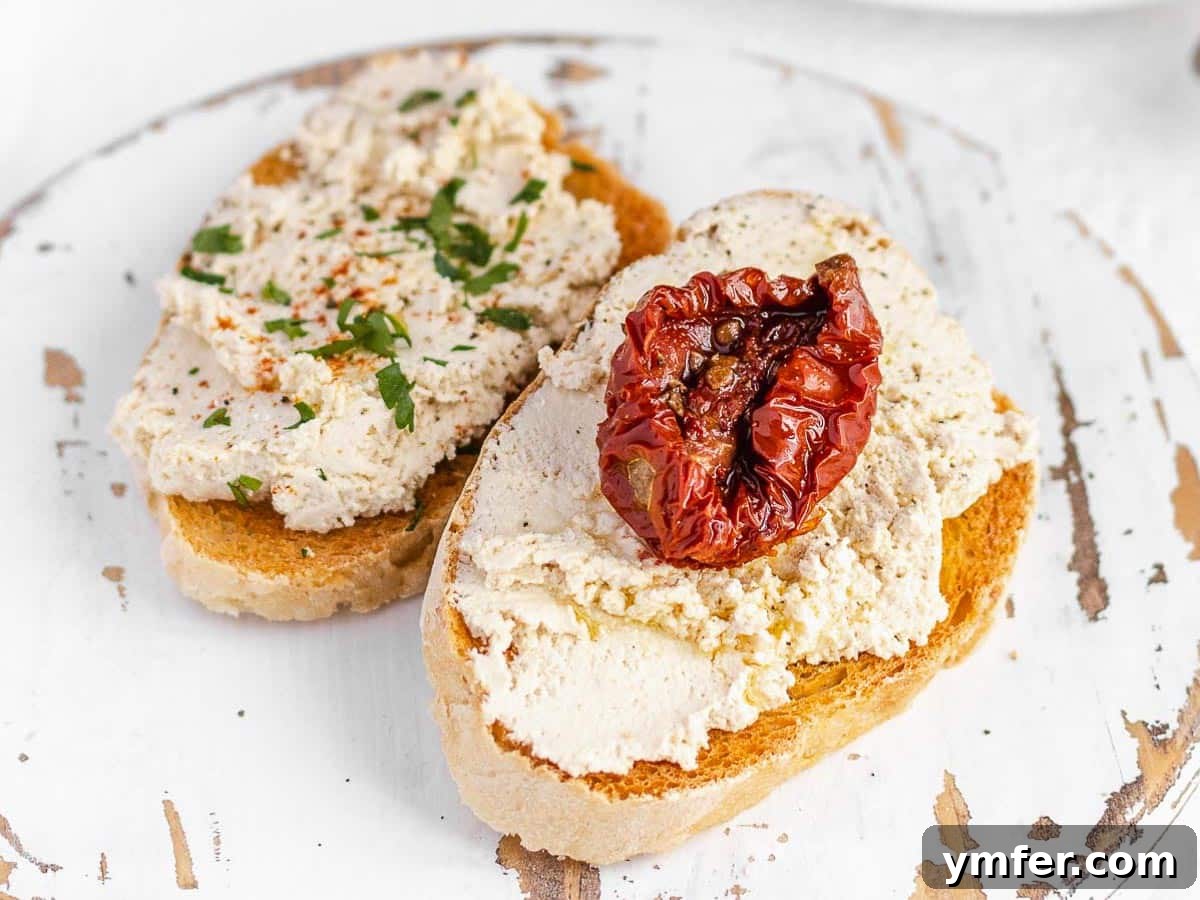
The creamy texture of vegan ricotta makes it an ideal spread for countless applications. Prepare it as described for the dip, incorporating **salt, extra virgin olive oil, garlic powder, and fresh or dried herbs** like basil, chives, or parsley. Then, spread this delightful mixture onto slices of freshly baked bread for mouthwatering bruschetta appetizers. It’s also fantastic layered in a hearty **sandwich** or a fresh **wrap.** Enhance your spread by topping it with sweet confit tomatoes, savory caramelized onions, vibrant **fresh herbs**, briny **olives**, tender **marinated artichokes**, or sun-kissed **sun-dried tomatoes in oil.**
Creamy Vegan Ricotta Pasta Dishes
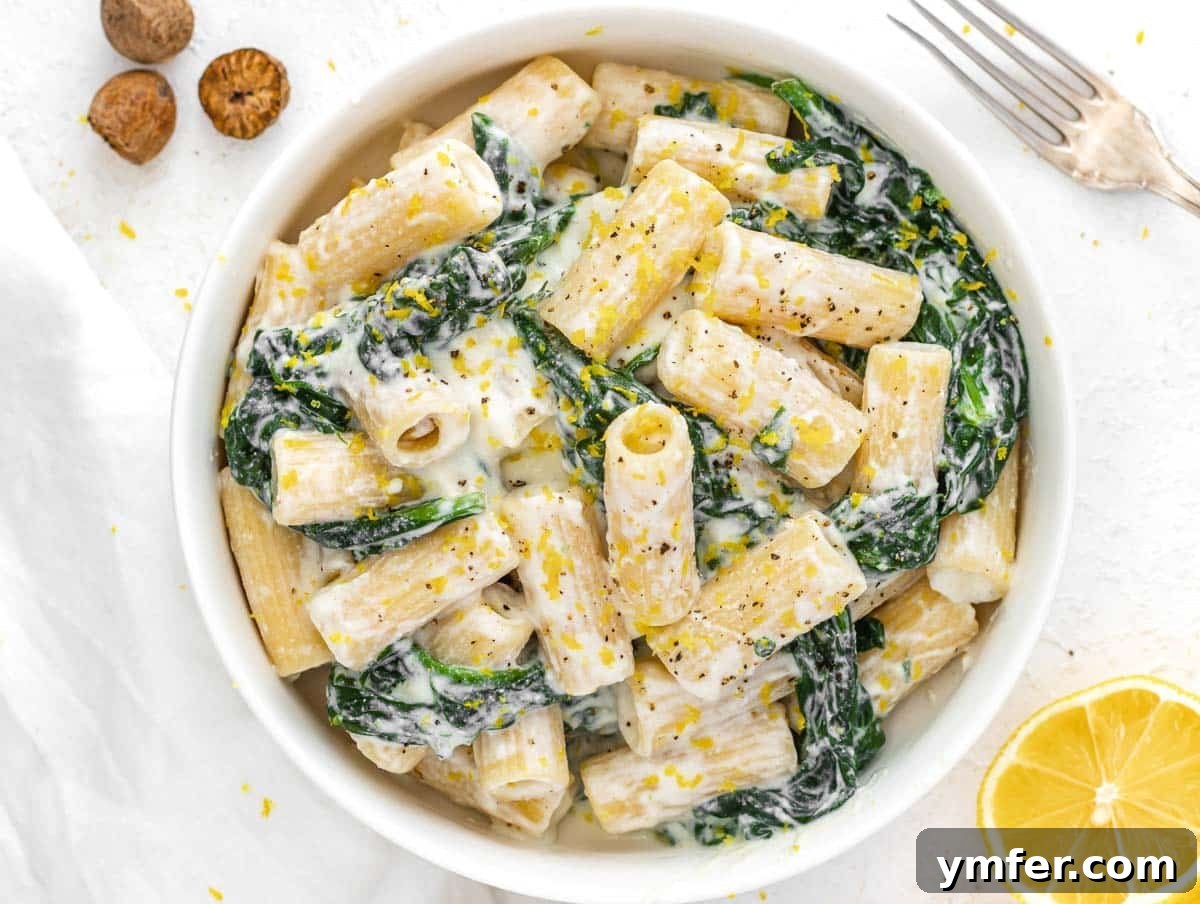
Transform your pasta nights with the rich and creamy addition of vegan ricotta. It lends itself beautifully to a variety of luxurious and satisfying dishes, offering a dairy-free twist on Italian classics. Experiment with these reader-favorite recipes:
- Lemon ricotta pasta: A bright, zesty, and incredibly fresh pasta dish.
- Pasta al limone: A simple yet elegant pasta dish highlighting the vibrant flavor of lemon.
- Kale pasta: Earthy kale perfectly complemented by creamy ricotta for a nutritious meal.
- Kabocha squash pasta: Sweet and savory, offering a comforting autumnal flavor.
- Butternut squash pasta: Another cozy option, rich in flavor and wonderfully creamy.
Hearty Vegan Ricotta Pasta Bakes
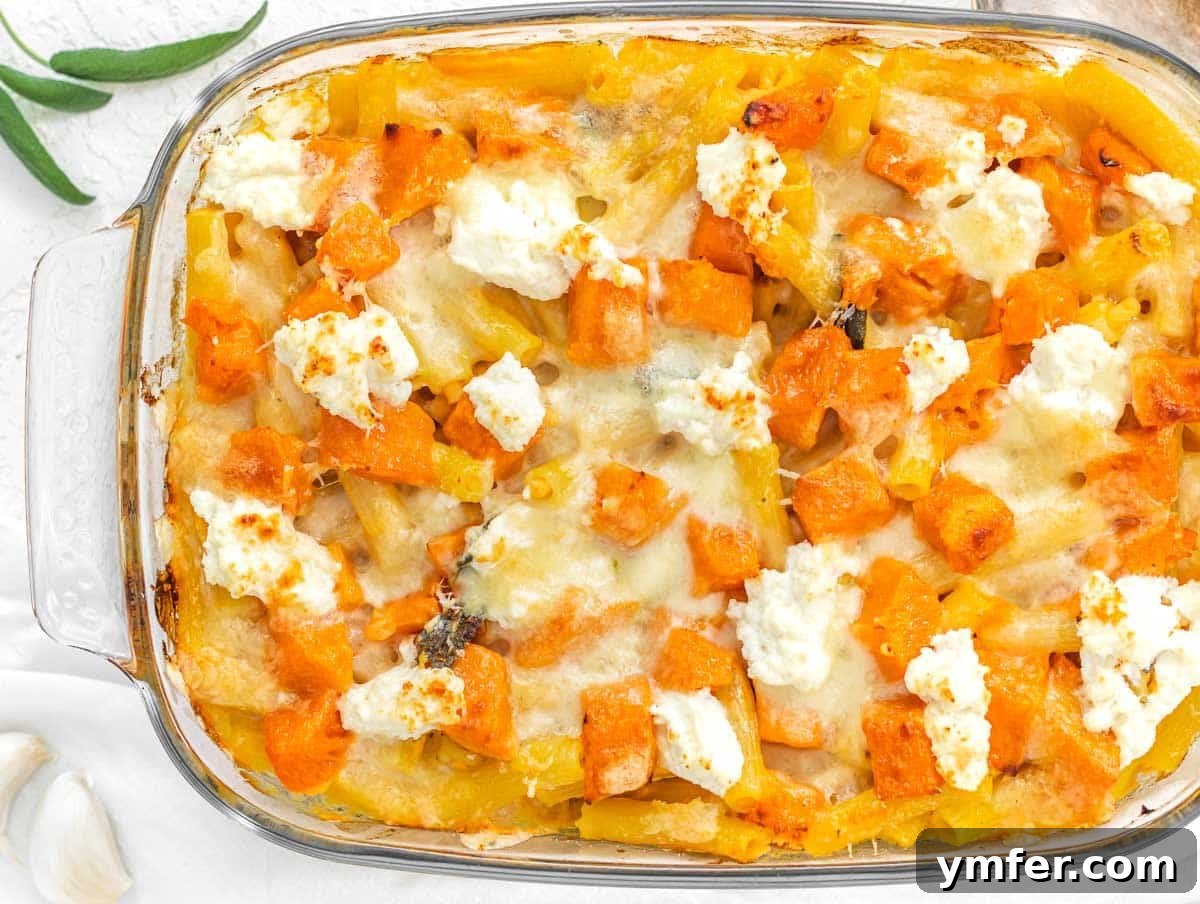
Our vegan ricotta is an excellent, health-conscious substitute for traditional ricotta in your favorite baked pasta dishes. Its firm yet creamy texture holds up perfectly under heat, delivering all the comfort without the dairy. Try it in these delicious bakes:
- Pumpkin pasta bake: A warming and flavorful dish, ideal for colder months.
- Artichoke pasta bake: Combining tender artichokes with creamy ricotta for a sophisticated twist.
- Baked Ziti: A classic comfort food, made vegan and utterly delicious.
Flavorful Vegan Ricotta Stuffing
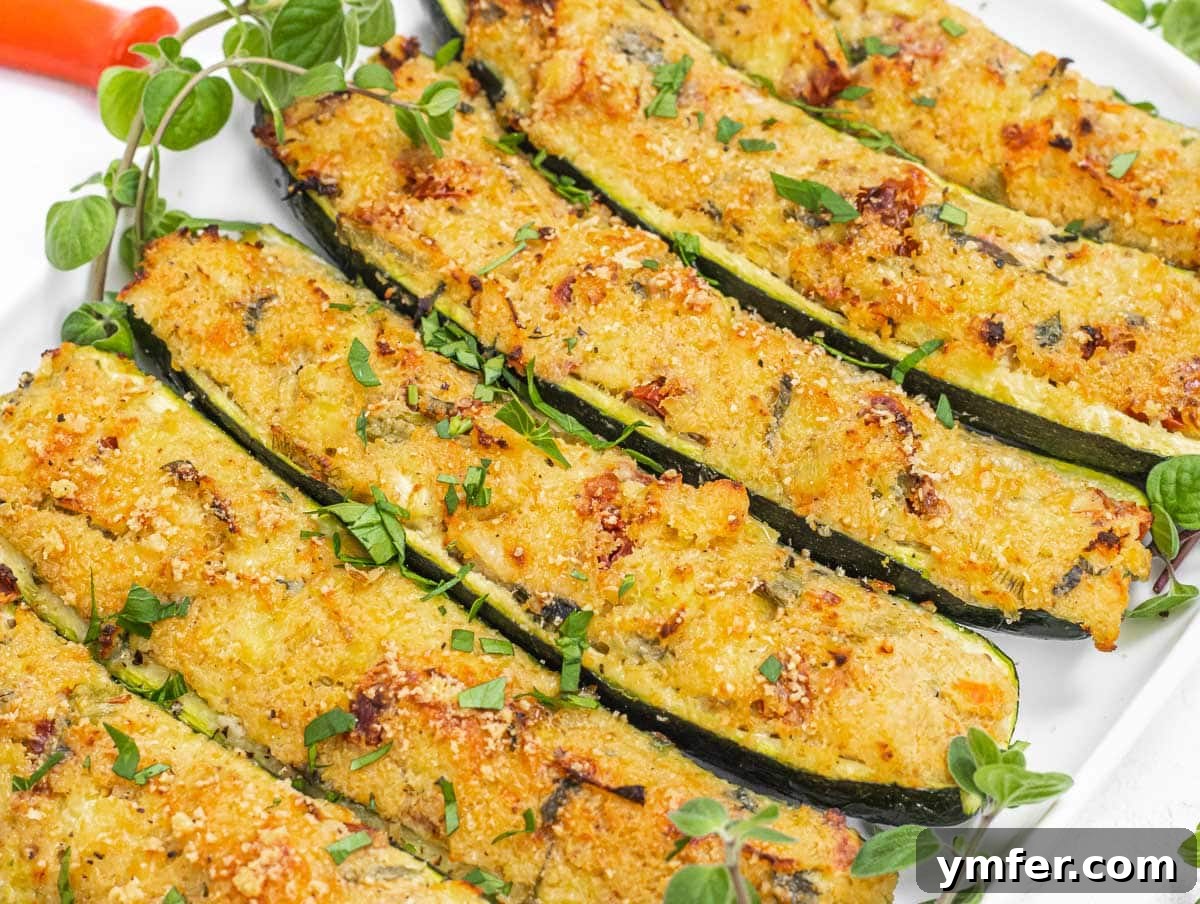
Thanks to its uniquely creamy yet compact consistency, vegan ricotta excels as a versatile **stuffing** component. It holds its shape beautifully, making it perfect for filling a variety of dishes, from garden-fresh vegetables to savory pies and delicate pasta. Give it a try in these fantastic recipes:
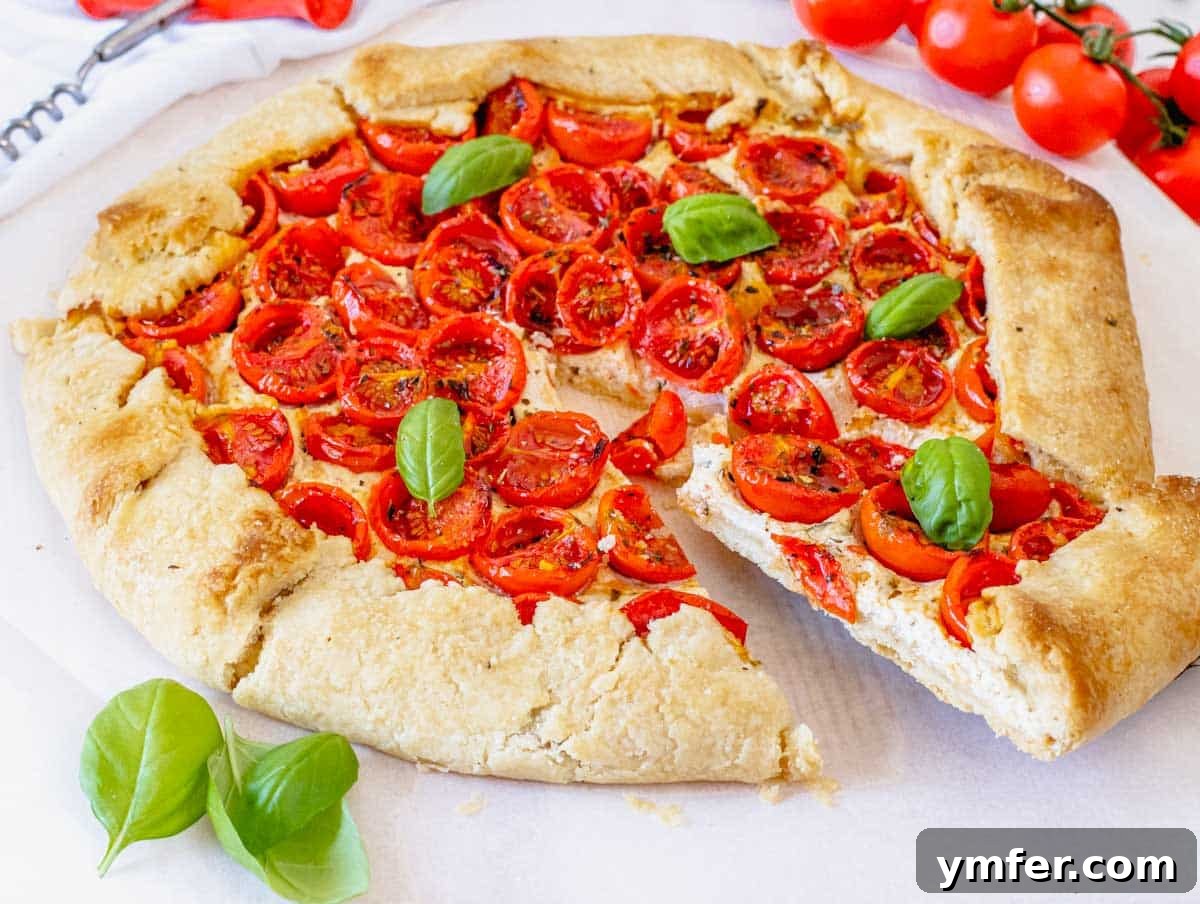
- Tomato galette: A rustic, savory pie with a rich and creamy filling.
- Stuffed zucchini: A wholesome and satisfying way to enjoy summer squash.
- Butternut squash ravioli: Delicate pasta pockets filled with a sweet and savory ricotta blend.
Vegan Ricotta for Elevating Salads
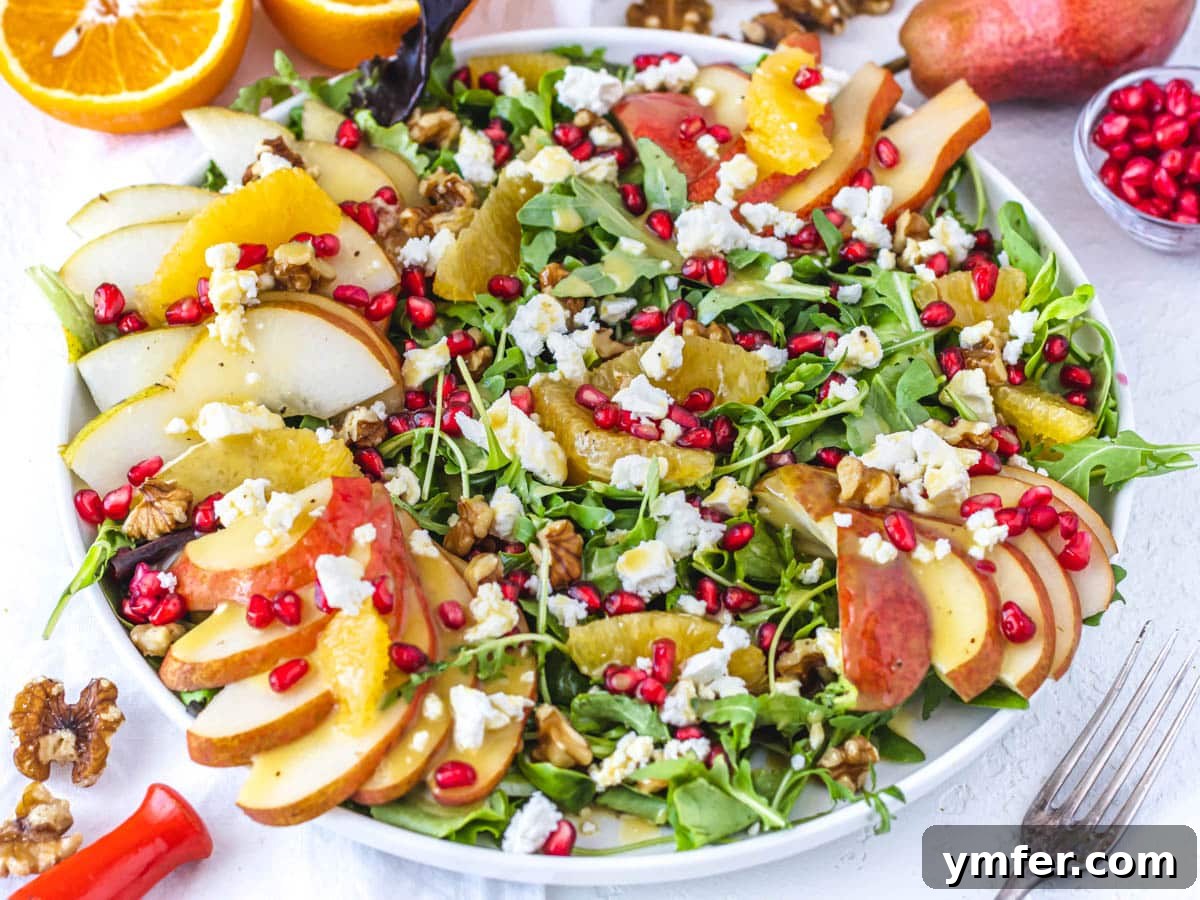
Add a delightful touch of creaminess and a boost of plant-based protein to your salads by gently **crumbling vegan ricotta** over them. Its mild flavor complements fresh greens and vegetables beautifully. Some of our absolute favorite combinations include:
- Sweet potato salad: A hearty and flavorful salad enhanced by creamy ricotta.
- Pear salad: A refreshing and elegant salad with a hint of sweetness.
- Butternut squash salad: A vibrant, nutrient-rich salad, perfect for any season.
- Mediterranean farro salad: A wholesome and satisfying grain salad, brightened by ricotta.
Vegan Ricotta in Exquisite Sweet Preparations
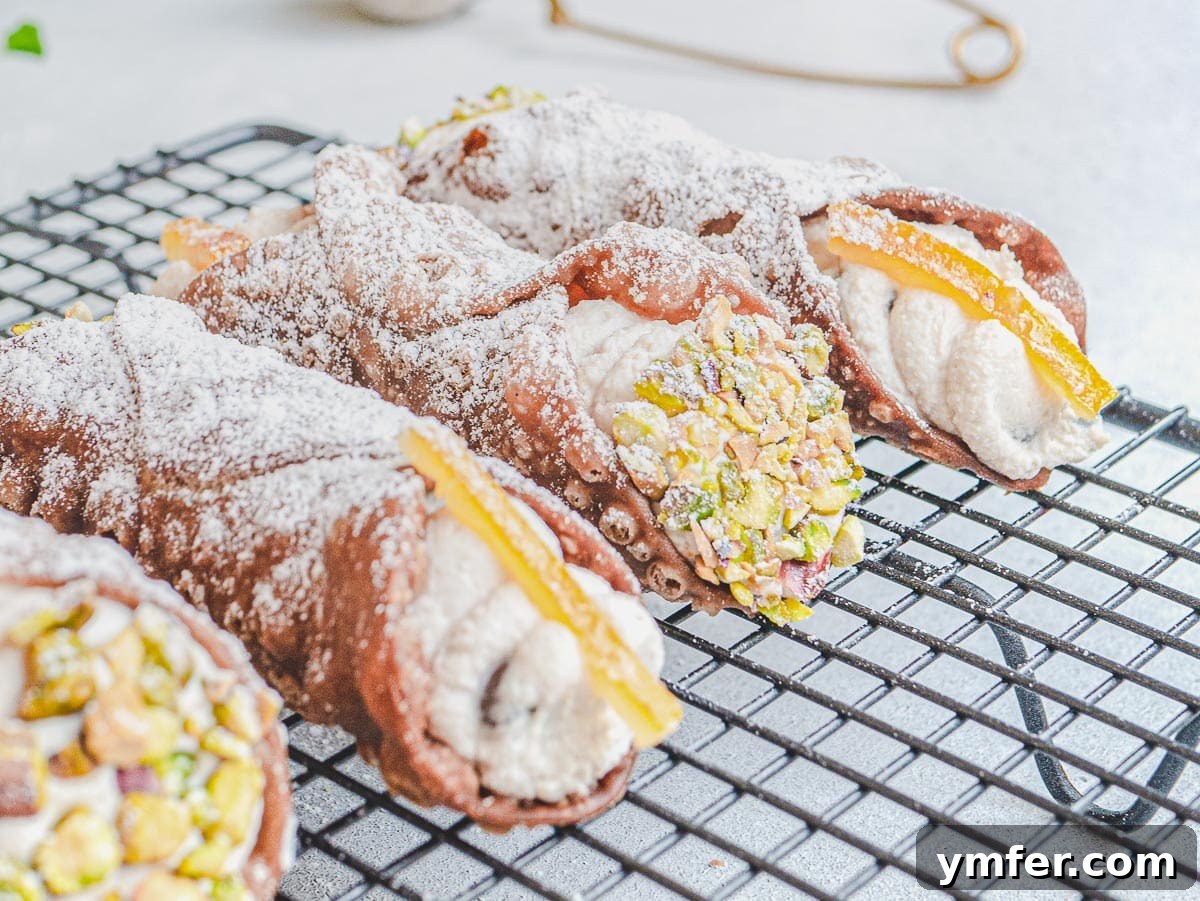
In Italy, ricotta is a cherished ingredient in a wide array of delightful desserts. Our vegan version maintains this tradition, allowing you to create stunning plant-based sweets that are just as rich and satisfying. Our readers particularly adore:
- Authentic Sicilian cannoli: Crispy pastry shells filled with a sweet, creamy vegan ricotta mixture.
- Classic Italian ricotta pie: A comforting dessert, often featuring a sweet, spiced ricotta filling.
Pro Tips for Achieving Perfect Vegan Ricotta
- Shake Your Milk Package Vigorously: Before pouring, give your soy milk carton a good shake. Soy protein, crucial for curdling, tends to settle at the bottom of the package. A thorough shake ensures these proteins are evenly distributed, maximizing your ricotta yield.
- Achieve a Rolling Boil: The effectiveness of the curdling process is directly linked to the temperature of the soy milk. Ensure the milk reaches a full, rolling boil before you add the salt and vinegar. This high temperature helps the proteins coagulate quickly and efficiently, leading to distinct curds.
- Prevent Scorching the Milk: Soy milk is prone to sticking and burning at the bottom of the pot as it heats, which can impart an unpleasant burnt taste to your final ricotta. To avoid this common pitfall, use a heavy-bottomed or double-bottomed pot and stir the milk frequently and consistently while it comes to a boil.
Our Soy Milk Experiments and Key Learnings
Which Soy Milk is Best for Vegan Ricotta?
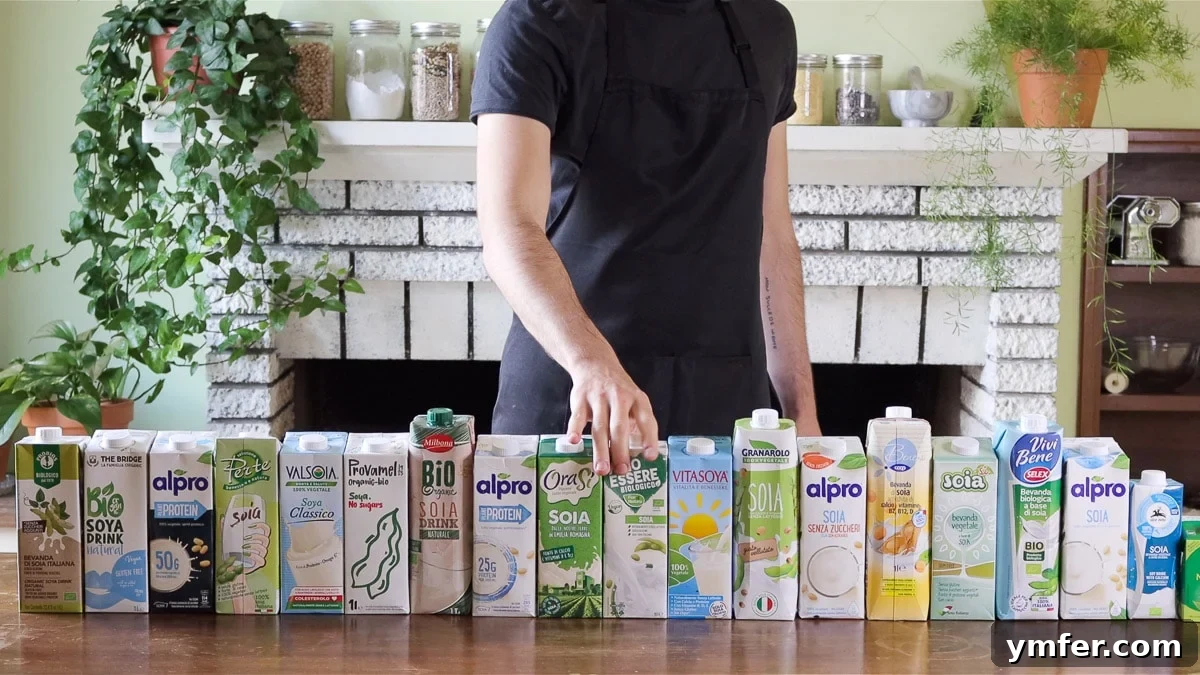
Over time, we’ve received numerous inquiries from our readers regarding the optimal type of soy milk to use for crafting the perfect vegan ricotta cheese. To provide the most comprehensive answer, we embarked on an extensive testing journey, evaluating **over 35 different brands of soy milk** available in supermarkets within our region.
Here’s What Our Extensive Testing Revealed:
- Universal Success: Encouragingly, **all the soy milk brands we tested** consistently yielded successful vegan ricotta. This means you likely don’t need to hunt for a specific “ricotta-friendly” brand; most will work. Factors like added sugar, vitamins, calcium, flavorings, or other common additives did not prevent curdling.
- Optimal Flavor Profile: For a vegan ricotta with a genuinely **mild and neutral flavor,** ideal for versatile cooking across both sweet and savory dishes, we highly recommend choosing soy milk that is **unsweetened and unflavored.** These varieties allow the natural taste of your other ingredients to shine through.
- Yield and Protein Content: Generally, a higher concentration of soy or protein in the milk (check the nutritional label) correlates with a greater yield of ricotta. While not an absolute rule, aiming for soy milk with at least **6.5% soy listed in the ingredients** or the highest protein quantity you can find will often result in a more substantial batch.
- The Verdict: In summary, while nearly any soy milk will curdle to produce vegan ricotta, for the most adaptable and best-tasting results, particularly when culinary versatility is desired, soy milk without added sugars or flavors is your superior choice.
Delicious Variations: Exploring Other Vegan Ricotta Bases
Creamy Cashew Ricotta Cheese
If you’re looking for an alternative with a slightly richer, nuttier flavor, cashew ricotta is an excellent choice. It’s naturally creamy and perfect for a variety of dishes.
You’ll Need:
- 1 cup (160 grams) of **raw cashews**
- 1/2 cup (120 grams) of **water**
- 2 tablespoons (30 grams) of **lemon juice** (for tang and a subtle curdling effect)
- 2 tablespoons (10 grams) of **nutritional yeast** (to impart a cheesy depth of flavor)
- 1 tablespoon (15 grams) of **extra virgin olive oil** (for richness and smoothness)
- 1/2 teaspoon of **garlic powder** or **onion powder** (for savory aromatic notes)
- 1 teaspoon of **salt** (to enhance all flavors)
- 1 handful of **fresh herbs** (optional, e.g., basil, parsley, chives, for freshness)
Instructions:
- Begin by preparing your **cashews.** Soak them in hot water for at least 30 minutes (or overnight in cold water) until they are significantly softened. Drain them thoroughly before proceeding.
- Combine **all the ingredients** listed above, including the drained cashews, into a high-speed blender or food processor.
- **Blend at high speed** for 5 to 10 minutes, or until the cashew ricotta cheese achieves a completely smooth, creamy, and uniform consistency. Scrape down the sides as needed to ensure everything is incorporated.
- Taste the ricotta and **adjust for salt and lemon juice** according to your preference. If desired, gently fold in some **finely chopped fresh herbs** for added aroma and flavor. Serve immediately or store in an airtight container in the fridge for up to 5 days.
Nutty Almond Ricotta Cheese
For those who prefer the distinct flavor and texture of almonds, this variation offers a delightful alternative to cashew ricotta. The preparation is nearly identical, ensuring an equally easy process.
It utilizes the **same ingredient quantities** as our cashew ricotta cheese recipe, with one key substitution: you must **replace the cashews with an equal amount of peeled almonds.**
The **instructions to make almond ricotta are precisely the same** as for cashew ricotta: soak the almonds, blend all ingredients until smooth, and season to taste. The result is a richly flavored, slightly denser ricotta with a wonderfully unique nutty profile.
Simple Vegan Tofu Ricotta Recipe
Tofu ricotta offers a quick, protein-rich, and incredibly versatile dairy-free option. It requires no soaking and comes together in minutes.
You’ll Need:
- Approximately 7 ounces (200 grams) of **firm tofu** or extra firm tofu (ensure it’s pressed to remove excess water)
- 2 tablespoons (30 grams) of **lemon juice** (for a bright, tangy flavor)
- 2 tablespoons (10 grams) of **nutritional yeast** (for a savory, cheesy essence)
- 1 tablespoon (15 grams) of **extra virgin olive oil** (for subtle richness)
- 1/2 teaspoon of **garlic powder** or **onion powder** (for aromatic depth)
- 1 teaspoon of **salt** (to season and balance)
- 1 handful of **fresh herbs** (optional, finely chopped for a fresh finish)
Instructions:
- Add **all the listed ingredients** (pressed tofu, lemon juice, nutritional yeast, olive oil, garlic/onion powder, and salt) to a blender or food processor.
- **Blend at high speed** for about 5 minutes, or until the tofu ricotta is perfectly smooth and creamy. If you prefer a slightly thinner consistency, you might need to add a small dash of water, one tablespoon at a time, until desired thickness is reached.
- Give it a taste and **adjust for salt and lemon juice** to suit your palate. For an extra touch of freshness, you can gently mix in some finely **chopped fresh herbs.** Serve immediately or store in the refrigerator for up to 5 days in an airtight container.
Frequently Asked Questions About Vegan Ricotta
No, you should not be able to taste the vinegar. Our recipe specifically calls for adding salt to the hot soy milk, which effectively neutralizes the slightly acidic taste of the vinegar, ensuring a perfectly balanced and neutral-flavored ricotta.
Unfortunately, through extensive testing, we have not been able to successfully create vegan ricotta with other store-bought non-dairy milks such as rice, oat, coconut, or almond milk. These commercially available options typically lack the sufficient protein content required for effective curdling. However, you could experiment with making it using homemade almond milk. To do so, blend approximately 200g of peeled almonds with 1000g of water in a high-speed blender until very smooth, then attempt the curdling process with vinegar or lemon juice.
Curdling is a time-honored technique central to making various cheeses and even tofu. In the context of this recipe, curdling occurs when an acid, such as lemon juice or vinegar, reacts with the proteins in soy milk at an elevated temperature. This interaction causes a change in the pH level, leading the soy proteins to clump together and separate from the liquid, thereby forming the solid curds that become our delicious vegan ricotta. It’s a fundamental process in creating plant-based dairy alternatives with a similar texture to their dairy counterparts.
Storage & Make Ahead: Planning Your Vegan Ricotta
Make Ahead Convenience: Our vegan ricotta recipe is an excellent choice for meal preppers. It stores remarkably well, making it a perfect component to prepare in advance for busy weeks or upcoming gatherings. Its flavors deepen slightly over time, adding to its appeal.
Refrigerator Storage: To maintain its freshness and quality, store your homemade vegan ricotta in a covered bowl or an airtight container in the refrigerator. It will keep beautifully for up to one week, ready for your next culinary adventure.
Freezer Storage: For longer preservation, vegan ricotta can be frozen. Transfer it to a freezer-friendly container, ensuring it’s tightly sealed, and freeze for up to three months. This allows you to always have a batch on hand.
Thawing Instructions: When you’re ready to use frozen ricotta, simply defrost it in the refrigerator over several hours or ideally, overnight. Be aware that the freezing and thawing process may slightly alter the ricotta’s texture. It typically becomes a little less compact and marginally less spreadable than its freshly made counterpart, but its flavor remains delicious.
More Popular Vegan Recipes You’ll Love
Sauces and Dressings
Easy Vegan Parmesan Cheese
30-minute meals
Vegan Cheese (5-Min Nut-Free Recipe)
Sauces and Dressings
Homemade Vegan Mayo
Sauces and Dressings
Quick Vegan Sour Cream
Sauces and Dressings
Classic Vegan Ranch Dressing
Tofu Recipes
Delicious Tofu Egg Salad
30-minute meals
Easy Vegan Tuna Alternative
Desserts
Rich Vegan Custard (Pastry Cream)
Homemade Vegan Ricotta Cheese
Craft this delightful plant-based cheese with just three simple ingredients: quality soy milk, a pinch of salt, and a splash of vinegar. This recipe is naturally nut-free and gluten-free, offering unparalleled adaptability in your kitchen.
Share
Equipment
-
Clean kitchen cloth (fine-mesh cotton, cheesecloth, or muslin recommended).
-
Cheese mold (optional, for shaping the ricotta).
-
Strainer
Ingredients
- 4¼ cups soy milk (unsweetened and unflavored recommended for a neutral-tasting ricotta)
- 1 teaspoon salt
- 2½ tablespoons apple cider vinegar (or substitute with white vinegar, or 4 tablespoons of lemon juice)
Instructions
-
Add 4¼ cups soy milk to a large pot and bring it to a vigorous boil, stirring continuously to prevent sticking.
As soon as the milk begins to boil, immediately turn off the heat. Then, add 1 teaspoon salt and 2½ tablespoons apple cider vinegar.
**Stir gently for 30 seconds** to fully incorporate the acid and salt, allowing the soy milk to curdle into distinct curds. **Set the pot aside for 10 minutes** to allow the curds to fully separate and develop.

-
In the meantime, prepare your straining station: place a **fine-mesh strainer over a large bowl or pot** and line it completely with a clean, fine-mesh cotton kitchen towel or cheesecloth.
Carefully **pour the curdled soy milk** into the prepared strainer, allowing the liquid whey to drain into the bowl below.
-
Allow the initial excess liquid to drain for about a minute. Then, carefully **gather the edges of the cloth and wrap it securely around the curdled milk,** forming a compact ball.
**Place a heavy weight on top** of the wrapped curds – a bowl filled with beans or water works well – and let it **drain for 15 to 30 minutes.** The longer it drains, the firmer your ricotta will be.
-
After the draining period, your homemade vegan ricotta is perfectly **ready for sweet and savory preparations!**
Refer to the **”How to Enjoy Vegan Ricotta”** section above for a wealth of delicious inspiration.
-
**Optional Shaping:** To give your ricotta a beautiful, traditional cheese shape, transfer it to a ricotta cheese mold. **Press it in well** to ensure it fills the mold evenly, then **flip the mold upside down** onto a plate to gently release the perfectly formed ricotta.
MAKE IT A MEAL (Serving Suggestion)
-
To prepare a delicious ricotta dip, transfer the vegan ricotta to a bowl and mix in a **pinch of salt**, a generous drizzle of **extra virgin olive oil**, a dash of **garlic powder**, and your preferred **fresh or dried herbs** like basil, chives, or parsley.
For an enhanced cheesy flavor, you can stir in an optional tablespoon of **nutritional yeast**.
This savory ricotta is excellent served with **warm pita bread**, crispy **crostini**, or an assortment of fresh **veggie sticks**.
Notes
STORAGE & MAKE AHEAD
Make Ahead: This vegan ricotta is an excellent recipe for meal prepping, as it keeps well in the fridge for several days and can be frozen for months.
Refrigerator: Store the prepared vegan ricotta in a tightly covered bowl or an airtight container for up to one week.
Freezer: For longer storage, transfer the vegan ricotta to a freezer-safe container and freeze for up to 3 months.
Thaw: To use frozen ricotta, defrost it slowly in the refrigerator over several hours or overnight. Please note that the texture of the ricotta may become slightly less compact and a little less spreadable after freezing and thawing, but its flavor will remain delicious.
ALSO ON THIS PAGE (Quick Links)
- What is Vegan Ricotta?
- Ingredients & Substitutions
- How to Enjoy Vegan Ricotta
- Pro Tips
- Learnings from Soy Milk Experiments
- Delicious Variations
- Frequently Asked Questions
- More Popular Vegan Recipes
Nutrition
If you enjoyed making this vegan ricotta recipe, you might also find these plant-based delights inspiring:
Collections
40 Best Vegan Recipes
Mains
40 High Protein Vegetarian Meals
Recipes
45 Easy Vegetarian Dinner Recipes
Collections