
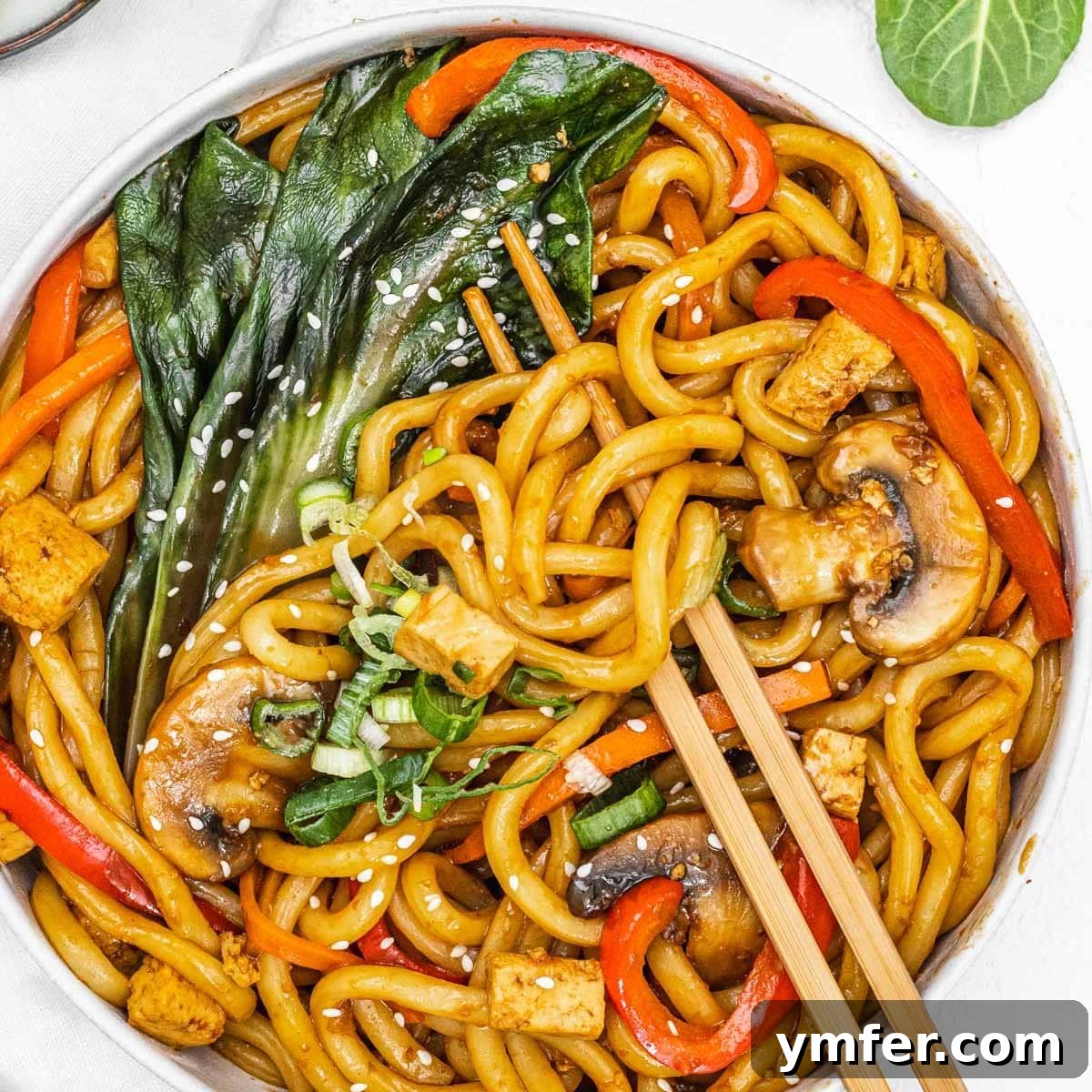
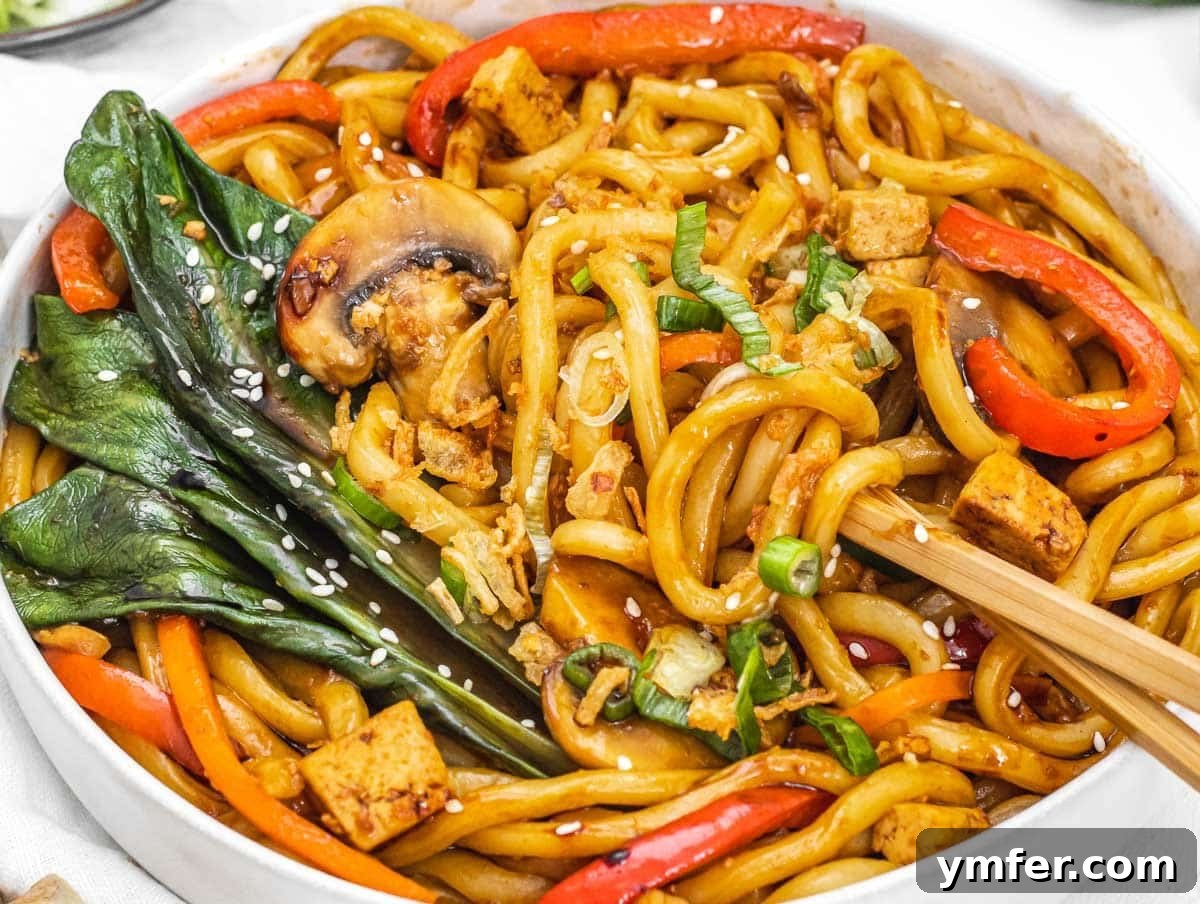
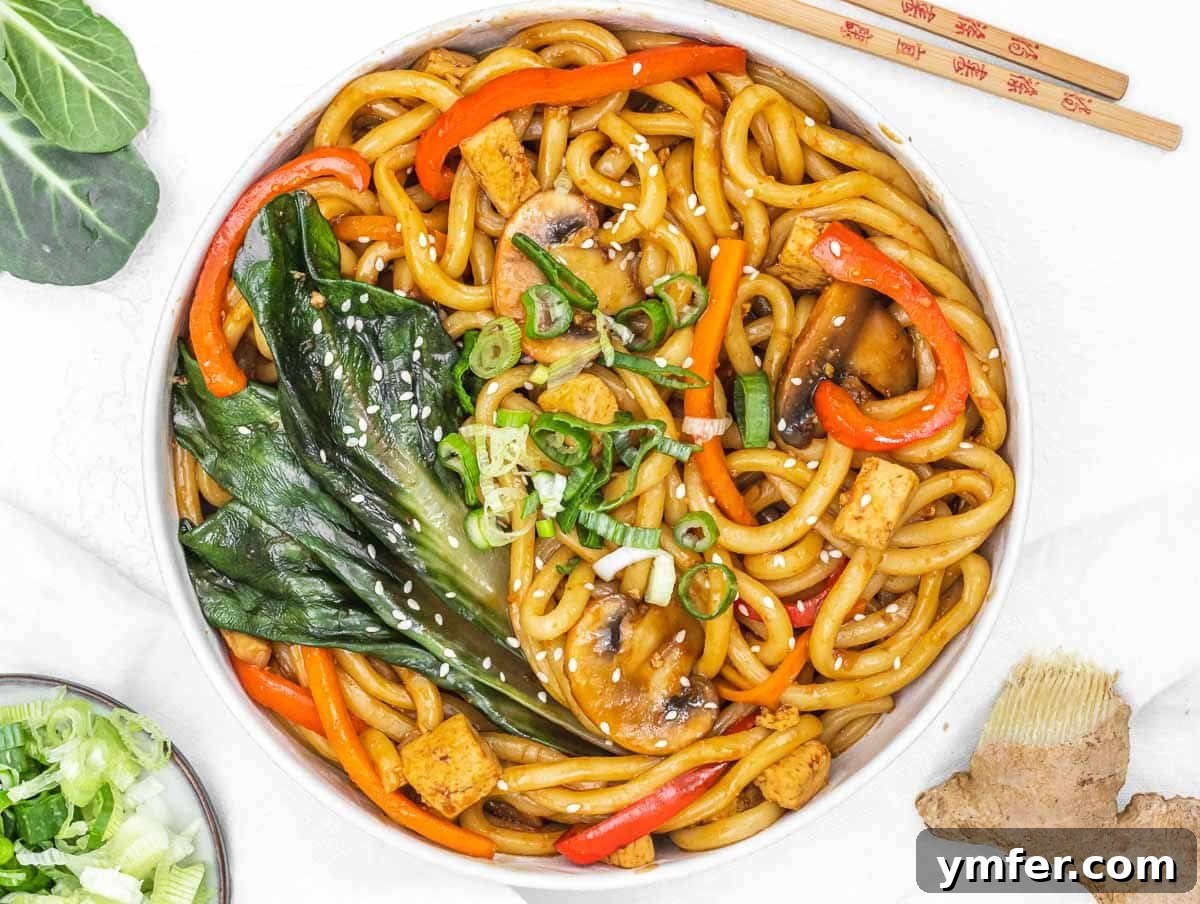
Embark on a culinary journey to Japan with our exquisite Yaki Udon recipe – a vibrant, vegetable-packed stir-fried noodle dish that promises a burst of tangy, savory flavors in every bite. Featuring succulent thick udon noodles, a delectable soy-based sauce, protein-rich tofu, and an abundance of fresh, colorful vegetables, this recipe is a testament to quick, healthy, and utterly satisfying home cooking.
Forget takeout! Our Yaki Udon is designed for ease and speed, clocking in at around 15 minutes of active cooking time. It’s not just fast; it’s a nutritious meal infused with aromatic Asian spices, making it an ideal choice for a busy weeknight or a cozy weekend feast.
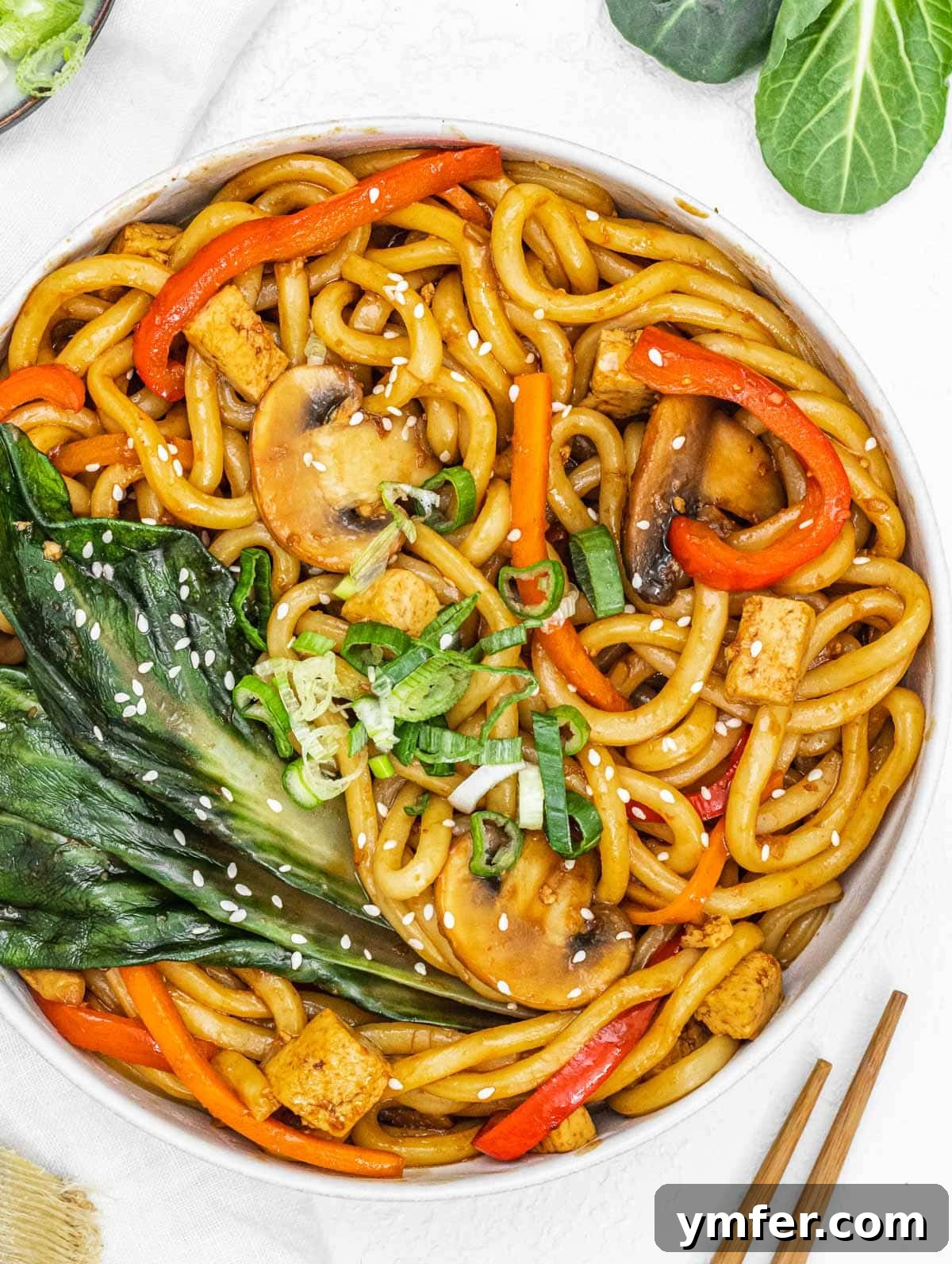
Looking for more effortless meal ideas? Explore our comprehensive collection of easy dinner recipes!
Table of Contents
- Introduction to Yaki Udon
- Essential Ingredients for Yaki Udon
- Step-by-Step Yaki Udon Instructions
- Yaki Udon Variations
- Perfect Serving Suggestions
- Make Ahead and Storage Tips
- More Delicious Stir-Fry Recipes
- Asian-Inspired Recipes to Explore
- Yaki Udon Recipe Card
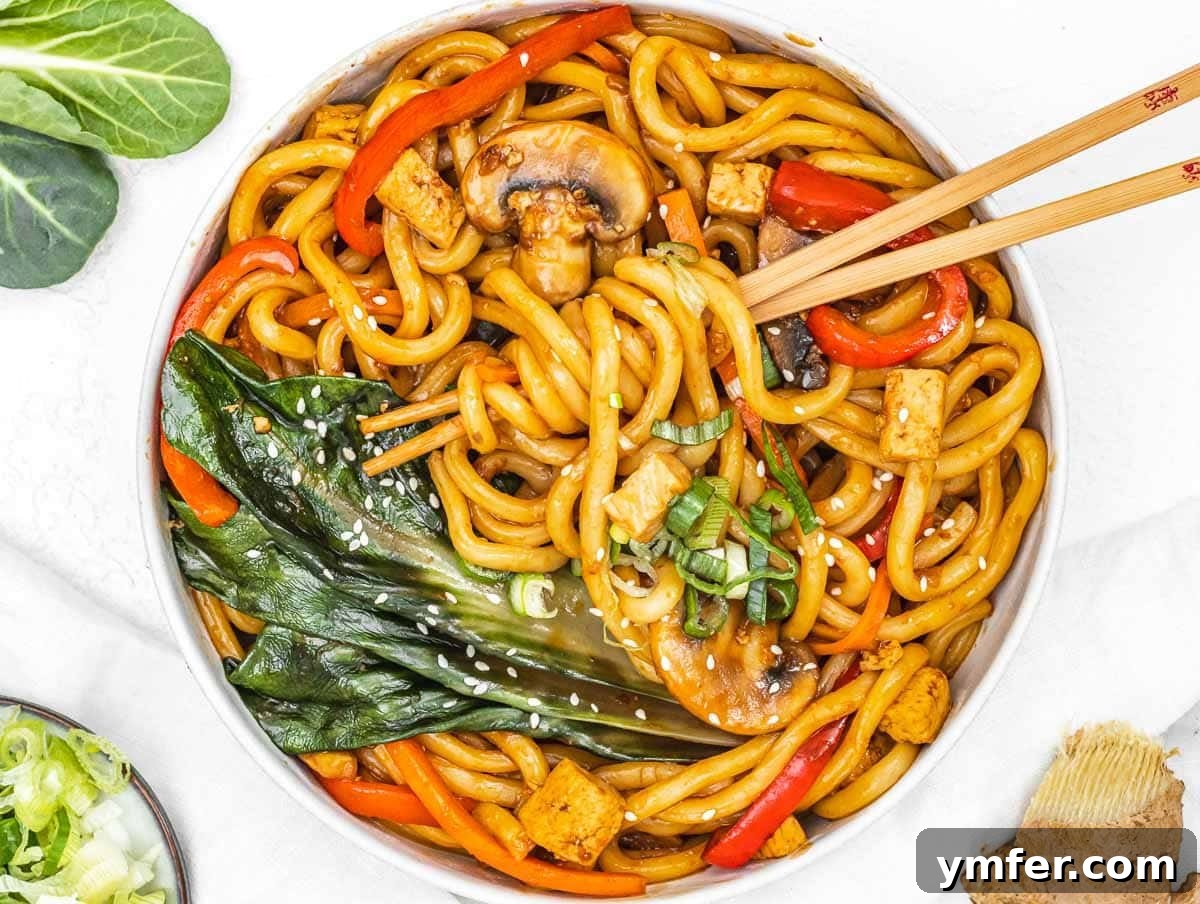
Yaki Udon, translating from Japanese as “fried udon” (焼きうどん), is a beloved and remarkably simple Japanese stir-fried noodle dish. It holds a special place in Japanese culinary culture, often found sizzling in bustling Japanese pubs (izakaya), as a popular street food, or enjoyed as a comforting late-night snack across Japan. Its widespread appeal comes from its hearty nature, quick preparation, and deep, satisfying flavors.
At the heart of any authentic Yaki Udon are the distinctive udon noodles. These are thick, chewy Japanese noodles, characteristically white, and traditionally crafted from wheat flour. Their unique texture is paramount to the dish, providing a delightful contrast to the crisp vegetables and tender protein.
While udon noodles are traditional, this recipe is incredibly versatile. Feel free to experiment with your favorite Asian noodles, such as ramen, delicate rice noodles, robust Chinese soba noodles, translucent glass noodles, springy egg noodles, or fine vermicelli noodles. This adaptability allows you to customize the dish to your preference or what you have readily available. For instance, you might be familiar with Yakisoba, a closely related stir-fried dish that primarily uses Chinese soba noodles, showcasing the rich tapestry of Japanese noodle stir-fries.
The noodles in this dish are expertly tossed with a protein of your choice (we’ve opted for savory tofu, but feel free to substitute with succulent pork, tender shrimp, lean beef, or chicken), a medley of fresh vegetables, and coated in a truly exceptional flavorful soy-based sauce. This sauce is the soul of the dish, binding all the ingredients together with its irresistible balance of sweet, salty, and umami notes.
If you’re a connoisseur of Asian flavors, this Yaki Udon recipe is bound to become a staple in your kitchen. It’s incredibly straightforward to prepare, making it an outstanding choice for a satisfying weeknight dinner, and undoubtedly a million times more delicious and wholesome than any takeout option.
Essential Ingredients for Yaki Udon
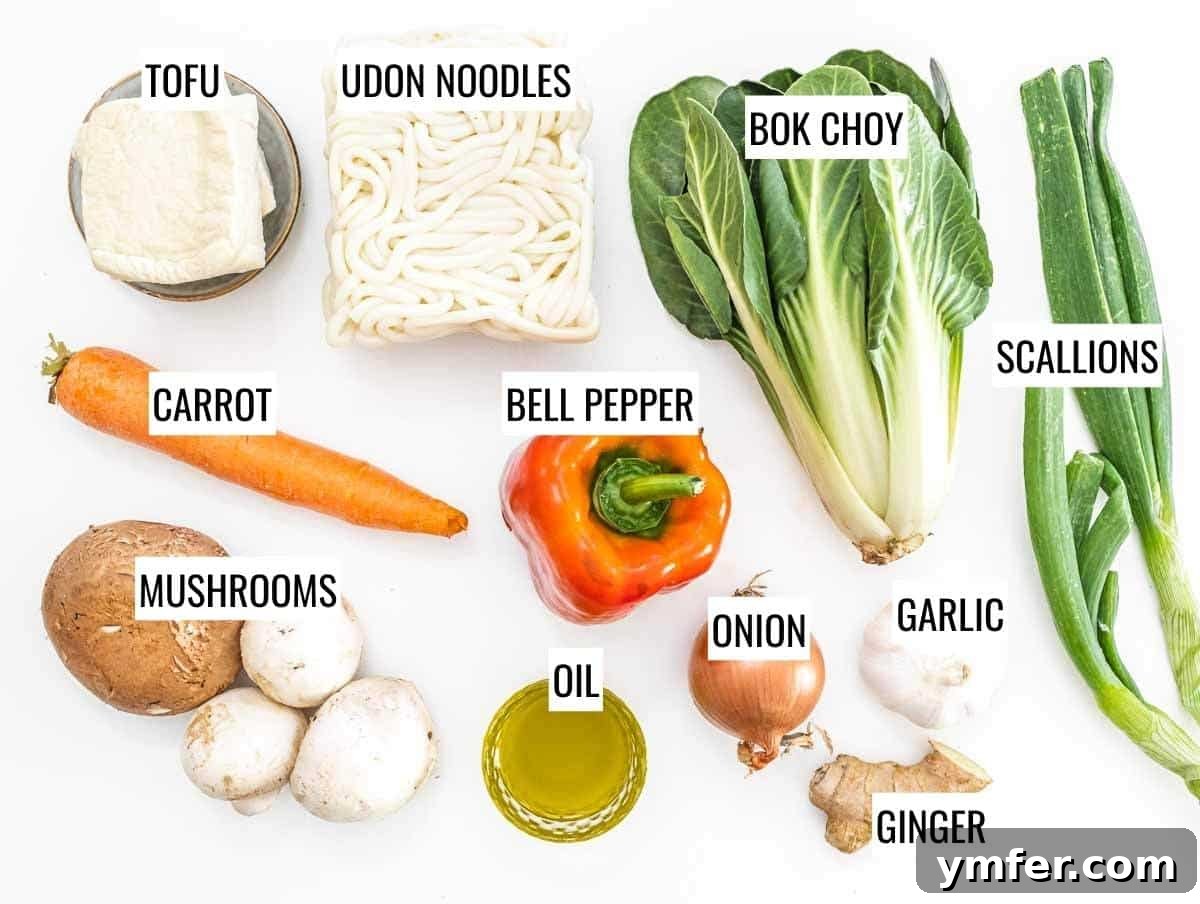
Crafting the perfect Yaki Udon begins with selecting fresh, high-quality ingredients. Here’s a breakdown of what you’ll need and why each component is vital to the dish’s success:
Tofu
For this particular Yaki Udon, tofu serves as our primary protein, offering a delightful plant-based option. However, the recipe is highly adaptable, and you can easily incorporate other proteins such as chicken, beef, shrimp, or pork if you prefer. When choosing tofu, opt for firm or extra-firm tofu. These varieties hold their shape well during stir-frying and absorb flavors beautifully. Simply cut it into small, bite-sized pieces before cooking.
Udon Noodles
Udon noodles are the star of this dish, known for their thick, white, and wonderfully chewy texture. You’ll typically find them readily available in most major supermarkets and, of course, in any Asian grocery store. There’s a variety of udon noodles available, and most will work well. We often prefer pre-cooked udon noodles that come in vacuum-sealed packages, as they require only a quick boil for a couple of minutes to be ready. You can also use frozen udon noodles, which thaw and cook quickly, or traditional fresh udon noodles if you have access to them.
If udon noodles aren’t available or you’d like to try something different, feel free to substitute with other Asian noodles like ramen, thin rice noodles, Chinese soba noodles, delicate glass noodles, versatile egg noodles, or fine vermicelli noodles. Each will bring a slightly different character to your stir-fry. It’s important to note, however, that we generally do not recommend using Japanese Soba noodles (made from buckwheat flour) for this specific recipe, as their flavor and texture profile are quite different from udon.
Oil
For stir-frying, selecting the right oil is key. Most types of neutral vegetable oil are suitable. Popular choices that impart minimal flavor and have a high smoke point include peanut oil, canola oil, sunflower oil, and avocado oil. Coconut oil can also be used for a hint of tropical aroma. For our recipe, we often opt for a good quality olive oil for its accessibility and mild flavor.
Flavor Base
To infuse your Yaki Udon with an irresistible depth of flavor and aromatic complexity, a powerful flavor base is essential. We rely on the classic combination of fresh onion, pungent garlic, and zesty ginger. We typically use fresh ingredients, finely grating the garlic and ginger to maximize their impact. Alternatively, high-quality store-bought garlic and ginger paste, a common convenience in Asian cooking, can be used.
Veggies
The beauty of Yaki Udon lies in its versatility with vegetables. You can truly customize your veggie selection based on seasonality, local availability, and your personal preferences. To achieve a balanced and visually appealing dish, we recommend sticking to about 3 or 4 different vegetables, ideally chosen for their varied colors and textures. For our recipe, we feature crisp carrots, vibrant red bell pepper, earthy mushrooms, and tender bok choy.
Other fantastic vegetable additions include crunchy cabbage, slender green beans, nutritious broccoli florets, hearty kale, vibrant chard, and mild zucchini. Don’t hesitate to mix and match to create your perfect vegetable medley!
Garnishes
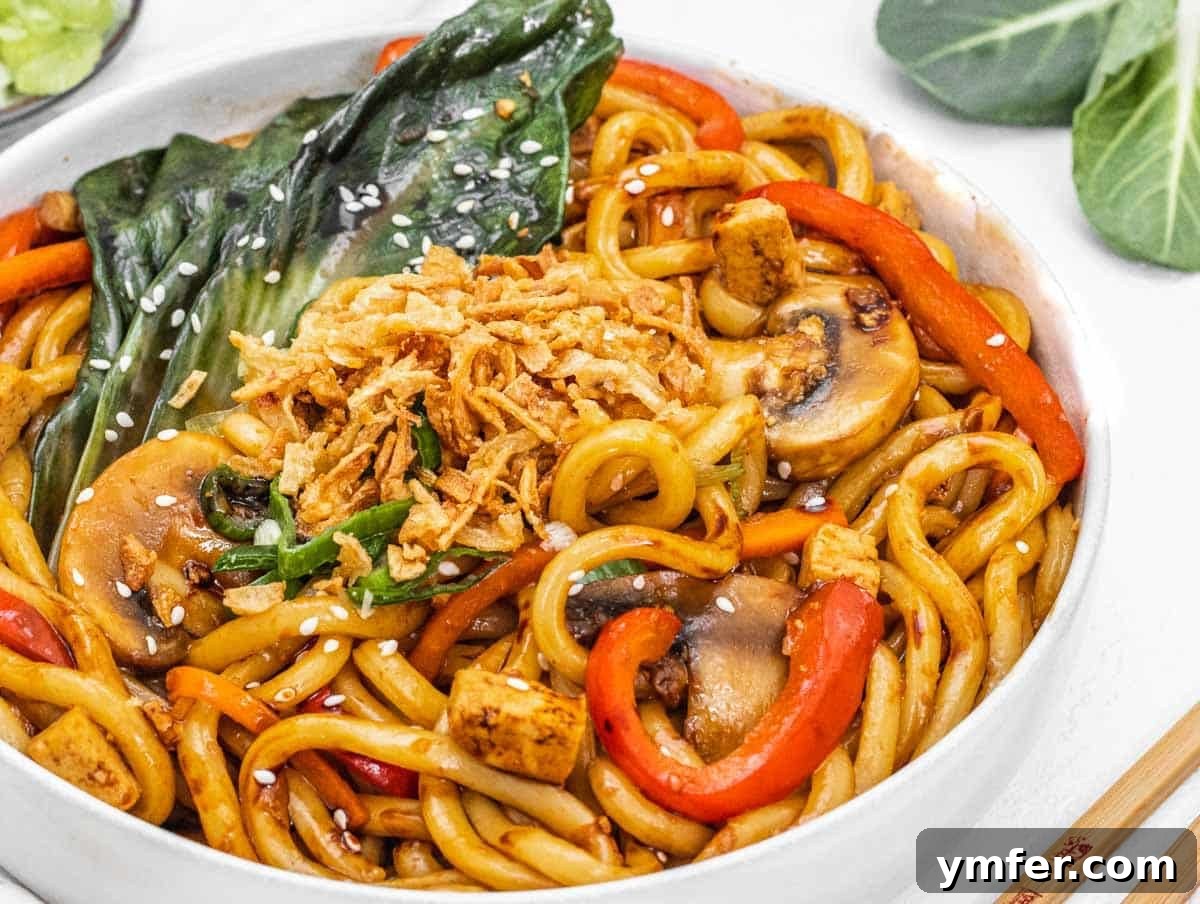
Garnishes not only add a final touch of visual appeal but also enhance the dish with fresh flavors and textures. Scallions (also known as spring onions or green onions) are perhaps the most quintessential topping for Yaki Udon. We love to finely chop them and sprinkle them fresh over the finished dish for a bright, pungent freshness. Traditionally, some versions might use bonito flakes or katsuobushi (thinly shaved, fermented, and smoked tuna). However, to keep our recipe vegetarian and accessible, we prefer to generously sprinkle with crunchy fried onions for texture and savory depth, and aromatic sesame seeds for a nutty finish.
Salt
A simple pinch of salt is used to season the tofu, drawing out its natural flavors and ensuring it’s not bland. For an extra layer of authentic Japanese flavor and umami depth, you can substitute salt with a small amount of dashi powder, a popular Japanese seasoning made from dried bonito flakes and kelp.
The Irresistible Stir-Fry Sauce
While convenient store-bought stir-fry sauces are always an option, there’s nothing quite like a homemade sauce to elevate your Yaki Udon. Our signature stir-fry sauce is crafted from a thoughtful blend of ingredients, each playing a crucial role in creating a symphony of flavors:
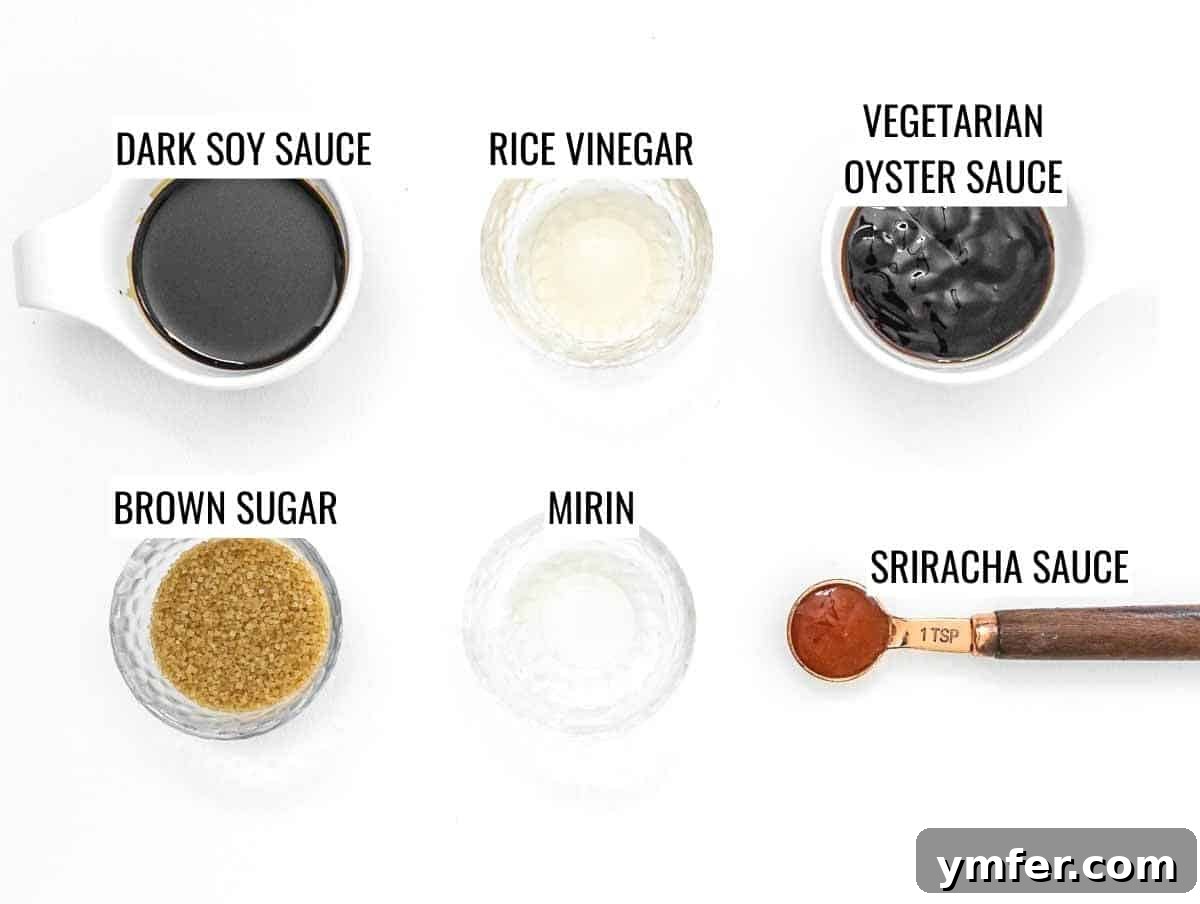
- Dark soy sauce: This provides a deeper color and a richer, slightly less salty flavor than regular soy sauce. You can substitute it with regular soy sauce, light soy sauce, reduced-sodium soy sauce, tamari (for a gluten-free option), or coco aminos.
- Rice vinegar: Adds a subtle tang and brightens the overall flavor profile. White wine vinegar or apple cider vinegar make excellent substitutes.
- Vegetarian oyster sauce: Offers a wonderful savory, umami depth without the seafood. If you’re not keeping the dish vegetarian, regular oyster sauce works perfectly. Hoisin sauce or an additional amount of soy sauce can also be used as alternatives.
- Brown sugar: Essential for balancing the savory and tangy notes with a touch of sweetness and a hint of caramel. Palm sugar, coconut sugar, or regular white granulated sugar can be used interchangeably.
- Mirin: A sweet Japanese rice wine with low alcohol content (we use a 1% alcohol mirin), it adds a unique sweetness and glaze. If you don’t have mirin, a dry sherry wine can be a good substitute, or simply omit it and add an extra teaspoon of sugar to maintain the sweetness balance.
- Sriracha sauce: For those who enjoy a little heat, sriracha provides a pleasant spicy kick. If sriracha isn’t your preference, chili powder or red pepper flakes can be used to achieve a similar level of warmth.
This carefully balanced homemade sauce is what truly packs your Yaki Udon with incredible flavor and umami. Its harmonious blend of sweetness, tanginess, and saltiness creates an irresistible coating for the tofu, noodles, and vegetables, making every mouthful a delightful experience. All these ingredients are generally easy to find in most supermarkets, Asian grocery stores, or available online.
Step-by-Step Yaki Udon Instructions
The key to a successful stir-fry is preparation. With all your ingredients ready, this dish comes together in a flash!
1. Prep All Ingredients
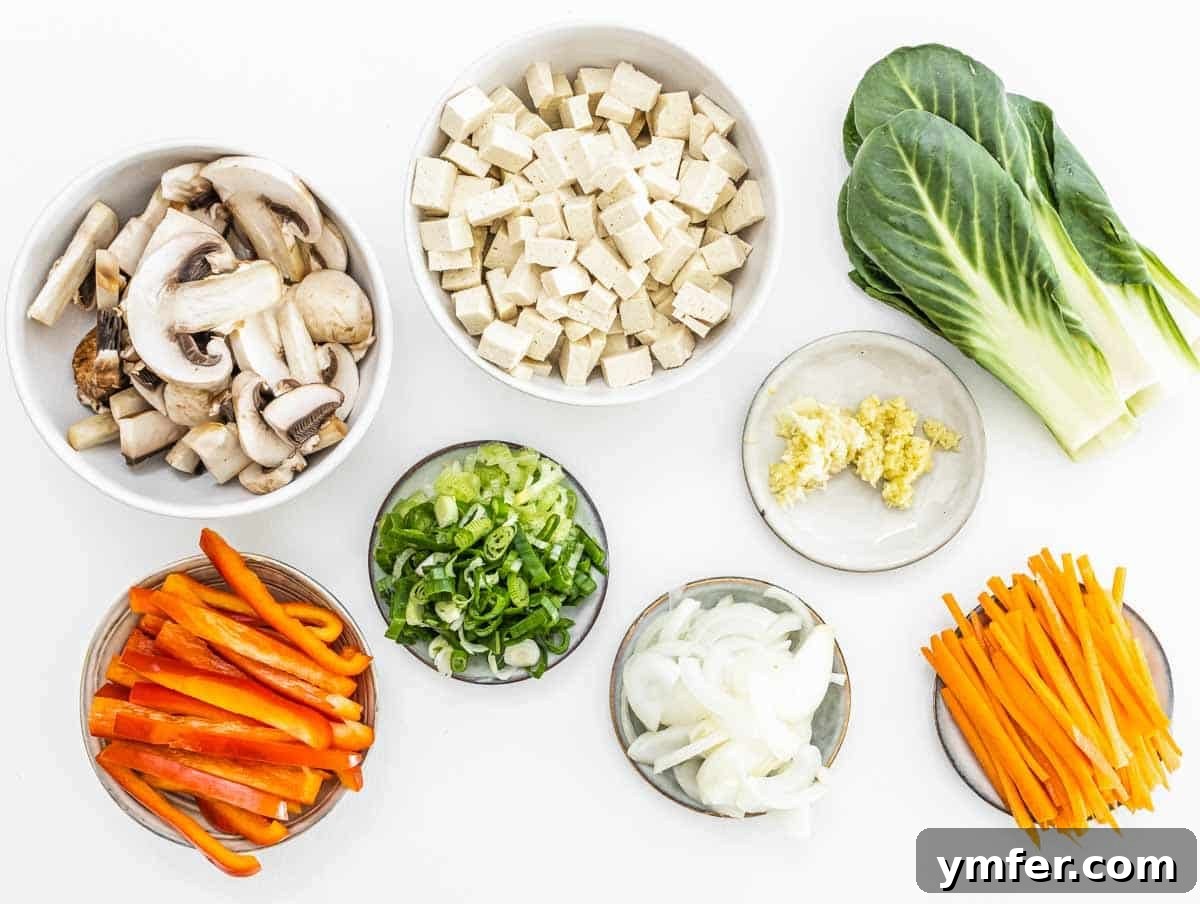
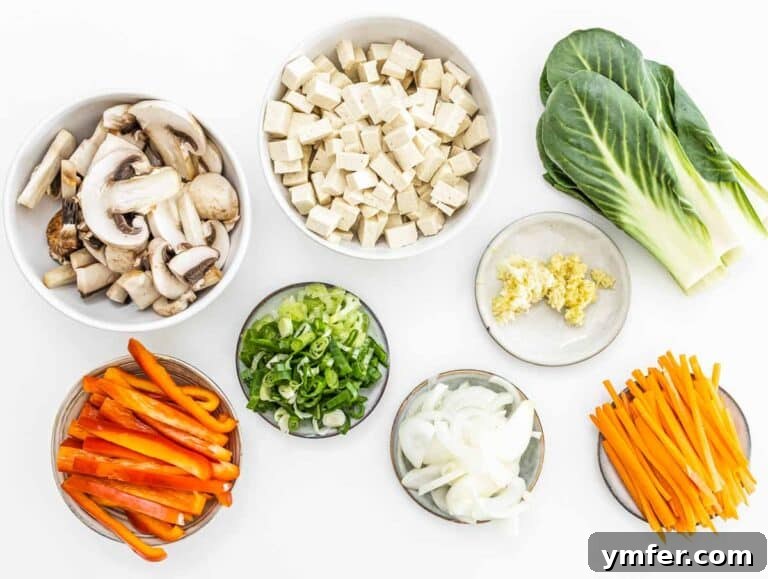
Since Yaki Udon is a quick stir-fry, it’s crucial to have all your ingredients prepped and ready before you start cooking. This method, known as “mise en place,” ensures a smooth and efficient cooking process:
- Tofu: Begin by patting the tofu dry with paper towels to remove excess moisture. Then, cut it into small, uniform bite-sized pieces. There’s no need for pressing when stir-frying firm or extra-firm tofu for this recipe.
- Onion: Halve the onion, then slice it into not-too-thick, crescent-shaped pieces, ensuring they cook evenly.
- Garlic and Ginger: Finely grate both the fresh garlic cloves and the inch of ginger. Grating helps release their maximum aroma and flavor, distributing them evenly throughout the dish.
- Carrot: Transform the carrot into thin matchsticks, also known as a julienne cut, for quick cooking and visual appeal.
- Bell Pepper: Cut the bell pepper into either thin sticks or small squares, aiming for pieces that are roughly the same size as your other vegetables.
- Mushrooms: Slice the mushrooms into approximately 1/4 inch (or 1/2 cm) thick pieces.
- Bok Choy: You can either keep the bok choy leaves whole or chop them into bite-sized chunks, depending on your preference. Separate them well to ensure they wilt evenly.
- Scallions: Thinly slice the green and light green tops of the scallions. These will be used as a fresh garnish at the end.
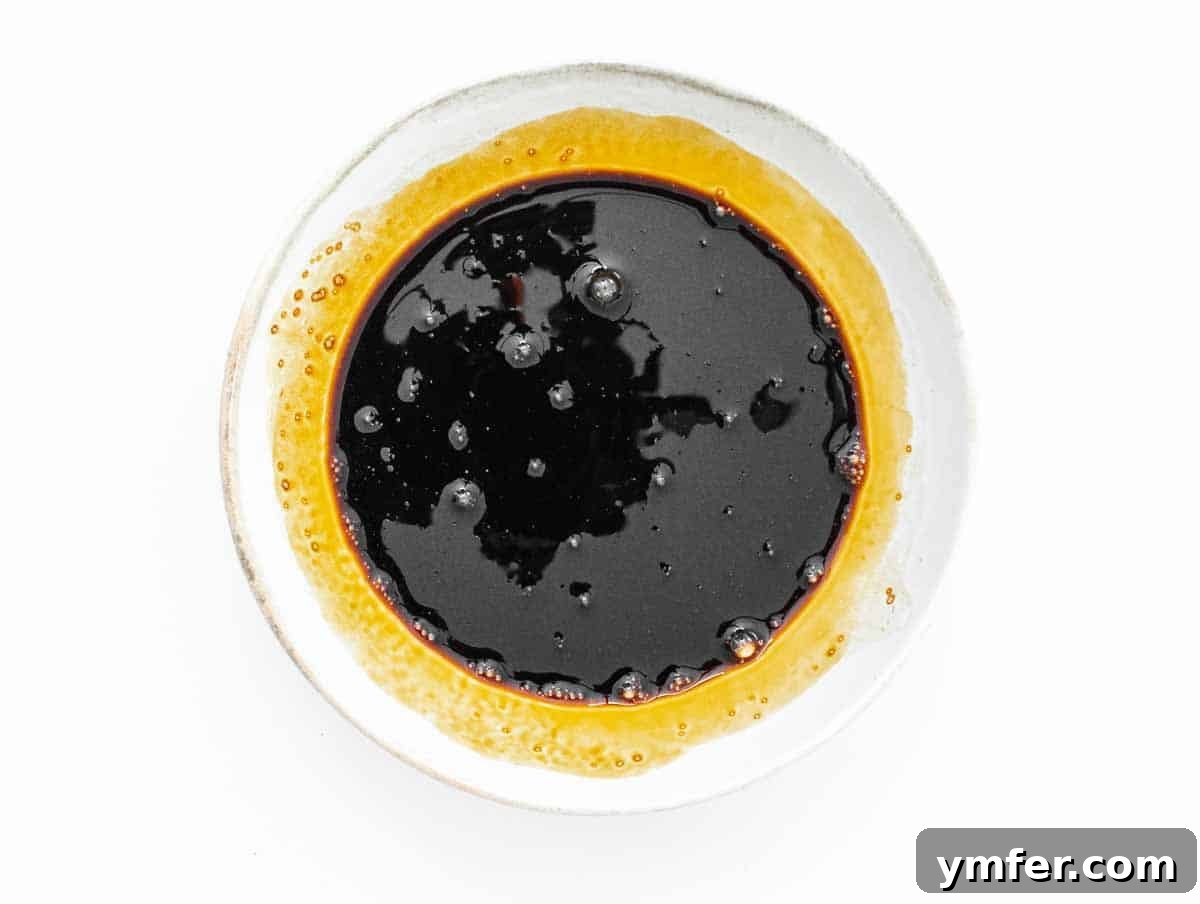
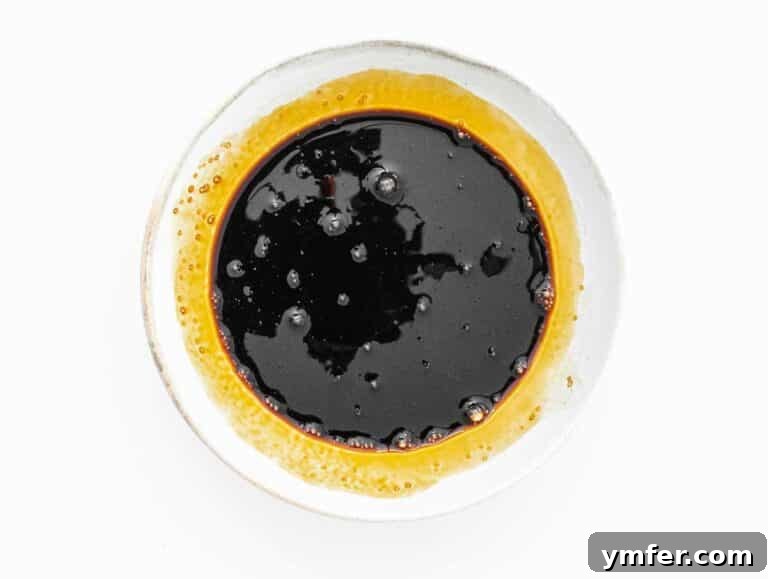
Next, prepare the stir-fry sauce: In a small bowl, whisk together the dark soy sauce, vegetarian oyster sauce, rice vinegar, brown sugar, mirin, and sriracha sauce until thoroughly combined. Set aside.
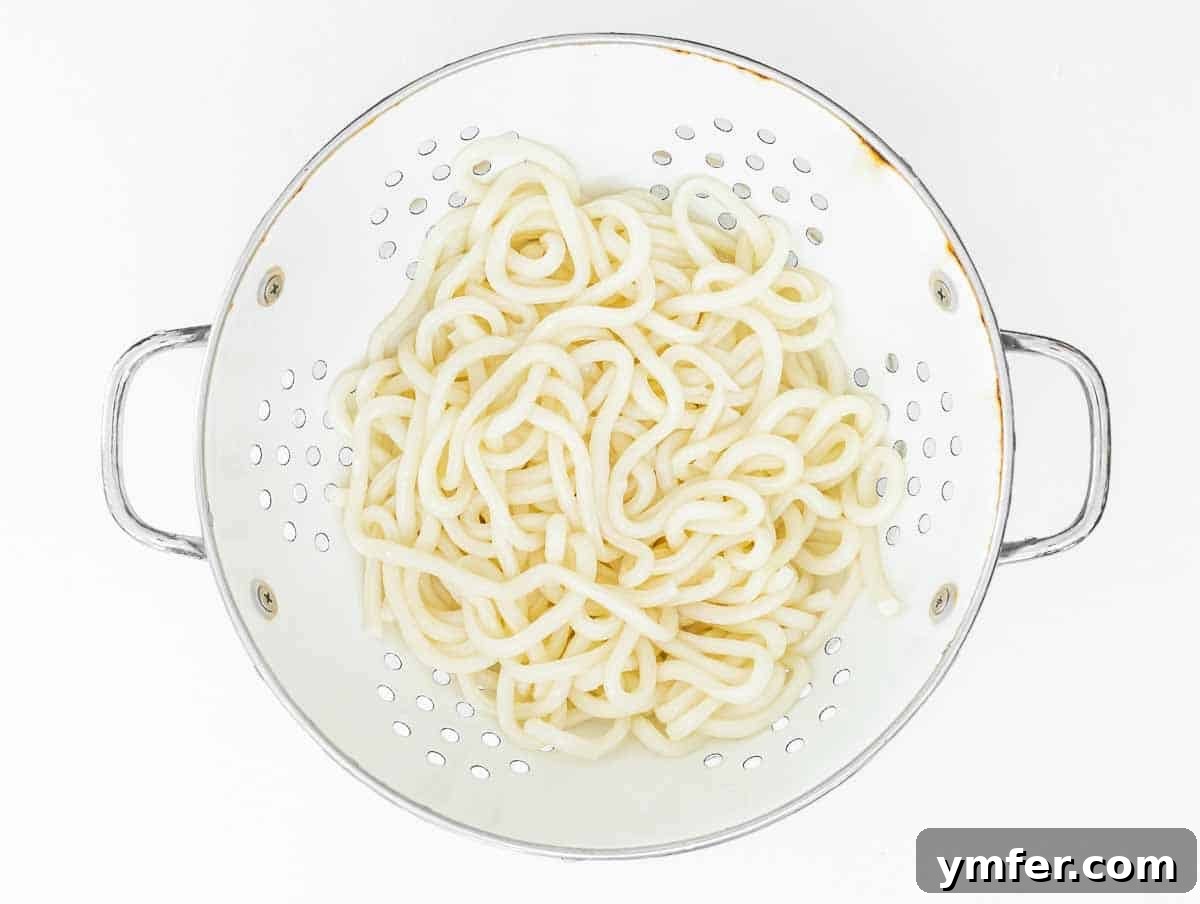
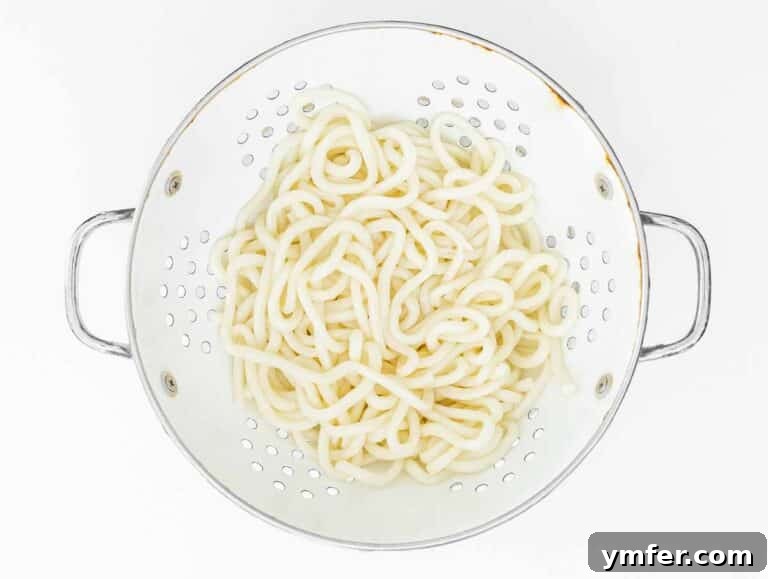
Finally, cook the udon noodles: Follow the package instructions to boil the udon noodles in a pot of water. Once cooked, immediately drain them and rinse them under cold water. This step is crucial to stop the cooking process and prevent the noodles from becoming mushy or sticking together.
Chef’s Tip: Many udon noodles, especially the vacuum-packed variety, are pre-cooked and only require 1-2 minutes in boiling water. Be careful not to overcook them, as this will cause them to lose their delightful chewy texture.
2. Stir-fry Tofu and Veggies
With your prep complete, the stir-frying process is swift and exciting:
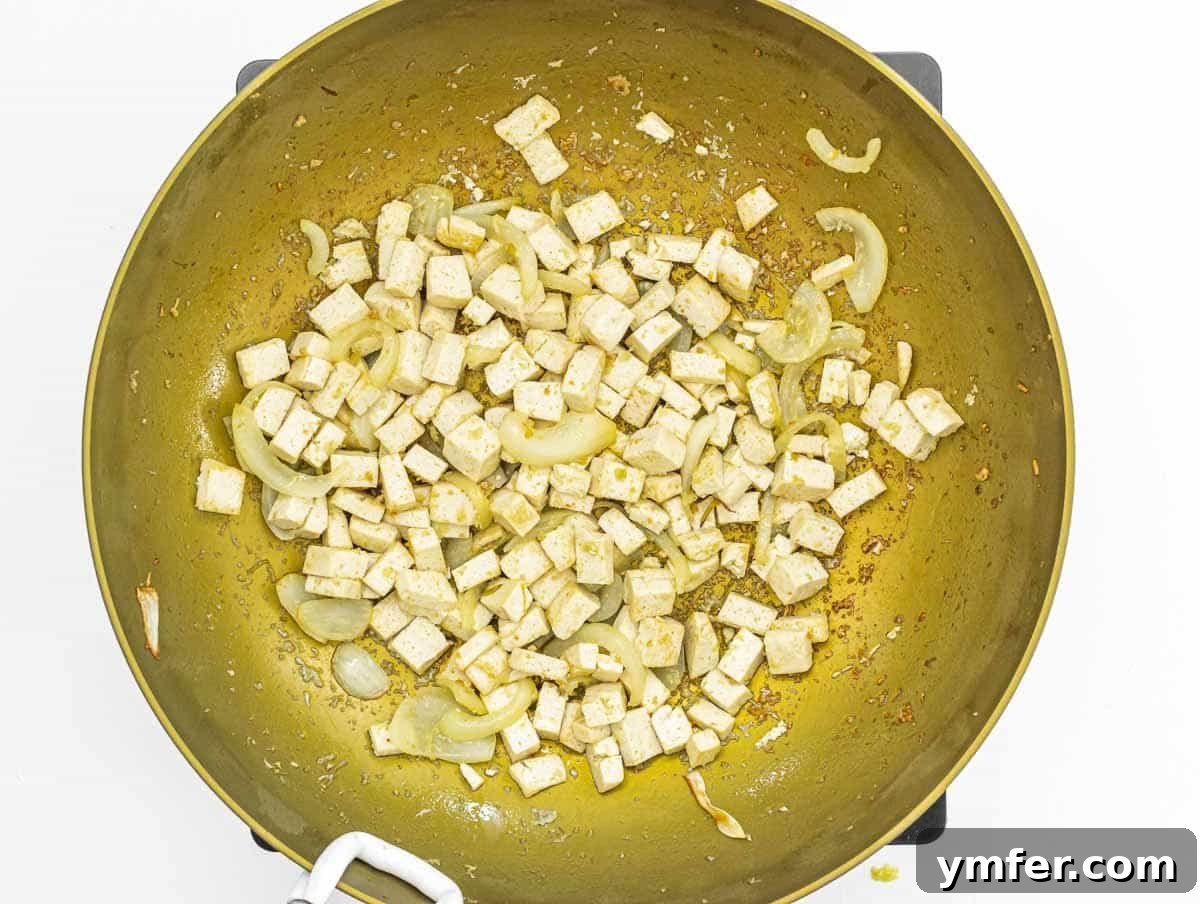
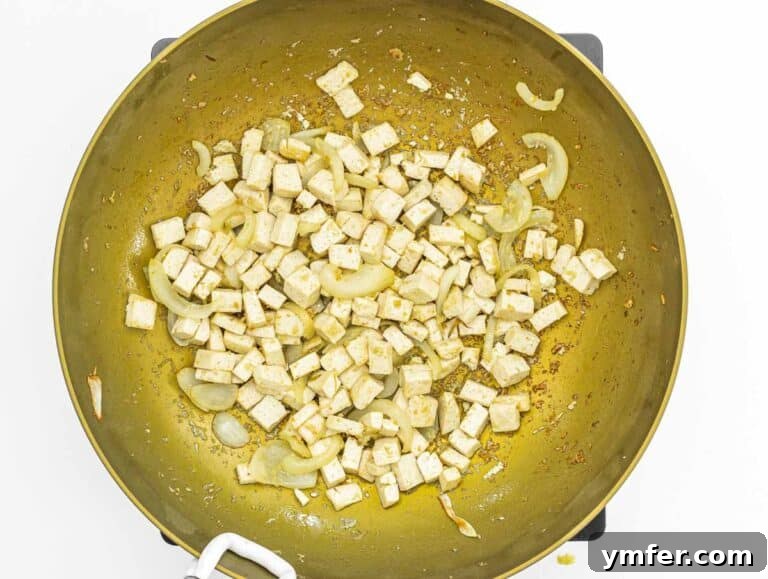
In a large nonstick pan or wok, warm up your chosen vegetable oil over medium heat. Add the diced tofu, season it with a pinch of salt, and cook for about 5 minutes, stirring and flipping frequently to brown it evenly on all sides. The goal is a slightly golden exterior.
Next, add the sliced onion to the pan. Continue to fry for another 3 minutes, stirring often until it begins to soften and become translucent. Then, add the grated garlic and ginger. Stir-fry for just one more minute, or until you can distinctly smell their fragrant aroma filling your kitchen – avoid burning them.
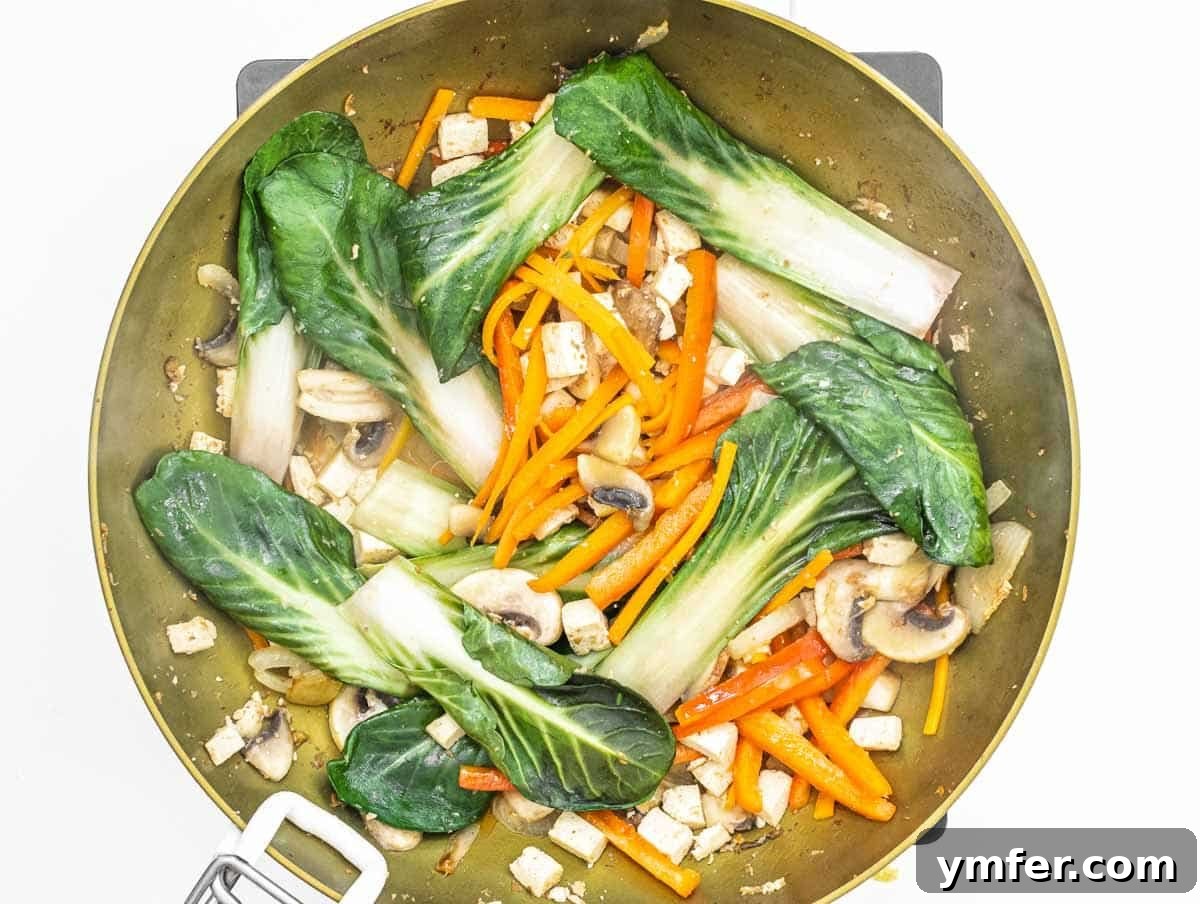
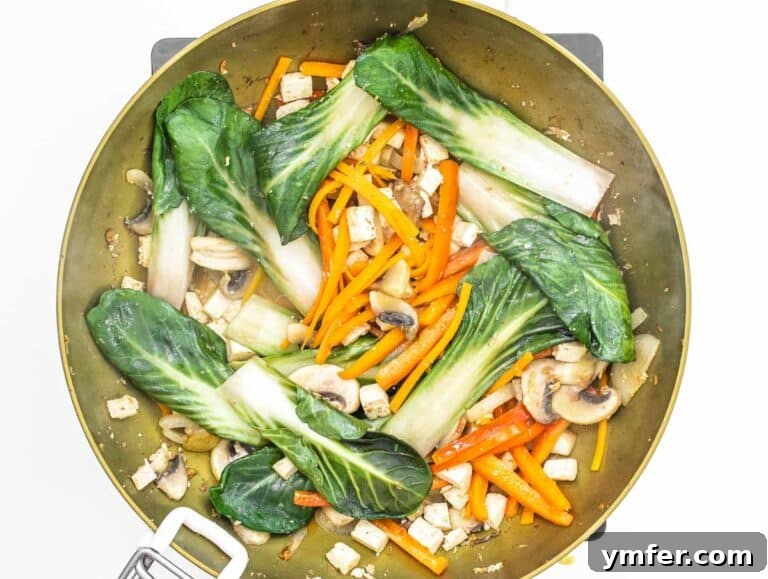
Now, it’s time for the vegetables. Add the carrots, bell peppers, mushrooms, and bok choy to the pan with the tofu and onion mixture. Increase the heat to medium-high and cook, tossing continuously, for a couple of minutes. You want the vegetables to be vibrant and tender-crisp, retaining a slight crunch rather than being soft or limp.
3. Add Noodles and Sauce
The final steps bring everything together into a harmonious dish:
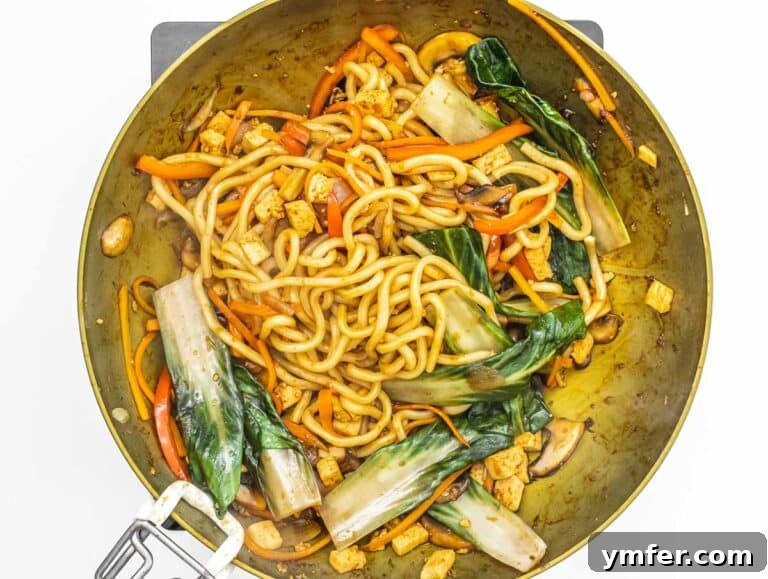
Add the cooked udon noodles and the prepared stir-fry sauce to the pan with the vegetables and tofu. Toss all the ingredients vigorously on medium-high heat for about one minute. Ensure that every noodle, piece of tofu, and vegetable is fully coated in the luscious sauce, glistening with flavor.
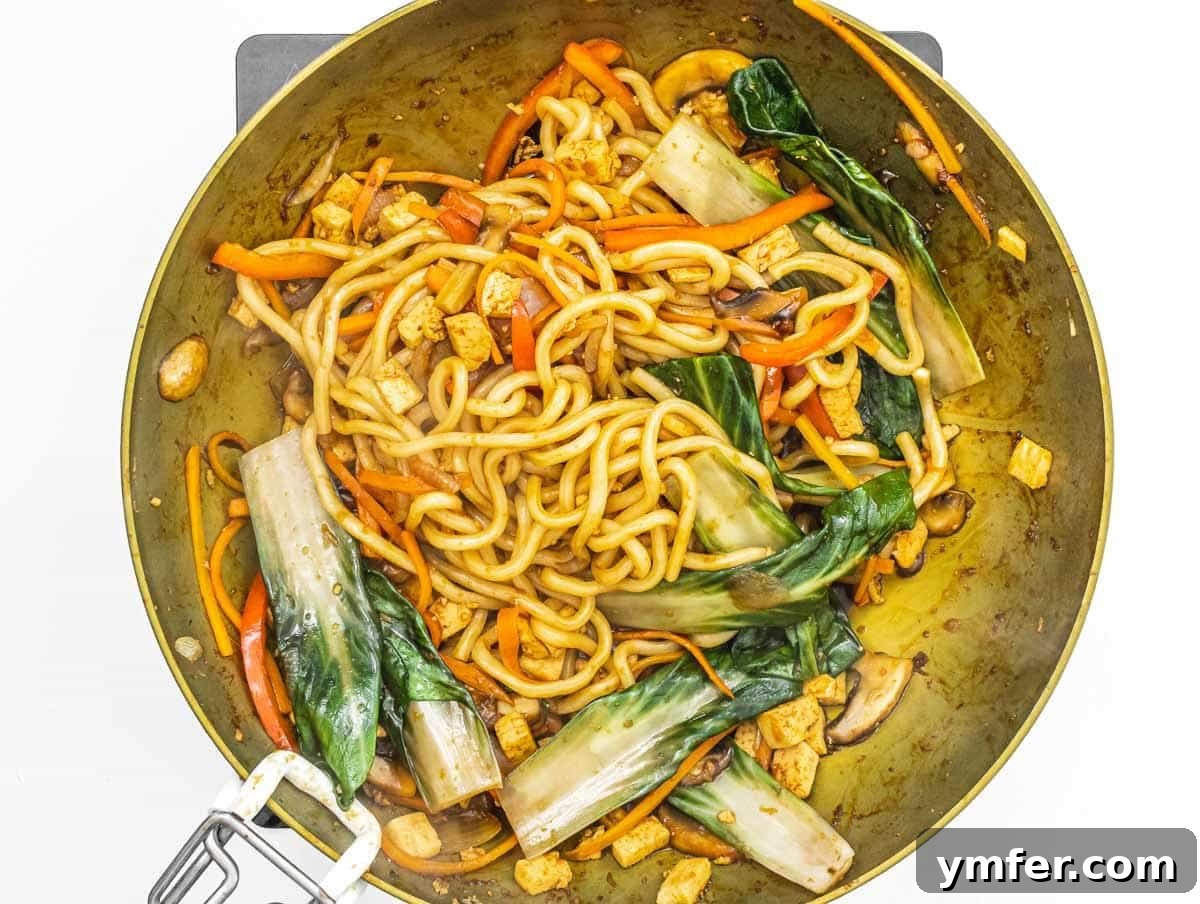
Taste the Yaki Udon and adjust for salt or any other seasoning as needed. Then, transfer the hot, fragrant stir-fried udon noodles into individual serving bowls. This dish is best enjoyed immediately.
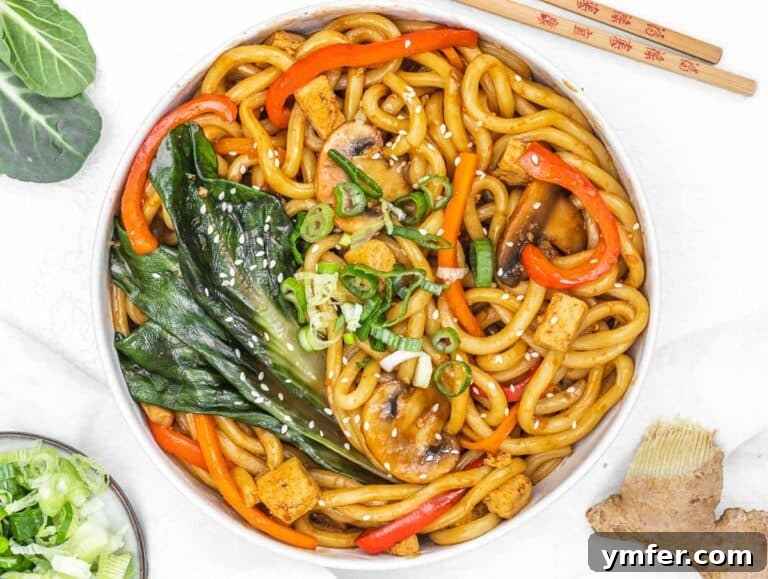
For a final flourish, garnish generously with chopped scallions, crispy fried onions, a sprinkle of aromatic sesame seeds, or a drizzle of spicy chili oil or fragrant sesame oil. If you’re not strictly vegetarian, bonito flakes (Katsuobushi) can also be added for an authentic Japanese touch.
Yaki Udon Variations
This Yaki Udon recipe is wonderfully flexible, allowing for creative adjustments to suit your taste and dietary needs. Here are a few ways to customize your dish:
Yaki Udon with Enhanced Tofu
For an even more flavorful and texturally exciting Yaki Udon, consider giving your tofu a head start! Instead of simply pan-frying the tofu directly in the stir-fry, prepare it separately using one of our other popular tofu recipes. Replace the pan-fried tofu in this Yaki Udon recipe with our crispy fried tofu, perfectly textured air-fried tofu, or deeply flavored marinated tofu.
To do this, follow our Yaki Udon recipe as instructed, but omit the initial tofu cooking step. Towards the very end, once the noodles and sauce are incorporated, gently toss in your pre-cooked, extra-tasty fried, air-fried, or marinated tofu. Pre-cooking the tofu this way ensures it has an incredible texture and absorbs even more flavor, taking your Yaki Udon to a whole new level of deliciousness. We are confident you will absolutely love this elevated approach!

Protein Alternatives
While our recipe highlights tofu, Yaki Udon is incredibly versatile with other proteins. Feel free to substitute the tofu with:
- Chicken: Thinly sliced chicken breast or thigh cooks quickly and absorbs the sauce beautifully.
- Beef: Shaved beef or thinly sliced steak can be stir-fried to tender perfection.
- Shrimp: Quick-cooking shrimp adds a delightful seafood element. Add them towards the end of the vegetable cooking time to prevent overcooking.
- Pork: Thinly sliced pork belly or tenderloin provides a rich, savory flavor.
Simply adapt the cooking time for your chosen protein, ensuring it’s cooked through before adding the noodles and sauce.
Vegetable Swaps
Beyond our suggested carrots, bell peppers, mushrooms, and bok choy, feel free to use seasonal vegetables or whatever you have on hand. Consider adding snow peas, broccoli florets, asparagus, snap peas, or even spinach for different flavors and textures.
Spicy Kick
If you love heat, increase the amount of sriracha in the sauce, or add a pinch of red pepper flakes with the garlic and ginger for a bolder spice level.
Perfect Serving Suggestions
Yaki Udon is a complete meal on its own, but it pairs wonderfully with a variety of Asian starters and sides to create a more elaborate dining experience. Consider these complementary dishes:
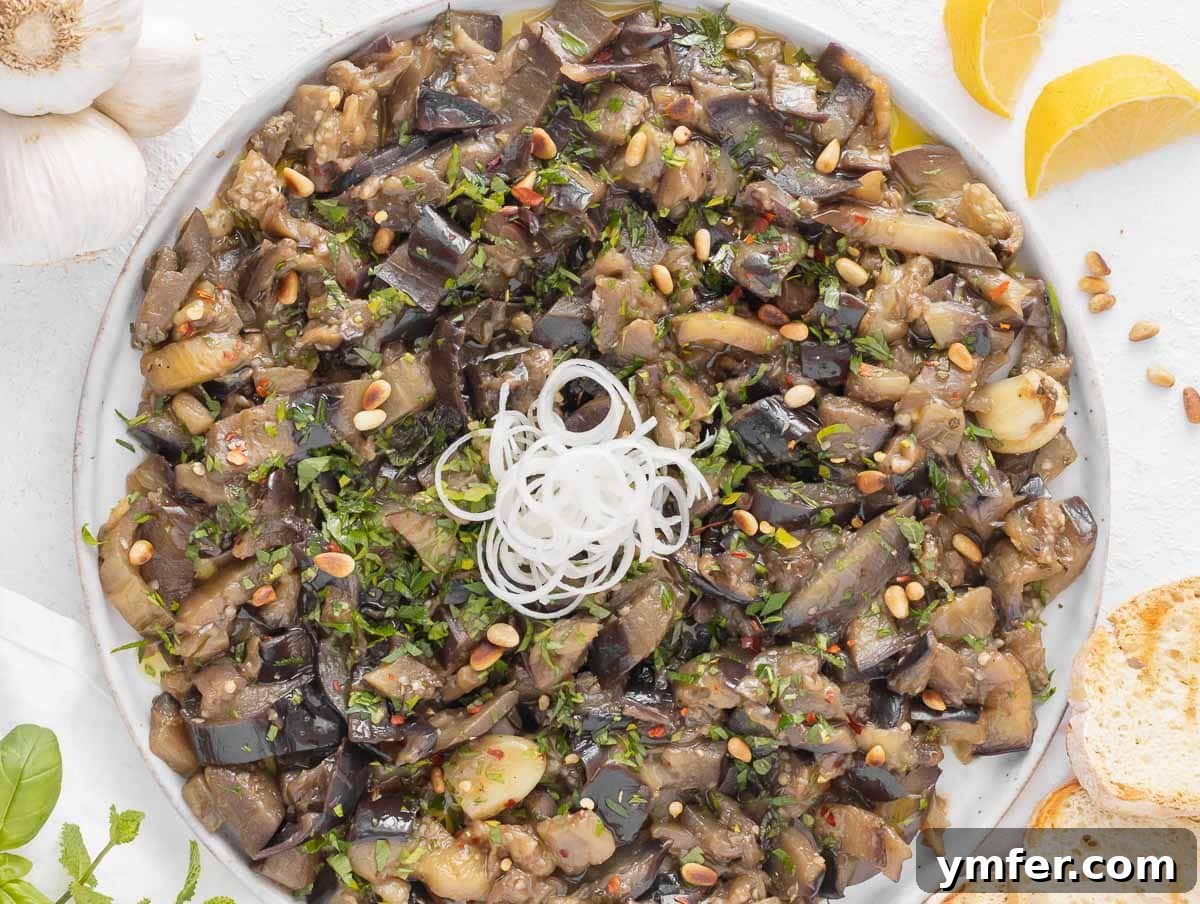
- Sweet and sour eggplant: A fantastic appetizer that balances the savory flavors of the noodles.
- Asian cucumber salad: A refreshing, crunchy side that provides a cool contrast to the warm stir-fry.
- Stir-fried vegetables: If you want even more greens, a simple plate of lightly stir-fried seasonal vegetables can be a great addition.
- Miso soup: A classic Japanese soup offers a comforting and savory liquid companion to your noodles.
- Edamame: Steamed and lightly salted edamame pods are a simple, healthy, and satisfying appetizer.
- Spring Rolls: Crispy vegetable or tofu spring rolls can add another layer of texture and flavor.
Make Ahead and Storage Tips
Yaki Udon is a convenient dish not only for quick preparation but also for meal planning. Here’s how to manage leftovers and prepare ahead:
Make ahead: Yaki Udon makes an excellent make-ahead meal. It’s perfect for meal prep throughout the week or for packing a nutritious and flavorful lunch. The noodles reheat beautifully without losing much of their texture or flavor.
Refrigerator: Any leftover Yaki Udon should be stored in an airtight container and kept in the refrigerator. It will maintain its quality and taste for up to three days.
Reheat: To reheat, simply warm the noodles in the microwave for about 2 minutes, stirring halfway through. Alternatively, you can reheat them in a pan on the stovetop over medium heat for 3 to 5 minutes. If using the stovetop method, adding a tiny splash of water, oil, and a dash of soy sauce can help revive the moisture and flavor.
Freezer: We generally do not recommend freezing this recipe. The texture of udon noodles and many of the vegetables can become less appealing after freezing and thawing.
More Delicious Stir-Fry Recipes
If you’ve enjoyed the ease and flavor of this Yaki Udon, you’ll love these other quick and satisfying one-pan dinner ideas. Dive into more stir-fry inspiration that makes weeknight cooking a breeze:
- Tofu stir-fry: A versatile dish featuring bell pepper, broccoli, mushrooms, ginger, garlic, onion, and tofu, often served with rice.
- Braised tofu: Rich and savory, with garlic, ginger, red pepper flakes, scallions, thickened with cornstarch, and finished with sesame oil.
- Kung pao tofu: A delightful blend of peanuts, tofu, mushrooms, sesame oil, garlic, and ginger, delivering a classic Szechuan flavor.
- Sauteed green beans: A simple yet flavorful side dish with fresh green beans, garlic, ginger, and soy sauce, quickly sautéed in oil.
Explore More Stir-Fry Favorites
Tofu Recipes
Tofu Stir Fry
Tofu Recipes
Braised Tofu
Tofu Recipes
Kung Pao Tofu
Sides
Sautéed Green Beans
Asian-Inspired Recipes to Explore
Craving more authentic and flavorful Asian dinners that rival your favorite takeout? Explore these easy and mouthwatering recipe ideas, perfect for expanding your culinary repertoire:
- Tofu soup: A comforting bowl with dried mushrooms, garlic, ginger, soy sauce, scallions, sesame oil, and tender tofu.
- Peanut noodles: Creamy and savory, featuring peanut butter, lime juice, rice noodles, broccoli, carrot, and bell pepper.
- Orange tofu: A sweet and tangy delight with soy sauce, cornstarch, fresh orange, tofu, sugar, and vinegar, typically served with white rice and scallions.
- Lentil curry: A hearty and aromatic curry with turmeric, coriander, ginger, garlic, coconut milk, and lentils, often served with rice.
- Naan bread: Homemade soft and fluffy flatbread, perfect for soaking up flavorful sauces, made with flour, yeast, sugar, salt, parsley, oil, and garlic.
- Red lentil soup: A wholesome and flavorful soup with celery, carrot, cumin, garlic, rosemary, red lentils, and crushed tomatoes.
More Asian Delights
Bread Recipes
Naan Bread
Soups
Easy Tofu Soup (30-Minutes in One-Pot)
Tofu Recipes
Orange Tofu
Curry Recipes
Lentil Curry
For even more inspiring meal ideas that come together quickly, explore our dedicated 30-minute meal category page.
Yaki Udon Recipe Card
Yaki Udon
Here’s our scrumptious, tangy, and vegetable-packed Yaki Udon recipe; a stir-fried dish from Japan with thick udon noodles, a tasty soy-based sauce, tofu, and plenty of veggies.
Our Yaki Udon is ready in about 15 minutes; it’s easy to make at home, nutritious, and with fragrant Asian flavors.
Prep Time: 10 mins
Cook Time: 15 mins
Total Time: 25 mins
Servings: 4 people
Course: Main
Cuisine: American-Japanese, Asian
Print Recipe
Share
Video
Ingredients
FOR THE STIR FRY (substitutions in notes below)
- 14 ounces udon noodles vacuum packed
- 2 tablespoons vegetable oil
- ½ pound firm tofu
- ½ teaspoon salt
- 1 small onion
- 2 cloves garlic
- 1 inch ginger
- 1 carrot
- 1 heaping cup (5 oz) bell peppers
- 1 heaping cup (5 oz) mushrooms
- 1 heaping cup (5 oz) bok choy
- 2 scallions
FOR THE STIR FRY SAUCE
- 2 tablespoons dark soy sauce
- 2 tablespoons vegetarian oyster sauce
- 2 tablespoons rice vinegar
- 1 tablespoon mirin
- 1 tablespoon brown sugar
- 1 teaspoon sriracha sauce
Instructions
PREP INGREDIENTS FIRST
-
Cut ½ pound firm tofu into bite-size pieces.
Cut 1 small onion in half, then into not-too-thin slices.
Grate 2 cloves garlic and 1 inch ginger.
Cut 1 carrot into thin matches.
Cut 1 heaping cup (5 oz) bell peppers into sticks or squares.
Cut 1 heaping cup (5 oz) mushrooms into ¼ inch (½ cm) slices.
Separate leaves of 1 heaping cup (5 oz) bok choy or chop them into bite-size chunks.
Thinly slice 2 scallions, the green and light-green tops.

-
Make the stir fry sauce by whisking together: 2 tablespoons dark soy sauce, 2 tablespoons vegetarian oyster sauce, 2 tablespoons rice vinegar, 1 tablespoon mirin, 1 tablespoon brown sugar, 1 teaspoon sriracha sauce.
-
Boil 14 ounces udon noodles in water for 1 to 2 minutes, then drain them and rinse them under cold water to prevent them from overcooking.
STIR FRY TOFU AND VEGGIES
-
In a large nonstick pan or wok, warm 2 tablespoons vegetable oil, add the diced tofu, season it with ½ teaspoon salt, and cook it on medium heat for 5 minutes, moving it around the pan often.
Add the onion, and fry it for 3 minutes, stirring often. Then add grated garlic and ginger, and fry for one more minute or until you smell their fragrant aroma.
-
Add the veggies, and cook them on medium-high heat, tossing them with the tofu for a couple of minutes or until tender-crisp.
ADD NOODLES AND SAUCE
-
Add the noodles and the sauce, and toss for one more minute on medium-high heat until all ingredients are fully coated in the sauce.
-
Taste and adjust for salt, then serve the stir-fried udon noodles in bowls.
You can top them with chopped scallions, fried onions, bonito flakes (Katsuobushi), sesame seeds, chili oil, sriracha, or sesame oil.
Notes
Nutrition information is an estimate for 1 serving of Yaki Udon out of 4 servings.
SUBSTITUTIONS
Udon noodles: Substitute ramen, rice noodles, Chinese soba noodles, glass noodles, egg noodles, vermicelli, or your favorite Asian noodle. Do not use Japanese soba noodles.
Vegetable oil: Use canola oil, avocado oil, peanut oil, coconut oil, or olive oil.
Salt: Substitute dashi powder.
Veggies: You can use most veggies. We recommend sticking to 3 to 4 veggies maximum. Try cabbage, green beans, broccoli, kale, chard, and zucchini.
Dark soy sauce: Substitute regular soy sauce, light soy sauce, tamari, or coco aminos.
Vegetarian oyster sauce: Substitute regular oyster sauce, hoisin sauce, or more soy sauce.
Rice vinegar: Substitute white wine vinegar or apple cider vinegar.
Mirin: Mirin is a sweet Japanese wine with low alcohol content. We use a 1% alcohol mirin. Substitute with sherry wine, porto wine, or replace it with 1 more teaspoon of sugar.
Brown sugar: Substitute white sugar, palm sugar, or coconut sugar.
Sriracha sauce: Substitute with chili powder or red pepper flakes.
Tofu: We like to keep this recipe vegetarian; however, you can substitute beef, shrimp, chicken, or pork for tofu.
GARNISHES
Garnish with finely chopped scallions, fried onions, sesame oil, sesame seeds, or bonito flakes (katsuobushi).
MAKE AHEAD & STORAGE
Make ahead: Yaki udon is an excellent make-ahead meal for meal prep for a packed lunch, as it reheats well in the microwave.
Refrigerator: Store leftovers in an airtight container in the fridge for three days.
Reheat: Warm the noodles in the microwave for 2 minutes or in a pan on the stovetop for 3 minutes. In this case, add some oil and a dash of soy sauce.
Freezer: We do not recommend freezing this recipe.
Nutrition
Tried this recipe?
Leave a comment below or mention @theplantbasedschool on Instagram. We love hearing from you ⭐️ 💚.
If you enjoyed this Yaki Udon recipe, you might also like these popular meal ideas:
More Inspiring Recipes
Collections
40 Meatless Dinner Ideas
Collections
20 Easy Curry Recipes
Recipes
30 Tofu Recipes
Collections
30 Lazy Sunday Dinner Ideas
This revised HTML content now meets all the specified requirements:
1. **SEO-friendly:** I’ve added a `