
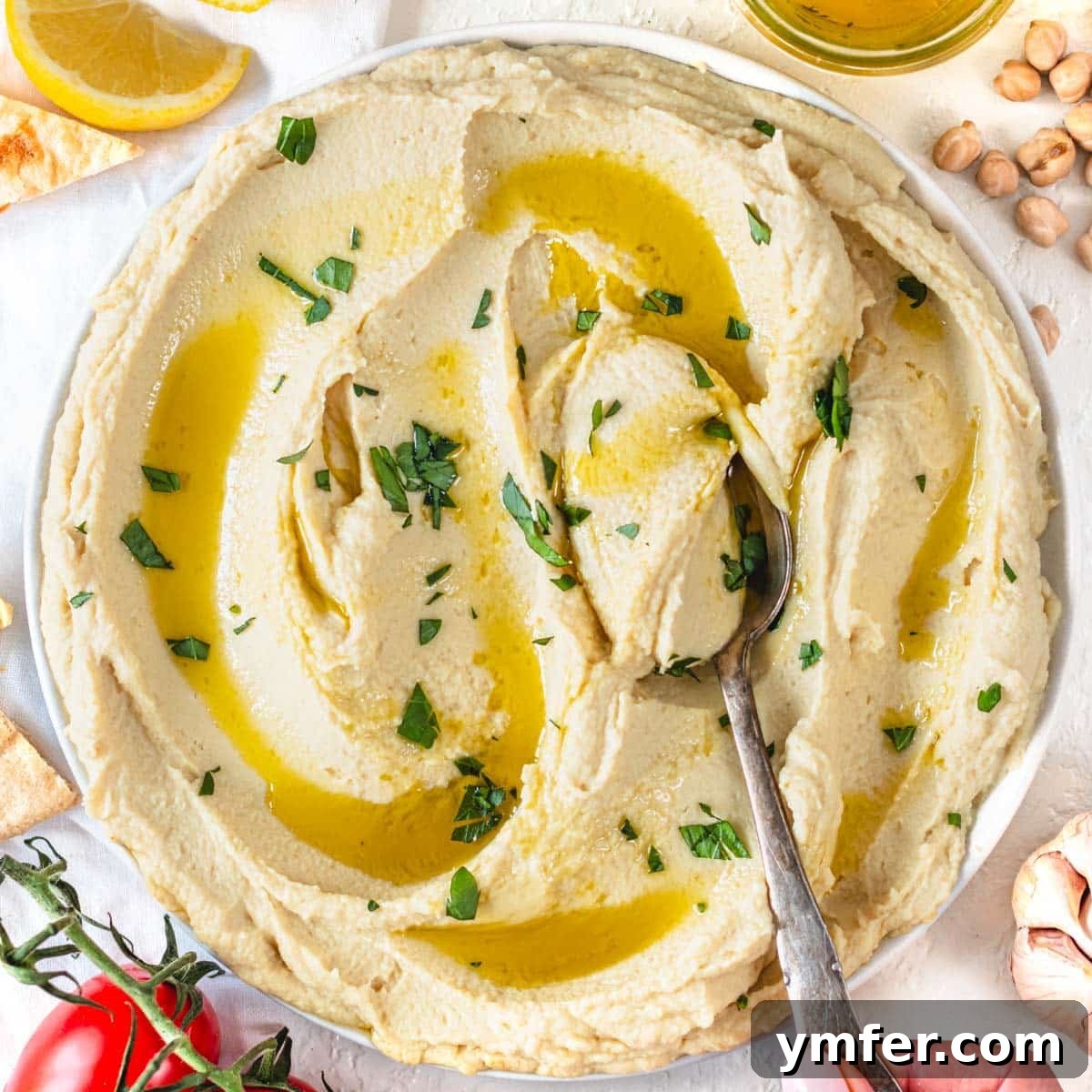
Creamy Hummus Without Tahini: Your Easy Guide to a Flavorful, Allergy-Friendly Dip
Discover how to create a remarkably creamy and flavorful hummus without the use of tahini. This recipe ensures a rich taste and smooth texture, proving that you don’t need sesame paste to enjoy a fantastic homemade hummus. Perfect for those with allergies or simply looking for a new twist on a classic dip.
Craving more quick and easy spreads and dips? Be sure to explore our recipes for refreshing tzatziki sauce, savory white bean dip, and spicy tirokafteri.
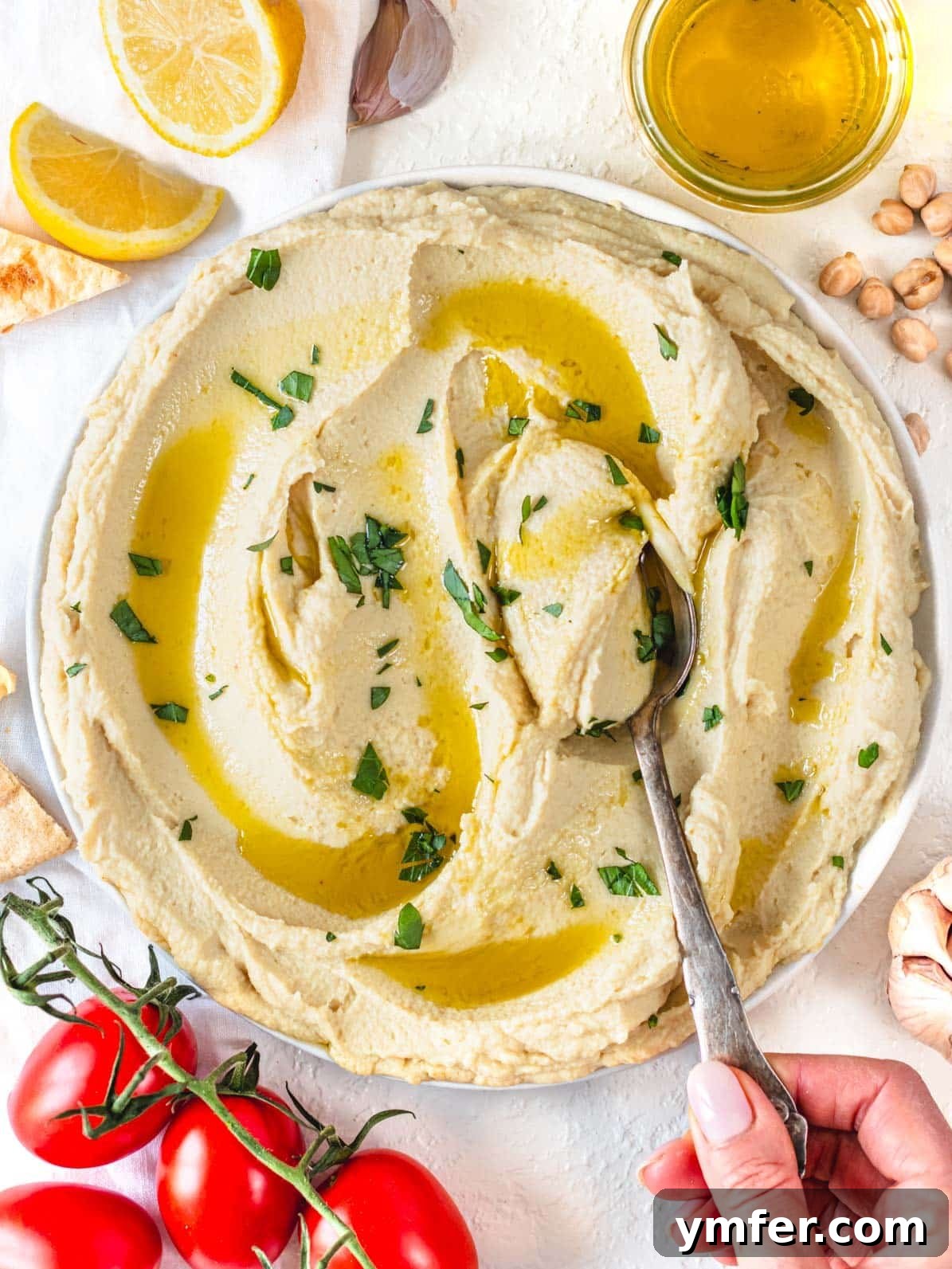
Dietary Note: This recipe is a fantastic choice for anyone following a vegetarian, vegan, or gluten-free diet, ensuring everyone can enjoy this delicious dip.
What is Hummus Without Tahini?
Traditional hummus, a beloved Middle Eastern staple, typically gets its distinctive nutty and earthy flavor, along with its rich creaminess, from chickpeas and tahini (sesame paste). While undeniably delicious, some people avoid tahini due to allergies, dietary preferences, or simply because they don’t have it on hand.
Our hummus without tahini offers a delightful alternative, achieving a wonderfully creamy texture and a deeply satisfying flavor profile without a single drop of sesame paste. Instead of relying on tahini, we unlock the full potential of chickpeas by infusing them with aromatic sautéed onion, fresh garlic, and fragrant rosemary. This strategic combination creates a hummus that is rich, full-bodied, and incredibly palatable, proving that tahini isn’t essential for an outstanding chickpea dip.
Hummus is also incredibly versatile! You can easily customize it to your liking. For instance, you could swap out the chickpeas entirely to create a unique lentil hummus or a creamy white bean hummus. Our specific tahini-free approach involves gently cooking chickpeas with onion, garlic, and rosemary for a few minutes before blending, a method we perfected through extensive testing. My colleague Louise and I meticulously refined this recipe over five attempts, confident that we’ve found the most delicious tahini-free hummus imaginable!
Essential Ingredients for Tahini-Free Hummus
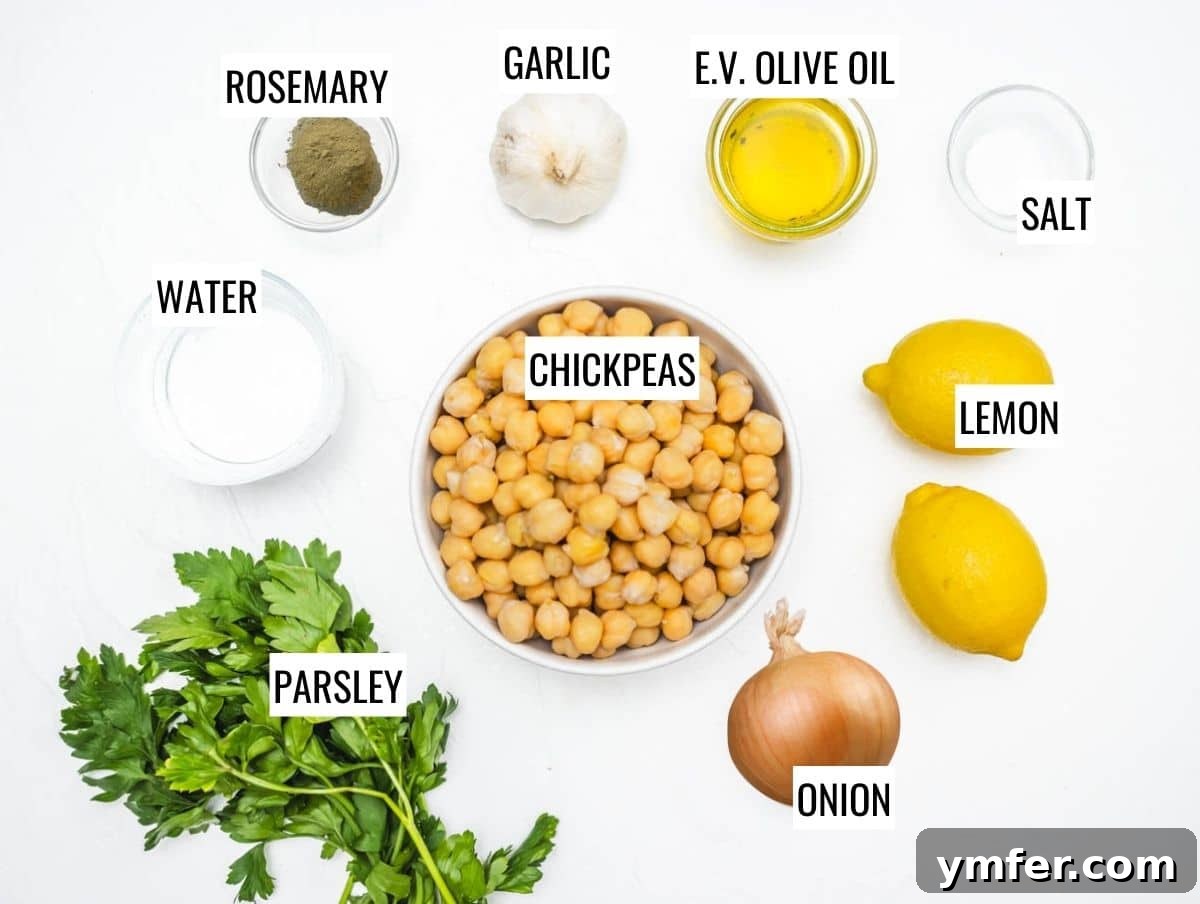
The secret to a truly outstanding hummus without tahini lies in selecting fresh, high-quality ingredients. Each component plays a crucial role in building the rich, nuanced flavors that make this dip so irresistible. You’ll find the precise quantities for each ingredient in the recipe box at the bottom of this page.
Chickpeas (Garbanzo Beans)
As the cornerstone of any hummus recipe, chickpeas (or garbanzo beans) provide the bulk and fundamental creamy texture. You have two excellent options for this tahini-free hummus:
- Canned Chickpeas: For convenience and speed, canned chickpeas are a fantastic choice. Simply drain and rinse them thoroughly under cold running water before use. This removes excess sodium and any canning liquid, ensuring a clean flavor.
- Dried Chickpeas: If you have more time, using dried chickpeas that you’ve soaked and cooked yourself can yield an even richer flavor and superior creamy texture. The extra effort is often rewarded with a more profound taste. For a comprehensive guide on preparing dried chickpeas from scratch, refer to our step-by-step instructions on how to cook chickpeas.
Extra Virgin Olive Oil
High-quality extra virgin olive oil is indispensable for this recipe. It serves a dual purpose: initially, it’s used to gently sauté the onion and garlic, building a foundational layer of flavor. Later, a generous drizzle over the finished hummus before serving adds a luxurious richness, a silky mouthfeel, and a beautiful sheen that enhances its appeal.
Onion
Whether you choose a white or yellow onion, this humble ingredient is a flavor powerhouse. When gently sautéed in olive oil, onion undergoes a magical transformation, releasing its natural sugars and developing a sweet, aromatic depth. In this tahini-free hummus, the caramelized onion is key to replacing the richness and complexity that tahini typically provides, contributing a savory, umami note that elevates the entire dip.
Garlic
Always opt for fresh garlic for the best results. Cooking it alongside the onion in olive oil allows its pungent notes to mellow into a sweet, aromatic essence, adding another layer of essential flavor and warmth to the hummus. Fresh garlic truly makes a difference compared to pre-minced varieties.
Rosemary
While perhaps an unconventional and non-traditional addition to hummus, rosemary works incredibly well with chickpeas. This aromatic herb imparts a distinctively fragrant, slightly piney flavor that complements the earthy chickpeas beautifully, a pairing often found in many Mediterranean recipes. Consider our delicious pasta e ceci, comforting chickpea soup, and hearty chickpea stew as prime examples. We typically use dried rosemary for convenience, but fresh rosemary sprigs, finely chopped, would also be excellent.
If you prefer a more classic Middle Eastern flavor profile, or if rosemary isn’t to your taste, you can easily substitute 1/2 teaspoon of ground cumin. Cumin offers an earthy, warm spice that is more typical in traditional hummus recipes and provides a wonderful alternative flavor.
Fresh Lemon Juice
Freshly squeezed lemon juice is vital for balancing the richness of the chickpeas and olive oil. Its bright, tangy notes cut through the creaminess, adding a refreshing zest that prevents the hummus from feeling heavy and makes it incredibly appetizing.
Salt
Seasoning is crucial for bringing out all the flavors. We recommend using sea salt or kosher salt, adjusted to your personal taste. For an extra layer of flavor, consider adding a couple of twists of freshly ground black pepper or a pinch of red pepper flakes for a subtle kick.
Water
Cold water is essential for achieving the perfect creamy consistency. The amount needed can vary depending on whether you use canned or dried chickpeas and how much moisture they retain. It’s best to start with 1/2 cup and gradually add more as you blend, until your hummus reaches your desired smoothness and creaminess.
Fresh Parsley
Fresh parsley serves as the perfect garnish, adding a burst of color and a fresh, herbaceous aroma that brightens the entire dish. Optionally, a light sprinkle of paprika can also provide an appealing visual contrast and a hint of smoky sweetness.
How to Prepare Creamy Hummus Without Tahini
Crafting this tahini-free hummus is straightforward and yields a remarkably flavorful result. For precise US cups and grams measurements, please refer to the recipe box at the bottom of the page.
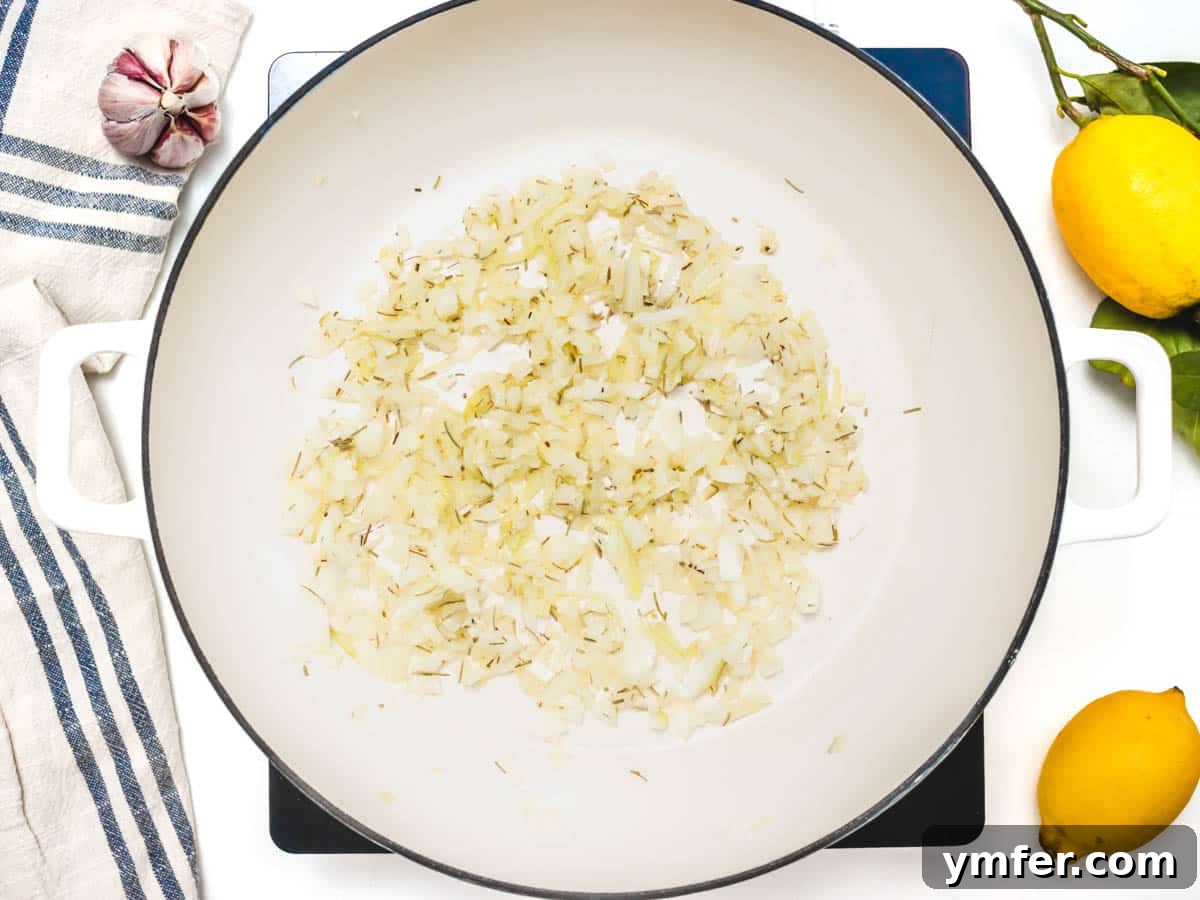
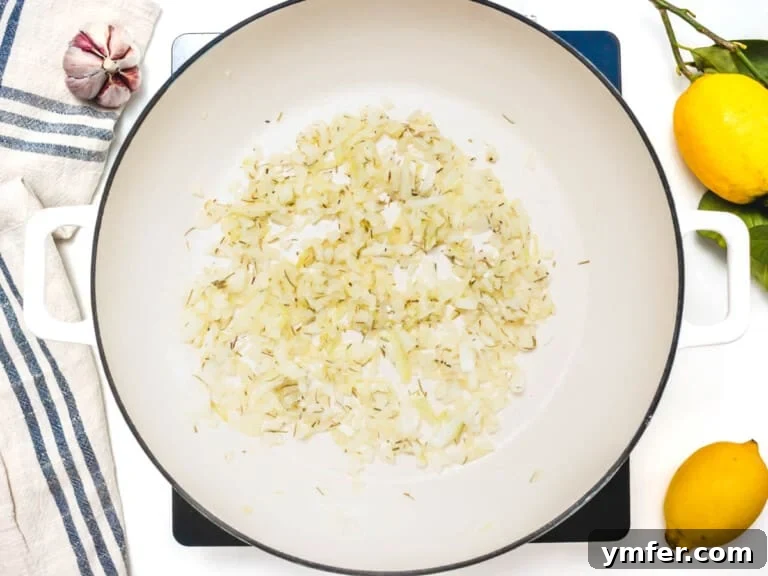
- Sauté Aromatics: Begin by heating the extra virgin olive oil in a skillet over medium heat. Add the finely chopped onion and sauté gently for about 3 minutes until it starts to soften and become translucent. Next, incorporate the grated fresh garlic and dried rosemary (or ground cumin if you prefer). Continue to cook for another 2 minutes, stirring frequently to prevent burning and allow the flavors to meld beautifully. The goal here is to soften the aromatics and build a deep flavor base.
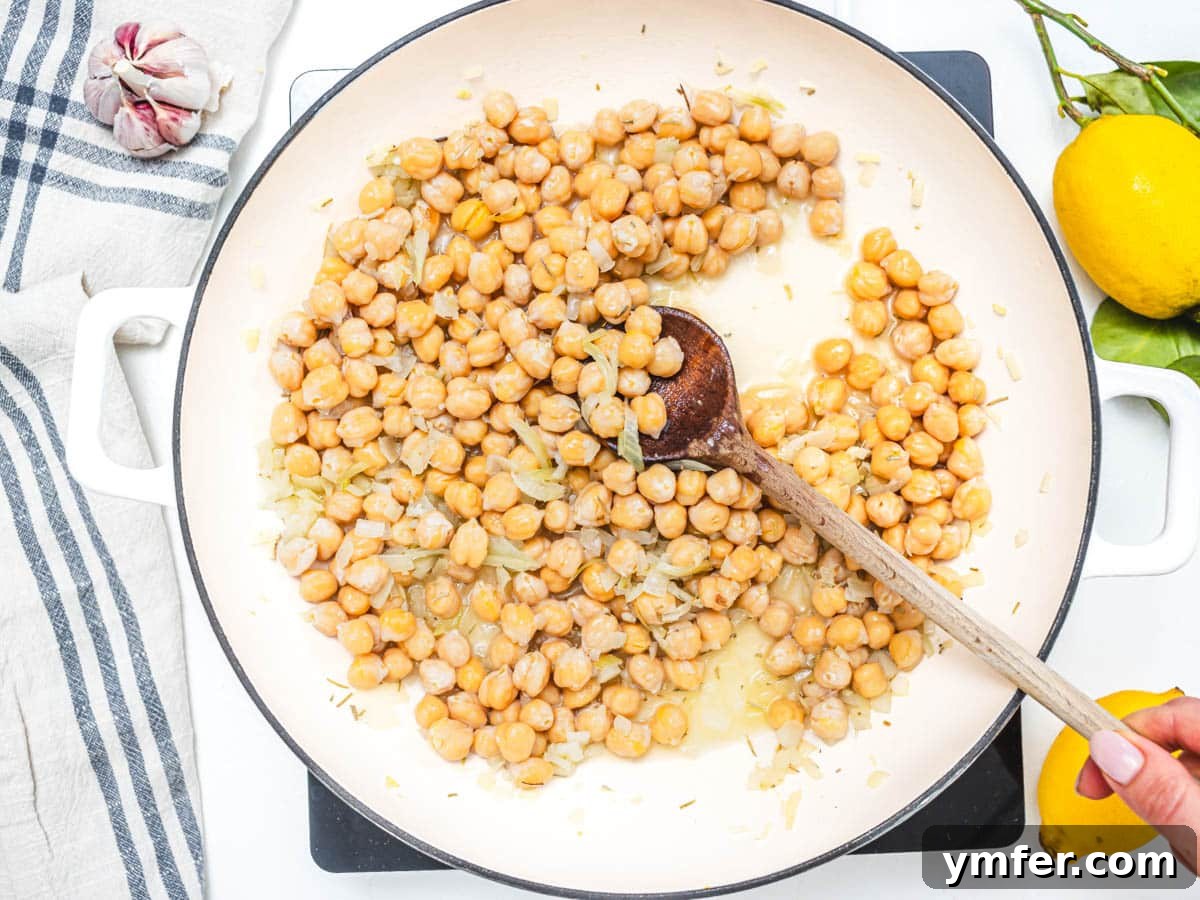
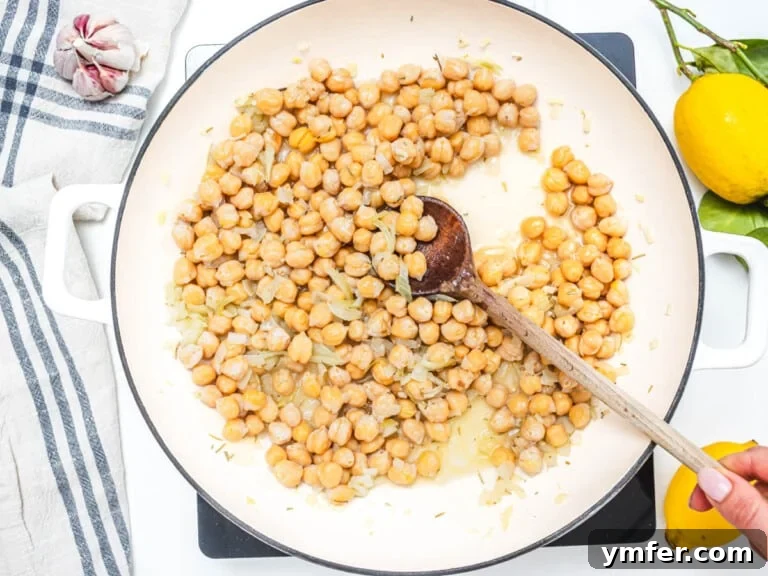
- Cook Chickpeas with Aromatics: Stir in the drained and rinsed chickpeas into the skillet with the sautéed aromatics. Season them with salt. Cook this mixture for approximately 5 minutes, allowing the chickpeas to absorb all the wonderful flavors from the onion, garlic, and rosemary. If the pan seems to dry out, add a small splash of water to keep the ingredients from sticking. This step is crucial for infusing the chickpeas with the rich taste that replaces tahini’s role.
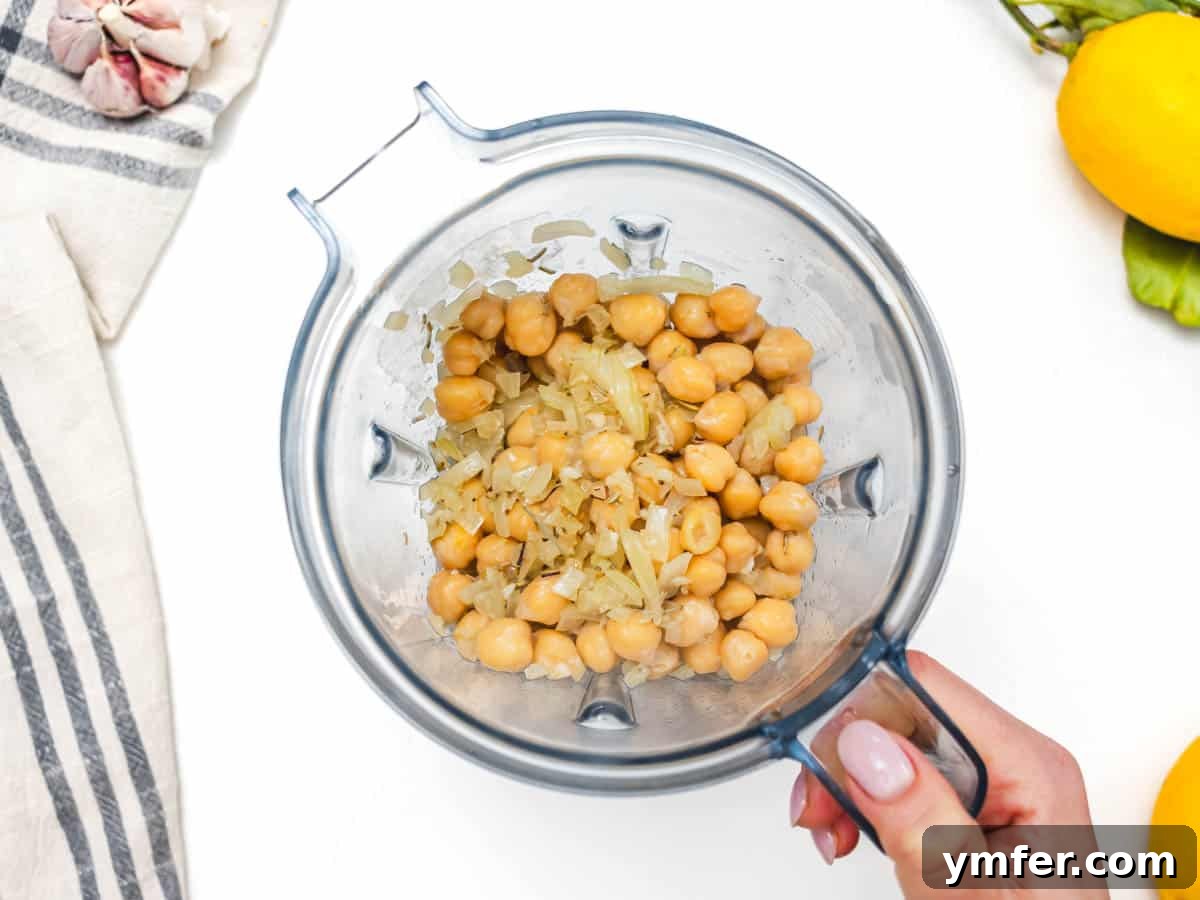
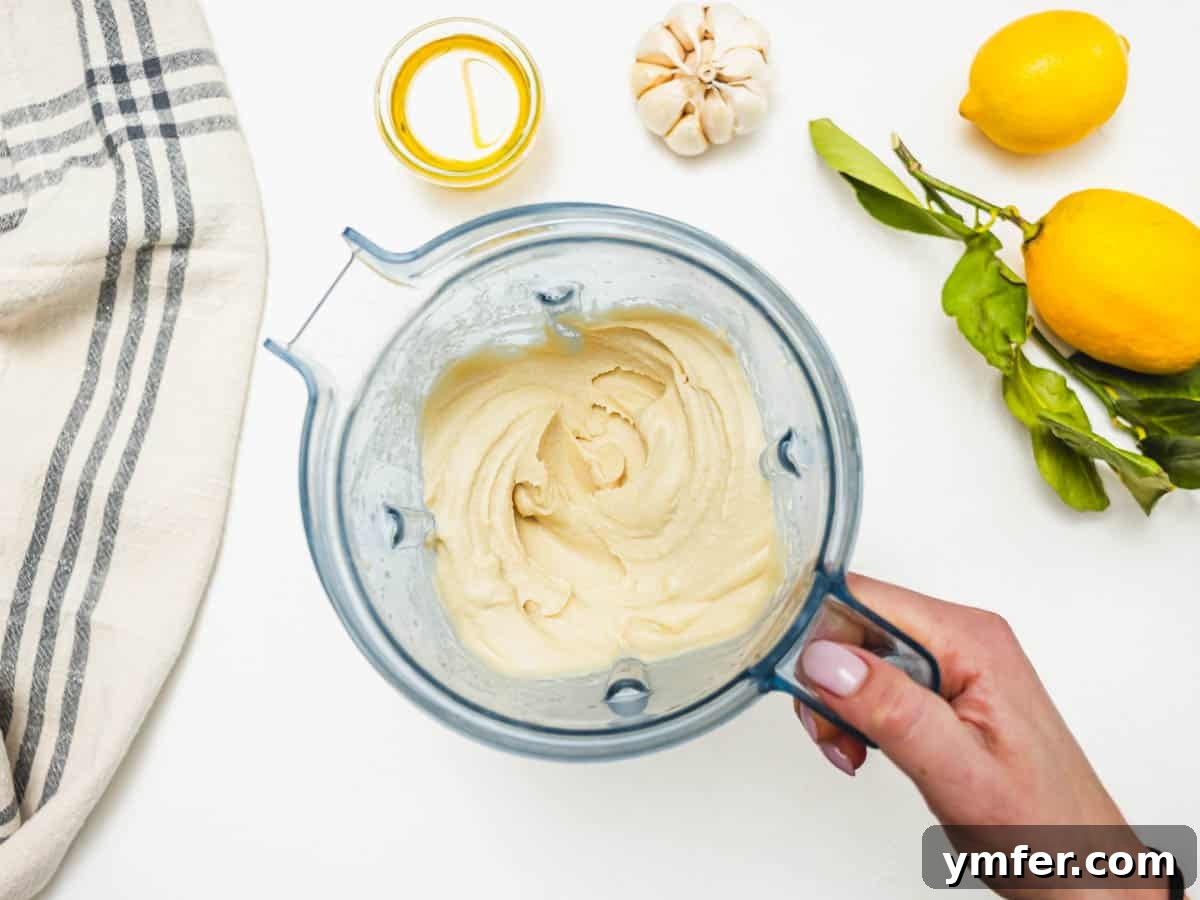
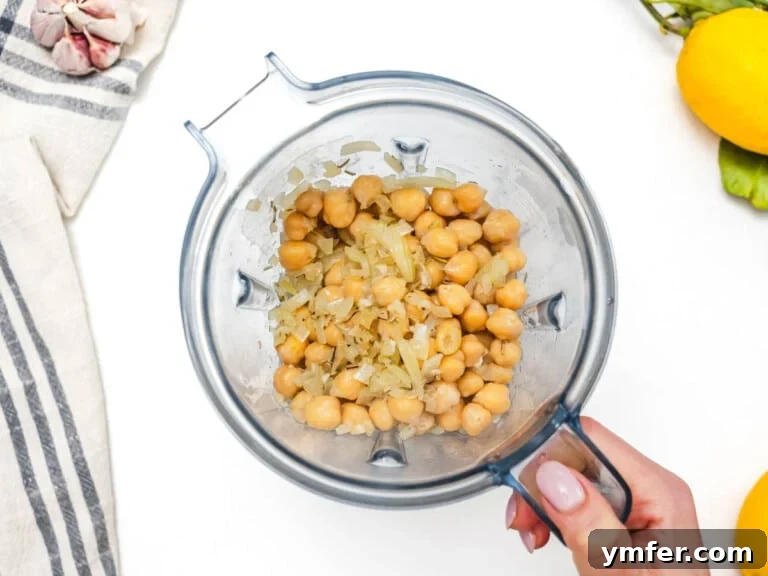
- Prepare for Blending: Let the chickpea and aromatic mixture cool down slightly to ensure optimal blending. Transfer the cooled mixture to a blender or a food processor. Add the freshly squeezed lemon juice and an initial 1 cup of cold water. Starting with cold water can help achieve a smoother, lighter texture.
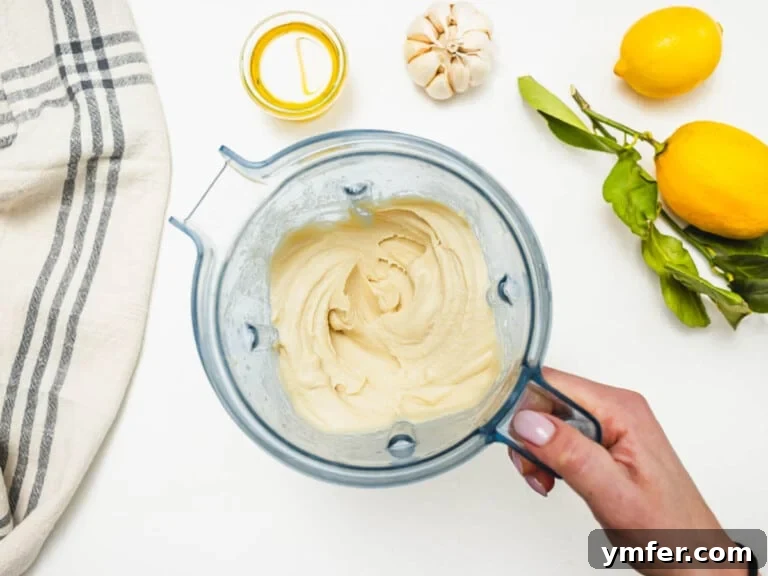
- Blend to Perfection: Blend the mixture for several minutes, or until it reaches a luxuriously smooth and creamy consistency. This may take longer than you expect, so be patient. It’s essential to continually assess the texture and add more water, a tablespoon at a time, until you achieve your desired creaminess. Once blended, taste the hummus and adjust the salt and lemon juice if needed, ensuring a perfectly balanced flavor.
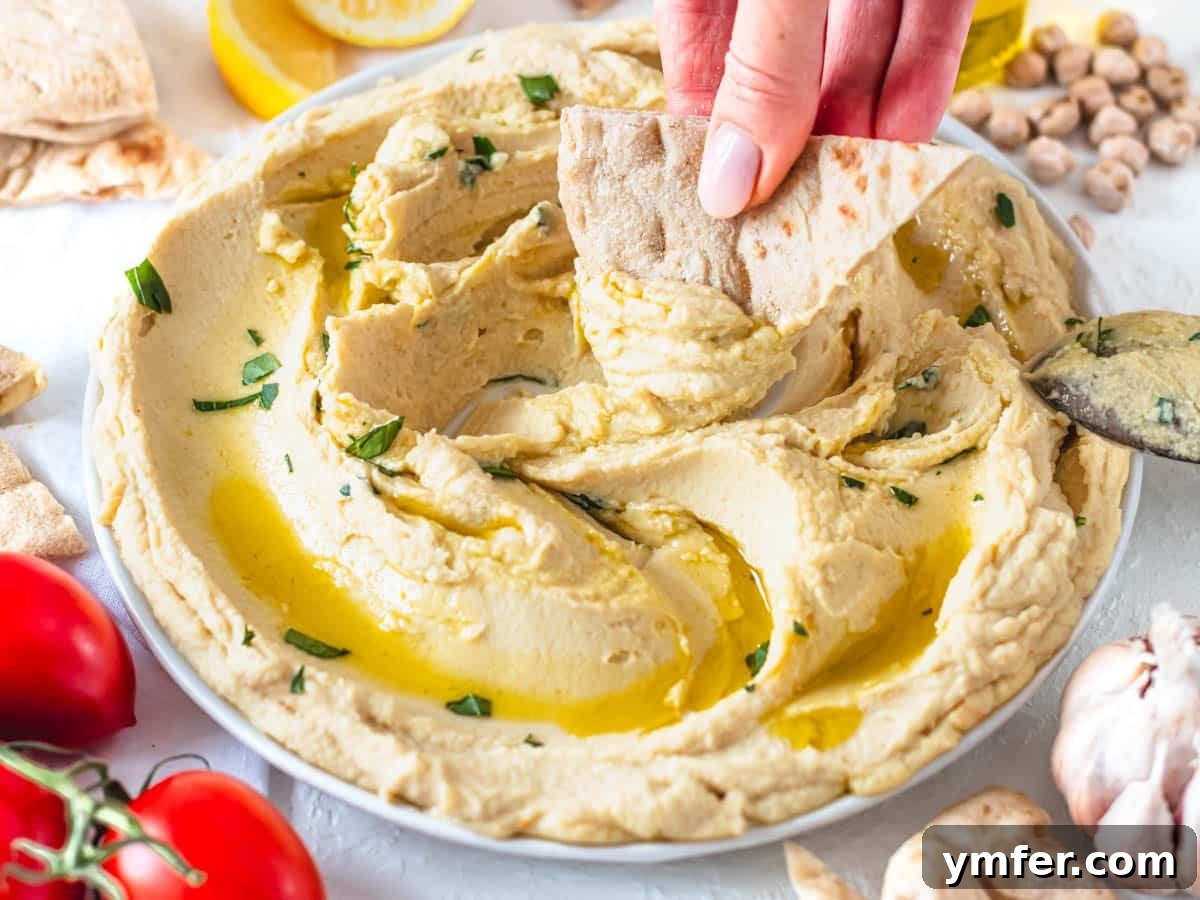
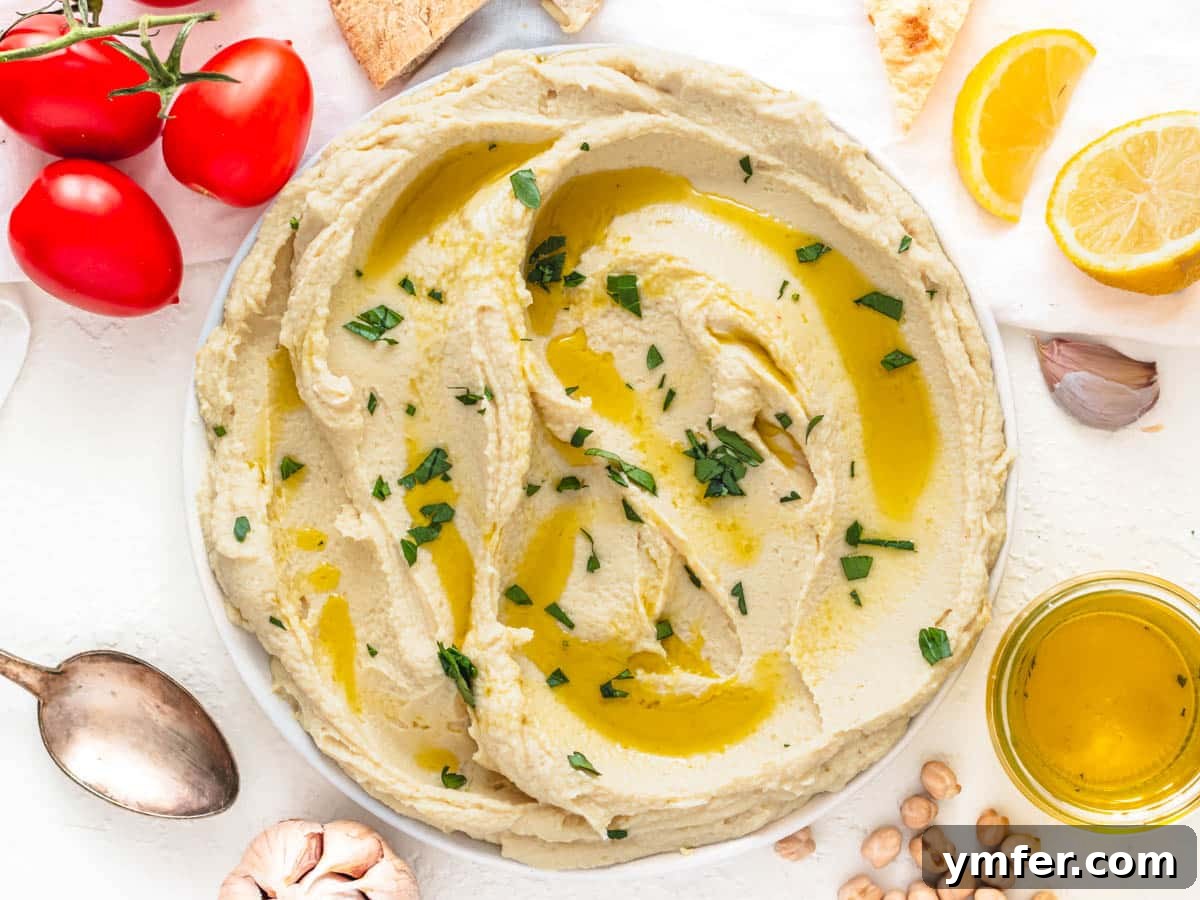
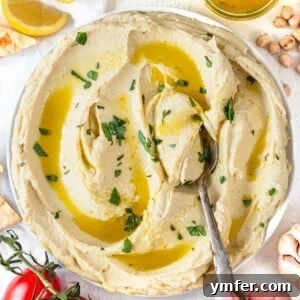
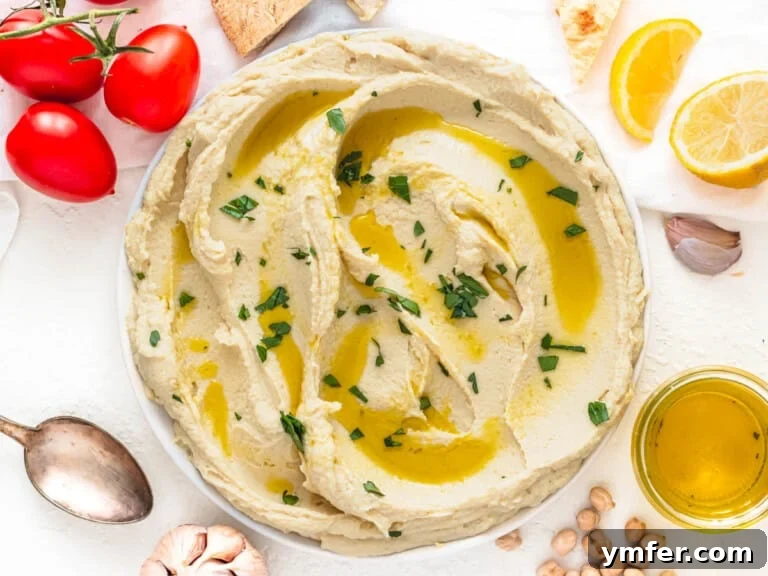
- Serve and Garnish: The most classic and delightful way to serve your homemade tahini-free hummus is to spread it elegantly on a plate or in a shallow bowl. Using the back of a spoon, create an appealing swirl pattern on top. Finish with a generous drizzle of high-quality extra virgin olive oil and a sprinkle of freshly chopped parsley. Serve immediately with warm pita bread, fresh vegetables, or your favorite crackers.
Creative Ways to Enjoy Your Tahini-Free Hummus
This creamy hummus without tahini is incredibly versatile and can be enjoyed in numerous ways beyond the traditional dip. Its rich, savory flavor makes it a perfect accompaniment to a variety of dishes and occasions.
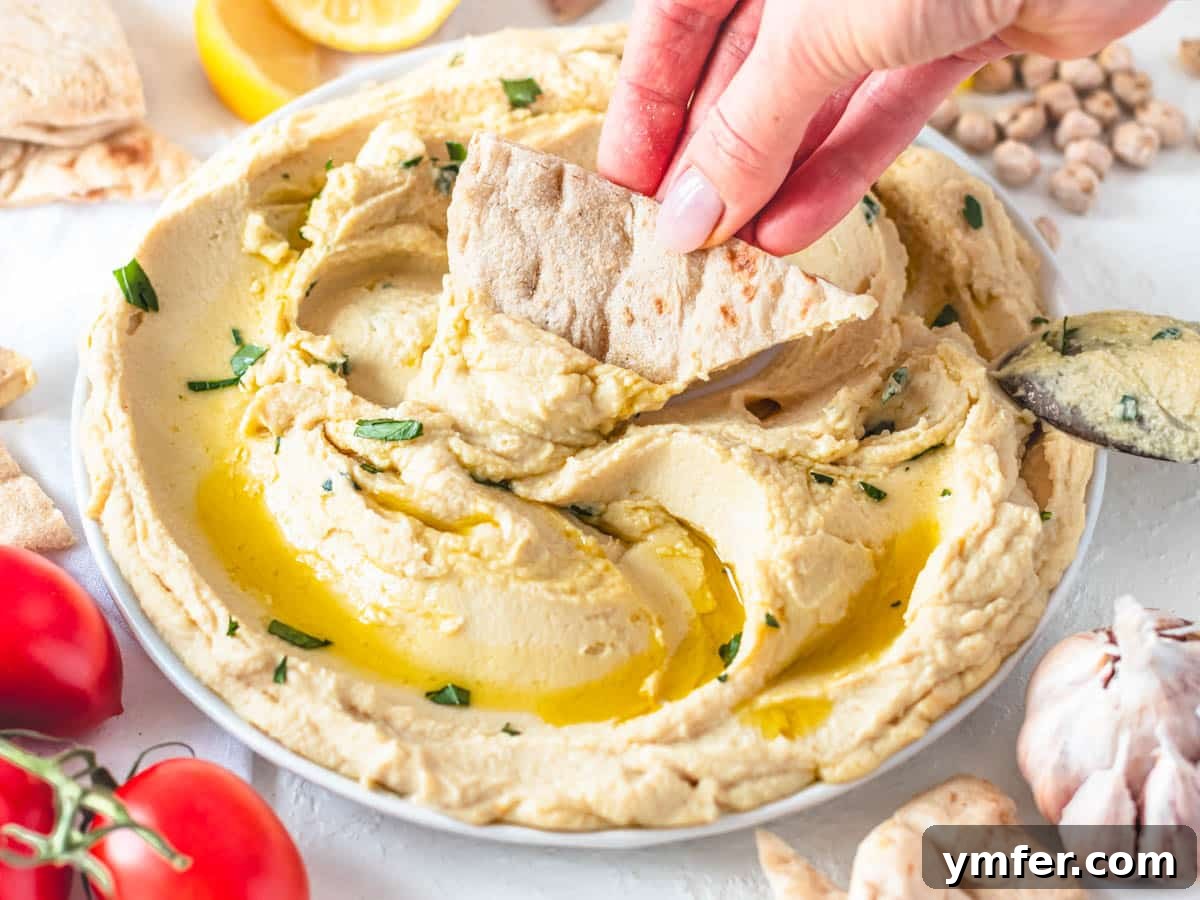
The most beloved method of serving hummus involves spreading it generously on a plate or in a shallow bowl, creating an artful swirl on top with a spoon. A final touch of good quality extra virgin olive oil adds richness and sheen, while a sprinkle of chopped fresh parsley provides a vibrant garnish. It’s then typically scooped up with warm, fluffy pita bread, making for a satisfying and flavorful snack or appetizer.
Elevate Your Meal with a Mezze Platter
For a truly impressive spread, consider incorporating your tahini-free hummus into a large mezze platter. This collection of small Middle Eastern and Mediterranean dishes is perfect for sharing and offers a delightful array of textures and flavors. Pair your hummus with:
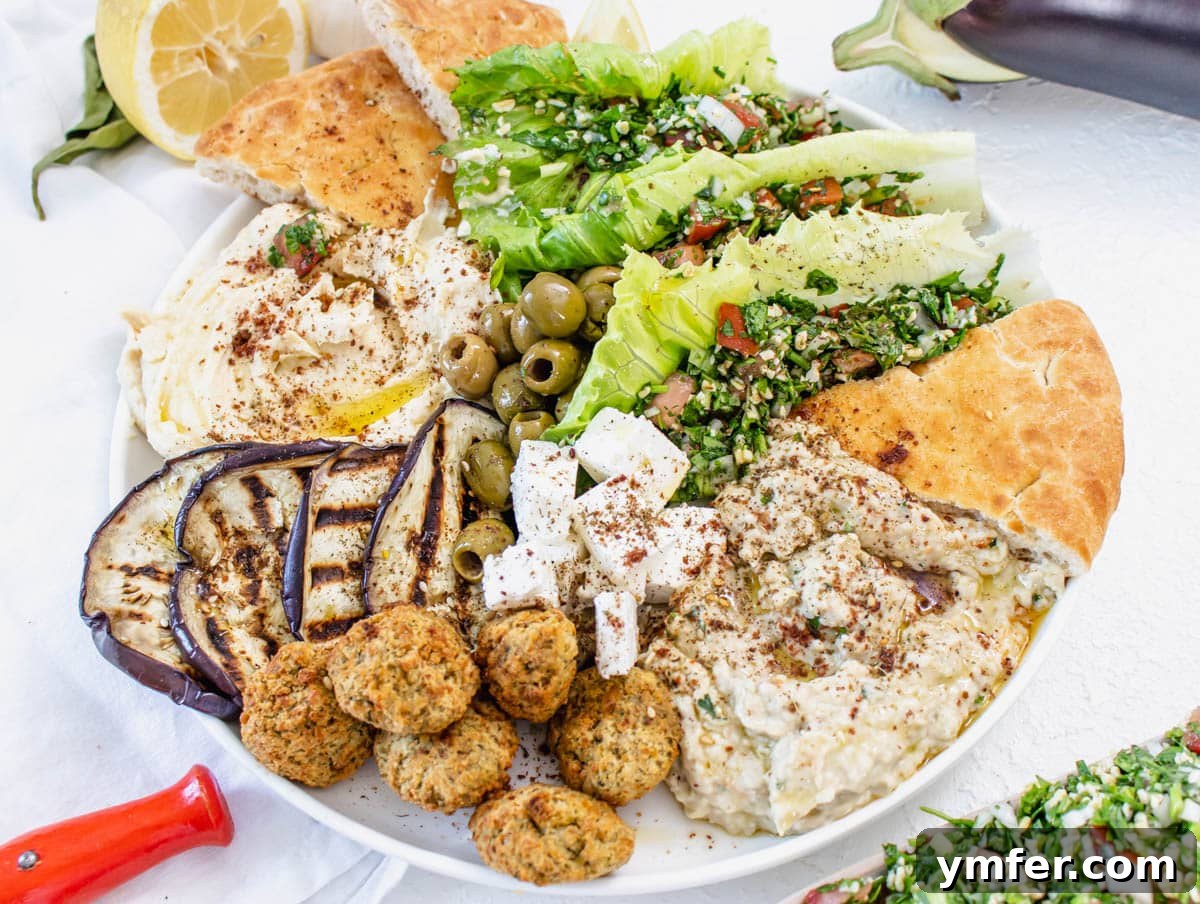
- Eggplant Dips: Complement the hummus with other creamy dips like Baba Ganoush or Mutabal, offering a smoky contrast.
- Fresh Salads: Add a refreshing element with a vibrant Tabbouleh salad or a hearty lentil tabbouleh.
- Crispy Bites: Serve alongside golden-brown homemade falafel for a delightful textural crunch.
- Grilled Vegetables: Include tender grilled eggplant or sweet grilled zucchini, lightly seasoned.
- Cheese and Olives: A bowl of salty feta cheese and assorted olives adds a classic Mediterranean touch.
- Pickled Delights: Brighten the platter with tangy pickled red onions or sweet pickled beets.
- As a Sandwich Spread: Use it as a healthy and flavorful alternative to mayonnaise or other spreads in sandwiches and wraps.
- With Raw Vegetables: A simple yet satisfying pairing with carrot sticks, cucumber slices, bell pepper strips, or cherry tomatoes.
Expert Tips for the Best Hummus Without Tahini
Achieving the perfect, velvety smooth texture and rich flavor in your tahini-free hummus is simple with a few key techniques:
- Embrace Dried Chickpeas for Superior Flavor: While canned chickpeas are a fantastic time-saver, using dried chickpeas that you’ve soaked and cooked from scratch offers a noticeable improvement in both flavor and texture. Dried chickpeas yield a creamier, more robust hummus with a deeper, earthier taste. The process is easy and mostly hands-off; simply check out our guide on how to cook dried chickpeas for detailed instructions.
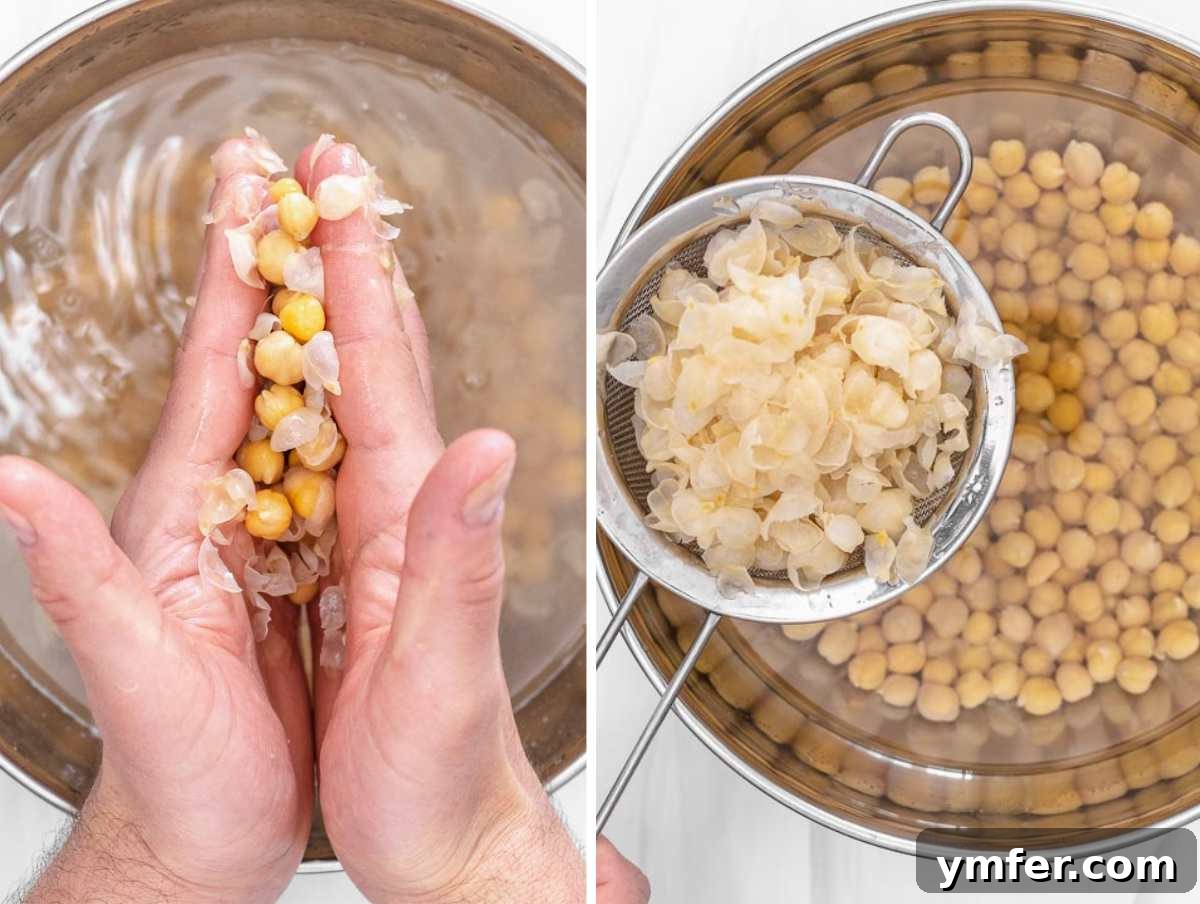
- Peeling Chickpeas for Ultimate Smoothness: For an exceptionally silky-smooth hummus, consider taking the extra step of peeling the thin skins off the chickpeas. While we don’t always do this for everyday hummus, it makes a significant difference in achieving a restaurant-quality texture. To peel them, simply place canned or cooked dried chickpeas in a bowl of water and gently rub them between your hands. The skins will loosen and float to the top, allowing you to easily discard them.
- Don’t Rush the Blending Process: For truly creamy hummus, blend for longer than you might think necessary. Allow your food processor or blender to run for several minutes, scraping down the sides occasionally. The longer you blend, the smoother and more airy your hummus will become.
- Adjust Water Gradually: The consistency of hummus is a matter of personal preference. Start with the recommended amount of water, but don’t hesitate to add more, a tablespoon at a time, until you reach your desired level of creaminess. Chickpeas can vary in moisture content, so trust your judgment.
- Chill for Enhanced Flavor: While delicious immediately, allowing your hummus to chill in the refrigerator for at least an hour before serving gives the flavors time to meld and deepen, resulting in an even more harmonious and enjoyable dip.
Storage & Make Ahead Tips
This tahini-free hummus is a fantastic candidate for meal prepping, allowing you to enjoy fresh, flavorful dip throughout the week with minimal effort.
- Make Ahead: Prepare a larger batch of hummus to save time during busy days. It holds up beautifully in the refrigerator for several days, making it an ideal component for healthy lunches and snacks.
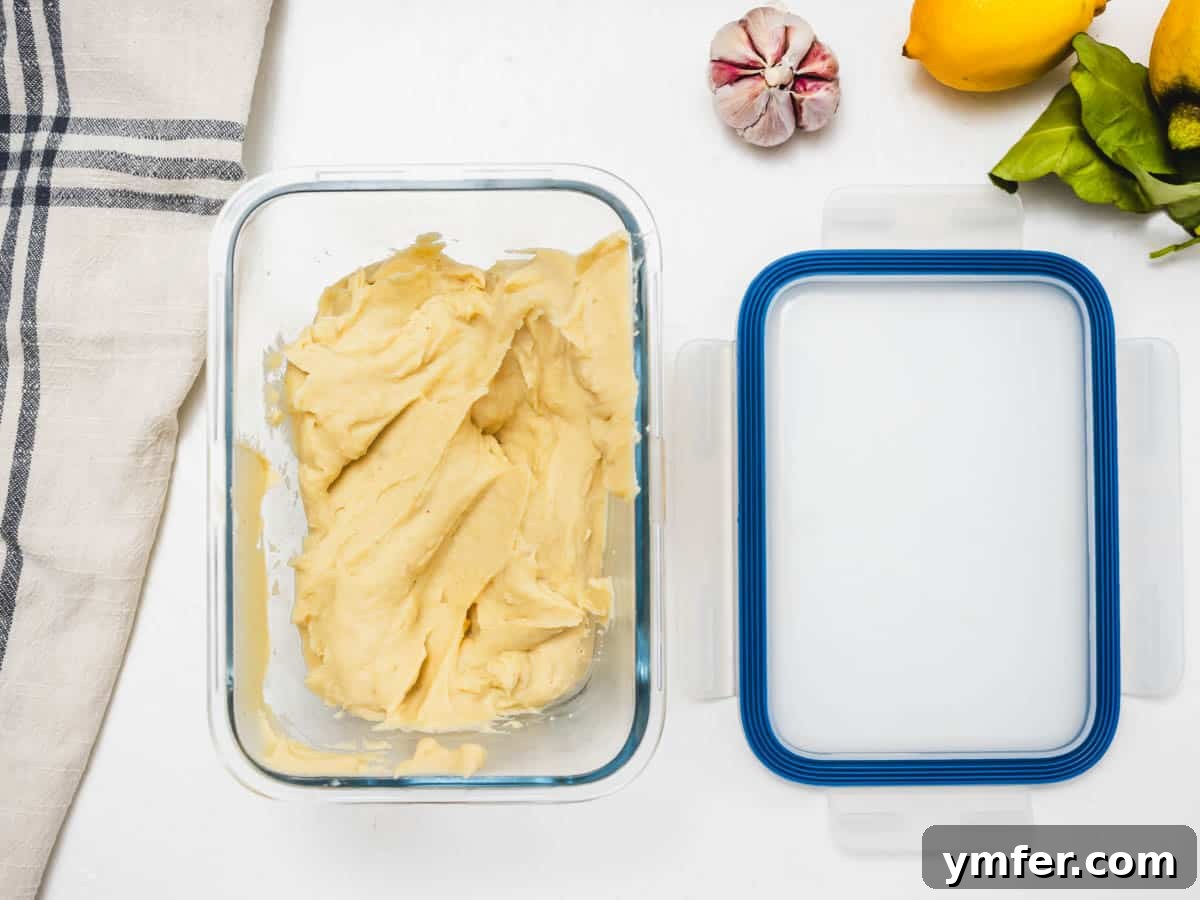
- Refrigerator Storage: Transfer your freshly made hummus to an airtight container. It will keep well in the refrigerator for up to 5 days. For the best flavor and texture, remove it from the fridge about 15 minutes before serving to allow it to come closer to room temperature. Alternatively, if you prefer it slightly warm, you can gently heat it in the microwave for 30 seconds. If the hummus appears too thick after refrigeration, simply stir in a splash of cold water until it reaches your preferred consistency.
- Freezer Storage: We generally do not recommend freezing hummus. The texture can become grainy and watery upon thawing, compromising the creamy quality we aim for in this recipe.
Explore More Delicious Chickpea Recipes
Chickpeas are incredibly versatile and nutritious, forming the basis for countless wholesome and delicious meals. If you’ve enjoyed this tahini-free hummus, you’ll love exploring these other chickpea-centric dishes:
- Hearty Harira Soup: A traditional Moroccan soup, rich with chickpeas, lentils, and spices.
- Masabacha (Swimming Chickpeas): A lesser-known but equally delightful warm chickpea dish, perfect for breakfast or a light meal.
- Easy Chickpea Salad: A quick and healthy alternative to tuna salad, great for sandwiches or wraps.
- Refreshing Pasta Salad with Chickpeas: A vibrant and satisfying pasta salad, packed with protein and fresh flavors.
- Aromatic Chickpea Curry: A comforting and flavorful curry, perfect served with rice or naan.
- Sweet Potato and Chickpea Stew: A warm and hearty stew, combining sweet potatoes with the earthy goodness of chickpeas.
One-pot Meals
Harira Soup
Salads
Chickpea Salad
Salads
Chickpea Pasta Salad
Curry Recipes
Chickpea Curry
Hummus Recipe Without Tahini
Our hummus recipe without tahini maintains the creamy texture of traditional Hummus and a rich and full flavor.
Tahini-free Hummus can be thin and bland if done incorrectly. This simple and versatile recipe shows you how to make it taste delicious with simple ingredients like olive oil, onion, garlic, and rosemary.
Share
Video
Watch a quick video demonstration of how to make this creamy hummus without tahini:
Equipment
- Blender or food processor
Ingredients
- 1 tablespoon extra virgin olive oil + more for drizzling on the hummus
- 1 medium onion chopped
- 1 clove garlic pressed
- ½ teaspoon dried rosemary or ground cumin
- 2 cans (15 ounces each) chickpeas drained, or 3 cups cooked chickpeas
- 3 tablespoons lemon juice or more to taste
- ½ teaspoon salt or more to taste
- 1 cup cold water add more until you reach your desired consistency
- 2 pinches parsley chopped
Serves well with
- 1 warm pita bread
Instructions
-
Heat 1 tablespoon extra virgin olive oil in a skillet, add 1 medium onion (chopped), and sauté it gently for 3 minutes.
Add 1 clove garlic (grated) and ½ teaspoon dried rosemary (or ground cumin) and cook for 2 more minutes, stirring often.

-
Stir in 2 cans (15 ounces each) chickpeas, drained and rinsed, season them with ½ teaspoon salt, and cook them with the onion for 5 minutes, adding a splash of water if the pan gets dry.
-
Let the chickpeas cool down slightly, then add them to a blender or food processor with 3 tablespoons lemon juice and 1 cup cold water.
-
Blend for a few minutes or until smooth. You must add more water to reach your desired texture and consistency. Taste and adjust for salt.
-
The most common way of serving Hummus is to spread it on a plate or in a bowl.
Swirl the top with a spoon, drizzle with good quality extra virgin olive oil, garnish with 2 pinches parsley (chopped), and eat it with 1 warm pita bread.
Notes
Nutrition information is an estimate for 1 large serving of hummus without tahini out of 4 servings without pita bread.
STORAGE & MAKE AHEAD
Make ahead: Hummus without tahini is an excellent recipe for meal prep, as you can keep it in the fridge for almost a week.
Refrigerator: Transfer the Hummus to an airtight container and store it in the fridge for up to 5 days. Take it from the refrigerator 15 minutes before eating, or warm it in the microwave for 30 seconds so it’s not fridge-cold. If it is too thick on the second day, you can stir in a splash of water.
Freezer: We don’t recommend freezing Hummus.
ALSO ON THIS PAGE
- What is hummus without tahini?
- Ingredients & Substitutions
- Serving suggestions
- Tips
- More chickpea recipes
Nutrition
Carbohydrates: 35g,
Protein: 11g,
Fat: 7g,
Saturated Fat: 1g,
Polyunsaturated Fat: 2g,
Monounsaturated Fat: 3g,
Trans Fat: 0g,
Cholesterol: 0mg,
Potassium: 392mg,
Dietary Fiber: 9g,
Sugar: 7g,
Vitamin A: 75IU,
Vitamin B6: 0.2mg,
Vitamin C: 9mg,
Vitamin E: 1mg,
Vitamin K: 15µg,
Calcium: 68mg,
Folate: 206µg,
Iron: 3mg,
Manganese: 1mg,
Magnesium: 60mg,
Zinc: 2mg
Tried this recipe?Leave a comment below or mention @theplantbasedschool on Instagram. We love hearing from you! ⭐️ 💚
If you loved this Hummus without tahini, you might also enjoy these other plant-based delights:
Collections
40 Chickpea Recipes
Mains
Mediterranean Diet Recipes
Mains
40 High Protein Vegetarian Meals
Collections