
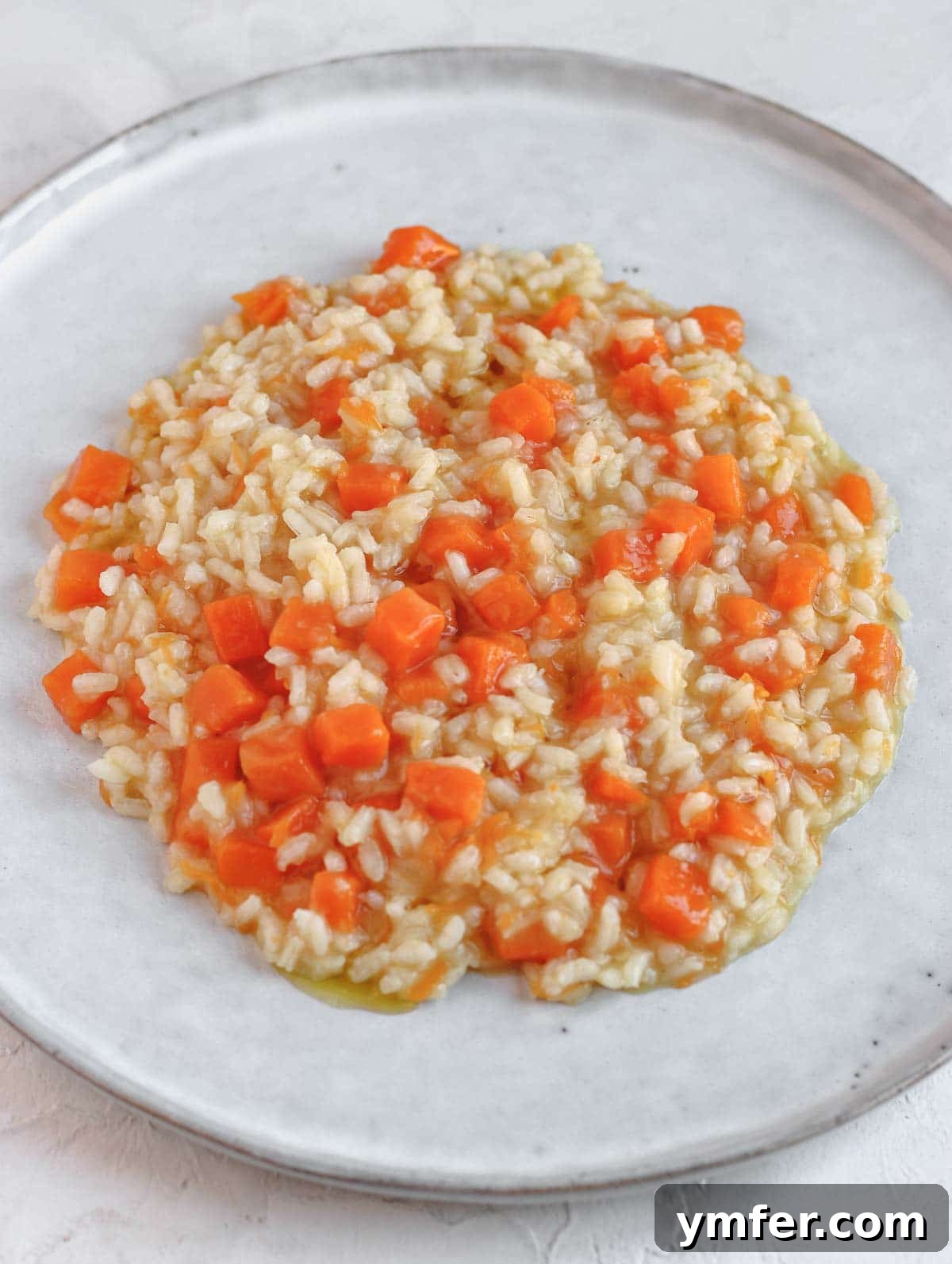
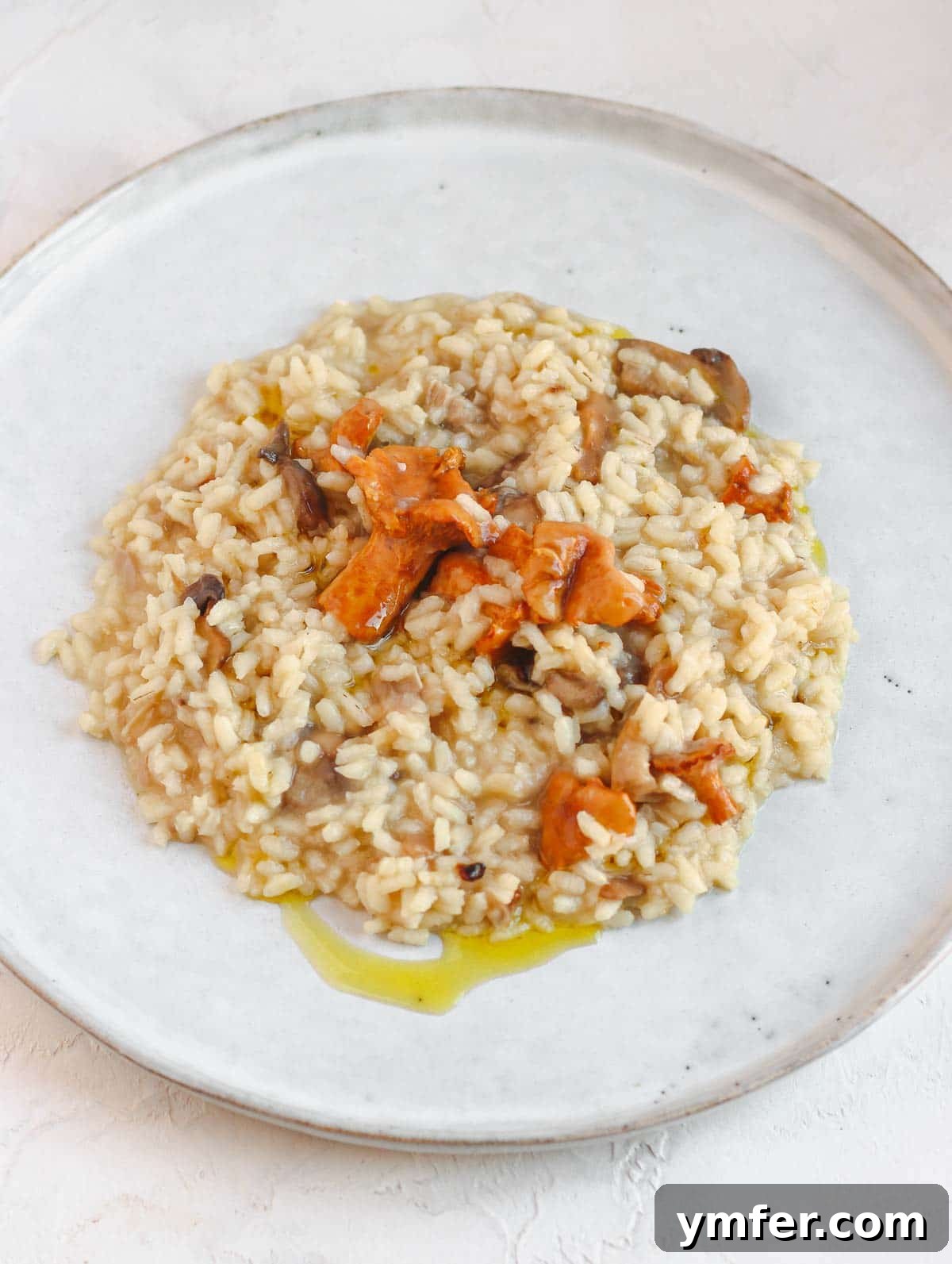
Mastering a truly creamy and flavorful vegan risotto is simpler than you might imagine. This comprehensive guide demystifies the process, demonstrating how effortlessly you can create an exquisite plant-based risotto using virtually any fresh vegetable you have on hand. Whether you’re craving the delicate bite of asparagus, the earthy notes of mushrooms, the subtle sweetness of pumpkin, or the tender texture of zucchini and peas, this recipe is your gateway to a quick, satisfying, and utterly delicious meal.
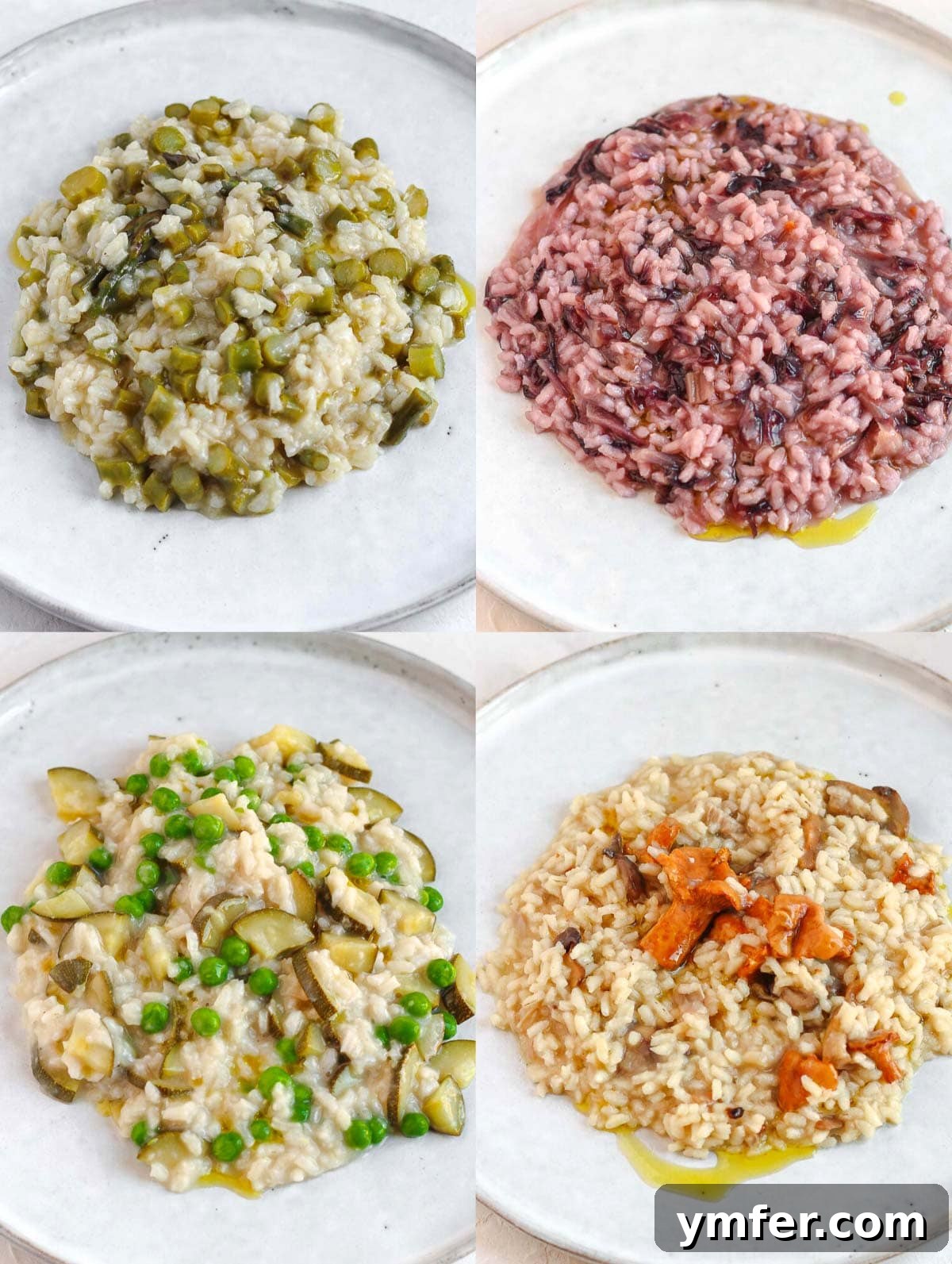
Forget the myth that gourmet risotto demands hours of labor and countless pots. We’re here to revolutionize your dinner routine with an accessible, everyday recipe that brings a restaurant-quality experience to your table in approximately 20 minutes of active cooking. This isn’t just a recipe; it’s a testament to the joy of simple, flavorful vegan cooking.
Table of Contents
- The Art of Vegan Risotto: A Culinary Journey
- A Brief History of Risotto
- Key Ingredients & Smart Substitutions
- Crafting Your Vegan Risotto: Step-by-Step Guide
- Elevate Your Plate: Serving Suggestions
- Expert Tips for the Perfect Risotto
- Frequently Asked Questions
- Storage and Leftovers
- Similar Plant-Based Recipes
- The Ultimate Vegan Risotto Recipe
The Art of Vegan Risotto: A Culinary Journey
From my early days in cooking school, risotto held a special place in my heart. The intricate techniques and the sheer satisfaction of transforming humble rice into a luxurious, creamy dish were captivating. However, the traditional methods, while rewarding, often proved too time-consuming and involved for the demands of daily cooking.
This insight sparked a mission: to create a risotto recipe that retained all the flavor and creaminess of its classic counterpart but was significantly streamlined for the modern, busy home cook. Our goal was to develop a method that requires minimal cleanup, uses fewer pots, and celebrates the incredible versatility of vegetables, all while delivering a delightful meal in under half an hour. We believe we’ve achieved just that, allowing you to enjoy gourmet vegan risotto any night of the week.
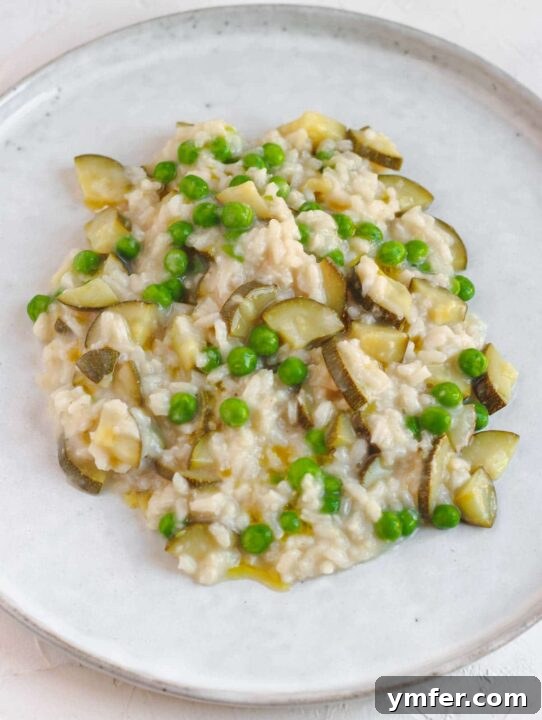
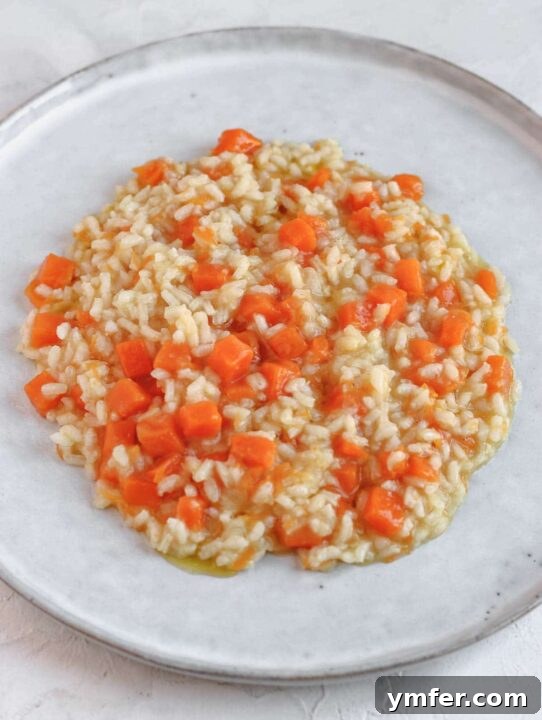
Our simplified approach begins with the vegetables themselves. By finely dicing them and cooking them directly with the rice from the very beginning, we eliminate the need for extra pans and ensure that their natural flavors and juices are fully integrated into the risotto. This simultaneous cooking process not only infuses the rice with rich, aromatic depth but also saves valuable time and effort.
The secret to achieving that signature creamy texture lies in two crucial elements: using the right type of rice and adding liquid gradually. Risotto rice varieties, packed with starch, are essential. As the rice gently simmers and is stirred, this starch is slowly released, creating a naturally velvety consistency without the need for dairy or heavy creams. This elegant technique is what transforms simple ingredients into a comforting and luxurious dish.
A Brief History of Risotto
When one thinks of risotto, images of Italy’s northern regions, particularly around Milan, often come to mind. It’s a dish synonymous with Italian culinary heritage, celebrated for its rich, creamy texture and comforting warmth. However, the true origins of rice in Italy, and subsequently risotto, are a fascinating journey that few are aware of.
Rice cultivation and consumption were most likely introduced to Italy by the people of Catalonia (modern Spain) during the 14th century, specifically around 1400, following their conquest of Naples. From this historical pivot, rice began its integration into Italian cuisine. The fertile plains of northern Italy, with their abundant water resources, proved ideal for rice cultivation, leading to its widespread adoption.
Over centuries, Italian chefs and home cooks experimented with rice, developing a myriad of dishes. Risotto emerged as a distinctive preparation method, characterized by its unique cooking technique where rice is slowly cooked in broth, releasing its starches to create a smooth, creamy consistency. This evolution from a staple grain introduced by foreign powers to a celebrated national dish highlights Italy’s profound culinary creativity and ability to transform ingredients into iconic gastronomy.
Key Ingredients & Smart Substitutions
The beauty of this vegan risotto recipe lies in its adaptability. While specific ingredients are recommended for optimal flavor and texture, many can be swapped to suit your pantry or dietary preferences. Here’s a detailed look at what you’ll need and how to make it your own:
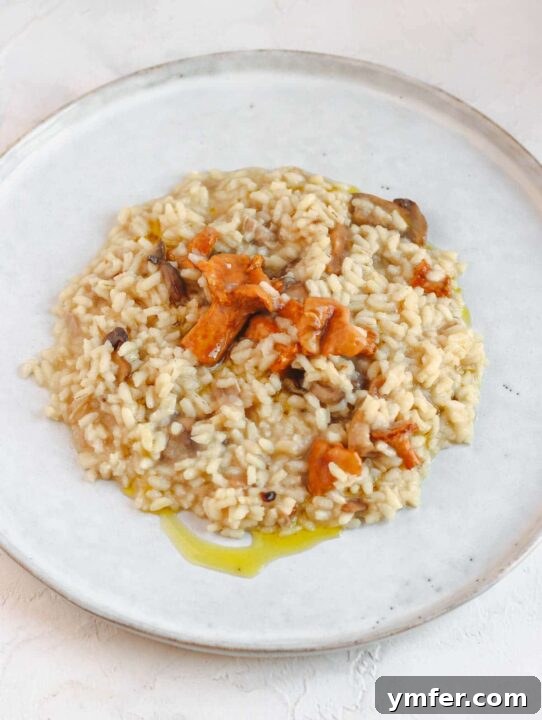
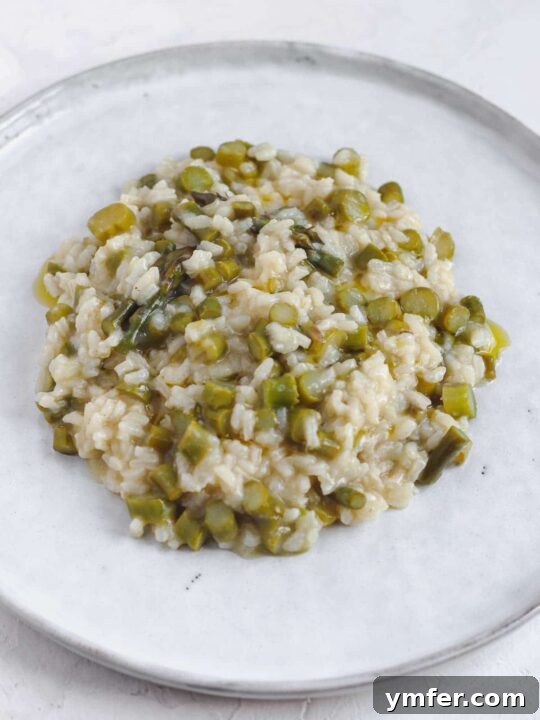
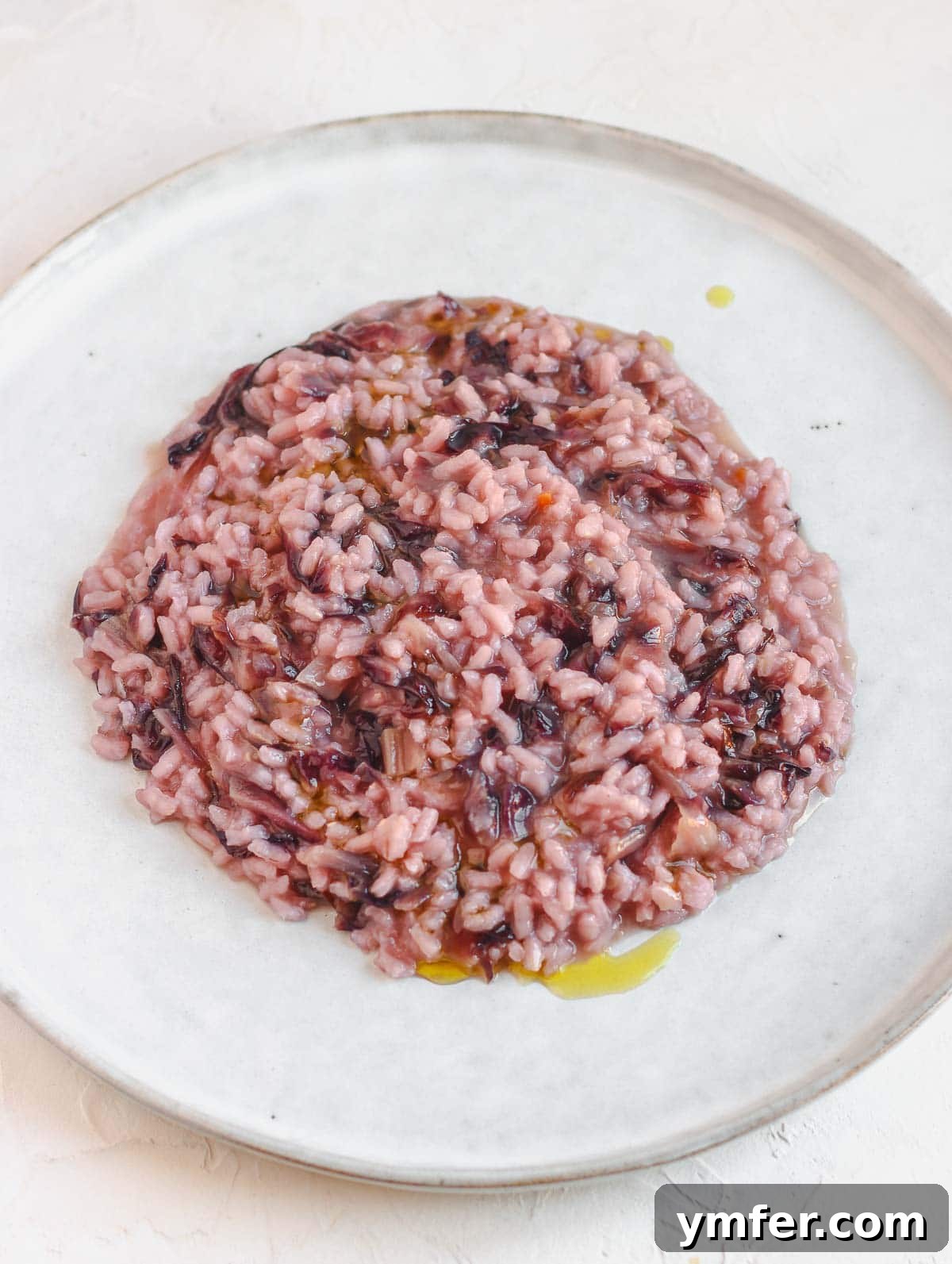
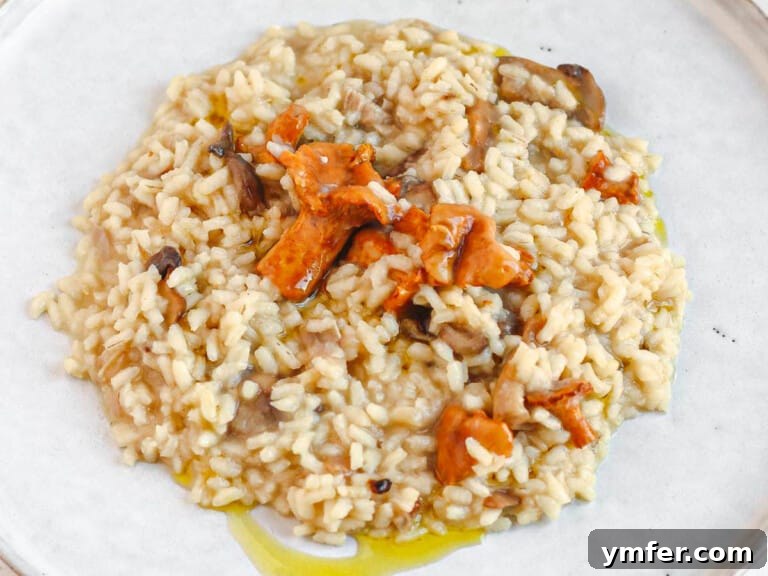
- Your Vegetable of Choice: This recipe truly thrives on versatility. We’ve had fantastic results with a wide array of vegetables including crisp asparagus, earthy mixed mushrooms, delicate zucchini, sweet peas, hearty pumpkin, slightly bitter chicory, and tender artichokes. Feel empowered to experiment with your favorite seasonal produce. Both fresh and frozen vegetables work wonderfully here, making it a convenient meal year-round. Don’t hesitate to combine multiple vegetables for a richer flavor profile – imagine zucchini with peas, sun-dried tomatoes with red peppers, or a delightful blend of mushrooms and asparagus.
- Risotto Rice: This is arguably the most critical ingredient for authentic creaminess. Risotto rice varieties like Arborio, Carnaroli, Vialone Nano, or Roma are specifically cultivated for their high starch content, which is released during cooking to create the desired velvety texture. You can typically find these in most major supermarkets today. If true risotto rice is unavailable, a short-grain white rice is your next best option. Avoid long-grain varieties like jasmine or basmati, as they lack the necessary starch and will result in a drier, less creamy dish.
- White Onion: Finely chopped white onion forms the aromatic base of our risotto. Sautéing it gently in olive oil builds a foundational layer of flavor, adding sweetness and depth that permeates the entire dish. Its subtle notes are essential for a well-rounded taste.
- Dry White Wine: A splash of dry white wine is used to deglaze the rice, adding a crucial layer of acidity that brightens the flavors and acts as a natural enhancer. The alcohol evaporates during cooking, leaving behind only its nuanced character. If you prefer to avoid alcohol, an equal amount of fresh lemon juice is an excellent substitute, providing that vital acidic counterpoint.
- Vegan Butter: Added at the very end, vegan butter (or margarine) is key to the traditional “mantecatura” process, which lends an extra touch of richness and creamy indulgence to the finished risotto. For a lighter, lower-fat option, a swirl of extra virgin olive oil works beautifully, or a dash of unsweetened soy milk can provide a similar smooth texture without the added fat.
- Vegetable Stock: A good quality vegetable stock is the backbone of any great risotto. You have several options:
- Bouillon Cubes or Powder: The quickest and most convenient option.
- Pre-made Liquid Stock: Readily available in cartons.
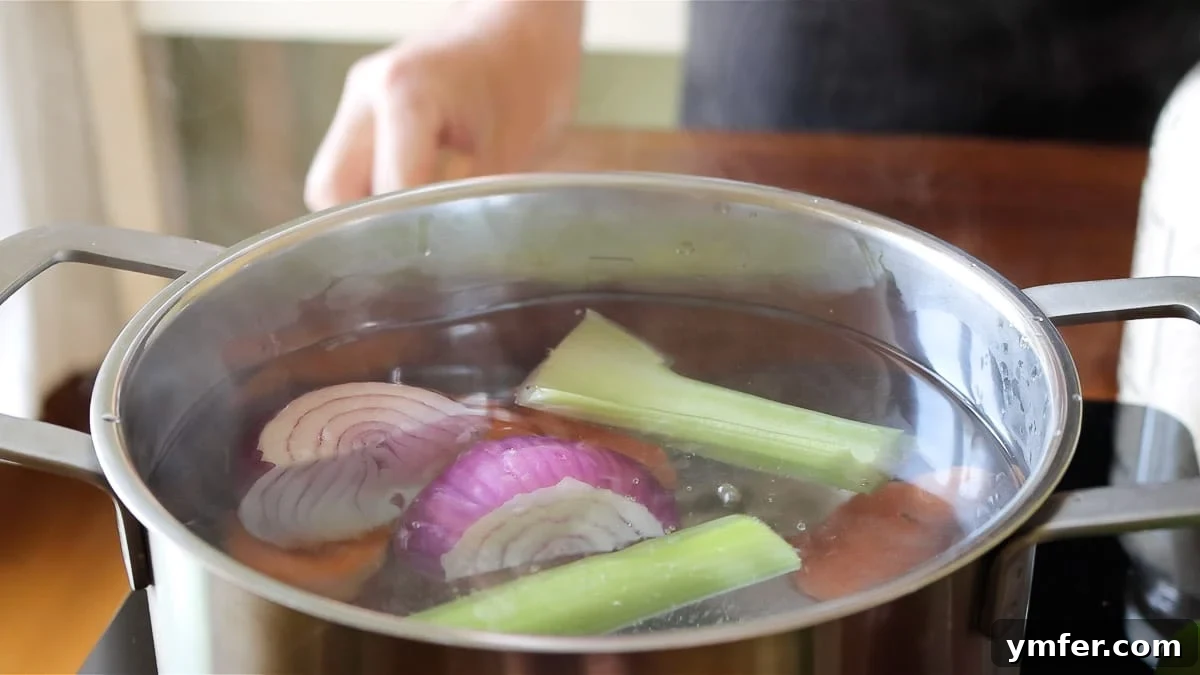
- Homemade Stock: For the deepest flavor, simply simmer one carrot, one onion, and one celery stalk in water.
No matter your chosen method, here’s an invaluable tip for an even more flavorful stock: incorporate the clean scraps of the vegetables you’re using for your risotto. Woody asparagus ends, pumpkin skin, zucchini tops, or potato peels can all be added to the simmering stock, enriching it with complementary flavors.
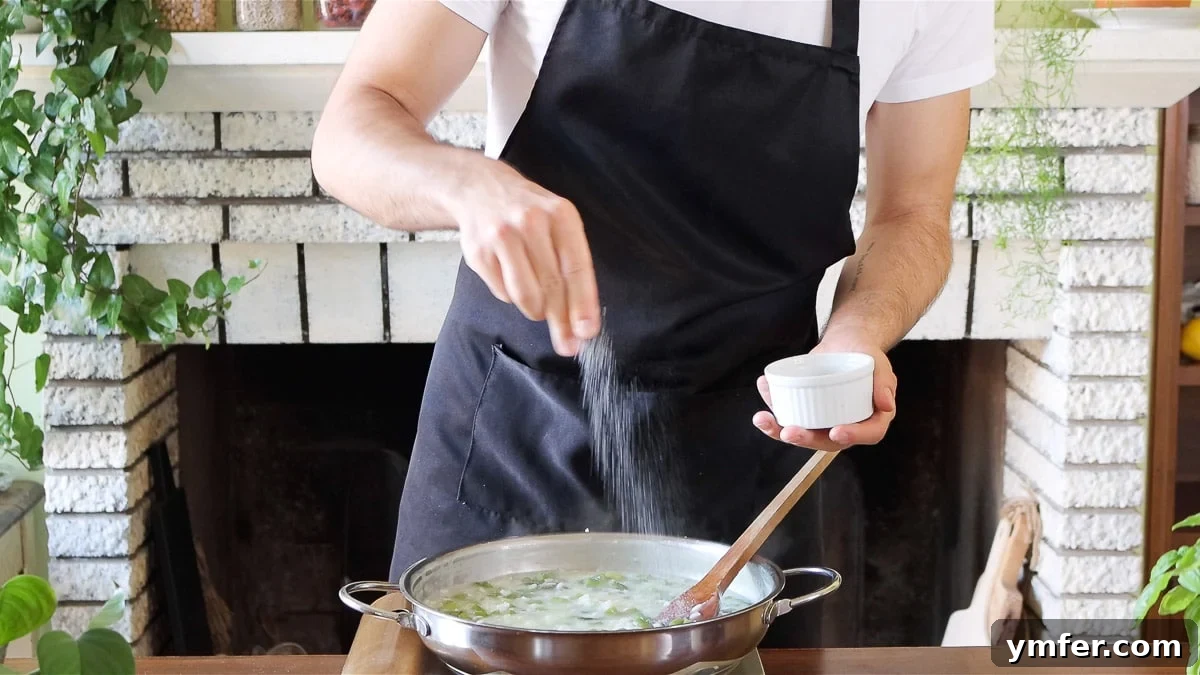
Seasoning the stock lightly with salt is also advisable, but proceed with caution. A small pinch enhances flavor, but too much can make your final risotto overly salty. Always taste the risotto before serving and adjust the seasoning as needed, remembering that you can always add more salt, but you can’t take it away.
Crafting Your Vegan Risotto: Step-by-Step Guide
Follow these simple steps to create a show-stopping vegan risotto that’s bursting with flavor and perfectly creamy every time.
- Prepare the Broth: Begin by preparing your vegetable broth. In a medium pot, add the water and either a tablespoon of vegetable bouillon powder (or a cube) along with a pinch of salt. Alternatively, for a richer, fresh broth, add 1 carrot, 1 onion, and 1 celery stalk to the water and bring to a gentle simmer. Keeping the broth warm throughout the cooking process is essential, as adding cold liquid will shock the rice and slow down starch release.
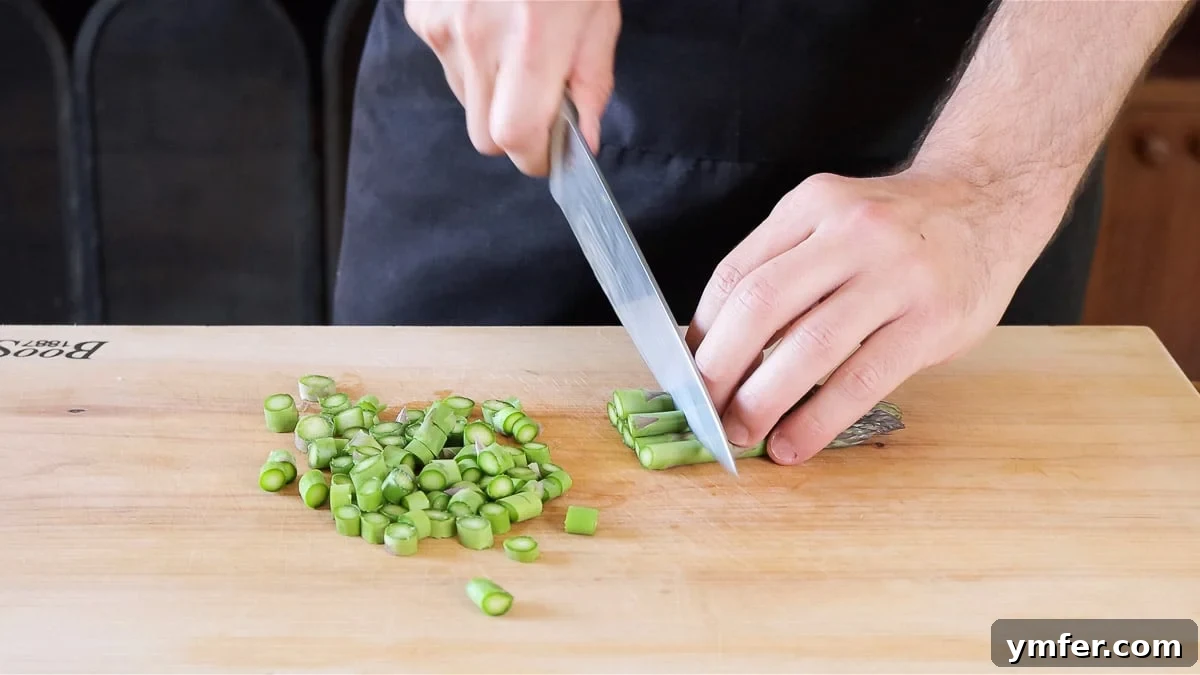
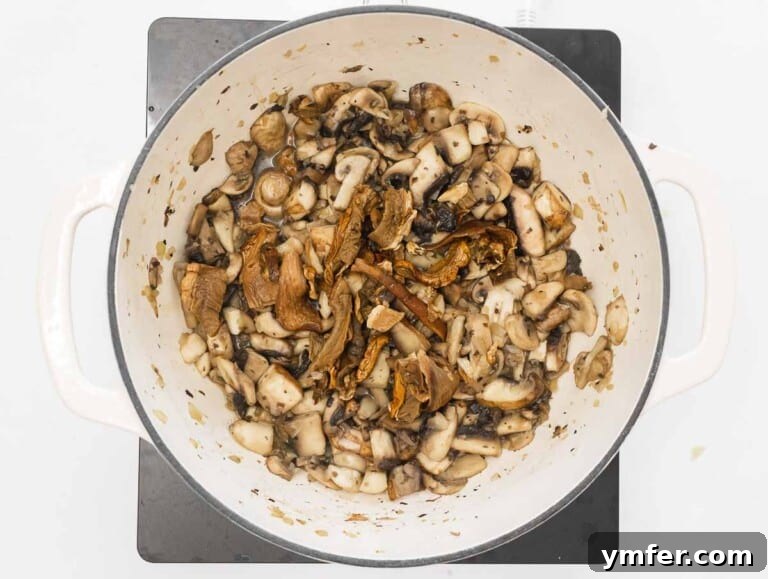
- Chop Your Vegetables: Prepare your chosen vegetable by chopping it into small, even dice. This ensures even cooking and allows the vegetable to release its flavors more effectively into the rice. For harder vegetables like asparagus or pumpkin, finer dicing is recommended. Softer vegetables like zucchini or chicory can be sliced. Simultaneously, finely chop the white onion; smaller pieces will melt into the risotto without being overtly noticeable, contributing to a smoother texture.
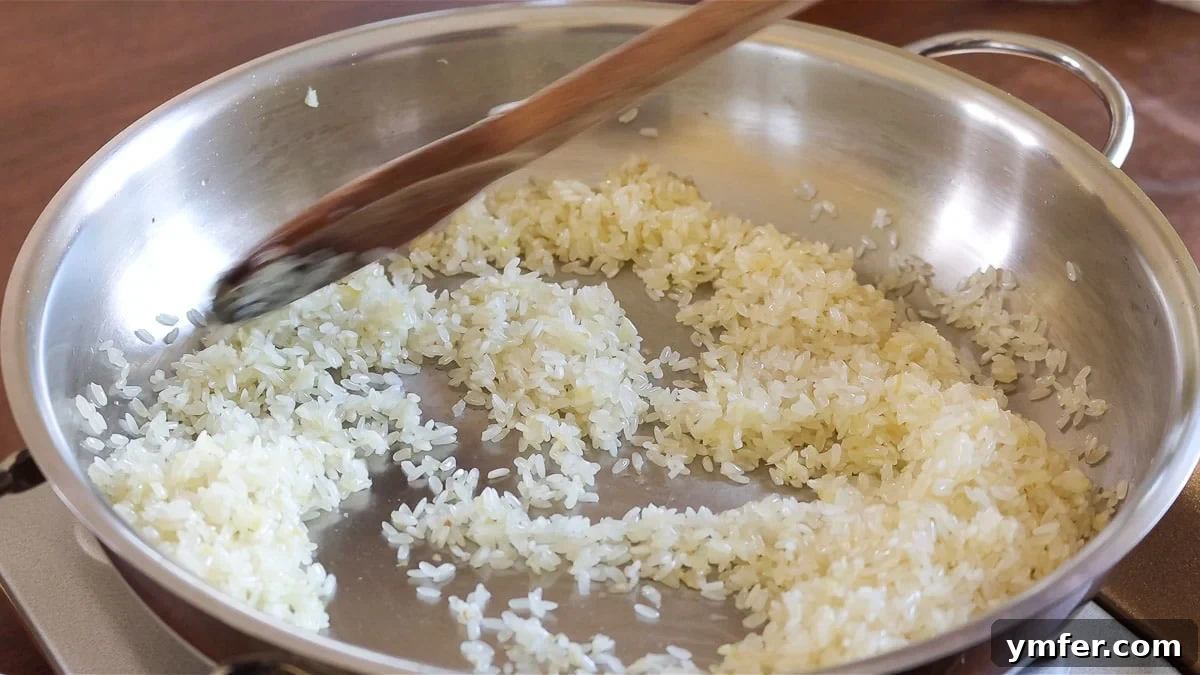
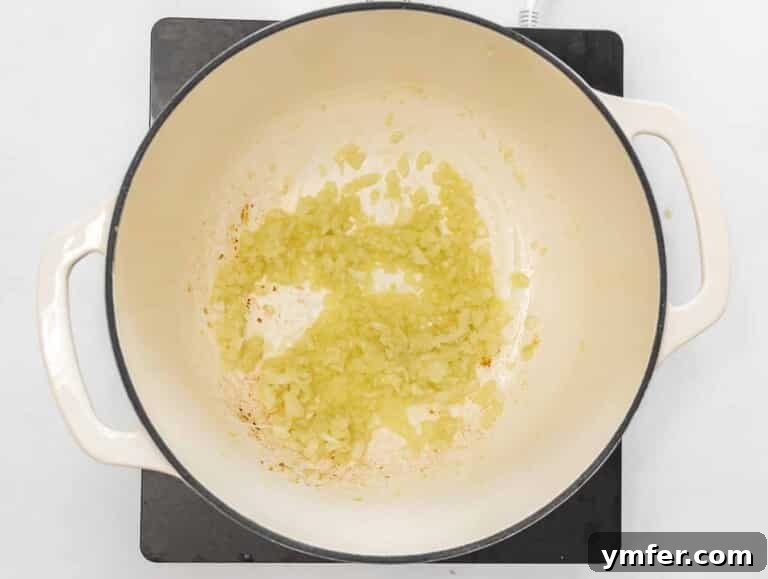
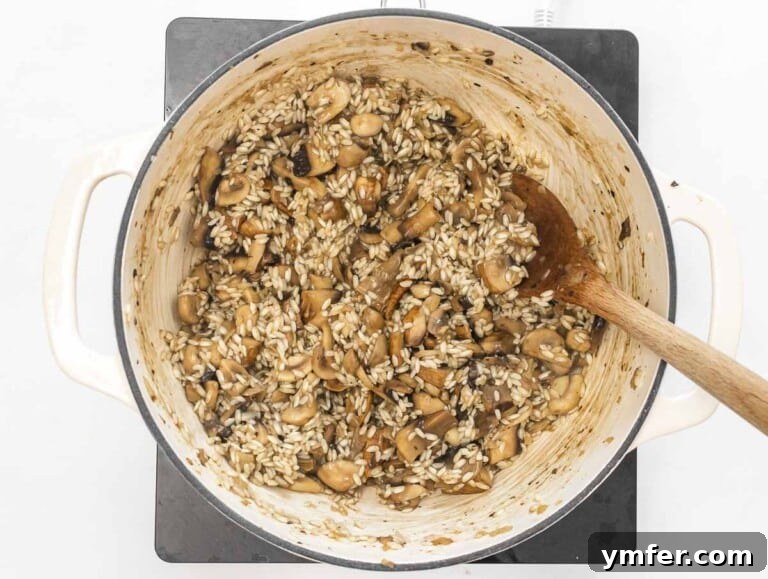
- Sauté Aromatics and Toast Rice: In a large, heavy-bottomed pot or Dutch oven, heat a generous drizzle of olive oil over medium-low heat. Add the finely chopped onion and sauté gently for about 1 minute until softened and translucent, being careful not to brown or burn it. Then, add the risotto rice to the pot. Stir constantly for another minute, allowing the rice grains to toast slightly and become shiny. This toasting, known as “tostatura,” seals the grain’s exterior, helping it maintain its shape while cooking.
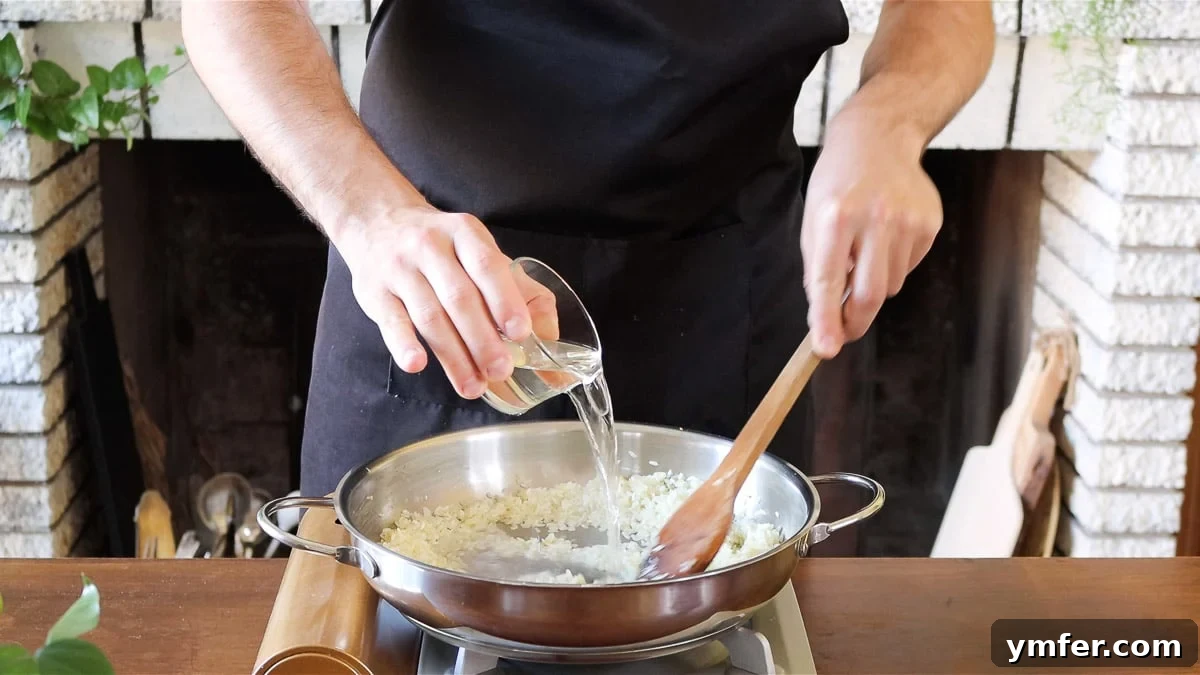
- Deglaze with Wine: Pour in the white wine (or lemon juice). Stir continuously until the wine has completely evaporated. This crucial step, called “sfumatura,” deglazes the pan, lifting any browned bits from the bottom and introducing a bright, acidic note that enhances the overall flavor profile of the risotto. Do not skip this step, as acidity acts as a powerful flavor booster.
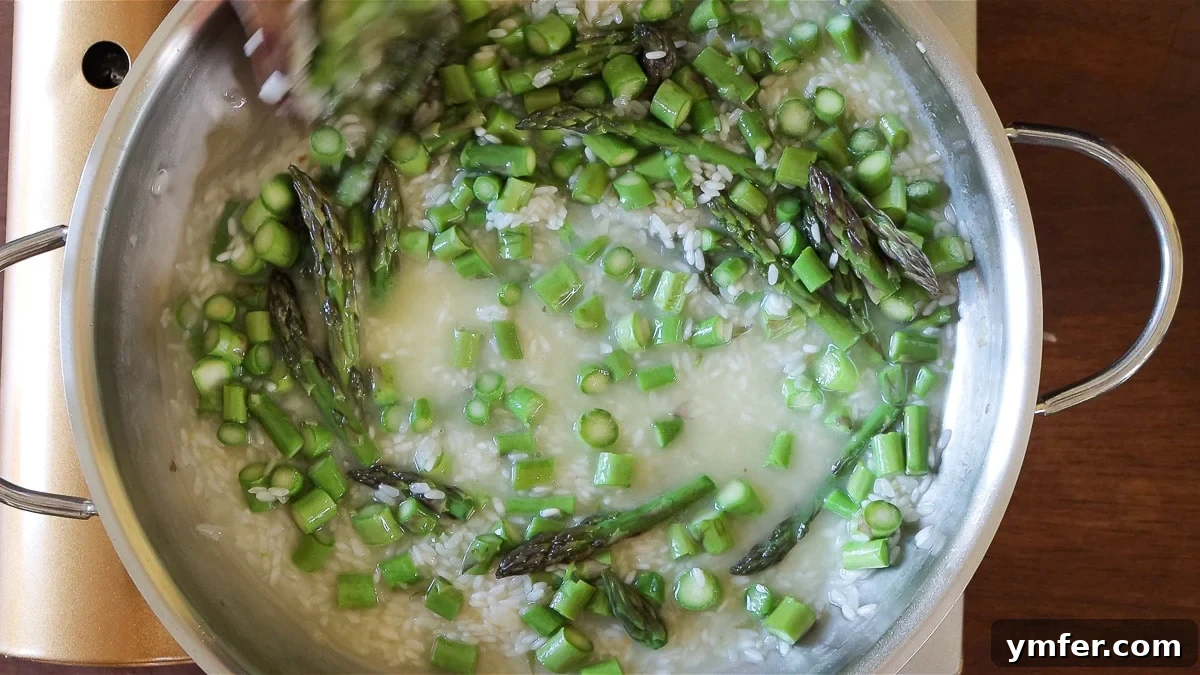
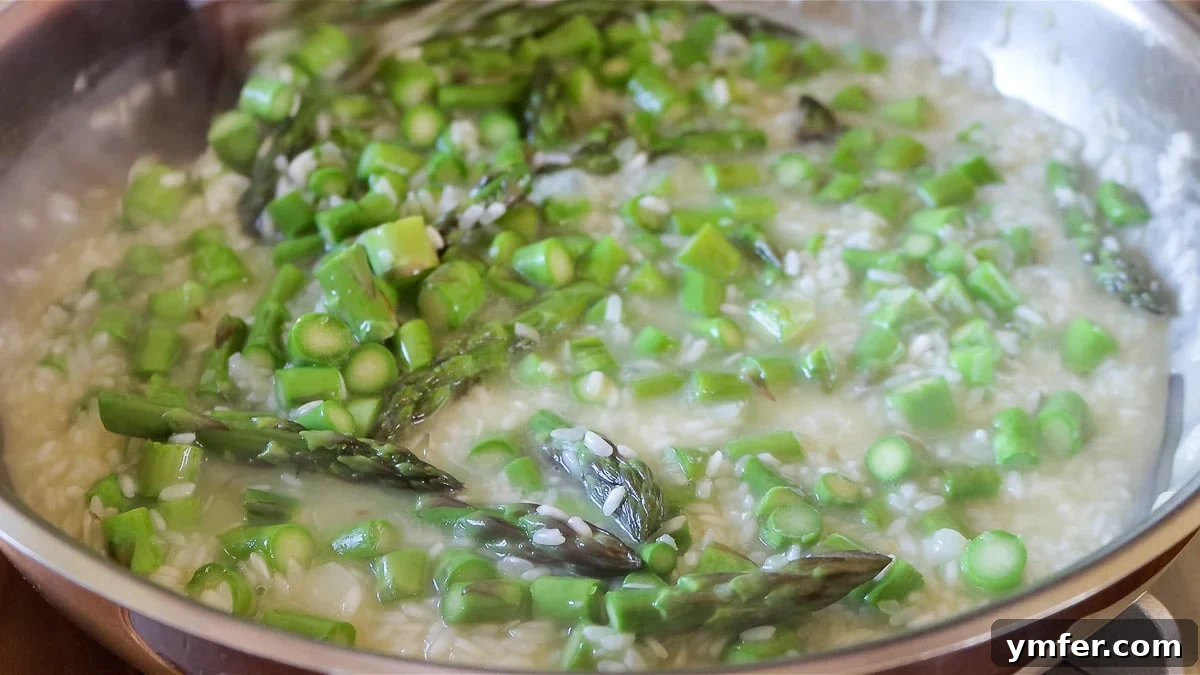
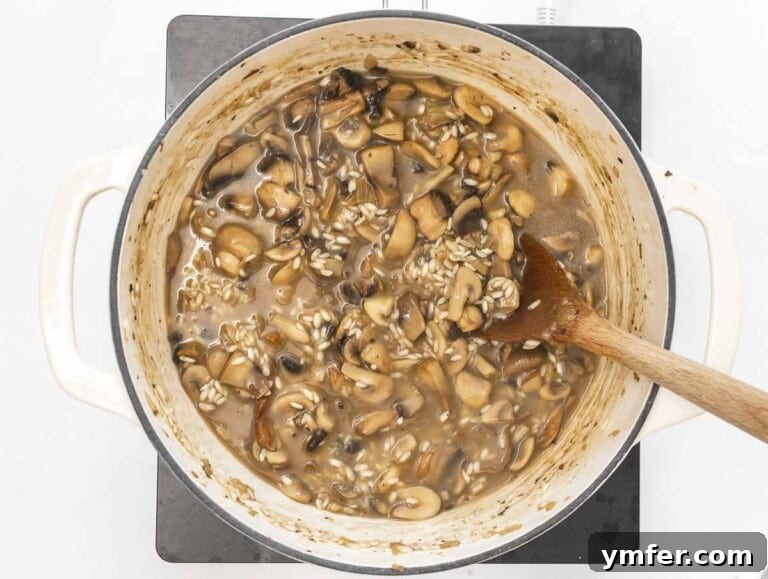
- Begin Gradual Stock Addition: Now, add the chopped vegetable of choice to the rice along with 2 ladles of warm vegetable stock. Stir everything together. This is where the magic of risotto begins: the gradual absorption of liquid allows the rice to cook slowly and evenly, releasing its starches for that signature creaminess.
- Cook and Stir: Continue cooking the risotto over medium-low heat, stirring frequently. As soon as the liquid has been almost entirely absorbed by the rice, add another 2 ladles of vegetable stock. Repeat this process, stirring and adding stock gradually, until the rice is cooked. The rice should maintain a gentle simmer, with small bubbles breaking the surface, ensuring a consistent and even cook.
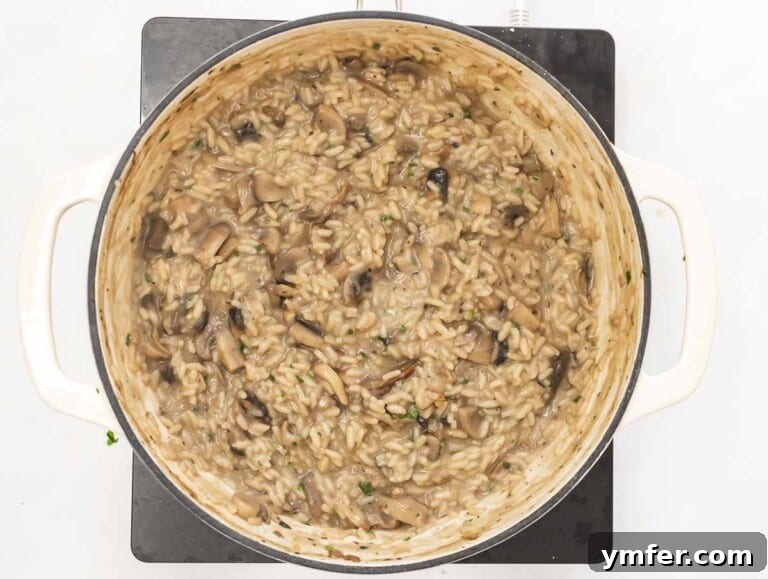
- Achieve Al Dente Perfection: After approximately 13 to 15 minutes of cooking, taste the rice to check for doneness and adjust for salt. The rice should be “al dente,” meaning it’s cooked through but still retains a slight bite in the center. Avoid overcooking, which can lead to a mushy texture. Once al dente, turn off the heat and continue to stir for an additional minute.
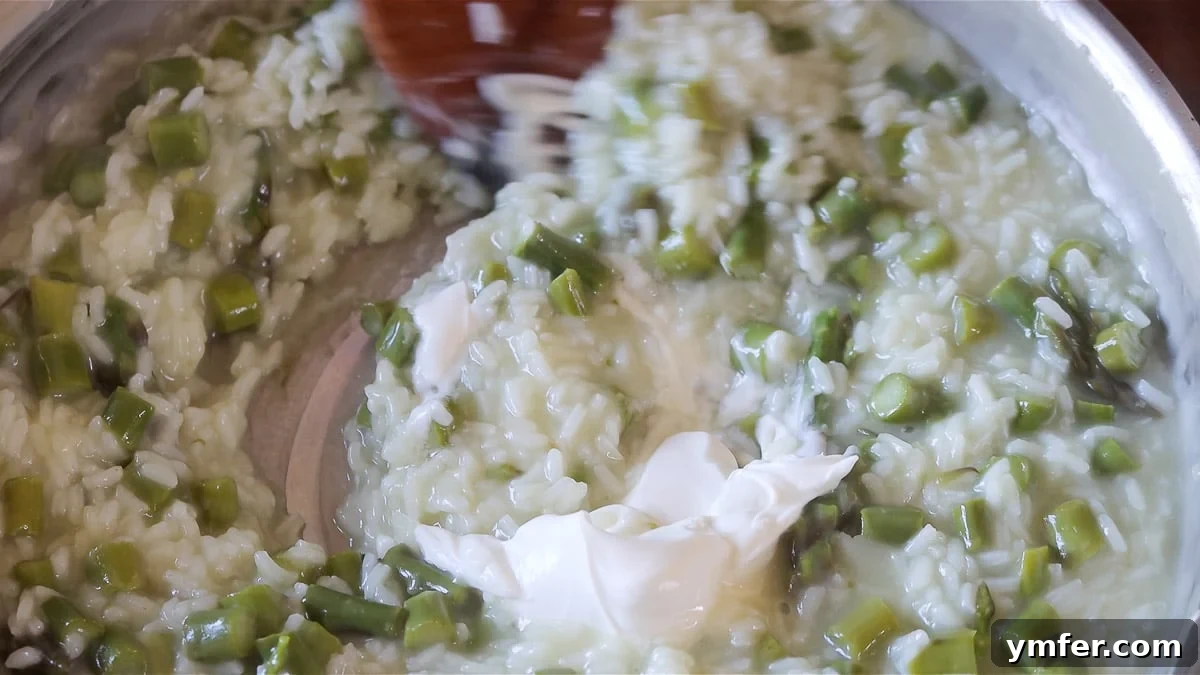
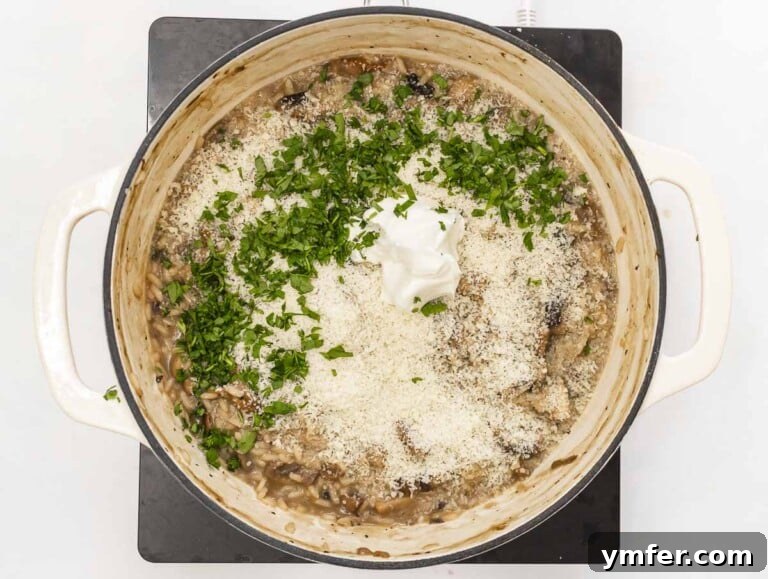
- Mantecatura (Creaming): For the final touch of creamy luxury, add the vegan butter (or margarine, or a generous drizzle of olive oil) to the risotto. Stir vigorously for one more minute. This process, known as “mantecatura,” emulsifies the fat with the starches, resulting in an incredibly rich, smooth, and glossy finish. Your exquisite vegan risotto is now ready to be served immediately.
Elevate Your Plate: Serving Suggestions
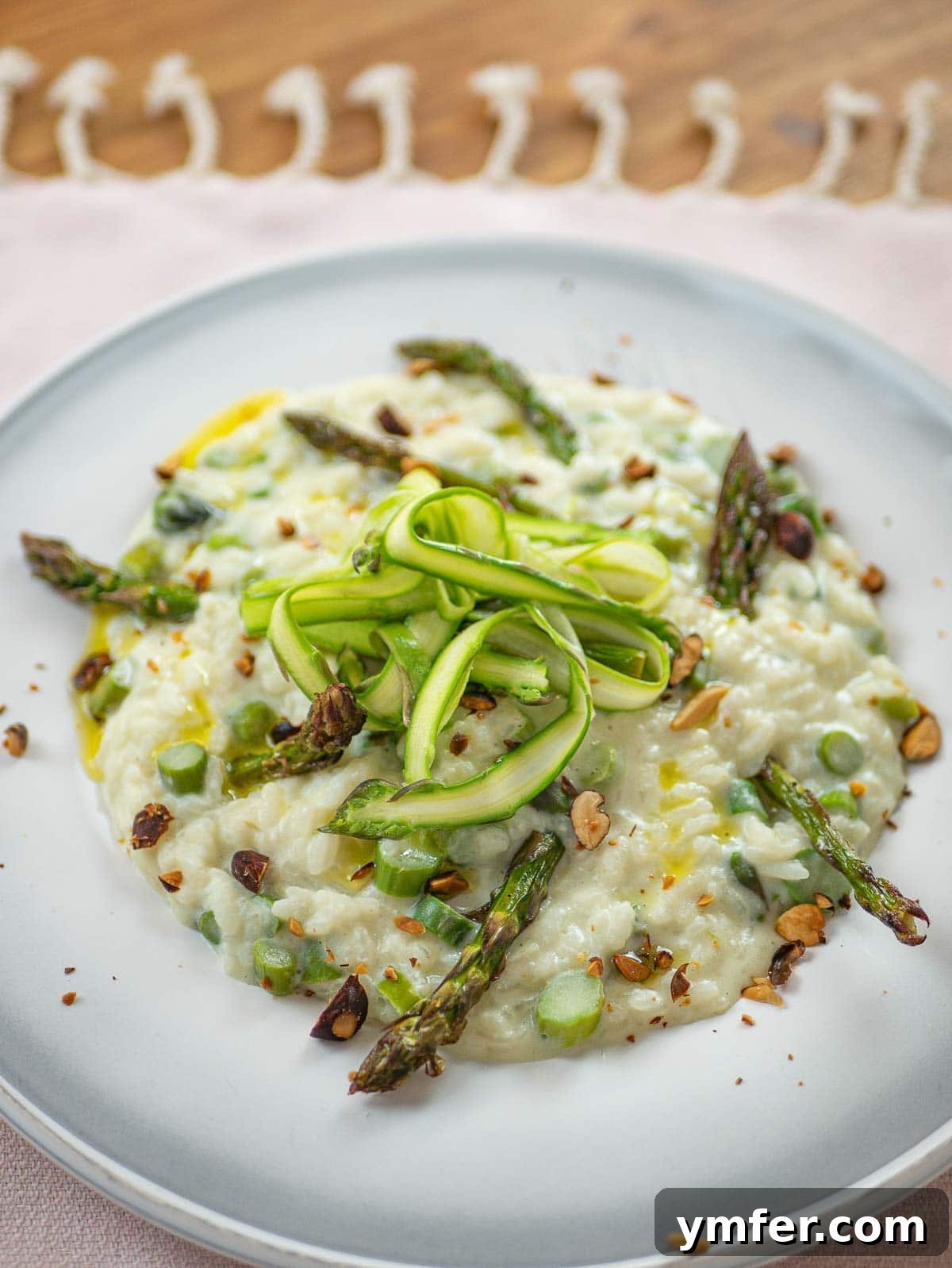
This vegan risotto is undeniably delicious on its own, a complete and satisfying meal in itself. Most often, we enjoy its pure, unadorned goodness. However, if you’re entertaining guests or simply wish to elevate the presentation and flavor, consider these delightful garnishing options:
- A vibrant sprinkle of freshly chopped parsley or chives adds a burst of color and herbaceous freshness.
- A final drizzle of high-quality extra virgin olive oil enhances the richness and aroma.
- For a delightful textural contrast, scatter some crushed toasted almonds, walnuts, or pine nuts over the top.
- A dusting of vegan Parmesan cheese adds a savory, umami kick that mimics traditional risotto.
- To showcase your chosen vegetable, add some extra raw, thinly shaved pieces on top. For instance, delicate raw asparagus ribbons add an elegant touch to an asparagus risotto.
- Serve alongside a simple, crisp green salad with a light vinaigrette to cut through the richness.
- A glass of chilled, crisp white wine, such as a Sauvignon Blanc or Pinot Grigio, complements the flavors beautifully.
Expert Tips for the Perfect Risotto
Achieving risotto perfection is a blend of technique and patience. Keep these expert tips in mind to ensure your vegan risotto is consistently exceptional:
Keep Stirring: This is arguably the most crucial step for a truly creamy risotto. Consistent stirring helps the rice grains rub against each other, encouraging the gradual release of starch into the cooking liquid. This released starch is what emulsifies with the broth, creating that luxurious, velvety texture that defines a great risotto. Stir almost continuously, especially in the initial stages, to prevent sticking and promote even cooking.
Add Stock a Little at a Time: Resist the urge to dump all the broth in at once. Instead, add your warm vegetable stock in small increments, typically two ladles at a time. Wait until each addition is almost fully absorbed before adding the next. This slow, deliberate process ensures the rice cooks evenly, absorbs flavor efficiently, and, most importantly, gradually releases its starches. This controlled absorption is key to developing maximum creaminess.
Cook “Al Dente”: The ideal risotto should be “al dente,” an Italian term meaning “to the tooth.” This refers to a texture where the rice is tender but still offers a slight, pleasant resistance or chew in the center. It should never be mushy or overcooked. Begin tasting your risotto around the 13-minute mark and continue tasting frequently until it reaches this perfect consistency. This careful attention prevents the rice from becoming a uniform, soft paste, preserving its individual grain integrity.
Let Rest for 1 Minute Before Serving: Once the risotto has reached its al dente stage and the heat is turned off, don’t serve it immediately. Allow it to rest, stirring gently, for about 1 minute in the pot. During this brief resting period, the rice grains will reabsorb some of the starch from the creamy liquid, creating an even richer, glossier, and more cohesive coating for each grain. This final minute of “mantecatura” is essential for optimal creaminess and texture, marrying all the flavors beautifully before you add the vegan butter and serve.
Use a Wide, Heavy-Bottomed Pot: A wider pot ensures better surface area for evaporation and more even cooking of the rice. A heavy bottom prevents scorching and helps maintain a consistent temperature.
Keep Broth Warm: Always add warm or hot broth to the risotto. Adding cold broth will drop the temperature of the pot, halting the cooking process and potentially toughening the rice grains.
Season in Layers: While a pinch of salt in the broth is good, most of your seasoning should come at the end. Taste the risotto just before it’s fully cooked and adjust salt and pepper. This allows you to build flavor and prevent over-salting, especially if using a salty commercial broth.
Frequently Asked Questions
For the best results, risotto is a dish meant to be enjoyed immediately after cooking. Preparing it in advance is generally not recommended as the rice will continue to absorb liquid and overcook, leading to a mushy texture. Its creamy consistency and al dente bite are at their peak when fresh.
Yes, traditional risotto rice is naturally gluten-free. Therefore, risotto can easily be made gluten-free. It’s always a good practice to double-check the labels of other ingredients you add, such as vegetable bouillon, vegan butter, or margarine, to ensure they are certified gluten-free, especially for those with severe sensitivities.
While you can technically cook various short-grain and medium-grain white rice types with the risotto method, you won’t achieve the distinct creaminess and desired texture of authentic Italian risotto unless you use rice specifically cultivated for it. Varieties like Carnaroli, Arborio, Vialone Nano, or Roma are ideal because their high starch content and ability to absorb liquid slowly are crucial for the signature velvety finish.
No, basmati and jasmine rice are not suitable for making risotto. These long-grain rice varieties are low in starch and tend to become separate and fluffy when cooked, rather than releasing the creamy starches needed for risotto. They are best suited for dishes where individual, distinct grains are desired.
Absolutely! While it won’t be a traditional rice risotto, you can adapt the same gradual liquid addition and stirring technique to create delicious risotto-like dishes with other grains. Wholegrain oats, barley, and even brown rice can be transformed into hearty “orzotti” or “farrotti.” For instance, we’ve crafted a delightful vegan oat and pea risotto that offers a unique flavor and texture profile, proving the versatility of this cooking method beyond just rice.
Storage and Leftovers
Risotto is best enjoyed immediately after it’s prepared, when its texture is at its peak creaminess and the rice grains are perfectly al dente. The nature of risotto means the rice continues to absorb liquid and soften over time.
If you do have leftovers, transfer them to an airtight container and store in the refrigerator for up to 24 hours. When reheating, gently warm the risotto on the stovetop over low heat, adding a splash of water or vegetable stock to restore some moisture and creaminess. Stir constantly to prevent sticking. Alternatively, you can reheat it in the microwave for short intervals, stirring between each, until warmed through. Be aware that the texture will be softer than freshly made risotto.
For a creative twist on leftovers, consider transforming them into Italian delights like “supplì alla romana” (deep-fried risotto balls) or savory risotto cakes. These methods give leftover risotto a fantastic second life.
Similar Plant-Based Recipes
If you enjoyed this versatile vegan risotto, explore these other delicious plant-based recipes:
- Luxurious Saffron Risotto
- Spring Asparagus Risotto
- Creamy Vegan Tomato Risotto
- Hearty Eggplant Risotto
- Delicate Zucchini Risotto
- Simple Steamed Asparagus
- Easy Braised Artichokes
And if you have risotto leftovers, don’t let them go to waste! Check out these ingenious Italian recipes for repurposing:
- Crispy Risotto Balls, deep-fried (supplì alla romana)
- Savory Risotto Cakes
The Ultimate Creamy Vegan Risotto
It’s a simple, adaptable, and delicious recipe perfect for any day of the week, promising a quick and satisfying dinner.
Share
Ingredients
- 400 g your vegetable of choice (e.g., mushrooms, asparagus, artichokes, chicory, pumpkin, zucchini, peas)
- 210 g risotto rice
- ½ glass dry white wine (or 3 tbsp fresh lemon juice)
- ½ white onion (finely chopped)
- 2 tbsp olive oil
- 1 – 2 tbsp vegan butter (or margarine, or extra olive oil for a lighter version)
- salt (to taste)
- 1 tbsp vegetable bouillon powder (or 1 carrot, 1 celery stalk, and 1 onion for fresh homemade stock)
- 2 litres water
Instructions
-
Finely dice your chosen vegetable and the onion. In a pot, on medium-low heat, drizzle olive oil and sauté the chopped onion for 1 minute until translucent. Add the risotto rice and toast for another minute, stirring constantly until shiny.

-
Pour in the white wine (or lemon juice), stir well, and let it evaporate completely. This deglazing step adds crucial acidity and flavor.
-
Add 2 ladles of warm vegetable stock and your finely diced vegetable of choice. Stir to combine.
-
Continue cooking over medium-low heat, stirring frequently. As the liquid is absorbed, add 2 more ladles of vegetable stock, repeating until the rice is al dente and creamy. The rice should bubble gently throughout.
-
After 13-15 minutes, taste the rice for al dente texture and adjust salt if needed. Turn off the heat and stir for another minute.
-
Finally, stir in the vegan butter (or margarine/olive oil) for one more minute to achieve ultimate creaminess. Serve immediately and enjoy!
-
Notes
Typically, a single portion of risotto is about 70g (1/3 cup) of dry rice per person, which means this recipe theoretically serves 3 people. However, many find this amount perfect for two hearty appetites.