
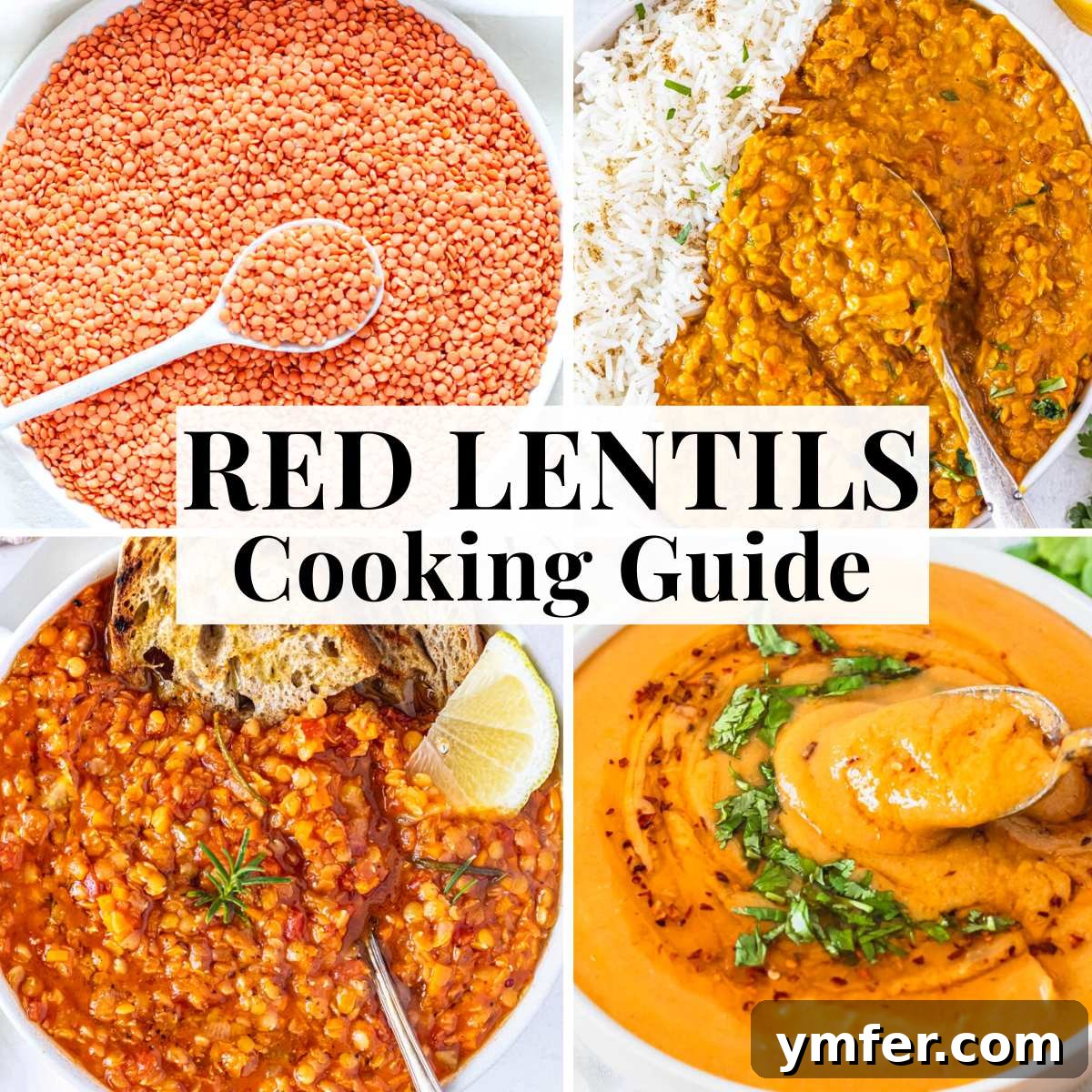
Red lentils are a vibrant, versatile, and incredibly nutritious legume that deserves a spot in every kitchen. Celebrated for their beautiful coral hue, rapid cooking time, and impressive protein content, they are a fundamental ingredient in countless global cuisines, particularly cherished in Indian, Middle Eastern, and Mediterranean cooking. If you’re seeking an affordable, healthy, and easy-to-prepare plant-based ingredient that can transform into comforting meals in minutes, then split red lentils are your answer.
A unique characteristic of split red lentils is their tendency to break down and become wonderfully mushy and creamy as they cook. This natural thickening property makes them perfectly suited for enriching the texture and flavor of comforting dishes like soups, stews, hearty curries, and traditional Indian dals. While this means they are generally less ideal for dishes where you need them to hold their shape, it makes them exceptionally good for crafting simple, nourishing one-pot meals that are both delicious and easy to clean up.
This comprehensive guide will walk you through everything you need to know about cooking red lentils to perfection. We’ll cover the basic stovetop method using water or vegetable broth, share expert tips for enhancing their flavor, and provide a wealth of quick, tasty, and easy one-pot recipe ideas that will inspire your everyday cooking. Get ready to embrace the simplicity and deliciousness of this amazing superfood!
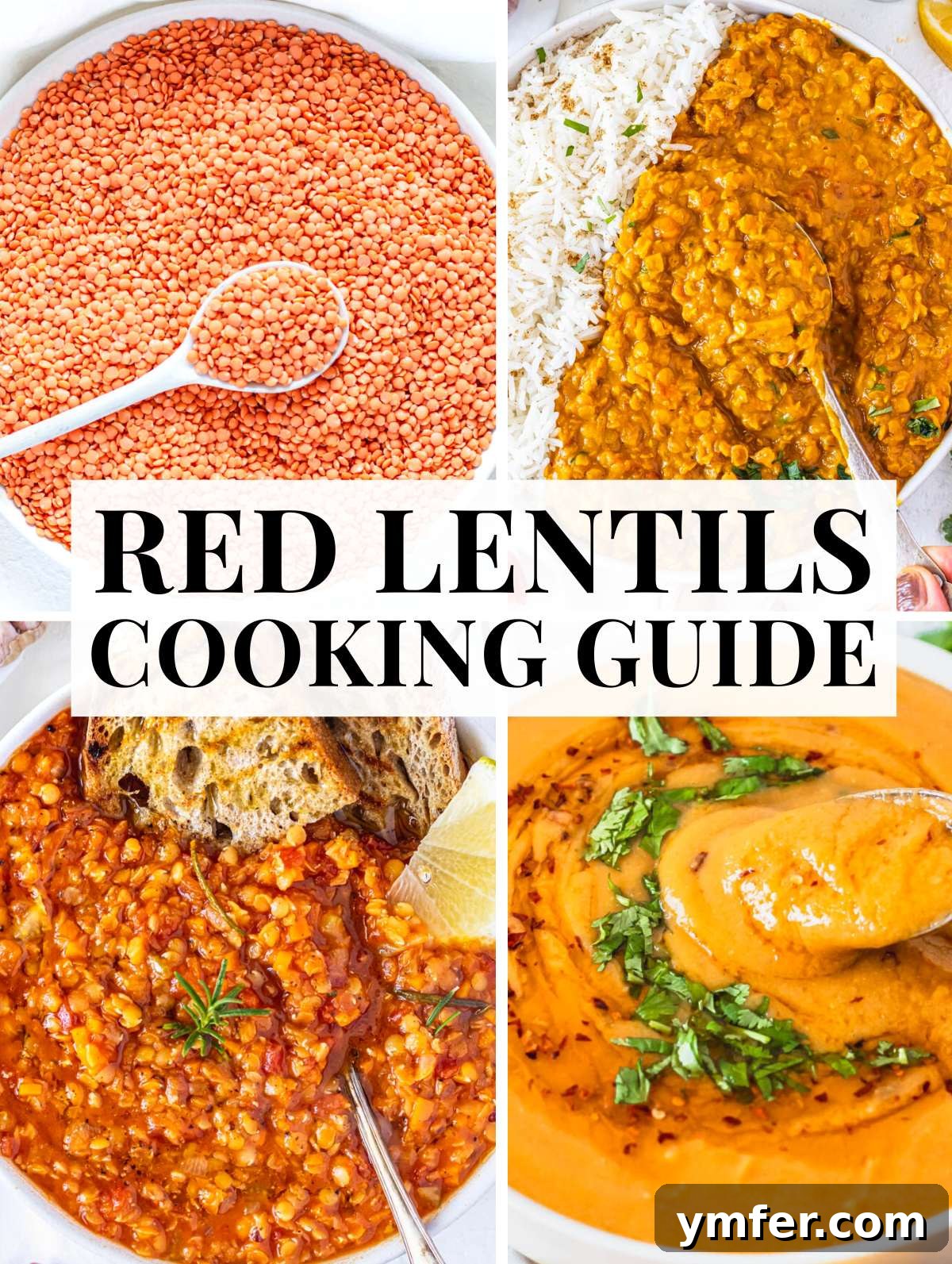
Table of Contents
- What Are Red Lentils? Varieties and Benefits
- Do You Need to Soak Red Lentils Before Cooking?
- Optimal Liquid-to-Red Lentil Ratio for Perfect Texture
- Step-by-Step: How to Cook Dry Red Lentils on the Stovetop
- Elevate the Flavor of Your Red Lentils with Tempering
- Creative Serving Suggestions for Red Lentils
- Delicious Recipes Featuring Red Lentils
- Frequently Asked Questions About Red Lentils
- Storage & Make-Ahead Tips for Cooked Red Lentils
- Essential Plant-Based Cooking Basics Guides
- More Irresistible Lentil Recipes to Explore
- Red Lentil Basic Cooking Method Recipe Card
Dietary Note: Red lentils are a naturally gluten-free, vegetarian, and vegan-friendly ingredient, making them an excellent choice for a wide range of dietary preferences and needs.
In a hurry? JUMP DIRECTLY TO THE BASIC RED LENTIL RECIPE CARD HERE!
What Are Red Lentils? Varieties and Benefits
Red lentils, scientifically identified as Lens culinaris, are a small, lens-shaped legume that belongs to the same family as other popular pulses like chickpeas and various types of beans. They are grown worldwide, with a particularly strong presence in South Asian, Middle Eastern, and Mediterranean cuisines, where they form the backbone of many traditional dishes. These humble legumes are renowned not just for their distinct, mild, earthy flavor but also for their impressive nutritional density, offering a robust source of plant-based protein, dietary fiber, and essential micronutrients.
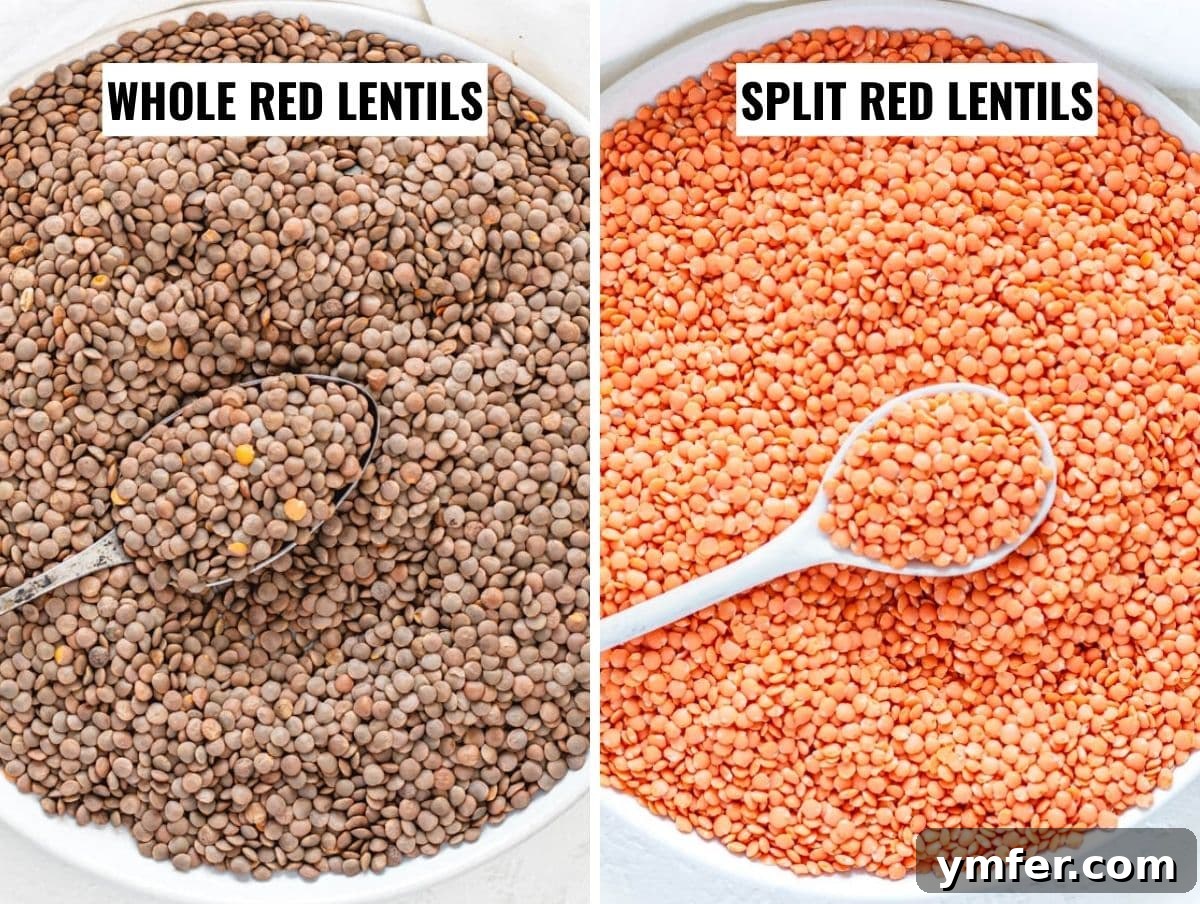
When shopping, you’ll primarily encounter dried red lentils in two forms:
- Whole Red Lentils: These lentils retain their outer skin, appearing as small, round, brownish-red discs. They possess a slightly firmer texture and a longer cooking time, typically requiring 30 to 45 minutes to become tender. They tend to hold their shape better than their split counterparts, making them suitable for specific applications.
- Split Red Lentils (Masoor Dal): This is the most common variety people refer to when talking about “red lentils.” They are de-skinned and split in half, revealing their characteristic bright orange or coral color. This processing dramatically reduces their cooking time, allowing them to cook in a mere 8 to 15 minutes. Their rapid cooking and tendency to soften into a creamy consistency are what make them so popular.
Throughout this article, our focus will be exclusively on the widely used and incredibly efficient split red lentils. Their unparalleled quick cooking time is a major draw, distinguishing them from heartier varieties like brown, green, or black lentils. This makes them a culinary superstar for those busy days when you need a wholesome, delicious meal on the table without extensive preparation.
As split red lentils simmer, they gradually lose their original form, melting into a beautifully creamy, almost porridge-like consistency. This natural thickening agent is invaluable, making them an ideal candidate for enriching the depth and texture of various comfort foods. They are exceptionally well-suited for a wide range of soups and stews, including our soul-warming Red Lentil Soup and the aromatic Turkish Red Lentil Soup. Furthermore, they are a star ingredient in countless one-pot recipes, authentic Indian curries, and traditional lentil dal, where their smooth, velvety texture is a prized attribute.
However, if your recipe calls for lentils that maintain a distinct shape and firmer bite—perhaps for a vibrant cold salad or a chunky side dish—split red lentils might not be the most appropriate choice. For such culinary applications, we highly recommend opting for other lentil varieties known for their structural integrity post-cooking, such as brown lentils, green lentils, black (Beluga) lentils, or even whole red lentils. These types will provide the desired texture. Should you be interested in exploring these alternatives, we offer dedicated guides on how to cook brown lentils and black lentils.
Do You Need to Soak Red Lentils Before Cooking?
One of the most appealing features of dry red lentils, particularly the split variety, is that they absolutely do not require pre-soaking. This sets them apart from many other legumes, such as dry beans and even some larger lentil types like chickpeas, significantly streamlining your meal preparation. This makes them an outstanding choice for last-minute dinner plans or whenever you need a quick, nutritious meal without the lengthy foresight usually required for pulse preparation.
While soaking is unnecessary, there is one critical preliminary step before cooking red lentils: proper cleaning. We highly recommend two important actions:
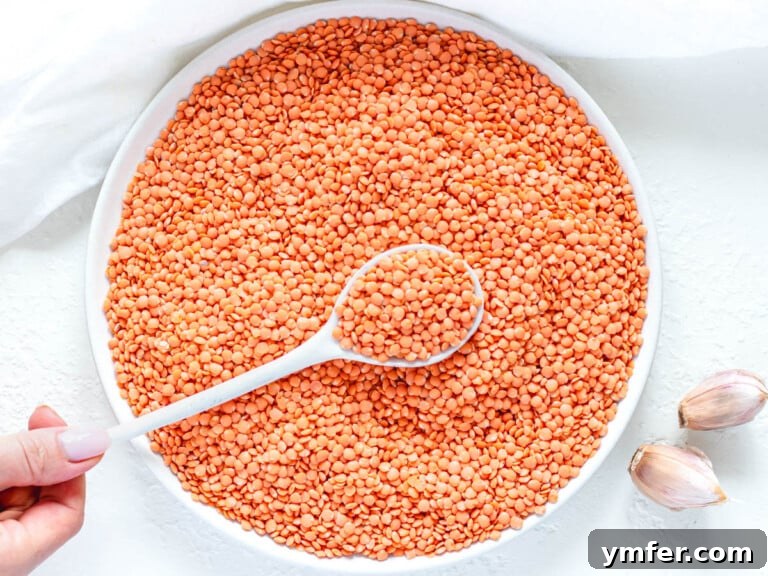
- Inspect for Debris: Begin by spreading your dry red lentils thinly on a clean, light-colored surface—such as a large plate or a cutting board. Take a moment to carefully scan them for any small stones, tiny bits of field debris, or discolored/broken lentils that may have inadvertently found their way into the package during harvesting or processing. While rare in high-quality packaged lentils, this step is a good habit to ensure a pleasant eating experience.
- Rinse Thoroughly: Once inspected, transfer the lentils to a fine-mesh sieve or colander. Rinse them vigorously under cold running water for a good 30 seconds to a minute. This thorough rinse is essential for removing any residual dust, dirt particles, or starchy film that might cling to the lentils. You’ll know they are sufficiently rinsed when the water draining from the sieve runs clear, indicating all surface impurities have been washed away.
Completing these simple but crucial steps guarantees that your red lentils are perfectly clean and primed to absorb all the delicious flavors you intend to infuse them with during cooking.
Optimal Liquid-to-Red Lentil Ratio for Perfect Texture
Achieving the ideal texture for your cooked red lentils hinges significantly on using the correct liquid-to-lentil ratio. Given that split red lentils soften and break down quite readily, the amount of liquid you use will directly influence whether your final product is a thick, creamy puree, a slightly looser soup base, or something in between.
- For Stovetop Cooking (Plain Lentils): If your intention is to simply cook split red lentils in liquid as a basic component, without other ingredients that will significantly alter the liquid dynamics, we generally recommend a ratio of 1 cup of dried red lentils to 3 cups of water or vegetable broth. This proportion typically results in a beautifully creamy yet still spoonable consistency, perfect as a foundational element for many dishes or a light side.
- For Thicker Applications (e.g., dips, very thick dal): If your goal is a denser, more paste-like consistency, perhaps for a lentil dip, spread, or a particularly rich, thick dal, you might consider slightly reducing the liquid to approximately 2.5 cups per 1 cup of dry lentils. Monitor closely and adjust as needed to prevent scorching.
- For Soups and Stews (Integrated Cooking): When incorporating red lentils directly into a soup or stew, the recipe itself will usually guide the total liquid quantity. Remember that the lentils will naturally act as a thickener as they cook down, so it’s often wise to follow the recipe’s specified liquid amount and then adjust if necessary at the end, adding more broth or water if you prefer a thinner consistency.
A note on pressure cooking, specifically with devices like the Instant Pot: While it’s technically feasible to cook red lentils this way, we generally do not recommend using a pressure cooker for split red lentils. The main reason is that their stovetop cooking time is already so incredibly short (8-15 minutes) that a pressure cooker offers minimal practical time-saving benefits. More importantly, the high-pressure environment can very quickly overcook split red lentils, turning them into an excessively mushy, almost entirely liquid state, even with significantly reduced cooking times (e.g., just a couple of minutes under pressure and using only 2 cups of water per cup of lentils). This often compromises the texture, making them less versatile for many recipes where some body, however soft, is preferred. Pressure cookers are far more beneficial for tougher legumes like dry brown, black, and green lentils, or chickpeas and various dry beans, where they truly transform lengthy cooking processes into quick ones.
Step-by-Step: How to Cook Dry Red Lentils on the Stovetop
Expert Tip: While it’s possible to cook split red lentils on their own in plain water, we highly recommend integrating them directly into a recipe. Their inherent creaminess and tendency to become mushy mean they absorb flavors beautifully from other ingredients. Plain cooked lentils can sometimes lack depth and be challenging to store or repurpose without becoming overly bland or pasty. For truly exceptional red lentil dishes, always think “recipe-first.”
Our strongest advice for truly delicious red lentils is to incorporate them into a recipe specifically designed to maximize their unique qualities. The good news is that many of these recipes are incredibly simple and often involve just one pot, minimizing cleanup and effort. Here are some of our top recipe recommendations:
- Creamy Lentil Curry (Dal): This highly-rated reader favorite showcases red lentils cooked in a luscious tomato and coconut milk sauce, generously seasoned with fragrant Indian-inspired spices. It’s a complete and satisfying meal perfect over rice.
- Authentic Turkish Red Lentil Soup (Mercimek Çorbası): Delight in the velvety smooth texture of this Mediterranean classic, a wonderfully creamy and deeply flavorful soup that is both comforting and aromatic.
- Hearty Vegetarian Lentil Chili: For a robust, Mexican-inspired meal, red lentils make a fantastic substitute for green lentils in this chili recipe. Their quick cooking and breakdown help create a beautifully thick and rich chili consistency.
- Comforting Italian-Style Red Lentil Soup: Experience a harmonious blend of comforting and hearty Italian flavors melded with the wholesome goodness of red lentils in this nutritious and deeply satisfying soup.
Curry Recipes
Lentil Curry
One-pot Meals
Turkish Lentil Soup
One-pot Meals
Lentil Chili
Soups
Red Lentil Soup
Even with our strong recommendation to use them in recipes, understanding the fundamental stovetop method for cooking red lentils in plain liquid is an invaluable skill. This basic preparation allows you to confidently use them as a simple side, a base for last-minute flavorings, or to integrate them into various culinary creations. Here’s how to master the basic stovetop cooking process:
Step-by-Step: How to Cook Red Lentils on the Stovetop
(For precise measurements in US cups and grams, please refer to the comprehensive recipe box at the bottom of this page.)
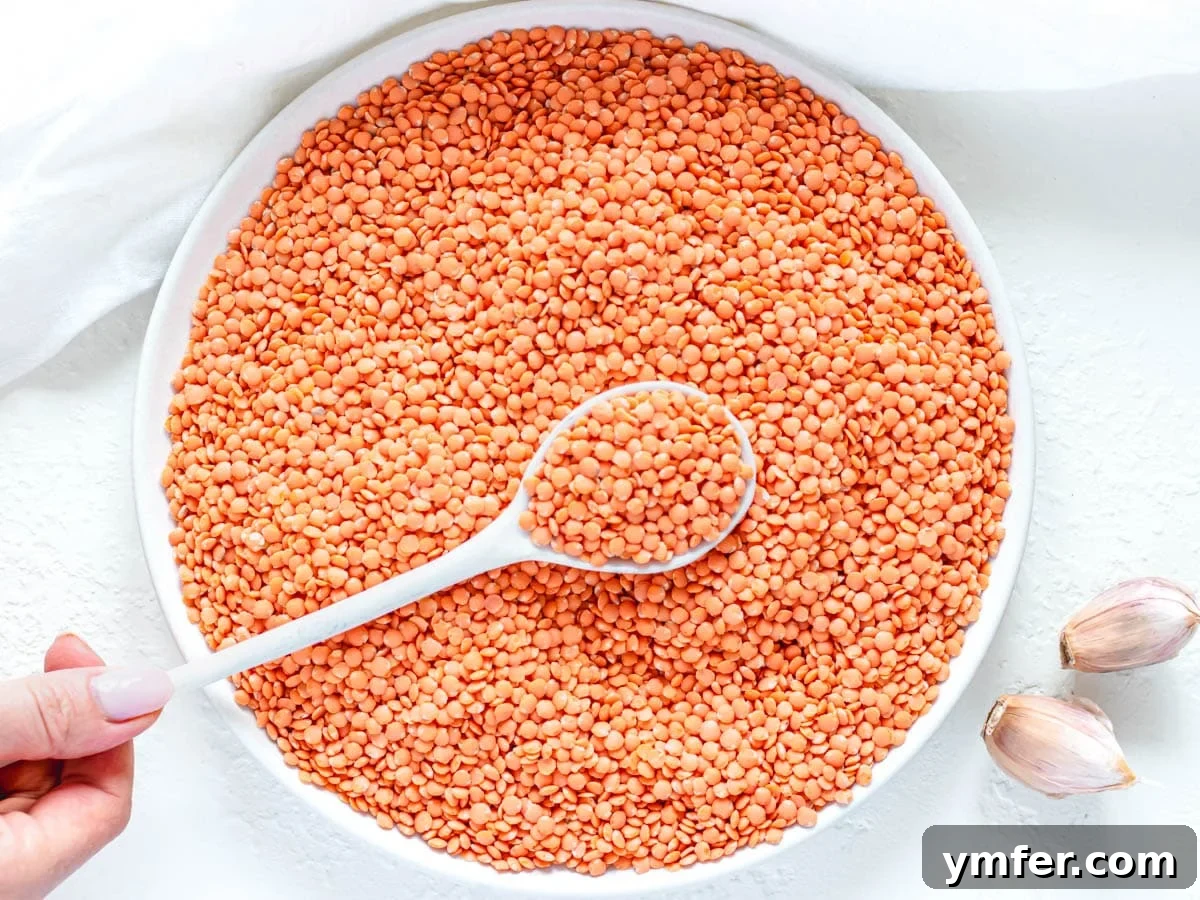
1. Inspect and Rinse Your Lentils: Pour your dry red lentils onto a clean plate or a light-colored surface. Carefully examine them for any small stones, tiny bits of natural debris, or discolored lentils that might have been mixed in. Discard anything that shouldn’t be there. Next, transfer the cleaned lentils to a fine-mesh sieve or colander and rinse them thoroughly under cold running water. Continue rinsing for at least 30 seconds to a minute, until the water draining from the lentils runs completely clear. This crucial step ensures your lentils are free of dust and starches, leading to a cleaner flavor and better final texture.
2. Combine Lentils with Liquid and Seasonings: Transfer the thoroughly rinsed red lentils into a medium-sized heavy-bottomed pot or saucepan. Add your chosen cooking liquid – either cold water or vegetable broth. For a consistently creamy texture, aim for the recommended 1:3 ratio (that’s 1 cup of dry lentils to 3 cups of liquid). Season the liquid adequately with salt and a few generous twists of freshly ground black pepper. To infuse additional flavor from the outset, you might optionally add aromatic elements like one or two bay leaves, a small pinch of ground cumin, or a couple of whole cardamom pods to the pot at this stage. These subtle additions will gently flavor the lentils as they cook.
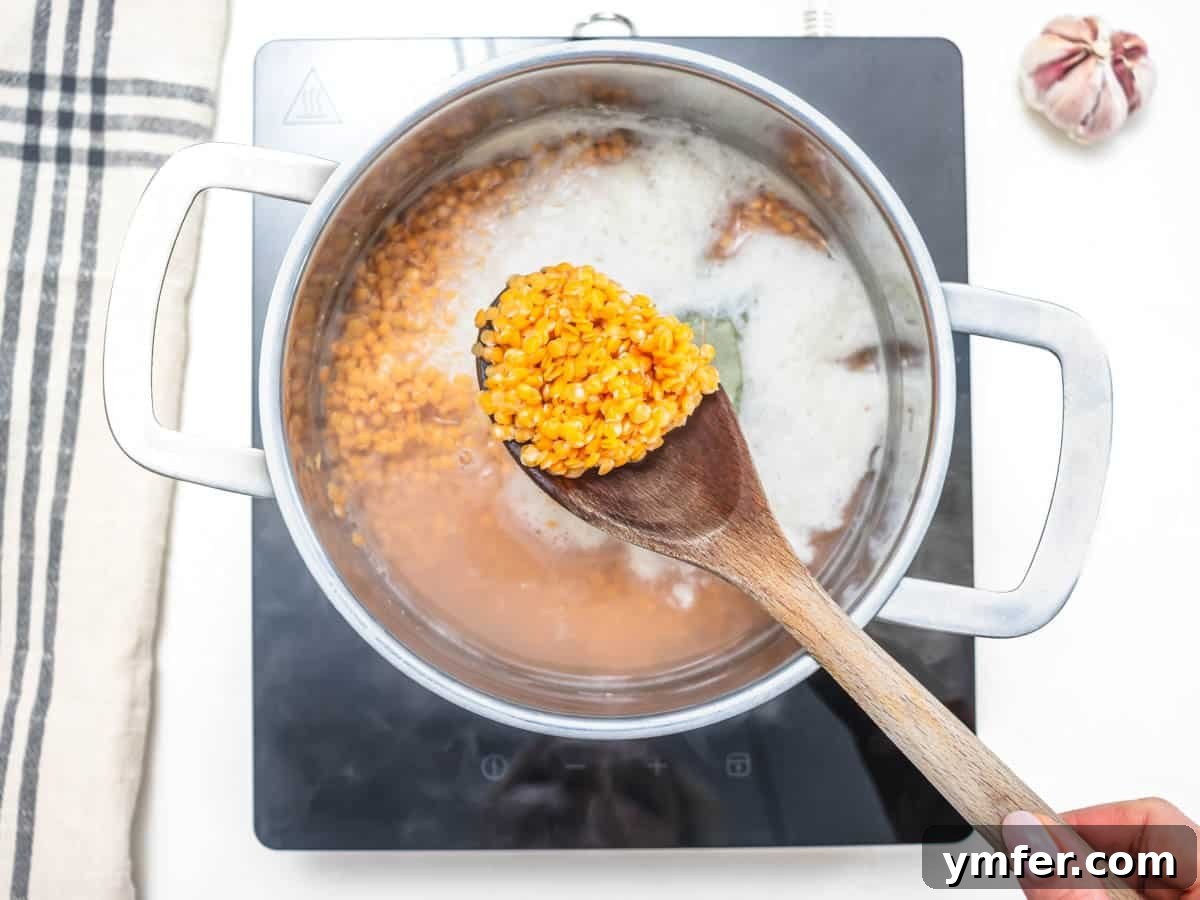
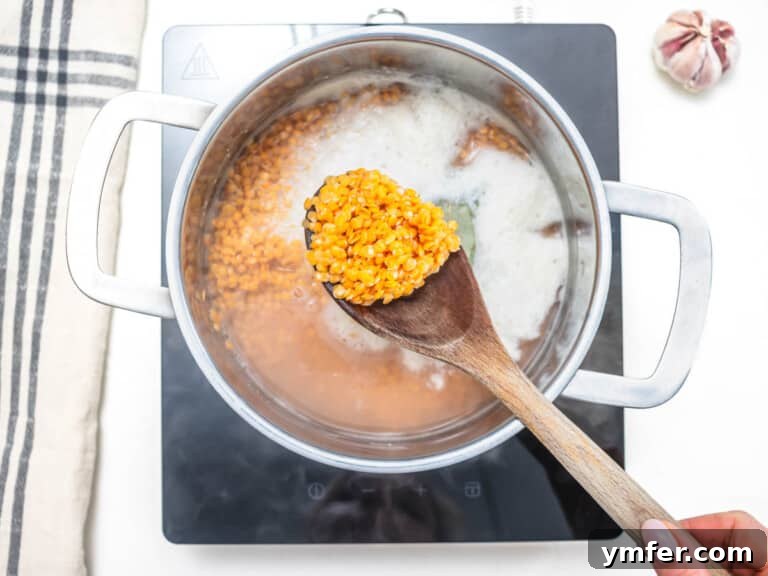
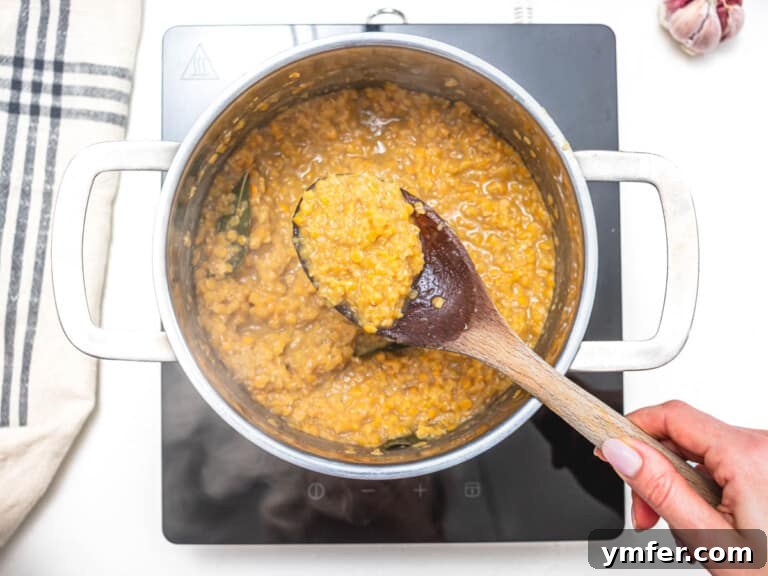
3. Cook to Your Desired Tenderness: Place the pot on the stovetop over medium-high heat and bring the liquid to a strong boil. Once boiling vigorously, immediately reduce the heat to its lowest setting, cover the pot with a tight-fitting lid, and allow the lentils to simmer gently. The cooking time for split red lentils is remarkably quick, typically ranging from 5 to 15 minutes, depending on the exact texture you wish to achieve. Generally, the longer the simmering, the more liquid they will absorb, resulting in a softer, more broken-down, and mushier consistency.
- For a slightly firmer, less mushy texture (though still soft for split red lentils): Cook for approximately 5 to 8 minutes. If there’s still a noticeable amount of excess water in the pot once they are tender, quickly drain the lentils through a fine-mesh sieve. Keep in mind that even at this shorter cooking time, split red lentils are not ideal for retaining their shape in salads.
- For a beautifully creamy, porridge-like, or soup-ready consistency: Continue to simmer for 12 to 15 minutes, or until the lentils have completely absorbed almost all of the cooking liquid and have softened significantly, breaking down into a thick, smooth consistency. Stir occasionally during this stage to prevent them from sticking to the bottom of the pot.
Crucial Tip for Best Use: While a shorter cooking time (5-8 minutes) can yield slightly firmer split red lentils, their inherent nature means they will still be quite soft and prone to falling apart. For recipes that genuinely demand firm, intact lentils—such as for salads, warm side dishes, or certain pilafs—it is always best to choose brown, green, or black lentils. Embrace the wonderful creamy texture of split red lentils for their perfect applications: thick soups, rich dals, and comforting stews!
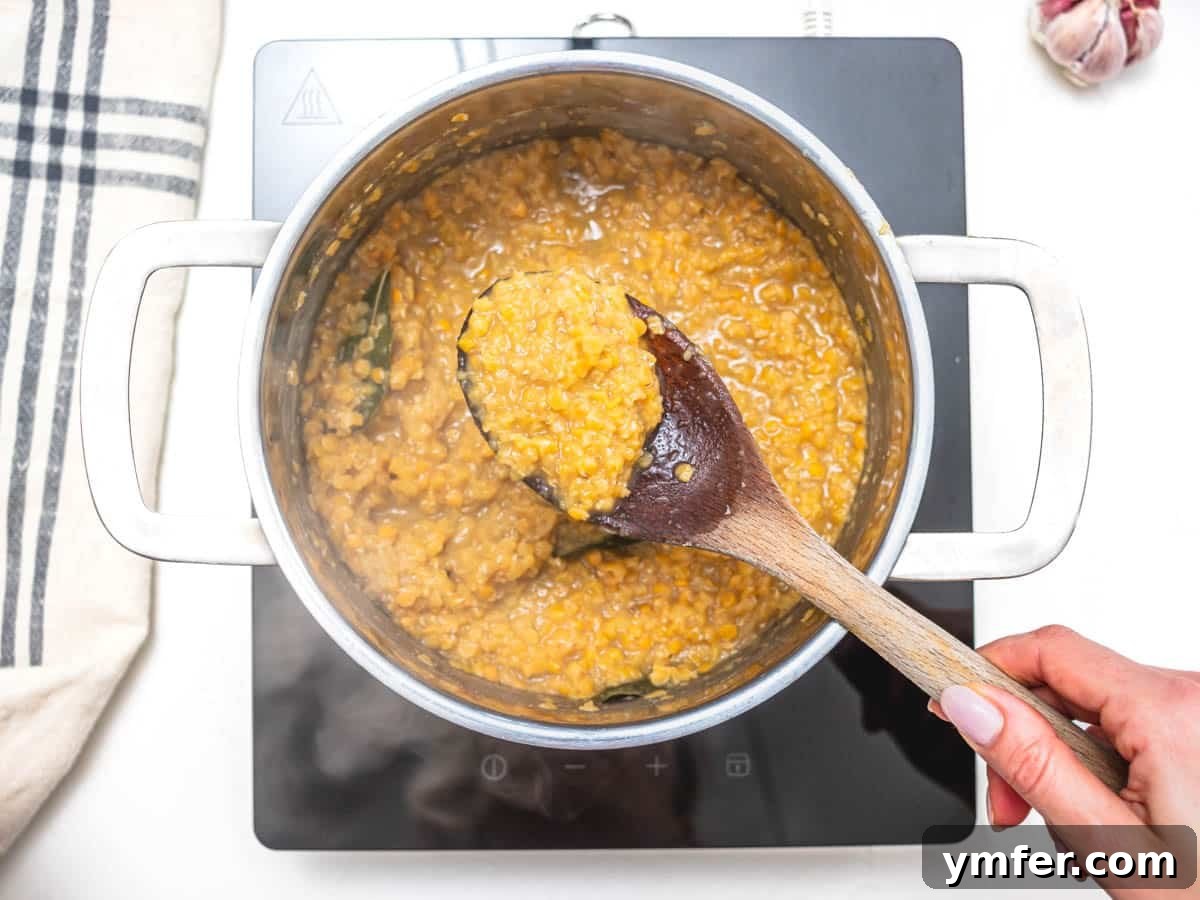
Once your red lentils have reached your desired tenderness, taste them and adjust the seasoning (salt and pepper) if necessary. They are now perfectly prepared and ready to be enjoyed on their own, or more commonly, to be enhanced with rich, aromatic flavorings.
Elevate the Flavor of Your Red Lentils with Tempering
While a basic pot of boiled red lentils provides a nutritious base, the true magic happens when you infuse them with vibrant flavors. The most effective and popular method for achieving this, especially in Indian cuisine, is called “tempering” or “tadka.” This technique involves briefly frying spices and aromatics in hot oil or ghee, then pouring this fragrant infusion over the cooked lentils. This simple step transforms a plain dish into an explosion of aroma and taste.
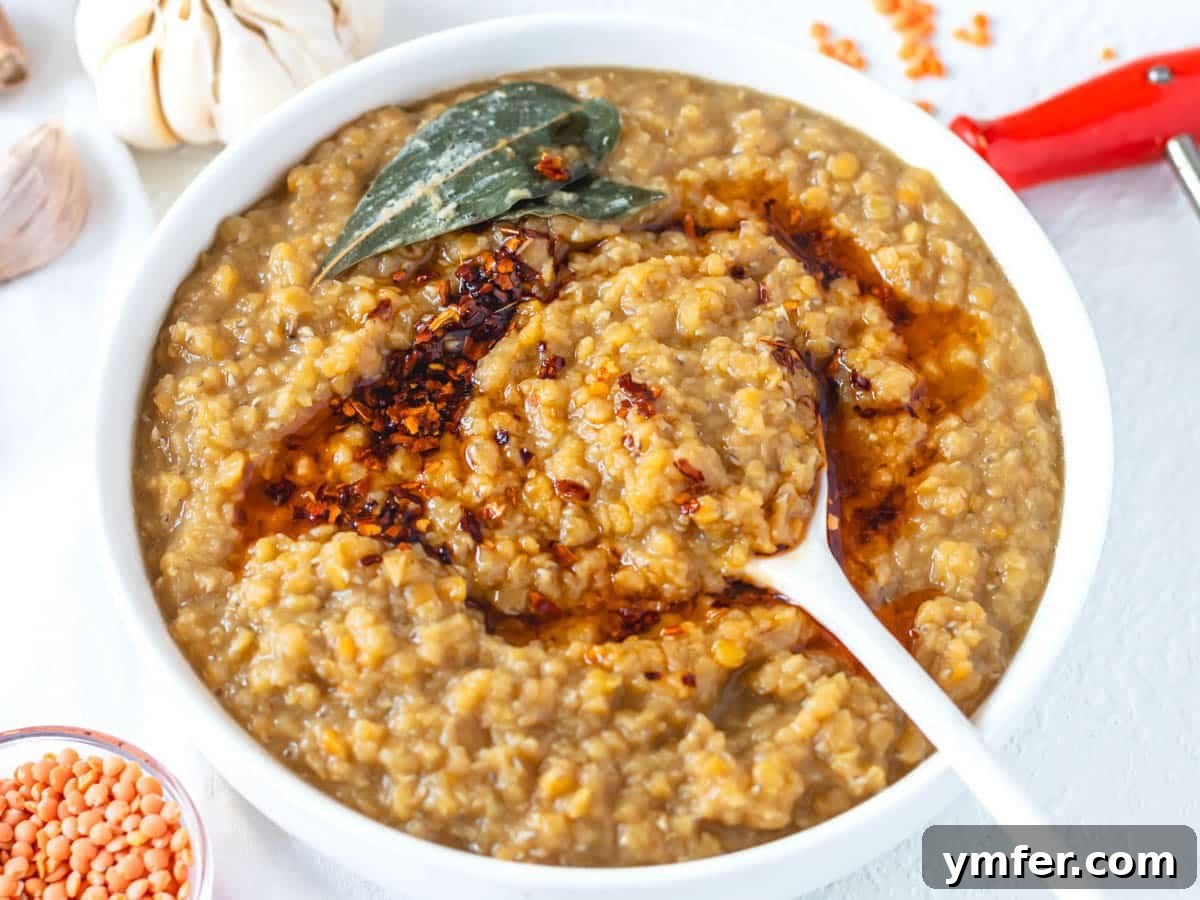
To create this delightful flavor boost, follow these easy steps:
- Heat Your Fat: In a small skillet or saucepan, heat about 1/2 to 1 tablespoon of olive oil, coconut oil, ghee, or your preferred cooking fat per serving of cooked lentils. The fat should be hot enough to gently sizzle when ingredients are added, but avoid overheating it to the point of smoking.
- Infuse with Aromatics: Add your chosen whole or ground spices and fresh herbs to the hot oil. Sauté them briefly, typically for just a few seconds to about a minute. The goal is to toast the spices and release their potent essential oils and fragrant aromas. Be vigilant during this stage, as delicate spices and especially minced garlic can burn quickly, which can introduce a bitter taste.
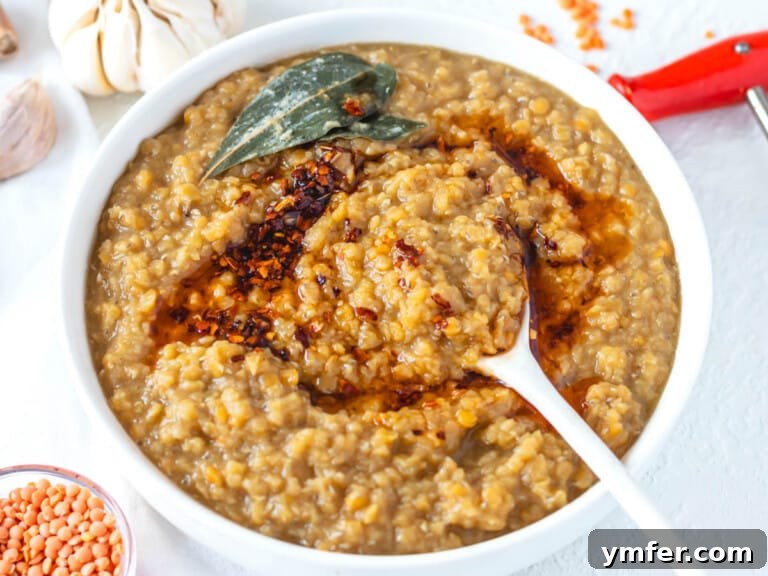
- Combine and Serve: Immediately and carefully pour the hot, sizzling aromatic oil and spice mixture directly over your bowl of cooked red lentils. Stir gently to ensure that the flavorful tempering is evenly distributed throughout the lentils. This final step not only enhances the taste but also adds a beautiful sheen and an irresistible aroma to your dish.
Here are some creative ideas for spice and herb combinations, inspired by various culinary traditions, to help you get started:
- Classic Indian-Inspired Tadka: Heat 2 to 4 tablespoons of olive oil or ghee. Add 1 teaspoon of whole or ground coriander, 1/2 teaspoon of ground cumin (or whole cumin seeds), 2 cloves of finely grated or minced garlic, and about 1 inch of freshly grated ginger. For a touch of heat, include red pepper flakes to taste. For an even richer and more authentic flavor profile, you could also add a few curry leaves, a pinch of mustard seeds, a dash of turmeric powder or curry powder, or even finely chopped onion (sauté the onion until translucent before adding the other spices).
- Mediterranean/Italian-Inspired Infusion: Gently warm 2 to 4 tablespoons of high-quality extra virgin olive oil over low to medium heat. Add a fresh sprig of rosemary, 2 to 3 fresh sage leaves, and a bay leaf, along with one or two crushed cloves of garlic. Fry these aromatics gently for about a minute, until the herbs become fragrant and slightly crisp. Remove the whole herbs (rosemary sprig, bay leaf) before pouring the infused oil over your lentils, then finish with a sprinkle of fresh chopped parsley or oregano.
- Simple Lemon & Herb Boost: For a lighter, brighter flavor, simply sauté finely minced garlic in olive oil until golden. Stir in fresh thyme or dill, then finish with a generous squeeze of fresh lemon juice and a sprinkle of lemon zest.
Don’t hesitate to experiment with these combinations or create your own to discover new and exciting ways to savor the natural goodness of red lentils!
Creative Serving Suggestions for Red Lentils
Cooked red lentils, especially when perfectly seasoned and perhaps tempered with flavorful oil, are incredibly versatile. They can serve as the star of a vibrant plant-based meal or as a hearty, complementary side dish. Here are numerous ways to enjoy their creamy goodness:
- Classic Grain Pairings: For a complete and satisfying meal, serve your seasoned lentils alongside fluffy basmati rice, nutrient-dense brown rice, or other popular grains like quinoa or couscous. The combination creates a balanced and filling dish.
- Delicious Bread Companions: Enhance the eating experience by using warm, crusty bread to scoop up every last drop of your delicious lentil dish. Options include toasted sourdough, soft and pliable roti, airy naan bread, or convenient pita bread.
- Cooling Creamy Toppings: A dollop of plain Greek yogurt or a dairy-free yogurt alternative (like coconut or cashew yogurt) provides a wonderful cooling contrast, particularly when paired with spiced or mildly hot lentil dishes.
- Fresh Herb Brightness: Elevate the flavors and add a beautiful splash of color with a generous sprinkle of freshly chopped parsley, vibrant cilantro (also known as coriander), or fresh mint leaves.
- Zesty Citrus Finish: A final squeeze of fresh lemon juice or lime juice is transformative. The acidity cuts through the richness of the lentils and spices, brightening all the other flavors and adding a delightful tang.
- Tangy and Crunchy Accents: Introduce a burst of contrasting flavor and texture with additions like quick pickled red onions, thinly sliced jalapeños for an optional spicy kick, or other favorite pickled vegetables such as gherkins or capers.
- Wholesome Bowl Meals: Create a personalized “Buddha bowl” by layering a base of whole grains, a generous scoop of your cooked lentils, a variety of roasted or steamed vegetables, and a drizzle of a flavorful sauce like tahini dressing or a spicy vinaigrette.
- As a Protein-Rich Dip or Spread: For a simple appetizer or snack, puree cooked red lentils with a touch of garlic, lemon juice, and olive oil to create a savory dip similar to hummus. Serve with crudités or crackers.
Delicious Recipes Featuring Red Lentils
As we’ve emphasized, split red lentils truly shine when they are incorporated into a well-crafted recipe. Their unique cooking properties – quick tenderization and natural creaminess – make them an indispensable ingredient for developing deeply flavorful, satisfying, and often incredibly simple meals. Here are some of our absolute favorite recipes that brilliantly showcase the versatility and deliciousness of these remarkable legumes:
- Creamy Lentil Curry (Inspired by Indian Dal): This incredibly popular recipe features red lentils slow-simmered in a rich, aromatic sauce. It begins with a sautéed base of onion, garlic, and fresh ginger, layered with warming spices such as cumin, turmeric, and coriander. Canned tomatoes and luxurious coconut milk are added to create a creamy, deeply flavorful curry that’s perfect served with rice or naan bread.
- Authentic Turkish Red Lentil Soup (Mercimek Çorbası): A wholesome and incredibly invigorating soup, this Mediterranean classic starts with a comforting sauté of onion, carrots, and celery, infused with garlic and fragrant cumin. Tomato paste and diced potatoes add depth, all simmered together in a rich vegetable broth. The soup is often pureed to an exquisitely silky-smooth consistency and traditionally served with a wedge of lemon and a drizzle of spicy chili-infused olive oil.
- Hearty Vegetarian Lentil Chili: An intensely satisfying and robust meal, this chili boasts a fantastic blend of sautéed onion, garlic, vibrant bell peppers, smoky paprika, aromatic oregano, and a variety of beans, all slow-cooked with fire-roasted canned tomatoes and savory vegetable broth. While the original recipe might suggest green lentils, substituting with red lentils yields a wonderfully thick, ‘melty’ chili texture that’s equally delicious and comforting.
- Comforting Italian-Style Red Lentil Soup: A nourishing and deeply comforting soup that marries the rustic, wholesome flavors of traditional Italian cuisine with the goodness of red lentils. Typical ingredients include finely diced celery, carrots, and onion, fragrant garlic, a hint of earthy cumin, fresh rosemary sprigs, bay leaves, canned crushed tomatoes, and a savory vegetable broth, culminating in a dish that is both nutritious and profoundly satisfying.
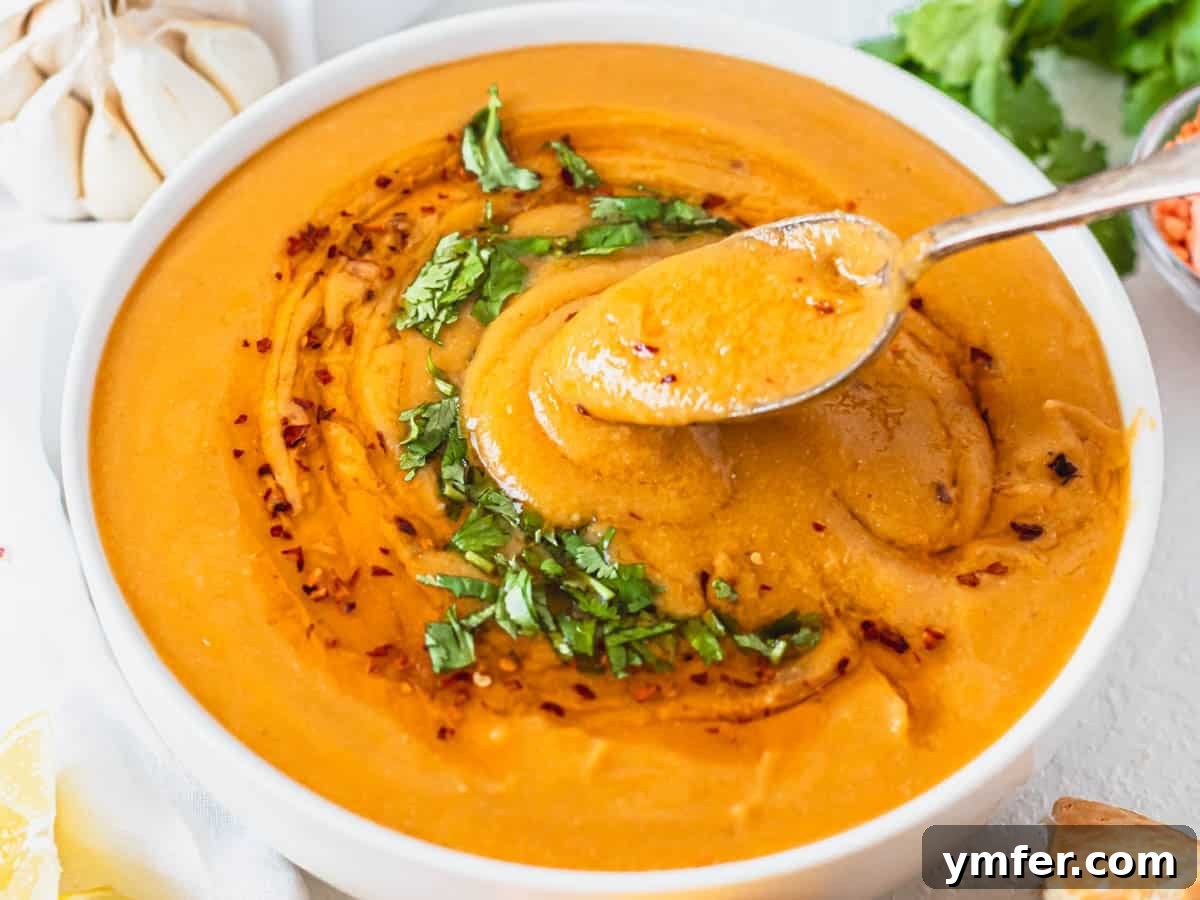
These recipes vividly demonstrate the incredible adaptability of red lentils, showcasing how they can transform simple pantry staples into memorable, flavor-packed meals. We encourage you to explore these options and feel free to customize them to suit your personal taste and available ingredients!
Frequently Asked Questions About Red Lentils
Dry split red lentils undergo significant expansion when cooked, typically increasing their volume by approximately 2.5 times. Therefore, if you start with one cup of dry split red lentils, you can expect to yield about 2.5 cups of cooked lentils. If your goal is to produce precisely one cup of cooked red lentils, you’ll generally need to begin with about 1/3 heaping cup of dry split red lentils, combined with the appropriate amount of cooking liquid (around 1 cup of water or vegetable broth). This makes them a very efficient ingredient in terms of yield.
While rinsing lentils before cooking is highly advisable, primarily to remove any surface dust, dirt, or tiny debris they might have accumulated during the harvesting, processing, and packaging stages, not rinsing them will most likely not cause any serious harm. However, you do run the risk of encountering an unpleasant gritty texture in your final dish or observing a cloudy appearance in your broth. Rinsing also helps to remove some of the surface starches, which can contribute to a clearer liquid and, for some individuals, may aid in better digestion. It’s a quick, simple step that significantly enhances both the aesthetic and gustatory qualities of your cooked lentils.
Yes, it is technically possible to cook red lentils in a pressure cooker or an Instant Pot. However, for split red lentils specifically, we generally do not recommend this method. The primary reason is that split red lentils already cook exceptionally fast on the stovetop (typically within 8-15 minutes), so using a pressure cooker offers minimal time-saving advantages. More importantly, the high-pressure environment of a pressure cooker tends to overcook split red lentils very rapidly, often resulting in them disintegrating into an excessively mushy, almost liquid consistency, even with very short cooking times (e.g., just a couple of minutes under pressure, with a reduced liquid ratio of 2 cups per cup of lentils). This often compromises their desired texture. Pressure cookers are much better suited for tougher, slower-cooking legumes such as dry brown, black, and green lentils, as well as chickpeas and various dry beans, where they truly provide a significant benefit by dramatically shortening cooking times while maintaining a better texture.
Yes, cooking split red lentils in the microwave is a perfectly viable and convenient option, especially when preparing smaller batches or if you’re short on time. To cook them in the microwave, combine split red lentils and water in a sturdy, microwave-safe bowl, adhering to a 1:3 lentils-to-water ratio (for instance, 1/2 cup split red lentils to 1 1/2 cups water). You can also incorporate salt, pepper, and any desired spices at this initial stage. Place the bowl in the microwave and cook at full power for an initial period of 5 minutes. After this, carefully remove the bowl (it will be hot!), stir the lentils, and then continue cooking in additional increments of 3-5 minutes, stirring between each increment, until the lentils are tender and have absorbed most of the liquid. Always exercise extreme caution when handling the bowl, as it will become very hot during the cooking process. While quick, this method does require close monitoring to prevent boil-overs.
Absolutely! Red lentils are a nutritional powerhouse and an excellent addition to a healthy diet. They are a superb source of plant-based protein, making them an ideal component for vegetarian and vegan diets. Beyond protein, they are rich in dietary fiber, which is crucial for supporting digestive health, promoting satiety, and helping to regulate blood sugar levels. Furthermore, red lentils are packed with essential minerals such as iron (vital for energy and blood health), folate (important for cell growth and function), manganese, and magnesium, all of which contribute significantly to overall well-being and maintaining healthy bodily functions. Their low glycemic index also contributes to sustained energy. Incorporating them regularly into your meals offers a myriad of health benefits.
While both red and yellow lentils are frequently sold in their split and hulled forms (meaning their outer skin is removed), leading to quick cooking times, there are subtle distinctions between them. Red lentils (often Masoor Dal in Indian cuisine) typically have a slightly sweeter, earthier flavor profile and are known for breaking down almost completely into a very creamy, smooth consistency, making them perfect for purees and thick dals. Yellow lentils (which can encompass varieties like Moong Dal or Toor Dal) tend to have a milder, sometimes subtly nutty flavor. They also cook quickly and become soft, but some yellow lentil varieties might retain a little more textural integrity compared to the complete breakdown of red lentils. Both types are excellent for a wide range of dals, soups, and pureed dishes, but the choice often comes down to the specific flavor nuance desired or the precise consistency preferred for a particular recipe.
Storage & Make-Ahead Tips for Cooked Red Lentils
Red lentils are an exemplary ingredient for meal preparation and making dishes ahead of time, thanks to their excellent shelf life both in the refrigerator and freezer. This makes them a convenient option for ensuring you always have a nutritious, plant-based component ready for quick meals throughout the week.
- Make Ahead Advantage: Cooked red lentils, whether plain or integrated into a dish, are perfectly suited for make-ahead meal planning. You can prepare a larger batch on a less busy day and utilize them in various recipes or as quick additions to meals over several days or even weeks.
- Refrigerator Storage: After cooking, allow any leftover red lentils or dishes containing them to cool down completely to room temperature. Once cooled, transfer them into a clean, airtight container. Store this container in the refrigerator, where the cooked lentils will maintain their freshness and quality for up to 4 to 5 days. This airtight seal is key to preventing bacterial growth and preserving flavor.
- Freezer Storage: For extended storage, cooked red lentils freeze exceptionally well. Ensure they are thoroughly cooled before proceeding. Portion the lentils into freezer-friendly containers or heavy-duty freezer bags. To prevent freezer burn, try to remove as much air as possible from the bags before sealing. Frozen cooked red lentils can be safely stored in the freezer for up to 3 months. Freezing them in individual or meal-sized portions allows for easy thawing of just the amount you need.
- Thawing & Reheating: To thaw frozen red lentils, simply transfer them from the freezer to the refrigerator and allow them to defrost slowly over several hours or overnight. For reheating, gently warm them in a saucepan on the stovetop over low to medium heat. If they appear too thick or dry after thawing/reheating, add a small dash of water or vegetable broth to achieve the desired consistency. Alternatively, they can be reheated in the microwave in a microwave-safe bowl at full power for a couple of minutes, with a stir halfway through, until they are thoroughly heated through and steaming. Always ensure food is piping hot before serving.
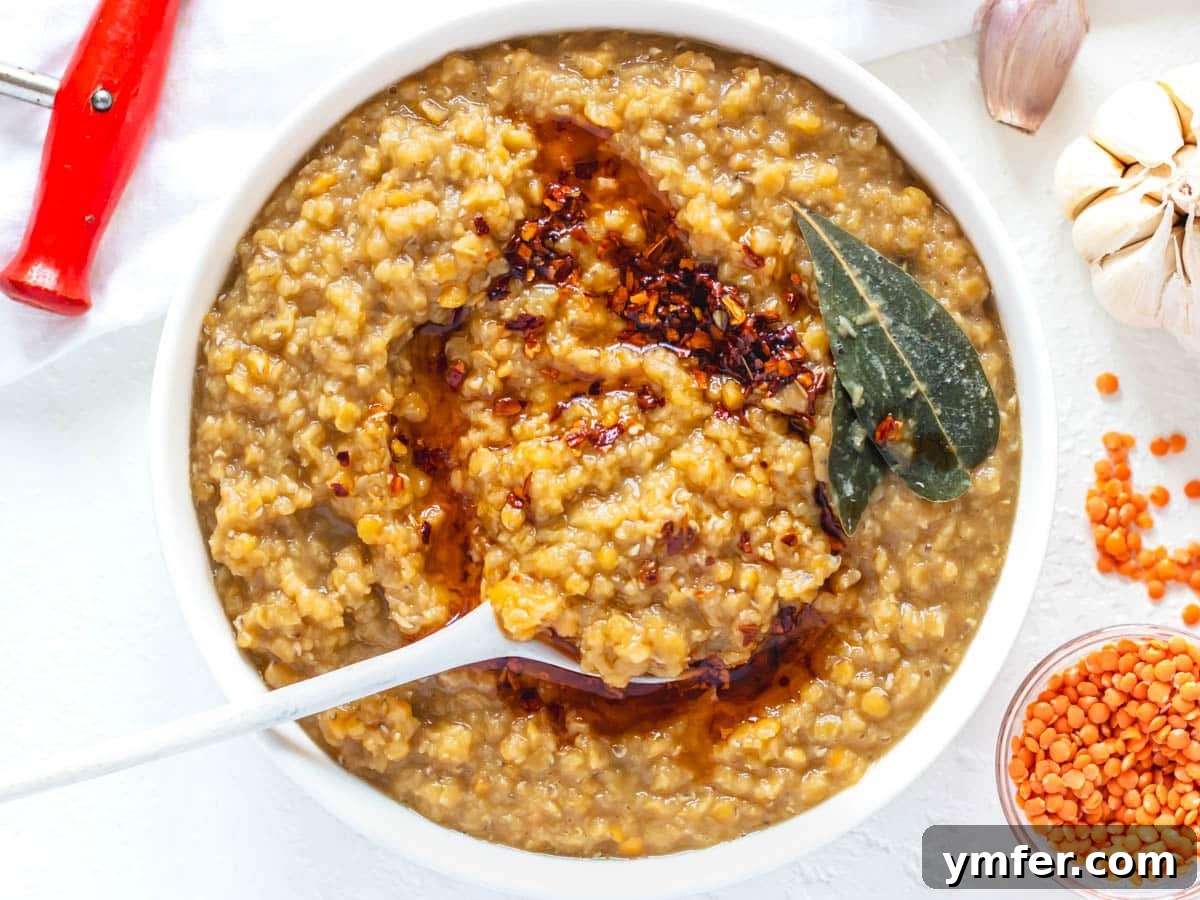
By following these effective storage and make-ahead tips, you can effortlessly incorporate the convenience and immense nutritional value of red lentils into your diet any day of the week, reducing food waste and making healthy eating simpler.
Essential Plant-Based Cooking Basics Guides
Mastering the fundamental cooking techniques for key plant-based ingredients is a cornerstone of confident and creative cooking. Elevate your kitchen prowess and expand your culinary horizons with these essential guides to preparing staple ingredients, effortlessly transforming them into delicious and healthy meals:
- How to Cook White Beans: A comprehensive guide to preparing creamy cannellini or navy beans from their dried state, perfect for enriching soups, robust stews, or vibrant salads.
- How to Cook Black Beans: Discover the most effective methods for cooking these incredibly versatile and flavorful beans, ideal for Mexican-inspired dishes, wholesome grain bowls, and much more.
- How to Cook Black Lentils (Beluga Lentils): Learn expert tips and techniques for cooking these tiny, distinctively firm lentils that remarkably hold their shape, making them exquisite for elegant salads and sophisticated side dishes.
- How to Cook Brown or Green Lentils: A detailed, all-encompassing guide to successfully preparing the more robust and earthy brown and green lentil varieties, which are superb for hearty main courses and substantial sides.
- How to Cook Chickpeas: Unlock the secrets to achieving perfectly tender and flavorful chickpeas from dried, whether you’re making creamy hummus, aromatic curries, or crispy roasted snacks.
- How to Cook Couscous: Master the quick and incredibly easy method for preparing fluffy couscous, an excellent and versatile base that beautifully complements a myriad of dishes.
- How to Cook Artichokes: Gain confidence in preparing fresh artichokes, covering essential techniques from steaming to roasting, along with simple and delicious recipe ideas.
Sides
How to Cook Black Lentils
Basics
How to Cook Chickpeas
Basics
How to cook couscous
Collections
How to Cook Artichokes + Easy Recipes
More Irresistible Lentil Recipes to Explore
Lentils are truly remarkable in their versatility, forming the flavorful foundation of countless nutritious and delicious dishes across an impressive spectrum of global cuisines. If you’ve enjoyed discovering the wonders of red lentils, we warmly invite you to delve deeper into the expansive world of lentils with these wholesome and inviting recipes, suitable for various meal types and preferences:
- Moroccan Lentil Soup: A wonderfully aromatic and warming soup, rich with the vibrant, exotic spices and fresh herbs characteristic of traditional Moroccan culinary art.
- Curry Lentil Soup: A lively and exquisitely spicy soup that bursts with the fragrant, exotic flavors of high-quality curry powder and other essential Indian spices, perfect for a warming meal.
- Mujadara (Middle-Eastern Lentils and Rice): A timeless, deeply comforting, and incredibly satisfying dish from the Middle East, expertly combining tender, earthy lentils with perfectly fluffy rice and beautifully caramelized onions.
- Italian Lentil Pasta: A hearty and nutrient-dense pasta dish where lentils are either blended into a rich, robust sauce or added whole to provide a delightful textural contrast.
- Lentil Bolognese: A savory, richly textured, and entirely plant-based alternative to traditional Bolognese, serving as an utterly delicious and satisfying pasta sauce.
- Mediterranean Lentil and Carrot Salad: A refreshing, light, and vibrant salad that artfully combines perfectly cooked lentils with crisp, fresh carrots and a zesty, bright Mediterranean-inspired dressing.
- 20 Easy Lentil Recipes: A carefully curated and expansive collection of our most favorite simple, straightforward, and undeniably delicious lentil-based meals, suitable for any occasion or craving.
Curry Recipes
Lentil Curry
Soups
Red Lentil Soup
One-pot Meals
Turkish Lentil Soup
Collections
30 Lentil Recipes
For an abundance of even more inspiring dinner ideas and plant-based culinary creations, we invite you to explore our extensive main course category page, where you’ll find a wealth of delicious options to satisfy every palate.
How to Cook Red Lentils (Basic Method)
Follow these simple steps to prepare perfectly tender red lentils in water or vegetable broth, ready to be flavored and enjoyed in your favorite one-pot meals.
Share
Ingredients
FOR BASIC COOKED LENTILS
- 1 cup dry split red lentils
- 3 cups water or vegetable broth
- ⅔ teaspoon salt or more to taste
- 2 twists black pepper
- 2 bay leaves (optional, for aroma)
FOR AROMATIC TEMPERING (optional flavor boost)
- 3 tablespoons extra virgin olive oil
- 2 cloves garlic grated or minced
- 1 inch ginger grated (optional)
- ½ teaspoon ground cumin (optional)
- ¼ teaspoon red pepper flakes (optional, adjust to taste)
Instructions
-
1. Prepare Lentils: Spread 1 cup dry split red lentils on a plate and carefully inspect them for any small stones or debris. Transfer the lentils to a fine-mesh sieve and rinse them thoroughly under cold running water until the water runs completely clear.

-
2. Combine & Season: Add the rinsed lentils to a medium pot or saucepan. Pour in 3 cups water or vegetable broth. Season with ⅔ teaspoon salt and 2 twists black pepper. If desired, add 2 bay leaves for an aromatic touch.
-
3. Cook to Creaminess: Bring the liquid to a boil over medium-high heat. Once boiling, reduce the heat to low, cover the pot, and simmer gently for 10-15 minutes. Stir occasionally to prevent sticking. Continue cooking until the lentils are tender, have absorbed most of the liquid, and have broken down into a creamy, porridge-like consistency. If a slightly firmer texture is desired, cook for 8-10 minutes, then drain any excess water.
OPTIONAL FLAVOR BOOST: AROMATIC TEMPERING
-
4. Prepare Aromatic Tempering: While the lentils are cooking, prepare your optional aromatic oil. Heat 3 tablespoons extra virgin olive oil in a small saucepan over medium heat. Add 2 cloves garlic (grated or minced), 1 inch ginger (grated, if using), ½ teaspoon ground cumin (if using), and ¼ teaspoon red pepper flakes (if using, adjust to your preferred spice level). Sauté the spices for 30 to 60 seconds until they become fragrant, ensuring the garlic doesn’t burn.
5. Serve: Pour the hot aromatic oil directly over the cooked lentils. Serve immediately, garnished with a squeeze of fresh lemon juice, a dollop of yogurt (dairy or non-dairy), and fresh cilantro or parsley. This dish is excellent when paired with warm pita bread, naan, roti, or steamed rice for a complete and delicious meal.
Notes
STORAGE & MAKE AHEAD
Make ahead: Cooked red lentils are an excellent choice for meal planning. They keep very well for up to 4 to 5 days when stored in the refrigerator and can be frozen for several months.
Refrigerator: Ensure any leftovers are cooled completely before transferring them to an airtight container. Store in the fridge for 4 to 5 days.
Freezer: Once thoroughly cooled, transfer the cooked lentils to a freezer-safe container. They can be safely frozen for up to 3 months.
Thaw & Reheat: To thaw, simply move the frozen lentils to the refrigerator for several hours or overnight. Reheat gently in a saucepan on the stovetop, adding a splash of water or broth if needed. Alternatively, reheat in the microwave at full power for a couple of minutes until piping hot.
FOR MORE IN-DEPTH INFORMATION ON THIS PAGE, PLEASE REFER TO THESE SECTIONS:
- What are red lentils?
- Do you have to soak red lentils before cooking?
- What is the ratio of liquid to red lentils?
- How to add flavor to red lentils?
- Serving suggestions
- Recipes with red lentils
- Questions
- More cooking basics
Nutrition
If you liked this red lentil recipe, you might also enjoy these related articles and recipes:
Recipes
45 Easy Vegetarian Dinner Recipes
Collections
40 Meatless Dinner Ideas
Mains
40 High Protein Vegetarian Meals
Collections
35 Plant-based Recipes