
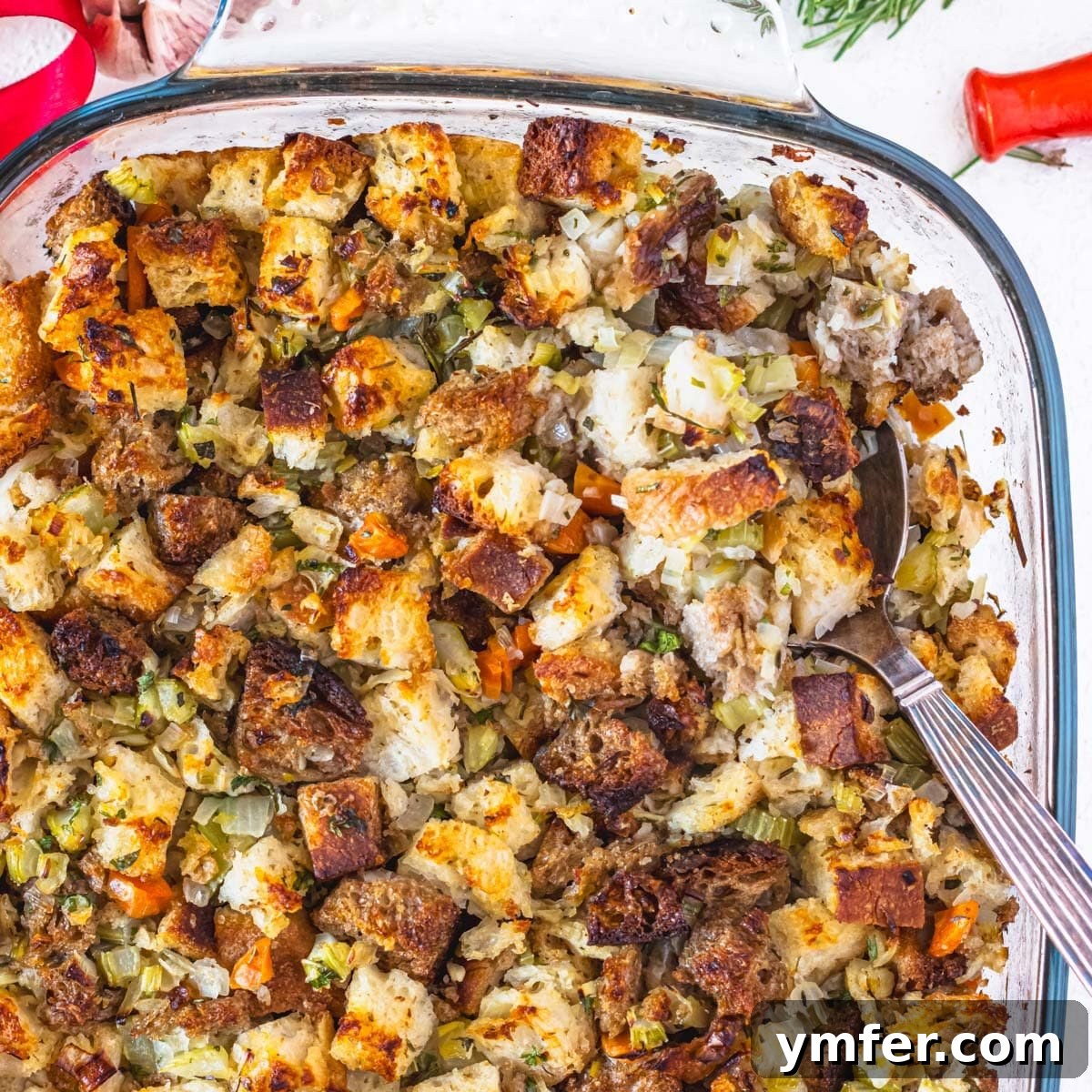
Hearty Vegetarian Stuffing: The Ultimate Plant-Based Holiday Side Dish
Prepare to elevate your holiday table with our incredibly flavorful and satisfying vegetarian stuffing recipe. This isn’t just any side dish; it’s a centerpiece-worthy creation designed to bring warmth, comfort, and unforgettable taste to your Thanksgiving, Christmas, or any special family gathering. Bursting with aromatic herbs, tender vegetables, and a delightful mix of soft and crispy bread, this plant-based stuffing is guaranteed to be a hit with everyone, regardless of their dietary preferences.
Whether you’re hosting a grand feast or a cozy dinner, this easy-to-make stuffing offers a rustic charm and savory depth that perfectly complements any main course. It’s an excellent way to enjoy traditional holiday flavors while keeping it entirely vegetarian and vegan-friendly. Plus, with a simple swap of gluten-free bread, it effortlessly caters to those with gluten sensitivities, making it a truly inclusive dish for all your loved ones.
If you’re planning a plant-based holiday menu, you’ll also adore our hearty lentil loaf, comforting vegetarian lasagna, and our sweet vegan cornbread recipe.
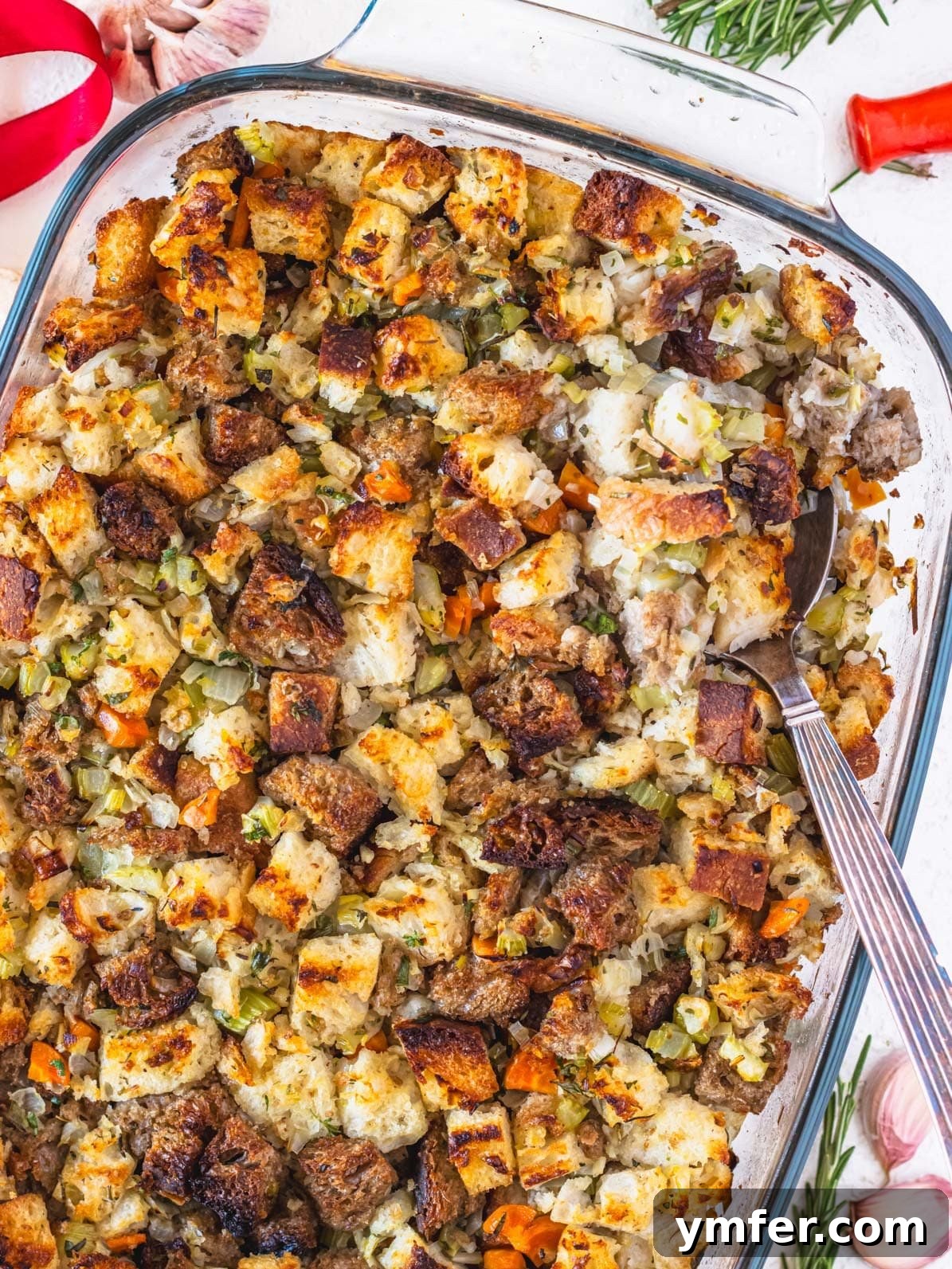
Why You’ll Love This Vegetarian Stuffing
Our vegetarian stuffing is more than just a recipe; it’s an experience. Here’s why this dish will become a treasured part of your holiday traditions:
- Incredibly Flavorful: Infused with a blend of classic Italian herbs and a medley of sautéed vegetables, every bite is packed with savory, aromatic goodness that defines comfort food.
- Perfect Texture Contrast: Enjoy the best of both worlds with a stuffing that’s wonderfully moist and tender on the inside, perfectly complemented by a irresistibly golden-brown, crispy top.
- Dietary Inclusive: This recipe is naturally vegetarian and easily adapted to be vegan and gluten-free. Simply ensure you use a good quality vegetable broth and opt for your favorite gluten-free bread to make it suitable for various dietary needs.
- Versatile Side Dish: While a holiday staple, its robust flavors make it an ideal savory accompaniment to any meal throughout the year.
- Cozy & Rustic Appeal: There’s something undeniably comforting about a homemade stuffing. Its rustic appearance and fragrant aroma will fill your kitchen with a festive spirit, making everyone feel warm and welcome.
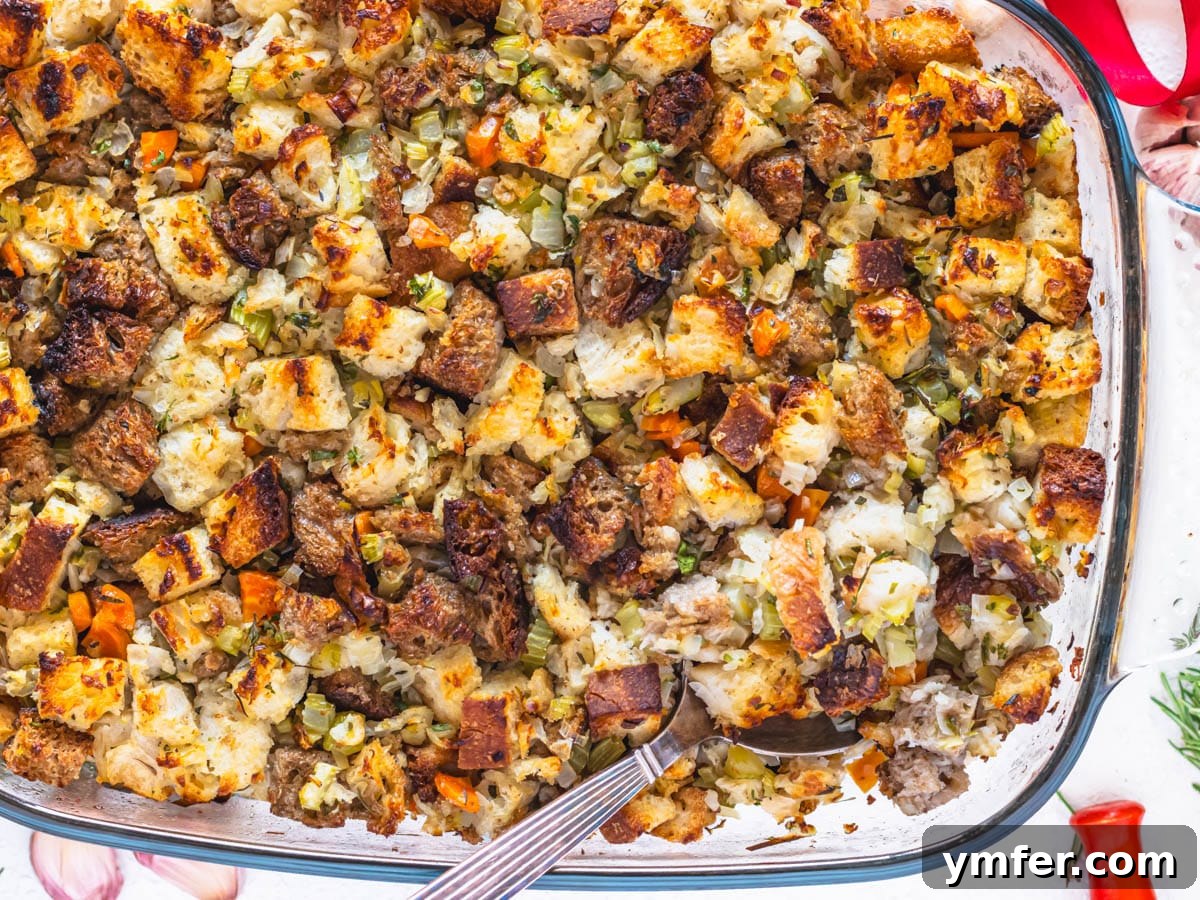
This stuffing bakes beautifully in a casserole dish, making it a convenient and impressive addition to your holiday spread. Imagine it proudly sitting next to your main dish, ready to be scooped and savored.
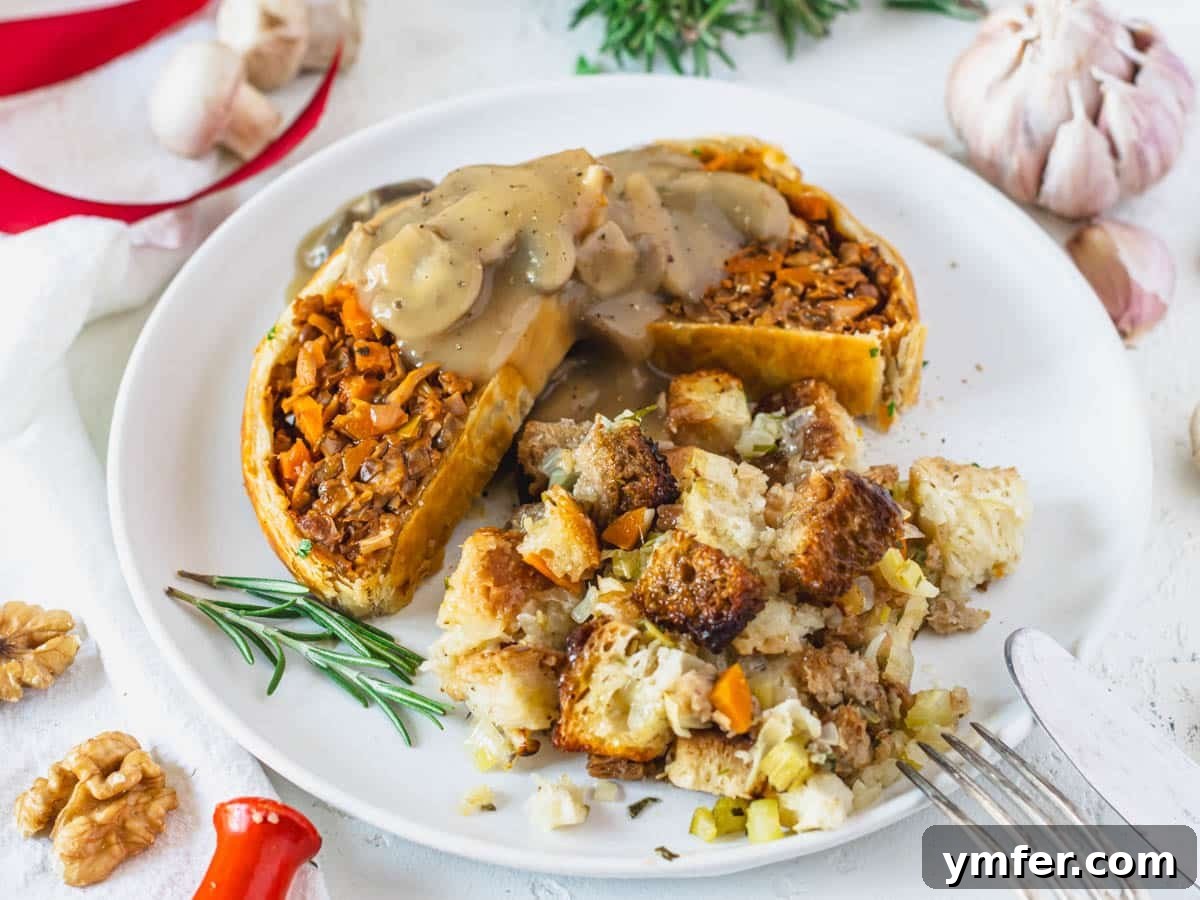
For Thanksgiving, Christmas dinner, or any festive occasion, we highly recommend serving this stuffing alongside our impressive Mushroom Wellington, our hearty Lentil Loaf, or a comforting Stuffed Butternut Squash. Its rich flavors also pair wonderfully with other vibrant side dishes, such as roasted sweet potatoes, crisp sautéed green beans, flavorful roasted Brussels sprouts, or a refreshing kale salad.
Essential Ingredients for the Best Vegetarian Stuffing
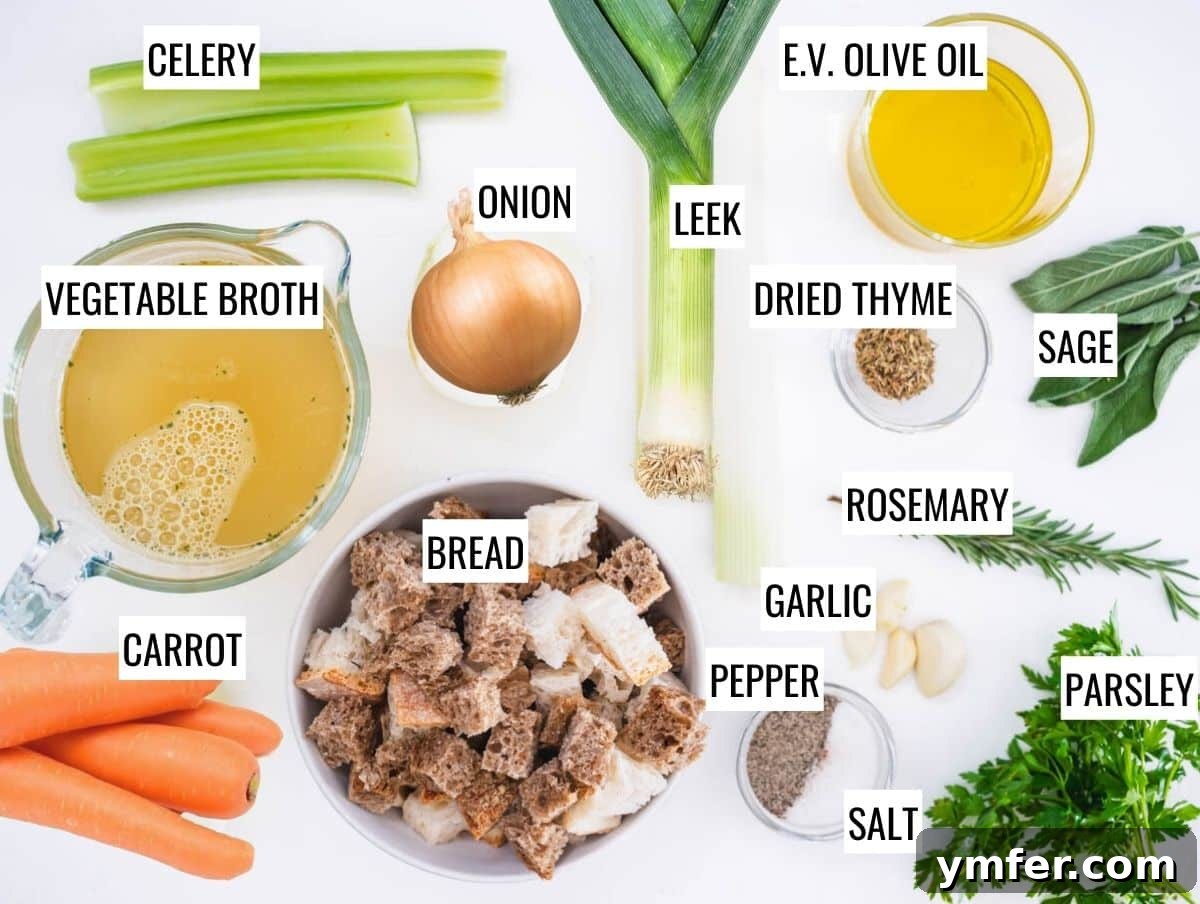
Exact quantities can be found in the comprehensive recipe card at the bottom of this page.
Bread: The Foundation of Flavor and Texture
The type of bread you choose is paramount to the success of your stuffing. For an unparalleled depth of flavor and a more engaging texture, we highly recommend using a combination of white and whole-grain crusty bread. This blend adds complexity and ensures a more interesting mouthfeel.
What to Avoid: Steer clear of soft sandwich bread, as it tends to absorb too much liquid and become mushy once mixed with broth. This results in a dense, unappealing stuffing.
What to Choose: Opt for breads with a good crust, such as an artisanal loaf, Tuscan bread, Italian bread, or sourdough. These varieties hold their shape better and contribute to the desired textural contrast—soft on the inside, crispy on top.
You can use fresh bread, which is easier to cut into uniform cubes, or day-old bread if it’s still firm enough. Regardless, the bread must be cut into bite-sized pieces and then toasted in the oven or an air fryer until completely dry and lightly golden. This crucial step prevents sogginess and helps achieve that delightful crispiness.
For a Gluten-Free Option: Simply substitute with your preferred gluten-free artisanal bread. Ensure it’s a variety that can be toasted to a firm, dry consistency.
Olive Oil: The Aromatic Base
We use extra virgin olive oil to sauté our vegetables, building the foundational aromatic layer for our stuffing. Extra virgin olive oil not only imparts a wonderful flavor but is also a healthier cooking fat.
Substitutions: If olive oil isn’t available or preferred, you can use melted butter, vegan butter, or avocado oil. Each will lend a slightly different flavor profile, but all will work effectively to cook your vegetables.
Veggies: The Hearty Blend for Deep Flavor
The vegetable base is where much of our stuffing’s signature savory flavor comes from. We recommend a classic combination of finely chopped yellow or white onion, carrot, celery, and leek. These are gently cooked in olive oil until perfectly tender.
While some traditional stuffing recipes might omit carrots and leeks, we strongly advocate for their inclusion. Carrots add a subtle sweetness and beautiful color, while leeks provide a delicate, nuanced onion flavor that elevates the overall taste profile significantly.
Herbs: The Fragrant Essence of Holiday Stuffing
Herbs are the soul of any good stuffing, especially a holiday one. We rely on a robust blend of traditional Italian herbs to create that iconic aromatic profile. Our combination includes a sprig of fresh rosemary, fresh sage leaves, and either dried or fresh thyme.
Fresh vs. Dried Herbs: Both fresh and dried herbs work well. If using fresh herbs, remember to chop them finely just before adding to release their full aroma and ensure they blend seamlessly into the stuffing.
Additionally, a couple of cloves of fresh garlic are absolutely essential for a pungent, savory kick. You can mince, chop, grate, or press the garlic – just avoid garlic powder for the best fresh flavor. Finally, a generous amount of fresh parsley (Italian or flat-leaf is best) brightens the dish and adds a vibrant green touch.
Vegetable Broth: For Moisture and Richness
As this is a vegetarian and vegan-friendly stuffing, we use a high-quality vegetable broth instead of chicken broth. Vegetable broth is an excellent, plant-based way to moisten the bread and infuse the entire dish with a rich, savory flavor without any meat products.
Using vegetable broth is an easy and delicious step towards reducing meat consumption while still enjoying a hearty and traditional holiday dish.
Salt & Pepper: To Taste
Simple seasonings like sea salt or kosher salt and freshly ground black pepper are crucial for balancing and enhancing all the flavors. Always adjust the amounts to your personal preference after tasting.
Note on Eggs: This recipe does not call for eggs, keeping it naturally vegan. If you prefer a more custardy, bound stuffing and aren’t concerned with vegan dietary notes, you can whisk a couple of eggs into the vegetable broth before adding it to the bread mixture.
How to Make the Perfect Vegetarian Stuffing: A Step-by-Step Guide
Detailed US cups and grams measurements are available in the recipe card at the very end of this article.
1. Prepare and Toast the Bread
Begin by preheating your oven to 350°F (180°C). This ensures it’s ready for toasting the bread, a critical step for preventing soggy stuffing.
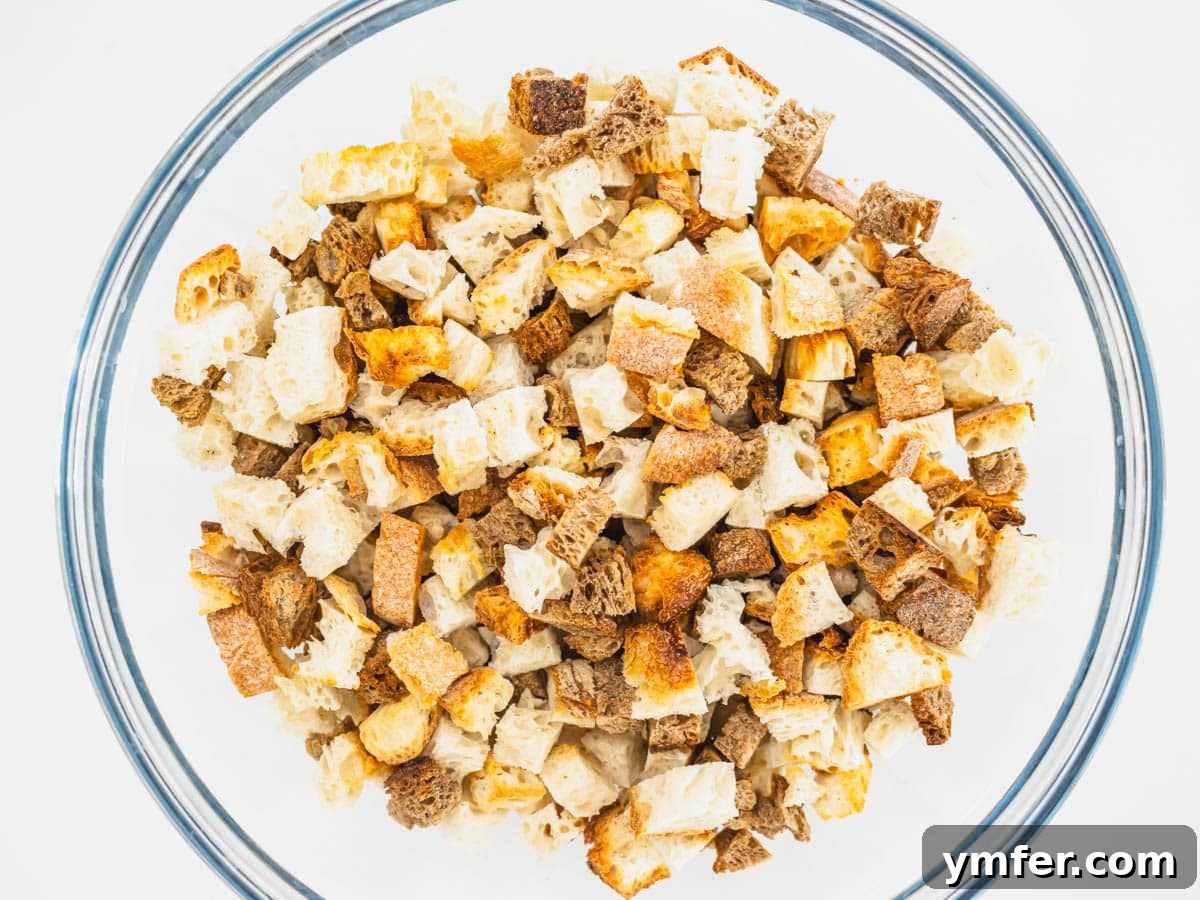
Using a serrated bread knife, cut your chosen crusty bread into uniform, small bite-sized cubes, approximately ½ to ¾ inch in size. Uniformity helps them toast evenly. Spread the bread cubes in a single layer on a large baking tray.
Toasting Options:
- Oven: Bake at 350°F (180°C) for about 8 to 10 minutes, or until the bread cubes are thoroughly dry and lightly crunchy. They should not be overly browned, but firm to the touch.
- Air Fryer: If using an air fryer, you may need to work in batches. Air fry at 320°F (160°C) for 5 to 10 minutes, shaking the basket halfway through, until dry and crisp.
Once toasted, immediately transfer the dried bread cubes to a large mixing bowl. This prevents them from becoming stale or absorbing ambient moisture.
2. Sauté the Aromatic Vegetables
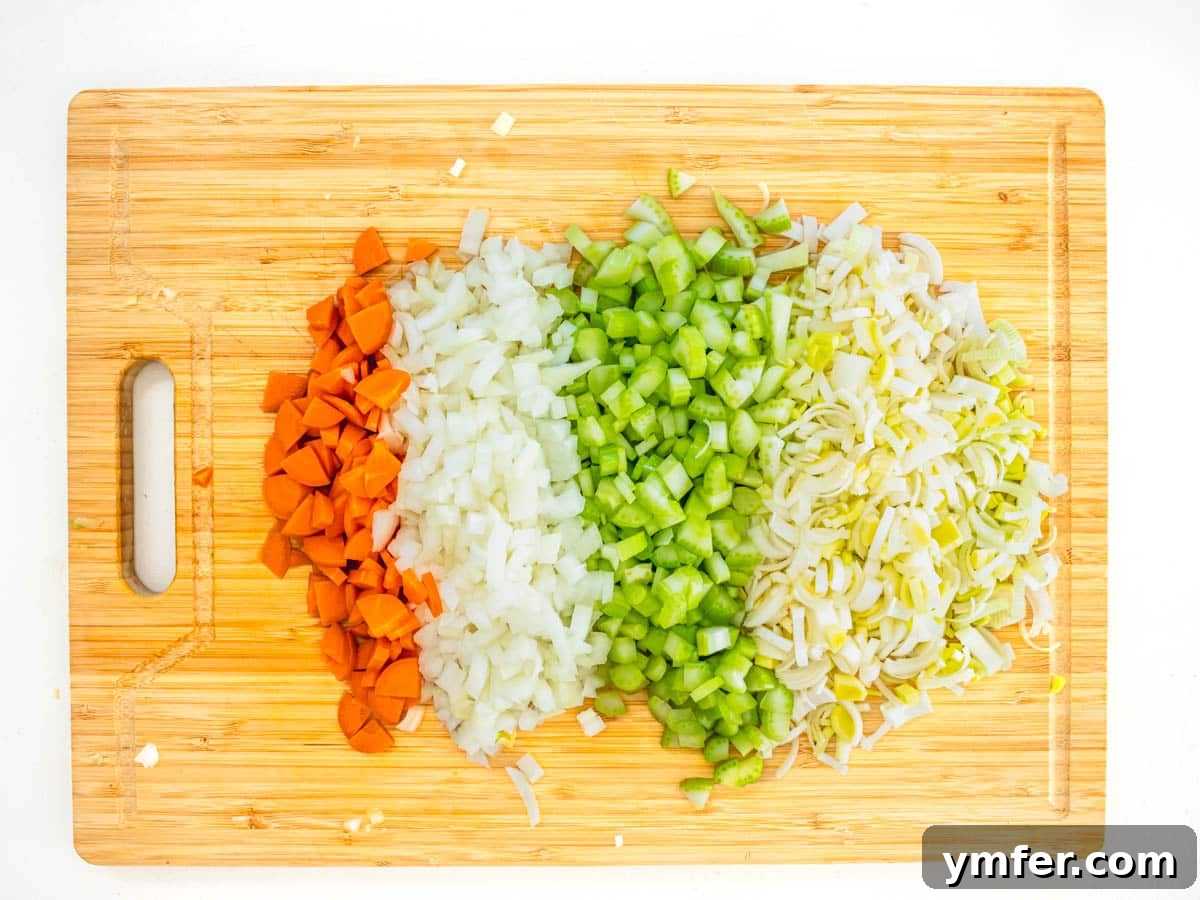
Next, it’s time to build the flavor base. Finely chop your onion, carrot, and celery. Consistency is key here; smaller pieces will cook down more evenly and integrate better into the stuffing. You can achieve this by hand with a sharp chef’s knife for a more rustic texture, or use a food processor for speed and uniform mincing.
For the leek, first cut it in half lengthwise. Rinse the layers thoroughly under cold running water to remove any trapped dirt or grit, then thinly slice it with a knife.
Chef’s Tip: While a food processor saves time, hand-chopped vegetables often retain a more pleasant, distinct texture. If time allows, hand-cutting is recommended for an elevated stuffing experience.
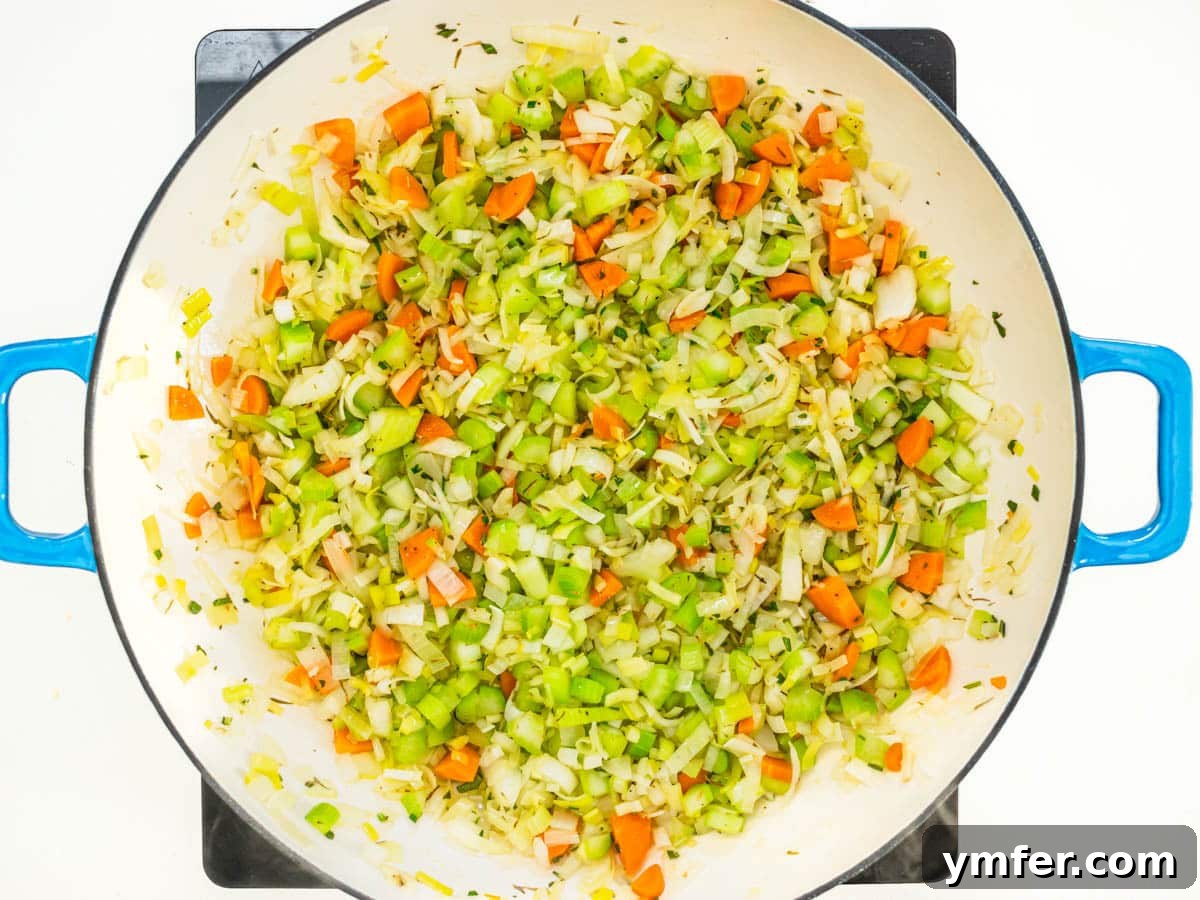
Heat the olive oil (or melted butter/vegan butter) in a large skillet over medium heat. Add the chopped carrot, onion, celery, and leek. Season them generously with salt and freshly ground black pepper. Sauté for about 10 minutes, stirring occasionally, until the vegetables have softened and become translucent. This slow sautéing process develops a deep, sweet flavor.
Once the vegetables are tender, add the minced garlic, fresh or dried rosemary, sage, and thyme. If using fresh herbs, ensure they are finely chopped. Continue to cook for another 2 minutes, stirring constantly, until the fragrant aroma of the garlic and herbs fills your kitchen. Be careful not to burn the garlic.
3. Combine Bread and Aromatics
Now, it’s time to bring everything together. Add the sautéed vegetables, freshly chopped parsley, and about half of the vegetable broth to the large mixing bowl containing the toasted bread cubes.
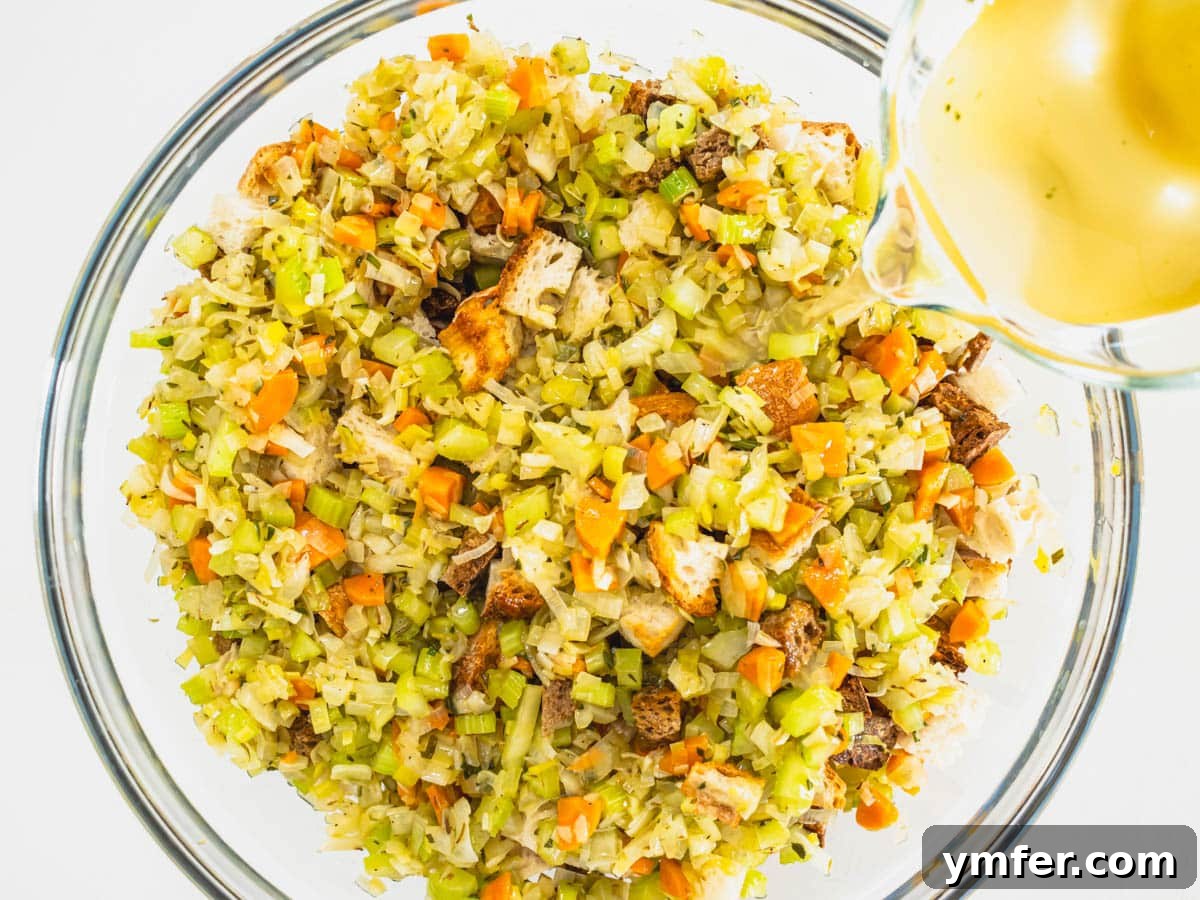
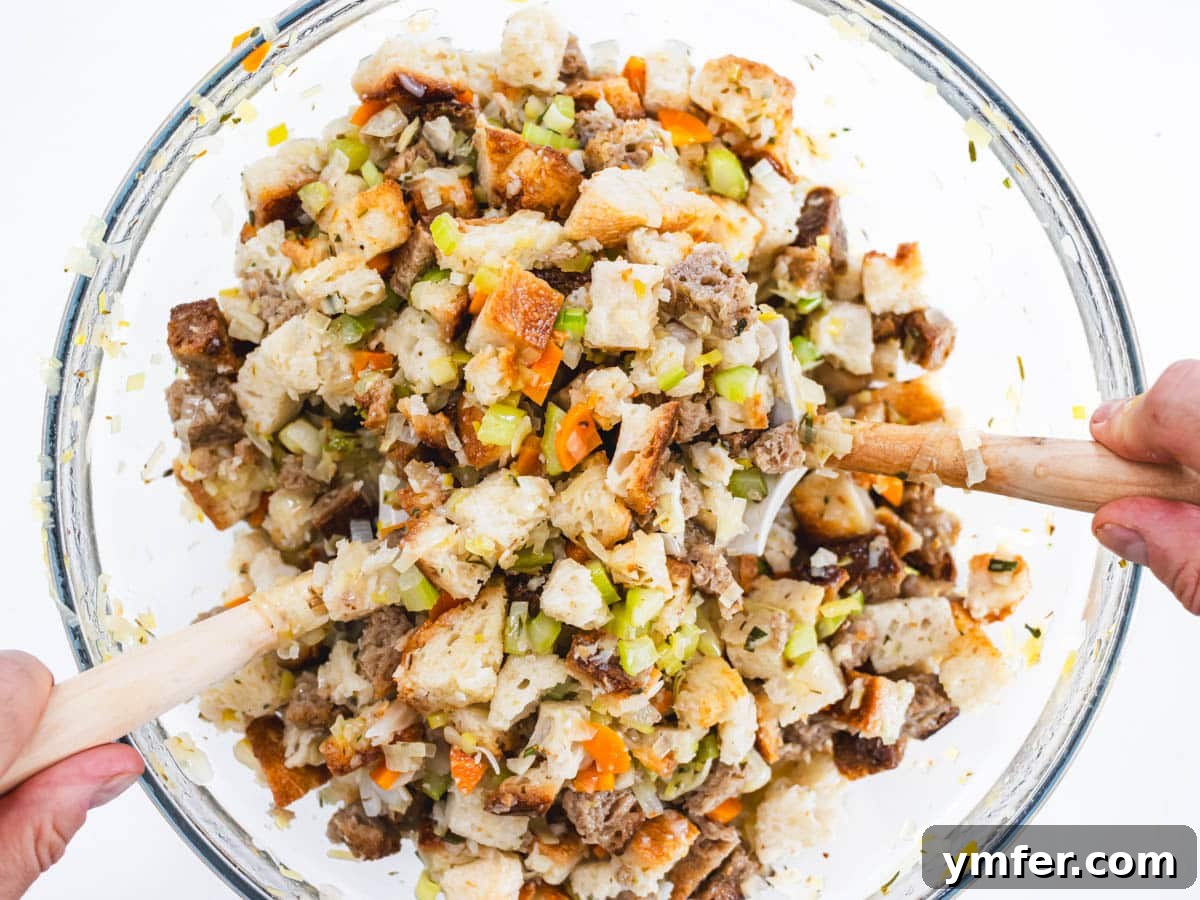
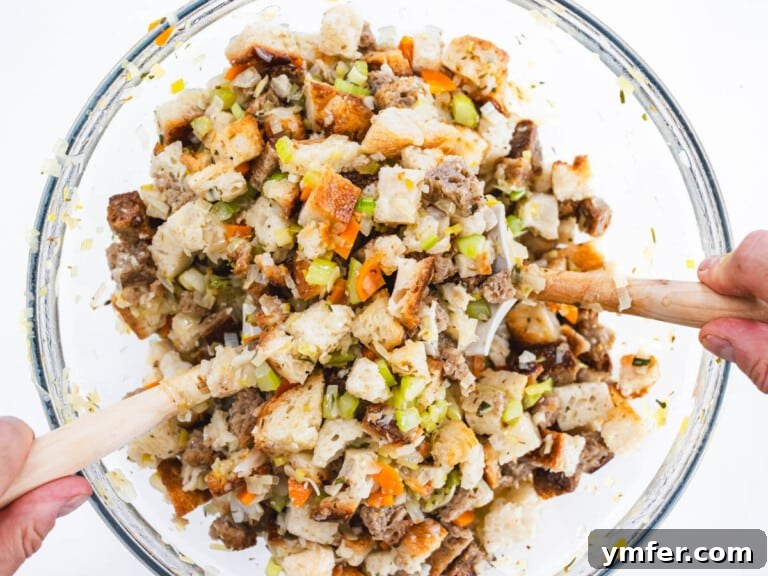
Gently toss all the ingredients until they are well combined. Gradually add more vegetable broth, a little at a time, until the bread is softened and thoroughly moistened but not soggy. The amount of broth needed will vary depending on the type and dryness of your bread.
Taste Test: After mixing, taste the stuffing and adjust the seasoning with more salt and black pepper as needed. This is your chance to perfect the flavor before baking.
Stuffing Consistency Tip: If you’re using a dense, crusty artisanal bread, it will likely absorb more liquid, requiring closer to the full amount of broth. Softer, pre-sliced supermarket bread will absorb less, so add broth cautiously to avoid an overly wet mixture.
4. Bake Until Golden and Crispy
Lightly oil a casserole dish or baking dish (a 9×13-inch Pyrex dish works perfectly for this recipe). Transfer the prepared stuffing mixture into the dish, spreading it evenly.
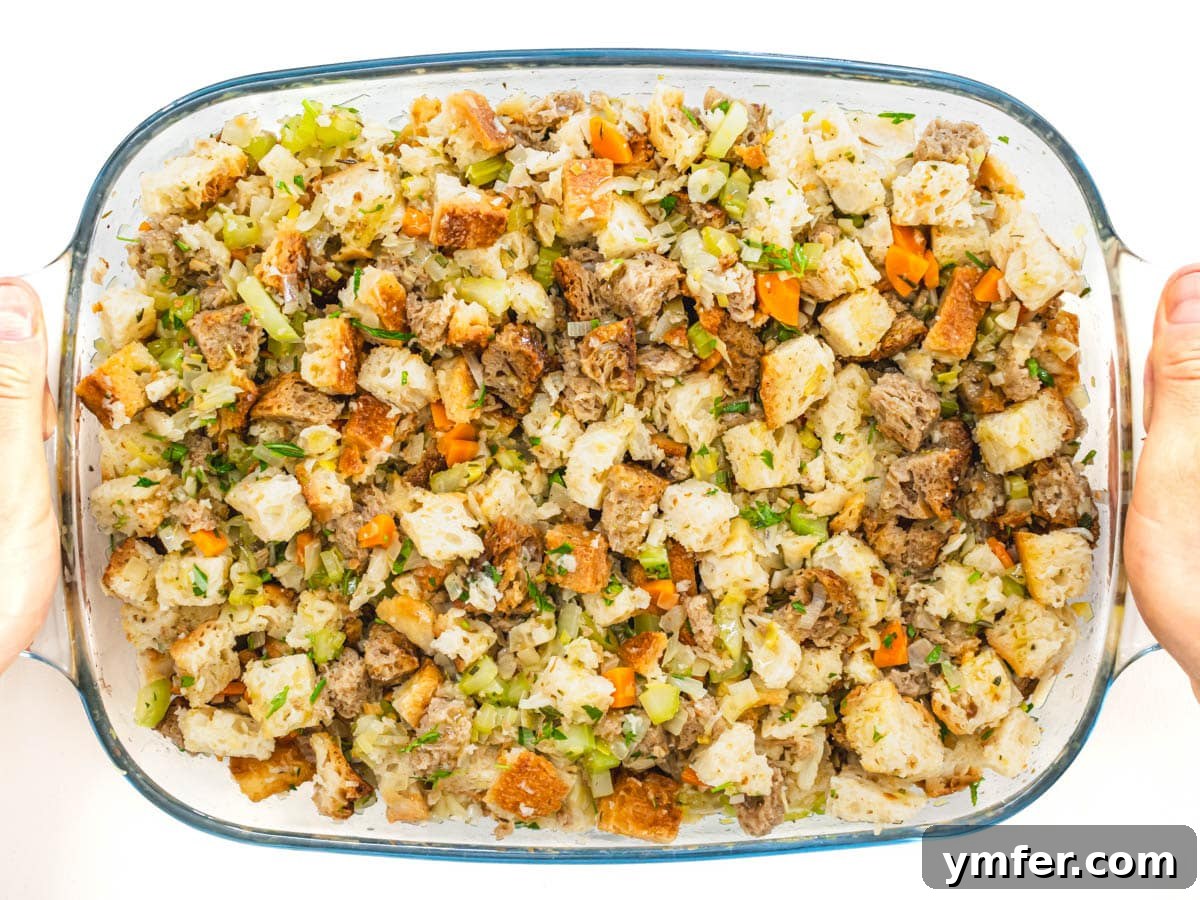
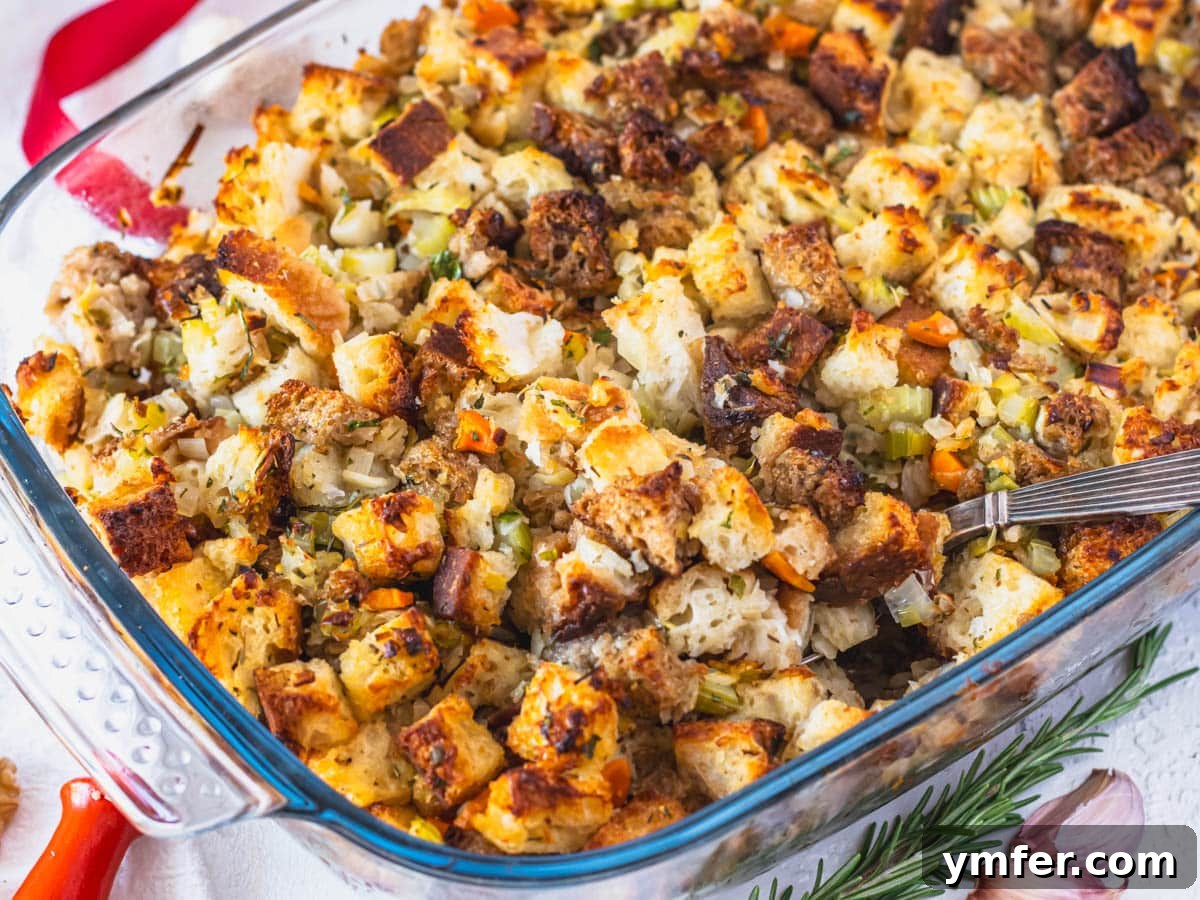
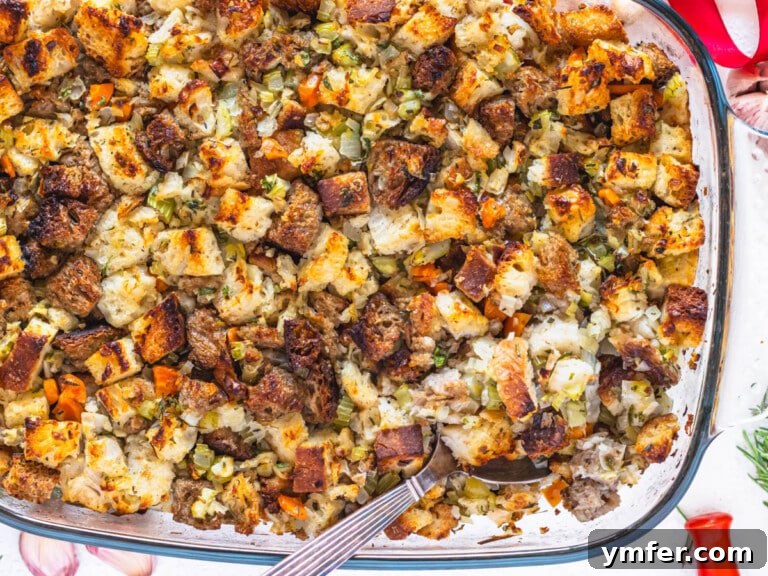
Bake the stuffing on the lowest rack of your preheated oven at 350°F (180°C) for approximately 35 to 40 minutes. You’re looking for a beautiful golden-brown and delightfully crunchy top, with a moist and tender interior.
Browning Tip: If you notice the top browning too quickly before the stuffing is heated through, you can loosely cover the dish with aluminum foil. To allow steam to escape and prevent sogginess, poke a few small holes in the foil before placing it over the casserole.
Serving Suggestions for Your Festive Stuffing
Our vegetarian stuffing is the quintessential side dish, perfect for grand family meals and holiday dinners. Its inviting aroma and hearty texture make it a welcome addition to the center of any table, encouraging guests to help themselves to generous portions.
We find this stuffing to be an exquisite partner to our Mushroom Wellington, a classic lentil loaf, or a comforting stuffed butternut squash. Drizzling a rich mushroom gravy over a warm scoop of stuffing adds another layer of incredible flavor and moisture, creating a truly luxurious experience.
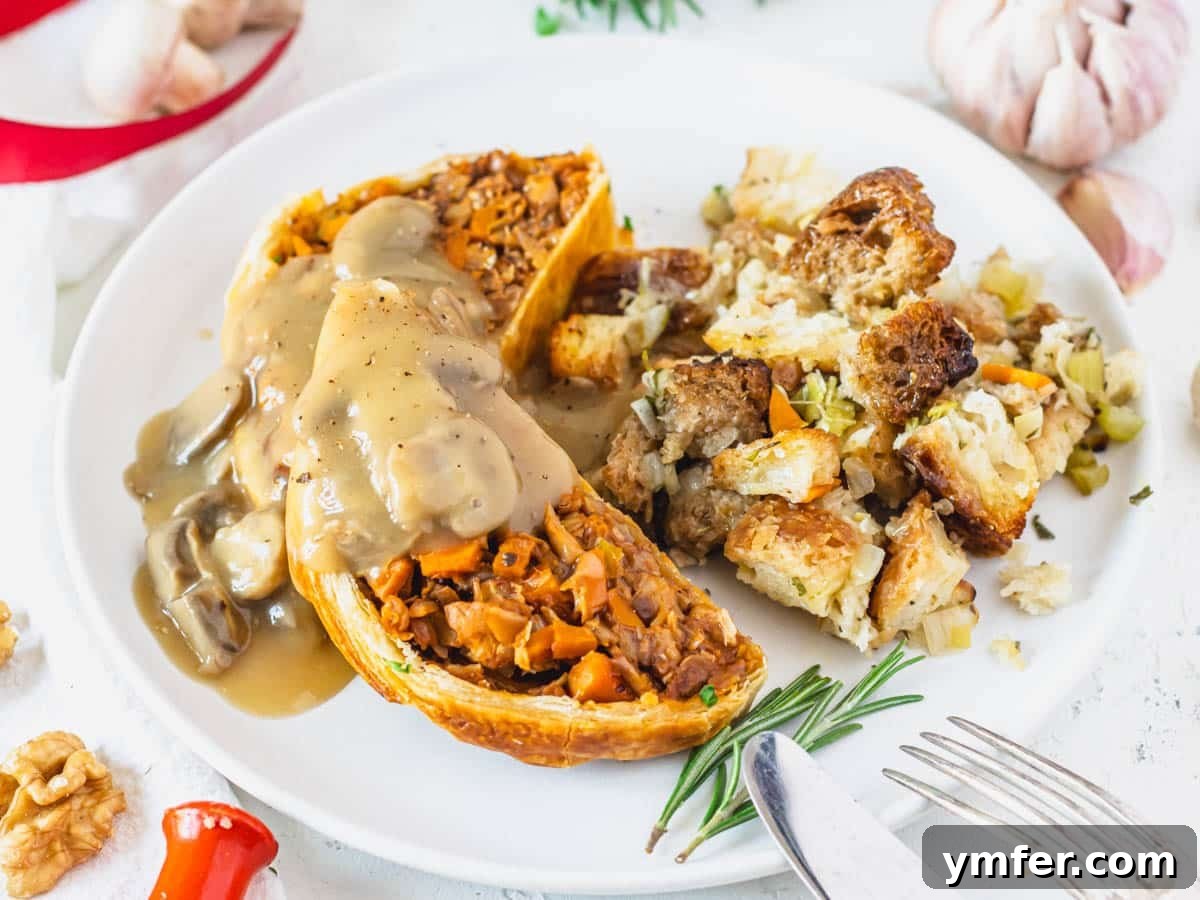
Beyond the main course, don’t forget to pair your stuffing with a variety of vibrant and festive side dishes to create a balanced and memorable meal:
- Crisp and tender Sautéed Green Beans or perfectly cooked Air-Fried Green Beans.
- A refreshing and zesty Fennel Orange Salad or a sweet and savory Pear and Orange Salad.
- Sweet and savory Roasted Sweet Potatoes or creamy, indulgent Mashed Sweet Potatoes.
- A light and bright Shaved Brussels Sprout Salad or a colorful Rainbow Kale Salad.
- Naturally sweet Roasted Carrots or a combination of Roasted Carrots and Potatoes.
- Classic Roasted Brussels Sprouts or a medley of Roasted Brussels Sprouts and Carrots.
Salads
Green Bean Salad
Sides
Air Fryer Brussels Sprouts
Salads
Butternut Squash Salad
Sides
Roasted Potatoes and Carrots
More Thanksgiving Sides to Complete Your Feast
Craft a truly unforgettable Thanksgiving spread with these vibrant and delicious side dishes, all designed to complement your vegetarian stuffing:
- Creamy and comforting Mashed Potatoes or a lighter, yet equally delicious, Cauliflower Mashed Potatoes.
- Indulgent and sweet Vegan Sweet Potato Casserole.
- Earthy Roasted Butternut Squash or savory Roasted Kabocha Squash.
- Rich and savory Mushroom Gravy to pour over everything, or a medley of Roasted Vegetables.
Sides
Garlic Mashed Potatoes
Recipes
Vegan Sweet Potato Casserole
Sides
Roasted Vegetables
Sides
Roasted Kabocha Squash
For even more inspiring ideas, explore our comprehensive Sides Category Page.
Expert Tips for the Perfect Vegetarian Stuffing
- Choose the Right Bread: This is crucial! Avoid soft, spongy sandwich bread as it becomes mushy. Always opt for crusty, artisanal loaves like sourdough or Italian bread. For the best texture and flavor, a mix of white and whole-grain crusty bread is ideal.
- Toast Your Bread Thoroughly: Whether fresh or day-old, your bread cubes *must* be toasted until completely dry and slightly crunchy. This prevents sogginess and ensures a light, fluffy interior with a crispy top. Fresh bread is easier to cut into uniform cubes.
- Don’t Rush the Veggies: Sautéing the onions, carrots, celery, and leeks until truly soft and slightly caramelized develops a rich, sweet base flavor that is essential for delicious stuffing.
- Finely Chop Herbs and Garlic: For a balanced flavor profile, mince your garlic and finely chop fresh herbs like rosemary, sage, and thyme. This ensures their essence is evenly distributed throughout the stuffing.
- Gradually Add Broth: The amount of vegetable broth needed can vary significantly depending on your bread type. Add it gradually, tossing as you go, until the bread is moist but not swimming in liquid. It should be soft but still have some structure.
- Taste and Adjust Seasoning: Always taste the stuffing mixture before baking and adjust salt and pepper. It should be well-seasoned to stand out as a holiday side.
- Don’t Overcrowd the Baking Dish: Spread the stuffing evenly in your casserole dish. An overly packed dish can lead to uneven cooking and a less crispy top.
- Achieve a Golden Crust: For that coveted crispy top, bake uncovered until beautifully golden brown. If it starts to brown too quickly, loosely tent with foil.
Storage & Make-Ahead Instructions
Make Ahead (Recommended): The most effective way to prepare stuffing in advance is to complete the preparatory steps a day or two before your event. You can toast the bread cubes and cook the aromatic vegetables up to 3 days in advance. Store the toasted bread in an airtight container at room temperature and the cooked vegetables in a separate airtight container in the refrigerator. On the day of your dinner, simply combine all the prepared components, add the broth, and bake. This ensures the best texture and flavor.
We do not recommend fully baking the stuffing the day before, as refrigerating it will inevitably lead to a soggy texture. Reheating pre-baked stuffing often takes a similar amount of time to baking it from scratch, but the quality, particularly the crispness, will be significantly compromised.
Refrigerator: Any leftover vegetarian stuffing should be transferred to an airtight container and stored in the refrigerator for up to 3 days. Alternatively, you can cover the entire casserole dish tightly with plastic wrap or foil before refrigerating.
Freezer: To freeze, allow the baked stuffing to cool completely. Transfer it to a freezer-safe airtight container or wrap individual portions tightly in foil and then place in a freezer bag. It can be frozen for up to 3 months.
Thaw and Reheat: Defrost frozen stuffing in the refrigerator overnight or for several hours. To reheat, bake in a preheated oven at 350°F (180°C) until warmed through and the top is crispy again (this is the best method for retaining texture). You can also reheat individual portions in the microwave for a few minutes, but be aware that it will not regain its crunchy texture.
Holiday Desserts to Delight
Looking for the perfect sweet ending to your festive meal? Here are some of our favorite holiday desserts, wonderful for Thanksgiving through Christmas:
- Light and delicious Easy Vegan Apple Cake
- Classic and comforting Apple Crisp
- Moist and flavorful Pear Cake
- Simple yet elegant Baked Apples or impressive Hasselback Baked Apples with Cinnamon
- Rich and wholesome Vegan Carrot Cake
Desserts
Vegan Apple Cake
Desserts
Baked Apples
Desserts
Vegan Apple Crisp
Desserts
Vegan Carrot Cake
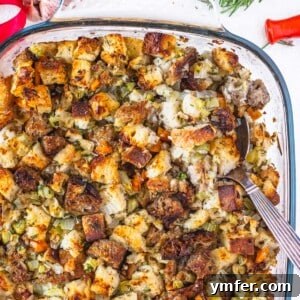
Vegetarian Stuffing
Nico Pallotta
You’ll love its rustic, hearty, and homey flavors and the combination of soft and crunchy textures. Every bite is a celebration of tradition and comfort.
20 minutes
35 minutes
55 minutes
8
– 10 people
Side dish
American
Share
Video
Equipment
-
9 x 13-inch casserole dish or oven dish (about 22 x 33 cm), we use a Pyrex oven dish
Ingredients
- 22 ounces crusty bread about 12 cups, diced. Try to use half white and half whole-grain bread.
- ¼ cup extra virgin olive oil
- 1 large onion chopped
- 2 carrots chopped
- 3 stalks celery chopped
- 1 leek sliced
- 4 cloves garlic minced
- 1 teaspoon rosemary dried or fresh chopped
- 1 teaspoon sage dried or fresh chopped
- ½ teaspoon thyme dried or fresh chopped
- 1 teaspoon salt
- ⅛ teaspoon black pepper
- 3 cups vegetable broth more or less depending on your bread
- 3 tablespoons parsley fresh, chopped
Instructions
-
Preheat oven to 350°F or 180°C.
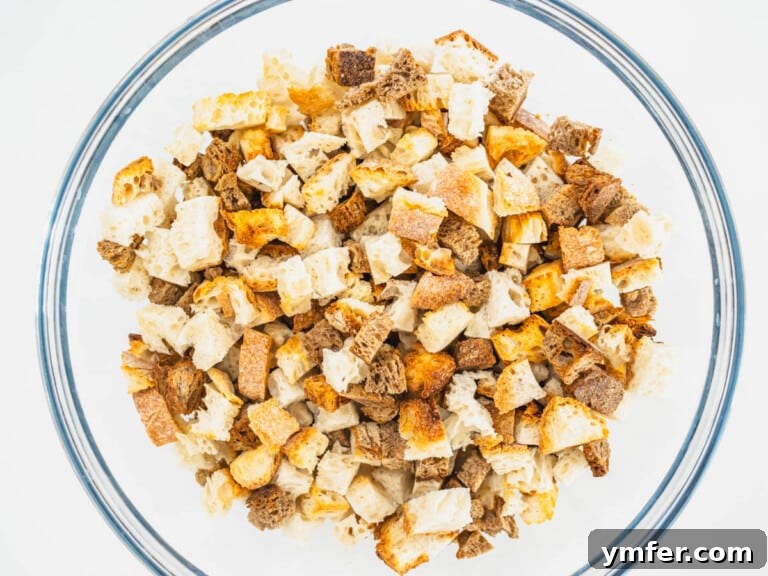
Cut 22 ounces crusty bread into small cubes and toast in the oven for 10 minutes, or until dry. Transfer to a large mixing bowl.

-
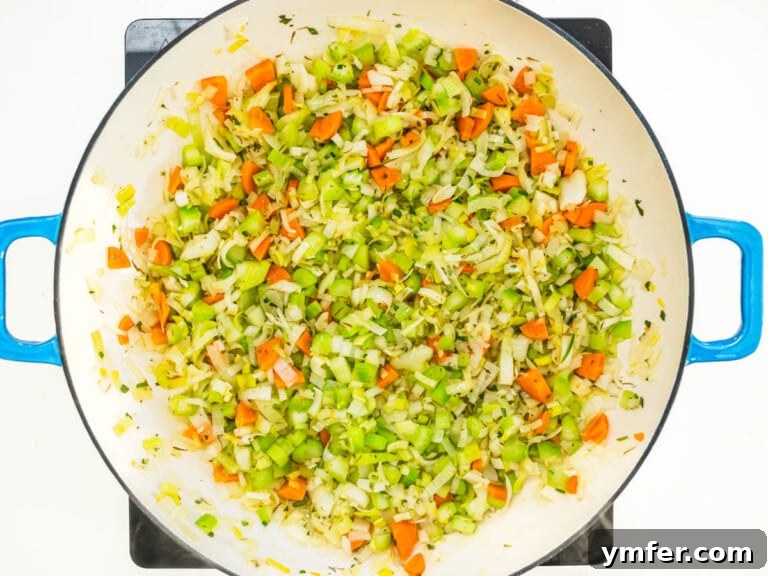
Heat ¼ cup extra virgin olive oil in a large skillet. Add 1 large onion, 2 carrots, 3 stalks celery (all chopped), and 1 leek (cut in half lengthwise and sliced).
Season with 1 teaspoon salt and ⅛ teaspoon black pepper and cook for 10 minutes until soft.
Add 4 cloves garlic (minced), 1 teaspoon rosemary, 1 teaspoon sage, ½ teaspoon thyme, and cook 2 more minutes.
-
To the bowl with the bread, add the cooked veggies, 3 tablespoons parsley (chopped) and 3 cups vegetable broth.
Toss until well combined. Taste and adjust for salt.
-
Transfer to a lightly oiled oven dish and bake at 350°F or 180°C for 35 to 40 minutes, or until crisp on top.
Notes
STORAGE & MAKE AHEAD
Make ahead: the best way to make stuffing ahead of time is to prepare the ingredients a day or two before your dinner, then assemble and bake them on the day of the dinner. For example, you can toast the bread and cook the veggies up to 3 days before.
We don’t recommend cooking the stuffing the day before because you’ll have to store it in the fridge. The stuffing will get soggy and cold, and reheating it will take about the same time as baking it from scratch, but the result is much worse.
Refrigerator: transfer the stuffing to an airtight container and store it in the fridge for up to 3 days. Alternatively, wrap the casserole dish and keep it in the refrigerator.
Freezer: let the stuffing cool down completely, transfer it into a freezer-friendly container, and freeze for up to 3 months.
Thaw and reheat: defrost in the fridge over several hours. Reheat in the oven if you want to make it crunchy again or in the microwave for a few minutes, but it won’t get crunchy.
ALSO ON THIS PAGE
- Ingredients & Substitutions
- Serving Suggestions
- More Thanksgiving sides
- Tips
- Vegetarian Stuffing Recipe
Nutrition
Carbohydrates: 37g,
Protein: 7g,
Fat: 7g,
Saturated Fat: 1g,
Polyunsaturated Fat: 1g,
Monounsaturated Fat: 4g,
Trans Fat: 0g,
Cholesterol: 0mg,
Potassium: 197mg,
Dietary Fiber: 2g,
Sugar: 5g,
Vitamin A: 2381IU,
Vitamin B6: 0.1mg,
Vitamin C: 6mg,
Vitamin E: 1mg,
Vitamin K: 39µg,
Calcium: 59mg,
Folate: 94µg,
Iron: 3mg,
Manganese: 0.5mg,
Magnesium: 29mg,
Zinc: 1mg
Discover More Plant-Based Recipe Inspirations
If you loved this vegetarian stuffing recipe, you might also enjoy exploring these related collections for more plant-based culinary adventures:
Collections
35 Vegetarian Thanksgiving Recipes
Recipes
45 Easy Vegetarian Dinner Recipes
Collections
40 Meatless Dinner Ideas
Collections