
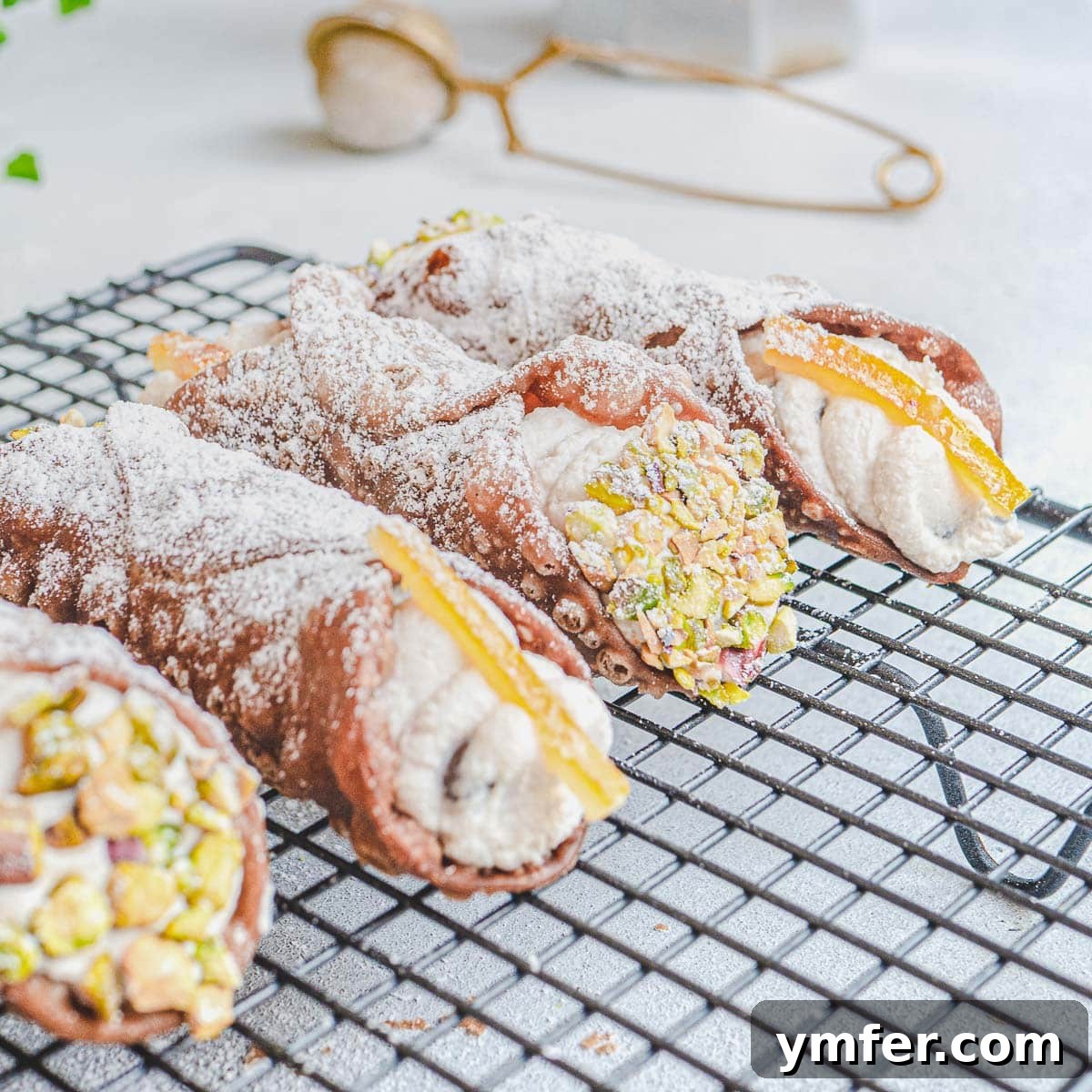
Authentic Vegan Italian Cannoli: A Sweet Taste of Sicily
Embark on a culinary journey to the heart of Sicily with our meticulously perfected homemade vegan Italian cannoli recipe. This exquisite dessert captures the essence of traditional *cannoli siciliani*, offering a delightful plant-based twist without compromising on flavor or texture. Prepare to be enchanted by a filling that’s wonderfully sweet and lusciously creamy, crafted from our innovative homemade vegan ricotta. Each cannolo features a shell that is every bit as wonderfully bubbly, incredibly light, and satisfyingly crisp as its classic counterpart, yet entirely free from eggs, lard, or butter. This recipe isn’t just a dessert; it’s an experience, bringing the authentic charm of Italian pastry right to your kitchen.
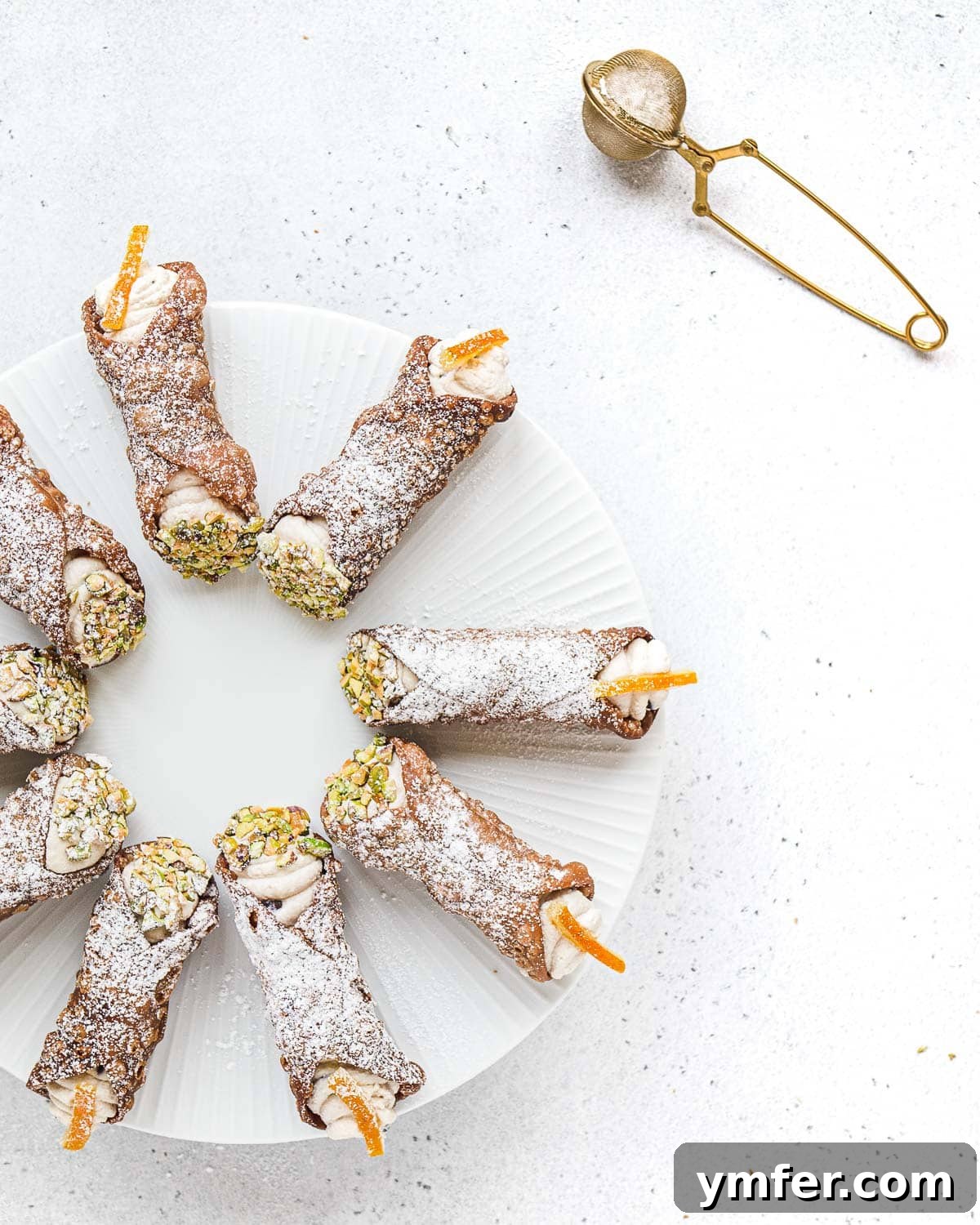
Explore our extensive collection of the finest vegan Italian recipes!
What to Expect from This Recipe
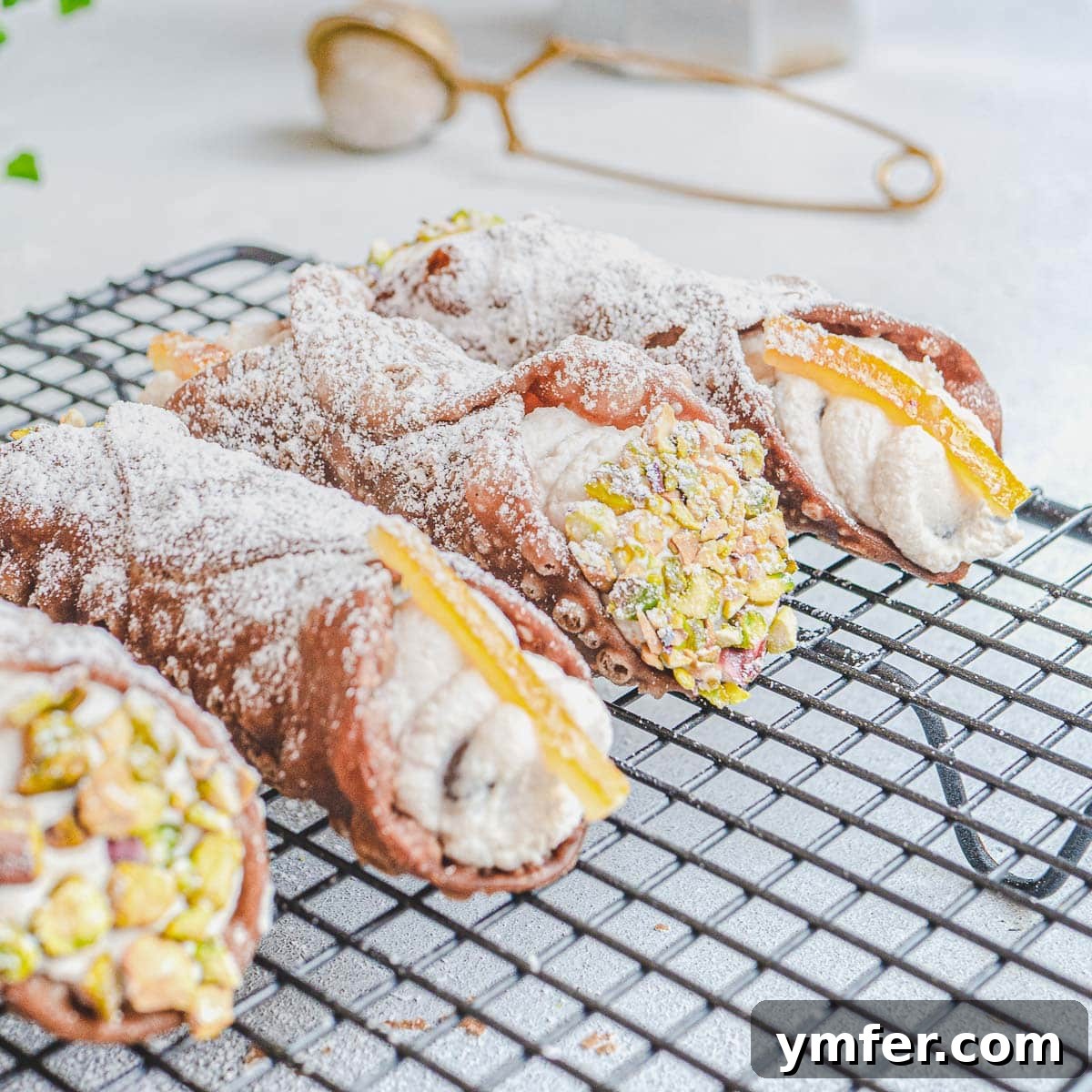
Our vegan cannoli promise an unparalleled experience that truly captures the magic of traditional Sicilian pastries. This recipe is the culmination of extensive testing and refinement, ensuring that every bite delivers the authentic flavor and irresistible texture that cannoli lovers adore. You’ll be amazed at how closely these plant-based delights mirror their dairy counterparts, making them a fantastic option for everyone, whether you’re vegan, dairy-free, or simply looking to try something new and delicious.
The heart of our cannoli is the luscious filling, prepared with our easy-to-make, three-ingredient homemade soy ricotta. This ricotta boasts a wonderfully neutral and mild flavor profile, making it the ideal canvas for the sweet and subtle citrus notes characteristic of traditional cannoli filling. It’s remarkably simple to prepare and forms the creamy foundation that sets this recipe apart.
Equally impressive are the cannoli shells. Forget heavy, bland shells; ours are designed to be crunchy, airy, and beautifully bubbly, just like authentic Sicilian shells. Achieving this texture without traditional ingredients like eggs or lard was a journey, but the result is a triumph. The delicate crispness of the shell perfectly contrasts with the smooth, sweet filling, creating a harmonious balance that will leave you craving more. If you decide to embark on this culinary adventure, you are indeed in for a truly special treat!
Ingredients & Smart Substitutions
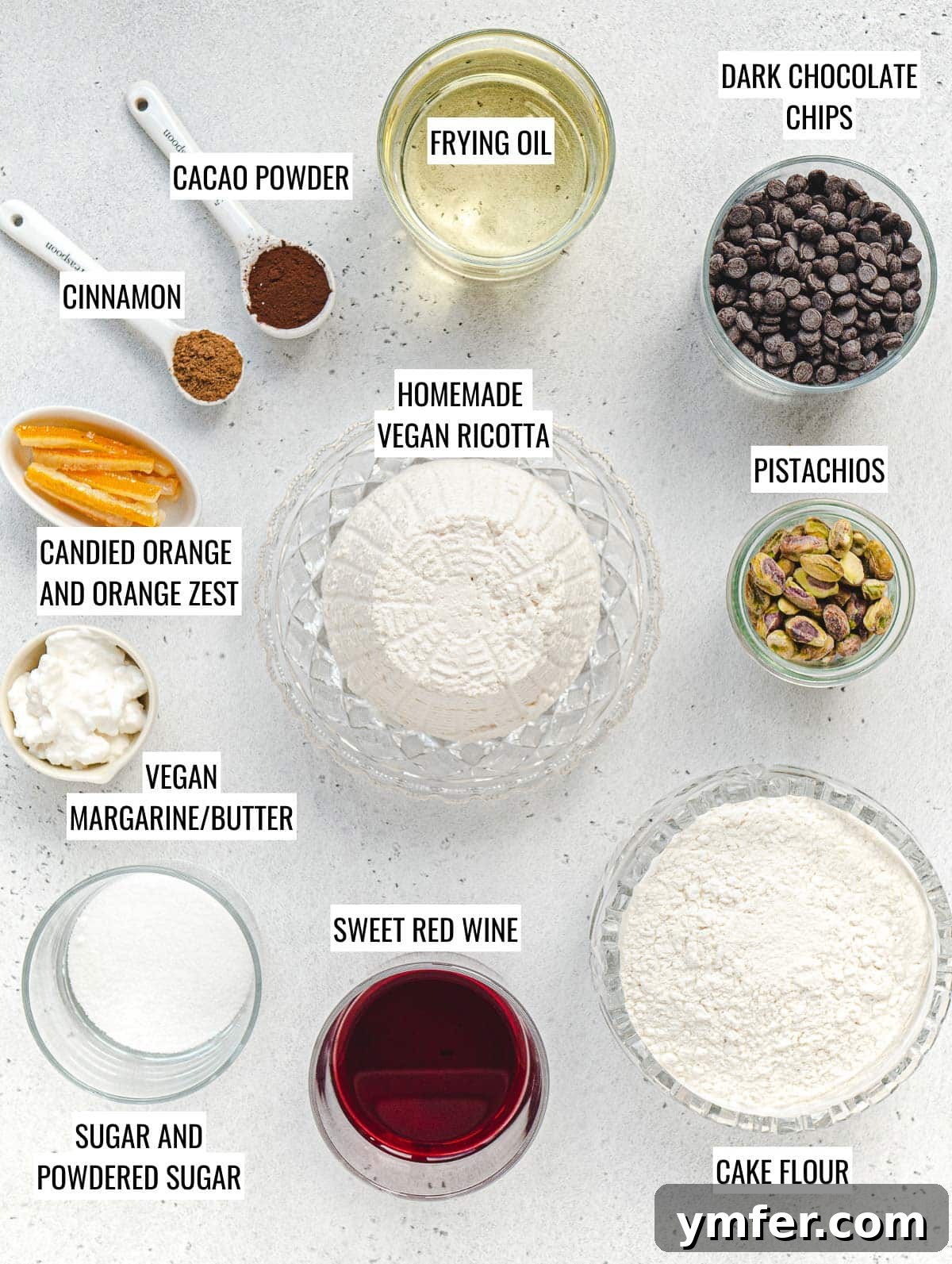
Ingredients for the Homemade Vegan Ricotta
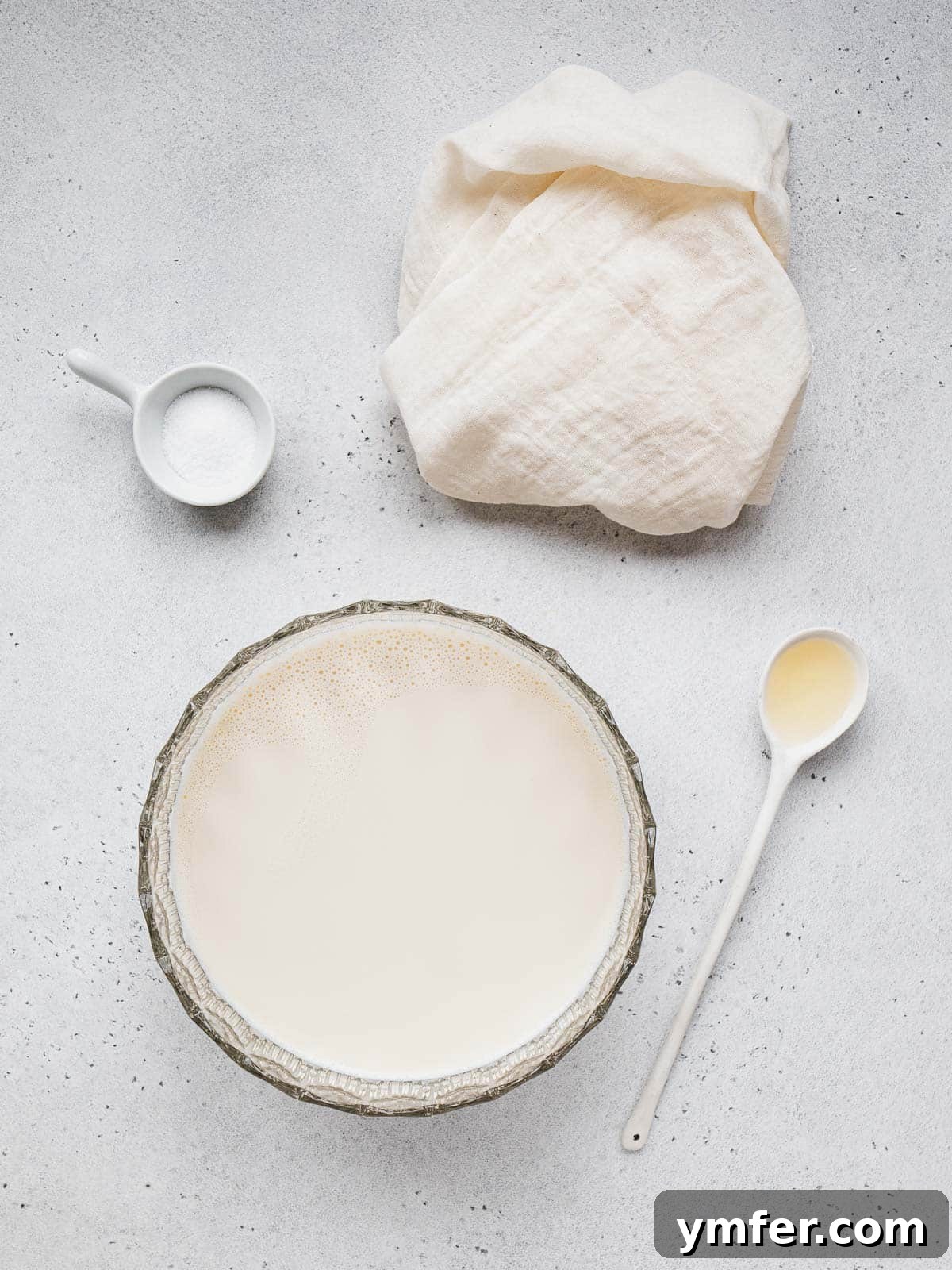
Creating your own vegan ricotta is surprisingly simple and provides the perfect base for our cannoli filling. You’ll need just a few staple ingredients:
- Soy Milk: The star of our ricotta. We’ve extensively tested over 25 different brands of soy milk, and all yielded excellent results. You can use either sweetened or unsweetened soy milk based on your preference; the overall sweetness will be adjusted in the filling.
- Vinegar: This is crucial for curdling the soy milk, transforming it into ricotta. Regular white vinegar, apple cider vinegar, or fresh lemon juice are all effective and interchangeable options.
- Salt: A small amount of salt helps to neutralize any lingering vinegar flavor, ensuring a neutral and delicious ricotta that’s perfect for both sweet and savory applications.
Ingredients for the Vegan Cannoli Filling
Once your homemade ricotta is ready, assembling the creamy filling is quick and easy:
- Vegan Ricotta: The freshly made, well-drained vegan ricotta forms the rich, velvety core of our cannoli filling.
- Sugar: For an authentic Sicilian cannoli taste and texture, we recommend using regular white granulated sugar. While other sweeteners like brown sugar or various syrups can be used, white sugar provides the most traditional result.
- Dark Chocolate Chips: Opt for small chocolate chips, often referred to as mini chocolate chips or “drops,” to ensure they distribute evenly throughout the creamy filling and provide delightful bursts of chocolatey goodness.
- Grated Orange Zest: The addition of orange zest is a lovely touch, infusing the filling with a bright, aromatic citrus note. While some traditional Sicilian recipes omit it, we find it enhances the overall flavor profile beautifully.
Ingredients for the Vegan Cannoli Shells
The crispy, bubbly shell is critical for an authentic cannoli experience. Our vegan version uses carefully selected ingredients to achieve perfection:
- Flour: Cake flour is our top recommendation as it yields a shell that is exceptionally light and crisp, mimicking the traditional texture. All-purpose flour can be used, but cake flour truly makes a difference.
- Sugar: Standard granulated sugar contributes to the shell’s delicate sweetness and helps with browning during frying.
- Fat: We prefer using our homemade margarine for this recipe, which can be easily made by blending 100 ml of sunflower seed oil with 50 ml of soy milk. Alternatively, high-quality store-bought vegan margarine or vegan butter will also work wonderfully.
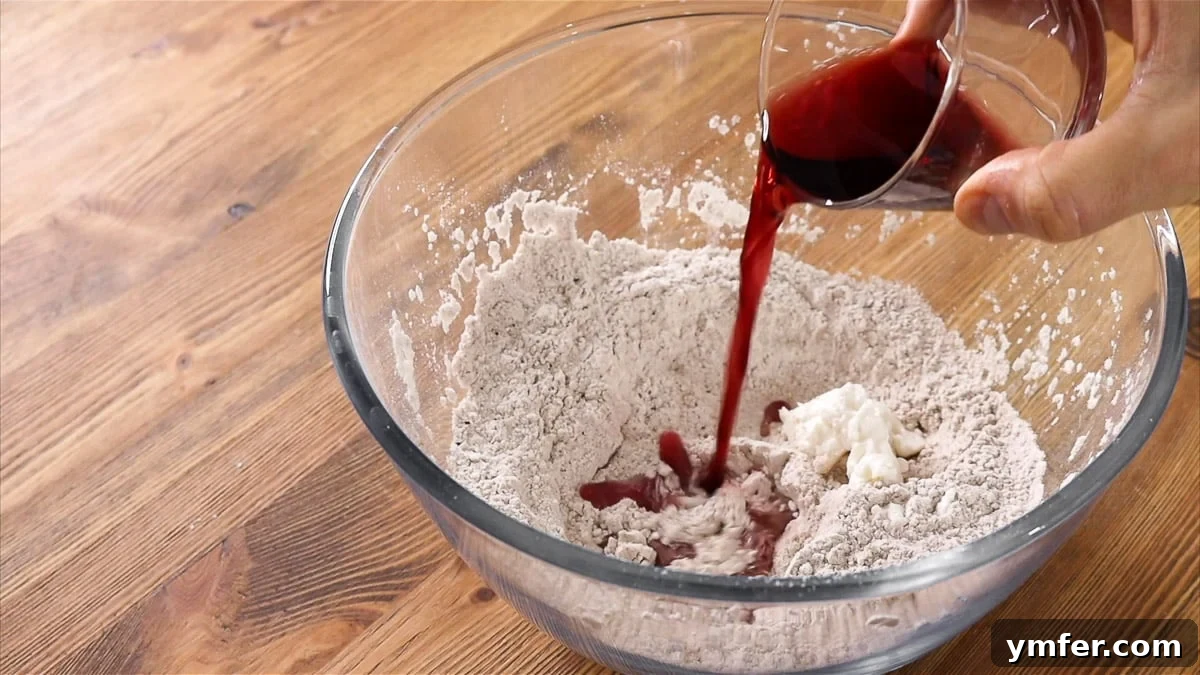
- Marsala or Wine: Traditional Sicilian cannoli recipes often feature Marsala, a fortified Sicilian wine. However, Marsala can be challenging to find outside of Italy. Through extensive testing, we’ve found that sweet red wine provides an excellent, readily available, and more affordable alternative. It contributes significantly to the shells’ light texture and characteristic bubbling during frying. You can also use white wine, depending on your preference, but sweet red wine consistently delivered our best results.
- Cacao Powder and Cinnamon: These ingredients are not just for flavor; they impart a beautiful, subtle color to the dough and a fragrant aroma that enhances the overall sensory experience of the cannoli.
- Oil for Frying: While traditional cannoli are often fried in lard, our vegan recipe calls for vegetable oil. We recommend using neutral oils with a high smoke point, such as sunflower oil or peanut oil, to achieve perfectly golden and crisp shells.
Ingredients for the Cannoli Toppings
No cannolo is complete without its iconic adornments:
- Pistachios: Finely crushed, unsalted pistachios provide a vibrant green color and a delightful nutty crunch that is quintessential to Sicilian cannoli.
- Candied Orange Peel: Small pieces of candied orange peel add a beautiful burst of color and a concentrated citrus sweetness. Candied cherries are another classic and visually appealing option.
- Powdered Sugar: A generous dusting of powdered sugar just before serving adds an elegant finish and a delicate sweetness, making your cannoli extra inviting and delicious.
Essential Equipment for Cannoli Making
Having the right tools can make all the difference in achieving perfect vegan cannoli. Here’s what you’ll need:
- Cheesecloth: Indispensable for draining the homemade vegan ricotta. If you don’t have a cheesecloth, a clean, tightly-woven white kitchen cloth made of cotton will serve as an excellent substitute. Just ensure it’s thoroughly rinsed and free from any detergent scent that could impart unwanted flavors.
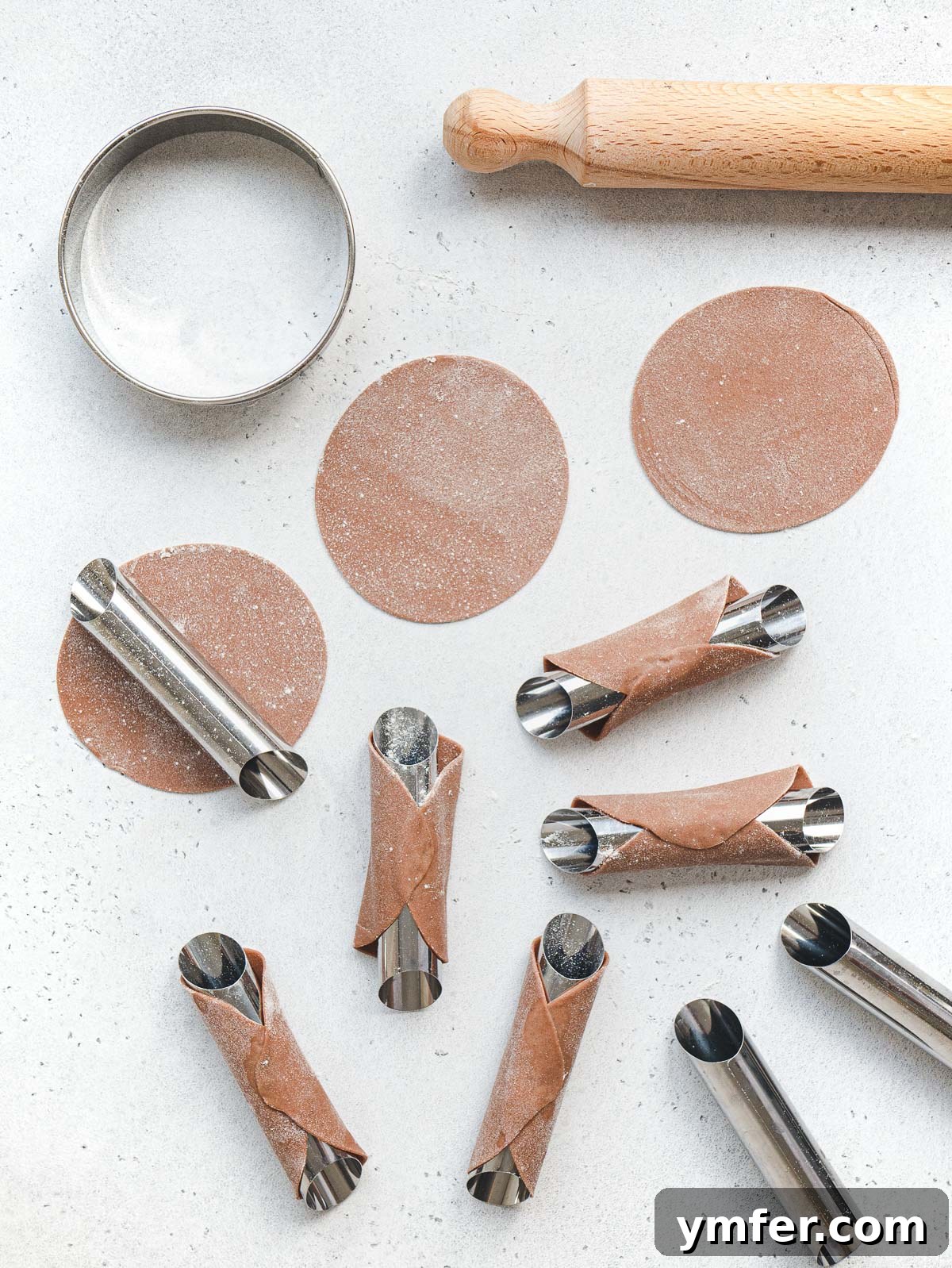
- Cannoli Forms/Tubes: These metal tubes are crucial for shaping the cannoli shells as they fry. They are widely available online (e.g., on Amazon) or in specialty kitchen stores. For a DIY alternative, you can craft homemade tubes by rolling aluminum foil into cylinders and wrapping them in parchment paper, though this can be a more involved process.
- Round Pastry Cutters: Ideal for cutting uniform circles of dough. If you don’t have one, a sharp knife or even the rim of a glass can be used to cut the dough, though consistency might vary.
- Pastry Piping Bag: This tool makes filling the cannoli shells neat and efficient, ensuring an even distribution of the creamy ricotta filling. If a piping bag isn’t available, a simple spoon or spatula can be used, though it might be a bit messier.
- Rolling Pin: Essential for rolling out the dough to the desired thinness. While a pasta-making machine can achieve incredibly thin dough, a good old-fashioned rolling pin works perfectly and is our preferred method for controlling thickness and folding the dough.
Step-by-Step Instructions for Vegan Cannoli
Make the Vegan Ricotta (Start Here First)
The fresh vegan ricotta is the soul of these cannoli. Begin by preparing this component, allowing it ample time to drain while you work on the shells.
- Boil Soy Milk: Pour the soy milk into a large pot. Bring it to a rolling boil over medium-high heat, stirring occasionally to prevent scorching. As soon as the milk boils vigorously, immediately remove it from the heat.
- Curdle the Milk: Add the salt and vinegar to the hot soy milk. Stir gently with a spoon for about 1 minute. You should start to observe the milk curdling and separating into curds and whey almost immediately. Let the mixture rest undisturbed for 10 minutes to allow for full curdling.
- Prepare for Draining: While the soy milk rests, set up your draining station. Place a strainer over a large bowl or another pot. Line the strainer with a clean cheesecloth or a fine-mesh cotton kitchen cloth. Ensure the cloth is free of any strong detergent smells, which can transfer to your ricotta.
- Drain the Curds: After 10 minutes, carefully pour the curdled soy milk mixture into the prepared strainer lined with the cloth.
- Press and Drain: Gather the corners of the cloth over the curds, forming a bundle. Place a weight on top (a bowl filled with water works perfectly) and let it drain for 15 to 30 minutes. The longer it drains, the firmer and drier your vegan ricotta will be, which is ideal for a creamy, non-soggy cannoli filling. We recommend draining for a full 30 minutes. Once drained, your homemade vegan ricotta is ready for both sweet and savory recipes!
Prepare the Vegan Cannoli Shells
Creating the perfect crispy, bubbly shell is a rewarding process that requires a little patience but yields incredible results.
- Combine Dry Ingredients: In a large mixing bowl, combine the cake flour, granulated sugar, dark cacao powder, and cinnamon. Mix these dry ingredients thoroughly with a spatula or whisk to ensure they are well combined.
- Add Wet Ingredients & Form Dough: Introduce the softened vegan butter (or margarine), sweet red wine (or Marsala), and water to the dry mixture. Continue mixing with a spatula until the ingredients come together to form a cohesive dough ball.
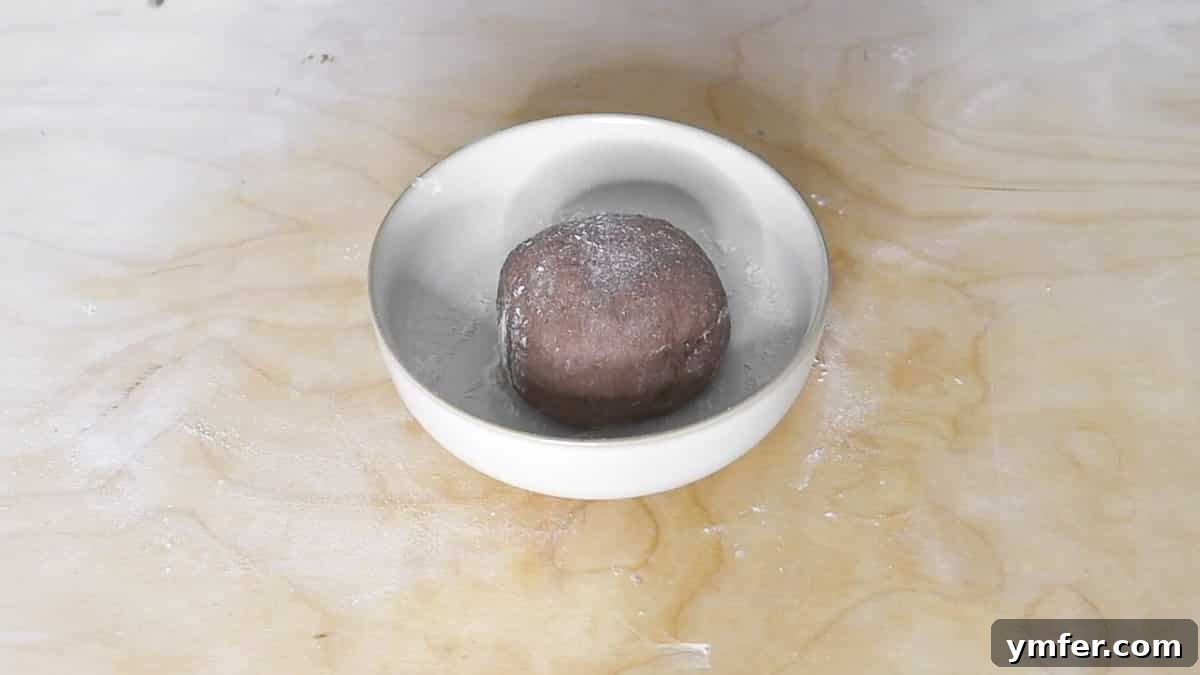
- Knead the Dough: Transfer the dough ball to a clean, lightly floured worktop. Knead the dough for approximately 5 minutes until it becomes smooth, soft, and no longer sticky. If the dough feels too wet or sticky, add a small amount of extra flour to your worktop and continue kneading until it achieves the desired consistency.
- Rest the Dough: Place the kneaded dough ball in a bowl and cover it with a plate or cling film. Allow the dough to rest at room temperature for at least 30 minutes. Resting the dough allows the gluten to relax, making it much easier to roll out thinly and contributing to a lighter, more tender fried shell.
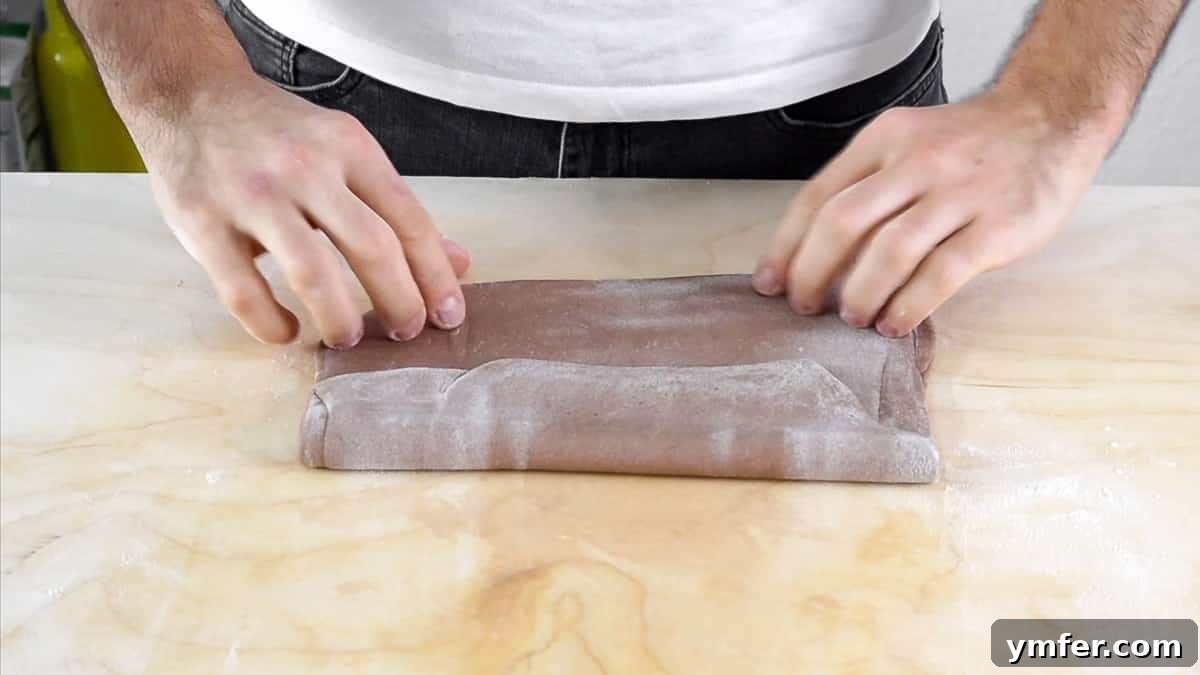
- Roll Out the Dough: Lightly dust your worktop and rolling pin with flour to prevent sticking. Begin rolling out the rested dough. As you roll, incorporate a key technique for bubbly shells: fold the dough over on itself 5 to 10 times before flattening it completely. This layering creates air pockets that will expand into delightful bubbles when fried. Aim for a very thin dough, about 1 to 2 millimeters (0.04 to 0.08 inches) thick. The thinner the dough, the crisper the shell and the less oil it will absorb.
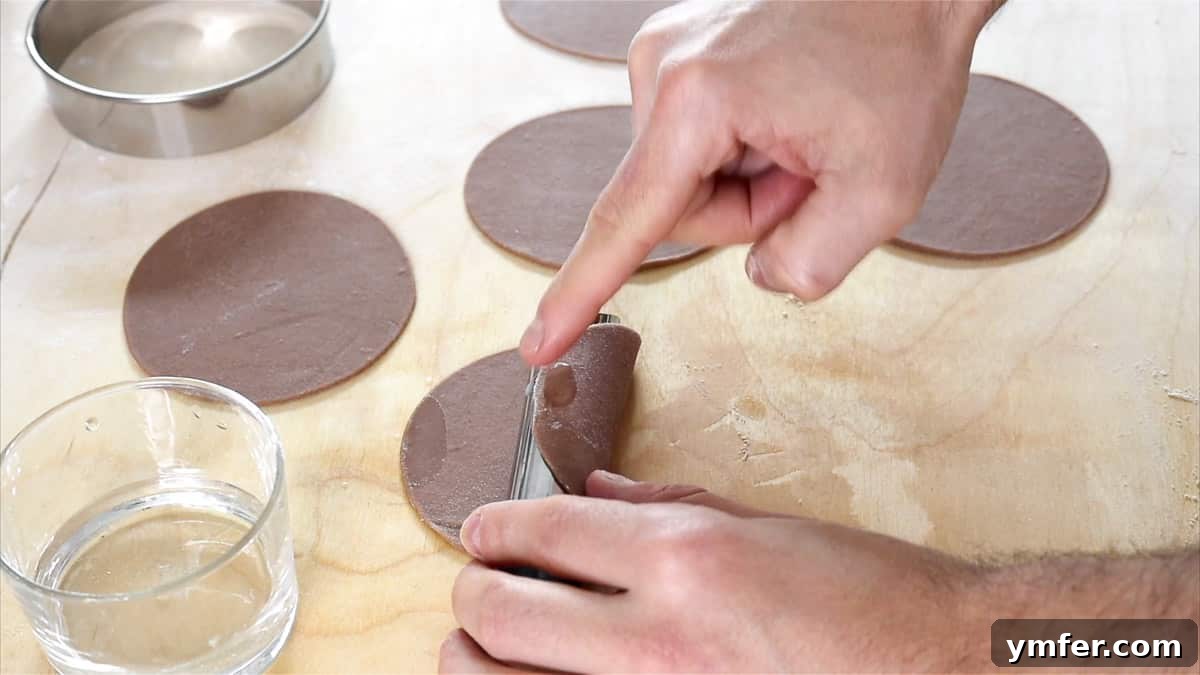
- Cut and Wrap Shells: Using a round pastry cutter or a sharp knife, cut the rolled dough into circles or squares roughly the length of your cannoli tubes. Take one piece of cut dough and carefully wrap it around a cannoli tube, ensuring there’s a slight overlap.
- Seal the Edges: Lightly moisten one edge of the dough with a tiny bit of water. Press the overlapping edges firmly together to create a strong seal around the cannoli tube. It is critical that the edges are very well sealed; otherwise, the shells will unroll and open up during frying. Gently squeeze the dough around the tube with your hand to ensure it’s secure.
Fry the Cannoli Shells
Frying the shells requires attention to oil temperature for optimal crispness and minimal oil absorption.
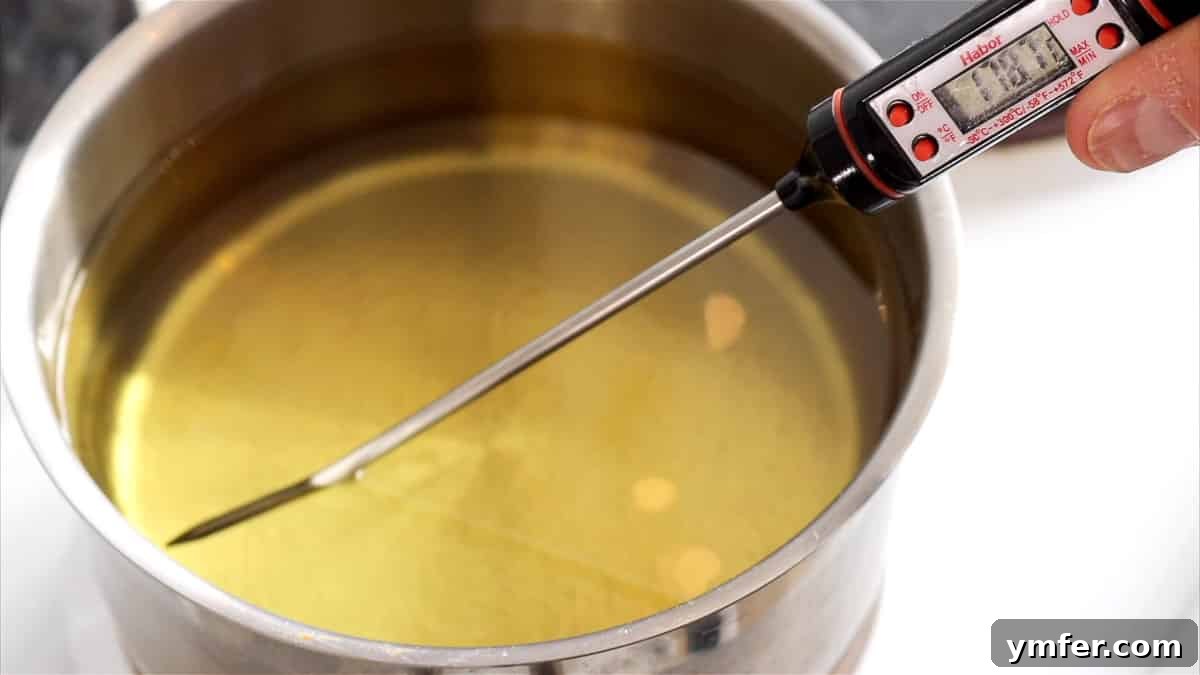
- Heat the Oil: Add frying oil to a pot, filling it about halfway. Choose a pot that is small enough to concentrate the oil but large enough to comfortably accommodate one cannolo and the oil without overflowing. Bring the oil to the ideal frying temperature of 180°C (360°F). The most accurate way to check this is with a kitchen thermometer. If you don’t have one, dip the tip of a wooden spoon into the oil; if small bubbles form around the wood, it’s ready. If the oil begins to smoke, it’s too hot and has started to burn, which is unhealthy and will negatively affect the taste.
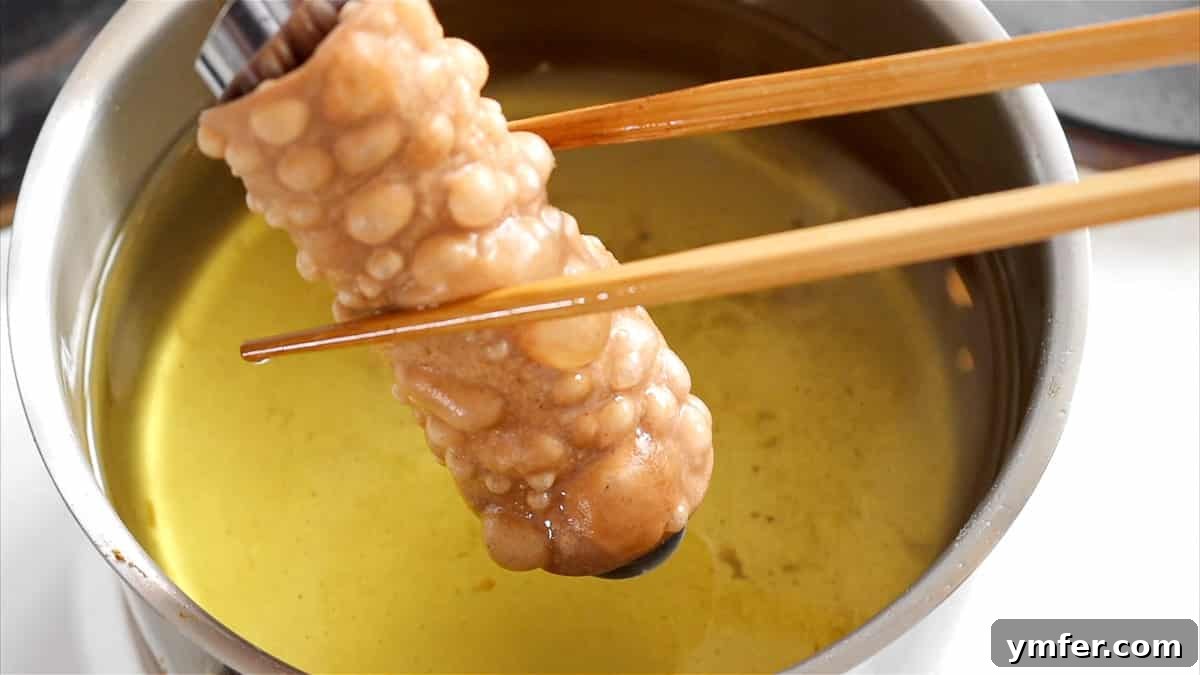
- Fry Each Cannolo: Carefully lower one prepared cannolo (still on its tube) into the hot oil. Fry for about 1 minute, turning it around gently with tongs to ensure even cooking and browning on all sides. As a helpful tip: if you notice any cannoli breaking away from their forms during frying, ensure the subsequent ones are squeezed even more firmly around their tubes before frying to tighten the seal.
- Cool the Shells: Once the cannolo shell turns a light golden-brown, remove it from the oil using tongs. Hold it over the pot briefly to allow excess oil to drip off, then transfer it to a wire cooling rack placed over some kitchen paper. The shells will continue to darken slightly as they cool. Repeat for all remaining cannoli.
- Remove Forms: Once the shells have completely cooled to room temperature, gently twist and slide the metal cannoli forms out of each shell. This must be done carefully to avoid breaking the delicate shells.
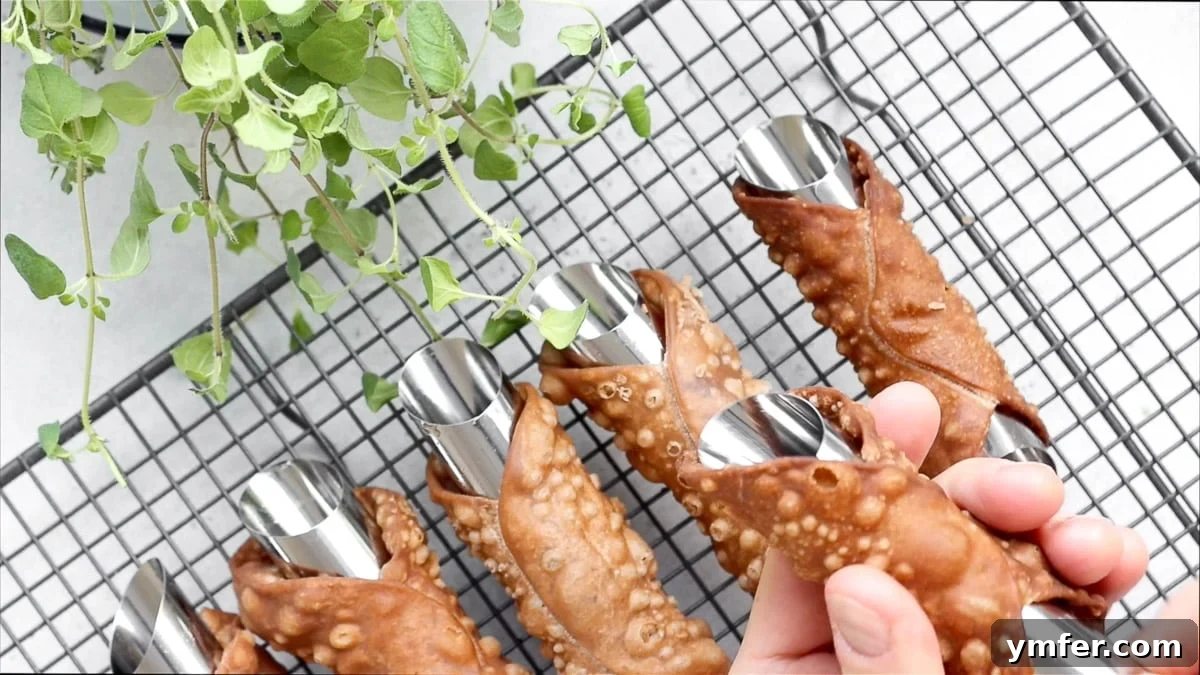
Make the Cannoli Filling and Assemble
Now for the best part – filling and decorating your beautiful vegan cannoli!
- Prepare the Filling: In a clean bowl, combine your homemade vegan ricotta, sugar, vegan dark chocolate chips, and a subtle hint of grated orange zest. Using a spatula, gently mix these ingredients together until just combined. Be careful not to over-mix, as this can make the ricotta watery.
- Fill the Shells: Transfer the prepared ricotta cream into a pastry piping bag. Take a cooled cannoli shell and begin filling it from both ends. Start by piping the filling into the center of the shell, then gently move outwards until the shell is completely and evenly filled. This method ensures a consistent filling distribution throughout.
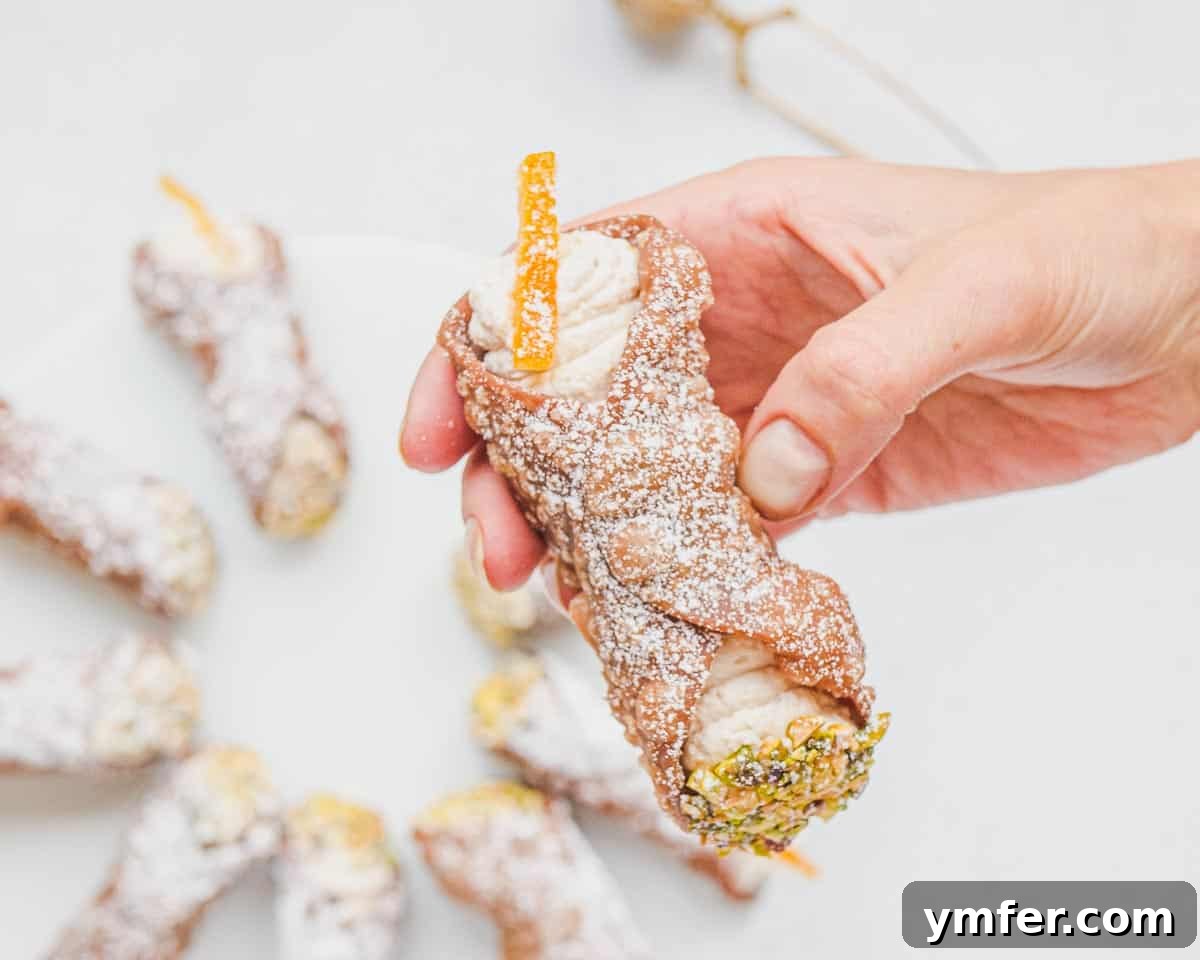
- Add Toppings: Dip one end of each filled cannolo into a bowl of crushed pistachios, allowing them to adhere beautifully. Garnish the other end with a piece of candied orange peel or half a candied cherry for a touch of elegance and extra flavor.
- Serve and Enjoy: Arrange your freshly filled and decorated vegan cannoli on a serving platter. Just before serving, lightly dust them with powdered sugar for a final, inviting flourish. Enjoy these delightful treats immediately!
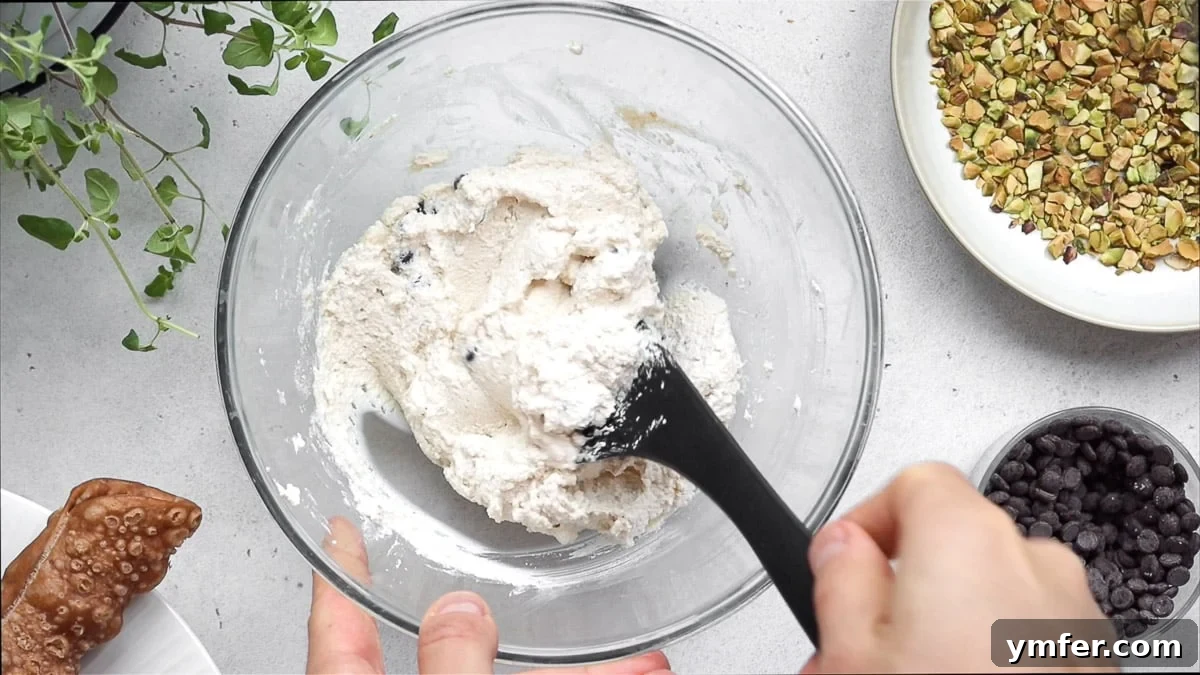
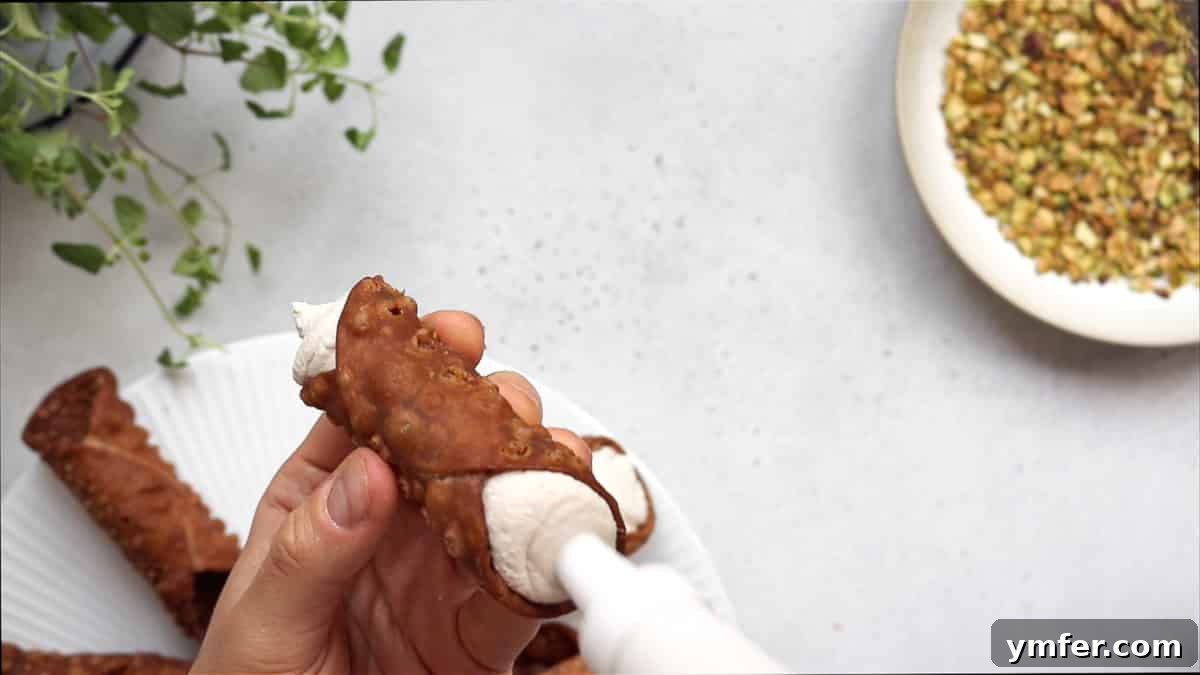
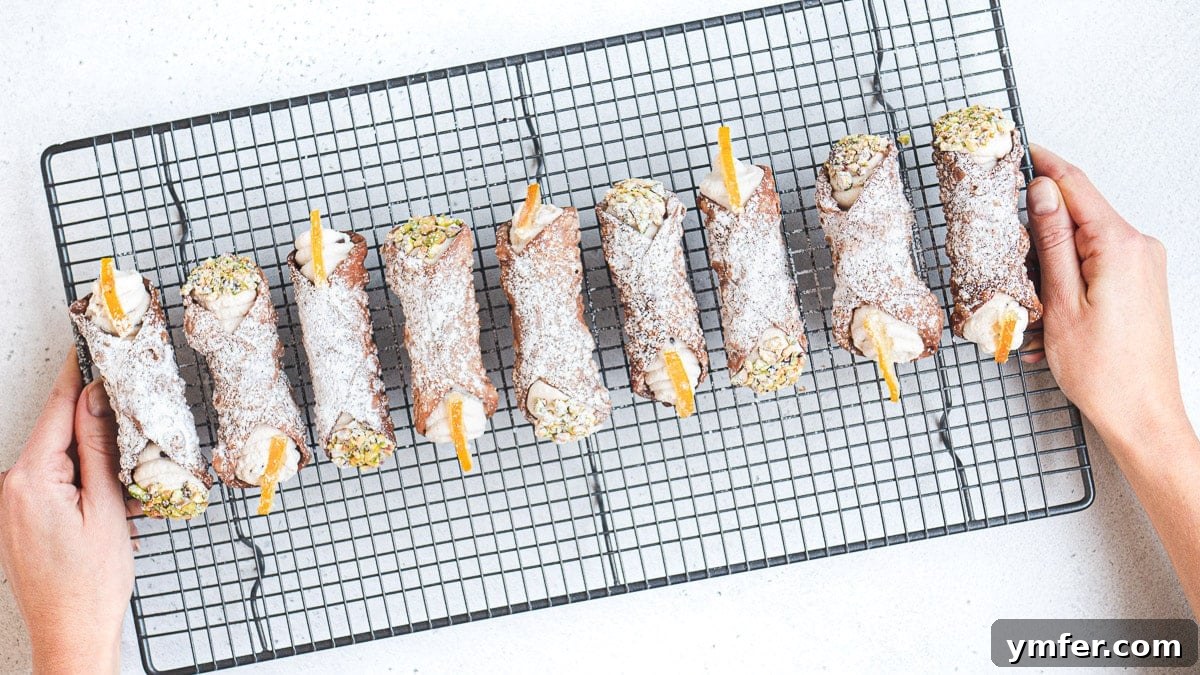
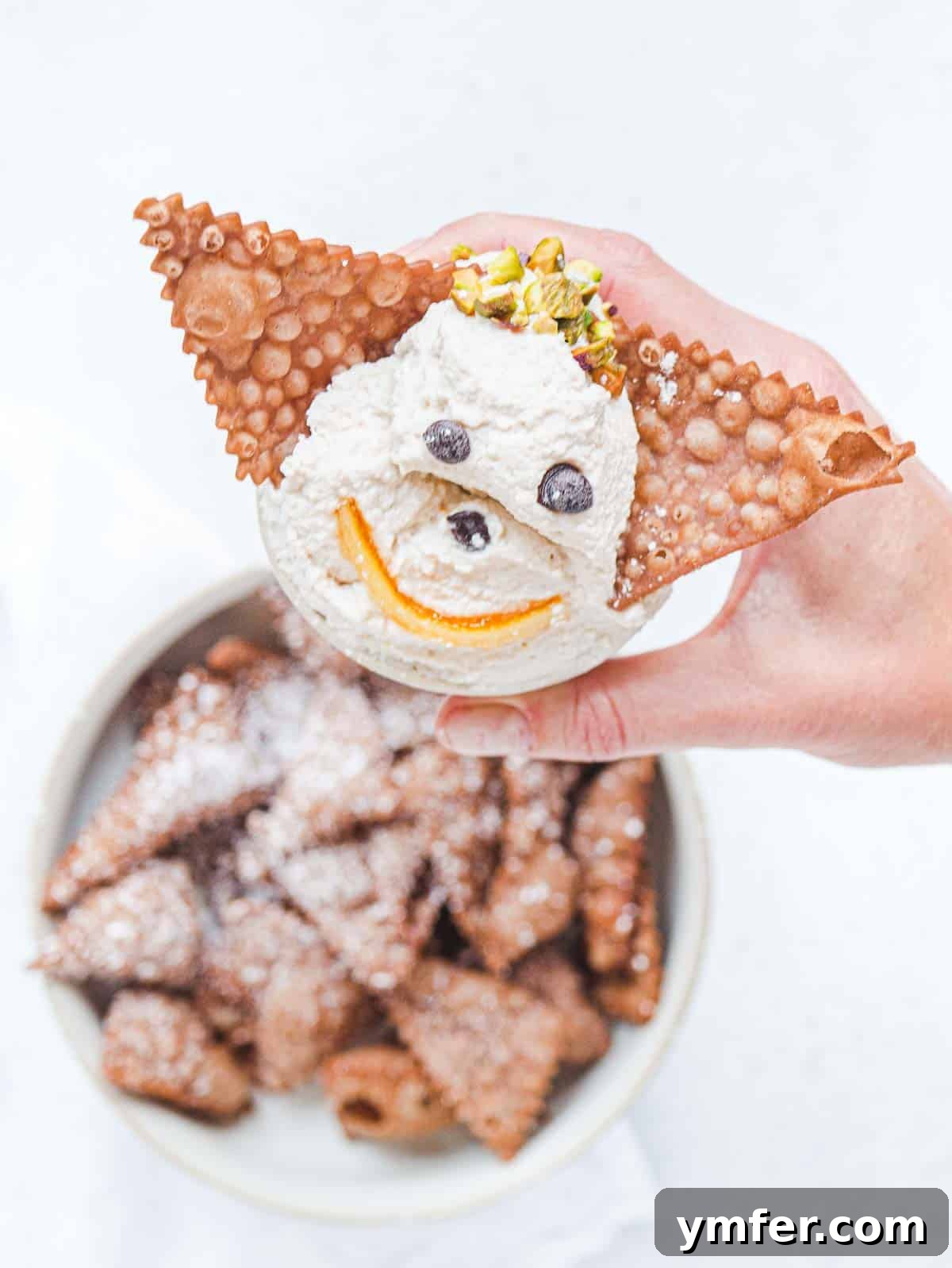
Chef’s Bonus Tip: Don’t let leftover dough go to waste! Flatten it, cut it into small triangles, fry them until golden, and serve them alongside a bowl of leftover cannoli filling as a decadent dip. These “cannoli nachos” are always a crowd-pleaser!
Expert Tips for Perfect Vegan Cannoli
Achieving cannoli perfection is easier with these valuable insights:
- Ensure Ricotta is Well Drained: This is arguably the most crucial step for a superior filling. After curdling, allow your vegan ricotta to drain for a minimum of 30 minutes, ideally with a light weight on top (like a bowl filled with water). Excess moisture in the filling will soften and compromise the crispness of your delicate cannoli shells, leading to a soggy texture over time. A drier ricotta results in a creamier, more stable filling that holds up beautifully.
- Fold the Dough for Lightness: For cannoli shells that are genuinely light, crisp, and beautifully bubbly, adopt the technique of folding the dough repeatedly (5 to 10 times) while rolling it out. This method creates multiple thin layers, trapping air that expands during frying, resulting in the characteristic airy texture akin to traditional non-vegan cannoli.
- Roll the Dough Exceptionally Thin: Strive to roll your cannoli dough to a thickness of just 1 millimeter if possible. This can be achieved with a rolling pin and a bit of practice, or more easily with a pasta machine. Thinner dough fries much faster, becomes wonderfully crisp, and crucially, absorbs significantly less oil, leading to a lighter and more enjoyable dessert.
- Seal the Shells Meticulously: A common pitfall for first-time cannoli makers is shells that unroll during frying. To prevent this, dampen the overlapping edge of the dough with a small amount of water before pressing it firmly to seal. After wrapping the dough around the cannoli tube, give it a gentle but firm squeeze with your entire hand to ensure it’s securely fastened to the tube and the seam is robust.
- Fill Just Before Serving: To maintain the exquisite crispness of your cannoli shells, it is imperative to fill them at the very last minute, ideally no more than 1-2 hours before consumption. The moisture from the ricotta filling will gradually soften the delicate fried shell, turning it soggy if left sitting for too long. Prepare your shells and filling in advance, but assemble only when you are ready to serve.
Frequently Asked Questions About Vegan Cannoli
What is cannoli filling made of?
Traditional cannoli filling is famously made from “ricotta di pecora,” a rich, soft Italian cheese derived from sheep’s milk. Our vegan cannoli filling, however, is innovatively crafted from homemade curdled soy milk. We guarantee that this plant-based rendition is just as delicious, if not even more delightful, than the traditional ricotta.
What can I use instead of cannoli tubes?
If you don’t have specialized cannoli tubes, you can get creative! Sturdy bamboo canes make an excellent reusable alternative. Another popular DIY option is to roll up aluminum foil into firm cylinders, then wrap them in parchment paper to prevent sticking. While a bit more of a project, these homemade forms will certainly get the job done!
Can you make cannoli without lard?
Absolutely, and our recipe is proof! You can easily make delicious vegan Italian cannoli without any lard. We substitute it with plant-based fats like vegan margarine, vegan butter, or even common vegetable oils such as sunflower seed oil. These alternatives contribute to perfectly crisp and flavorful shells without the animal product.
Can you make cannoli without wine?
Yes, you can. If you prefer to avoid alcohol, you can substitute the wine with a mixture of half water and half vinegar. While the wine contributes to the characteristic bubbling and flavor, adding either wine or vinegar is highly recommended to achieve those desirable, airy bubbles in your cannoli shells, just like in the authentic Sicilian cannoli recipe.
Creative Vegan Cannoli Variations
Once you’ve mastered the classic vegan cannoli, feel free to get creative with these delicious variations:
- Decadent Chocolate Shell Cannoli: For the ultimate chocolate lover, elevate your cannoli by dipping the edges of the fried shells into melted dark chocolate. Allow the chocolate to set and cool completely before filling. For an extra indulgent treat, you can even dip the entire cannoli shell into the melted chocolate, let it harden on a cooling rack, and then fill it with the classic ricotta cream. This might get a little messy, but it’s absolutely worth every bite!
- Irresistible Cannoli Nachos: This is by far our favorite variation and a fantastic way to utilize any leftover dough. Gather all your dough scraps, re-roll them thinly, and cut them into small, irregular nacho-like triangles. Deep fry these pieces for about half a minute until golden and crispy. Serve them immediately alongside a generous bowl of leftover cannoli filling as a dipping sauce. Prepare to be amazed by this unbelievably delicious and addictive treat!
- Customizable Nut Toppings: While pistachios are traditional, feel free to swap them out for your favorite nuts to personalize your cannoli. Finely chopped almonds or hazelnuts make wonderful alternatives, adding a different nuance of flavor and crunch.
PSST! If you’re a big fan of vegan Italian recipes, we’d love to hear from you! If there’s a favorite Italian recipe you’d like to see a plant-based version of on our site, please let us know in the comments below. Your comments and ratings are invaluable, helping us continuously improve our content and bring you more of what you love ❤️.
Storage Best Practices for Vegan Cannoli
Proper storage is key to enjoying your vegan cannoli at their best. Remember that filled cannoli do not store well due to the moisture from the filling affecting the crispness of the shell.
- Filled Cannoli: If you happen to have any filled cannoli leftovers, they should be stored in an airtight container in the refrigerator for a maximum of 3 hours. Beyond this, the shells will inevitably become soggy. It’s always best to fill cannoli just before serving.
- Unfilled Shells: The best way to store cannoli is to keep the shells and filling separate. Store your cooled, unfilled cannoli shells in a dry, cool corner of your kitchen (not the refrigerator) for up to 4 days. Keep them covered with a clean kitchen cloth to protect them from dust and humidity. Storing them in the refrigerator will lead to sogginess.
- Cannoli Filling: The vegan cannoli filling, once prepared, can be stored in an airtight container in the refrigerator for up to 4 days. You might notice the filling turning a slightly off-white color over time, but rest assured, its flavor and quality will remain excellent.
More Delightful Plant-Based Desserts
If you’ve enjoyed making these vegan cannoli and are a fan of plant-based desserts, you’ll love these other delightful sweets:
- Crispy Italian Chiacchiere
- Fluffy Vegan Donuts
- Zesty Vegan Lemon Cake with Lemon Curd
- Classic Vegan Vanilla Cake
- Soft Vegan Orange Curd Cake
- Easy Vegan Orange Cake with Orange Curd Filling
- Flavorful Vegan Carrot and Orange Cake
- Simple 7-Ingredient Vegan Apple Cake
Do you have a cherished sweet recipe that we haven’t veganized yet? Let us know in the comments below – we’d love to hear your suggestions and potentially add it to our growing collection!
Vegan Cannoli Recipe
By: Nico Pallotta
Rating: 4.92 from 34 votes
This homemade vegan Italian cannoli recipe will transport you straight to Sicily, the motherland of authentic *cannoli siciliani*. Our filling, made from delicious vegan homemade ricotta, is incredibly sweet and creamy. The shell is wonderfully bubbly, light, and crisp, just like the traditional version, but without any eggs, lard, or butter.
Prep Time: 1 hr 30 mins
Cook Time: 20 mins
For the Ricotta: 30 mins
Total Time: 2 hrs 20 mins
Servings: 16 cannoli
Course: Dessert
Cuisine: Italian
Pin Recipe
Print Recipe
Share on Facebook
Equipment
- Cheese cloth or clean kitchen cloth (to make the ricotta)
- Cannoli tubes
- Rolling pin
- Pastry cutter or a sharp knife
- Pastry piping bag (optional, but recommended for neat filling)
Ingredients
For the Homemade Vegan Ricotta (yields around 23oz / 630g)
- ¾ gallon soy milk
- 6 tablespoons vinegar (white vinegar, apple cider vinegar, or lemon juice)
- 1 teaspoon salt (to neutralize the vinegar flavor)
For the Cannoli Filling
- 23 ounces vegan ricotta
- 5 tablespoons sugar
- 4 tablespoons dark chocolate chips (mini drops)
- ½ teaspoon grated orange zest
For the Cannoli Shells
- 1½ cups cake flour
- 2 tablespoons sugar
- 2 tablespoons vegan butter or margarine (softened)
- 4 tablespoons sweet red wine or Marsala
- 1 tablespoon water
- 1 teaspoon dark cacao powder
- ½ teaspoon cinnamon
- 5 cups frying oil (sunflower or peanut oil recommended)
For the Toppings
- 6 tablespoons pistachios, coarsely chopped
- 16 pieces candied orange peel (or candied cherries)
- 1 tablespoon powdered sugar (for dusting)
Instructions
Prepare the Vegan Ricotta
- Put the soy milk into a large pot and bring it to a boil while stirring. Turn the heat off as soon as the milk boils, then add the salt and vinegar.
- Stir with a spoon for 1 minute, then set aside for 10 minutes. During this time, the soy milk will curdle.
- In the meantime, place a strainer onto a large bowl or pot. Cover the strainer with a clean kitchen cloth (cotton, fine mesh) or a cheesecloth. Make sure the cloth doesn’t smell like detergent.
- After 10 minutes, pour the curdled soy milk into the strainer.
- Now wrap the curdled milk in the cloth, put a weight on top (like a bowl filled with water), and let it drain for about 15 to 30 minutes. The longer it drains, the drier the vegan ricotta. We recommend draining for 30 minutes.
- After draining, the ricotta is ready to be used for both sweet and savory dishes.
Prepare the Cannoli Shells
- While the ricotta is draining, to a bowl, add flour, sugar, cacao powder, cinnamon, and mix well.
- Add softened vegan butter (or margarine), the marsala wine (or sweet red wine), and the water. Mix with a spatula until you have a dough ball.
- On a worktop, knead the dough ball for about 5 minutes. You should have a smooth, soft, non-sticky dough. If it’s too wet, add some flour and keep kneading. Let it rest in a bowl, covered with a plate, for 30 minutes. Resting allows the gluten to relax, making it easier to roll and lighter to eat.
- Then, with a rolling pin, start rolling out the dough. Dust the worktop and rolling pin with flour. Aim for a thin dough, about 1 to 2 millimeters (0.04 to 0.08 inches).
- Fold the dough on itself several times (5 to 10 times) before flattening it completely. This creates air pockets, making the cannoli shell lighter and full of little bubbles.
- Cut the dough into squares or circles, matching the length of your cannoli tubes.
- Wrap the cut dough around the cannoli tubes, then wet the edges with some water before sealing the cannoli dough. Make sure the cannoli are well sealed, or they’ll open up while frying.
- Add the frying oil to a pot. The pot should be small but big enough for one cannolo and the oil.
- Bring the oil to temperature, around 350°F (180°C). Use a thermometer or dip a wooden spoon tip; if it bubbles, it’s ready. If it smokes, it’s too hot. Maintain this temperature to prevent oily or burnt shells.
- Fry the cannoli one by one for about 1 minute each. Turn them around to cook evenly. If cannoli break from forms, squeeze them tighter around the forms before frying the next ones.
- When the cannoli turn light brown, take them out, let excess oil drip, and place them on a cooling rack over kitchen paper. They will darken as they cool.
- When completely cooled, gently remove the forms. Fill the shells only when they are completely cool.
Make the Ricotta Filling
- In a bowl, add the vegan ricotta, sugar, dark chocolate chips, and a tiny bit of orange zest. Use a spatula to gently mix; do not overmix.
- Put the ricotta cream into a pastry piping bag and start filling the cannoli one by one.
- Fill each cannolo from both sides, starting from the middle and moving outwards.
- Dip one end of the cannoli into some crushed pistachios, and top the other end with candied orange peel or half a candied cherry.
- Arrange on a serving platter, sprinkle with powdered sugar, and enjoy. Use leftover dough to make cannoli nachos: flatten, cut into triangles, fry, and serve with cannoli filling dip.
Nutrition Information (per serving, approximate)
Calories: 140 kcal, Carbohydrates: 20g, Protein: 3g, Fat: 5g, Saturated Fat: 2g, Cholesterol: 1mg, Potassium: 99mg, Dietary Fiber: 1g, Sugar: 8g, Vitamin A: 70IU, Vitamin B6: 1mg, Vitamin C: 1mg, Vitamin E: 1mg, Vitamin K: 1µg, Calcium: 20mg, Folate: 8µg, Iron: 1mg, Manganese: 1mg, Magnesium: 11mg, Zinc: 1mg
Tried this recipe?
Leave a comment below or mention @theplantbasedschool on Instagram. We love hearing from you ⭐️ 💚.
If you liked this cannoli recipe, you might also like:
Collections
65 Plant-Based Italian Recipes
Collections
40 Vegan Desserts
Collections
How to Cook Artichokes + Easy Recipes